

You love your dog. That much is certain. You’ve made room in your home, your heart, and maybe even your bed for this furry companion. Yet somewhere between chewed shoes and ignored commands, frustration creeps in. You start wondering if your dog has a behavioral problem. Here’s the thing, though. Sometimes the real issue isn’t with your dog at all. It’s with us.
Our routines, our schedules, our expectations. They’re not always aligned with what our dogs actually need to thrive. It can feel uncomfortable to admit that your lifestyle might be setting your dog up to fail. Still, recognizing these patterns can be the most powerful step toward creating a happier, healthier relationship with your pup. So before you blame your dog for being difficult, let’s explore whether the problem might be looking back at you in the mirror.
You’re Inconsistent with Rules and Boundaries
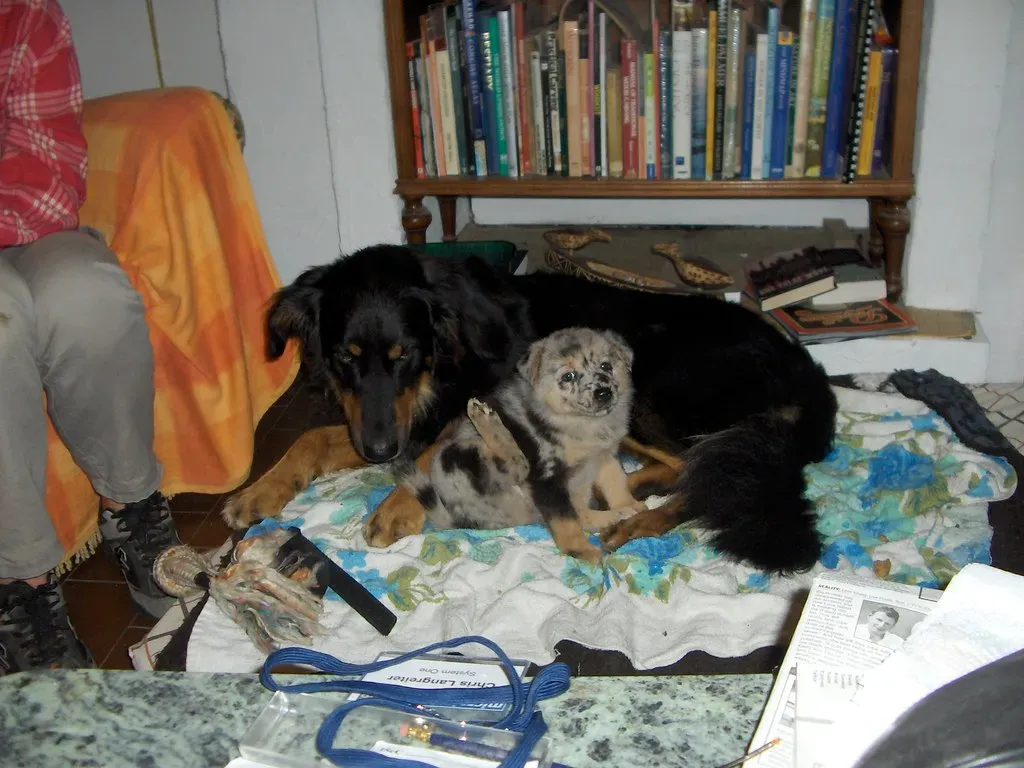
One day your dog jumps on the couch and you’re fine with it. The next day you scold them for doing the exact same thing. Sound familiar?
When training or interacting with your dog in a way which your dog perceives as inconsistent and unpredictable, they are often left feeling confused, stressed, and frustrated. This confusion doesn’t just slow down learning. It creates anxiety.
Consistency means that your dog receives the same cues, the same rewards, and the same consequences every time, and every person in your household is on the same page when it comes to expectations and commands. If one person lets the dog beg at the table while another strictly forbids it, your dog gets mixed messages.
Dogs aren’t being stubborn when they don’t follow unclear rules. They’re just trying to navigate a world where the rules keep shifting.
Your Dog Isn’t Getting Enough Physical Exercise

Dogs that don’t get regular, scheduled activity are more likely to show signs of frustration, restlessness, and destructive behavior, while those who know when their next walk or play session is coming are generally more relaxed and focused the rest of the day. A tired dog really is a happy dog.
Think about how you feel after sitting at a desk for eight hours straight. Restless, right? Your dog feels the same way when cooped up all day without an outlet for their energy.
Exercise can’t cure separation anxiety, but it certainly can help treat and prevent it, especially for large, high-energy dogs with a lot of it to burn off. Regular walks, playtime, and mental stimulation aren’t luxuries. They’re essentials.
If your dog is chewing furniture, digging holes, or bouncing off the walls, ask yourself honestly when was the last time they got a good, long run.
You Leave Them Alone for Too Long

If the destruction, elimination and vocalization are more likely to arise the longer the owners are away from home, it may be that they are being left alone too long. This isn’t about judging your work schedule. It’s about acknowledging reality.
Dogs are social animals. Being alone for eight, ten, or twelve hours at a stretch can trigger serious distress. More than 99% of dogs in the United States show behaviors that are potentially problematic, with the top categories being aggression, separation and attachment behaviors, and fear and anxiety behaviors.
If you work long hours, consider a dog walker, doggy daycare, or even a neighbor who can pop in. Your dog doesn’t need constant entertainment, just periodic companionship and relief from isolation.
The barking, the accidents, the destruction? They’re not spite. They’re panic.
You Don’t Have a Predictable Routine

Routine helps dogs feel secure, reduces anxiety, and creates a foundation for consistent training and better behavior, as those cues follow a consistent pattern, providing emotional stability and reducing reactivity. Dogs don’t wear watches, yet they somehow know when it’s dinnertime. They rely on patterns.
If your schedule is chaotic, feeding happens at random times, walks are sporadic, and bedtime shifts nightly, your dog is constantly off balance. A structured schedule can help reduce your dog’s anxiety by providing predictability and stability, as dogs thrive on routine, and when they know what to expect, they feel more at ease and secure.
Creating a routine doesn’t mean rigidity. It just means your dog knows roughly when to expect meals, walks, and downtime. That predictability builds confidence and reduces stress driven behaviors like excessive barking or destructive chewing.
You’re Not Providing Mental Stimulation
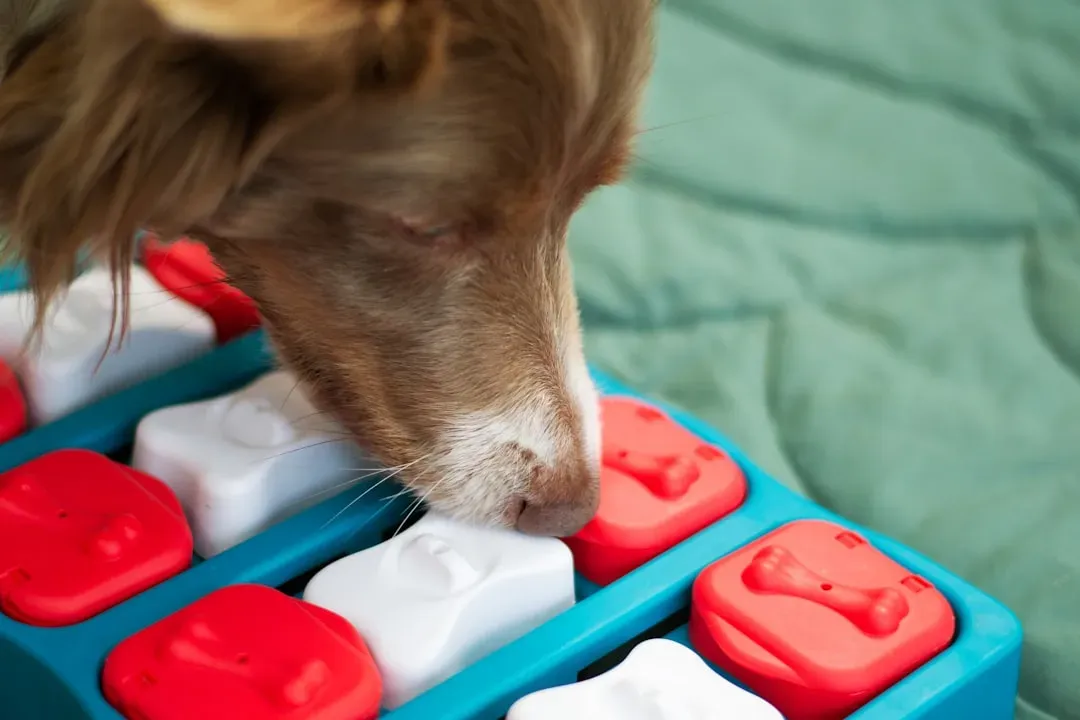
Physical exercise is only half the equation. Training sessions, puzzle toys, and cognitive games are all good choices, as a brain workout can be just as exhausting as a physical one. A bored dog will find their own entertainment, and you probably won’t like it.
Dogs need mental stimulation, and some dogs can be disruptive when left alone because they’re bored and looking for something to do; these dogs usually don’t appear anxious. They’re just understimulated.
Rotate toys, offer food puzzles, teach new tricks, or play scent games. These activities tire out your dog’s mind and keep them engaged. It’s hard to get into trouble when you’re busy solving a puzzle or sniffing out hidden treats.
Mental exhaustion leads to contentment. Without it, you’re just asking for mischief.
Your Emotional Energy Is All Over the Place

Dogs are emotional sponges. They pick up on your stress, your frustration, your anxiety. If you’re constantly frazzled or tense around your dog, they absorb that energy. If you are overly emotional about leaving your dog alone, your dog will be too.
When you come home to a mess and immediately explode in anger, your dog doesn’t connect your reaction to what they did hours earlier. They just know you’re scary when you walk through the door. This creates more anxiety, not less.
Calm, consistent energy is what your dog needs. Keep your arrivals and departures low-key, and when you are arriving home, ignore your dog for the first few minutes, and then calmly pet them, being loving without being overly dramatic or emotional.
Your dog mirrors you. If you want a calm dog, you need to model that calmness yourself.
You’re Reinforcing the Wrong Behaviors Without Realizing It
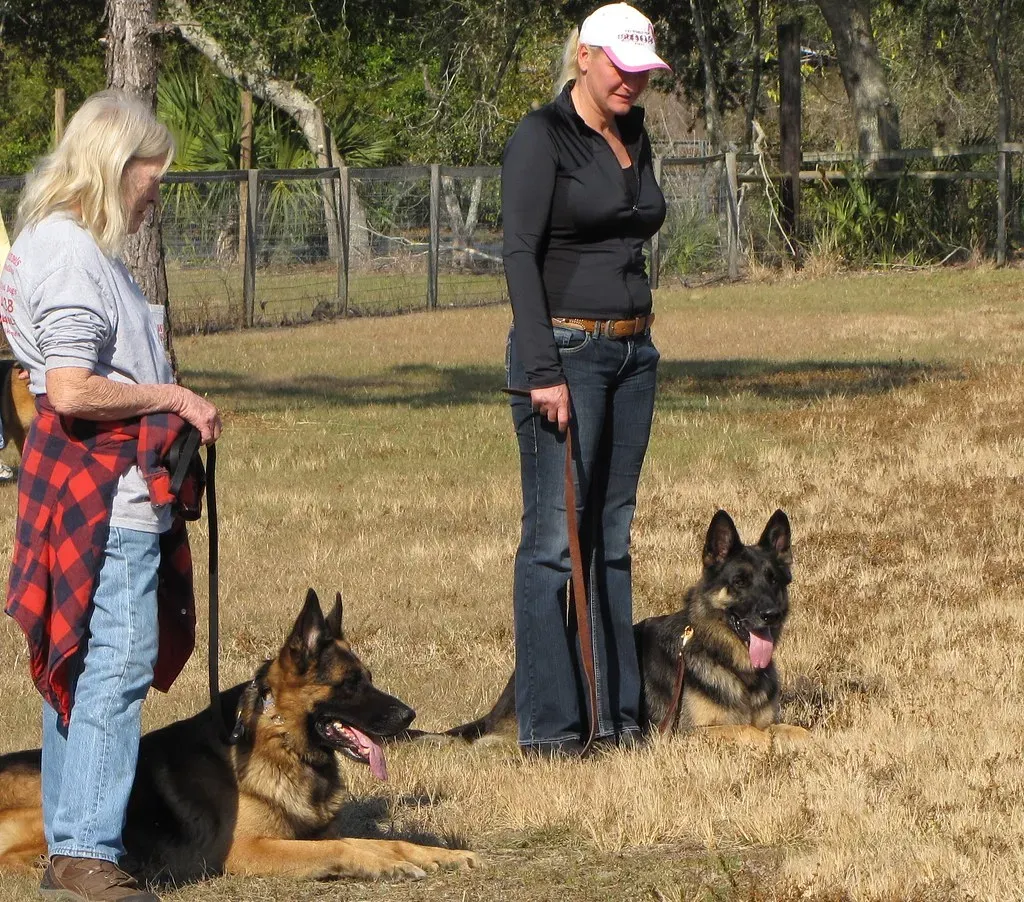
Inconsistency can maintain unwanted behaviors, and dog trainers often see people struggling to reduce a dog’s behavior they don’t like, but when the trainer digs deeper, they realize the owners are occasionally reinforcing the negative behavior, whether they realize it or not. You might be rewarding bad behavior accidentally.
For example, when your dog jumps on you and you pet them or talk to them, even if you’re saying no, you’re giving them attention. That’s a reward. When they bark for your food and you toss them a scrap to quiet them, you’ve just taught them that barking works.
It’s sneaky. You think you’re correcting, yet you’re actually reinforcing. Pay attention to what happens immediately after your dog does something. Are you inadvertently teaching them the exact opposite of what you want?
The solution is simple but requires discipline. Ignore unwanted behavior and reward the behavior you actually want to see.
You Haven’t Invested in Proper Training or Guidance
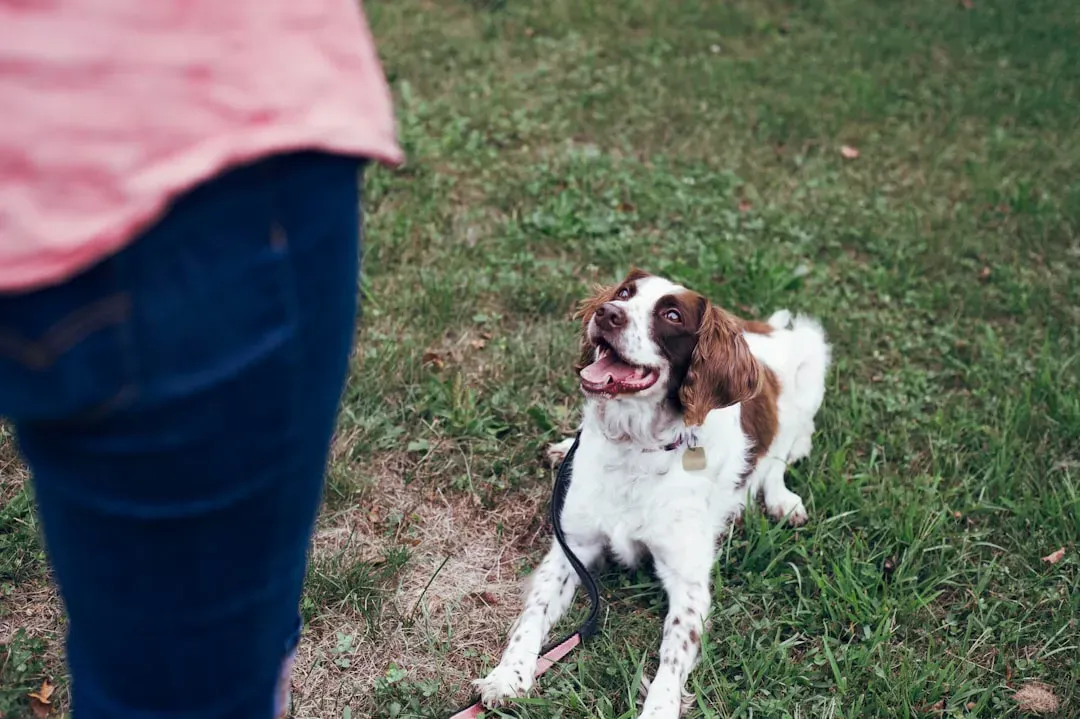
Training isn’t a luxury for problem dogs. It’s a necessity for all dogs. For normal but undesirable behaviors, owners require guidance and resource material on meeting dogs’ behavioral needs and understanding learning principles to reinforce what is desirable while preventing what is undesirable.
Many people assume their dog should just know how to behave. They don’t. They need to be taught. Consistently. With patience. And often with professional help. There’s no shame in admitting you don’t know how to train a dog.
Whether it’s a group class, private sessions, or even reputable online resources, investing time and energy into learning how to communicate with your dog changes everything. Protective factors include ensuring a wide range of experiences outside the home and with other people, and the most successful treatment for canine separation-related problems may be behavior modification that focuses on systematic desensitization and counterconditioning.
Your dog wants to please you. They just need clear instruction on how to do that. Without training, you’re both just guessing.
Conclusion

Honestly, it’s easier to blame the dog. They can’t argue back or defend themselves. Yet when we step back and look at the bigger picture, so many behavioral issues stem from lifestyle mismatches, not doggy defiance.
Your dog isn’t broken. They’re just living in an environment that doesn’t quite meet their needs. The good news? You have the power to change that. Adjust your routines, set clear boundaries, provide exercise and mental stimulation, and approach training with consistency and patience.
The transformation won’t happen overnight. Real change takes time and commitment. Still, when you align your lifestyle with what your dog truly needs, you’ll see a shift. Less frustration. More joy. A deeper bond.
What about you? Have you noticed any of these patterns in your own life? Which one hit closest to home? Share your thoughts in the comments.


