
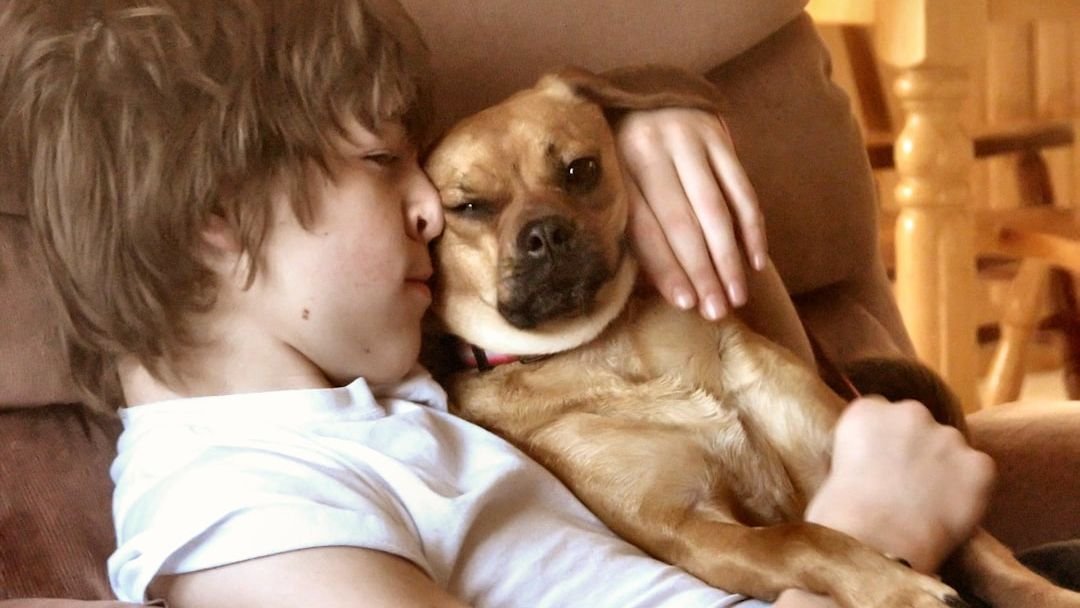
Have you ever wondered what your dog truly thinks of you? Beyond the wagging tail and eager greetings, there’s a deeper emotional connection at play. Dogs don’t just love us, they choose us as their anchor in an unpredictable world. When , you’re not just an owner or even a friend. You’re their entire sense of security, their calm in chaos, their home.
The concept of a safe place isn’t about control or dominance. It’s about trust so profound that your dog can relax completely, knowing you’ll protect them when they’re vulnerable. Think about how your pup reacts when thunder rumbles overhead or a stranger approaches the door. If they immediately turn to you, seeking comfort in your presence, that’s no accident. It’s the ultimate compliment a dog can give.
They Follow You Everywhere, Even to the Bathroom
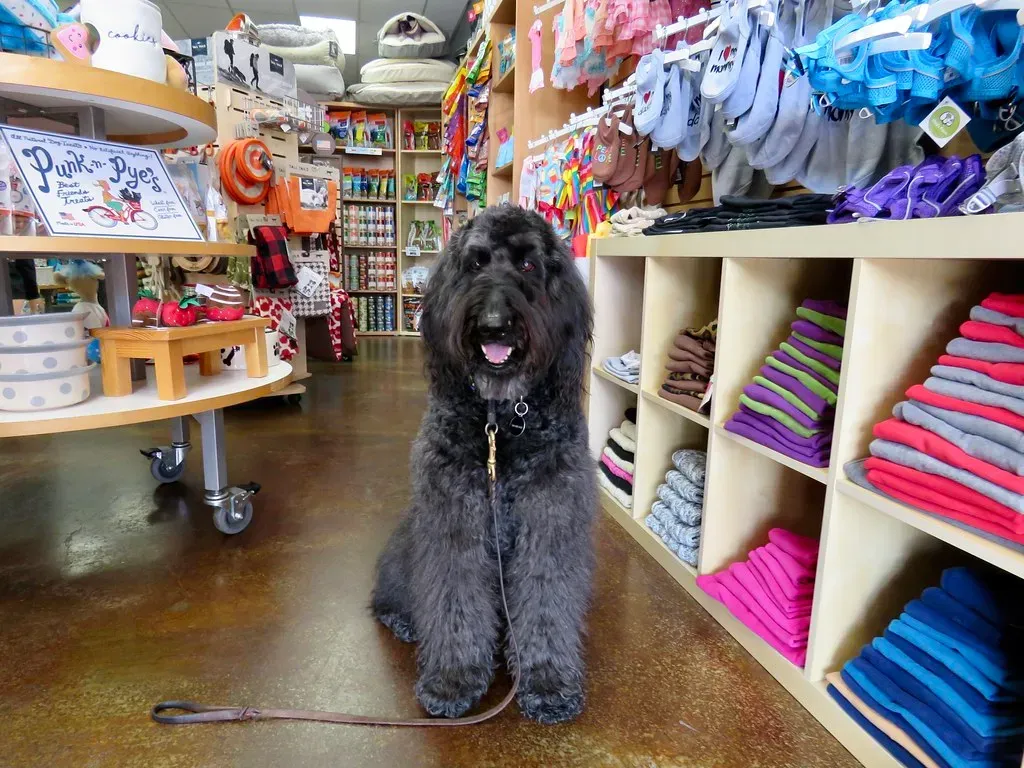
Let’s be real, if your dog shadows your every move, you’ve likely become their safe person. A dog who follows you around isn’t just being nosy they feel safest and most content when they’re near you. This behavior stems from an ancient pack mentality where proximity meant protection. Your dog isn’t trying to invade your privacy when they nudge the bathroom door open. They’re simply ensuring their safe place doesn’t disappear.
This following behavior also reflects your dog’s deep bond with you. It’s their way of expressing trust. They rely on you for safety, comfort, and affection. Sometimes this can look like mild clinginess, particularly in multi-room homes where they track you from the kitchen to the living room to the bedroom. It’s honestly quite endearing, even when you trip over them for the third time in an hour.
Your Dog Sleeps Near You or Seeks Your Scent
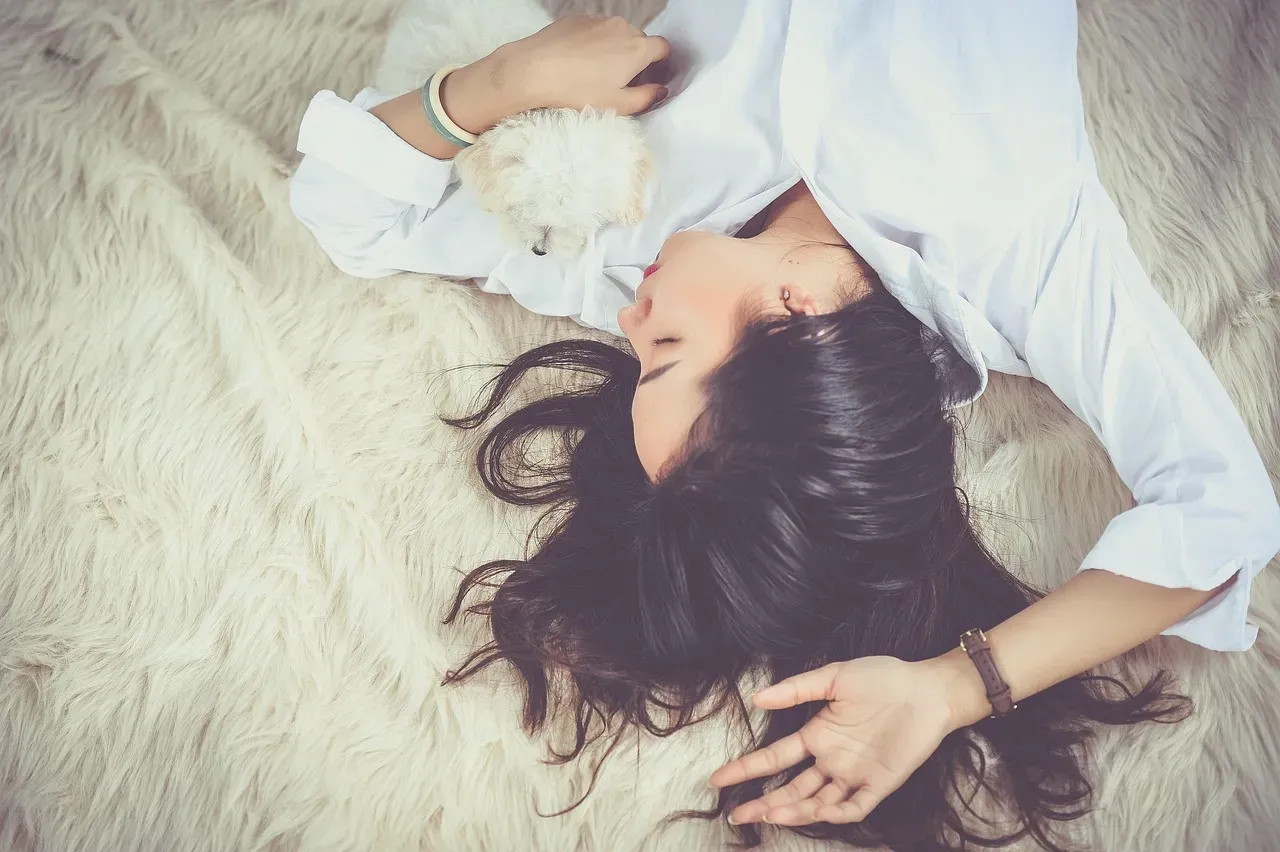
Sleep is when all animals are most vulnerable. In the wild, canines are at their most vulnerable when they sleep. If your dog chooses to sleep beside you, on your bed, or even on your clothes when you’re away, they’re telling you something profound. They trust you completely during their most defenseless moments.
When your dog chooses to sleep next to you or in your room, it’s a significant sign of their attachment. This behavior shows they feel safe and secure around you. Some dogs will even seek out items with your scent, a worn shirt or a blanket you’ve used, to self-soothe when you’re not physically present. It’s their way of keeping a piece of their safe place close.
You might notice your dog circling before settling down right against your leg. That’s not just about warmth or comfort, though those matter too. It’s about the security that comes from physical closeness to the person they trust most in the world.
They Look to You in Uncertain or Scary Situations
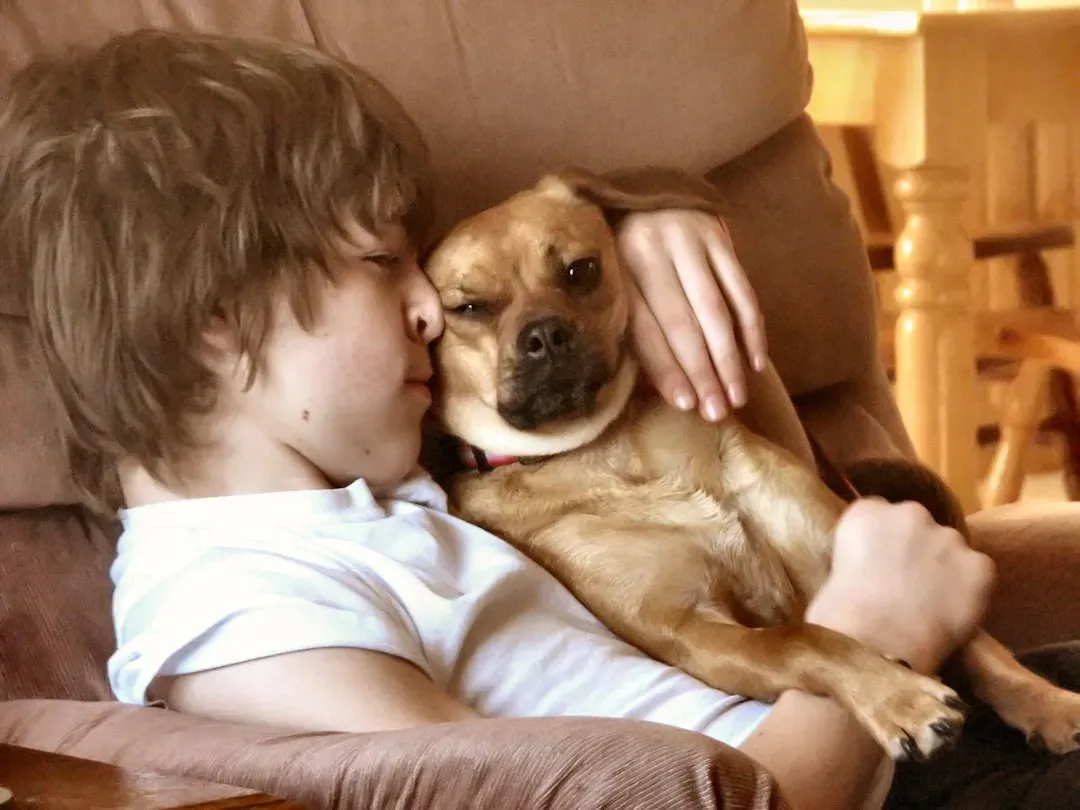
You, the owner, needs to provide a secure base from which your dog can explore their environment. But at the same time, you need to act as a safe haven to return to when your dog faces danger. Watch your dog’s behavior the next time something startles them. Do they immediately glance your way or move closer to you? That quick check-in is called social referencing, and it’s a clear sign you’re their emotional anchor.
Whether it’s a loud noise, an unfamiliar person, or even a strange object on the sidewalk, your dog looks to you for cues on how to react. If you remain calm, they’re more likely to settle down. This dynamic shows they’ve learned to trust your judgment about what’s safe and what’s not. I think it’s one of the most beautiful aspects of the human-dog bond.
Your dog’s brain does not understand the difference between real and perceived threats, and reacts in the same way. Supporting your dog during a stressful situation is important to fulfil your dog’s need for closeness and safety and promotes a healthy attachment.
They Lean Against You or Seek Physical Contact
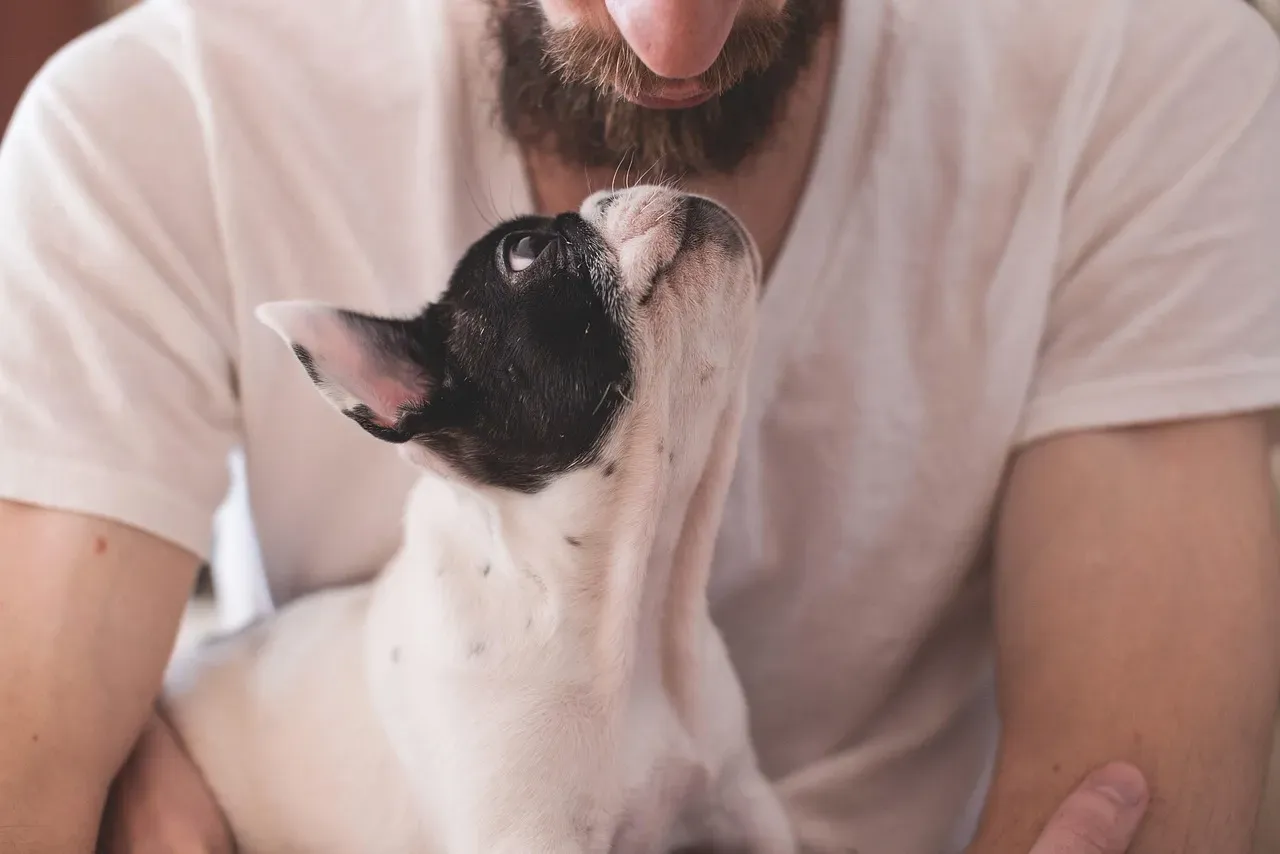
If your dog leans their body weight against you or rests their head on your lap, it’s a sign of trust and attachment. They only do this with people they feel comfortable and secure around. Leaning isn’t just about affection, though there’s plenty of that involved. It’s a physical manifestation of emotional security.
From laying their head on your lap to leaning against your side, dogs who crave physical closeness are showing emotional closeness too. It’s their way of saying, “You’re my safe place.” Some dogs will press their entire body weight into your legs when they’re nervous. Others might drape themselves across your feet while you work or watch television. These aren’t accidental positions, they’re deliberate choices to stay connected to their source of comfort.
They Show You Their Belly Willingly
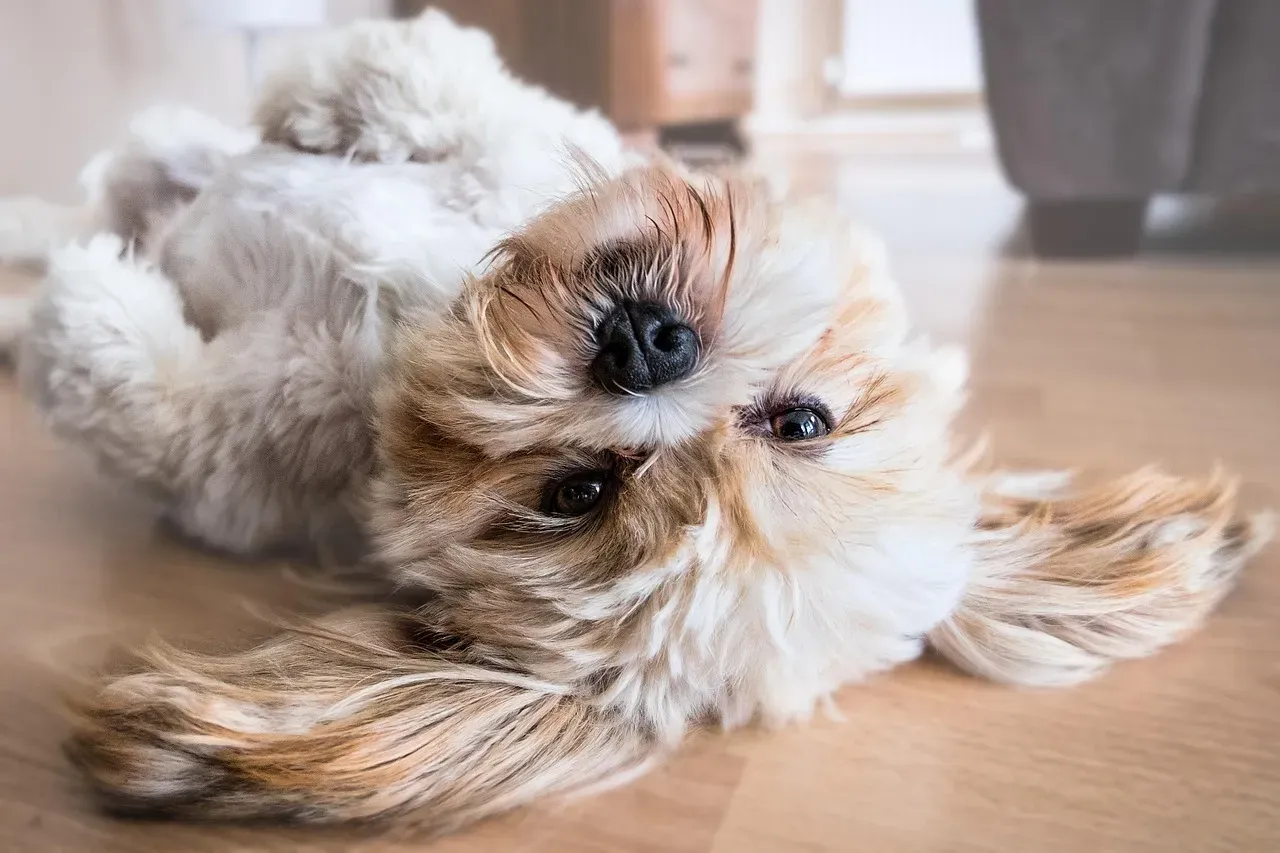
Belly exposure is vulnerability. When a dog rolls over and exposes their belly, they’re saying, “I trust you completely.” Not every belly-up position means the same thing, context matters. However, when your dog voluntarily flops over in a relaxed environment, showing their most vulnerable area, that’s pure trust.
In a relaxed, safe environment, rolling over is a sign of submission and trust, showing that the dog feels comfortable enough to expose their most vulnerable area. This behavior can happen during play, after a walk, or when you’re simply sitting together. The key is that wiggling, relaxed body language that says they have zero concerns about their safety in your presence.
It’s hard to say for sure, but I believe dogs understand on some level that showing their belly is a gesture of complete faith. They’re literally putting their life in your hands, and they’re happy about it.
Your Dog Tries to Comfort You When You’re Upset

Dogs with strong emotional attachments will be very in tune with their pet parent’s emotions. They can pick up on feelings of anxiety or sadness and will try to provide comfort by nuzzling or licking your face. This isn’t just learned behavior, though training can enhance it. Dogs are highly attuned to human emotions, often sensing when their owners are distressed and providing comfort simply by being present.
When you cry or feel stressed, does your dog approach with soft eyes and gentle movements? Do they rest their head on your knee or paw at your hand? These are attempts to soothe you, just as you soothe them when they’re frightened. It shows they view you as part of their pack, deserving of care and protection. The relationship flows both ways, you provide safety for them, and they offer comfort to you.
Some dogs have an uncanny ability to show up right when you need them most. They press against your side, rest their head on your knee, or just sit nearby. It’s not coincidence – it’s connection.
They Maintain Soft Eye Contact With You
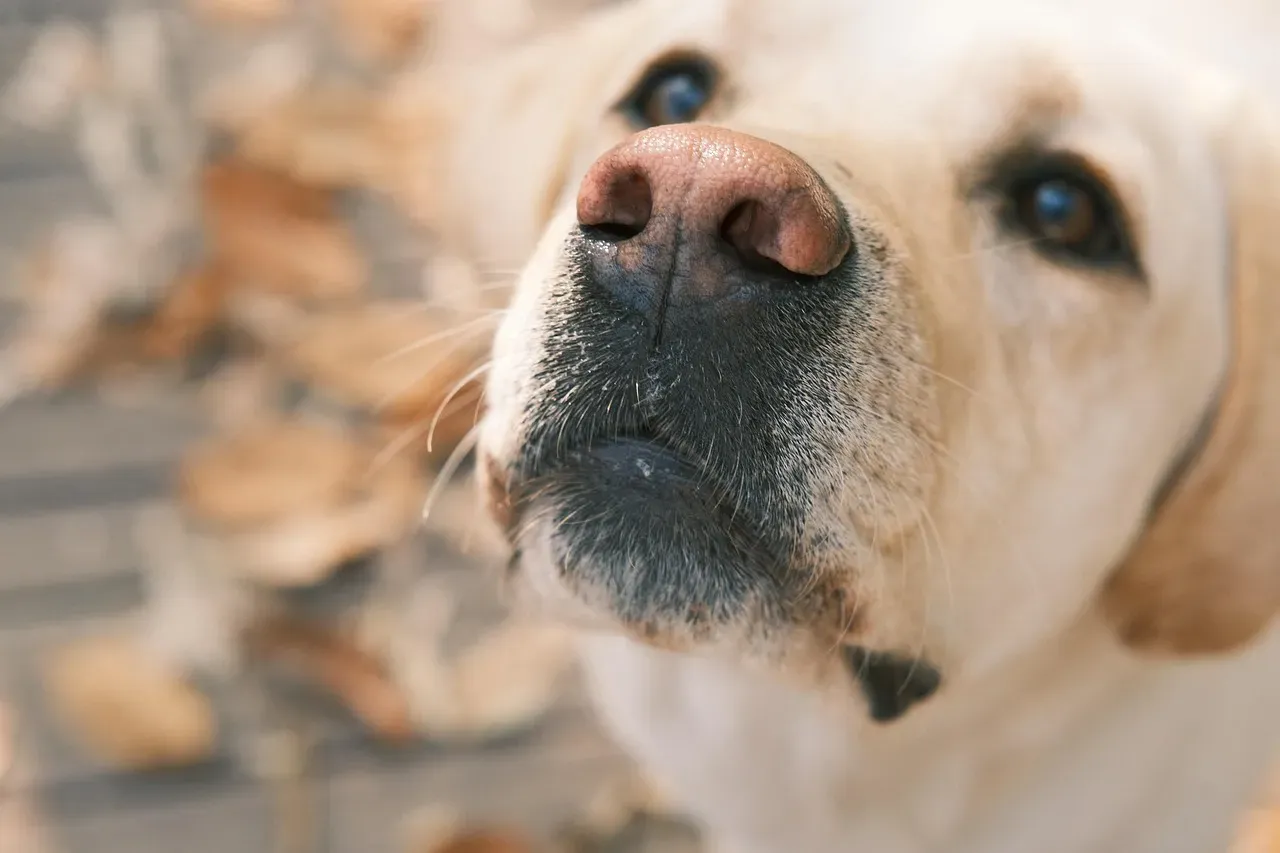
Dogs that are emotionally attached to their owners tend to maintain eye contact, looking at them with soft, relaxed eyes. Eye contact in the dog world is complex. Hard stares can signal aggression or challenge between unfamiliar dogs. However, with their safe person, dogs offer a completely different kind of gaze.
Soft, blinking eyes show affection and trust. That slow blink, accompanied by relaxed facial muscles and maybe a gentle tail wag, is often called a “doggy smile.” Research has shown that this kind of mutual gazing between dogs and their humans actually triggers oxytocin release in both species, the same bonding hormone that connects parents and infants.
When your dog looks at you with those soft, adoring eyes, they’re not just asking for treats or attention. They’re expressing contentment and security in your presence. There’s something deeply moving about being the recipient of that kind of pure, uncomplicated trust.
They Greet You With Full-Body Excitement Every Time
One of the most obvious signs of attachment is the enthusiastic, full-body greeting you receive whenever you return home. Your dog may jump, wag their tail vigorously, and even bark out of excitement. Whether you’ve been gone for ten minutes or ten hours, the reunion is treated like a major event. This isn’t just happiness, it’s relief that their safe place has returned.
Dogs who view you as their secure base experience genuine stress during separation, even brief ones. When you come back, the flood of relief and joy manifests in that wiggling, spinning, tail-wagging celebration that makes it nearly impossible to get through the door with groceries. Some dogs will bring toys, others will do zoomies around the living room, and many will simply press against you as if to confirm you’re really back.
Dogs with separation-related problems also tend to engage in excessive excitement when the owner returns. While extreme reactions might warrant attention for separation anxiety, moderate enthusiasm is perfectly healthy and indicates you’re deeply valued in your dog’s emotional world.
Conclusion
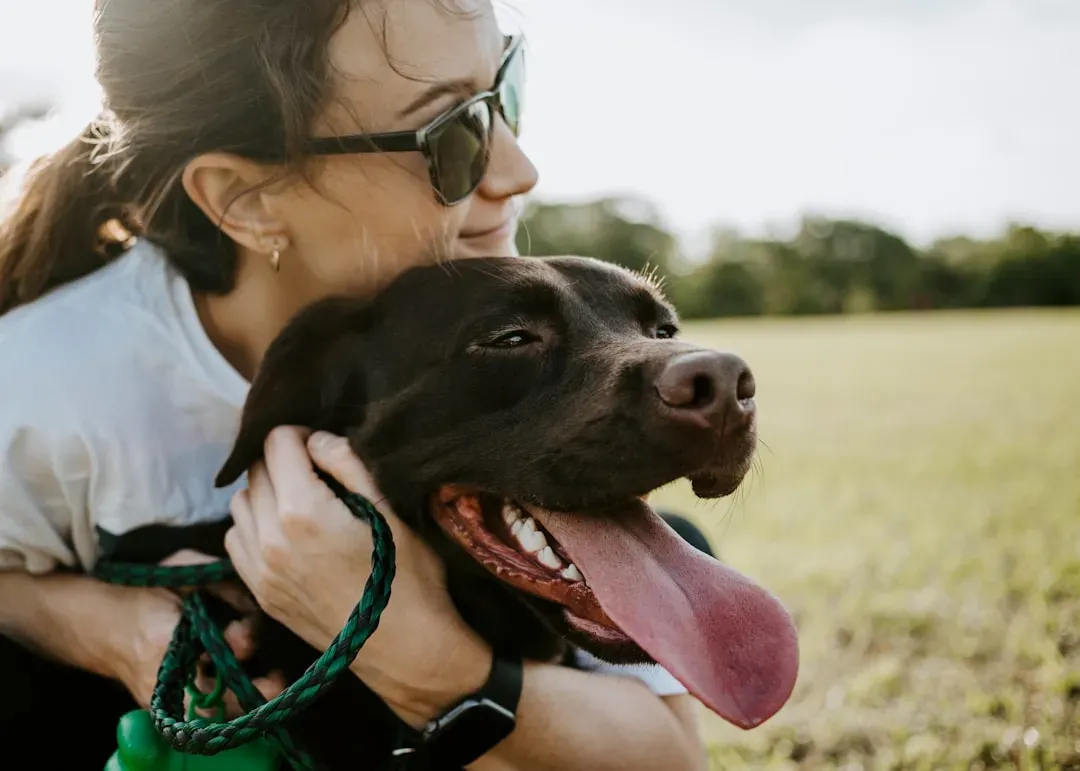
Becoming is one of the greatest honors in the world of pet ownership. It means you’ve built a foundation of trust, consistency, and love that allows your dog to navigate life with confidence. From the way they shadow your steps to the soft gaze they reserve just for you, every sign points to a bond that goes beyond simple companionship.
This relationship isn’t something that happens overnight. It’s built through countless small moments of reliability, showing up when they’re scared, being patient when they’re confused, staying calm when they’re anxious. When you recognize these eight signs in your own dog, take a moment to appreciate what you’ve created together. You’re not just their owner. You’re their home, their comfort, their everything.
So next time your dog follows you to the bathroom for the hundredth time or interrupts your work to lean against your leg, remember what they’re really saying. Did you ever realize how much trust your dog places in you every single day?


