
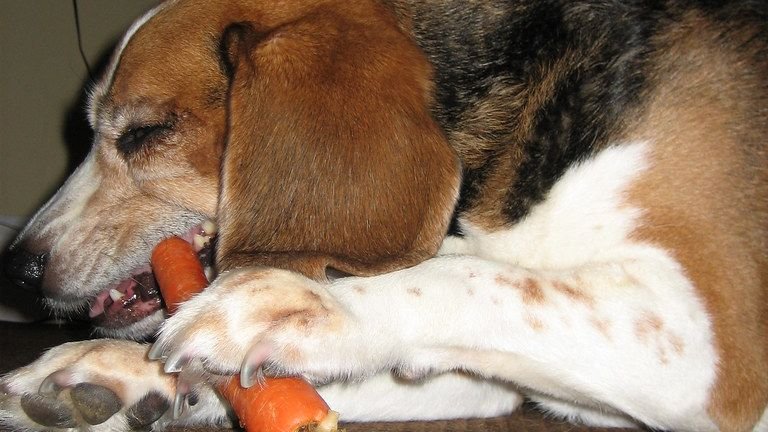
Picture this. You lean in for a sweet moment with your pup, and they greet you with breath that could peel wallpaper. Not exactly the bonding experience you hoped for, right? Here’s the thing though: that funky breath isn’t just unpleasant. It’s often the first whisper of something more serious happening beneath those adorable jowls.
Most dogs show signs of dental disease by the time they’re just three years old, yet so many of us don’t realize our furry friends need dental care just as much as we do. The good news? You don’t need to fork over hundreds at the vet every few months to keep those canine chompers in decent shape. With a few simple tricks up your sleeve, you can tackle plaque, freshen breath, and maybe even dodge some hefty dental bills down the road. Let’s dive into eight practical ways to keep your dog’s smile bright and their tail wagging.
Start Brushing (Yes, Really!)
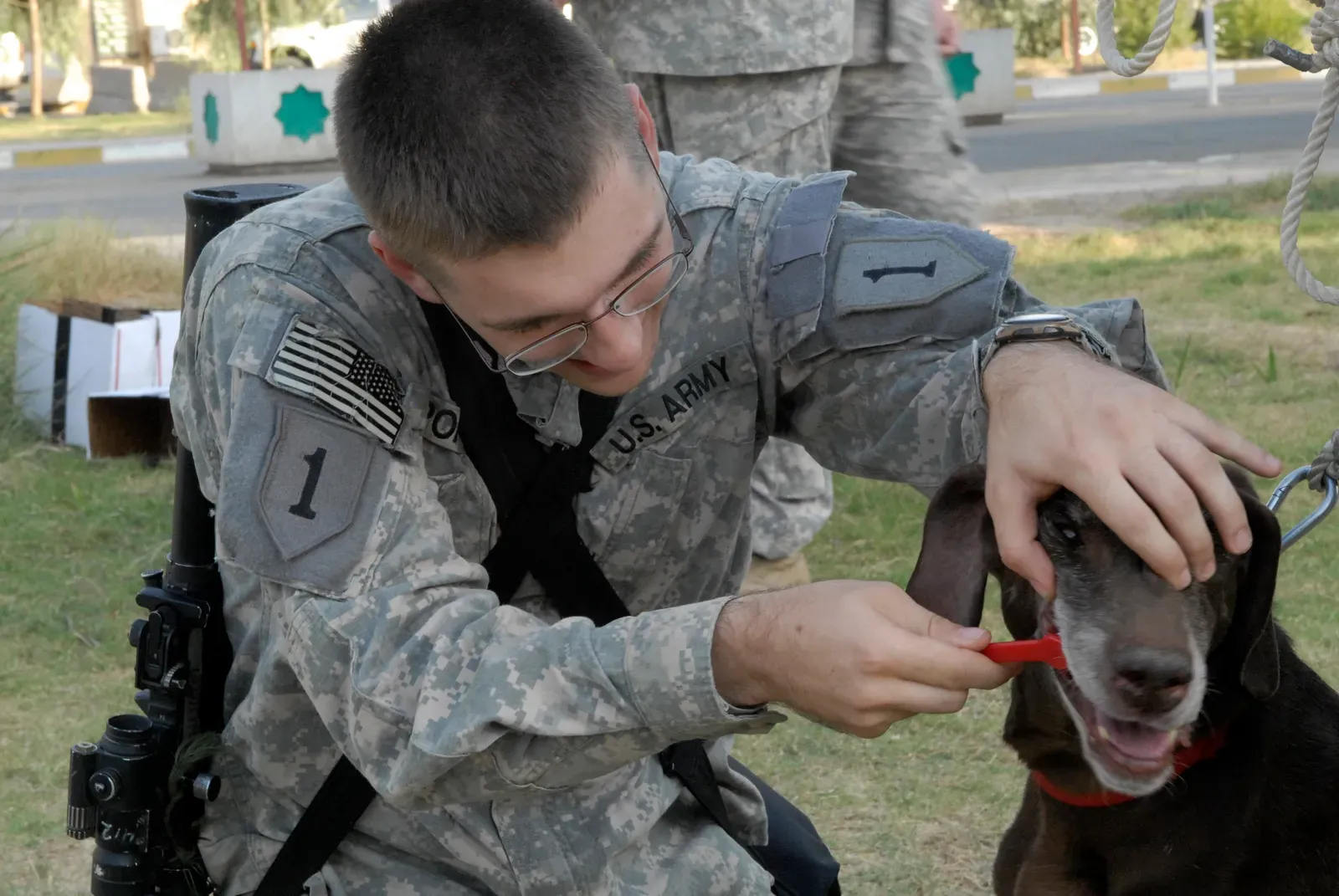
Regular brushing is the single most effective thing you can do to keep their teeth healthy between dental cleanings, and honestly, it’s not as impossible as it sounds. I know what you’re thinking: my dog won’t sit still for five seconds, let alone let me stick a toothbrush in their mouth.
Here’s the secret. Start slow. Getting a dog used to having their teeth brushed from a young age means it’ll be much easier throughout their lives, but even older dogs can learn to tolerate it. Use a dog-specific toothbrush and toothpaste in flavors they’ll actually enjoy, like poultry or peanut butter.
Human toothpaste has way too much fluoride content which can be toxic to animals, so never use your own paste. Begin by letting them lick the toothpaste off your finger, then gradually work up to rubbing their teeth with your finger, and finally introduce the brush. Even brushing a few times a week makes a real difference.
Embrace the Power of Dental Chews
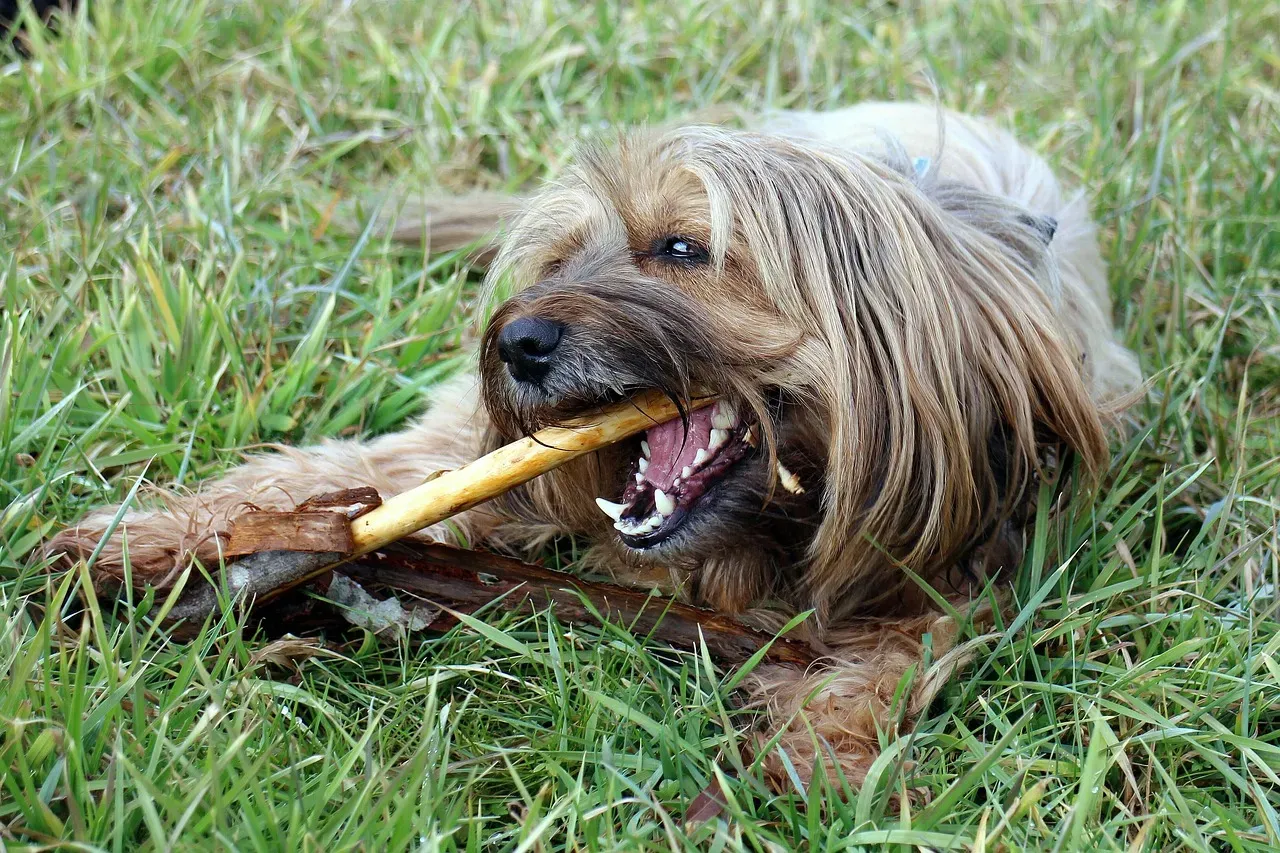
Dental chews aren’t just treats your dog begs for. They’re actually working overtime while your pup enjoys them. Dental chews are enriched with natural enzymes that aid in softening and removing tartar, and regular chewing helps to scrape away plaque.
The key is choosing the right ones. Daily use of products that have been awarded the VOHC Seal will help to keep your pet’s teeth clean. The Veterinary Oral Health Council tests products to ensure they actually do what they claim.
Watch your dog while they chew, though. Some dogs get overly enthusiastic and might choke if they try to gulp down large pieces. Pick a size appropriate for your dog’s breed and always supervise snack time.
Try Water Additives for Effortless Care
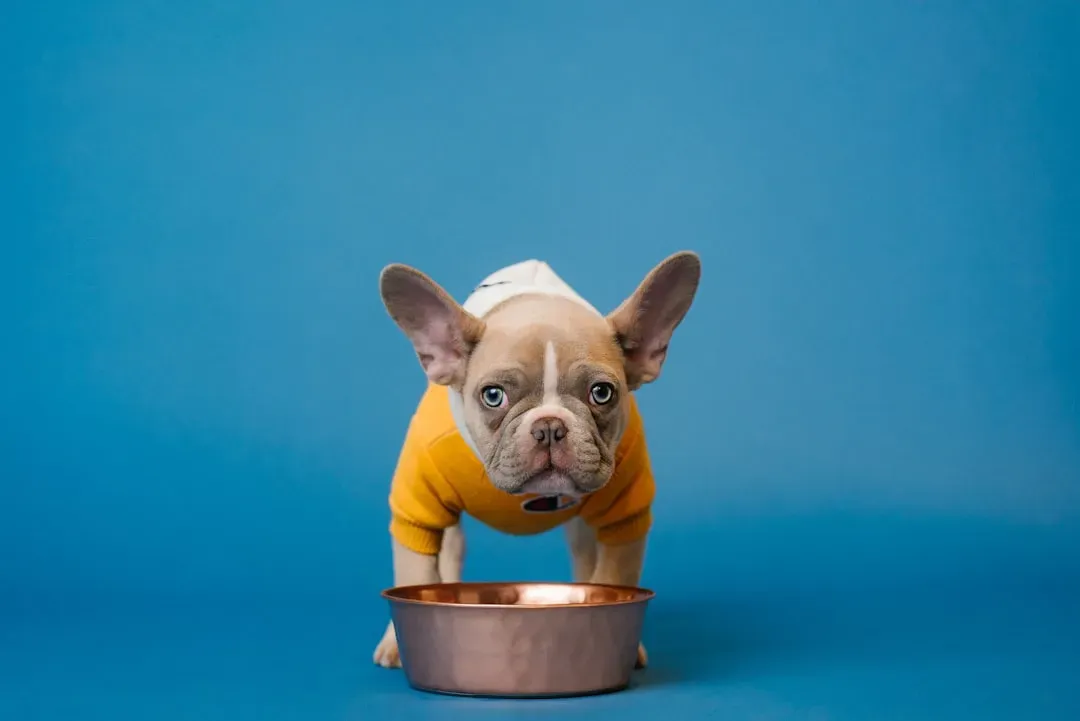
What if I told you that you could improve your dog’s dental health without them even knowing? Water additives are like a stealth attack on plaque. You simply pour a measured amount into their water bowl, and they get dental benefits every time they take a drink.
These products work by reducing bacteria in the mouth and helping to break down plaque before it hardens into tartar. Most are tasteless and odorless, so your dog won’t even notice the difference. It’s not a replacement for brushing, but it’s a fantastic supplement, especially for dogs who are less cooperative with other methods.
Just make sure you choose a product that’s been tested and approved. Your vet can recommend specific brands that are safe and effective for your particular pup.
Add Crunchy Fruits and Veggies to Their Diet
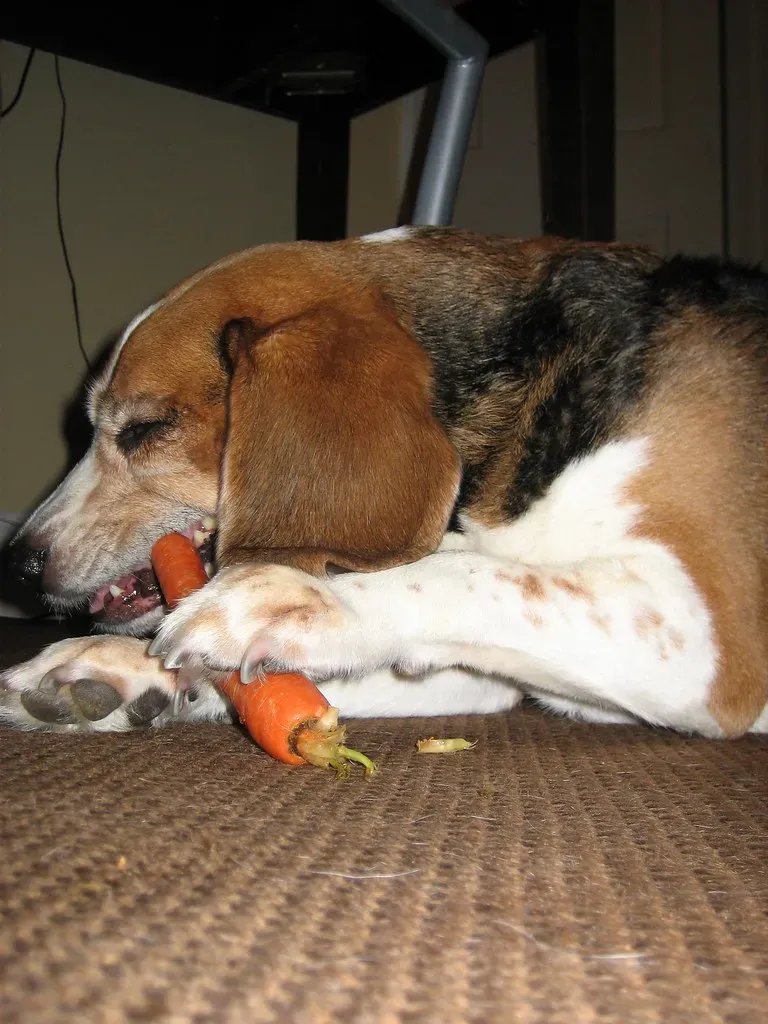
Give your dog a piece of apple or a peeled carrot to munch on, as the chewing action helps to scrub their teeth and massage their gums. Nature provides some surprisingly good dental tools in the form of crunchy produce.
Carrots, apples (without seeds), and even celery act like natural toothbrushes. The fibrous texture helps scrape away food particles and plaque as your dog chews. Plus, they’re low in calories and packed with vitamins, so it’s a win all around.
Introduce these slowly to avoid any tummy upset, and always cut them into appropriately sized pieces. Some dogs go absolutely nuts for these healthy snacks, while others might need a little encouragement. Either way, it’s worth a shot.
Consider Raw Bones (With Caution)
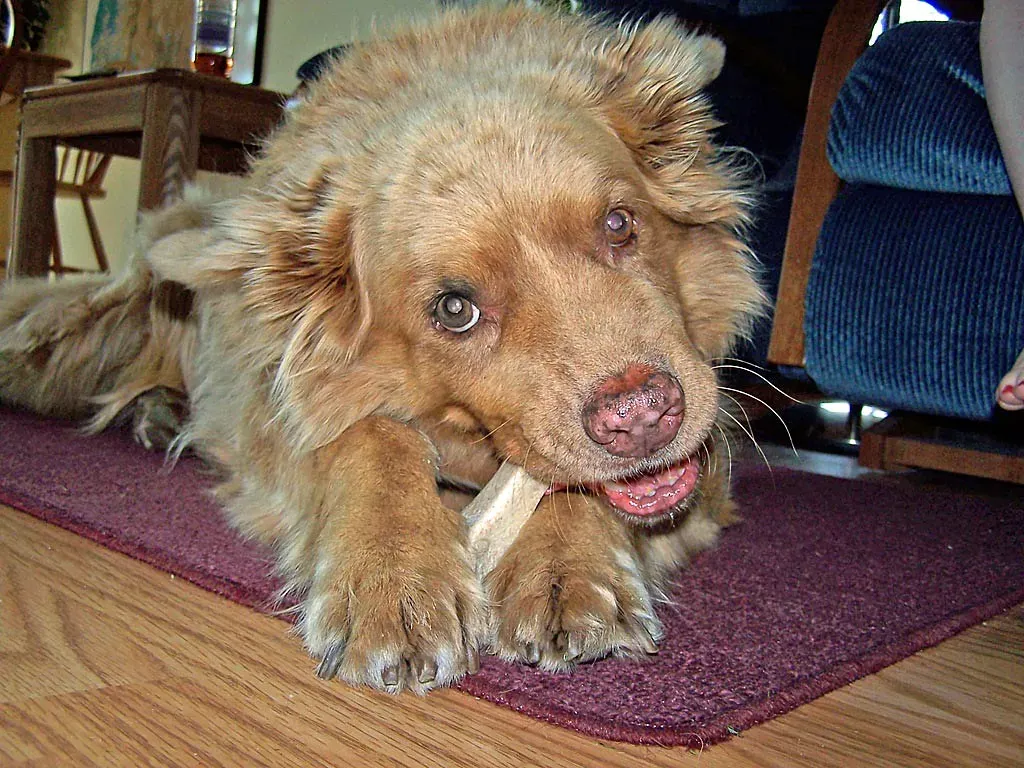
Raw bones help naturally remove tartar as dogs chew on them, promoting good dental health. There’s something primal about watching a dog gnaw on a bone, and it turns out this ancient activity is genuinely beneficial for their teeth.
The key word here is raw. Cooked bones will splinter easily and can really cut up your dog’s mouth and throat, so never give your dog cooked bones from your dinner table. Raw bones are more pliable and safer for chewing.
Choose bones that are appropriately sized for your dog and always supervise. Some vets also recommend naturally shed deer antlers as an alternative, since they last a long time and don’t splinter. Whatever you choose, make sure you’re there to keep an eye on things.
Use Dental Wipes for Quick Clean-Ups
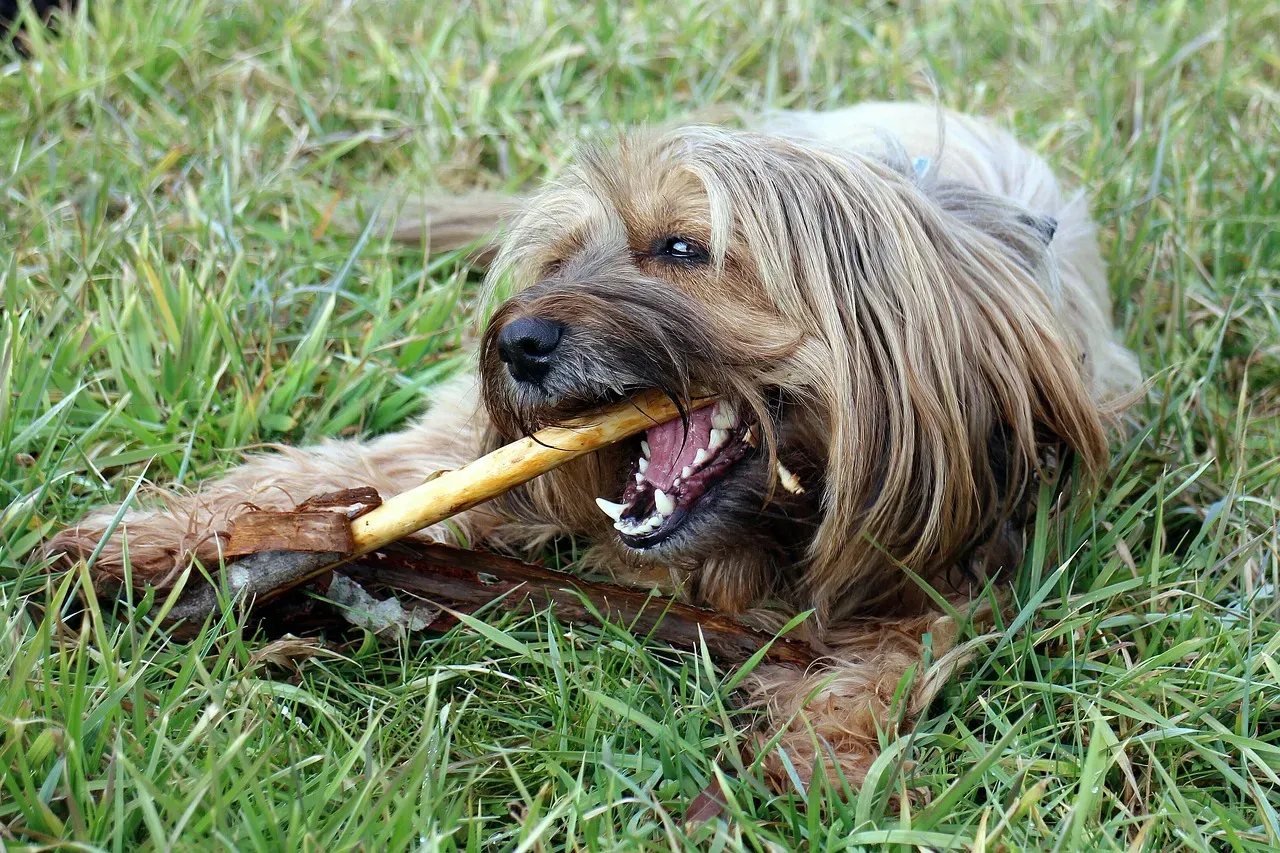
Not every day allows time for a full brushing session, and that’s where dental wipes come in handy. Dental wipes are effective in removing plaque and tartar, gently rubbing each tooth in a circular motion.
Think of them as a quick freshen-up between more thorough cleanings. They’re especially useful for dogs who are still getting used to having their mouths handled, since wipes are less intimidating than a toothbrush. Just wrap one around your finger and gently wipe along the gum line and tooth surfaces.
They won’t replace proper brushing, but they’re better than nothing on those hectic days. Keep a pack handy and use them whenever you have a spare minute.
Incorporate Dental Toys into Playtime
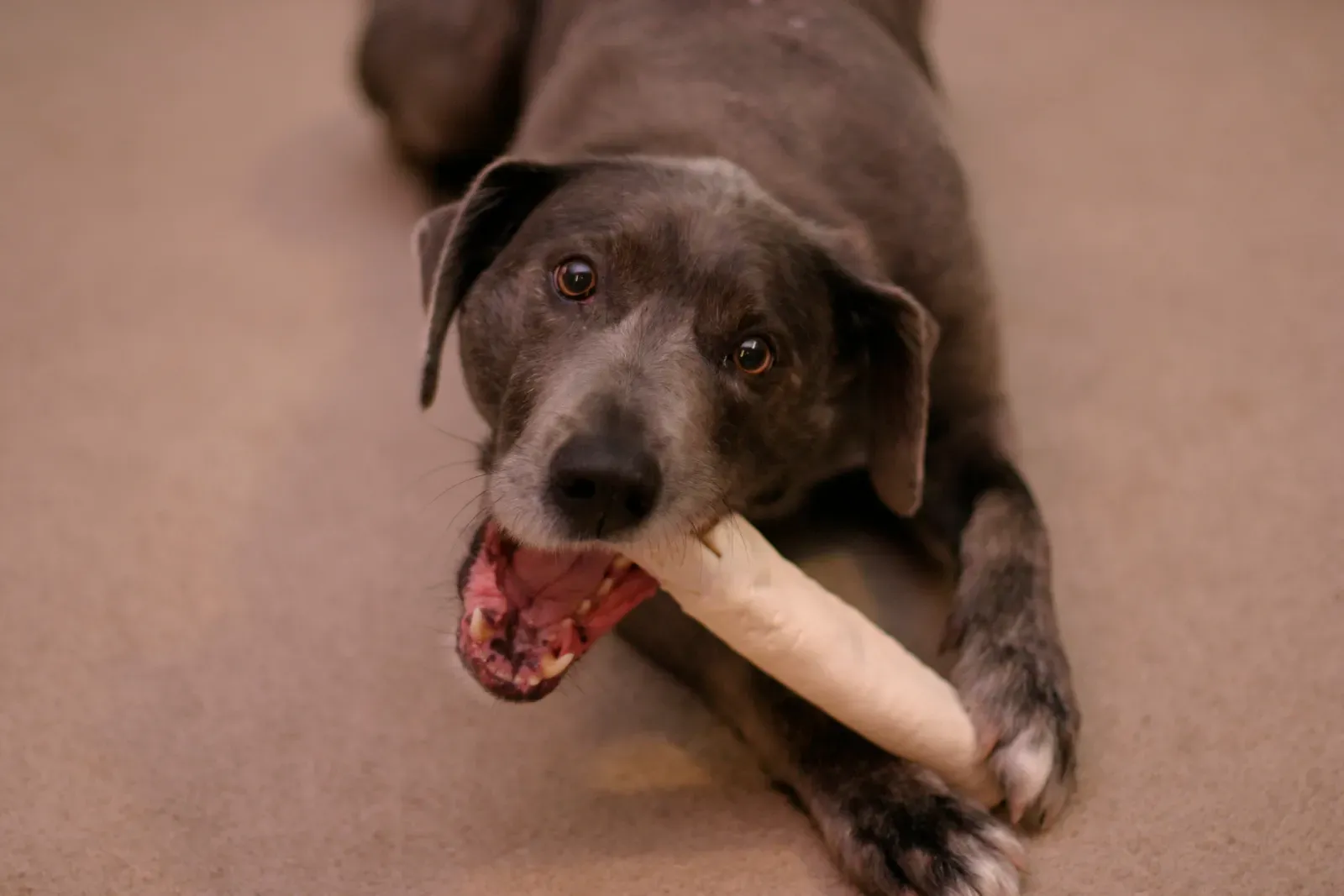
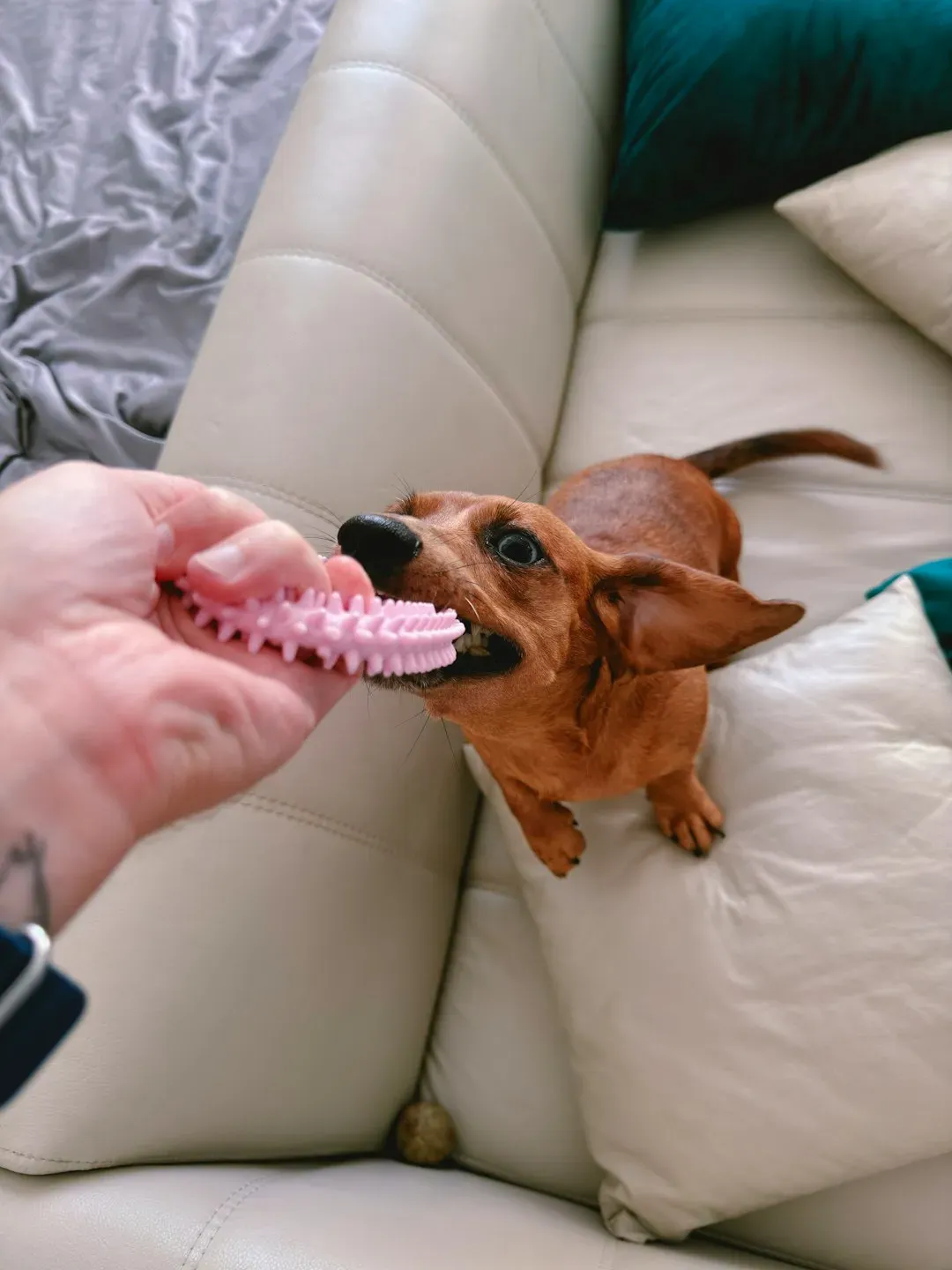
Who says dental care can’t be fun? Certain chew toys are specifically designed with textured surfaces that help clean teeth as your dog plays. These toys work by providing a gentle abrasive action that scrapes away plaque and tartar buildup.
Look for toys made from durable rubber with ridges, nubs, or rope elements. Some even have spaces where you can hide treats or toothpaste to make them extra enticing. The best part? Your dog thinks they’re just having a blast, while their teeth are actually getting cleaned.
Rotate different types of dental toys to keep things interesting. Just make sure they’re the right size for your dog and inspect them regularly for wear and tear.
Schedule Regular Vet Check-Ups
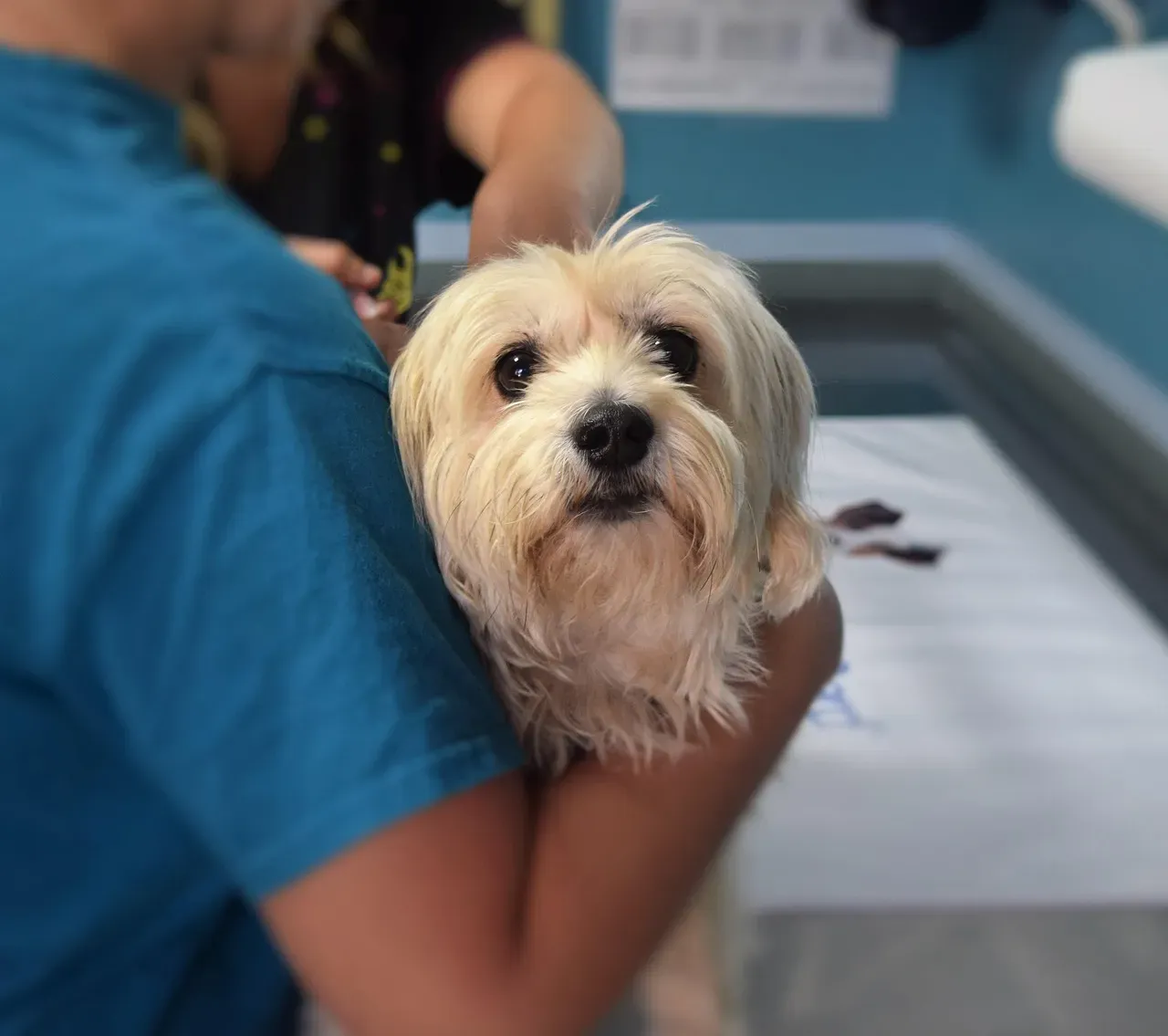
Here’s the reality check. Plaque forms within a few hours after a meal, and within 24 hours, plaque begins to harden. Even with the best home care routine, some buildup is inevitable. That’s why professional cleanings matter.
Studies show that 80 to 90 percent of dogs over the age of 3 have some component of periodontal disease, and much of it goes unnoticed until it’s advanced. Your vet can spot problems you’d never see during a routine visual inspection at home. They can also perform professional cleanings that get beneath the gum line where plaque does its worst damage.
Don’t wait until your dog shows obvious signs of pain or discomfort. Periodontal disease is painful, even if your dog doesn’t seem to show signs of pain. Regular check-ups mean catching issues early when they’re easier and cheaper to treat.
Conclusion
Your dog’s dental health isn’t just about avoiding bad breath or keeping their smile pretty. Periodontal disease has been linked to liver and heart disease, making it a whole-body issue that deserves your attention. The beauty of these eight hacks is that they’re all doable, even if you’re juggling a busy schedule or a less-than-cooperative pup.
Start with one or two methods that feel manageable and build from there. Maybe it’s adding a dental chew to their daily routine or tossing a carrot their way a few times a week. Small steps add up to big results over time.
Remember, you know your dog best. Some of these tricks will work brilliantly, while others might need tweaking to fit your unique situation. What’s your biggest challenge when it comes to keeping your dog’s teeth clean? Have you tried any of these methods already?


