
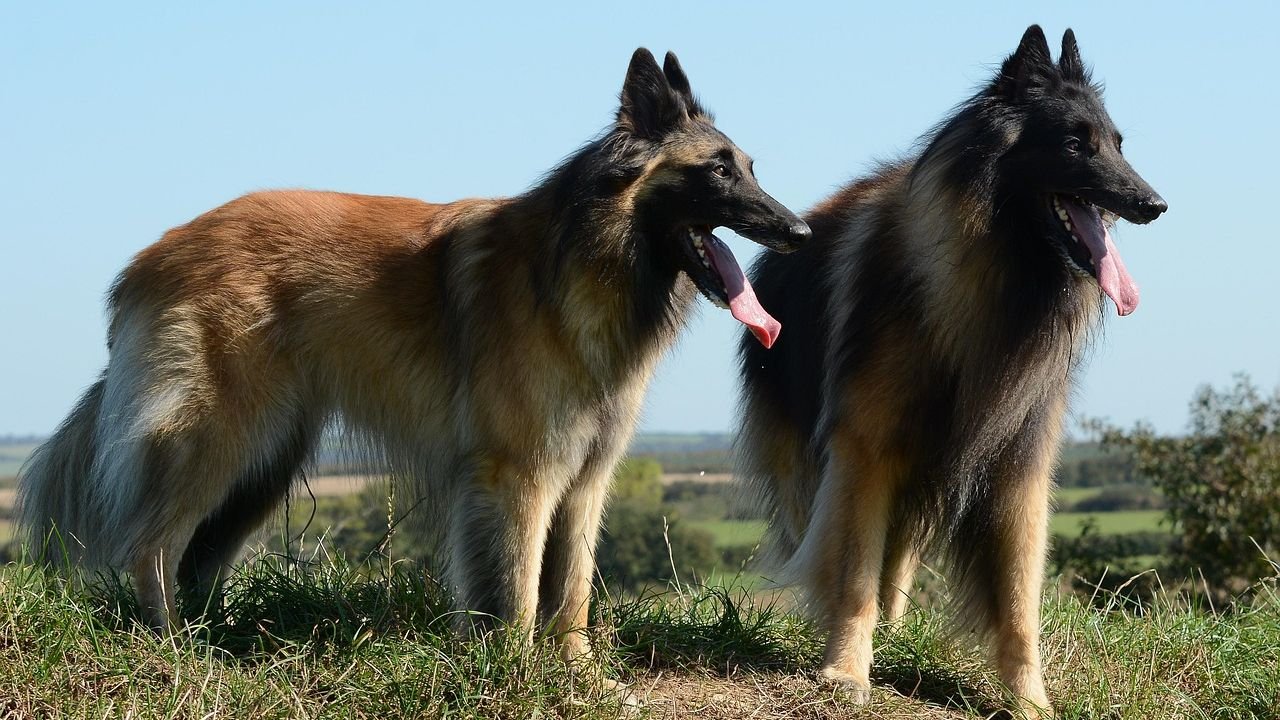
Picture this. You’re running your fingers through your dog’s fur, expecting that soft, silky feeling you remember. Instead, you’re met with a coat that feels more like straw than silk. Maybe there’s a funky smell clinging to your pup, or you’re noticing way more shedding than usual.
Here’s the thing. Your dog’s coat isn’t just about looks. It’s actually a window into their overall health and happiness. When things go wrong on the outside, it often means something needs attention on the inside too. Whether you’re a first-time dog parent or have been around the block with multiple pups, transforming your furry friend’s coat doesn’t have to be complicated or expensive. Let’s dive into eight straightforward steps that’ll get that tail wagging and that coat gleaming.
Brush Regularly to Unlock Natural Shine
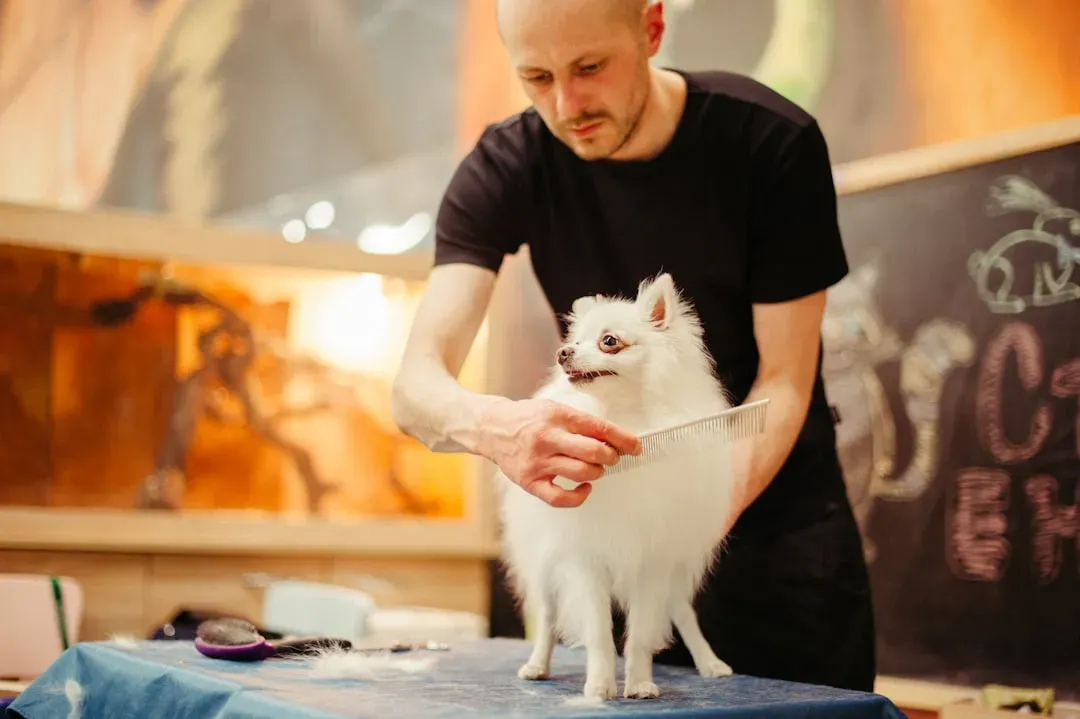
Brushing removes dirt and filth, smooths the fur to avoid tangles and mats, and distributes important skin oils throughout the hair to keep it naturally hydrated and reduce shedding. Think of brushing as a mini spa session for your dog. It’s honestly one of the most underrated grooming tools you have at your disposal.
The frequency really depends on your dog’s coat type. Dogs with longer coats or double coats will require more frequent brushing to prevent mats and tangles, while short-haired dogs benefit from less frequent, but still regular, brushing to remove loose hair and dirt. Some dogs need daily attention, while others can get by with once or twice a week.
Pick the right brush for your specific dog. For the greatest results, choose a brush designed precisely for your dog’s fur type and length. Your vet can point you in the right direction if you’re not sure what tool works best.
Get the Bathing Frequency Just Right
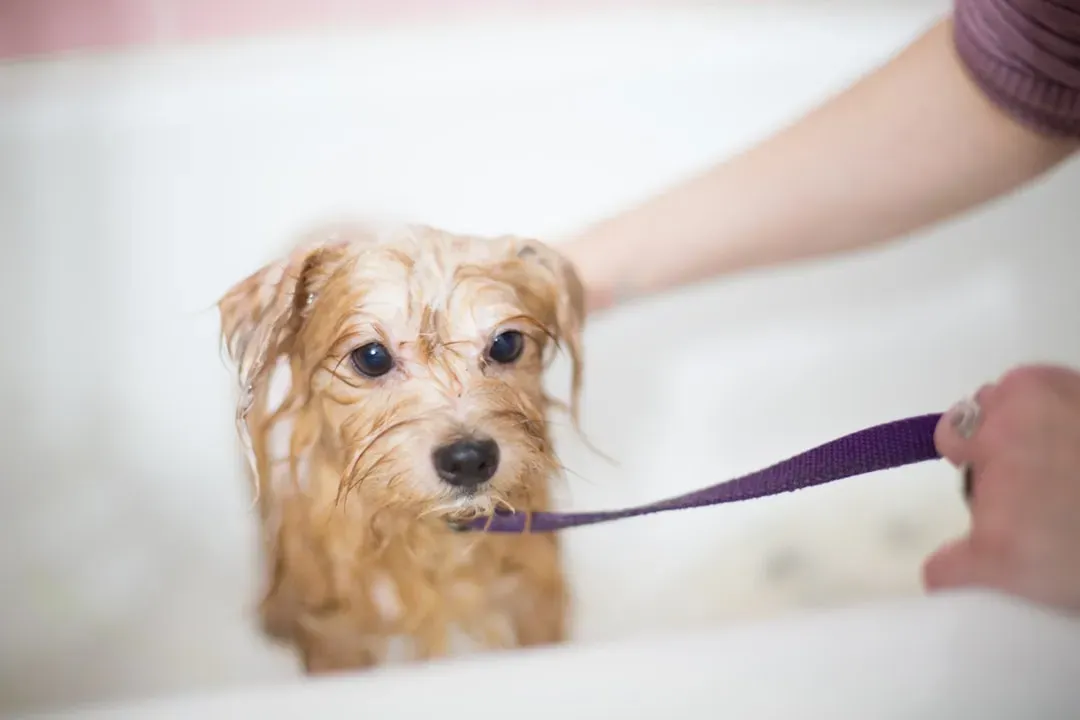
Let’s be real. Too many baths can be just as bad as too few. Bathing too frequently, however, can dry up the skin, resulting in a dull, unhealthy coat and excessive shedding. Finding that sweet spot is key to maintaining healthy skin and fur.
A general guideline is to bathe your pup once every two to three months. That said, it’s not one-size-fits-all. Active dogs that love rolling in mud or swimming will need more frequent baths than couch potatoes. Dogs with longer coats might need monthly baths, while short-haired breeds can sometimes go three months between washes.
Here’s a tip I picked up from talking to groomers. We should wash our dogs when they are no longer huggable. If you don’t want to snuggle your pup because of how they smell or feel, it’s bath time.
Choose Dog-Specific Shampoo Products
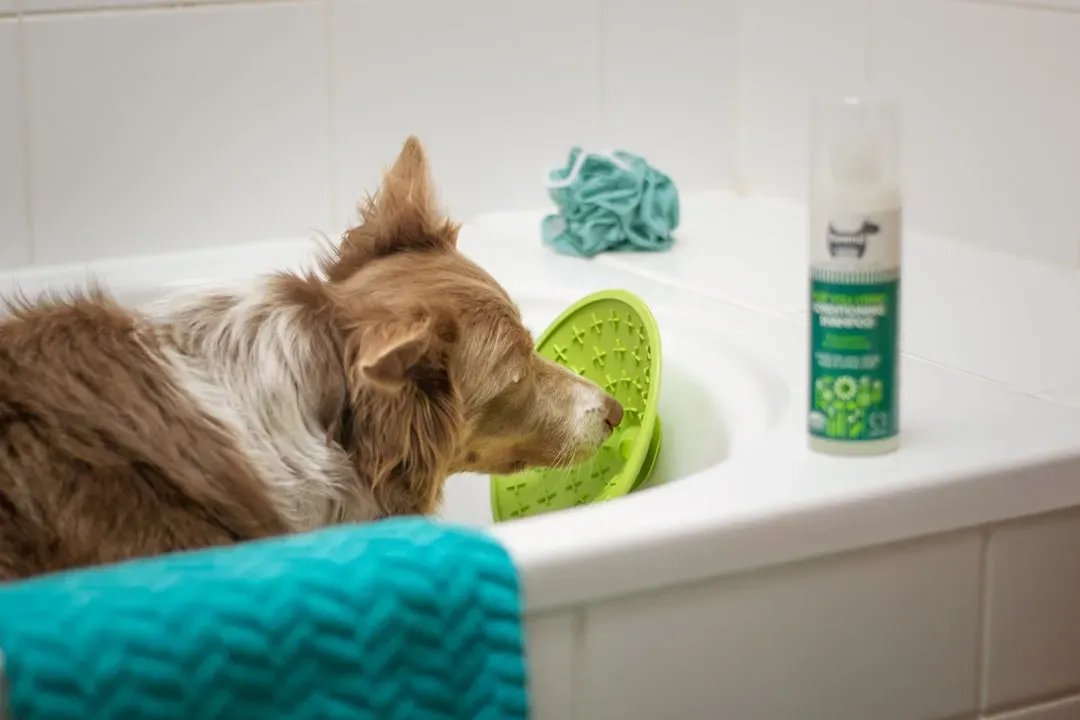
Never use human shampoo or conditioner on your pup because it can irritate their skin. I know it seems convenient to reach for your own bottle, but dogs have different skin pH levels than humans. Using the wrong product can strip away those protective natural oils.
Look for shampoos formulated specifically for dogs. You’ll want to make sure your dog’s hair is free of harsh chemicals and scents, as these can be irritating to your dog’s skin and cause dryness or irritation. Additionally, you may want to consider shampoos with natural ingredients such as oatmeal or aloe vera, which are known to soothe the skin and keep coats healthy and soft.
If your dog has skin conditions or allergies, chat with your vet about medicated options. They might recommend something with specific ingredients to address underlying issues while you bathe.
Feed a High-Quality, Balanced Diet
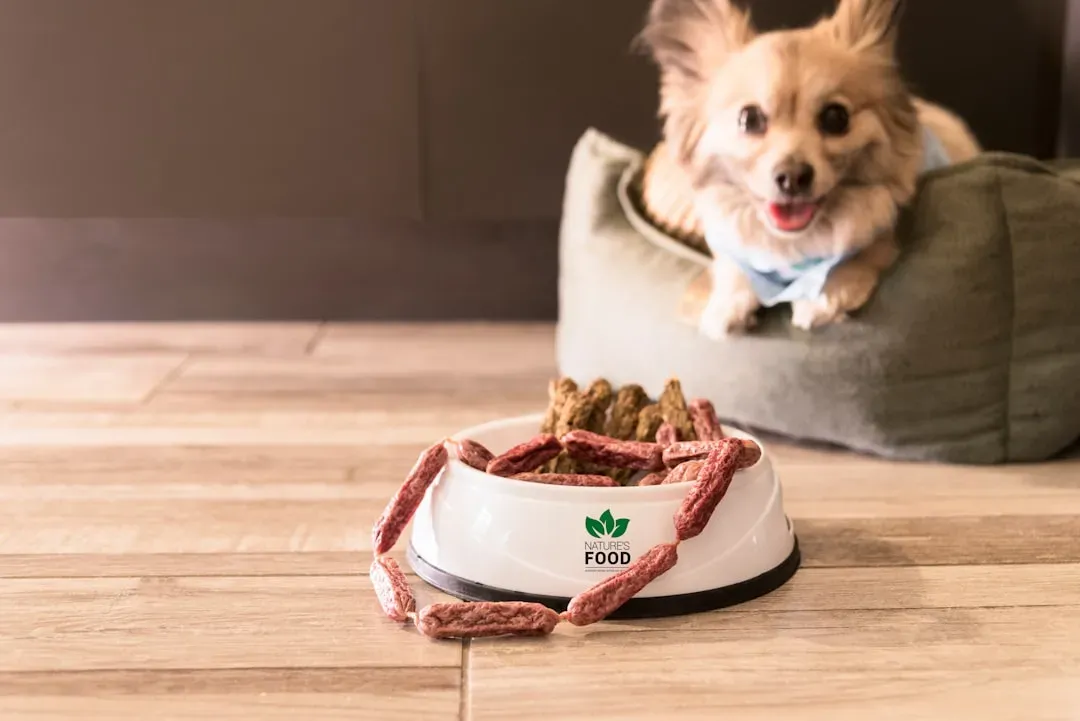
What goes into your dog’s bowl matters more than you might think. The food your pet eats can have a dramatic effect on the condition of their coat. Diets rich in omega-3 fatty acids, protein, vitamins, and minerals help to care for your pet’s skin and coat. Beauty really does start from within.
In order to maintain healthy skin and a glossy coat, your dog requires a complete and balanced diet. Your dog needs quality proteins, carbohydrates, fats, minerals, and vitamins, and it’s critical that they receive them in the proper balanced ratios. Cheap, low-quality food might save you money upfront, but you’ll pay for it later with vet bills and a lackluster coat.
Up to 35% of a dog’s daily protein intake is used to maintain skin and coat. That’s a huge chunk of their nutritional needs dedicated just to keeping their exterior healthy. Make sure whatever you’re feeding provides adequate nutrition for your specific dog’s life stage.
Add Omega-3 Fatty Acid Supplements
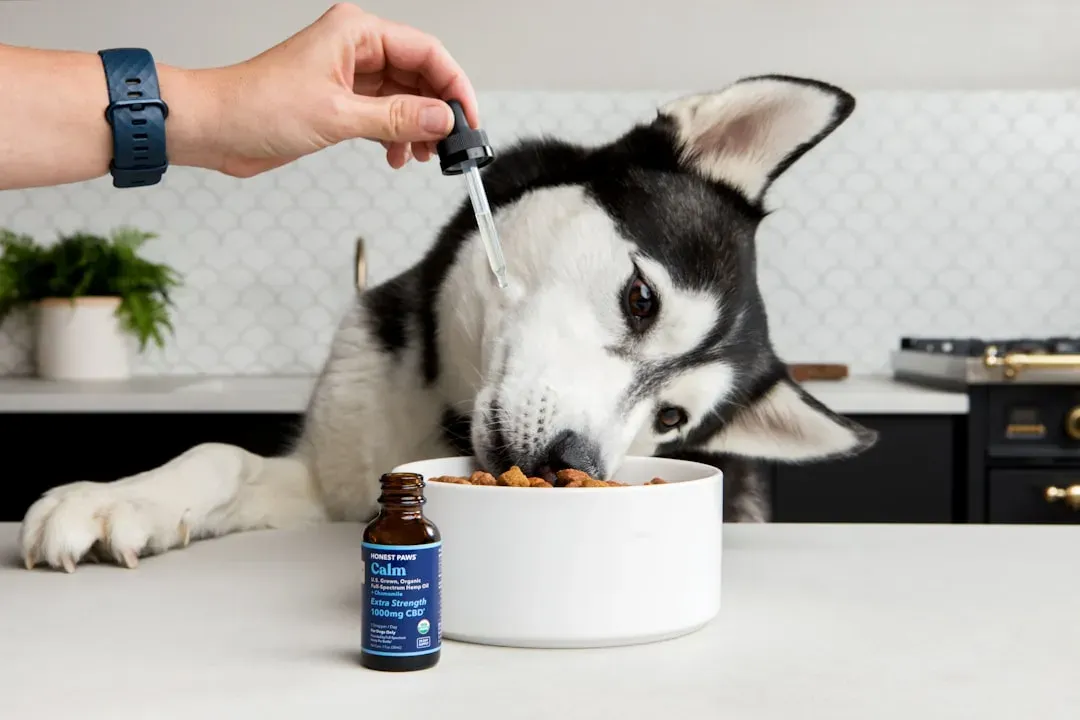
Omega-3 fatty acids have been repeatedly proven as the most beneficial supplement you can give your dog for skin and coat health, and most commercial dog foods for a healthy coat will include them. Not only are omega-3 fatty acids a natural and effective anti-inflammatory agent, but they also bulk up the skin’s natural fatty acid barrier and provide healthy fats to fortify and gloss your dog’s coat.
A balanced diet rich in omega-3 fatty acids, such as fish oils, helps keep your dog’s coat shiny and healthy. Fish oil supplements are super popular for good reason. They work wonders for dogs dealing with dry, flaky skin or a dull coat.
You can find omega supplements in various forms like liquid fish oil, soft chews, or capsules. Start with small amounts if your dog isn’t used to them, gradually increasing to the recommended dosage to avoid digestive upset.
Stay on Top of Parasite Prevention
Fleas, ticks, and other parasites aren’t just gross. They can absolutely wreck your dog’s coat and skin health. Constant scratching from flea bites can lead to hair loss, hot spots, and secondary skin infections that make everything worse.
Your veterinarian will check for any underlying health issues such as parasites, skin conditions, or allergies that might affect the health of your dog’s coat. Prevention is way easier than treatment, trust me on this one. Keep your dog on a regular flea and tick prevention program year-round.
Check your pup’s coat regularly during brushing sessions. If you spot any signs of fleas, flea dirt, or ticks, address it immediately. The sooner you catch these issues, the less damage they’ll do to your dog’s skin and coat.
Schedule Regular Veterinary Checkups
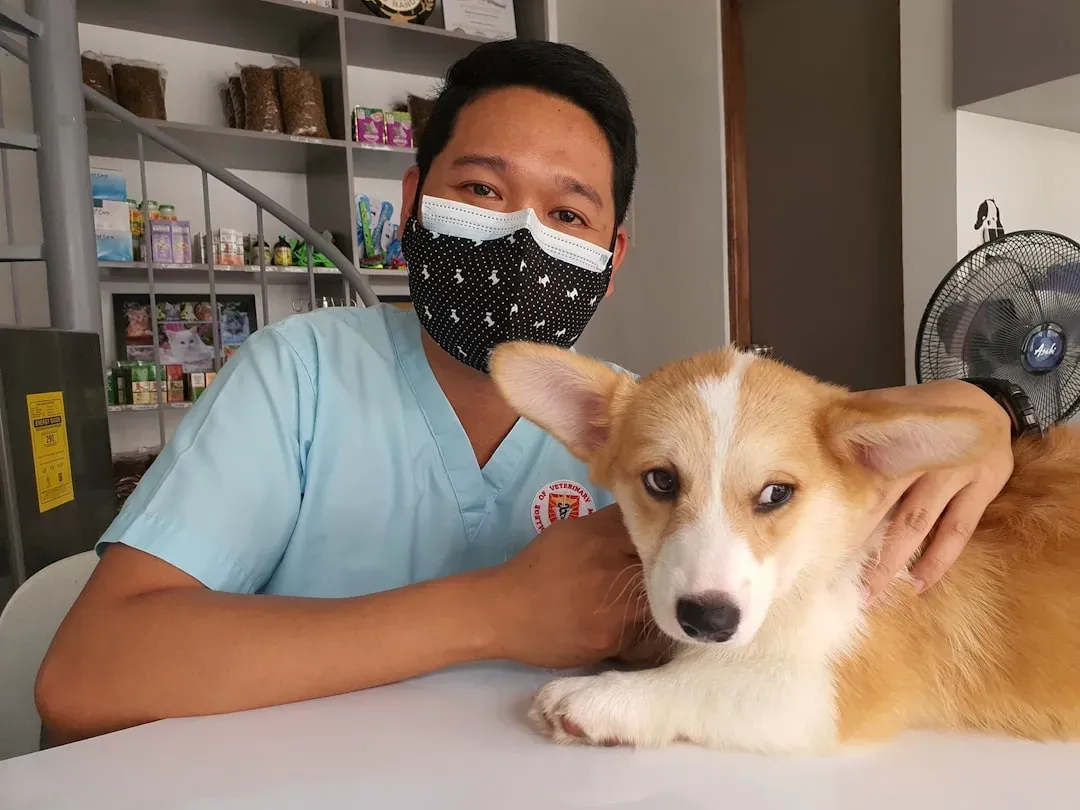
Your dog’s coat can tell you a lot about what’s happening inside their body. Pets with a dry, flaky, or unkempt coat may be suffering from conditions such as thyroid disease, hyperadrenocorticism (Cushing’s disease), kidney or liver disease, or nutritional disorders. Sometimes a dull coat isn’t about grooming at all.
Routine visits to Evergreen Animal Hospital can help ensure your dog’s coat stays in top shape. Regular checkups allow your vet to catch potential health problems before they become serious. Early detection means easier treatment and better outcomes for your furry friend.
Think of vet visits as preventive maintenance rather than emergency response. Annual exams for healthy adult dogs, more frequent visits for seniors or pups with health issues.
Keep Stress Levels Low and Exercise High
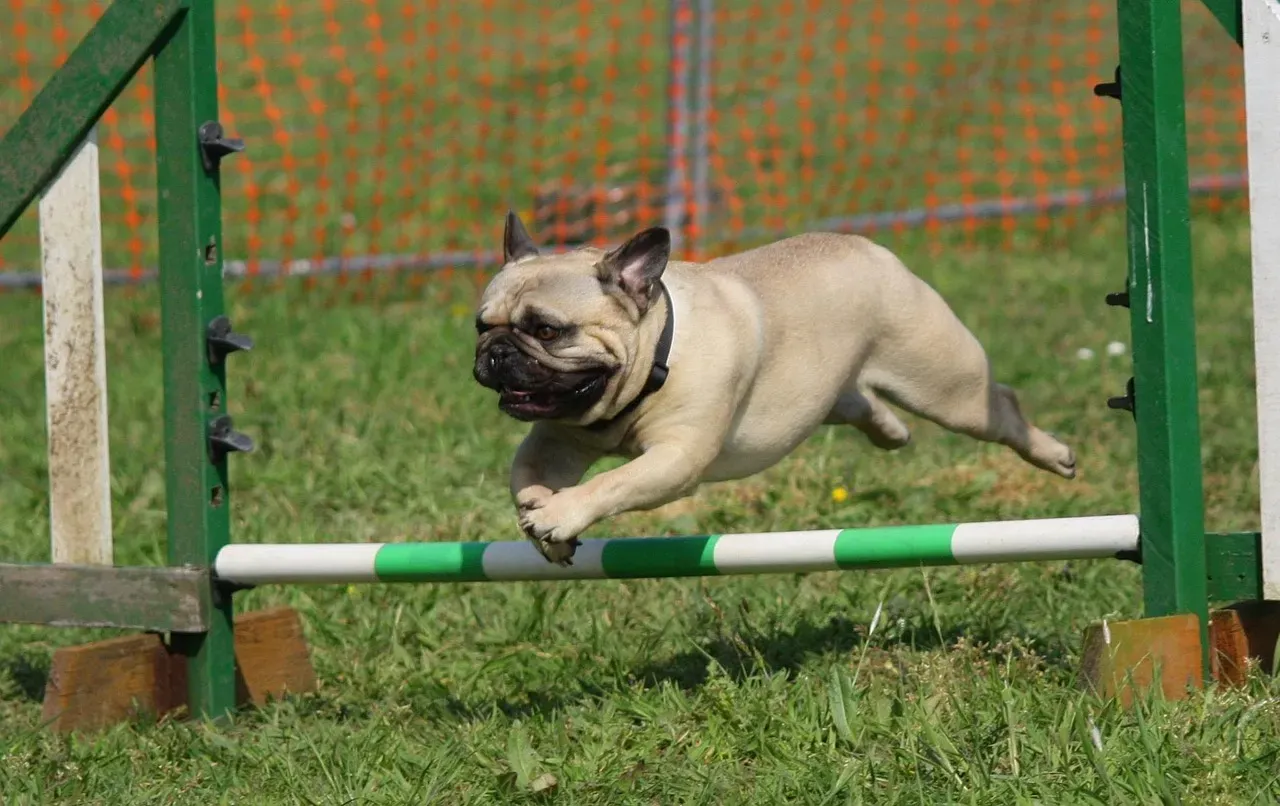
While grooming is perhaps the first thing you think of when it comes to reaching a healthy coat for dogs, it is important to realize that a shiny coat on the outside starts with a healthy dog on the inside. Dogs who are sick or stressed will conserve nutrients for essential bodily functions, and their coat will become lackluster.
A happy, well-exercised dog is going to have a better coat than one that’s anxious or sedentary. Physical activity promotes good circulation, which helps deliver nutrients to the skin and hair follicles. Mental stimulation keeps stress hormones in check, which prevents stress-related shedding and skin problems.
Make time for daily walks, play sessions, or whatever activity your specific dog enjoys. Whether it’s fetch, swimming, or just sniffing around the neighborhood, keeping your dog active and engaged contributes to their overall wellbeing. That happiness and health will absolutely show up in the condition of their coat.
Conclusion
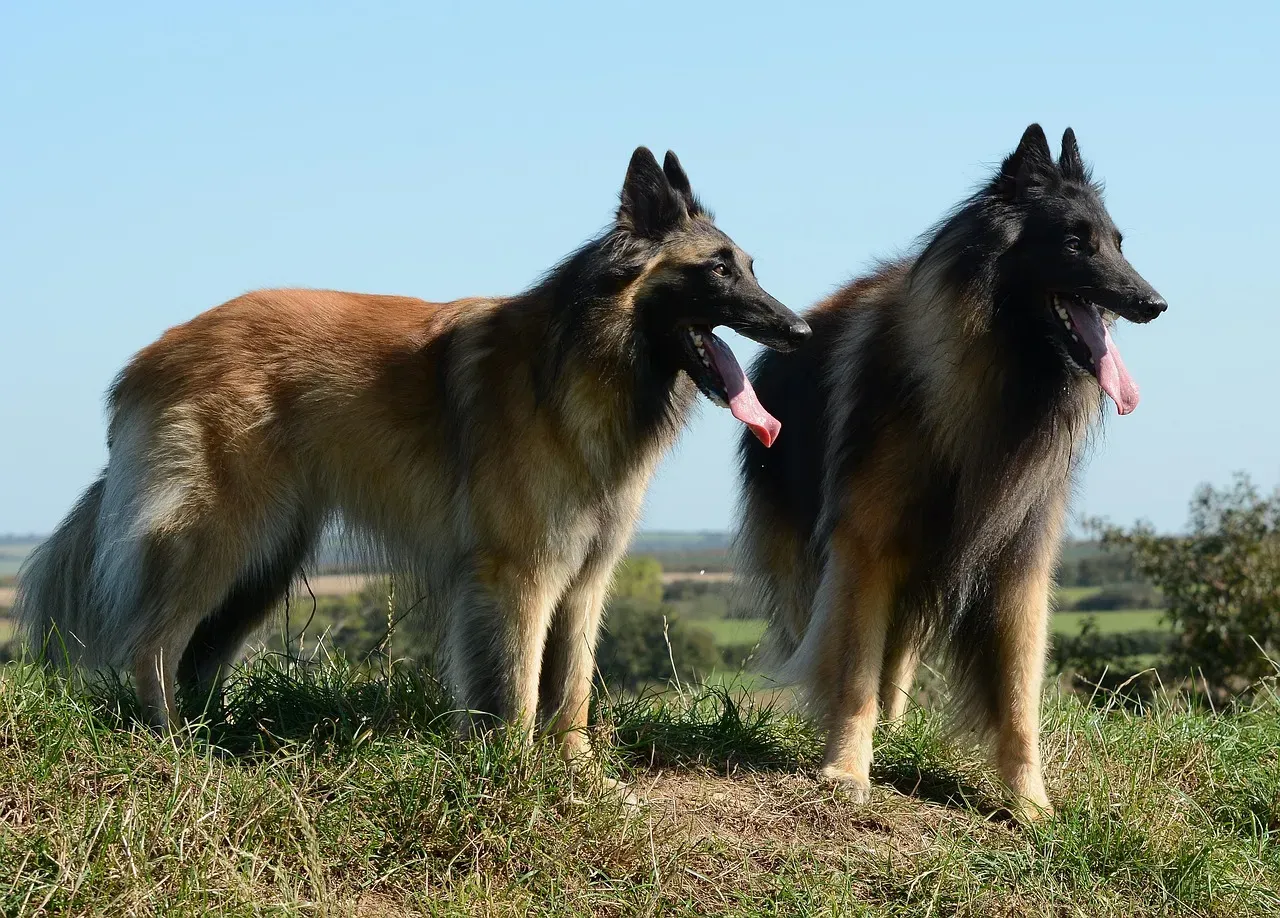
Achieving a healthier coat and a happier dog doesn’t require expensive treatments or complicated routines. It comes down to consistent care, quality nutrition, and paying attention to what your dog’s coat is telling you about their overall health. These eight steps work together to create a comprehensive approach to coat care that benefits your dog inside and out.
Start with one or two changes if the whole list feels overwhelming. Maybe commit to brushing more regularly or upgrading your dog’s food. Small improvements add up quickly when it comes to your pup’s wellbeing. What changes are you most excited to try with your furry companion? Let us know in the comments.


