
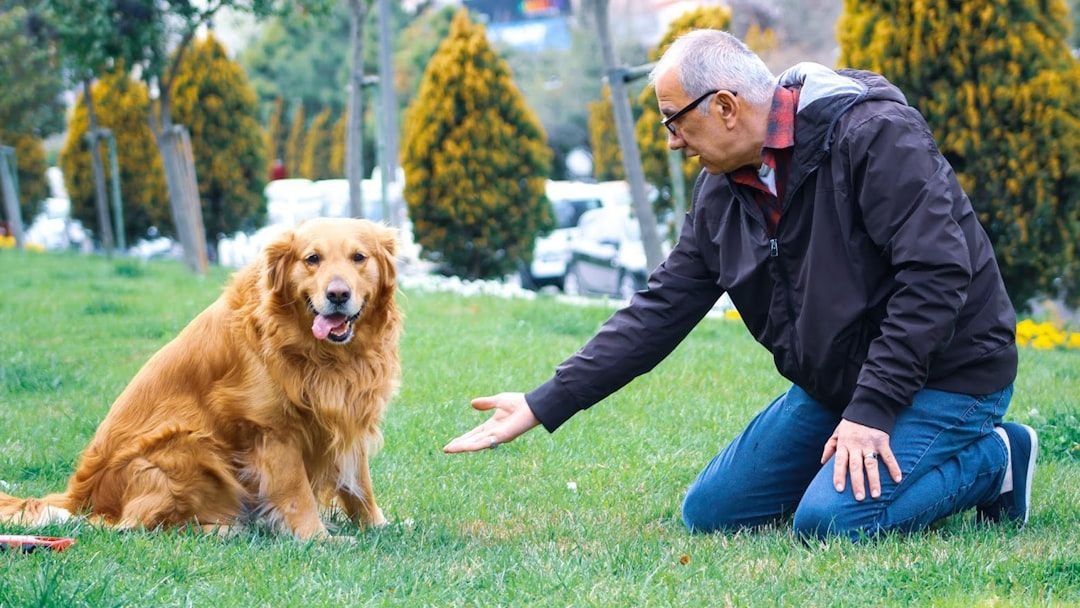
Ever notice how your dog seems more tired after a challenging training session than after a long walk? That’s because their brain has been working overtime, just like ours does when we’re learning something new. Here’s the thing: physical exercise is important, but mental stimulation might be even more crucial for your dog’s overall wellbeing and longevity. Whether you have a bouncy puppy, a middle-aged companion, or a graying senior, keeping that canine brain active can make all the difference in their quality of life.
Dogs are intelligent, social creatures who crave purpose and engagement. Without enough mental enrichment, they can become bored, anxious, or even develop destructive behaviors. The good news? You don’t need expensive equipment or hours of free time to keep your dog’s mind sharp. Let’s dive into eight simple yet powerful tricks that will transform your dog’s mental fitness and deepen the bond you share.
Turn Mealtime Into Mental Exercise

Working for food appeals to most dogs, and having to make an effort to find and release food from a hiding place sharpens problem-solving skills while activating ancestral hunting instincts. Instead of placing kibble in a bowl, try stuffing a Kong toy with their meal and freezing it overnight. This turns a five-second gulp into a twenty-minute mental workout. You can also use muffin tins with tennis balls covering the treats, or simply scatter food across your backyard to encourage natural foraging behavior.
Unlike repetitive physical tasks like chasing a ball, cognitive games can be played even if dogs are entering their senior years or recovering from an injury. The beauty of food puzzles is their adaptability. Start simple if your dog is new to this concept, then gradually increase difficulty as they master each level. I’ve seen countless dogs transform from anxious wreckers to calm problem-solvers simply by redirecting their energy into food-based enrichment activities.
Teach Your Dog Something New Regularly
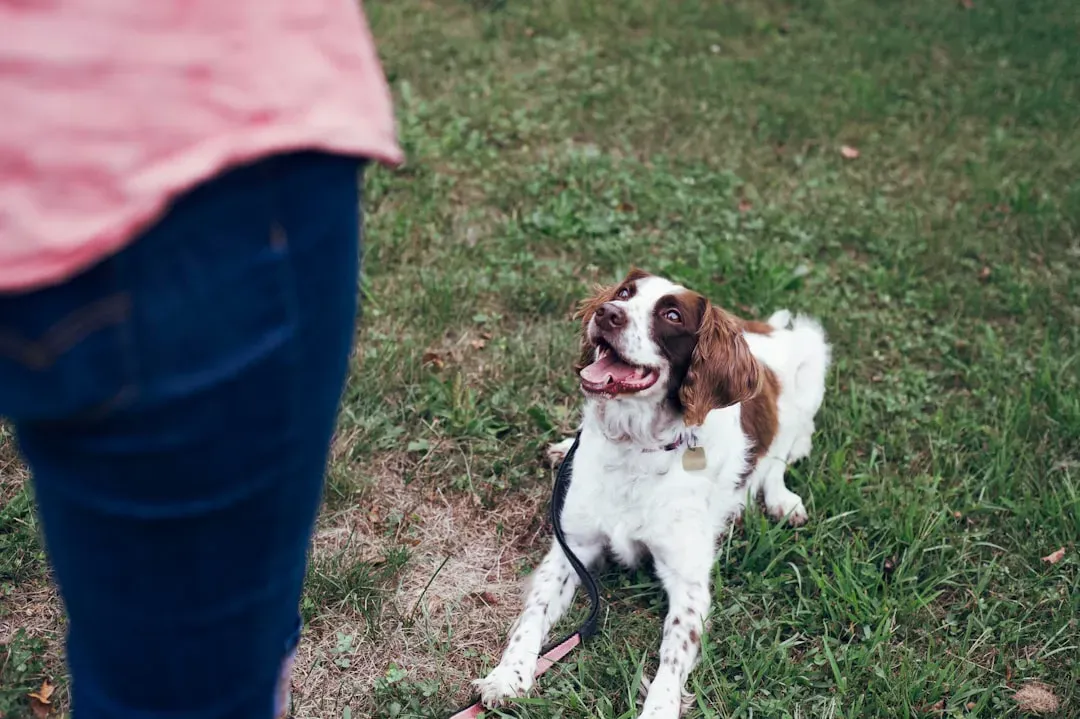
Even just five to fifteen minutes of training exercises a day can be exhausting for your dog, similar to when you’ve tried to learn something new using different parts of your brain. The dopamine release your dog experiences when they finally nail that new trick? That’s pure satisfaction and mental stimulation rolled into one. Learning keeps neural pathways active and builds confidence across all ages.
Set aside a few minutes each day for trick-teaching sessions. It doesn’t have to be complicated either. Teach “spin,” “touch,” or even something quirky like closing a door with their nose. The point isn’t perfection but engagement. Senior dogs especially benefit from this because it proves to them they’re still capable learners, not just old dogs who can’t learn new tricks.
Make Sniffing a Priority
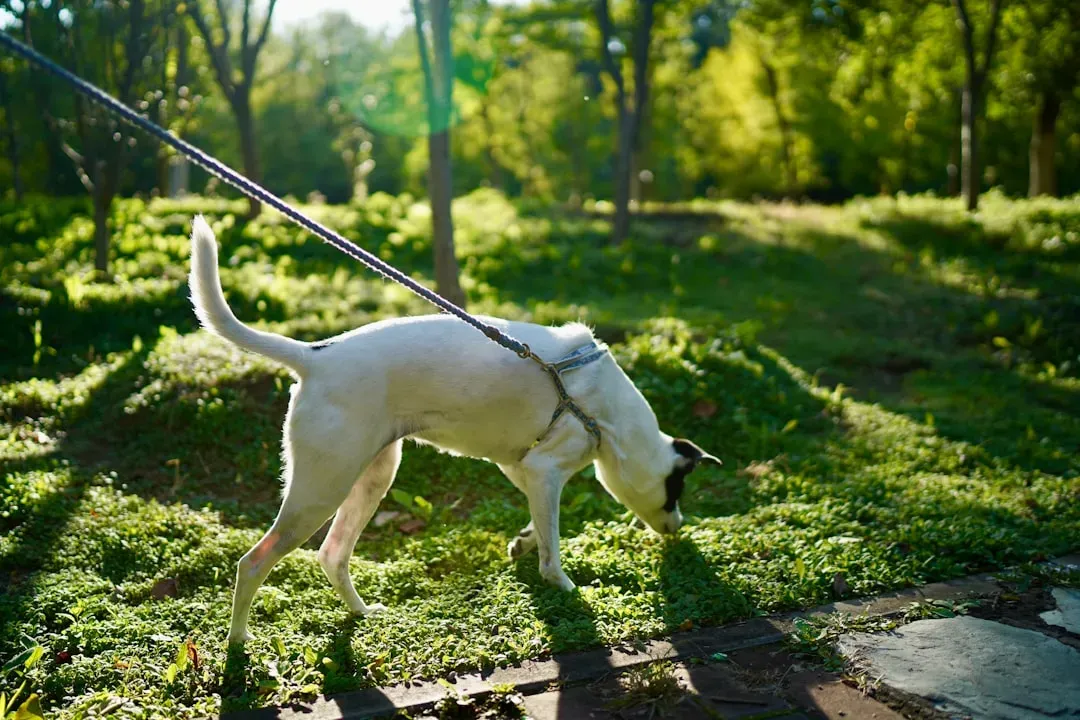
Specific walks where you allow your dog to take their time and sniff all the smells have been shown to not only decrease heart rate and stress, but also release dopamine. Think of it as meditation for dogs. Instead of power-walking your usual route, occasionally let your dog lead with their nose. Let them investigate that fascinating patch of grass for as long as they want.
These decompression walks are less about distance and more about sensory exploration. Changing up your walking route can be very stimulating because walking somewhere new allows dogs to see and smell new things, regularly keeping things exciting. Try a new neighborhood, a different park, or even just walk your usual route backwards. Your dog’s brain lights up with all that novel information.
Create DIY Obstacle Courses at Home
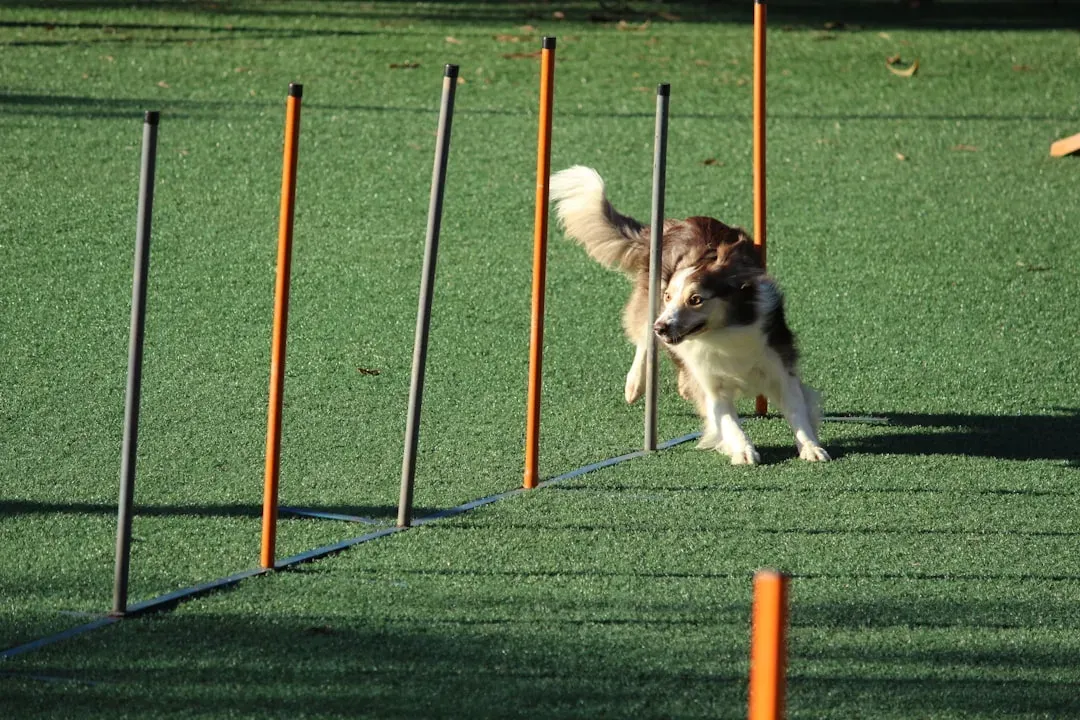
You can easily make an obstacle course out of common household objects, like setting up dining room chairs for your dog to weave through or a broom for them to jump over, and they’ll be having so much fun they won’t realize you’re training them. Honestly, this is one of my favorite activities because it requires zero money and delivers maximum entertainment for both species involved.
Using everyday household items, you can create an obstacle course in your yard or living room by setting up cones or chairs for weaving, broomsticks for jumping, or boxes for crawling under, which gives dogs a physical workout while keeping their mind sharp. Change the pattern each time to prevent boredom. This activity is especially valuable on rainy days when outdoor exercise is limited.
Play the Name Game With Toys
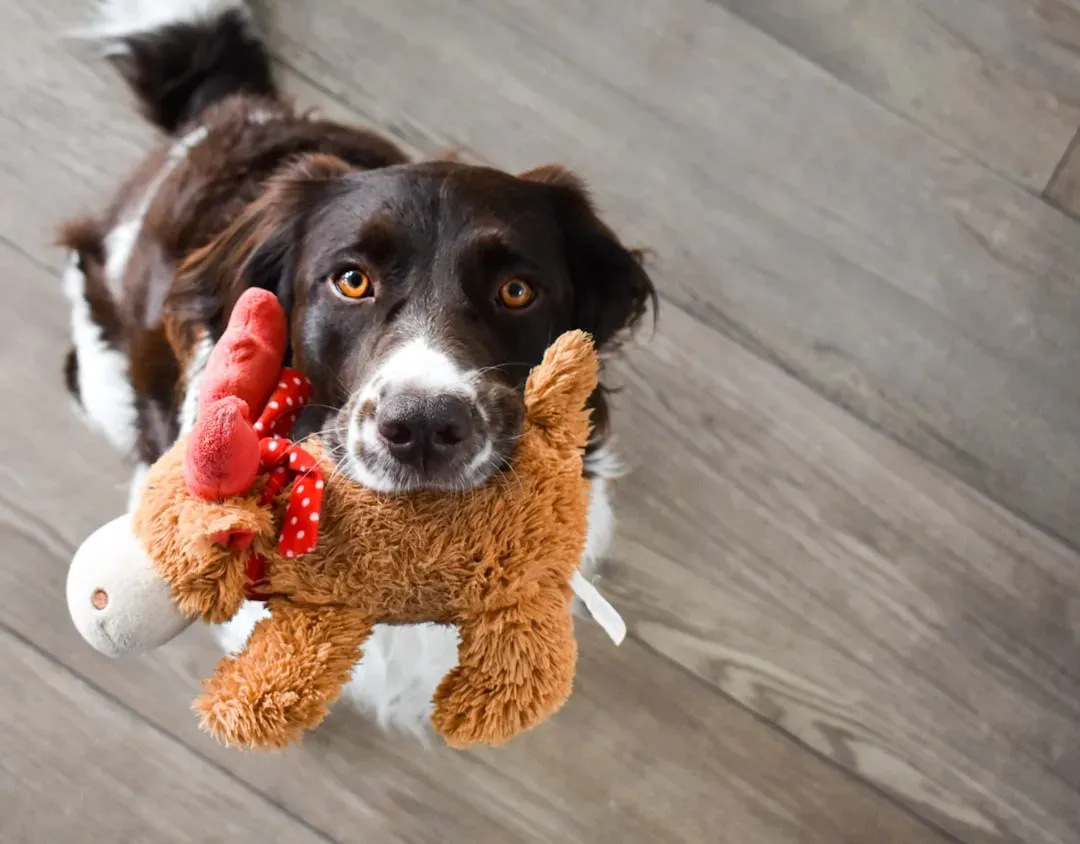
The name game is an excellent mental exercise because you can continue advancing the activity until your dog can pull a single object from a pile of toys just by knowing the name associated with that item, which is also an impressive party trick. Start by choosing one favorite toy and consistently using its name when playing with it. Once your dog reliably fetches that specific toy, add another.
This game taps into your dog’s natural desire to please you while building their vocabulary. Some dogs can learn dozens of toy names, and the process of learning keeps their cognitive function sharp. It’s hard to say for sure, but I think dogs genuinely enjoy showing off this skill because they get such enthusiastic praise from their humans.
Rotate Toys to Maintain Novelty
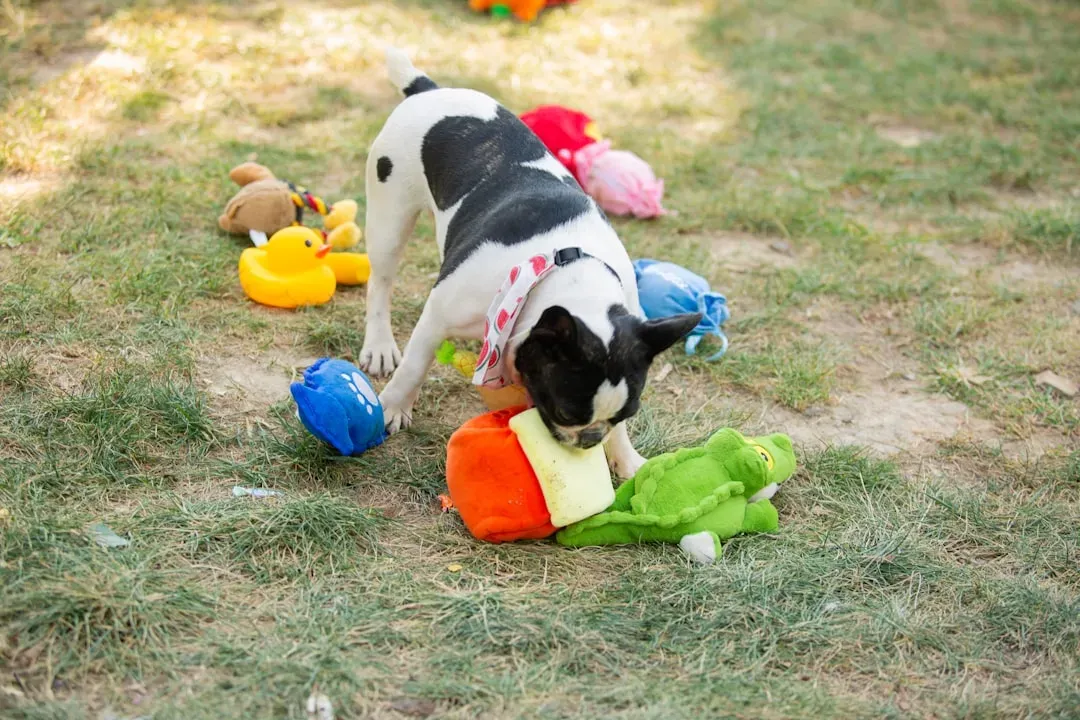
From a mental perspective, dogs are similar to children who love their toys but can get bored over time, so leaving out only a few toys at a time and keeping the rest hidden, then switching them out, keeps toys exciting and prevents boredom. Think of it as a toy library system. Keep roughly one third of toys accessible and store the rest.
Every week or two, swap them out. Each week feels like they’re getting the toys for the first time. This simple strategy costs nothing and dramatically increases engagement. I’ve watched dogs ignore a rope toy for months suddenly become obsessed with it again after a brief absence. Novelty is powerful for the canine brain.
Practice Impulse Control Games
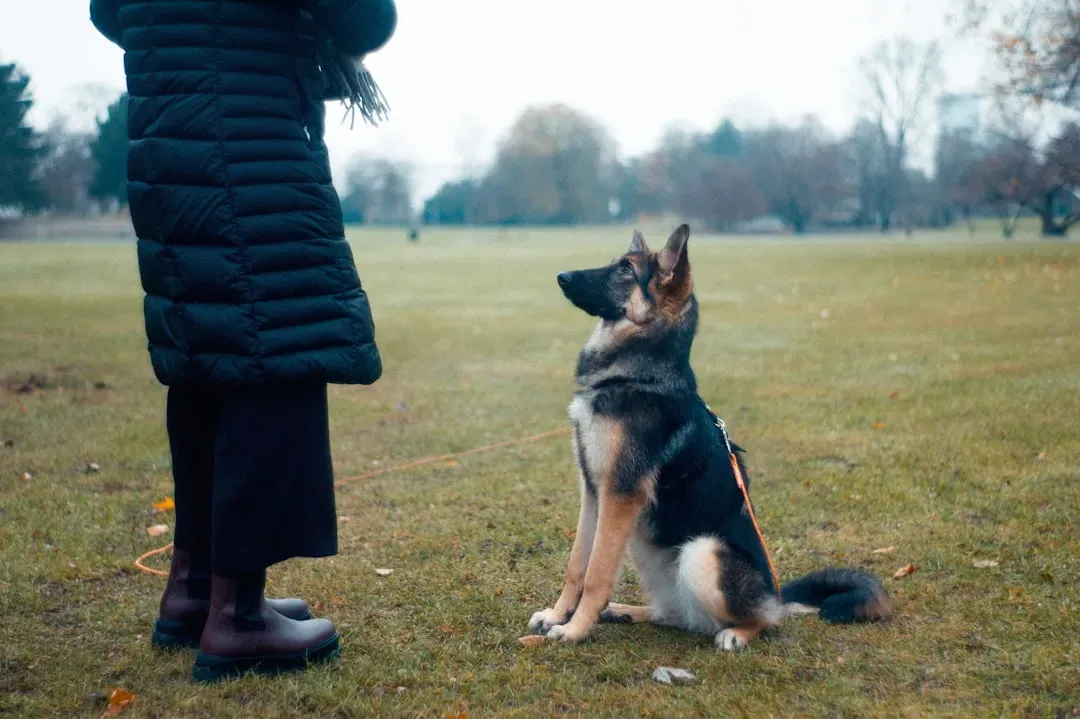
Focusing on the physical aspect alone will strengthen only physical muscles and build stamina, and repetitive behaviors can lead to fixative or obsessive behaviors in some dogs, so adding brain training to standard fetch by asking your dog to perform unpredictable cues before launching the ball helps practice impulse control. Before throwing that ball, ask for a sit, then a down, then maybe a spin. Mix it up every time.
This approach transforms mindless chasing into thoughtful engagement. It’s particularly valuable for high-energy breeds who can become obsessive about fetch. The mental effort of waiting and thinking before the reward actually tires them out more effectively than endless repetitions of the same physical activity.
Establish Consistent Routines With Variety Within Them
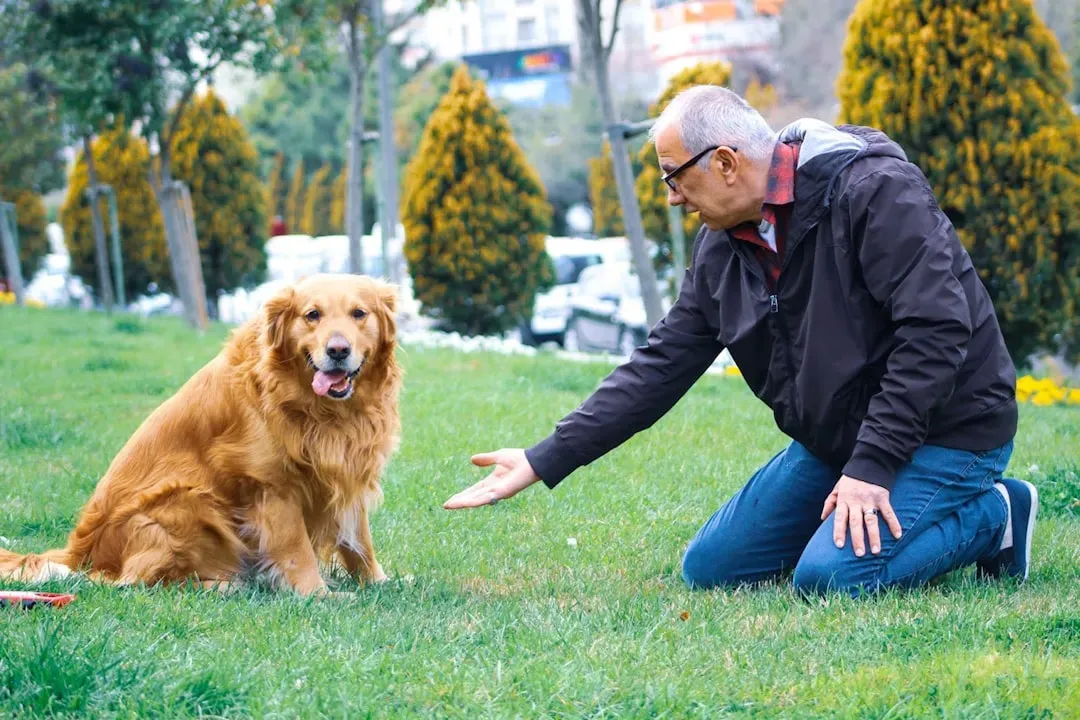
Mental stimulation can help slow cognitive decline in animals, and it’s best to provide dogs with mental stimulation in the form of walks, games, puzzles, and playtime. Routines provide security, especially for senior dogs, but incorporating variety within that structure keeps minds engaged. Feed at the same times but vary how you present the food. Walk at regular times but explore different routes.
Studies in dogs show that enriched environments and challenging activities like training help preserve cognitive ability as dogs age, and the more dogs engage in activities they find stimulating and enjoyable, the more likely they are to build protective cognitive reserves. Think of it as a cognitive savings account. Every mentally enriching experience deposits reserves your dog can draw from as they age, potentially delaying or preventing dementia-like symptoms.
Conclusion
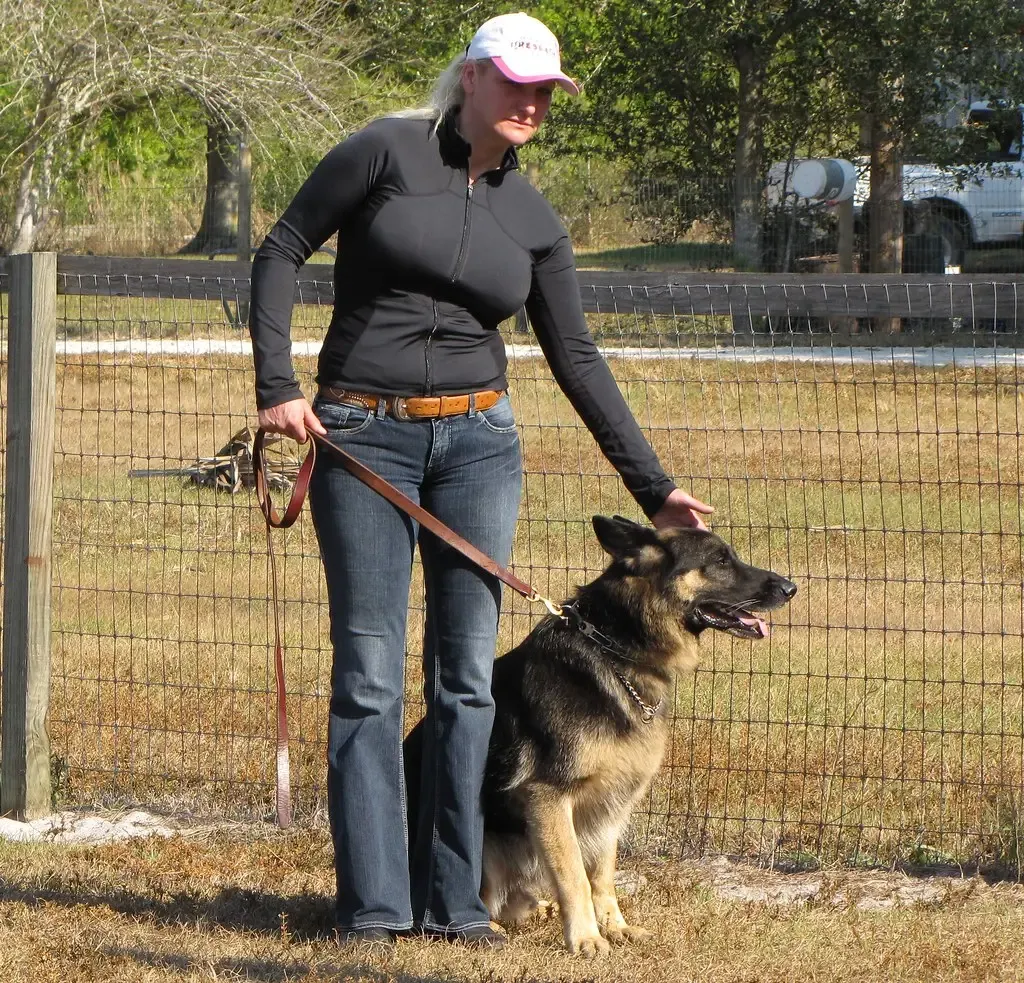
Studies have shown that ageing can be slowed by mental and physical stimulation, and stopping these activities might actually lead to faster ageing in dogs, reducing their quality of life. The investment you make in your dog’s mental fitness today pays dividends throughout their entire life. These eight tricks aren’t just activities but tools for building a stronger, more resilient canine brain.
The best part? Most require little more than creativity, consistency, and a few minutes of your time. Your dog doesn’t need perfection or expensive gadgets. They need engagement, variety, and your attention. Whether your companion is a rambunctious youngster or a dignified senior, their brain craves stimulation just as much as their body craves exercise. Start with just one or two of these tricks and watch how your dog transforms. What simple mental exercise will you try first with your dog? Share your experiences with fellow dog lovers in the comments.


