

Picture this: you’ve just carried the last box through the front door, you’re exhausted, excited, and maybe a little emotional. Then you look over at your dog, sitting in the middle of the unfamiliar room, ears slightly back, nose working overtime, eyes scanning every corner of this strange new world. Your heart breaks just a little, doesn’t it?
Moving to a new home is a huge deal for our dogs. They can’t Google the new neighborhood or scroll through photos of the place beforehand. All they know is that everything, the smells, the sounds, the layout, the light that comes through a different window, is completely foreign. While we associate a new home with excitement, dogs adjusting to a new home often experience the opposite: anxiety, confusion, or noticeable changes in behavior. Dogs don’t understand the concept of moving, but they do sense every shift in their environment.
The good news? You have more power to ease this transition than you might think. Let’s dive into exactly how.
Understand What Your Dog Is Actually Going Through
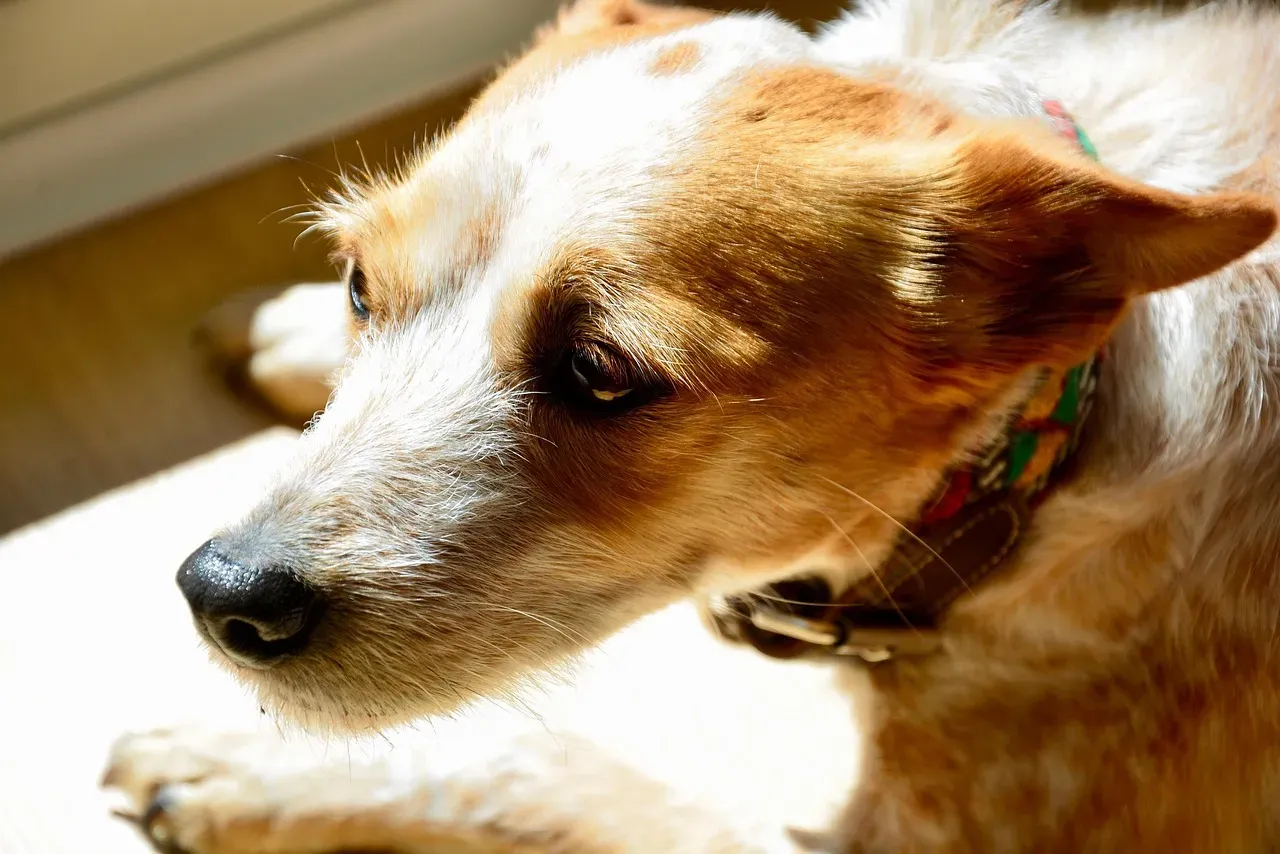
Honestly, the most important first step isn’t doing anything at all. It’s understanding. It’s important to recognize that, although you had a chance to think this through, your new dog has no idea that an unknown family, strange household, and different expectations are about to become his new reality. The dog will need at least a few months to develop trust, feel comfortable, and learn his role.
Think of it like starting a new job in a country where you don’t speak the language. That’s your dog’s experience, magnified. Any stressful event can cause an increase in cortisol in your dog, which weakens the immune system and can cause or contribute to significant health issues, both short-term and long-term. A short-term stress event can produce cortisol that stays in your dog’s system for two to three days.
In addition to its impact on the immune system, excess cortisol can trigger anxiety, cause digestive problems, slow wound healing, and interfere with learning. So when your pup seems off, that’s not drama. That’s real, physical stress. Recognizing this changes how you respond to them, and that compassion is everything.
Create a Safe, Familiar Safe Haven Right Away
Setting your dog up in a quiet, secure room while moving in can help keep them safe and stress-free as they gradually adjust to the new home. Make this quiet, separate room with their familiar bedding and toys. Think of it as their personal base camp. A place that smells like them, feels like them, and belongs completely to them.
Create a little sanctuary and give them space. Where did your dog love to retreat in your old home? Can you create a similar setup for them in your new home? Even the most social pups need alone time, and you may notice they want to be alone more while adjusting. A familiar rug, bed, or other items that smell like their previous pad will help.
It helps to give your dog a safe, quiet zone as their base. Once they feel secure in that spot, allow them to choose when and how they venture out. Avoid dragging them into rooms they resist. Instead, lay a familiar toy or blanket in other rooms to encourage positive associations.
Stick to a Routine Like Your Dog’s Sanity Depends on It (Because It Does)
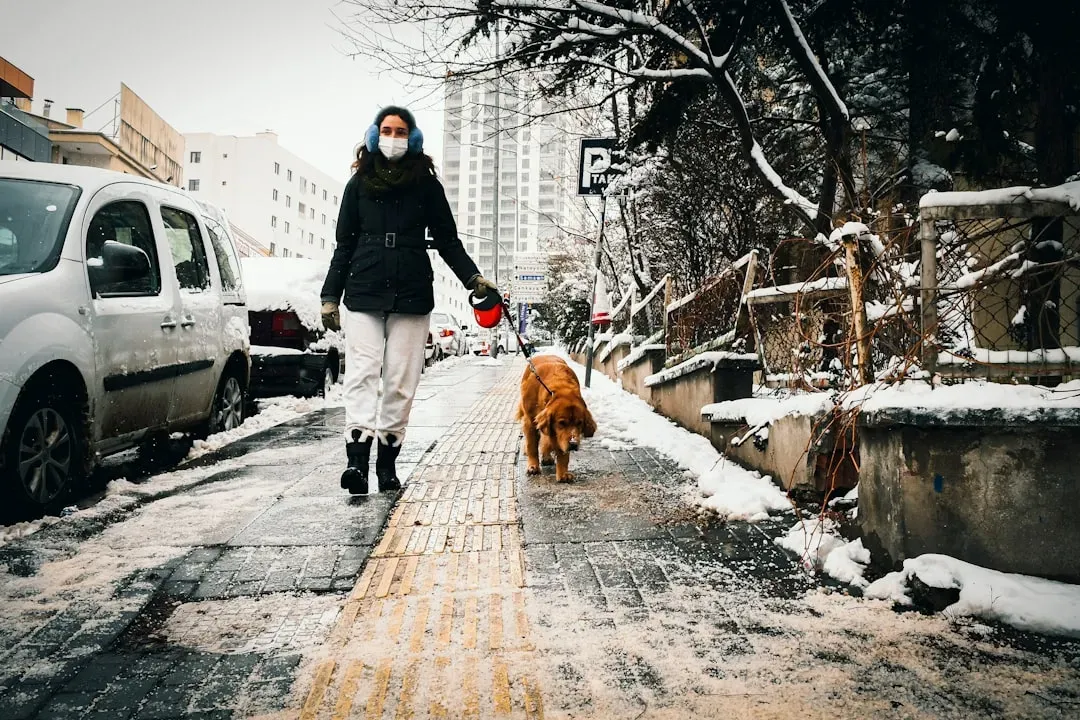
Here’s the thing about dogs: they are creatures of habit in the most beautiful, pure way. Routine is their language of safety. Most dogs find comfort in routine, and changes during the moving process can cause stress for some. Feeding at the same time, walks at the same time, bedtime at the same time. It sounds simple because it is, and it works.
Consistency is key! It will typically take about three weeks for a dog to become accustomed to a new environment, so do your best to stick to the same routine your dog previously enjoyed. Even if the new home looks nothing like the old one, a familiar daily rhythm tells your dog that the world still makes sense.
Start by establishing a daily routine so your dog can expect when to eat, go for walks, play, and relax. Set boundaries, whether it’s “no getting on the furniture” or “no begging for food,” and be consistent with them from the beginning. Predictability, for a dog, is practically a love language.
Slow Down Social Introductions, Seriously
I know, I know. You want to show off your adorable new dog to every friend and family member immediately. Let’s be real though, that’s for you, not for them. Ask eager friends and family to let your new dog settle in for a few weeks before coming over to meet them, keeping the environment only to the people who live in your home. This helps your new dog more readily acclimate to the “normal” of your everyday routine.
When dogs face new or stressful events, cortisol (the stress hormone) builds up in their systems and can stay heightened for multiple days. If you bring your dog to a new dog park today, they might still feel on edge if you bring someone new into your home a few days later. Introduce new places, people, and pups one at a time with days in between, and host new guests at your home sparingly during the first few months.
If you have young children in the home, ensure they are calm around your new dog and supervise interactions 100% of the time. Show them how to appropriately touch and give your dog treats, and call out any body language signals indicating your dog is stressed. Children often mean well but move fast, and fast is the last thing a nervous dog needs.
Use Familiar Scents and Positive Associations to Build Comfort

Dogs experience the world primarily through their nose. You and I might feel “at home” once we hang up our favorite pictures. A dog feels at home when the air smells right. Your dog will use its nose to learn the layout of its new home, and if there are some familiar scents in the area, the dog will be less stressed. You are the most familiar scent your dog knows, and taking an old shirt and rubbing it on corners, doorframes, or floor areas where the dog will be most often will help spread familiar scents to comfort the animal.
Use treats and play to create positive associations. Train your pup with tasty treats and positive reinforcement around your new home and neighborhood. Toss or hide treats around the home for a “find it!” game to familiarize them with each room. This is honestly one of the most fun tips because it turns exploration into a game your dog actually enjoys.
Consider dog pheromones, such as Adaptil® diffusers, which can have a natural calming effect and cover an area of up to 750 square feet. These mimic the natural calming pheromones a mother dog produces for her puppies. It’s like turning on a warm lamp in a cold room for your pup.
Watch for Stress Signals and Know When to Get Help

Your dog cannot tell you they’re struggling. They show you. And it’s worth knowing the difference between normal adjustment behavior and genuine distress. Observe your dog’s behavior for signs of stress or trauma, like pacing, hiding, destruction, or separation anxiety, which can be triggered by a significant move. While some of these behaviors can be addressed with training, others may require veterinary treatment, such as not eating, diarrhea, and coughing.
A new puppy or dog that’s adjusting well will typically have a healthy appetite. If your dog is eating normally and shows interest in food, it means they are not too stressed. However, loss of appetite can indicate anxiety in your dogs. Skipping one meal is not a crisis. Refusing food for days in a row is a conversation with your vet.
If your dog continues to display signs of chronic stress, such as lack of appetite, aggression, withdrawal, or destructive behavior, after several weeks, it may signal deeper issues that need intervention. If your dog is showing signs of anxiety, aggression, or both, consider working with a positive reinforcement-based trainer who can decode your dog’s behavior and teach you to reestablish their trust. Asking for help is not failure. It is good pet parenting.
Give Them Space to Decompress, Not Pressure to Perform
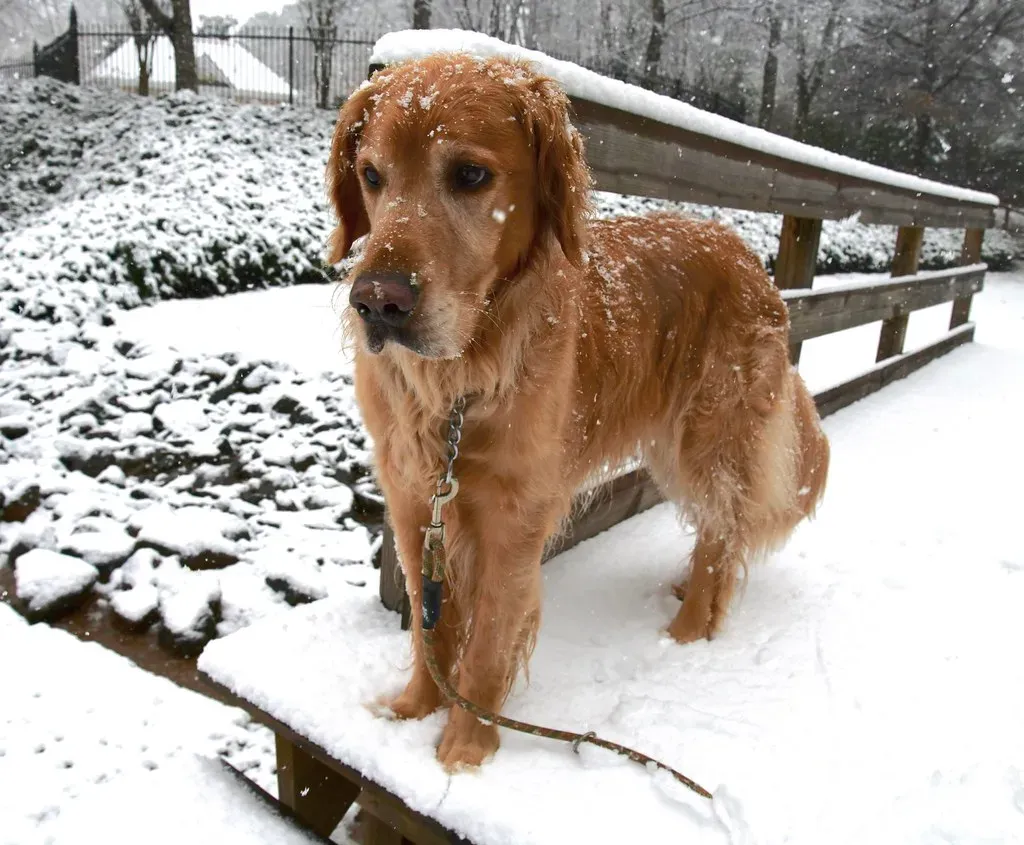
Here’s an unpopular truth: smothering your new dog with constant attention and affection, while it comes from a beautiful place, can actually add to their stress. It’s overwhelming. Your dog is always taking cues from you and your family members, so if you are calm and comfortable in your new environment, your dog is more likely to be the same.
Performing natural behaviors, such as licking, sniffing, foraging or digging helps to meet your new dog’s basic needs, which can prevent behavior challenges related to unmet needs. Think of ways you can recreate these natural behaviors in your home, and cycle through puzzles and activities to keep things fresh.
Provide lots of outlets for sniffing, as it helps them relieve stress and provides mental stimulation. 20 minutes of sniffing is comparable to 60 minutes of a traditional walk. It’s important that they not only have physical exercise but also that they are mentally stimulated, so they don’t begin finding things to do out of boredom. A tired nose is a happy dog. Remember that.
Be Patient: The 3-3-3 Timeline Is Real
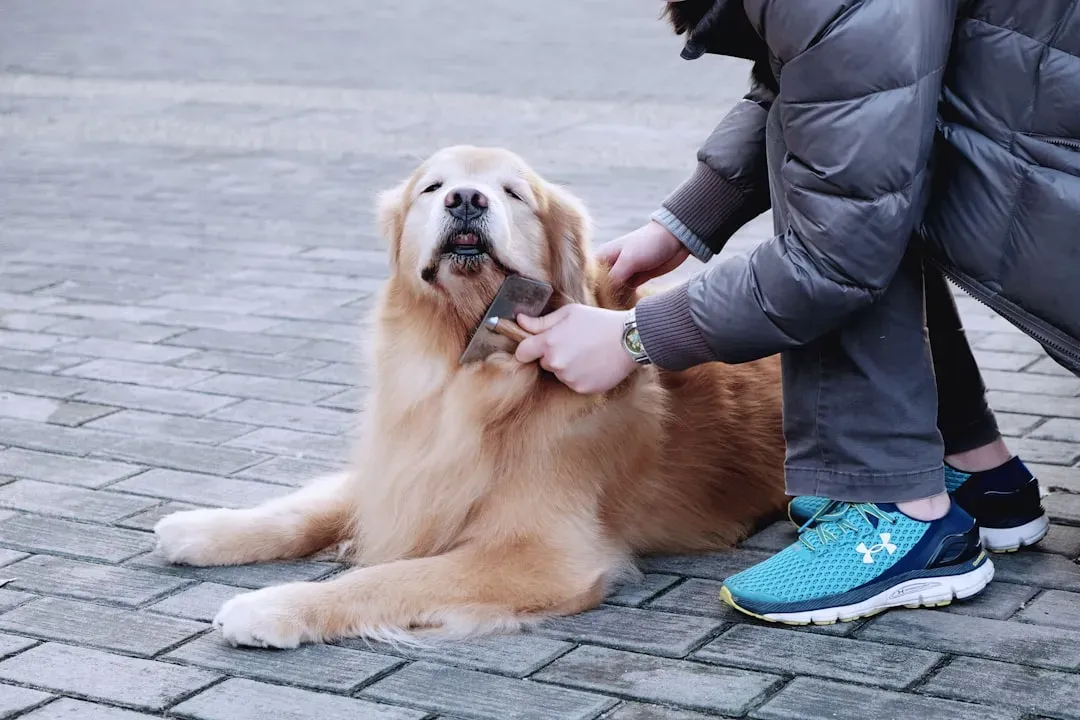
The 3-3-3 Rule is a general guide to show how long it may take your new dog to adjust to your home. It could take less or more time, depending on the individual, especially if your pup has been rehomed multiple times. Three days to decompress, three weeks to learn the routine, three months to truly feel at home. It’s not a rigid deadline. Think of it as a gentle road map.
By around three weeks after arriving at their new home, most dogs are getting more comfortable with the routine and starting to show their normal behavior and temperament. You may see a dog who was initially cautious and shy start to come out of their shell, perhaps exhibiting some training issues that you didn’t notice the first few days. For other dogs, you may see them start to “chill out” as they continue to learn the house rules and thrive with routine and predictability.
Don’t be discouraged and don’t take it personally if the first few days aren’t what you expected. Simply be understanding and be there for them. With life having just been flipped upside-down, your new furry family member is depending on you to guide them through this transition period and establish comfort and confidence in their new life.
Conclusion: Home Is a Feeling, Not Just a Place

The beautiful thing about dogs is that they don’t need the perfect house. They need you. A consistent, calm, patient presence is truly the most powerful adjustment tool in your entire toolkit. Everything else, the routines, the safe spaces, the familiar scents, they all serve one purpose: helping your dog understand that this new place is safe because you are there.
Some dogs will bounce back in days. Others will take weeks or months, and that’s completely okay. By preparing your dog in advance, you don’t just reduce anxiety. You teach them that the new place isn’t a loss, but a continuation of what they already love: life by your side. That is genuinely moving, when you think about it.
Your dog trusted you the moment they looked up at you with those eyes. Now it’s your turn to earn that trust in a brand new place. And honestly? There’s no better feeling than the day your dog finally flops down in a sunny patch of the new living room floor and exhales. That’s the moment they’re home. What adjustment tip are you going to try first? We’d love to hear from you in the comments below.


