
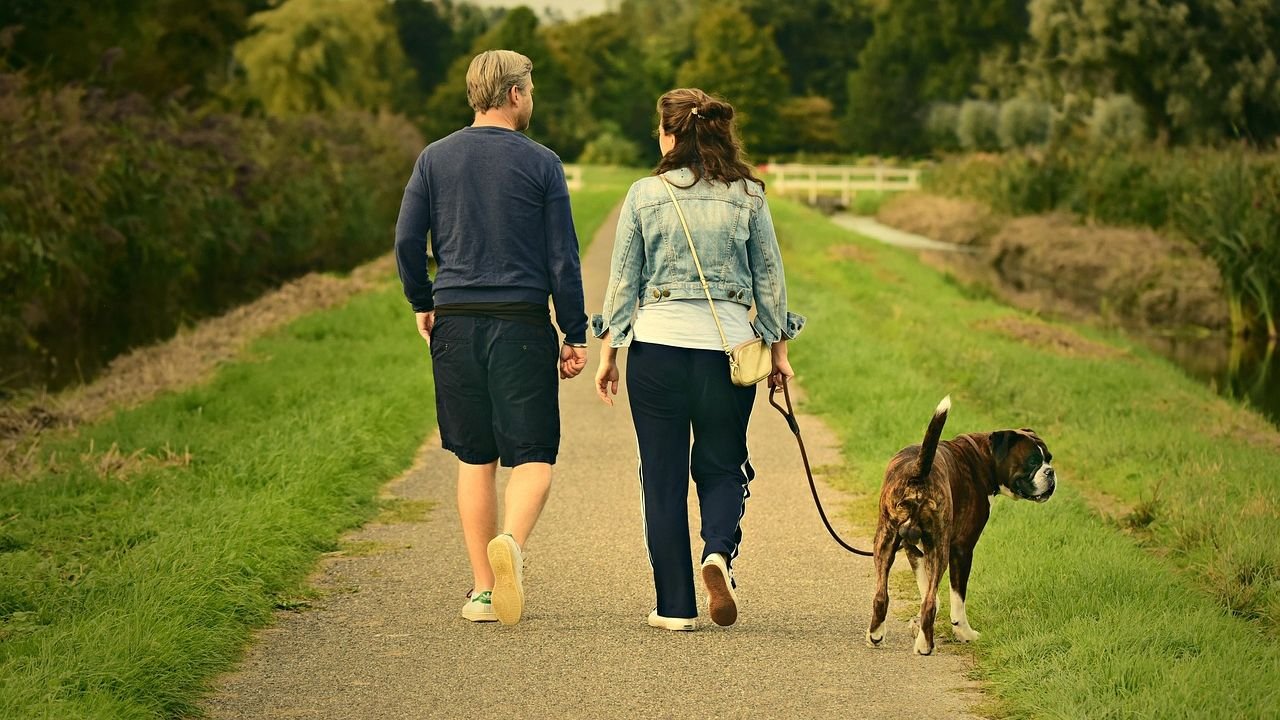
Your garden can be a magical place for your dog. Wide open space to romp, fresh air to sniff, sunshine to soak up. But here’s the thing: that same beautiful backyard can also hide some sneaky hazards that put your furry friend at risk.
Let’s be honest, dogs don’t come with an instruction manual. They explore the world with their noses, mouths, and boundless curiosity. That beautiful blooming plant you adored at the nursery? It might be toxic. Those lawn chemicals you sprayed last week? Still lingering on the grass where your pup rolls around daily. Creating a safe outdoor space for your dog doesn’t mean sacrificing beauty or turning your yard into a boring concrete slab. It means being thoughtful, a little strategic, and understanding how your dog experiences their environment. Ready to transform your garden into a true safe haven?
Eliminate Toxic Plants Before They Cause Harm
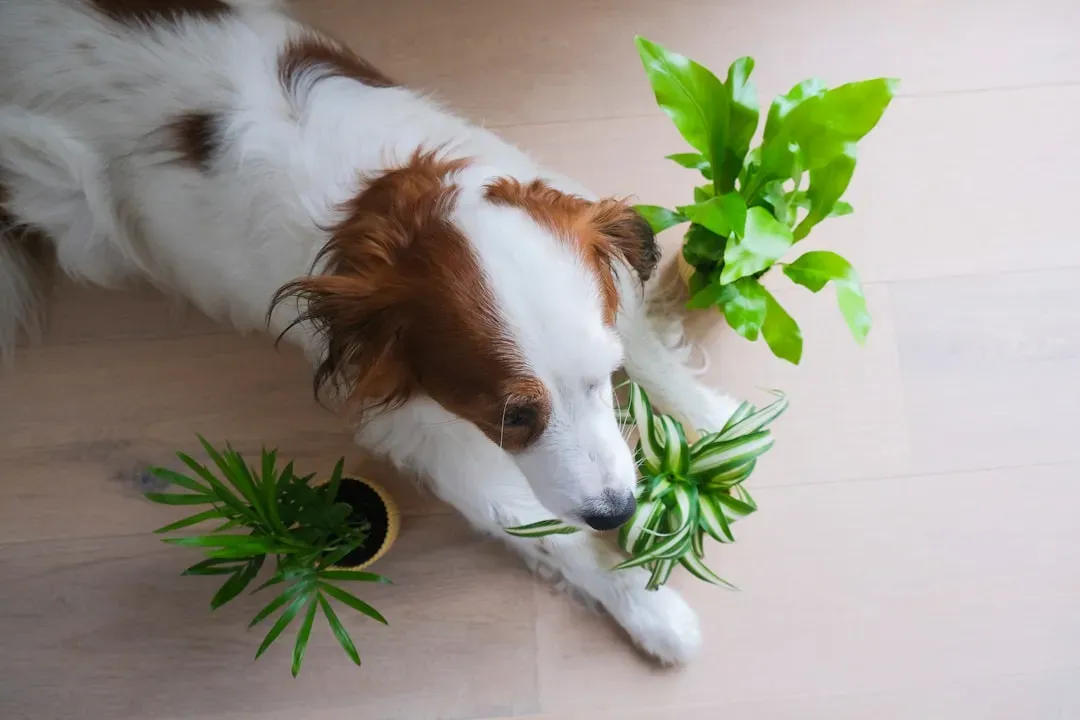
If your dog is a digger who is likely to unearth bulbs and chew on them, skip planting these. Many popular garden favorites are surprisingly dangerous to dogs. Autumn Crocus is one of the most dangerous species for dogs, and the whole plant is poisonous to dogs when ingested, with the highest concentration of the toxin found in the bulbs. Colchicine, the toxic agent in the plant, is highly toxic and can cause death.
Autumn Crocus fall-blooming plants contain colchicine, which is extremely toxic, causing gastrointestinal bleeding, severe vomiting, kidney and liver damage, and respiratory failure. Other common culprits include azaleas, foxglove, lily of the valley, and oleander. Even seemingly innocent plants like daffodils and tulips have toxic bulbs. The real danger lies when your dog digs up and eats the newly planted bulbs, which have the most toxins. Walk through your garden right now with fresh eyes and identify anything on the ASPCA’s toxic plant list. Replace them with dog-safe alternatives like petunias, sunflowers, or marigolds.
Say No To Chemical Lawn Care Products
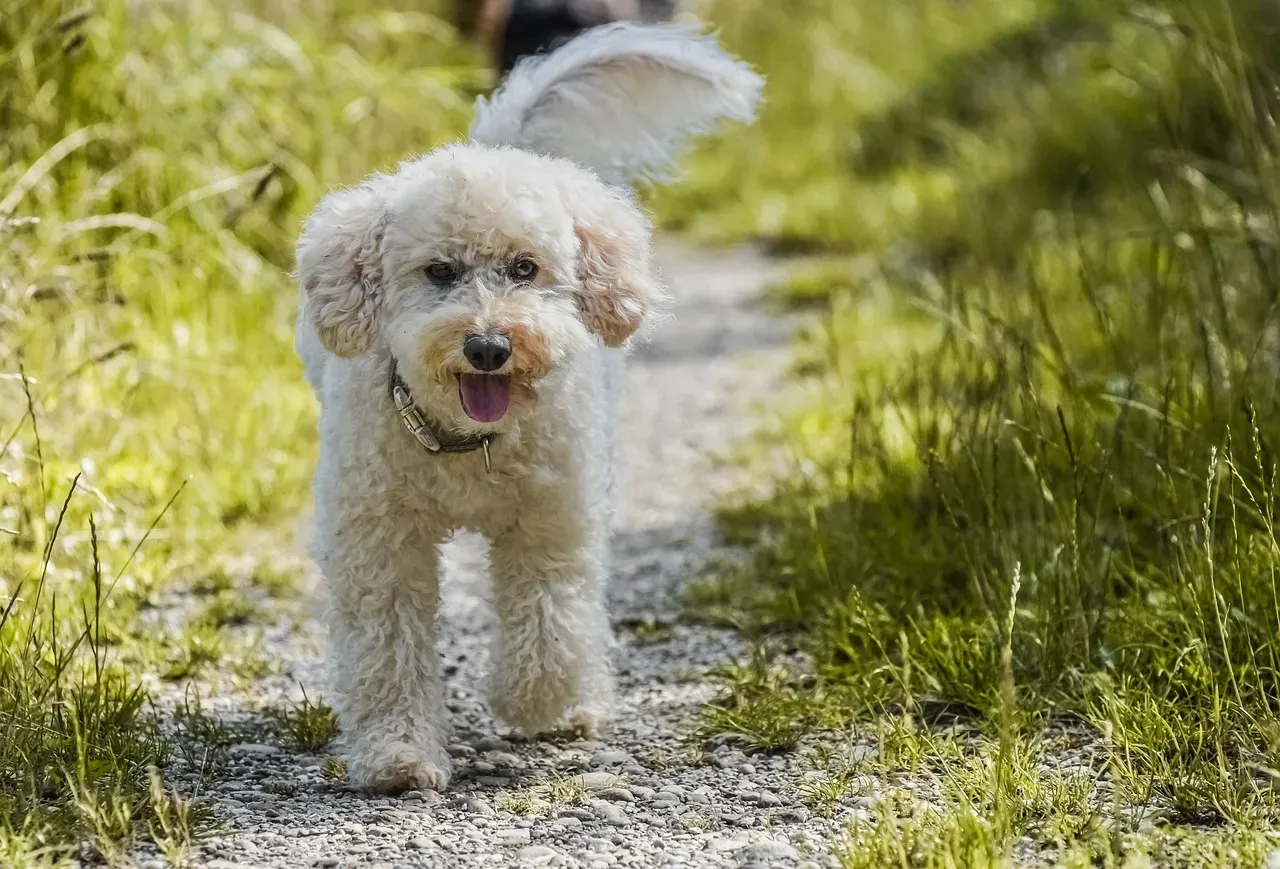
One of the main reasons for the danger comes from a commonly used chemical herbicide called 2,4-Dichlorophenoxyacetic acid (2 4-D), which has been directly linked to a 70% higher risk for canine malignant lymphoma. That perfectly green, weed-free lawn might be costing your dog more than you realize. Chemical pesticides and herbicides don’t just kill unwanted plants and insects. They linger on grass blades and soil surfaces for weeks or even months.
Dogs living in homes where professionally applied pesticides/herbicides were used had a 70% higher risk of developing canine malignant lymphoma. Similar results were seen in homes where homeowners used lawn care products containing insect growth regulators. Dogs absorb these toxins through their paws, inhale them while sniffing, and ingest them when licking their fur. A majority of the danger from chemical lawn care products comes from ingesting them. Your dog will likely clean their paws and any part of their body that is bothering them with their tongue. Switch to organic lawn care methods. Yes, it takes more effort, but your dog’s health is worth it.
Build Secure Fencing That Actually Works
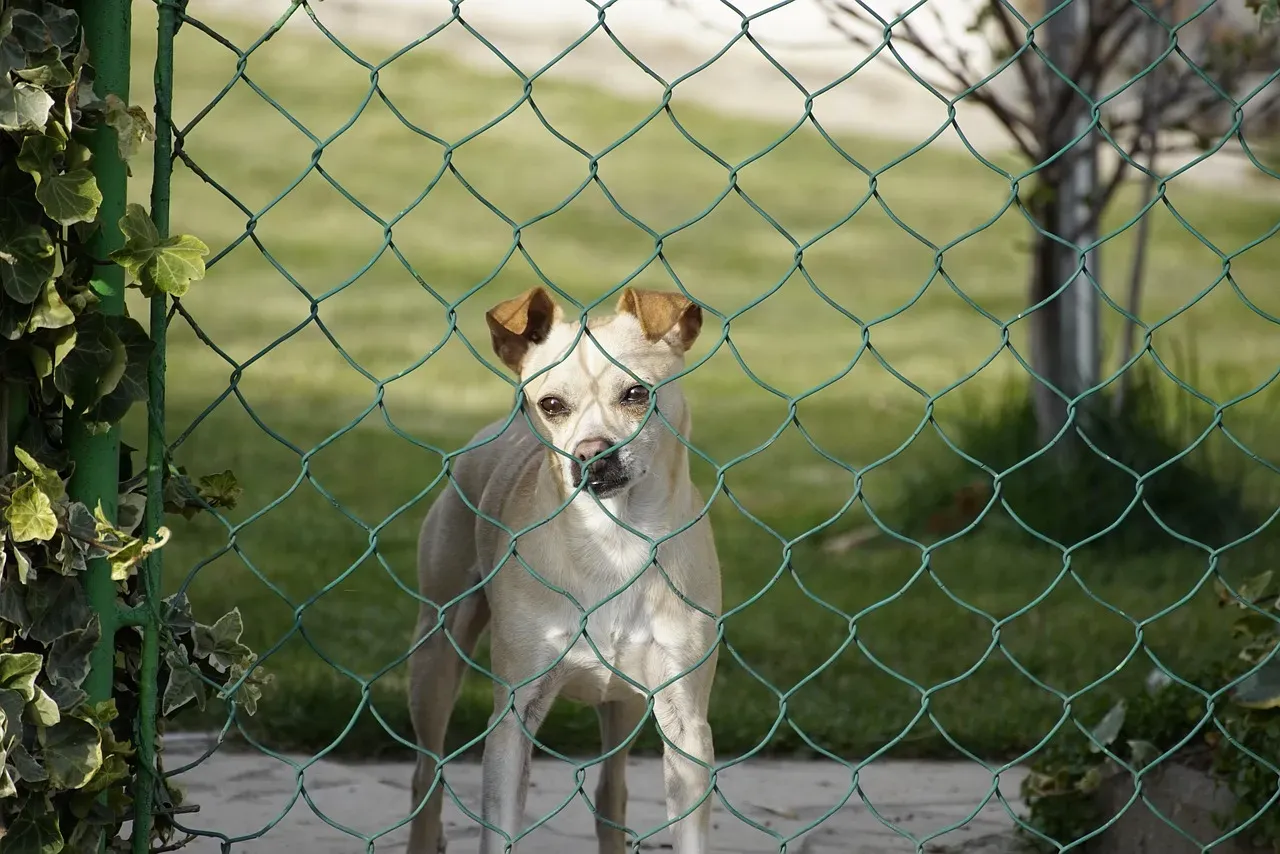
Most dogs, regardless of breed, will respect a 24-inch barrier. If your dog is particularly active, athletic, or a giant breed, 30–36 inches should do it. Even the most obedient dog can become an escape artist when a squirrel darts by or an enticing smell wafts over the fence line.
Inspect your current fencing for gaps, weak spots, and potential escape routes. Dogs are diggers, burrowing tirelessly on their way to freedom. Then there are the chewers who can make a hole in the fence large enough to slip through. For diggers, consider installing an L-shaped footer made of chicken wire or hardware cloth at the base of your fence, extending horizontally along the ground. A lean-in or L-footer will do the trick. You make a lean-in by taking some farm wire and attaching it to the top of your fence so that it creates a sort of awning on the inside. Your dog will see fencing above them and that should deter any climbing. For jumpers and climbers, a lean-in extension at the top works wonders. It doesn’t have to be fancy, just effective.
Create Shaded Retreats For Hot Days
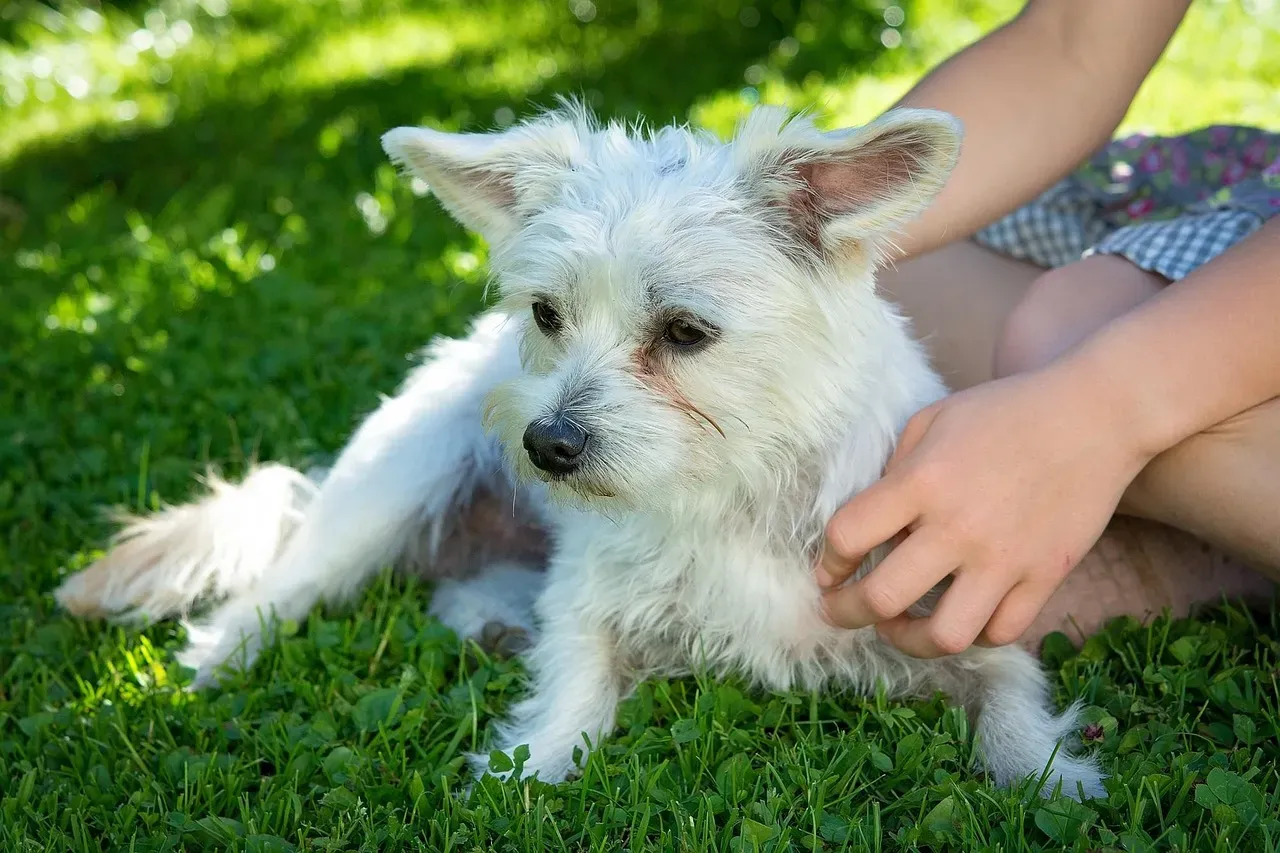
Dogs can’t regulate body temperature the way humans do. Unlike humans, they can’t sweat through their skin, so providing cool, breathable shade is essential to prevent heatstroke and paw burns. A sunny garden might look gorgeous, but it can become dangerously hot for your pup, especially during summer months.
Make sure to include a shady area where your dog can cool down on hot days; this can be accomplished by planting a few trees or shrubs. If planting trees isn’t an option or you need immediate relief, consider installing a shade sail, pergola, or even a simple canopy. Place multiple water bowls in shaded areas or use auto-refill dispensers to ensure constant access to fresh water. Position resting spots in naturally cooler areas of your yard. Your dog will thank you by spending more time outside without overheating.
Design Pathways For Natural Patrol Routes
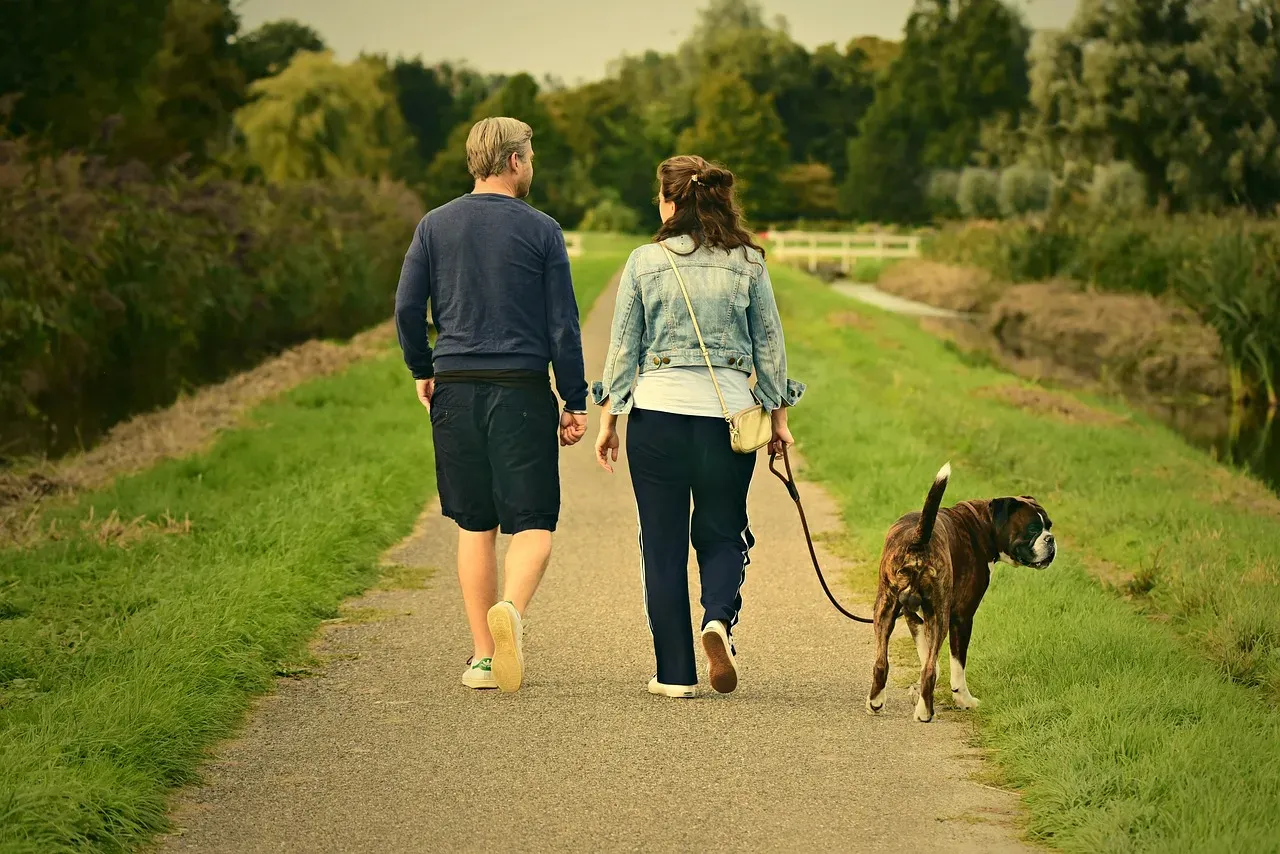
Dogs need exercise; paths give them a designated space to do it as well as a venue to perform their perceived job―to patrol your property line. Readers suggested sacrificing a few feet along the fence for a perimeter path to simultaneously satisfy both needs. Dogs are creatures of habit. They love routine patrol routes around their territory.
If your dogs have already created their own paths through the garden, don’t try to redirect them. Instead, turn their well-worn routes into proper pathways. Use smooth flagstone, gravel, or wood chips to formalize these routes. A 3-foot-wide clearance is enough for most dogs. This prevents them from trampling your flower beds and gives them a clear understanding of where they’re welcome to roam. You can even create a looped track that allows for zoomie sessions without destruction. Dense shrubs or low borders can help define boundaries naturally, making training easier and giving your dog their own “secret garden” space.
Provide Fresh Water Access Throughout The Yard
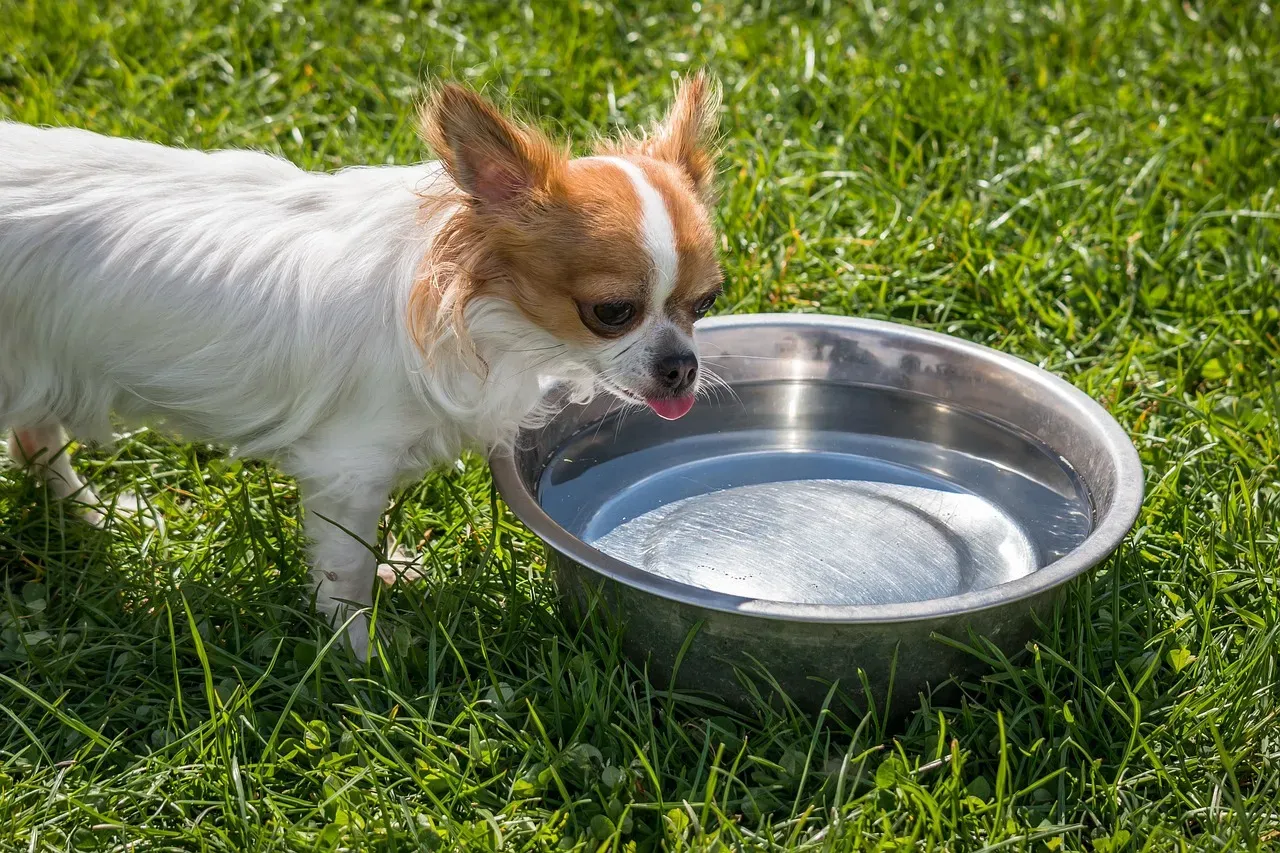
Hydrated pets are healthy pets, so outdoor water bowls are a permanent fixture in this garden. One water bowl by the back door isn’t enough if your dog spends significant time exploring different areas of your garden. Dogs need constant access to clean, fresh water, especially during warmer months.
Stainless steel bowls are the best for all animals because they don’t scratch and they don’t harbor bacteria. Just place the bowls in an area where they won’t be in direct sunlight between the hours of 10-2, and the water temp should be fine. Place multiple stainless steel water bowls in shaded locations throughout your yard. Avoid plastic bowls outdoors as they can leach chemicals when heated by the sun. Consider a self-filling water bowl connected to your garden hose for larger yards. Change the water daily to prevent algae growth and keep it fresh and inviting.
Designate A Digging Zone For Enthusiastic Excavators
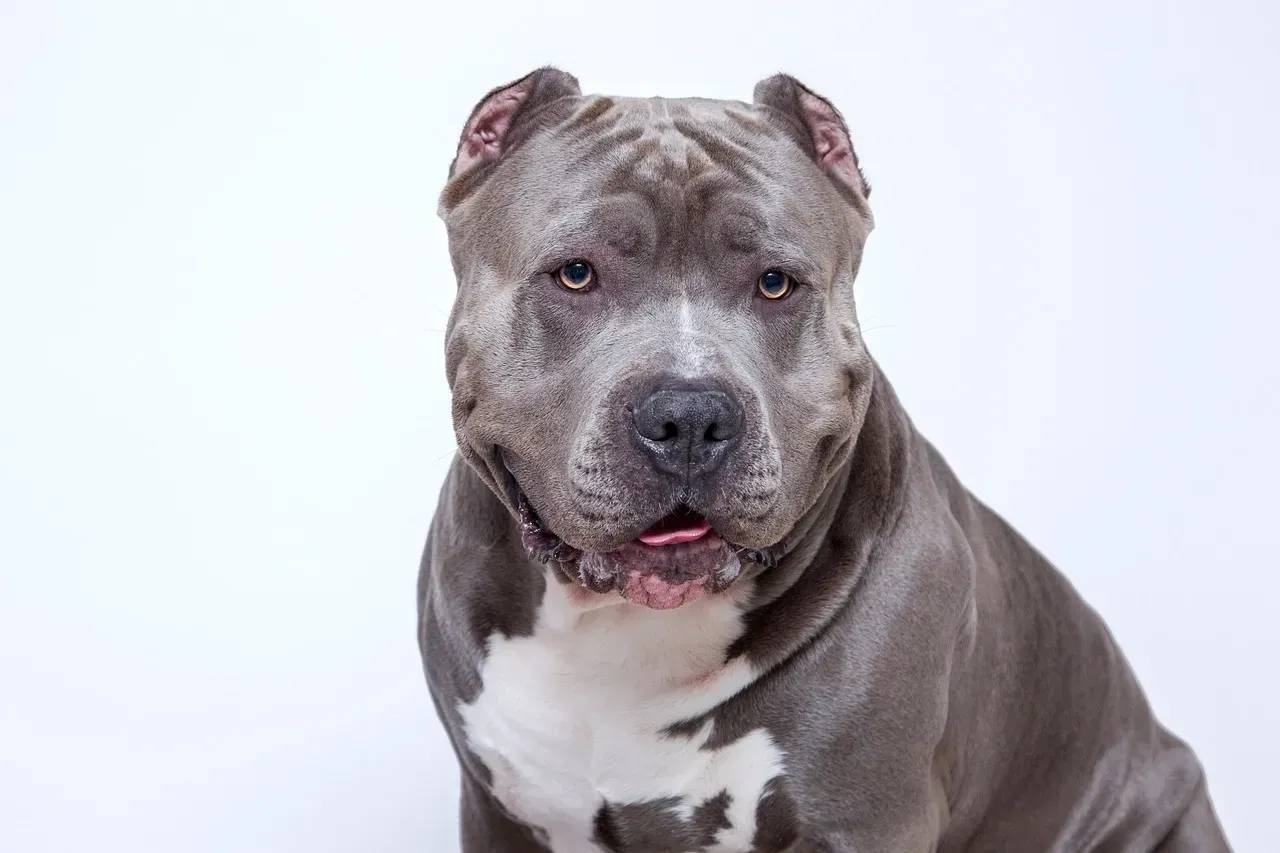
Dogs will dig, so provide a dig pit where your pet can engage in its natural instincts. Some dogs are natural diggers. Terriers, huskies, and dachshunds were literally bred for it. Fighting this instinct is exhausting and often futile.
Fill the pit with sand. Bury toys, bones, or treats just under the surface. Praise your pet for digging in the special area. Create a designated digging zone in a corner of your yard using a sandbox or loosened soil area. Make it more appealing than anywhere else by hiding favorite toys or treats just beneath the surface. When you catch your dog digging in the wrong spot, redirect them to their approved zone without scolding. Positive reinforcement works wonders here. Over time, they’ll learn that this is their special spot for excavation adventures.
Keep Play Areas And Gardens Separated
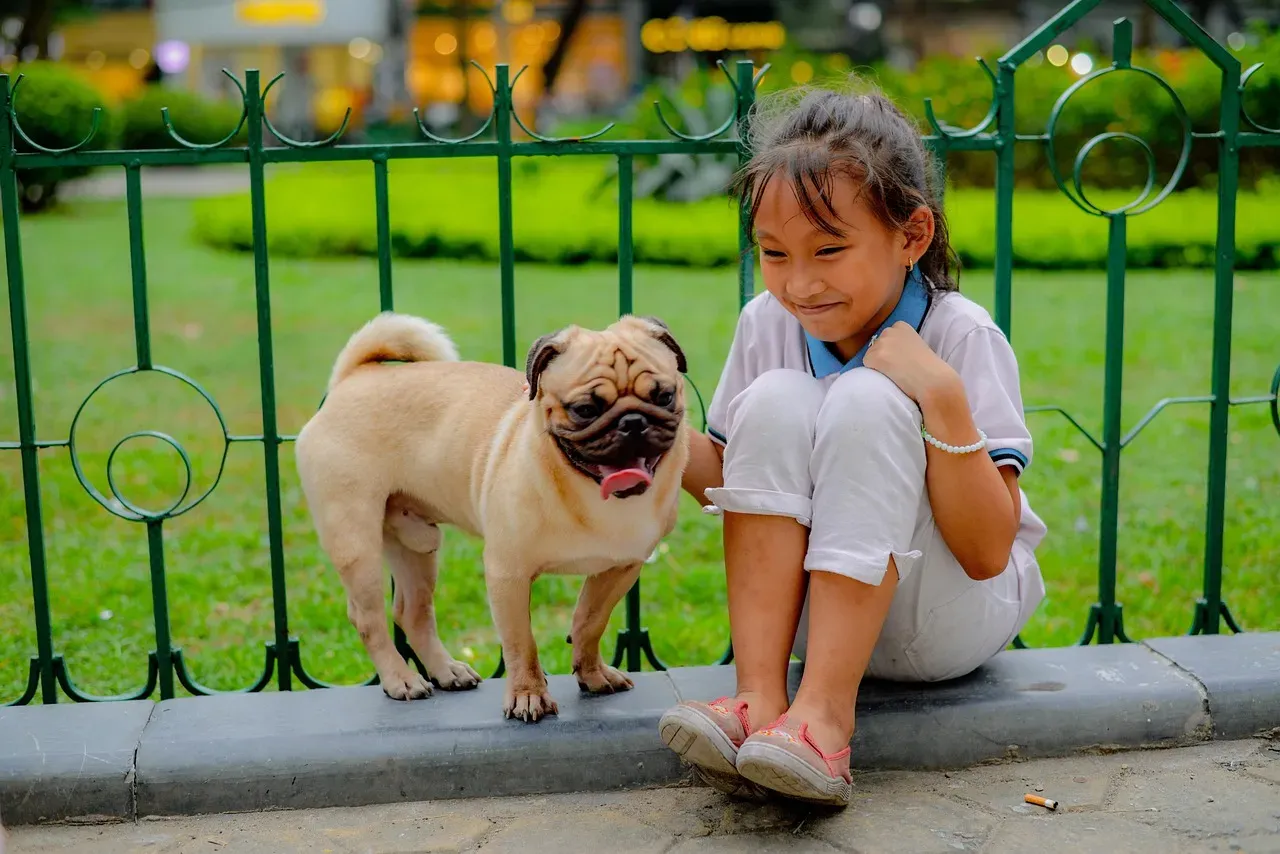
When designing your dog-friendly garden, protect any delicate plants that might be sensitive to trampling, urination, etc. These plants can be blocked with sturdy, thick border plants such as shrubs and hardy groundcovers that provide a natural barrier. Dogs and delicate flower beds don’t mix well. Accept this reality early and plan accordingly.
When growing vegetables, you want a sure thing, and dog-proof garden fencing is the best, most reliable option. If you want to protect your precious plants from your pack, dog-proof garden fencing is the way to go. Use low decorative fencing, raised beds, or dense shrub borders to physically separate your prized plants from your dog’s romping grounds. Depending on temperament and breed, small dogs can be deterred by standard garden edging or lightweight, folding wire fencing; even for larger dogs, it creates a boundary that makes training easier. Give your dog open areas with durable groundcovers or hardscaping where they can play freely. Sacrificing a perfectly manicured lawn for your dog’s happiness and safety is a trade worth making. You can have beauty and function, just in separate zones.
A safe garden for your adventurous dog doesn’t happen by accident. It takes observation, planning, and a willingness to see your outdoor space through their eyes. Start with one or two changes this weekend. Remove that toxic plant. Install a water bowl in the shade. Your dog doesn’t ask for much, just a safe place to explore, play, and be themselves. What’s stopping you from giving them that gift today?


