

You know that moment when you spot a tiny fluffball at the park and your heart melts? Small dogs have this magical ability to steal our affection instantly. Their pint-sized cuteness makes them seem like the perfect companion for apartment living or cuddling on the couch after a long day.
Here’s the thing though. Not all small breeds are created equal when it comes to care requirements. Some of these adorable little souls demand far more time, energy, and attention than you might expect from a dog who barely reaches your knee. It’s not about love or commitment. It’s about matching your lifestyle with a pup who’ll genuinely thrive in your home.
Let’s dive into which small breeds require serious dedication, and more importantly, which ones offer that same companionship without turning your daily routine upside down.
The Maltese: A Gorgeous Coat With Serious Commitment
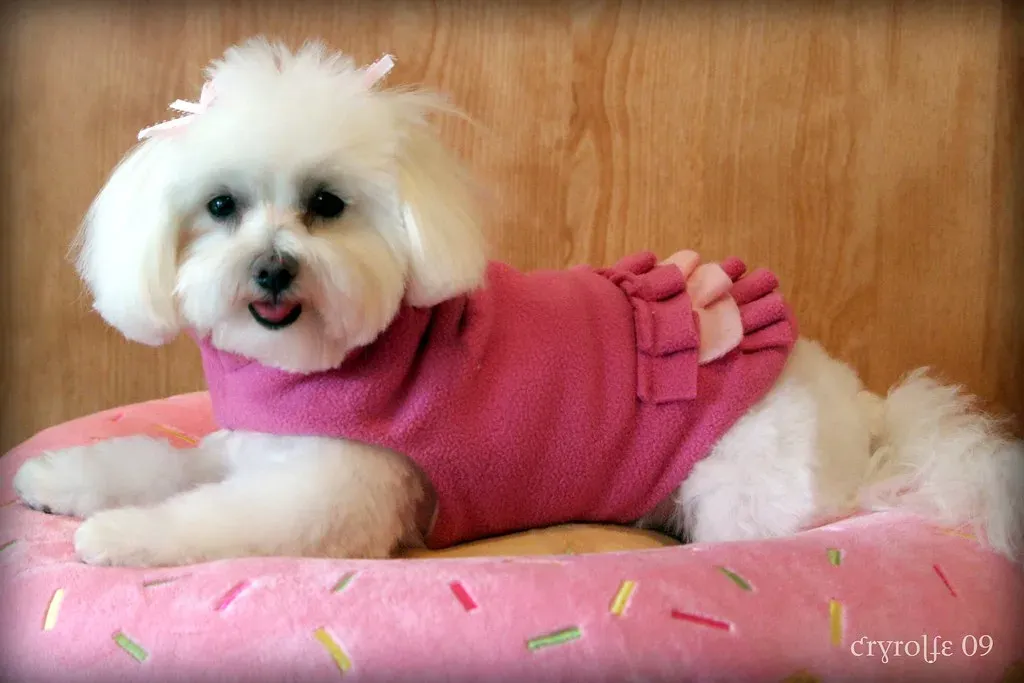
Maltese dogs have hair prone to matting, requiring brushing at least every other day. If you skip even a few days, you’re looking at tangles that can be painful to remove and may not grow back properly if torn out. This isn’t just about aesthetics.
Short haircuts should be brushed every three days, moderate styles every two days, and long show coats need daily brushing. Professional grooming is recommended approximately every six to eight weeks to maintain the fur in good condition and prevent mat formation. Beyond the grooming table, Maltese owners spend considerable time on eye care due to tear staining. Honestly, it’s a daily commitment that goes way beyond a quick walk around the block.
Yorkshire Terriers: High-Energy Grooming Demands
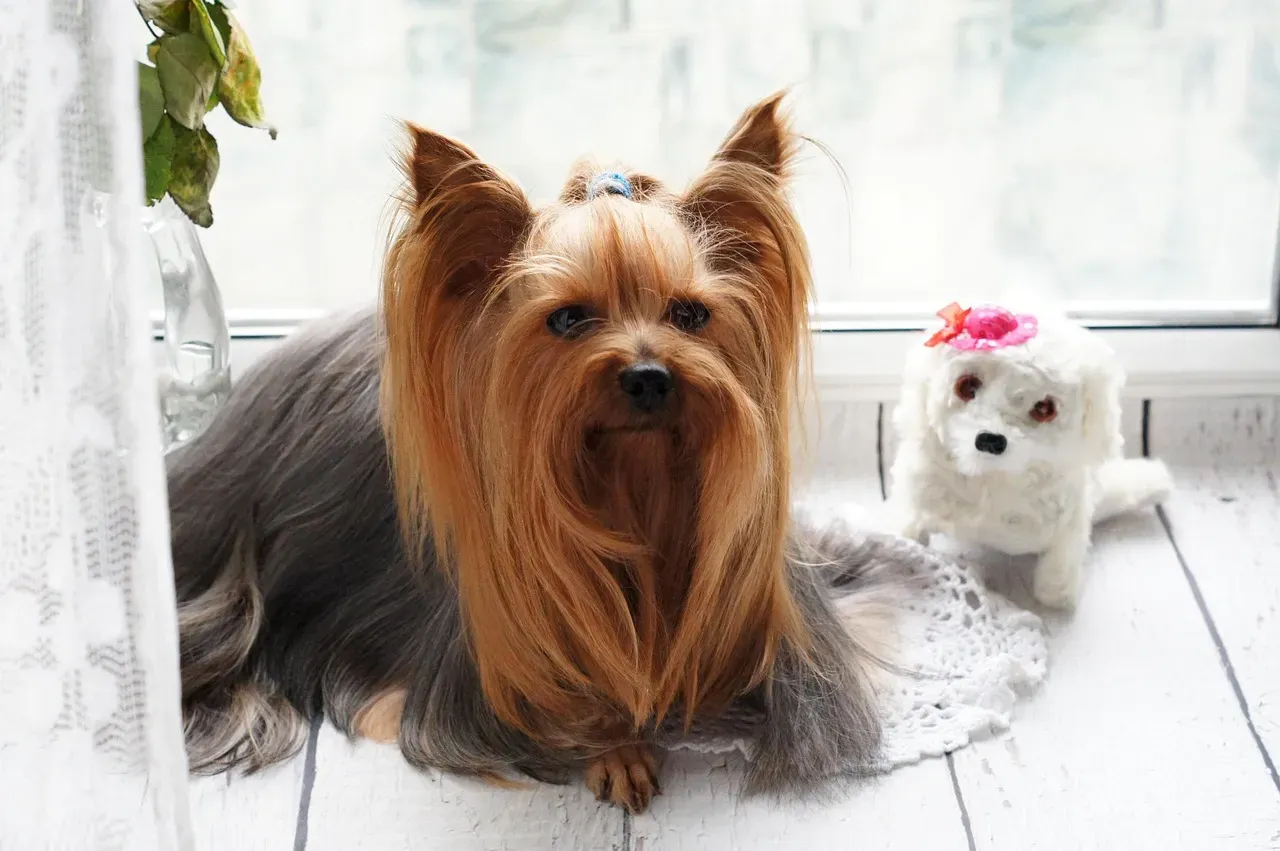
Yorkies might weigh less than a newborn baby, but their grooming needs are anything but small. Their fur requires daily brushing to stay tangle-free, along with frequent baths and regular trims to keep their coats manageable.
Small dog breeds like Yorkshire Terriers often require more frequent dental cleanings due to their predisposition for periodontal disease, with regular brushing alone being insufficient. Their silky coats are beautiful, no doubt about that. The reality is that maintaining that signature look means either becoming best friends with your local groomer or investing serious time learning to do it yourself. These are dogs who need structure, consistent training, and daily mental stimulation alongside all that coat care.
Shih Tzus: The Royal Treatment Required
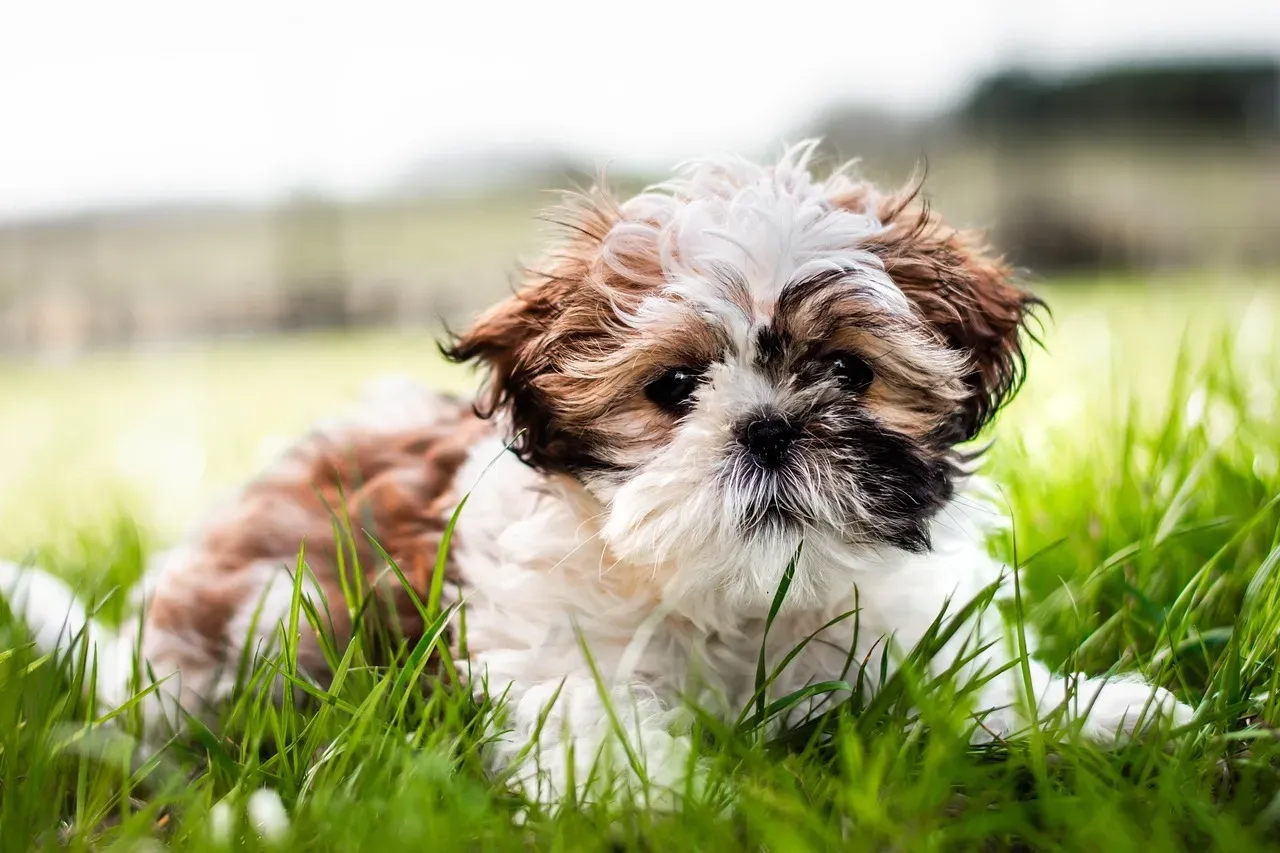
Shih Tzus require regular grooming to maintain their long, luxurious coats. We’re not talking about a quick brush here and there. You can trim their hair short and plan to brush about once every other day, or go full glam with long hair that requires daily brushing.
Their faces need constant attention too. Food and water get trapped in that adorable beard, leading to staining and potential skin issues if you’re not vigilant. The grooming is just part of the picture. Shih Tzus can be stubborn during training, which means patience becomes your best virtue. They’re companion dogs through and through, so separation anxiety can become a real challenge if you work long hours.
Pomeranians: Fluffy and Feisty With High Needs
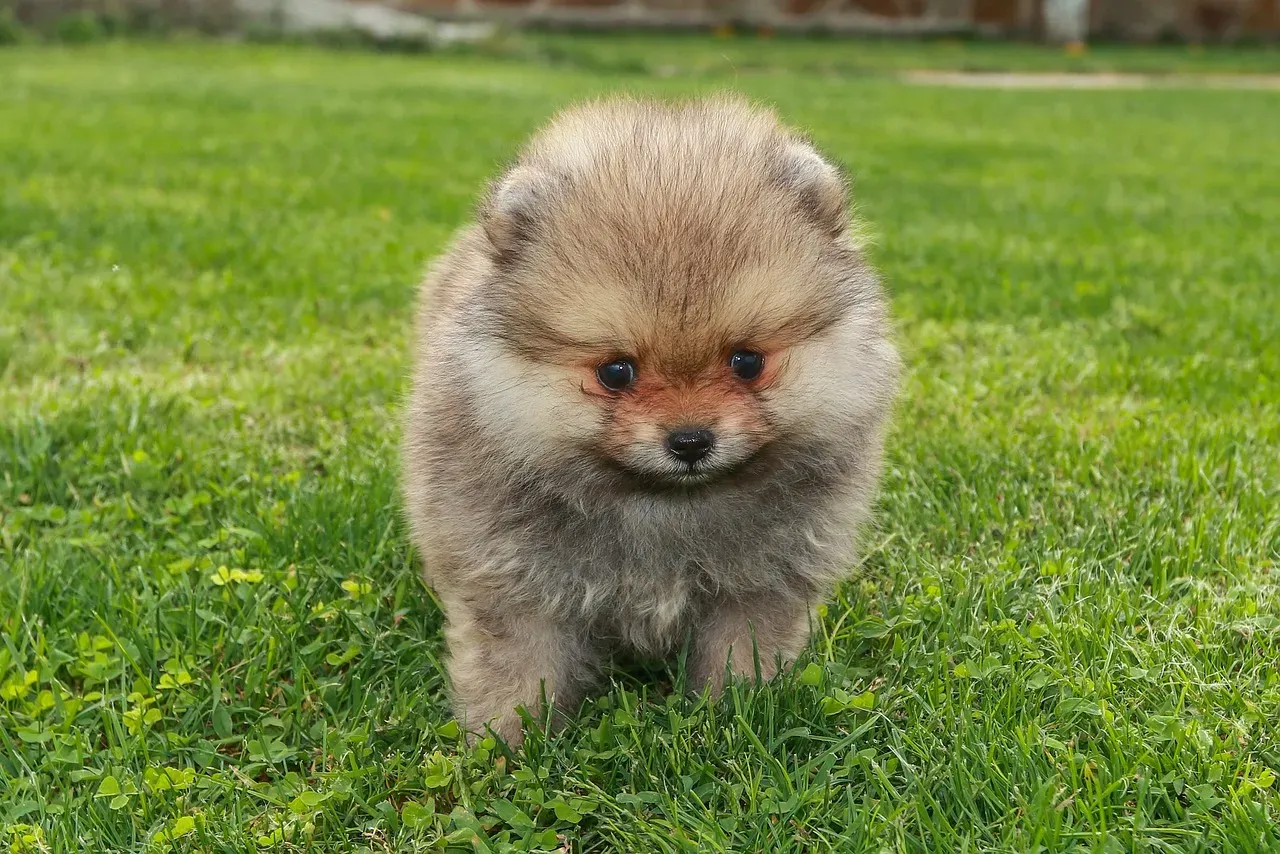
That glorious fluffy coat on a Pomeranian? It comes with a price tag of time and effort. Their silky fur, whether straight or wavy, requires daily brushing and sheds often, with a pin brush or wide comb being best for maintenance.
Pomeranian Shih Tzu mixes can inherit health conditions from their parents, including hypoglycemia caused by lack of glucose, hepatic disorders, or significant delays between meals. Pomeranians are vocal. Really vocal. Without proper training and socialization, that tendency to bark at everything can drive you and your neighbors a bit crazy. They’re also surprisingly demanding for their size, needing regular exercise and mental challenges to prevent destructive behaviors.
Cavalier King Charles Spaniels: Sweet But Needy
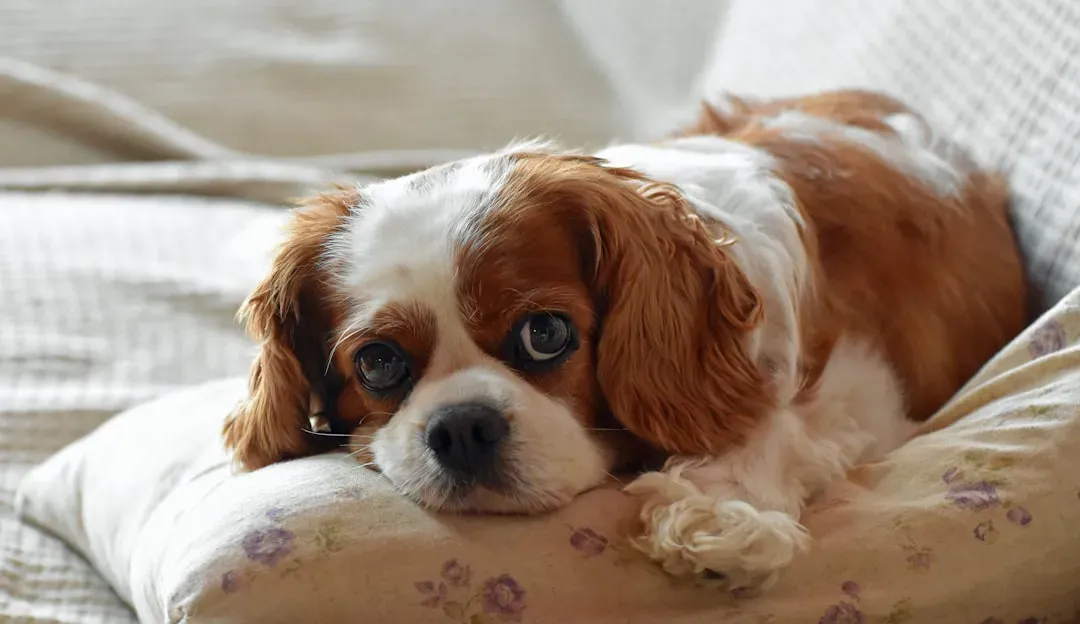
Cavalier King Charles Spaniels are sweet cuddlers who are friendly toward everyone they meet, but they can develop separation anxiety if left alone for long stretches. Their affectionate nature is wonderful until you realize they genuinely struggle when you leave for work.
These dogs also come with significant health concerns that require vigilant monitoring and regular vet visits. Heart issues are common in the breed, along with eye problems and joint conditions. Cavachons shed very little but require frequent grooming due to their fine coat growing out when mixed with Bichons. The grooming commitment combined with potential medical expenses makes Cavaliers a breed that demands both emotional and financial resources.
Bichon Frises: Hypoallergenic But High Maintenance
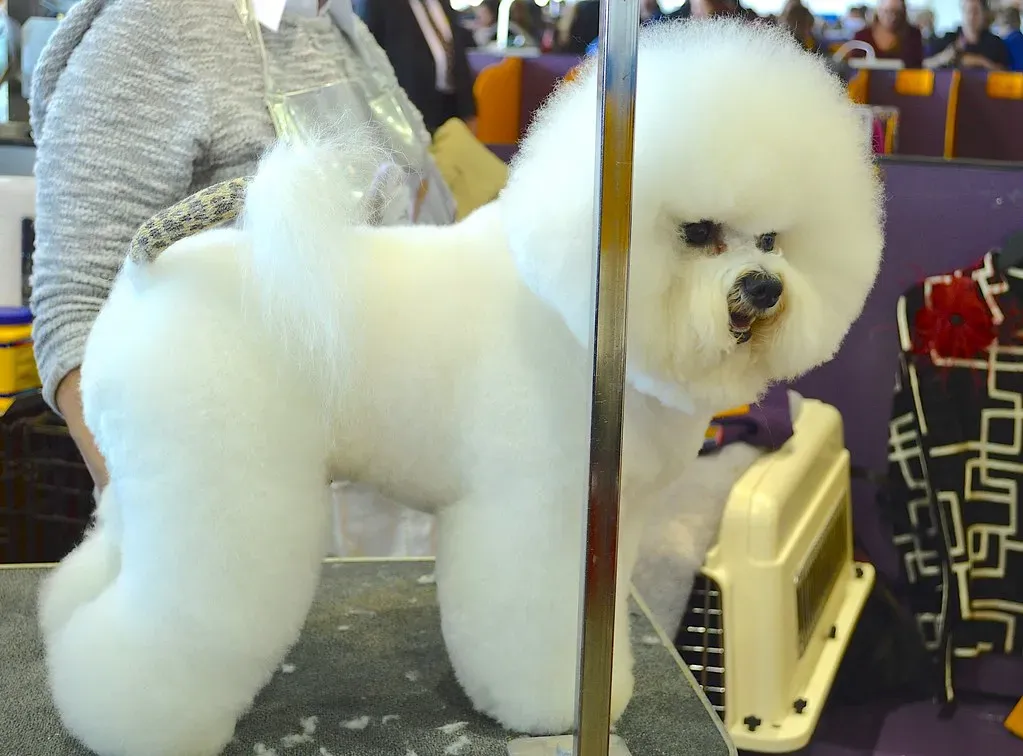
Bichon Frises are small, hypoallergenic dogs known for their cheerful and affectionate demeanor. That curly white coat everyone loves? It’s a grooming project. Coats that don’t shed require more professional grooming, with dogs needing trips to the groomer every six to eight weeks.
Between professional visits, you’re looking at regular brushing several times weekly to prevent mats and tangles. Bichons are also prone to dental issues and require diligent teeth cleaning. They’re social butterflies who need constant interaction, making them less suitable for anyone with a busy schedule or frequent travel. Let’s be real, these dogs don’t do well being left to their own devices.
Havanese: Velcro Dogs With Grooming Needs
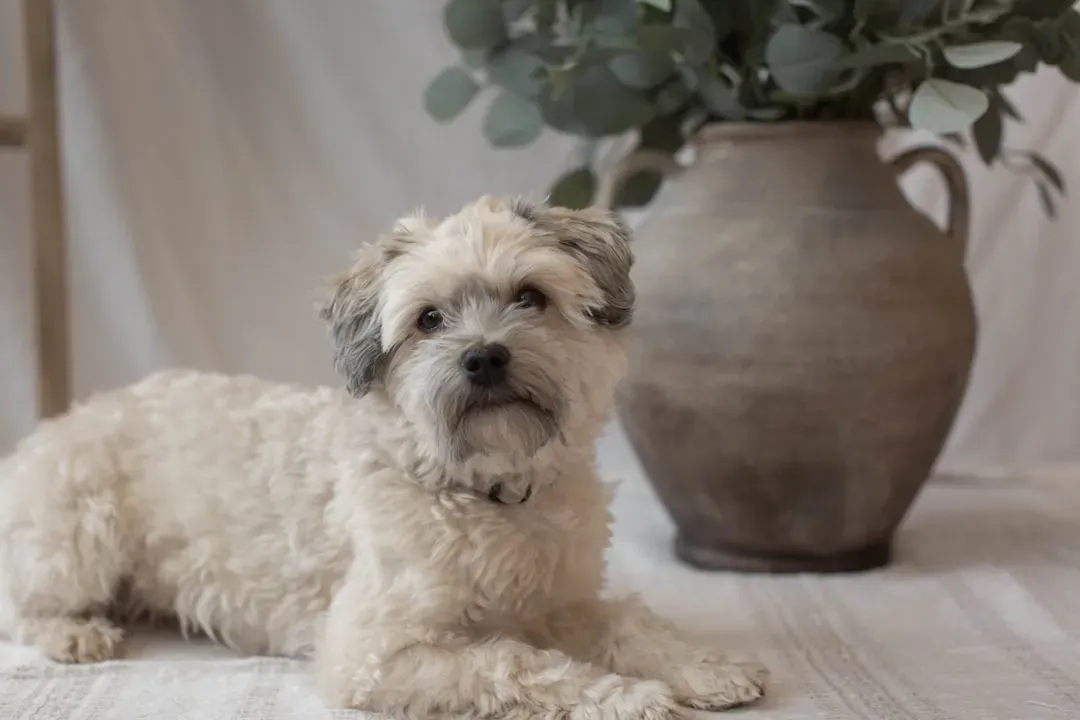
Havanese are sociable and happy toy breeds that are adaptable and eager to please, making excellent companion dogs. The catch? They earn the nickname “velcro dog” because they literally want to be attached to you constantly.
Many pet parents clip Havanese coats short to keep grooming easy, though they can have long coats. Their silky hair tangles easily without regular maintenance. Separation anxiety runs deep in this breed, so if you’re gone for eight-hour workdays, your Havanese might develop behavioral issues. They’re also surprisingly energetic for their size and need daily exercise plus mental stimulation.
Brussels Griffons: Quirky and Demanding
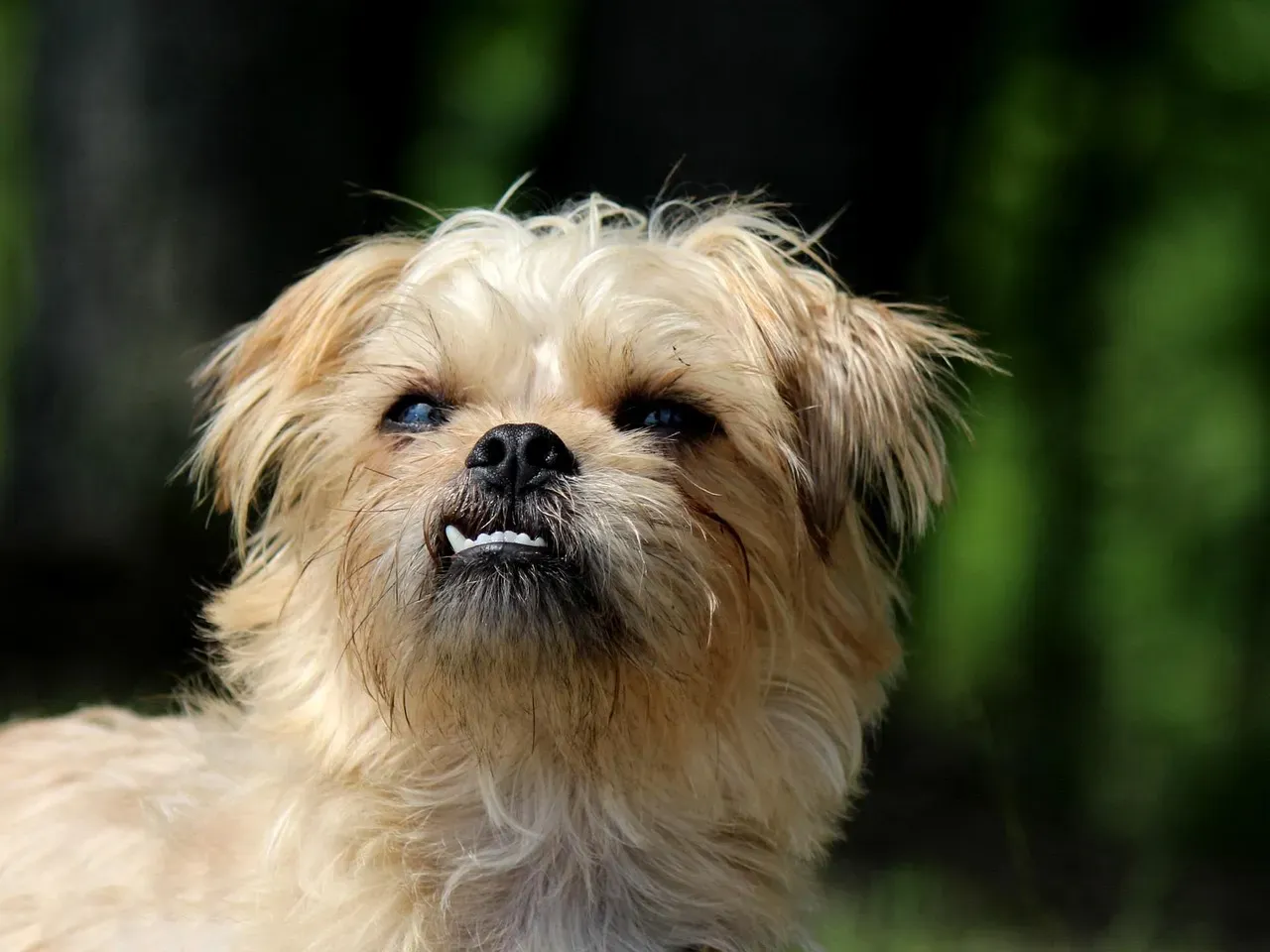
Brussels Griffons look like little Ewoks and are mellow companions whose energy is spent after outdoor or living room playtime, happy to live in apartments with a 30-minute walk or two daily. The grooming varies depending on coat type, but the shaggy-bearded varieties need regular trimming.
What makes them particularly high maintenance is their sensitive nature. They bond intensely with their owners and can become anxious or depressed without enough attention. They’re also not the most patient with young children, requiring careful supervision in family settings.
French Bulldogs: A Low-Maintenance Alternative
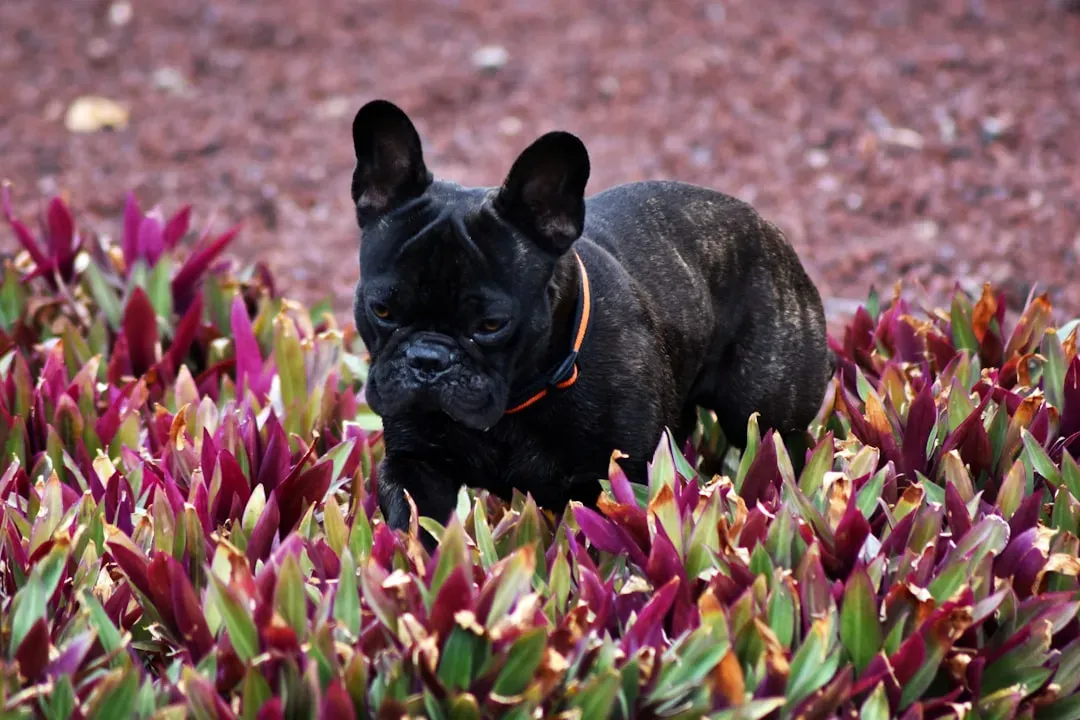
French Bulldogs ranked first in the American Kennel Club’s most popular dog breeds of 2023, being ridiculously cute, smart, adaptable, playful, and perfect for city living while being content with a daily walk or short playtime. Their short coat requires minimal grooming compared to long-haired breeds.
French Bulldogs are small, affectionate, and surprisingly low-energy, with short coats requiring minimal grooming and calm natures making them perfect apartment companions. They’re adaptable, friendly, and don’t demand hours of exercise. Just keep an eye on their health, particularly breathing issues common to flat-faced breeds.
Chihuahuas: Tiny Size, Minimal Fuss
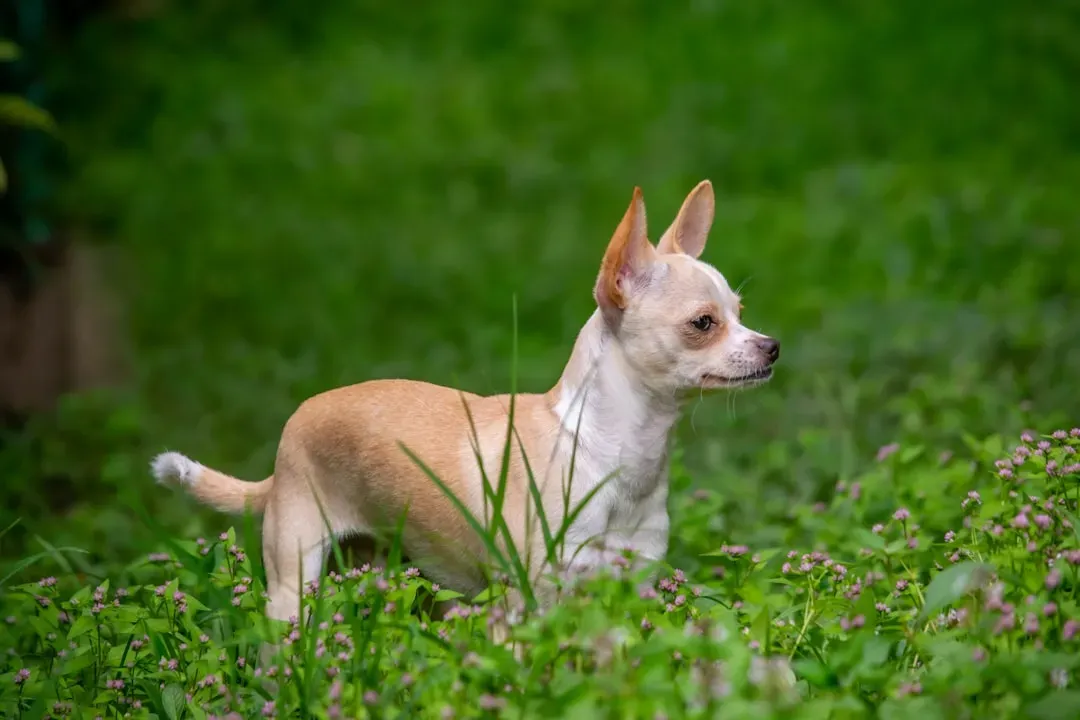
Chihuahuas are among the easiest dogs to care for due to their tiny size and minimal grooming requirements, with short coats requiring little maintenance and no frequent baths. They’re also independent enough to entertain themselves when needed.
Chihuahuas are confident, alert, and loving dogs with minimal grooming needs and low exercise requirements, ideal for people with tight schedules or small living spaces. Their small size makes traveling convenient too. They fit into almost any lifestyle without demanding the constant grooming or attention that other toy breeds require.
Pugs: Lovable and Low-Key

Pugs are low-maintenance breeds with short, glossy coats and relaxed, quiet demeanors who don’t bark much, preferring to snooze rather than stir up trouble, and are smart, curious, and easy to train. Their grooming needs are minimal, usually just a quick brush weekly.
Pugs are charming and cute with lively personalities, ideal for small city apartments, generally quiet with minimal barking, spending large parts of days napping. They’re perfect couch companions who enjoy short walks but won’t demand marathon exercise sessions. Just watch their weight, as pugs love food and can pack on pounds quickly.
Cavalier Mixes Like Cavachons: Best of Both Worlds
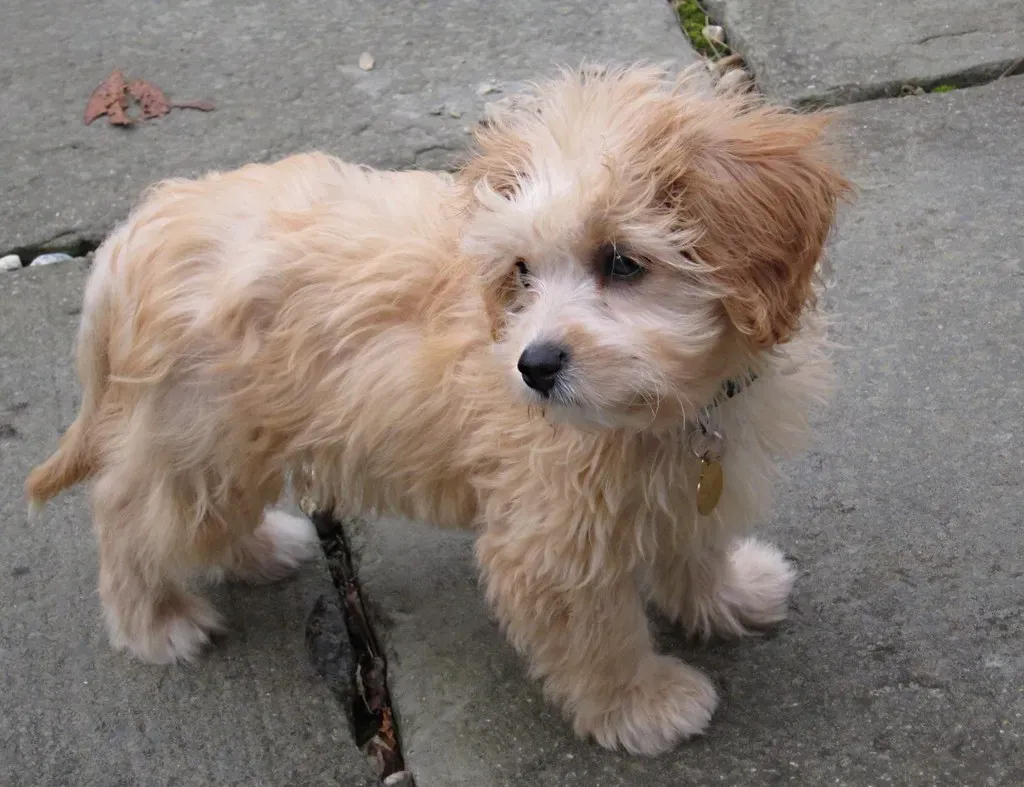
Cavachons are affectionate dogs known for being gentle and playful, bonding closely with people and needing daily exercise while benefiting from early socialization to prevent separation anxiety. A three to four times per week brushing schedule is recommended to maintain a healthy Cavachon coat.
Cavachons don’t need a lot of exercise but require daily walks and play sessions to be healthy and happy. They’re adaptable, great with kids, and while they need some grooming, it’s far less intensive than pure Bichons or Cavaliers alone. Cavachons possess characteristics many people look for including friendly nature, intelligence, gentleness, small size, low exercise requirements, and a low or no-shed coat.
Dachshunds: Surprisingly Easy Companions
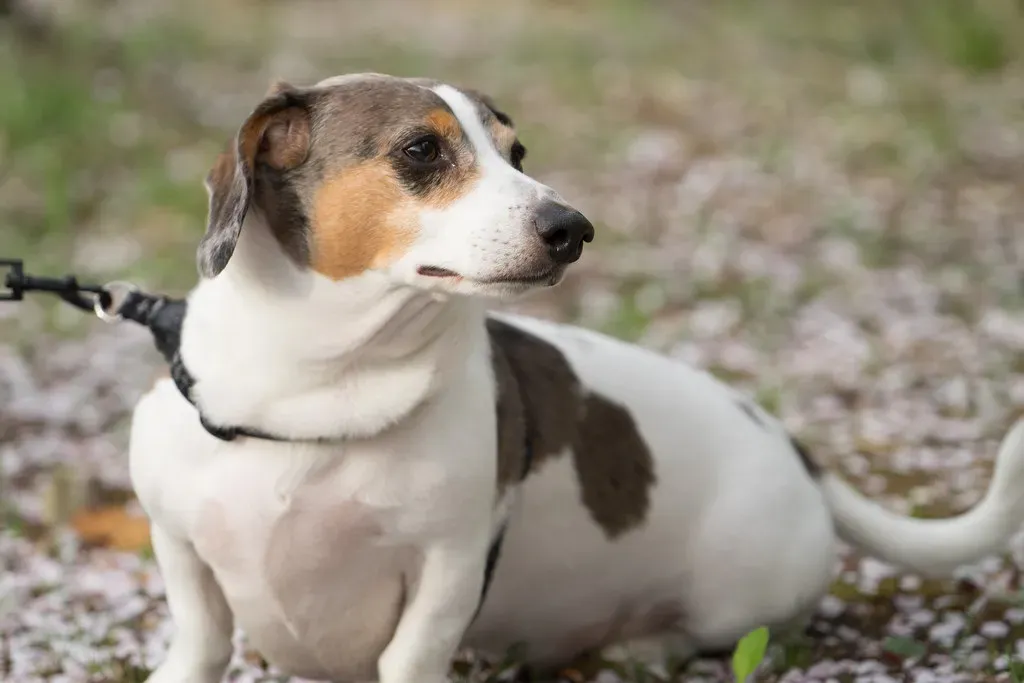
Dachshunds are hounds at heart who still need regular exercise, with grooming needs depending on variety – smooth-coated, longhaired, or wirehaired – but overall requiring just regular brushing. The smooth-coated variety is particularly low maintenance.
Dachshunds are playful and devoted, making great companions, with smooth-coated versions being one of the easiest variations to care for, needing minimal brushing and low shedding. They’re content with moderate exercise and have personalities big enough to fill any home. Their independence means they handle alone time better than many toy breeds.
Finding Your Perfect Match
Choosing a dog isn’t just about falling for a cute face in a photo. It’s about honest self-reflection. How much time can you realistically dedicate to grooming each week? Are you home enough for a dog who struggles with separation? What’s your budget for professional grooming and potential health issues?
The breeds we’ve covered as alternatives aren’t less loving or loyal. They simply require less intensive daily maintenance, freeing up time for what really matters: building that incredible bond with your four-legged friend. Sometimes the best choice isn’t the fluffiest or fanciest. It’s the one who fits seamlessly into your real life, not the idealized version in your head.
Think about your typical weekday. Picture adding grooming sessions, training time, and the emotional support a high-maintenance breed demands. Does it still feel manageable, or does anxiety creep in? That feeling matters. Your dog deserves an owner who can meet their needs without resentment or exhaustion. You deserve a companion who brings joy, not stress.
Whether you choose a snuggly French Bulldog who’s happy with a short walk, or commit fully to the grooming demands of a Maltese, make the choice with eyes wide open. What matters most to you in this journey together? Is it that Instagram-worthy flowing coat, or the quiet moments of companionship without the pressure? Only you know the answer, and honestly, that’s perfectly okay.


