

You know that sinking feeling when you walk through the door after a long day, only to find your couch cushion has been transformed into what looks like a crime scene of stuffing and fabric? If you’re nodding along, you’re not alone. Small dogs might look innocent with those button eyes and adorable paws, but when boredom strikes, they can unleash chaos that rivals their larger cousins. Let’s be real, size doesn’t determine destruction potential.
Here’s the thing many people don’t realize: those tiny bodies often house enormous energy reserves and surprisingly sharp minds. Without proper outlets, that energy has to go somewhere. It usually ends up directed at your favorite shoes, the baseboards, or that expensive rug you just bought. Understanding which small breeds are most prone to boredom-related destruction can help you prepare, prevent, and ultimately build a happier life together.
Jack Russell Terrier: The Tiny Tornado

If he doesn’t get two walks and two play sessions per day, he’s destructive and hyperactive. That’s the reality of living with a Jack Russell Terrier. These compact bundles of energy were originally bred to hunt foxes, which means they possess stamina most marathon runners would envy.
Thanks to the Jack Russell Terrier, these dogs normally have high activity levels and love to play. They love to be kept entertained and can be prone to boredom, so you must be sure you can dedicate time to them and give them lots of mental stimulation. When left alone without enough to do, Jack Russells don’t just sit quietly. They dig, they chew, they bark incessantly, and they’ll find creative ways to entertain themselves that you definitely won’t appreciate.
Think of them as four-legged problem solvers with too much time on their paws. Puzzle toys, hide-and-seek games with treats, and vigorous daily exercise aren’t optional – they’re essential survival tools for your household.
Chihuahua: Small Dog, Big Destruction
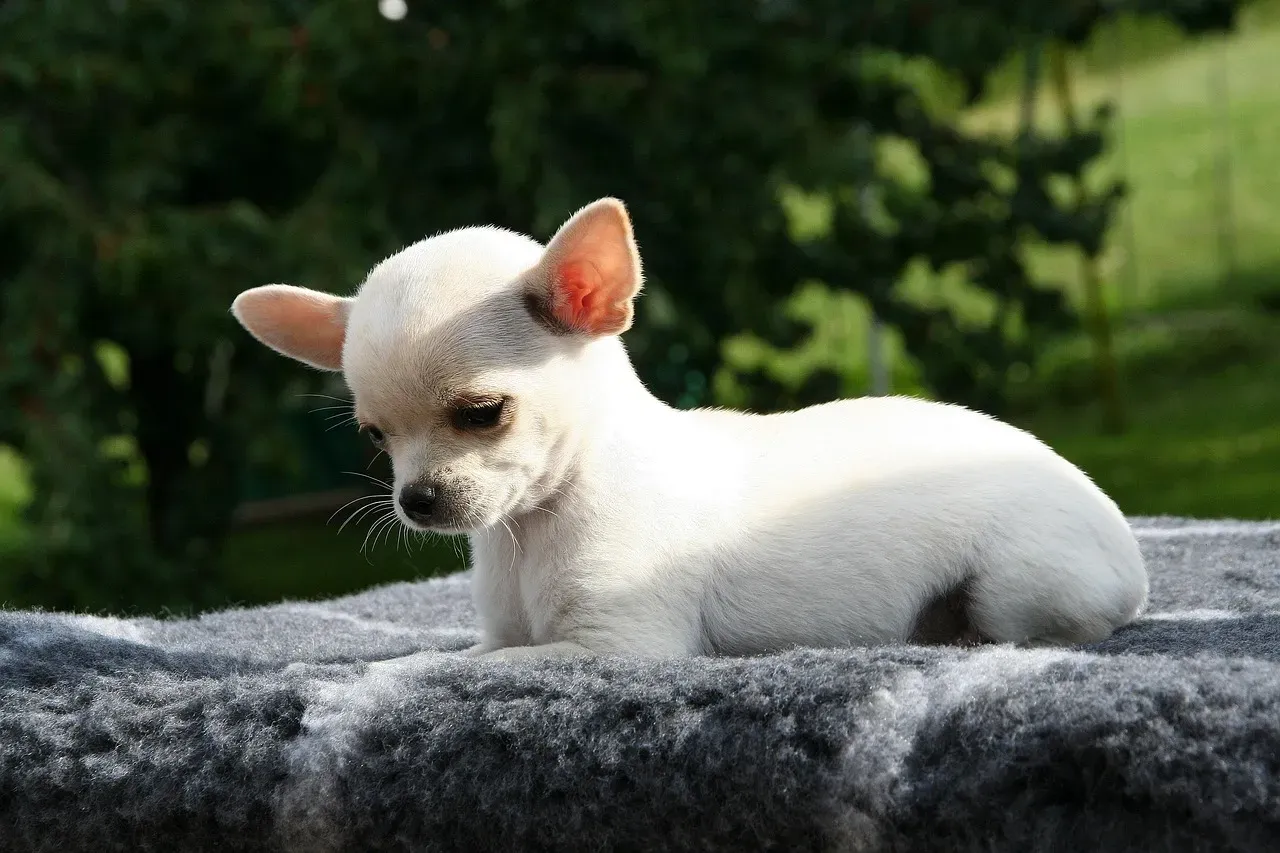
Don’t let that purse-sized frame fool you. It’s amazing how much damage a tiny Chihuahua can do if it’s bored. Their tiny sharp teeth can cut through carpets, clothing, and furnishings before you can say ‘Where’s the dog?’ Honestly, I’ve seen Chihuahuas dismantle entire corners of rooms when they’re understimulated.
So if you have a Chihuahua, we recommend taking them on long walks to see if the extra exercise helps. These feisty little dogs have massive personalities packed into miniature bodies, and they demand attention and engagement. When they don’t get it, anxiety and boredom set in fast.
The key is keeping their minds occupied. Simple training sessions throughout the day, even just five minutes here and there, can work wonders. Teaching them new tricks or refreshing old commands gives them the mental workout they crave.
Dachshund: The Digging Specialist

Those adorable sausage-shaped bodies were designed for a purpose: burrowing into badger dens. That instinct doesn’t disappear just because your Dachshund lives in a suburban home instead of the German countryside. Boredom in dogs is often the result of insufficient mental and physical stimulation, and this can manifest in unwanted behaviors such as chewing furniture, digging, excessive barking, and other forms of destruction.
Dachshunds are particularly notorious for excavating your backyard, shredding blankets and bedding, and chewing through anything within reach when boredom strikes. Their determination is both admirable and frustrating. They’re also surprisingly clever, which means they need puzzle feeders and interactive toys to keep their brains engaged.
Regular physical stimulation curbs boredom, which can lead to nuisance barking or mischievous digging. Interactive toys that challenge them mentally – like treat puzzles – also keep these smart pups engaged. Without this engagement, you’re basically inviting destruction into your home.
Yorkshire Terrier: Feisty and Focused on Mischief

Yorkies might strut around like they own the world, but beneath that silky coat lies a terrier temperament that thrives on activity and purpose. Some breeds have more intense attachment styles and are more likely to act out when bored or lonely, including Dalmatians, terriers, and Irish setters. Yorkshire Terriers fall squarely into this category.
When a Yorkie gets bored, separation anxiety often follows closely behind. The signs that a dog is experiencing separation anxiety include: Engaging in anxious or destructive behaviors when you leave them home alone, such as destroying property, urinating or defecating around the house, self-mutilation (excessive self-licking), and persistent, high-pitched barking or whining.
These dogs were bred to hunt rats in textile mills, so they’re naturally tenacious and driven. Channel that drive appropriately with regular training sessions, interactive play, and opportunities to use their noses through scent games. A tired Yorkie is a well-behaved Yorkie.
Miniature Pinscher: The King of Small Dog Syndrome

Min Pins carry themselves with the confidence of a dog ten times their size. That boldness serves them well in many situations, but it also means they need constant stimulation to avoid boredom-induced mayhem. These athletic little dogs have energy that seems disproportionate to their compact frames.
Further, in nearly all cases, the smaller the dogs, the more problematic behaviors their owners reported. The Miniature Pinscher exemplifies this perfectly. Without adequate physical exercise and mental challenges, they become barky, destructive, and generally difficult to live with.
They thrive on having jobs to do. Whether that’s learning new tricks, participating in agility courses designed for small dogs, or playing fetch until they’re genuinely tired, Min Pins need purpose. Leave them alone with nothing to do and you’ll quickly discover they’ve decided redecorating is their new hobby.
Boston Terrier: The American Gentleman Gone Rogue

Boston Terriers are typically friendly, adaptable dogs with charming tuxedo markings. They’re often described as “the American Gentleman,” which might make you think they’re content to sit politely in the corner. You’d be mistaken. These dogs have moderate to high energy levels and incredibly playful personalities.
Without proper preparation if you are going to leave your dog for a certain amount of time, perhaps due to work or other commitments, dogs will become bored. This can lead to many behavioural problems such as excessive barking, digging and destructive behaviour. Boston Terriers need both physical outlets and mental stimulation to stay balanced.
Their intelligence works against them when they’re bored. They’ll figure out how to open cabinets, unzip bags, and access places you thought were secure. Investing time in daily walks, play sessions, and puzzle toys isn’t just recommended – it’s necessary to preserve your sanity and your belongings.
Cairn Terrier: The Determined Digger
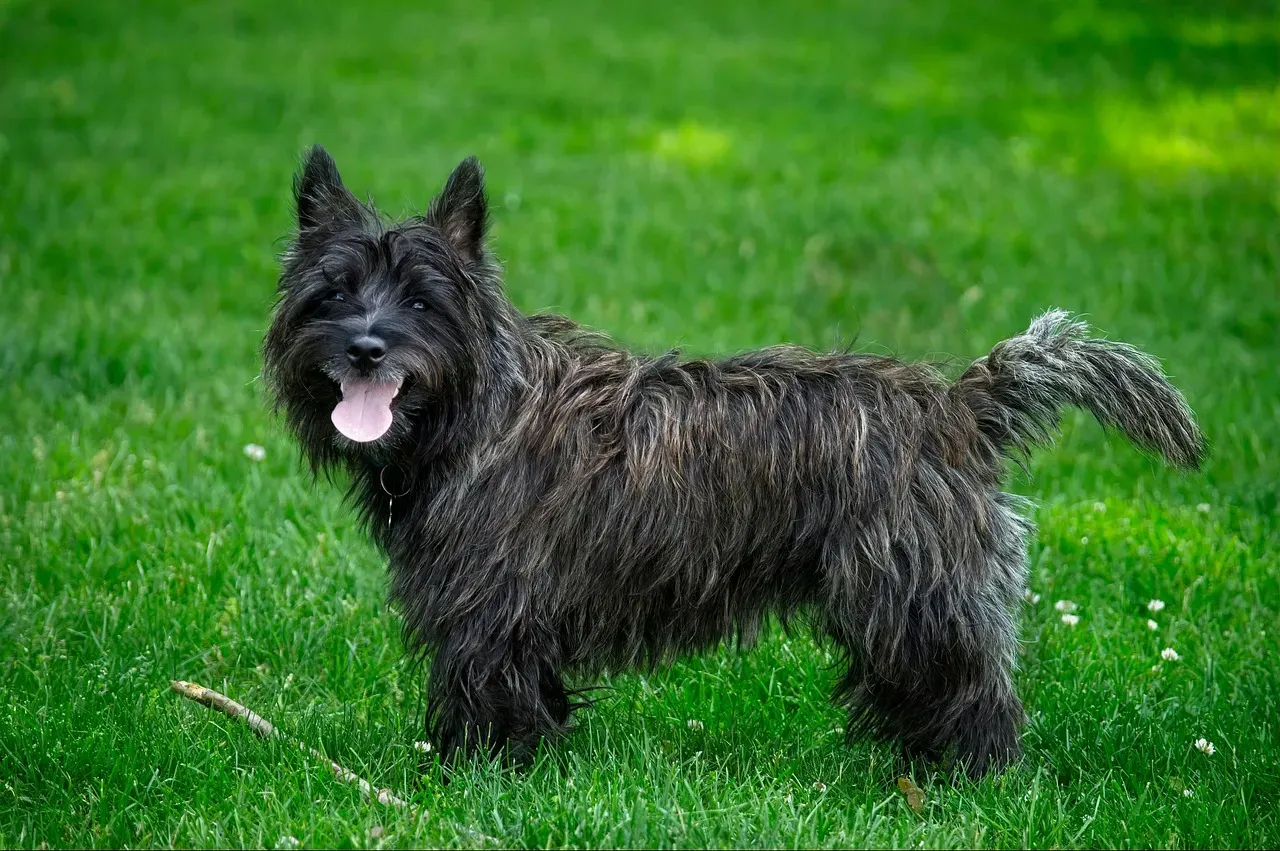
Remember Toto from The Wizard of Oz? That plucky little dog was a Cairn Terrier, and while they’re undeniably adorable, they’re also bred to hunt vermin among Scottish rock piles. That heritage translates to serious digging instincts and a stubborn streak a mile wide.
All dogs, big or small, need mental and physical challenges to be happy and good canine citizens. When these needs go unmet, dogs can become bored and engage in destructive behaviors like furniture chewing, hole-digging, or incessant barking. Cairn Terriers embody this principle perfectly.
These terriers need consistent training, plenty of exercise, and opportunities to satisfy their natural digging instincts. Consider creating a designated digging area in your yard where they’re allowed to excavate to their heart’s content. Redirect their energy rather than simply trying to suppress it. In fact, many destructive behaviors in dogs can be resolved simply by implementing mental exercises every day.
West Highland White Terrier: The Mischievous White Tornado

Westies are impossibly cute with their white fluffy coats and perky ears, but don’t let that fool you. These terriers were bred to hunt rats, foxes, and other small prey in the Scottish Highlands. That means they’re tough, determined, and surprisingly destructive when boredom sets in.
Without it, you risk having a dog that acts out, engages in poor behaviors, is destructive, aggressive, and even depressed. West Highland White Terriers particularly struggle when left alone for extended periods without adequate mental stimulation. They’ll bark excessively, chew destructively, and generally make their displeasure known.
Dogs need both physical and mental stimulation to stay fit, healthy and happy. Physical exertion comes from walking, running and playing, whilst many different things can provide mental stimulation. From tracking scents outside, to concentrating hard on obedience training, or attempting to get kibble out of a puzzle toy – tough mental concentration results in a tired, happy dog.
The solution involves daily walks, interactive play sessions, and challenging their clever minds with training exercises. These dogs respond beautifully to positive reinforcement training and actually enjoy learning new commands. Give them work to do and watch the destructive behaviors melt away.
Conclusion: Prevention Is Better Than Replacement

Living with any of these small breeds can be an absolute joy when their needs are properly met. The common thread connecting all eight breeds is simple: they need both physical exercise and mental stimulation to thrive. Most dogs need at least 20 minutes of mental stimulation per day, but if your dog enjoys more, that certainly won’t hurt them.
Replacing chewed furniture and repairing damaged belongings gets expensive fast. More importantly, a bored, destructive dog is an unhappy dog. They’re not trying to punish you or act out maliciously – they’re simply struggling with unmet needs that manifest as problematic behaviors.
Interactive puzzle toys, daily training sessions, regular walks, and engaging games like hide-and-seek can transform your relationship with your small dog. When you invest time in preventing boredom, you’re rewarded with a calmer, happier, more bonded companion. What surprised you most about these breeds? Did your own dog make the list?


