
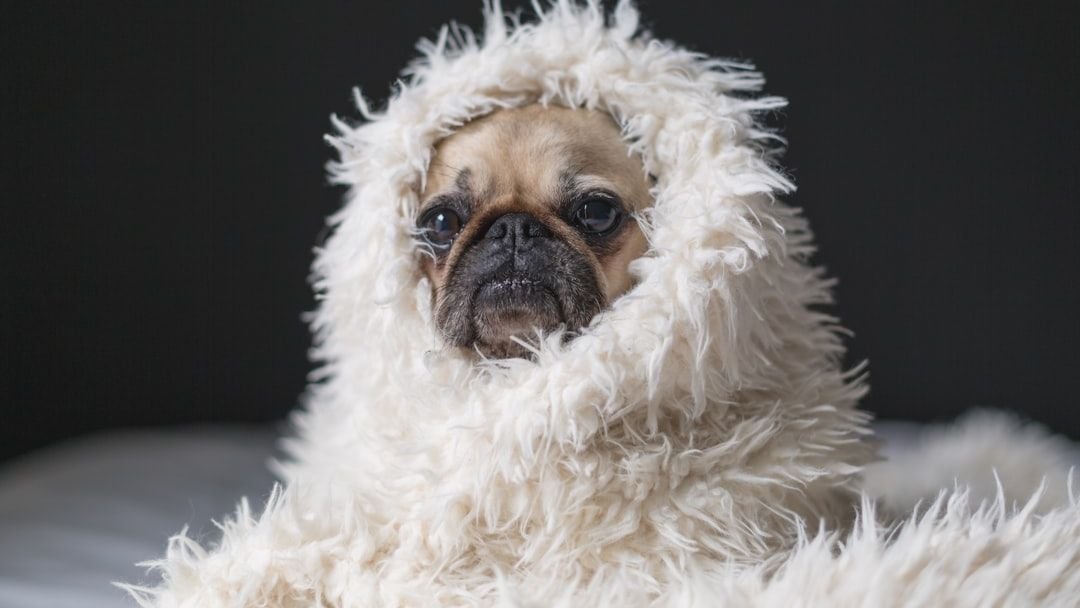
Living in Minnesota means experiencing some of the most extreme winter conditions in the United States. Temperatures can plummet to as low as minus 60 degrees Fahrenheit, accompanied by fierce blizzards during winter months. If you’re a dog lover in this beautiful but brutal climate, you already know that winter isn’t just about shoveling snow and warming up your car. It’s also about making sure your furry companion stays safe and comfortable.
Average winter temperatures in Minnesota typically range from 15 to 25 degrees Fahrenheit, with wind chill making it feel even colder. While some breeds thrive in these icy conditions, others simply aren’t built for it. Think about it this way: would you send someone outside in a t-shirt when it’s below freezing? That’s essentially what happens with certain small dog breeds. Let’s dive into which pups need extra TLC when Jack Frost comes knocking.
Chihuahua: The Tiny Trembler
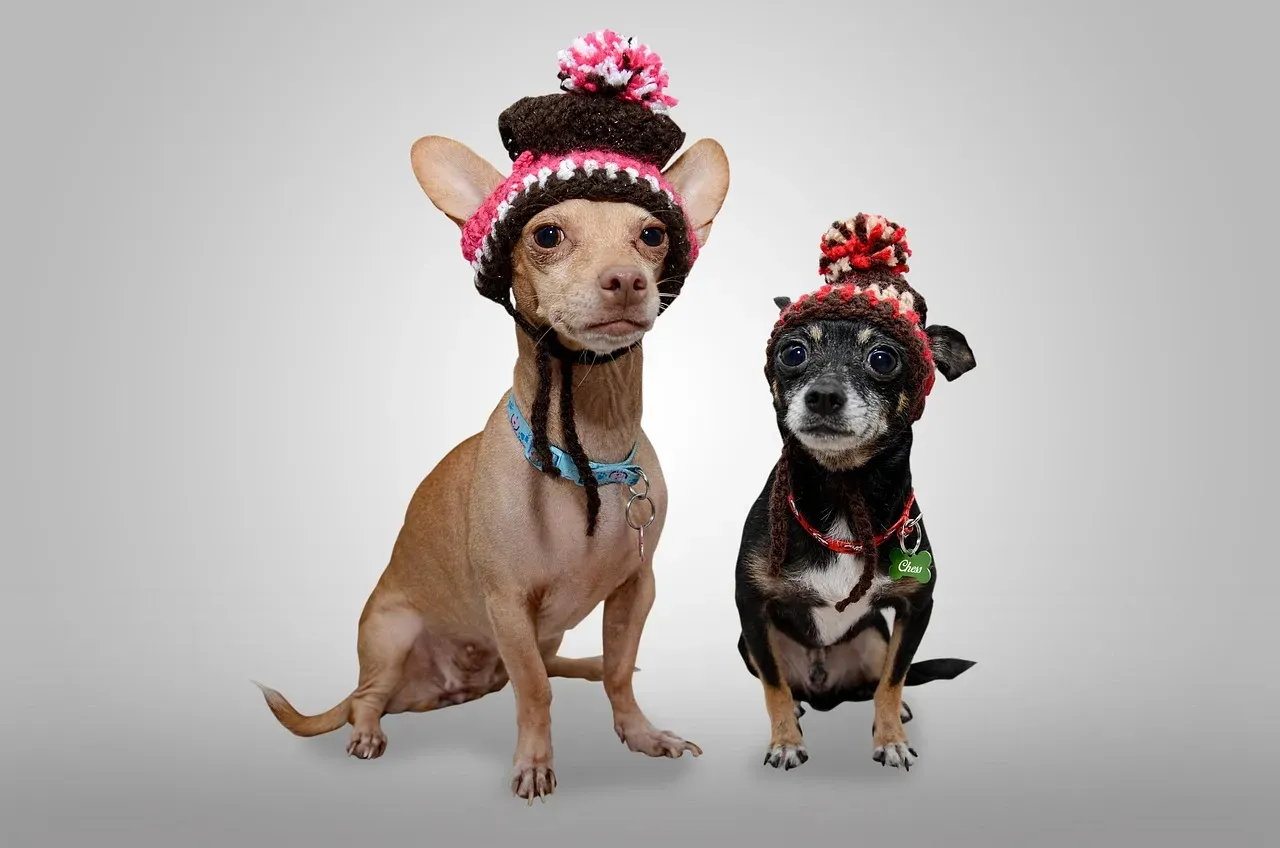
Chihuahuas are one of the most cold-sensitive breeds, with their short coats and small size causing them to lose body heat quickly. Picture this little firecracker, full of personality and sass, standing at maybe six pounds soaking wet. Their tiny bodies simply can’t generate or retain enough warmth to battle Minnesota’s harsh winters.
Temperatures below 40 degrees Fahrenheit are generally too cold for a Chihuahua, especially if they’re outside for an extended period, and they should wear appropriate warm clothing. Even brief potty breaks can become uncomfortable. Watch for shivering, which is often the first sign they’re getting too cold. Some Chihuahuas will even refuse to go outside when temperatures drop, and honestly, can you blame them?
Their high surface-area-to-body-mass ratio works against them in the cold. You’ll want to invest in quality dog sweaters and limit outdoor time to just a few minutes during the coldest days. Indoor potty training solutions might become your best friend during those brutal February stretches.
Italian Greyhound: The Elegant Freezer
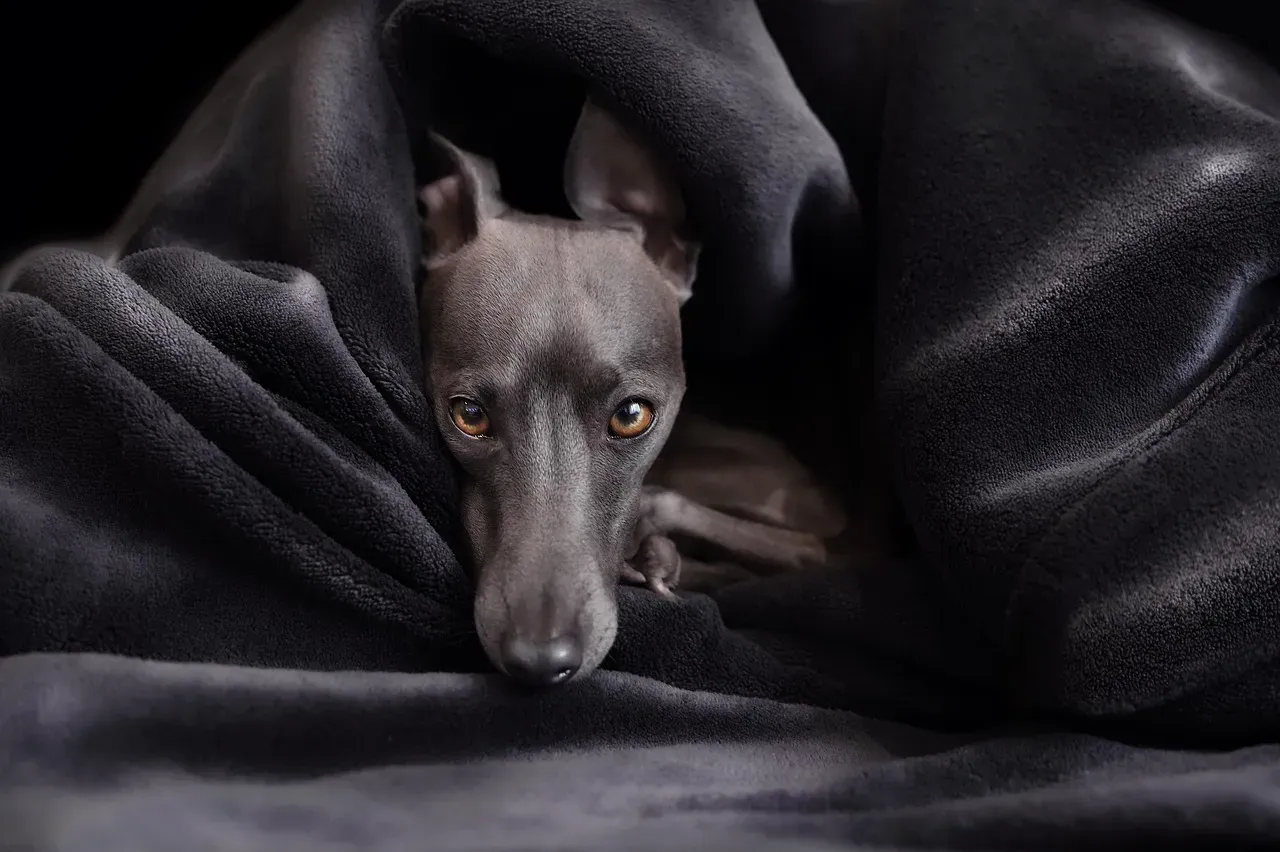
Italian Greyhounds have very little body fat and short, fine coats, making them highly susceptible to the cold. These graceful little dogs look like they belong in a Renaissance painting, not trudging through snowdrifts. Their sleek build, while beautiful, offers zero protection against Minnesota’s icy winds.
What really gets me about Italian Greyhounds is how quickly they show discomfort. When it’s too cold, they’ll cower and try to sit on the ground, which is a really clear sign. They might even lift their paws repeatedly or start shaking uncontrollably. These aren’t dramatic dogs trying to get attention – they’re genuinely suffering.
They often require warm clothing indoors and out during winter. Think cozy fleece pajamas for around the house and insulated coats with wind protection for outdoor excursions. Their ears are particularly vulnerable, so covering them during walks is essential.
Yorkshire Terrier: The Pocket-Sized Shiverer
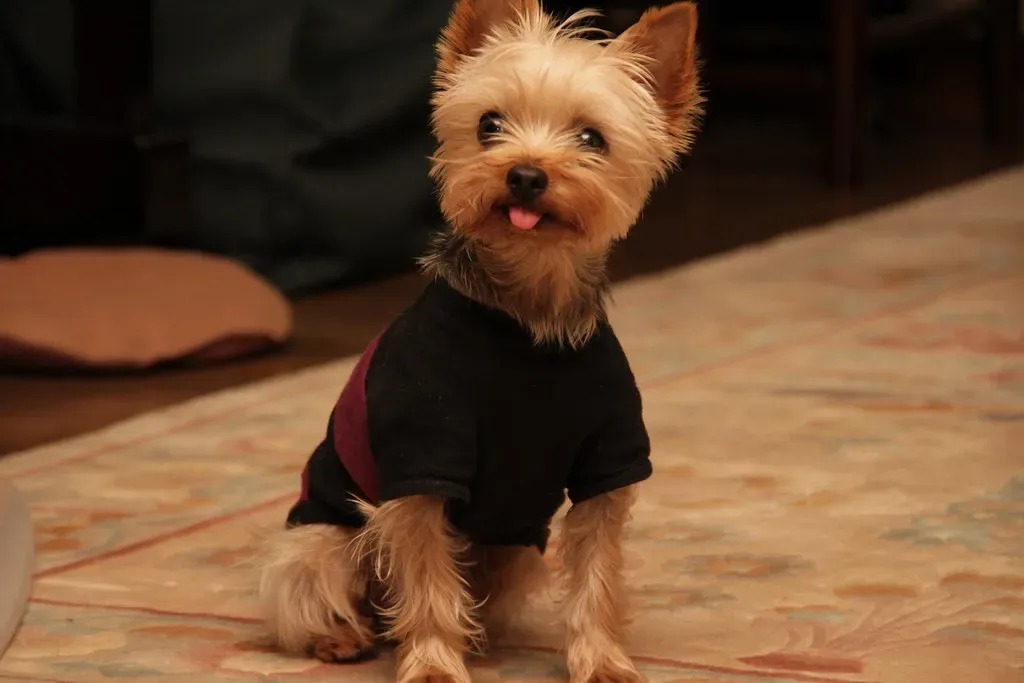
Yorkshire Terriers lack an insulating undercoat, causing their bodies to lose heat quickly, and weighing just around 4 to 7 pounds, they’re too lightweight to retain body heat effectively. That gorgeous, silky coat you see on a Yorkie? It’s basically fancy window dressing with zero thermal benefits. It’s like wearing a silk scarf in a snowstorm.
It’s generally advised to limit outdoor activities to 15 to 20 minutes when temperature falls below 32 degrees Fahrenheit and to avoid walks if it’s under 10 degrees. These little guys can get cold even from drafts inside your home. Cold floors alone can make them visibly uncomfortable, so heated pet beds or raised sleeping areas become necessities rather than luxuries.
The good news? Yorkies are so small that keeping them warm is relatively easy. A well-fitted sweater, booties for walks, and vigilance about hypothermia symptoms will keep your tiny companion safe through winter.
French Bulldog: The Brachycephalic Struggler
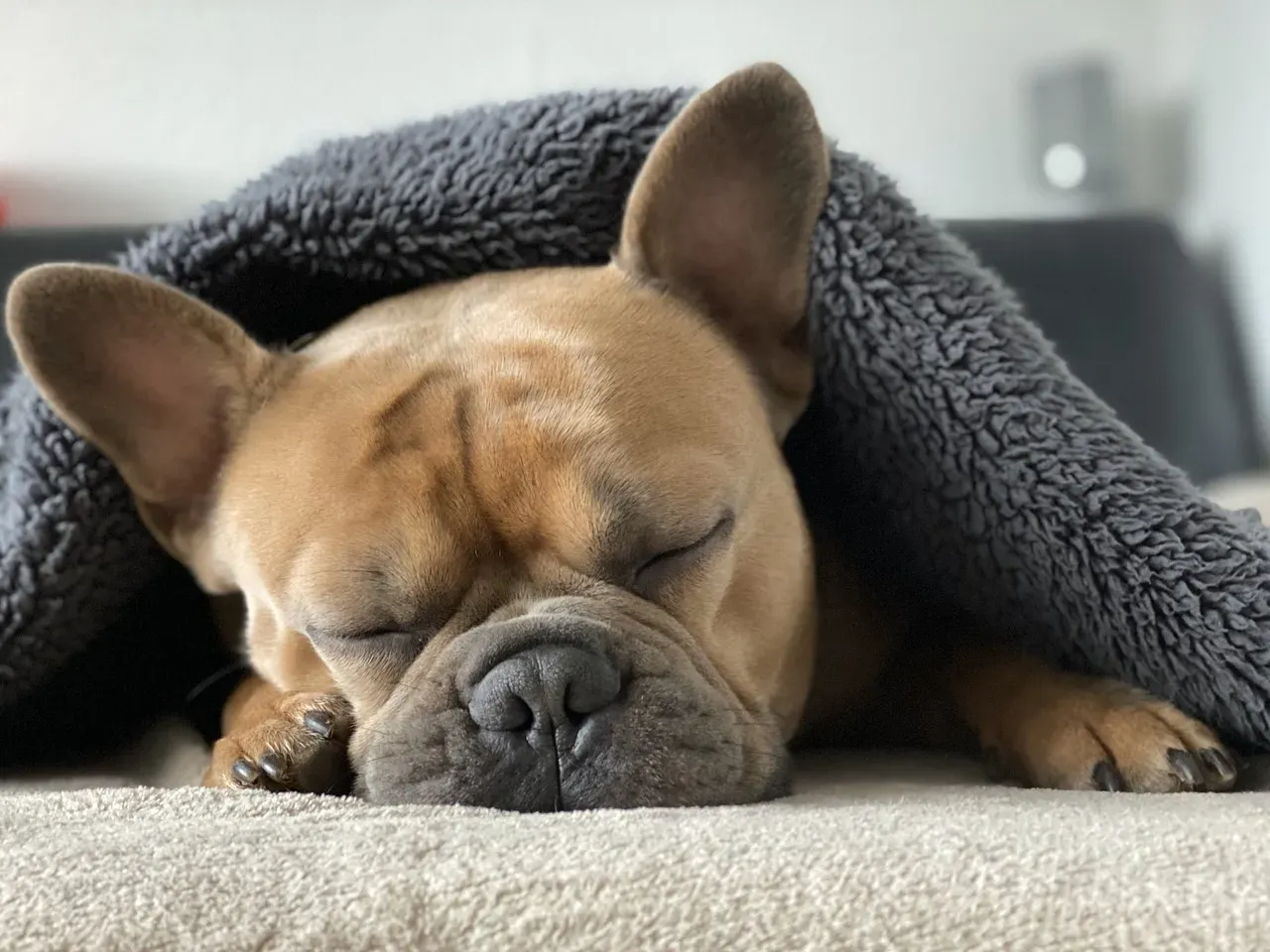
French Bulldogs, with their short coats and compact build, are particularly sensitive to cold climates, and their flat faces contribute to limited air circulation. Frenchies face a double whammy in cold weather. Not only do they lack proper insulation, but their pushed-in faces make breathing cold air genuinely difficult.
French Bulldogs are brachycephalic dogs with short noses, which is why they struggle to regulate body temperature, and their small coat provides minimal insulation, leading to hypothermia and difficulty in low temperatures. Cold air hitting those already-compromised airways can cause respiratory distress. You might notice increased panting or wheezing even during short winter walks.
These stocky little companions also have sensitive paws that get irritated by ice, snow, and sidewalk salt. Investing in quality dog boots isn’t optional – it’s necessary. Keep walks short, dress them in insulated jackets, and watch for signs like shivering or curling up tightly, which indicate they’re too cold.
Pug: The Snorty Snuggler
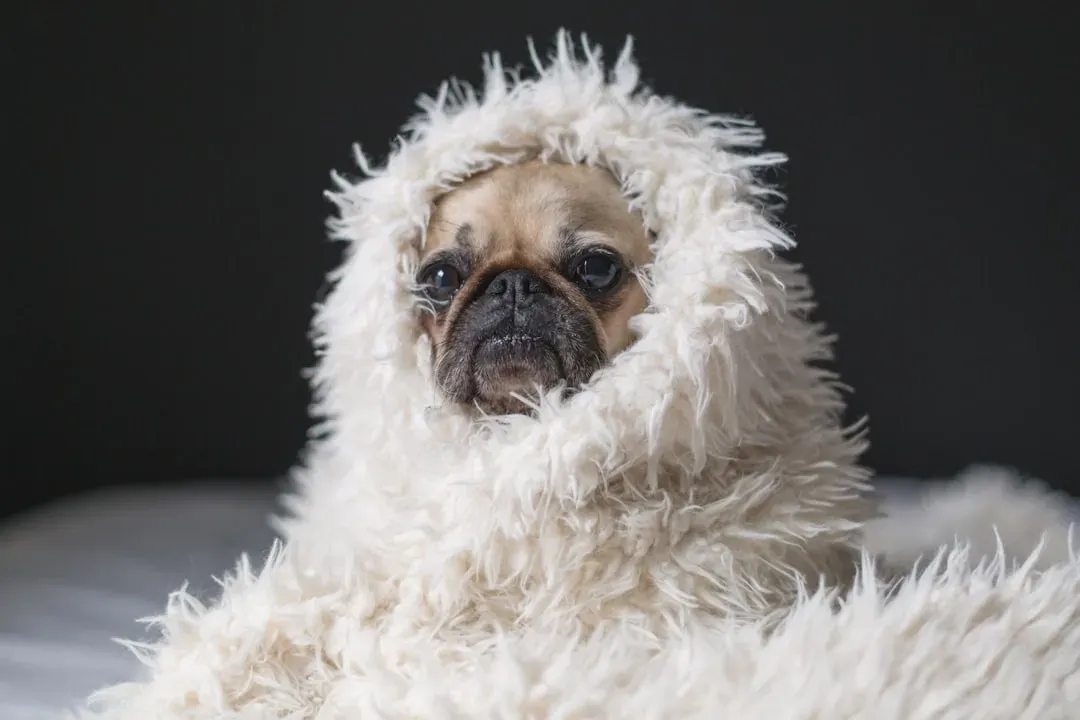
Pugs tire quickly in colder settings and shouldn’t be left outside for more than a few minutes, as their compact frame and respiratory structure make it difficult to retain body heat. If you’ve ever heard a Pug breathe, you know they already work harder than most dogs just to get oxygen. Add freezing Minnesota air to that equation, and you’ve got a recipe for problems.
Like their French Bulldog cousins, Pugs are brachycephalic, meaning cold weather compounds existing breathing difficulties. That short muzzle makes the breed more susceptible to breathing issues, and cold weather outings need to be kept short, as Pugs have a short coat that doesn’t provide much protection. They’re not built for outdoor adventures when the thermometer drops.
These little characters prefer being couch potatoes anyway, so keeping them indoors during frigid weather aligns perfectly with their lifestyle. Indoor play sessions will keep them mentally and physically stimulated without risking their health.
Whippet: The Shivering Sprinter
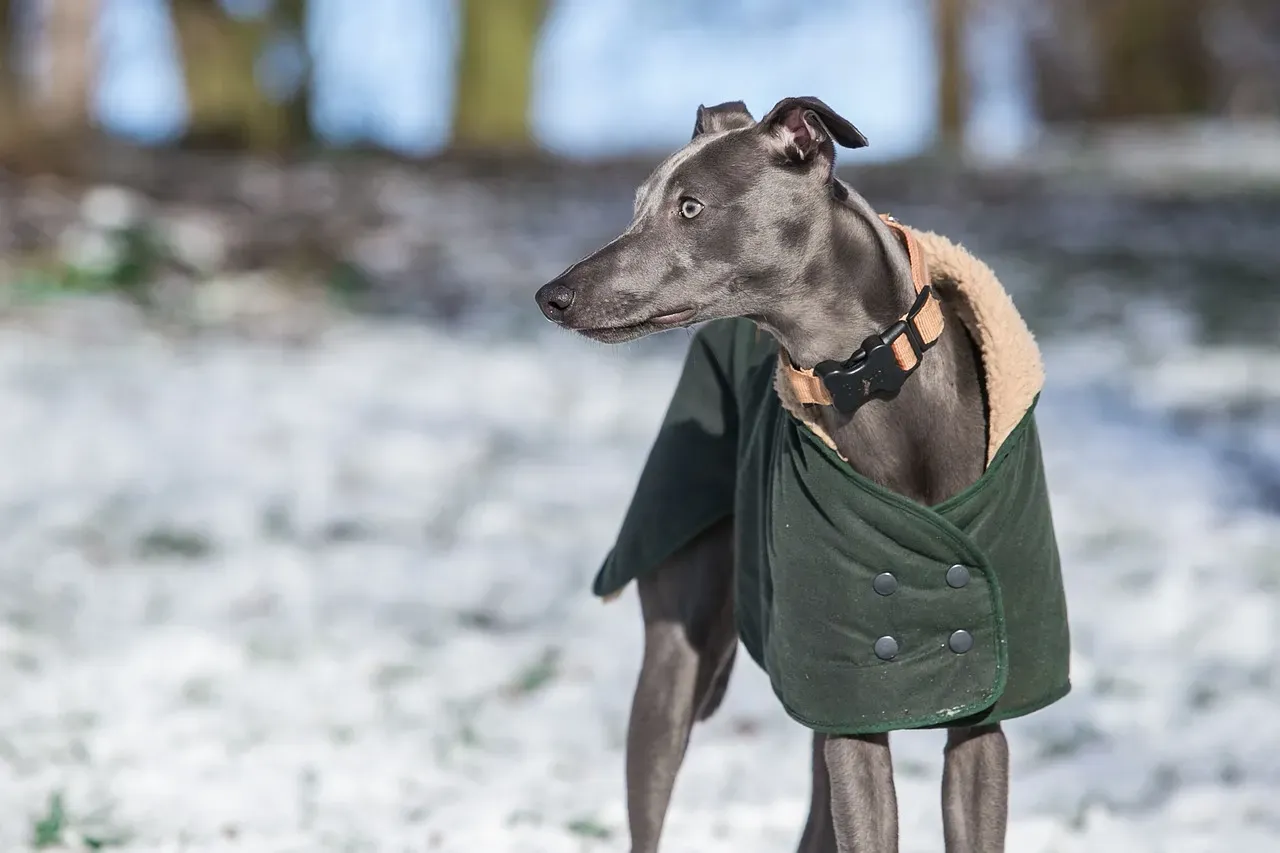
The Whippet has a short coat, thin skin, and very little body fat, so there’s not much to insulate against cold weather. These sleek dogs are built for speed, not survival in sub-zero temperatures. Their athletic build, while impressive, works against them when winter arrives.
Whippets are closely related to Greyhounds and share the same cold intolerance. They’re prone to shivering in cold temperatures and will benefit from coats or sweaters when outdoors. Even moderate cold can send them into trembling fits. Their thin skin means they feel temperature changes more acutely than thick-coated breeds.
Protection is straightforward but essential. Insulated coats that cover their entire body, booties to protect paws from ice, and very limited outdoor exposure during Minnesota’s coldest months. When temperatures drop below freezing, keep walks brief and purposeful – just bathroom breaks, then back inside to warmth.
Greyhound: The Racing Refrigerator
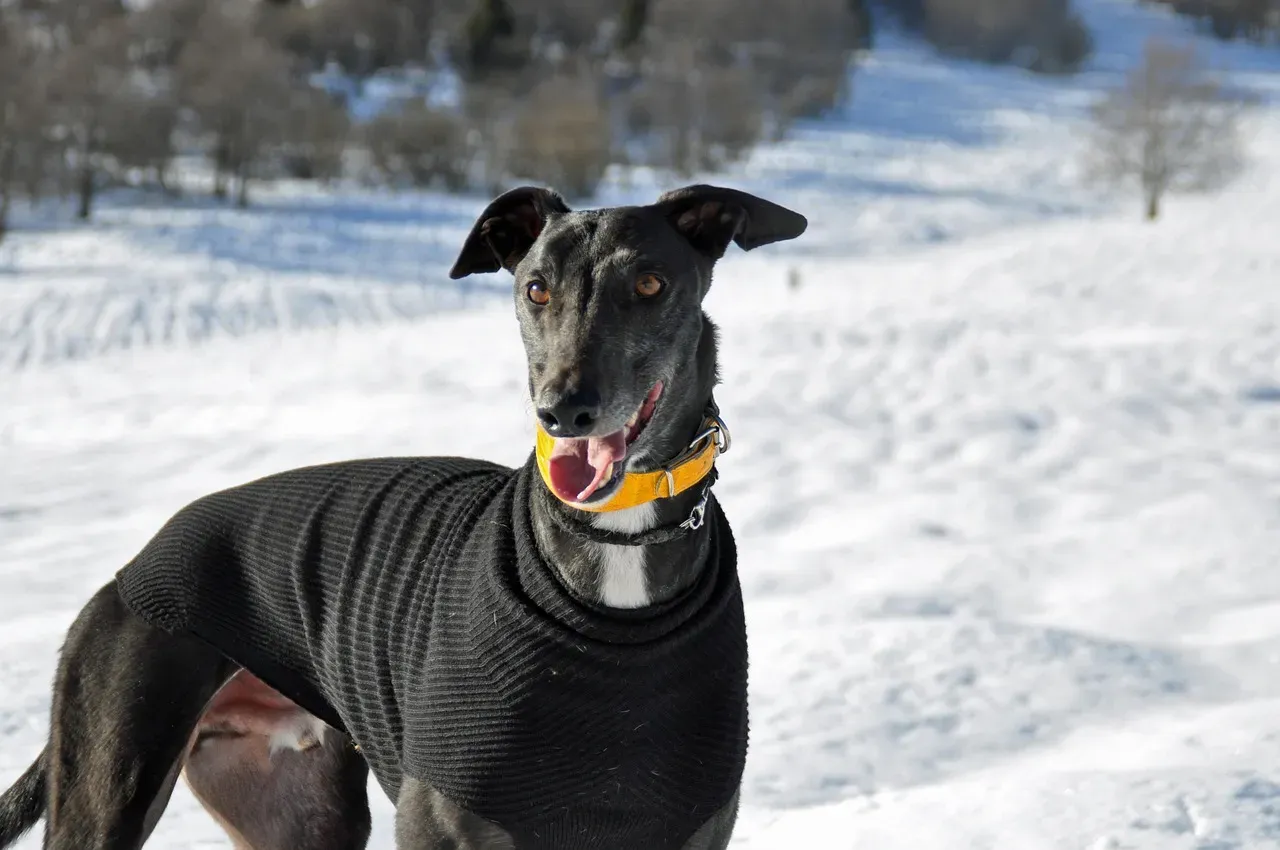
Greyhounds have very little body fat and short fur, making them ill-suited for cold weather despite their graceful demeanor. These retired racers might be fast, but they’re absolutely hopeless in winter conditions. That lean, muscular body that makes them track stars? It’s terrible for temperature regulation.
What surprises many Greyhound owners is just how quickly these dogs get cold. Greyhounds that are out too long in cold weather will be seen lifting their feet when they get too cold, and you need to get your dog inside if you notice this behavior. Some will even lie down in the snow and refuse to walk when their paws get too cold – and trust me, carrying a 60-pound Greyhound is no joke.
Cozy clothing and limited outdoor time in winter are essential for these sensitive pups. Think of them as indoor dogs who occasionally venture outside during the warmer months. Winter in Minnesota? They need full-body coverage, heated indoor spaces, and walks scheduled during the warmest part of the day.
Dachshund: The Long and Cold

Dachshunds, with their elongated bodies and short legs, are not built to retain heat efficiently, and their thin coats don’t offer much insulation. Those adorable little hot dog bodies might make you smile, but they’re genuinely terrible for winter survival. Being so close to the ground means their entire belly is exposed to cold surfaces – snow, ice, frozen sidewalks.
Their short legs mean they can’t exactly prance through snowdrifts. Deep snow becomes an impassable barrier, and even shallow snow puts their entire underside in direct contact with the cold. It’s like doing a belly crawl across a frozen lake. Not fun.
Bundling up your Dachshund isn’t optional in Minnesota winters. Look for coats that extend along their entire long body, not just the back portion. Booties protect their feet, but you’ll also want to shovel clear paths through your yard so they’re not wading through snow during bathroom breaks. Their unique body shape requires unique winter care solutions.
Conclusion: Keeping Your Small Breed Safe This Winter
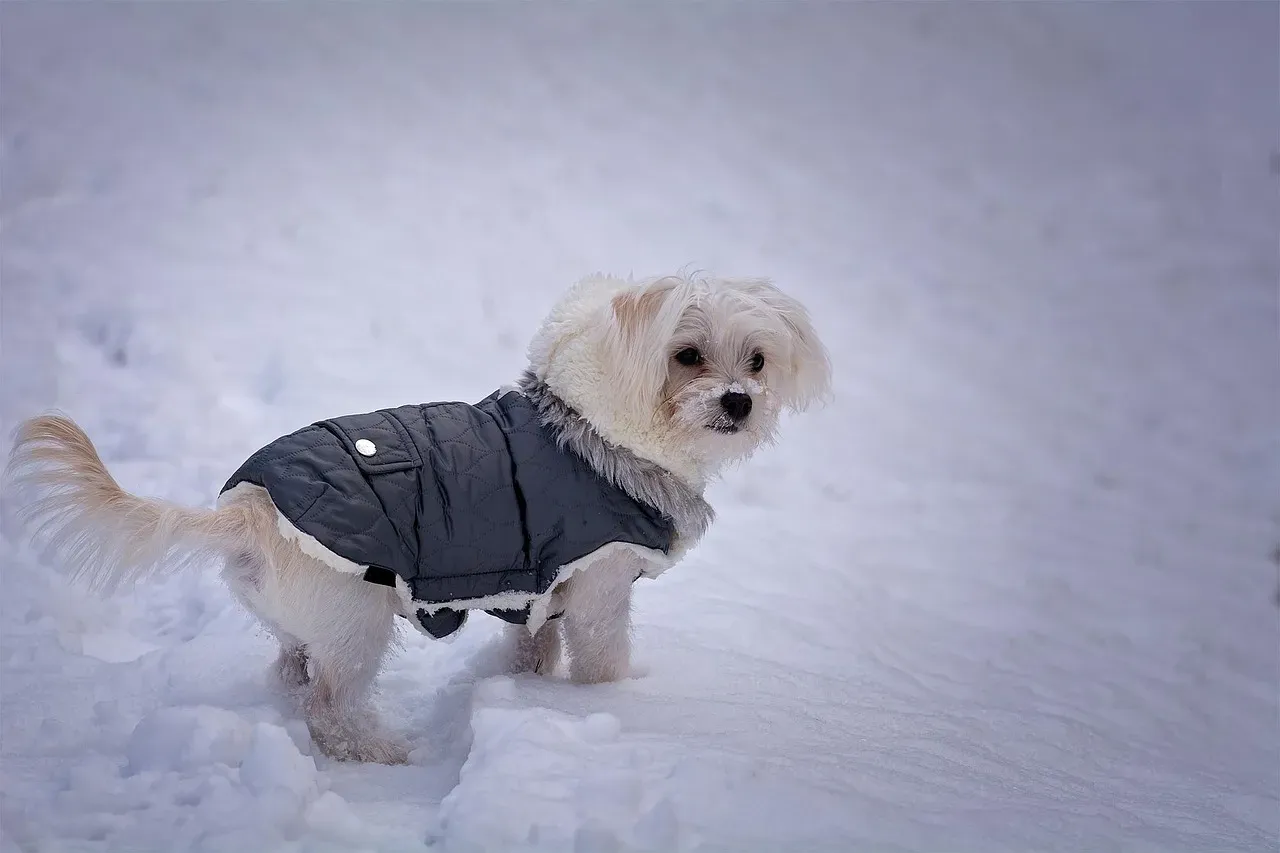
Hypothermia in dogs occurs when body temperature drops below 98 to 99 degrees Fahrenheit and signs range from shivering and lethargy to collapse and slowed heart rate. Minnesota winters aren’t just uncomfortable for these small breeds – they’re genuinely dangerous. Knowing your dog’s limitations isn’t about being overprotective; it’s about being responsible.
For dogs, mild hypothermia begins to set in when their body temperature drops below 99 degrees Fahrenheit, frostbite can become an issue at extremely low temperatures, and if left untreated, hypothermia can result in cardiac and respiratory failure, brain damage, coma, and even death. These aren’t scare tactics – they’re real risks that every owner of cold-sensitive breeds needs to understand.
The good news? Keeping your small breed safe is totally manageable with the right preparation. Invest in quality winter gear, limit outdoor exposure during extreme cold, watch for warning signs like shivering or lifting paws, and create cozy indoor spaces where your pup can stay warm and comfortable. Your dog depends on you to recognize when it’s simply too cold for their body to handle.
What’s your experience with small breeds in winter weather? Have you found creative solutions to keep your pup comfortable when temperatures plummet?


