
Let me be honest with you. When most people think about bringing a small dog into their home, they imagine a sweet little companion who’ll curl up in their lap and melt away the stresses of the day. The reality? Some of these pint-sized pups pack more anxiety, noise, and chaos than you’d ever expect from something weighing less than your laptop. I’ve worked with countless dog families over the years, and while I adore every single breed, I need to have a real conversation with you about the breeds that can transform your peaceful household into a daily obstacle course of stress.
Now, I’m not saying these dogs are bad. Far from it. They’re wonderful, complex little souls who deserve understanding and proper care. What I am saying is that they come with challenges that catch many well-meaning owners completely off guard. Let’s be real: owning certain small breeds is like signing up for a very adorable, very demanding full-time job that involves managing anxiety, barking, stubbornness, and behaviors that’ll test your patience on the best of days. So let’s dive in.
Chihuahua: The Tiny Tyrant With a Napoleon Complex

Here’s the thing about Chihuahuas. Despite being one of the most popular and smallest dog breeds, they’re famous for being one of the meanest dogs, with owners tending to coddle them and neglect training because of their small size, which exacerbates their bad behavior. I know it sounds harsh, but I’ve seen it time and time again.
These dogs tend to be extremely possessive of their owners and have no problem barking, snapping at, or even biting other people and dogs several times their size. Picture this: you’re walking down the street, and suddenly your five-pound dog is lunging at a Golden Retriever like they’re defending the gates of heaven. That’s your Tuesday afternoon with a Chihuahua who hasn’t been properly trained.
Chihuahuas have a tendency to be nervous and fearful, requiring plenty of exposure when they are young, with Small Dog Syndrome being a big issue where owners must prevent reactivity and aggression from developing. The stress isn’t just about their behavior toward others. These little guys often shake, tremble, and display constant anxiety themselves. You’ll spend countless hours managing their fears, protecting them from perceived threats, and trying to convince them that the mailman isn’t actually plotting their demise.
Dachshund: The Stubborn Sausage That Runs the Show
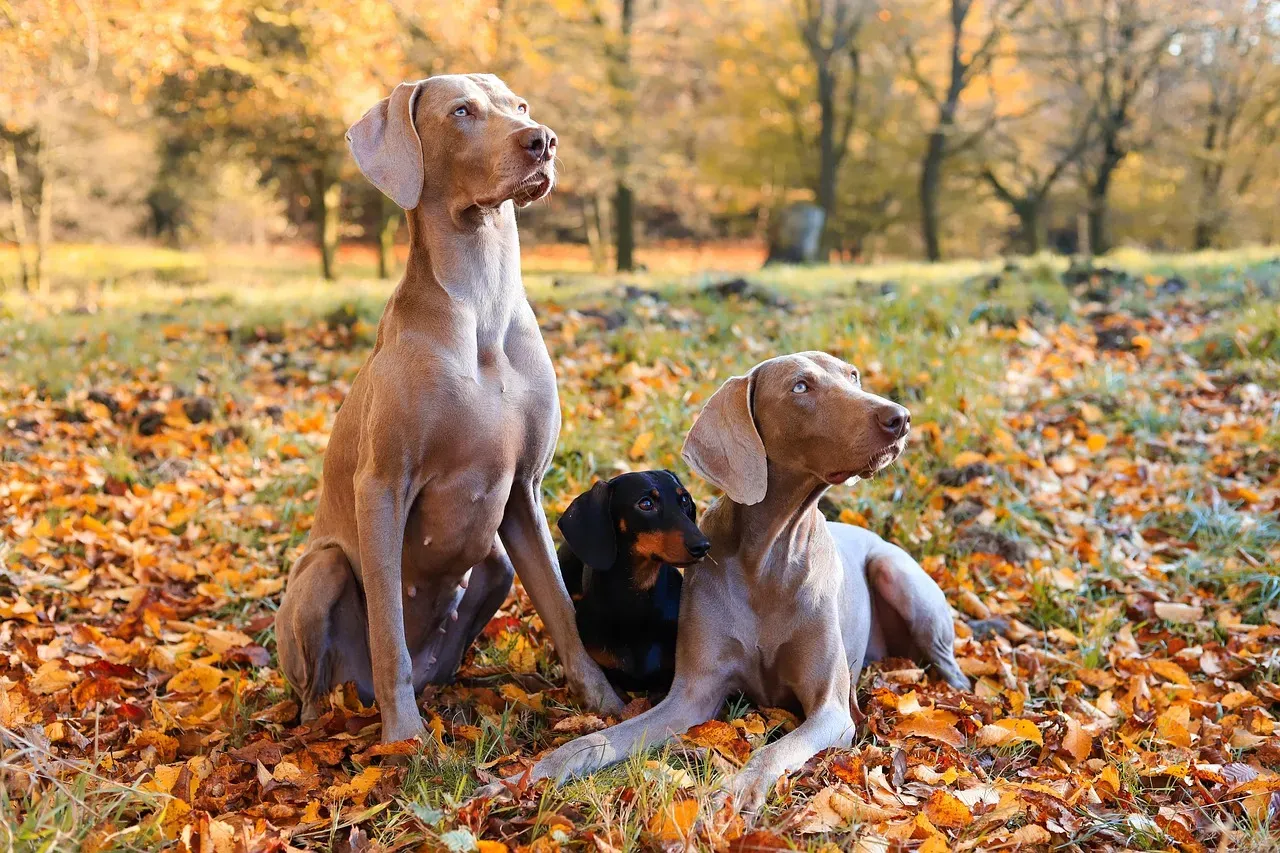
Don’t let that adorable long body and floppy ears fool you. Dachshunds were bred to be fierce fighters, and they are tenacious, often becoming aggressive if they feel pushed, with a very strong prey drive. They’re hunting dogs at heart, and that instinct doesn’t just disappear because they’re living in your apartment.
Because these dogs are thought of as cute little house pets, they seldom get as much exercise as they need, leading to frustration and impatience which can turn aggressive toward other dogs, strangers, and even their owner. I’ve watched owners struggle with Dachshunds who suddenly snap during what should be routine activities. One minute you’re petting them, the next they’re growling because you touched a spot they’ve decided is off-limits today.
Training a Dachshund can feel like negotiating with a tiny, furry lawyer who knows all the loopholes. They’re smart enough to understand what you want but stubborn enough to decide they’d rather not comply. These tough fighters can be difficult to train and may bite strange children, making it a bad idea to let children play around them unsupervised. The constant vigilance required to manage their behavior around other people and animals becomes exhausting quickly.
Yorkshire Terrier: The High-Strung Drama Queen
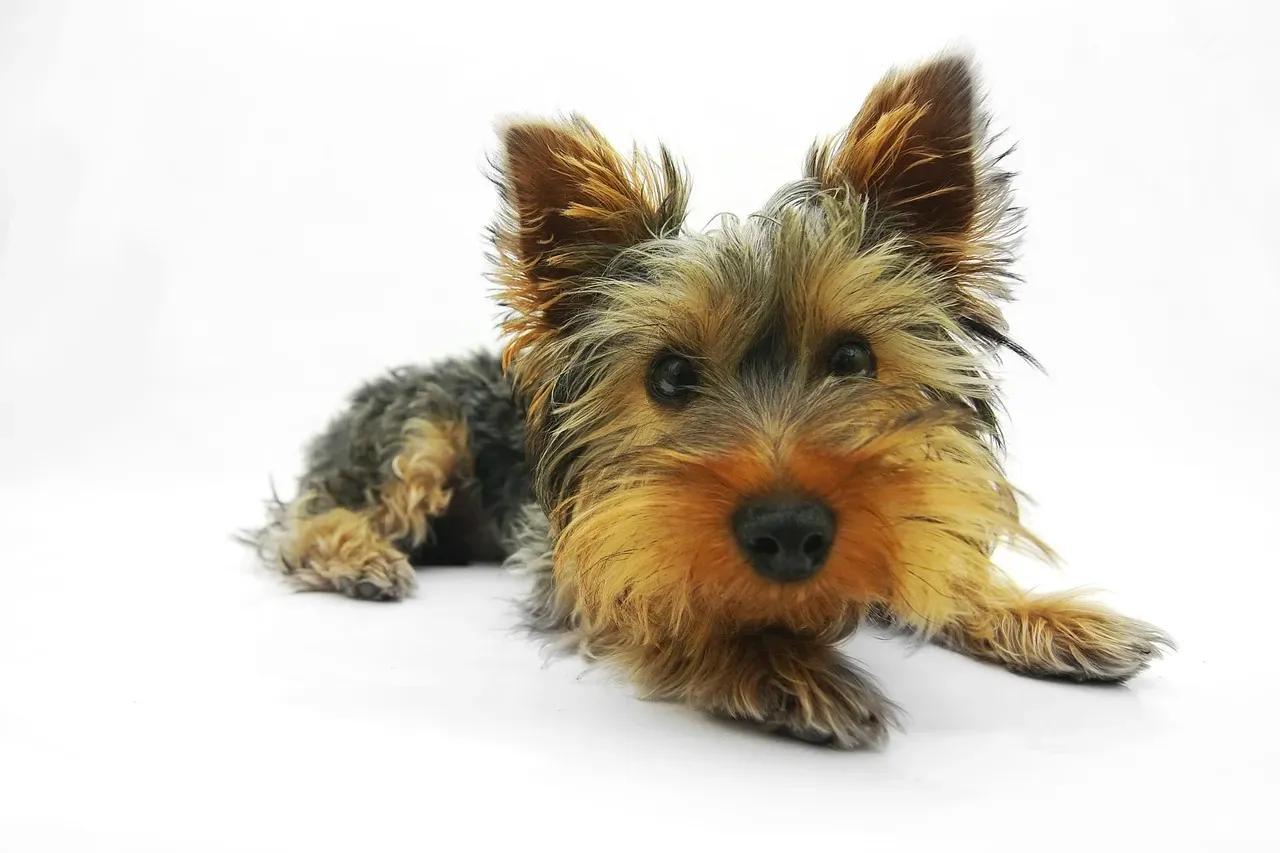
Yorkies are gorgeous dogs with their silky coats and perky personalities, sure. They’re also stress factories wrapped in adorable packaging. Known for their silky coats, Yorkies require regular grooming to maintain their elegant appearance, with their long, flowing locks needing daily brushing to prevent tangles and mats. That alone can become a daily battle if you’ve got a Yorkie who hates being groomed.
Many Yorkies are fraught with anxiety and nervousness, similar to other small dog breeds like Shih Tzus, Chihuahuas, and Pomeranians, becoming stressed out by different stimuli in their spaces. Imagine coming home to find your dog has worked themselves into such a state that they’ve had accidents, destroyed your favorite shoes, or barked themselves hoarse. That’s a regular occurrence with an anxious Yorkie.
When a Yorkie is nervous, they often bark at anything that moves, even at the slightest sound, with trembling or shaking being a common trait in small dog breeds where nervousness causes visible trembling. You’ll find yourself constantly on edge, wondering what minor noise or movement will set off the next barking episode. Your neighbors will know you have a Yorkie, trust me. The entire neighborhood will know.
Jack Russell Terrier: The Energizer Bunny on Steroids
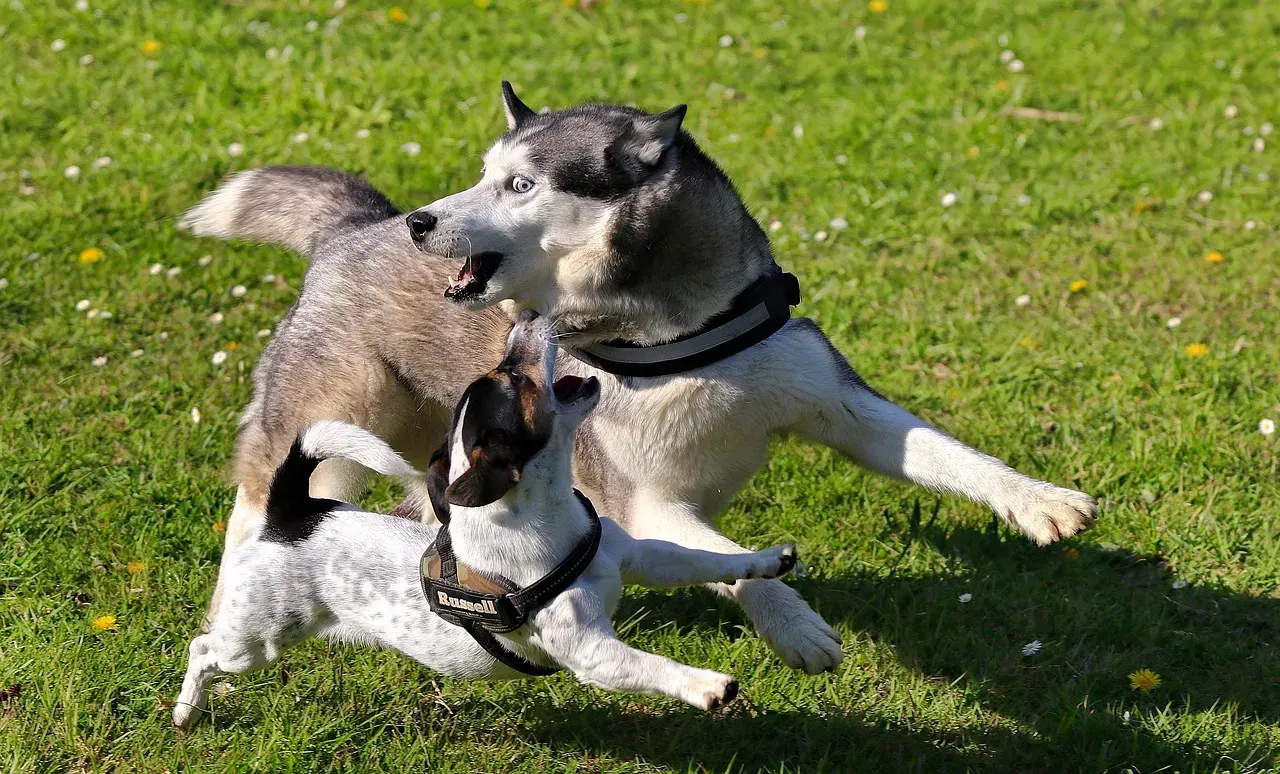
If you thought small dogs were low-energy lap warmers, a Jack Russell will shatter that illusion faster than they can dig a hole in your backyard. Originally bred for fox hunting, these small but mighty dogs are full of energy and enthusiasm, with a strong prey drive and a love to chase, dig, and explore. They’re relentless, and I mean that in both the best and worst ways possible.
This prey drive can lead to anxiety when Jack Russells are unable to pursue perceived prey, manifesting as restlessness, barking, and destructive behavior. Your carefully manicured garden? History. Your couch cushions? Casualties. Your peaceful evening? Forget about it. Jack Russells need constant physical and mental stimulation, and when they don’t get it, they create their own entertainment at your expense.
These bundles of energy quickly become bored and need lots of entertainment as well as physical activity, quickly going awry if there isn’t a human around to help them out and keep them engaged, also able to do a surprising amount of damage for a small dog. The stress comes from the constant demands on your time and energy. Miss one walk, skip one training session, and you’ll pay for it with chaos and destruction.
Shih Tzu: The Velcro Dog With Separation Meltdowns

Shih Tzus are sweet, affectionate companions bred specifically to be lap dogs. Sounds perfect, right? Well, that breeding comes with a hefty side of separation anxiety that’ll have you reconsidering every trip to the grocery store. It’s estimated that roughly one-quarter to nearly half of puppies and dogs have some level of separation anxiety, with a poll showing separation anxiety as the second most challenging behavior reported by Shih Tzu owners.
When Shih Tzus sense their owners are leaving, they start scratching, barking, and shaking uncontrollably, going crazy even when their owners have only been gone for a few minutes. I’ve had clients who can’t even take out the trash without their Shih Tzu having a complete meltdown. The guilt, the stress, the constant worry about your dog’s emotional state becomes overwhelming.
Puppies can get stressed without reassurance and comfort, adults with close bonds can feel incredible levels of loneliness when on their own, and seniors with cognitive issues often become more clingy and do not like to be home alone. Your Shih Tzu essentially needs you to be their emotional support human around the clock. Planning a social life? Working outside the home? Better have a solid backup plan.
Miniature Pinscher: The Demanding Little Boss

Min Pins are often called the “King of Toys,” and boy, do they take that title seriously. Miniature Pinschers are spunky, energetic, and loyal dogs that aren’t afraid to be the center of attention, and this is not a lap or purse dog. They might be tiny, but their personalities are absolutely enormous.
When Small Dog Syndrome develops, problems start to arise where the dog becomes demanding, headstrong, and begins to bark more than you wish, potentially becoming a tyrant, and if you are not this dog’s pack leader, it will become protective and may become very aggressive with other dogs. Honestly, living with an untrained Min Pin is like living with a tiny dictator who’s convinced they run the entire household.
As a consensus, Min Pins tend to bark regularly, are terrific at being watchdogs but unfortunately this is not a task they do quietly, and if you are set on having a quiet household, then this may not be the right dog for you. The barking becomes the soundtrack of your life. Every car door, every footstep outside, every leaf that dares to blow past your window triggers a barking alert that’ll wake the dead.
Pomeranian: The Fluffy Stress Ball With Attitude
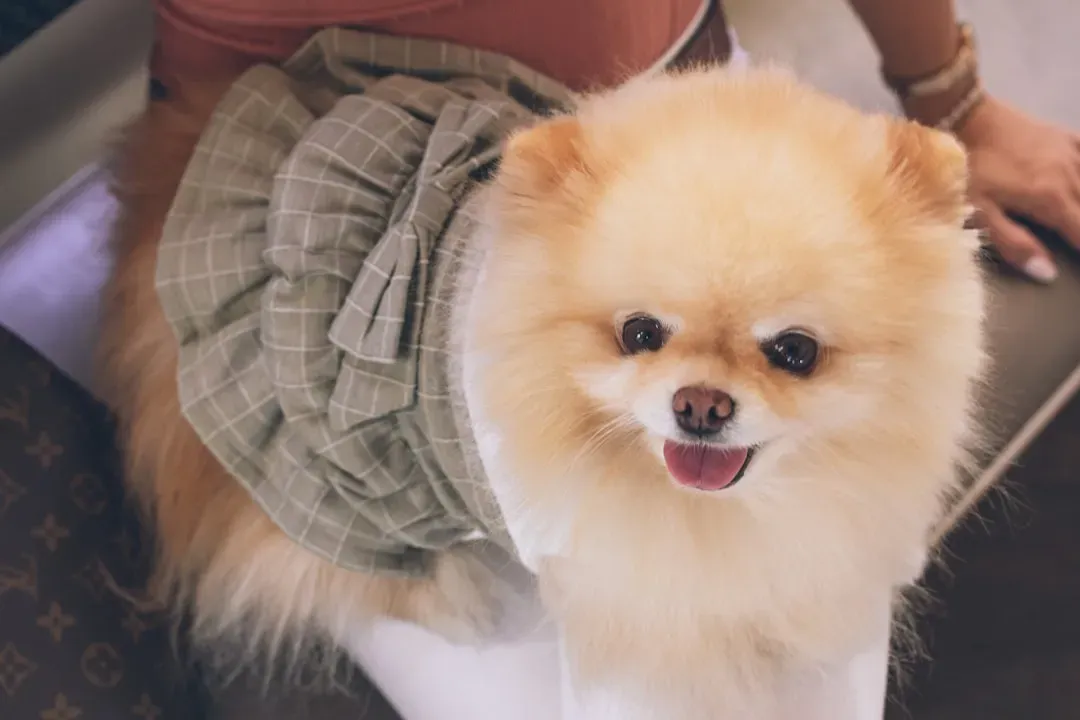
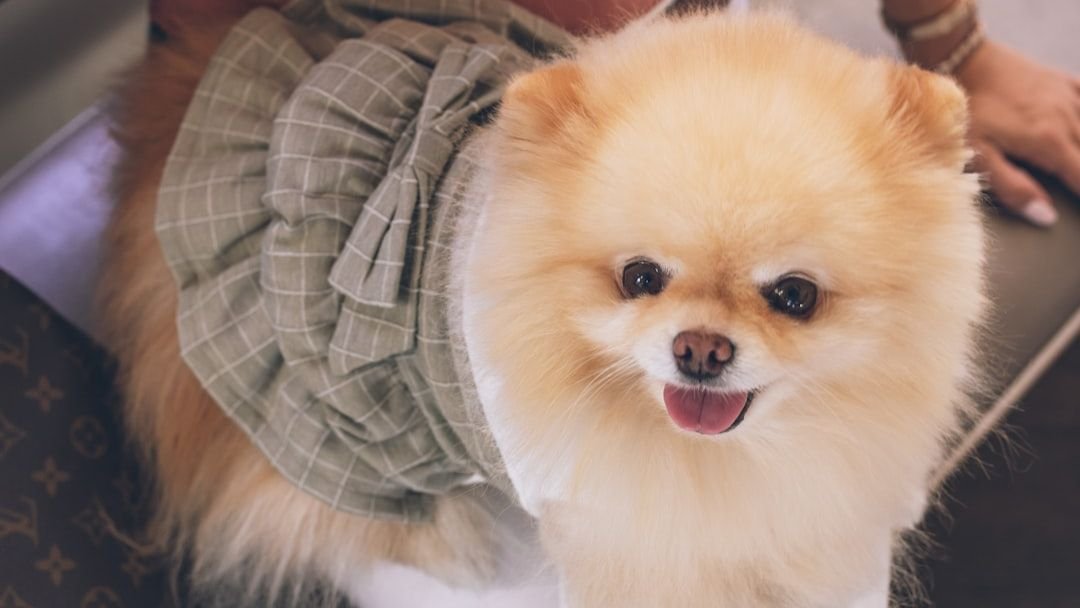
Pomeranians look like little clouds of fluff that you just want to cuddle forever. They’re also walking anxiety triggers that demand constant attention and management. These dogs pack massive personalities into their tiny frames, and that’s not always a good thing for your stress levels.
Similar to Yorkies and Chihuahuas, Pomeranians become stressed by different stimuli in their spaces, often barking at anything that moves even at the slightest sound when nervous. The high-pitched yapping can drive you to the edge faster than you’d think possible. You’ll find yourself apologizing to neighbors, ordering sound-dampening curtains, and considering moving to the middle of nowhere where no one can hear your dog’s constant commentary on life.
Separation anxiety affects around one in seven dogs in the canine population and can be especially common among teddy bear breeds including Pomeranians. Combine that with their tendency toward Small Dog Syndrome, and you’ve got a recipe for daily stress. They want what they want when they want it, and they’re not shy about letting you know when you’ve failed to meet their royal expectations.
The grooming alone is enough to stress you out. That beautiful coat requires daily brushing, regular professional grooming, and constant vigilance against matting. Miss a few days and you’ll be dealing with painful tangles that’ll turn grooming time into a battle neither of you will enjoy.
Toy Poodle: The Sensitive Soul That Reads Every Mood
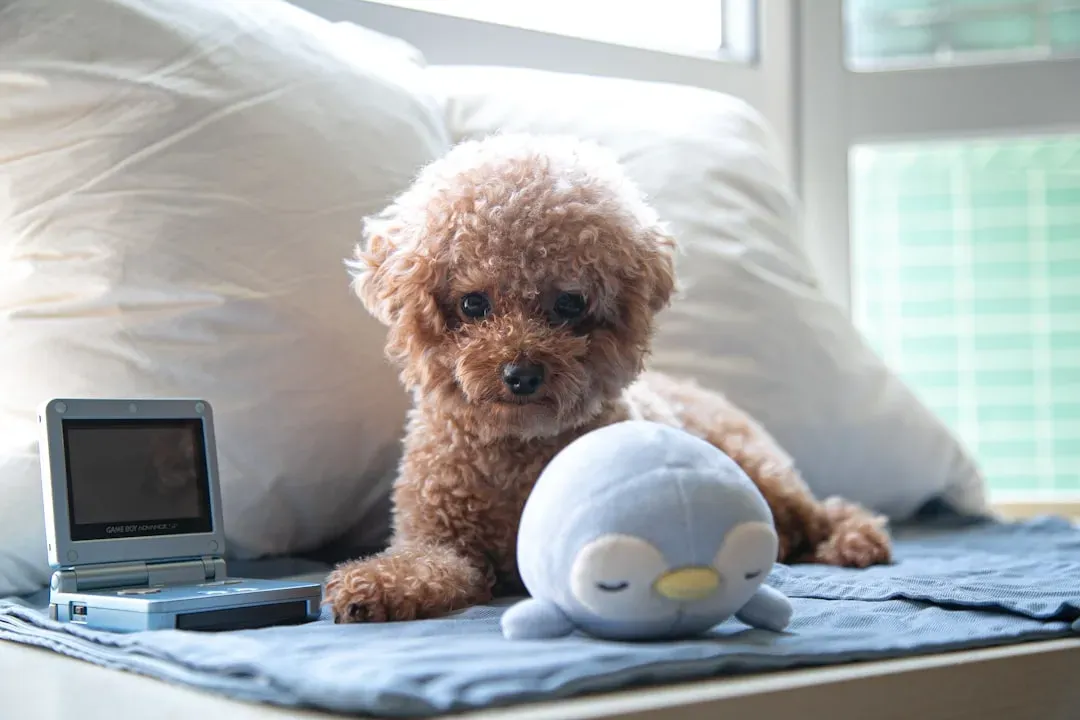
Toy Poodles are brilliant little dogs, which sounds like a positive trait until you realize that intelligence comes with heightened sensitivity and anxiety. Toy Poodles have been selectively bred for traits like alertness, sensitivity, and intelligence, but this selective breeding has also resulted in making them genetically predisposed to anxiety.
Their sensitivity is a double-edged sword allowing them to learn quickly but also making them more likely to become stressed in unfamiliar or chaotic situations, with loud noises, sudden movements, and new environments all being significant stressors, plus their ability to pick up on subtle changes makes them more prone to anxiety when these changes occur unexpectedly. Your Toy Poodle essentially becomes an emotional barometer for your household, picking up on every bit of stress, tension, or change in routine.
Being small can make Toy Poodles feel more vulnerable and threatened in certain situations, especially around larger dogs or in busy, crowded environments, leading to defensive behaviors such as excessive barking or aggression as they try to protect themselves from perceived threats. You’ll spend significant energy managing their fears, carefully planning outings, and constantly assessing whether environments are safe for your anxious little companion.
The grooming requirements add another layer of stress. Their coats need professional attention every month or so, and between appointments, you’re brushing, trimming around the eyes, and managing tear stains. It’s hard to say for sure, but the maintenance alone can feel like a part-time job.
Conclusion
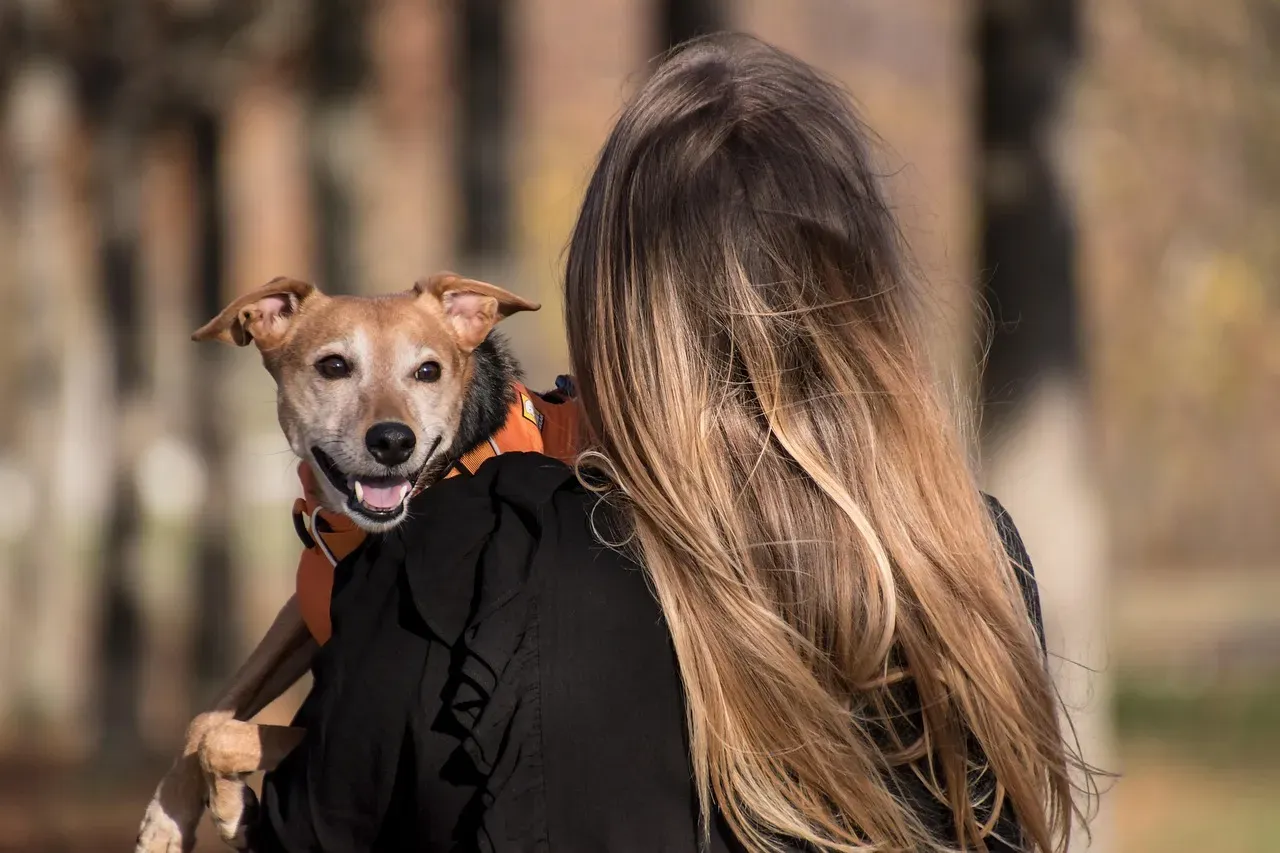
Look, I love small dogs. Every single breed I’ve mentioned has incredible qualities and can make wonderful companions for the right person in the right situation. These aren’t bad dogs. They’re just demanding, complex, anxiety-prone little creatures that require way more work than most people anticipate when they see that cute face at the breeder or shelter.
The key takeaway here is simple: do your research, be brutally honest about your lifestyle and patience levels, and understand that small doesn’t automatically mean easy. These breeds can thrive with dedicated, informed owners who are prepared for the challenges. They can also turn your life into a stress-filled circus if you’re not ready for what they bring to the table.
If you’re considering one of these breeds, think hard about whether you have the time, energy, and emotional bandwidth to handle their needs. Training, socialization, patience, and consistent boundaries aren’t optional with these dogs. They’re survival strategies. And if you already have one of these challenging little companions? Take a deep breath. You’re not alone in feeling overwhelmed sometimes. What do you think? Does your small dog , or have you found the secret to managing their demanding personalities?


