
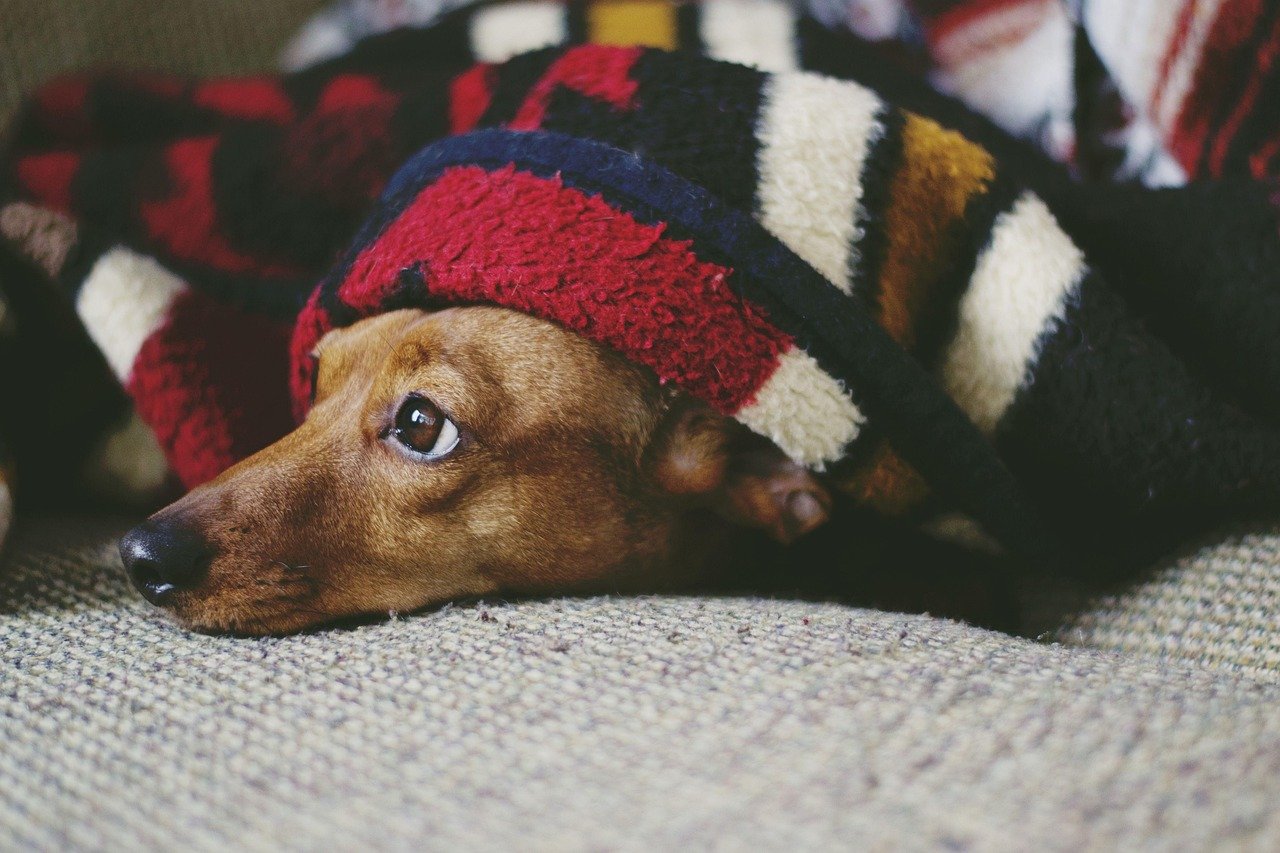
Picture this: you’re at the park with your fifteen-pound princess, using your most encouraging voice to call her back from that fascinating pile of leaves. Yet there she stands, ears perked, tail wagging, giving you that unmistakable look that says, “I heard you, human, but I’ve got more important business to attend to.”
Sound familiar? Welcome to life with a wonderfully willful small dog. These pint-sized personalities can pack more determination into their tiny frames than some dogs triple their size. Though they’re absolutely delightful companions, certain small breeds require owners with the patience of a saint and the persistence of a marathon runner.
Chihuahua
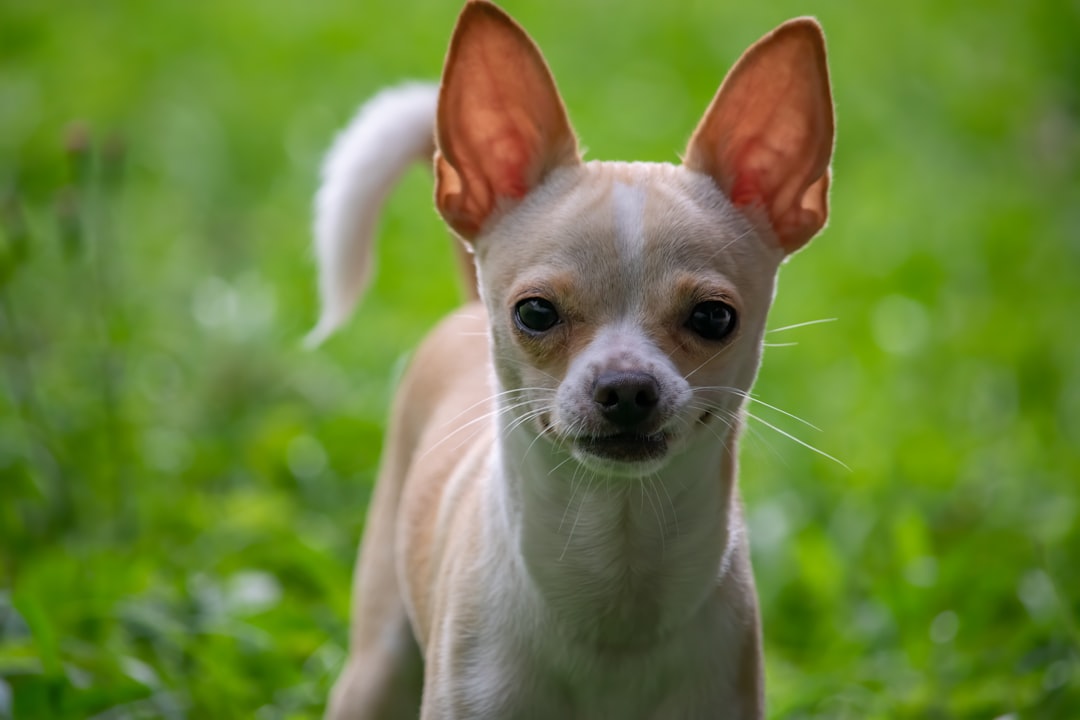
The world’s tiniest dog packs the biggest attitude you’ll ever encounter. Chihuahuas aren’t just small – they’re convinced they rule the universe, and honestly, they might be right. Their bold personality leads to excessive barking, territorial behavior, and selective hearing that would make a teenager jealous. Known to challenge dogs ten times their size, Chihuahuas have a fearless nature that makes them completely unaware of their small stature.
Training a Chihuahua feels like negotiating with a tiny dictator who has a short attention span and stubborn attitude. They lose interest quickly, especially if sessions feel repetitive, and without proper guidance, they develop “small dog syndrome” where they assume they’re in charge of the household. You’ll need treats, patience, and perhaps a sense of humor when your four-pound Napoleon decides your commands are merely suggestions.
Dachshund
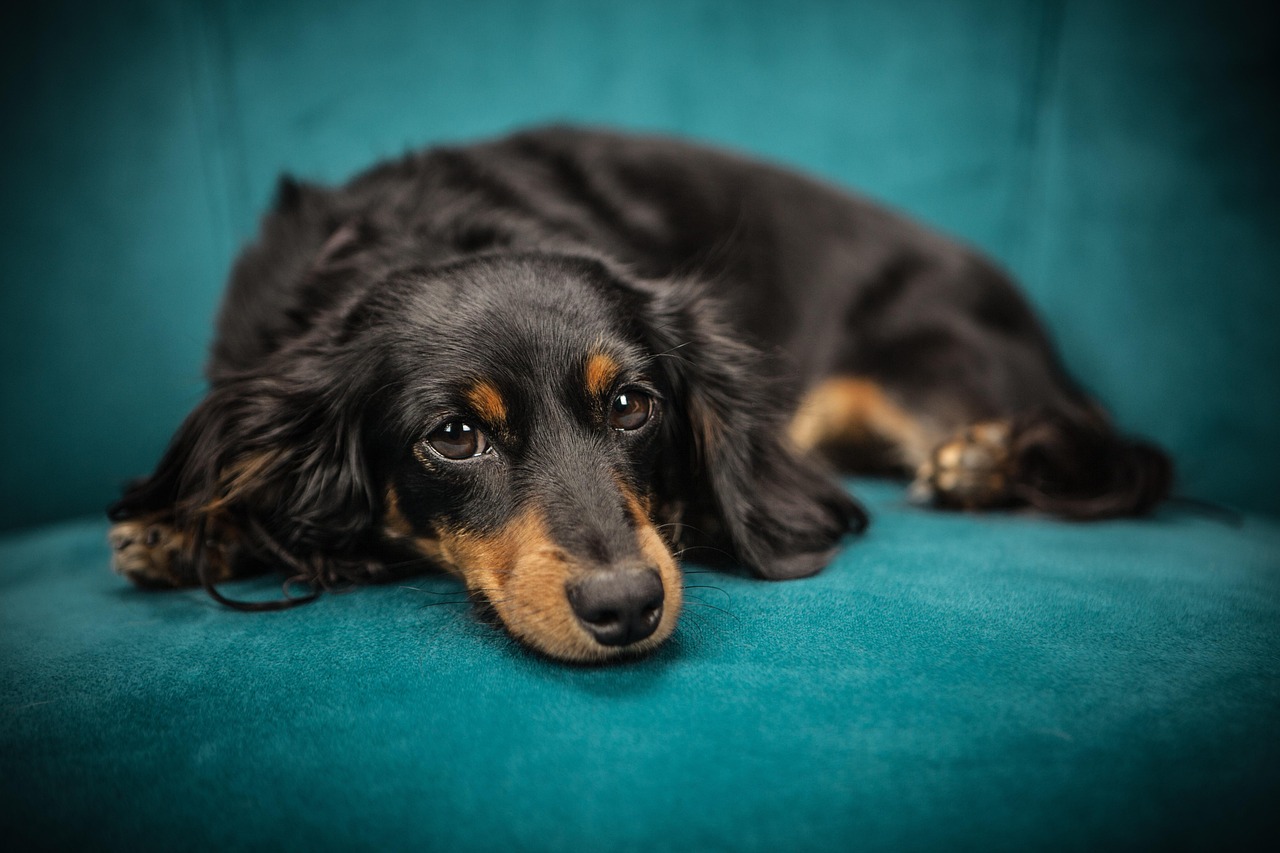
Don’t let that sausage-shaped silhouette fool you – there’s nothing soft about a Dachshund’s personality. Originally bred to hunt badgers, these fearless little dogs are determined, surprisingly strong for their size, and convinced they’re the boss of every situation. The wiener dog is well-known for their lively and independent attitude, intelligence, and legendary stubbornness. Doxies prefer doing things their own way, and you’ll likely find yours digging holes, chewing shoes, or chasing other pets daily.
Their hunting heritage means they’ll follow their nose wherever it leads, often directly away from whatever you’re trying to teach them. Bred for scent tracking, they’ll follow their noses over your voice any day. Their stubbornness combined with a laid-back nature means dog owners need lots of patience.
Jack Russell Terrier
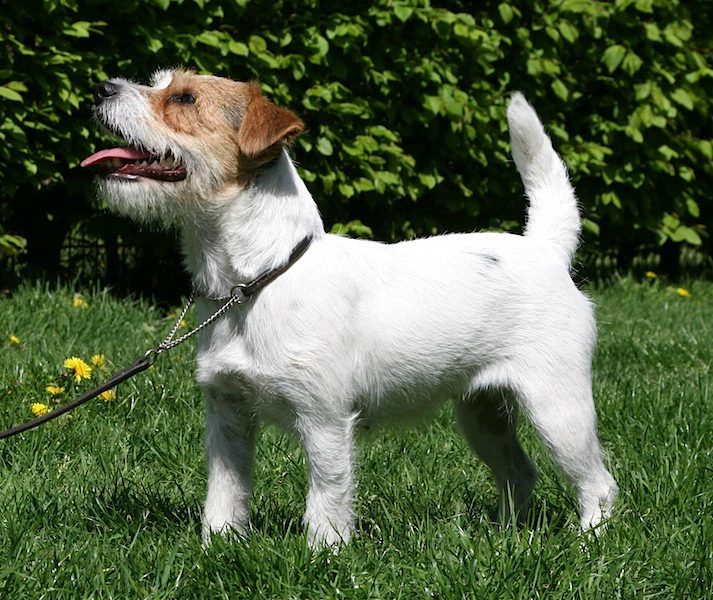
These energetic dynamos burst with energy and enthusiasm, always ready for their next adventure. Bred for hunting, Jack Russells have a fearless temperament and incredible agility, but their stubbornness comes naturally thanks to their independent spirit and unwavering confidence. These determined little dogs know exactly what they want and won’t back down easily.
The Jack Russell Terrier was bred to hunt small prey like foxes, so it’s no surprise they often act like they’re on their own mission. Stubborn pups like these do best with structured routines and plenty of exercise. Think of them as tiny athletes with the attention span of a caffeinated squirrel – brilliant, but easily distracted by anything that moves, smells interesting, or makes noise.
Pekingese
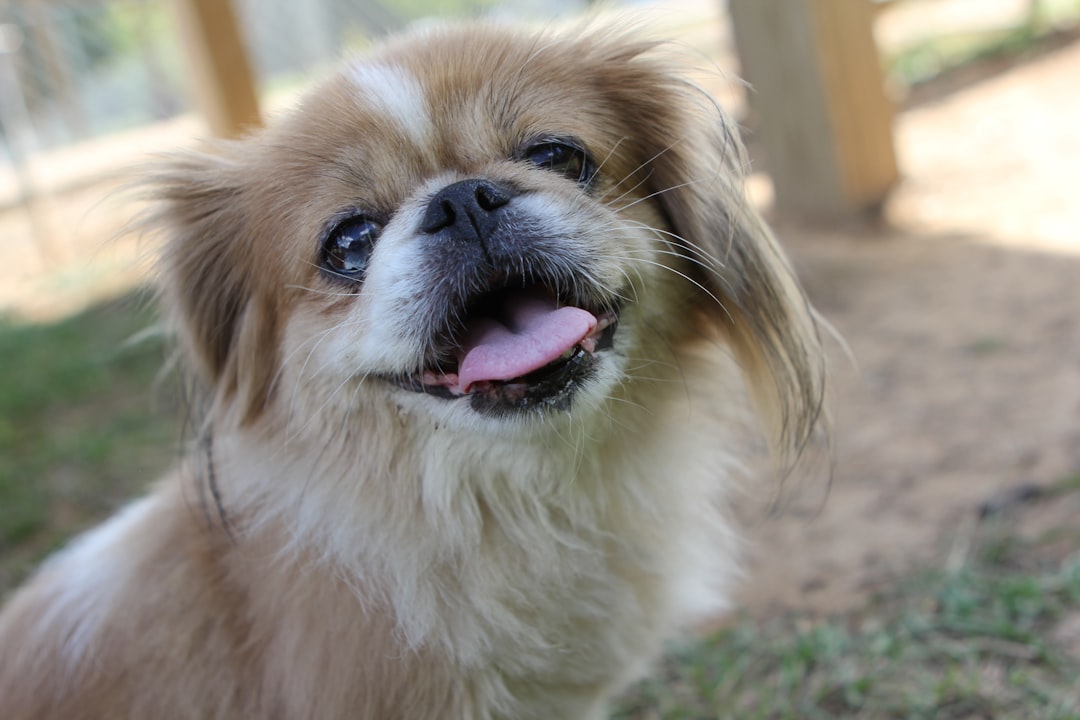
These gorgeous little dogs feel self-important and have a strong-willed attitude that reflects their royal Chinese heritage. Their stubbornness often causes them to show complete indifference to commands, making training exhausting. However, by understanding their self-importance and respecting their freedom, you can train them with consistent and firm tactics.
The Pekingese knows it is of royal descent and has a reserved, dignified demeanor, even if at times it lets down the mask and frolics loudly. This vigilant little dog makes a good watchdog, and their bark is much more impressive than their size suggests. Living with a Pekingese is like sharing your home with a tiny emperor who occasionally grants you audience.
Beagle
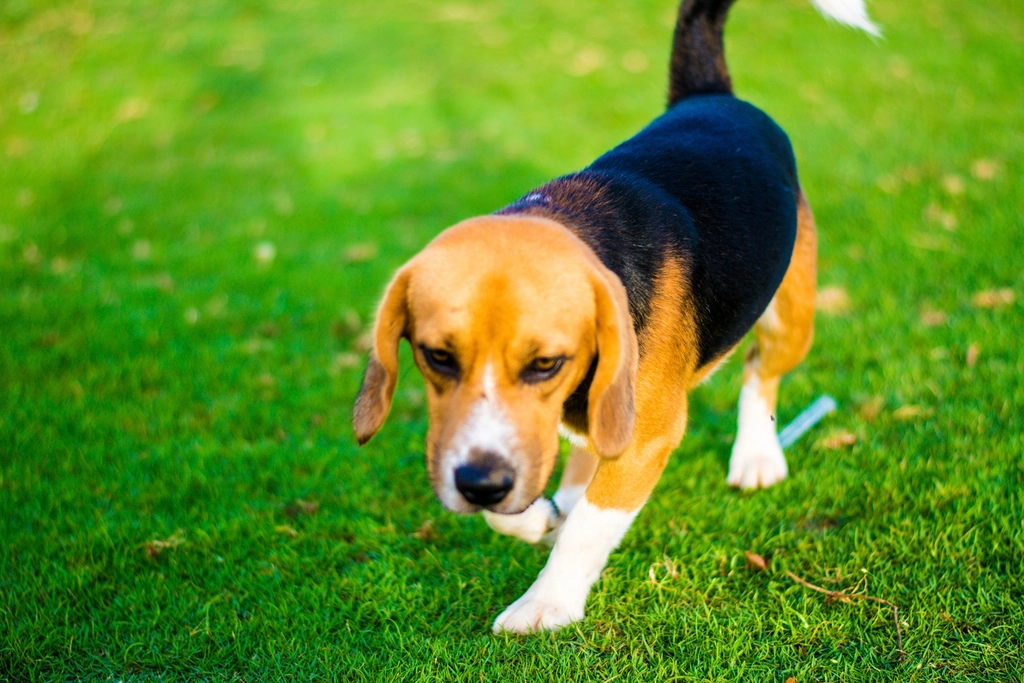
Another scent hound, the Beagle is friendly, loving, and notoriously difficult to train. The Beagle’s independent streak and incredible nose mean it will often ignore its owner’s calls when on a scent trail. Leash training and mental stimulation help keep their focus. When a Beagle catches an interesting scent, your voice becomes background noise to their personal detective work.
Their sweet, gentle nature makes them wonderful family dogs, but don’t mistake that waggy tail for obedience. Beagles often get the “stubborn” label because they were bred to be hunting dogs that had to think and outsmart prey. They race ahead of their people, corner an animal, then wait for the slow humans to catch up. They’re less inclined to follow commands like come or stay because they “know better”.
Shiba Inu
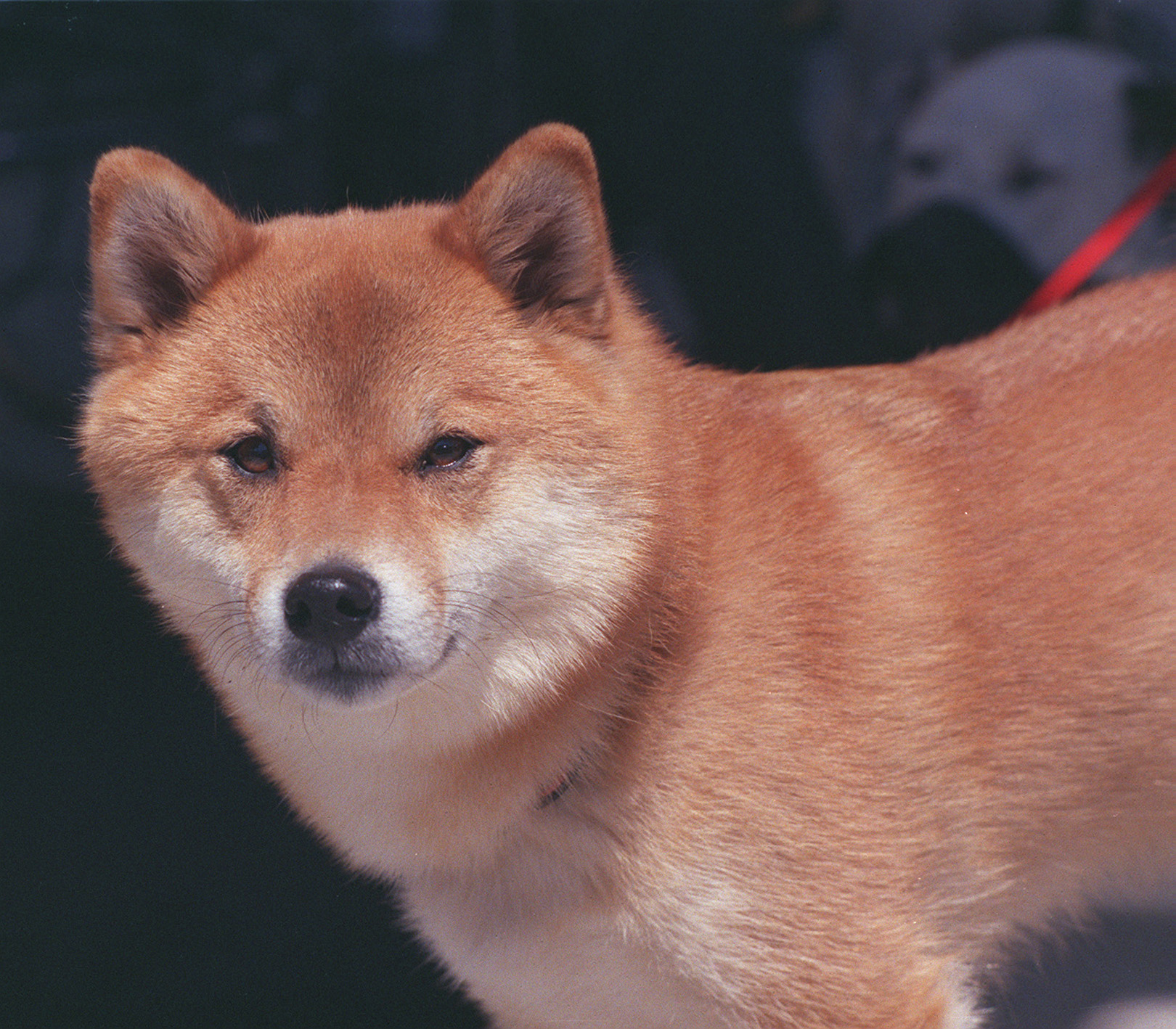
This small Japanese breed is charming but headstrong. The Shiba Inu is known for its strong-willed temperament and dislike of following commands. While highly intelligent, its independent nature can make training a challenge. Many people believe Shiba Inus are very feline-like, and this perception is built around three of their strongest characteristics – independence, aloofness, and determination. They’re one of the most ancient dog breeds of the world and their dash of “wilderness” often comes with a hint of unwillingness to be cuddly.
They are very intelligent, highly alert and attuned to their environs, quick to form perceptions about the world which can be difficult to change. This is where their “stubbornness” is most highlighted, so it’s important to start training these dogs when they are young to mold them into well-rounded and well-behaved dogs.
French Bulldog
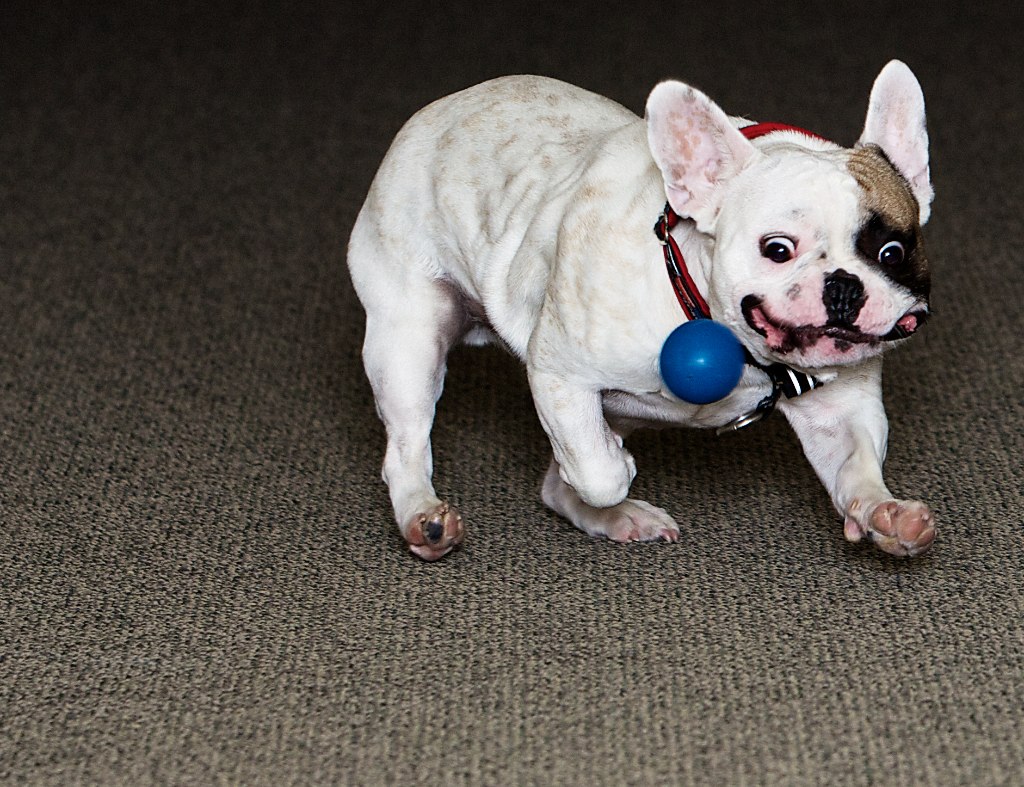
French Bulldogs are a delightful blend of stubbornness and charm. Their independent nature means they’re not the easiest to train, often preferring to do things their way. Short, engaging training sessions work best, and patience with positive reinforcement can turn them into obedient and loving companions.
Frenchies can be a bit stubborn, making training a little more challenging, but they are considered moderately trainable. Although French Bulldogs can sometimes be stubborn, they are eager to please and tend to be easy to train as long as training is consistent and focused on positive praise and reward. Their bat ears and wrinkled faces might melt your heart, but their selective hearing will test your resolve.
Bichon Frise
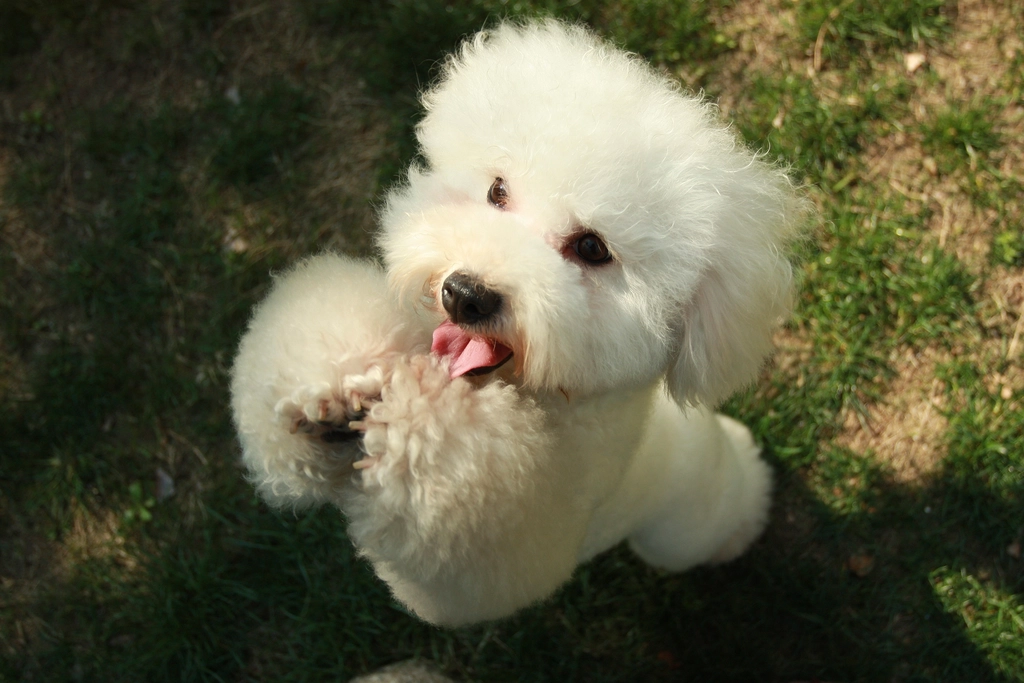
Bichons are friendly by nature but can be stubborn. Consistent expectations and calm communication help them stay on track. These smart dogs are eager to please but can lose interest if training feels repetitive, thriving in short, engaging sessions with a mix of praise, play and occasional treats.
However, they can be stubborn at times, particularly when it comes to house training. Training a Bichon Frise can be a bit tricky, as they can be stubborn at times, especially with house training. Consistent and positive training approaches will yield the best results. Their fluffy white coat and cheerful disposition hide a surprisingly strong will that emerges whenever they decide your training agenda doesn’t align with their personal priorities.
Living with any of these wonderfully stubborn breeds requires more than just love – it demands patience, consistency, and often a good sense of humor. These dogs aren’t difficult because they’re bad; they’re independent thinkers who were bred to make decisions on their own. The key is understanding that their “stubbornness” is often intelligence in disguise, and working with their natural tendencies rather than against them will lead to a much happier relationship for both of you.
What do you think about these strong-willed little personalities? Do any of these sound familiar to your own furry friend?


