

Have you ever locked eyes with a tiny, fluffy dog and thought, “What harm could that little cutie do?” It’s easy to forget that small size doesn’t always mean gentle nature. As much as we love our pint-sized pups, some breeds simply aren’t suited for unsupervised play with children. It’s not about blame—every dog has its own quirks, boundaries, and needs. As a lifelong dog lover and canine expert, I’ve seen firsthand how misunderstanding a breed’s temperament can lead to stressful, even heartbreaking, situations. Let’s talk honestly about eight small breeds that need a little extra care around kids, so you can keep both your furry friend and your family safe, happy, and wagging.
Chihuahua: The Big Personality in a Tiny Body
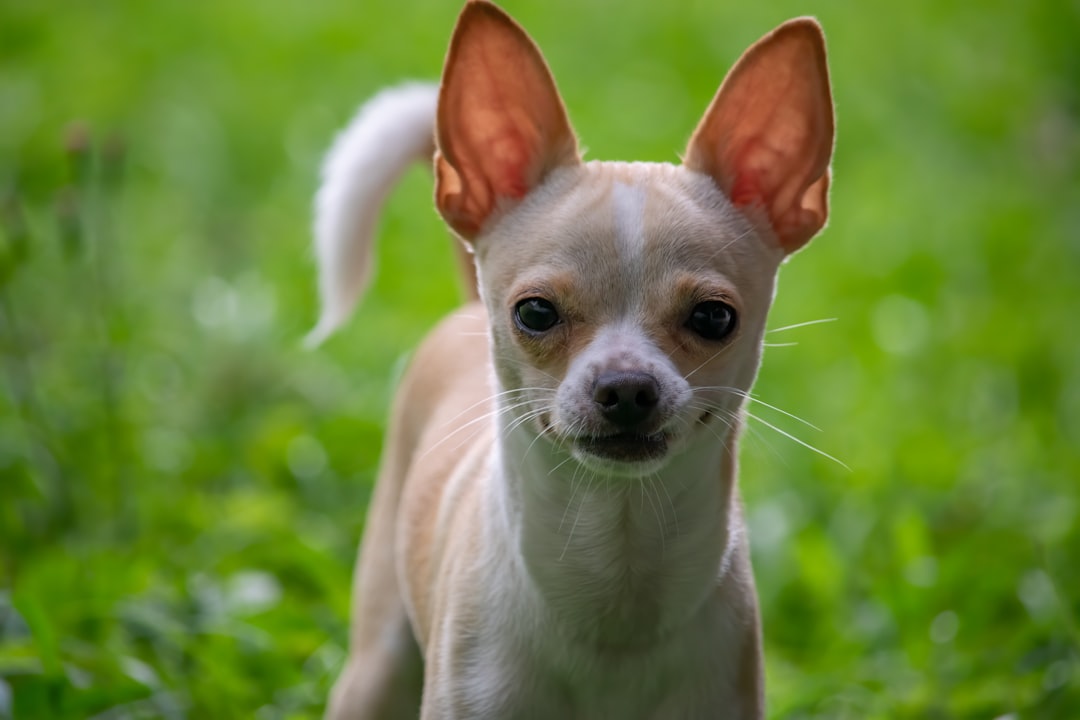
Chihuahuas are famously loyal but can be surprisingly possessive of their favorite person. Their delicate size makes them easily startled by quick movements or loud noises, something kids are famous for. When a Chihuahua feels threatened or overwhelmed, it may snap or nip—not out of meanness, but fear.
These little dogs often develop strong bonds with one adult, making them less tolerant of unpredictable child behavior. Watch for body language like a tucked tail, growling, or backing away—these are signs your Chihuahua needs space. Always supervise play and teach kids to approach gently, never forcing cuddles or picking them up unexpectedly.
Pekingese: Regal, Reserved, and Sometimes Stubborn
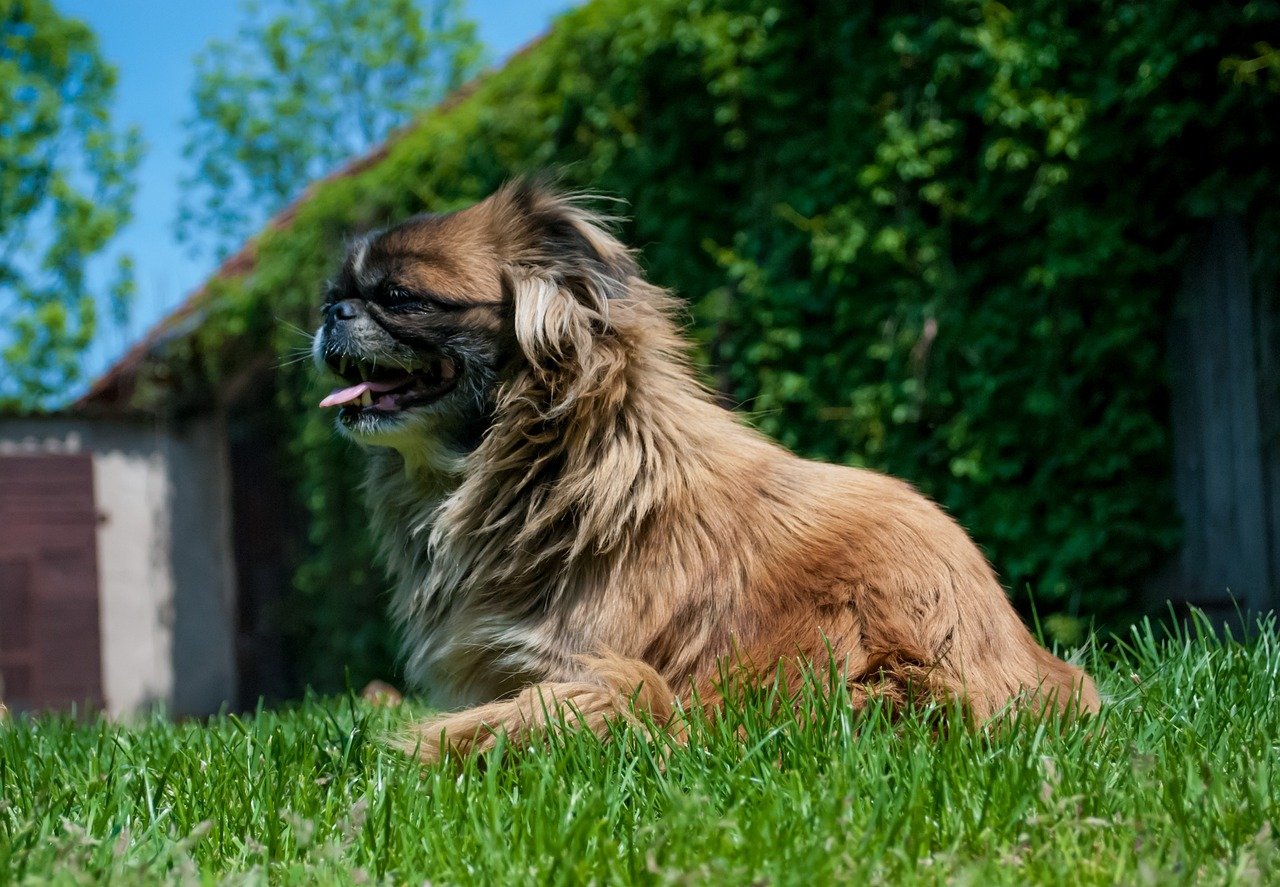
Pekingese were bred to be imperial lapdogs, not rough-and-tumble playmates. They often dislike being handled roughly or chased, which can easily happen during children’s play. Their strong-willed nature means they won’t hesitate to let you know if they’re uncomfortable—sometimes with a warning snap.
A Pekingese may tolerate gentle affection, but rough handling can lead to stress or even aggression. Be alert for warning signs like lip licking, stiff posture, or low growls. Encourage children to let this breed come to them, rather than the other way around, and always respect their space.
Papillon: Delicate and Fast-Moving
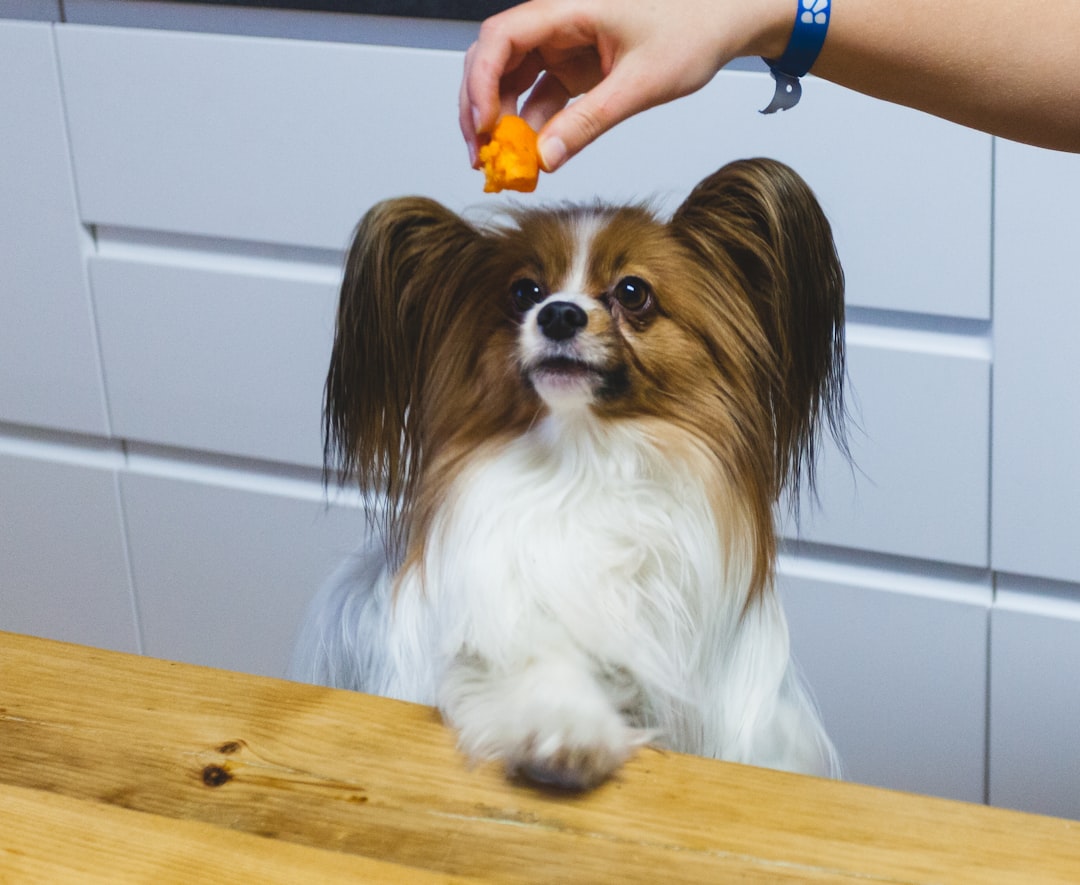
Papillons are clever, agile, and eager to please—but their fragile build makes them poor playmates for boisterous kids. A Papillon’s dainty legs can be easily injured during rough or unsupervised play, and being chased or cornered can make them anxious.
These dogs often show stress by trembling, hiding, or barking. Prevention is key: keep playtime calm and structured, and avoid games that involve chasing or grabbing. Help your children learn to spot when a Papillon needs a break, and always supervise their interactions closely.
Miniature Pinscher: Fearless but Prone to Overstimulation
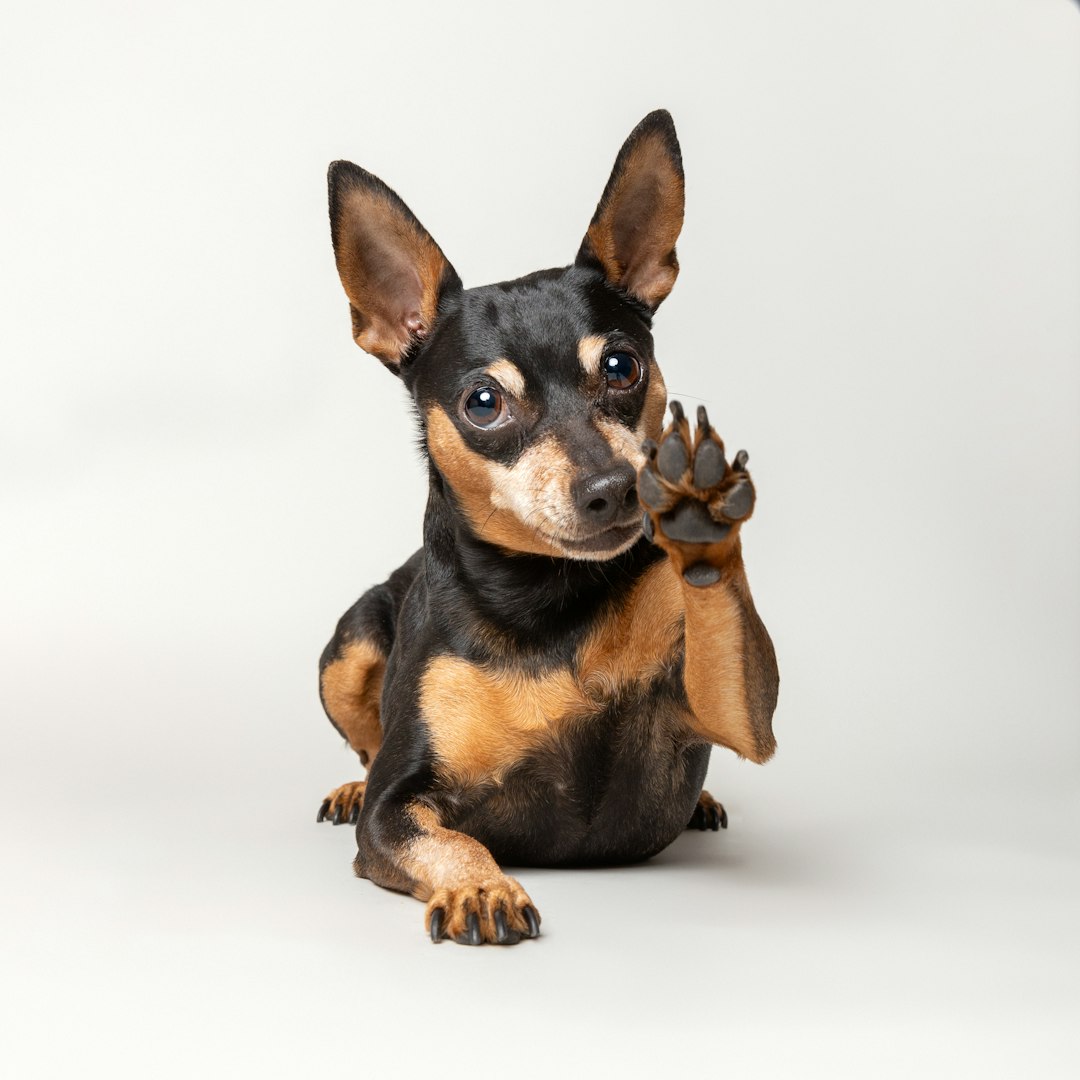
Despite their toy size, Miniature Pinschers have the confidence of much bigger dogs. This breed is quick, curious, and sometimes a little too bold—traits that can spell trouble around unpredictable young children. They can get nippy if startled or if their boundaries are ignored.
Watch for signs of overstimulation, like pacing, barking, or sudden darting away. These cues mean it’s time for a break. Teach children to respect the Min Pin’s space, avoid shouting, and never corner or grab them. Positive experiences with children can help, but supervision is always a must.
Pomeranian: Fluffy, Loyal, and Sometimes Guarded
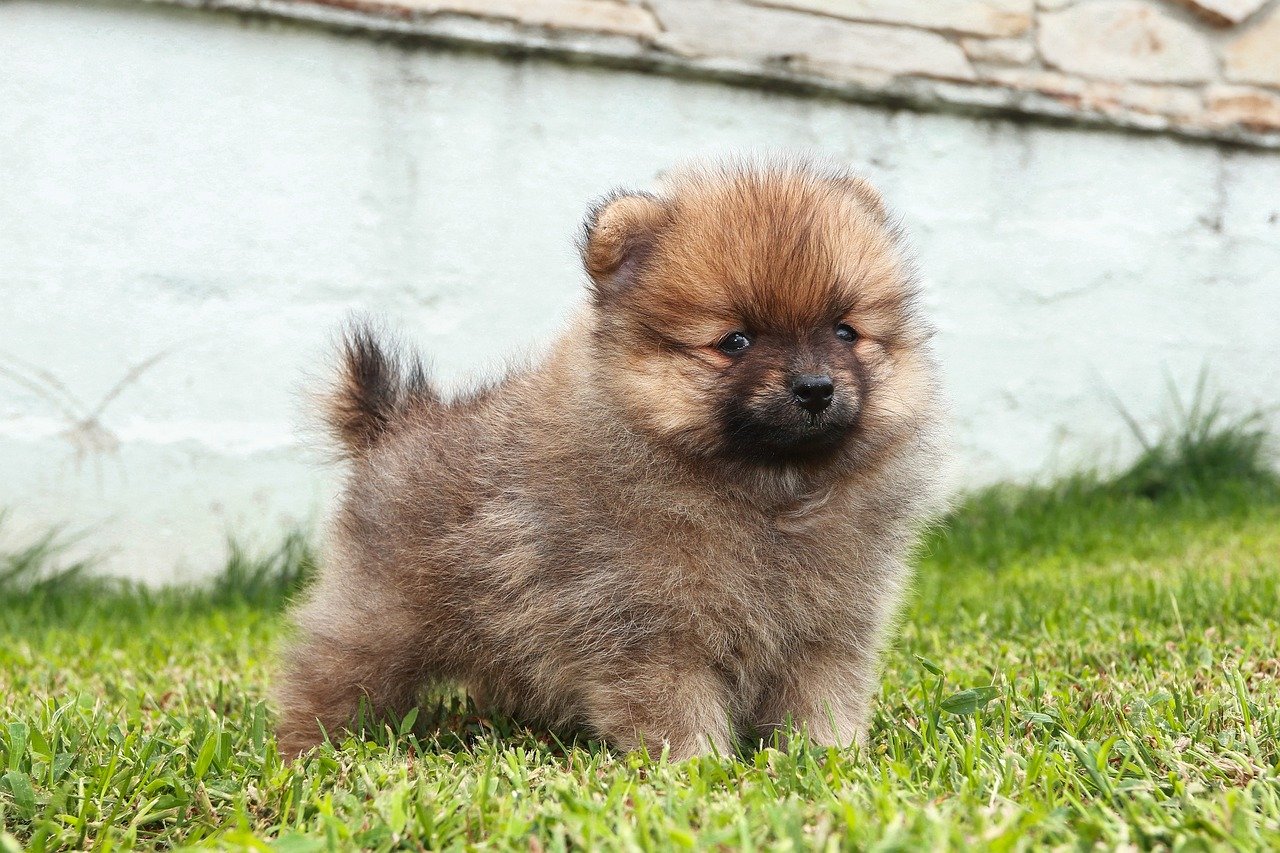
Pomeranians may look like living teddy bears, but they have strong opinions and often feel the need to protect themselves. A Pom’s small size and expressive bark make it easy for them to feel threatened by sudden movements or noisy play, common in households with young kids.
Nervous Pomeranians may show their discomfort by barking, hiding, or even snapping. Encourage gentle, quiet play and teach children to recognize when the dog wants to retreat to their safe spot. Never leave a Pom and a child alone, no matter how sweet they seem together.
Dachshund: Playful but Prone to Fearful Biting
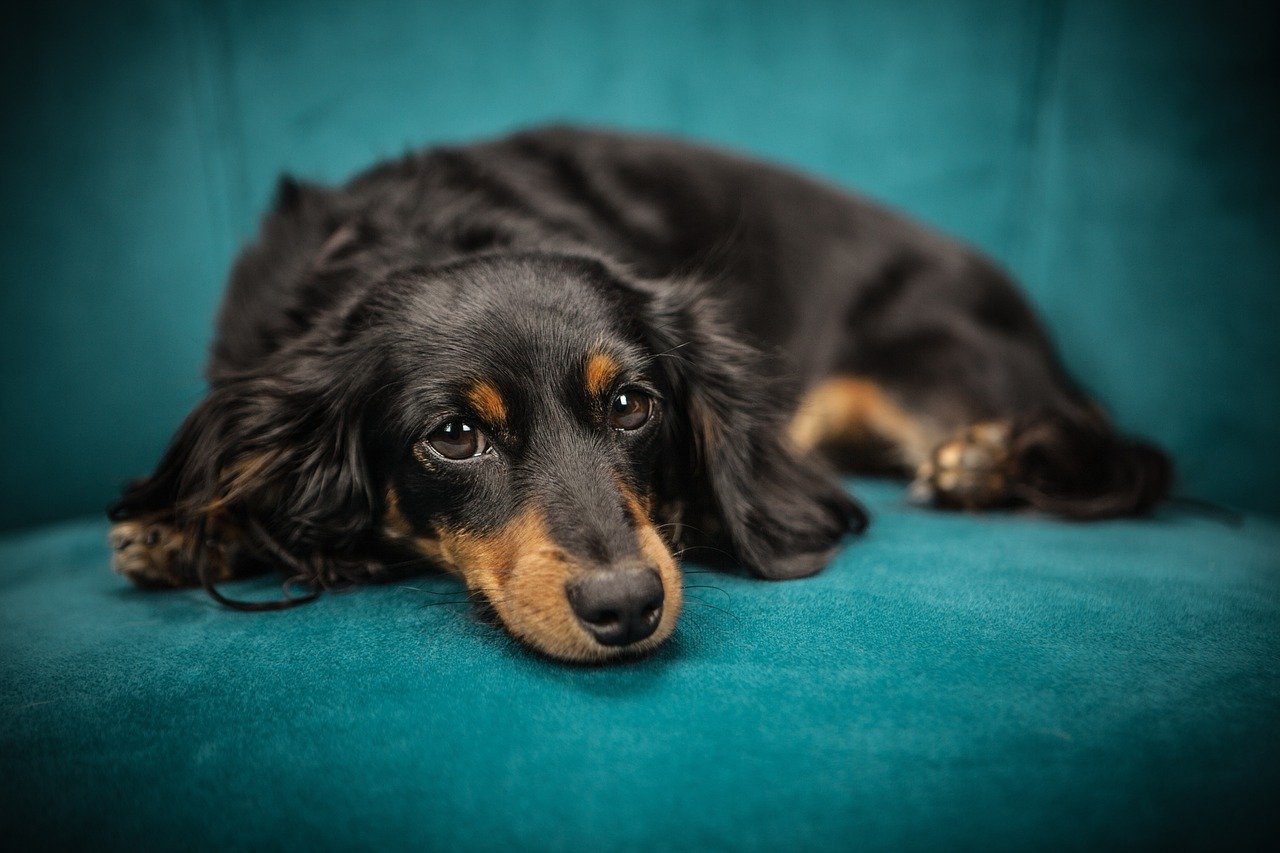
Dachshunds are famous for their playful spirit and big personalities, but their hunting background means they can be quick to react when startled. Their long backs also make them vulnerable to injury if picked up incorrectly—a common mishap with kids.
Signs of stress in a Dachshund include tense body language, growling, or retreating under furniture. Always supervise, especially when kids are tempted to lift or chase this breed. Teach children to pet gently and avoid squeezing or sitting near the dog’s back.
Italian Greyhound: Sensitive Souls Easily Overwhelmed
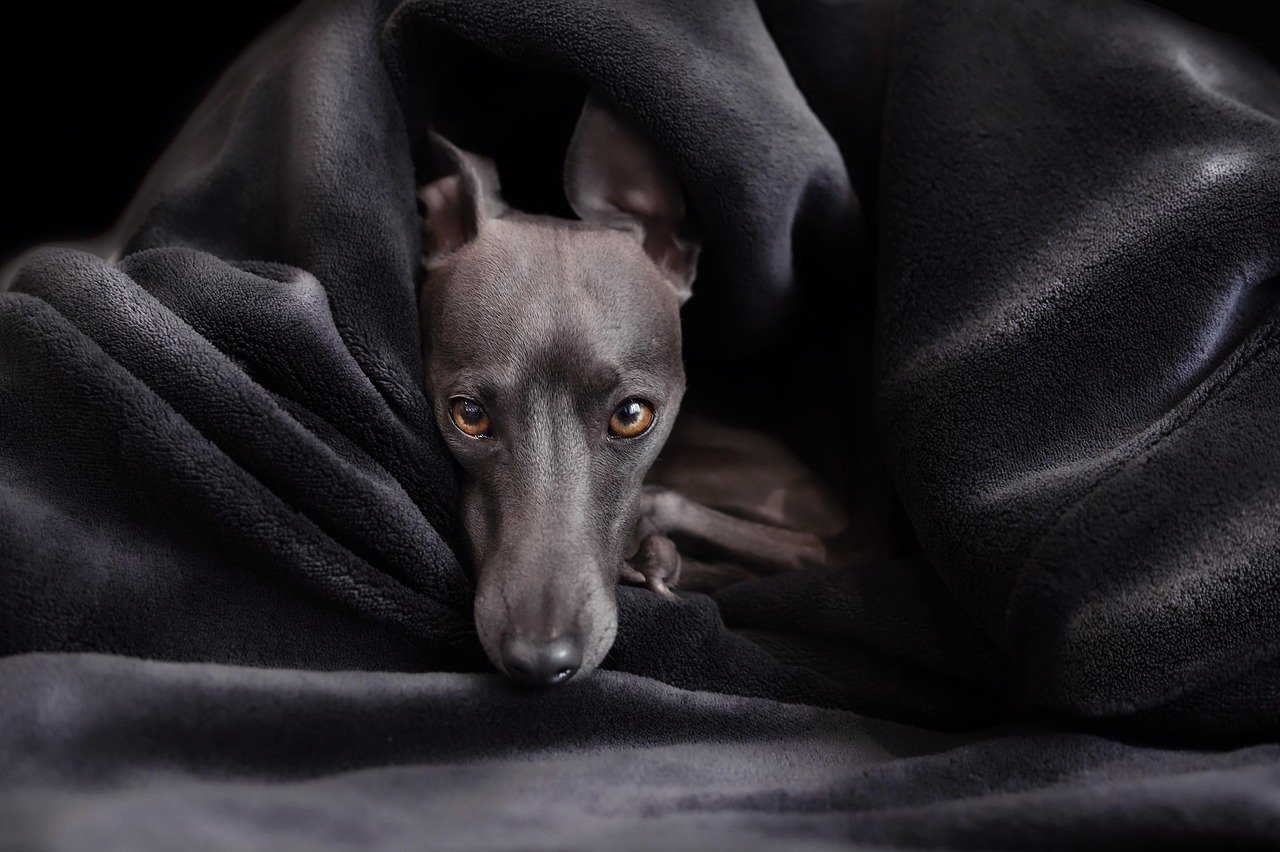
Italian Greyhounds are gentle, sensitive, and often shy away from chaos. Their fragile bones and delicate frame make them unsuitable for rough play. Even a well-meaning hug from a child can accidentally lead to injury or stress.
These dogs may tremble, hide, or freeze when they feel overwhelmed. Make sure children understand the importance of quiet, calm interactions. Set up a dog-safe area where your Italian Greyhound can retreat, and remind kids not to follow or crowd them.
Scottish Terrier: Independent and Sometimes Aloof

Scottish Terriers are known for their independence and strong will. While they can be loving companions, they’re not always patient with children’s unpredictable energy. Scotty dogs often dislike being disturbed while resting or eating and may react sharply if their boundaries are ignored.
Look out for warning signs like a stiff tail, flattened ears, or a low growl—these mean your Scottie needs space. Supervise all interactions, especially around food or toys, and encourage children to respect the dog’s personal time. Teaching kids to “ask” the dog for permission before petting can build trust and prevent misunderstandings.


