You’ve probably watched your dog do something that left you puzzled, maybe even frustrated. Perhaps they ignored a command you know they understand perfectly well. Or maybe they started digging up your garden with the determination of an archaeologist on a mission. You scratch your head and wonder, is this brilliance or mischief?
Here’s the thing: our dogs are communicating with us constantly through their behavior. Sometimes what looks like stubbornness is actually problem solving. Other times, what we interpret as intelligence is really just ancestral instinct bubbling to the surface. Understanding the difference changes everything about how we respond to our furry companions.
Let’s dive into the fascinating world of canine behavior and explore eight smart actions that often get misread, followed by eight behaviors that are pure, unfiltered instinct.
1. Selective Hearing Isn’t Always Disobedience

Your dog ignores your recall command at the park, and you assume they’re being stubborn. Here’s what might actually be happening: dogs that are trainable might actually be dogs that are smarter and more emotionally aware, not just more compliant.
When your pup doesn’t come immediately, they may be processing competing priorities. Smart dogs evaluate whether the reward you’re offering beats the current activity. They’re making calculated decisions, weighing options like a tiny furry economist. This isn’t defiance, it’s cognitive processing in action.
Try increasing the value of your reward or catching them during less stimulating moments. Intelligence means they need mental engagement, not just obedience drills.
2. Getting Into Mischief Shows Problem Solving Skills

Finding your dog raiding the treat cabinet again? That’s frustration inducing, sure. Yet this behavior actually demonstrates impressive cognitive ability.
Dogs that get into trouble may just be bored and need mental stimulation. Destructive behaviors can be signs of boredom, and dogs that are destructive due to being bored are also usually intelligent. They’re finding ways to entertain themselves.
Your clever canine figured out how latches work, remembered where the good stuff lives, and executed a plan. That’s problem solving, memory, and motivation all wrapped into one package. Channel that brilliance into puzzle toys and training games instead of scolding the smartness out of them.
3. Demanding Attention Reveals Social Intelligence

Does your dog nudge your hand, bring you toys, or use specific behaviors to get your attention? Smart dogs know how to get attention. Intelligent dogs will place their head under your hand and bump it to prompt you to give them a scratch.
This isn’t neediness. It’s communication mastery. Your dog has studied you, learned what works, and is using learned behaviors to achieve their goals. They’ve essentially trained you, which requires observing, remembering, and applying knowledge.
These pups understand cause and effect at a sophisticated level. When they “pet” you back or speak on command to initiate play, they’re demonstrating that their intelligence is ripe.
4. Stubbornness During Training Might Mean High Intelligence
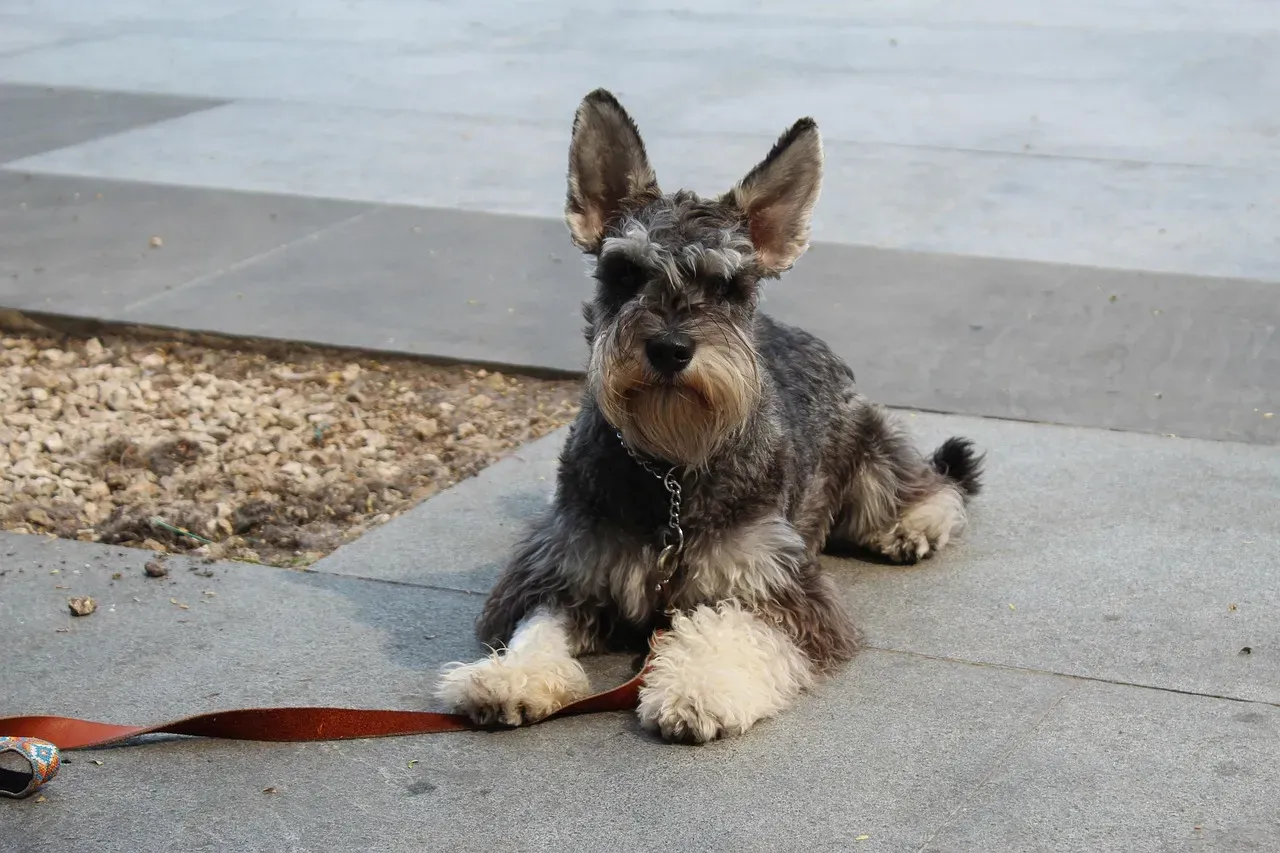
Let’s be real: the dog who questions every command isn’t necessarily slow to learn. If your pup resists training, don’t assume it’s due to a lack of brain power. Quite the opposite might be true. Some of the smartest dogs misbehave because they get bored easily. Some dogs can learn but are stubborn.
Brilliant dogs need to understand why they should comply. They evaluate whether your request makes sense or if the reward is sufficient. This evaluation process is intelligence at work, not defiance.
These dogs need variety, challenge, and higher value rewards. They’re selecting activities based on interest, which shows decision making ability. Honestly, would you perform repetitive tasks for stale crackers?
5. Escaping Shows Advanced Problem Solving
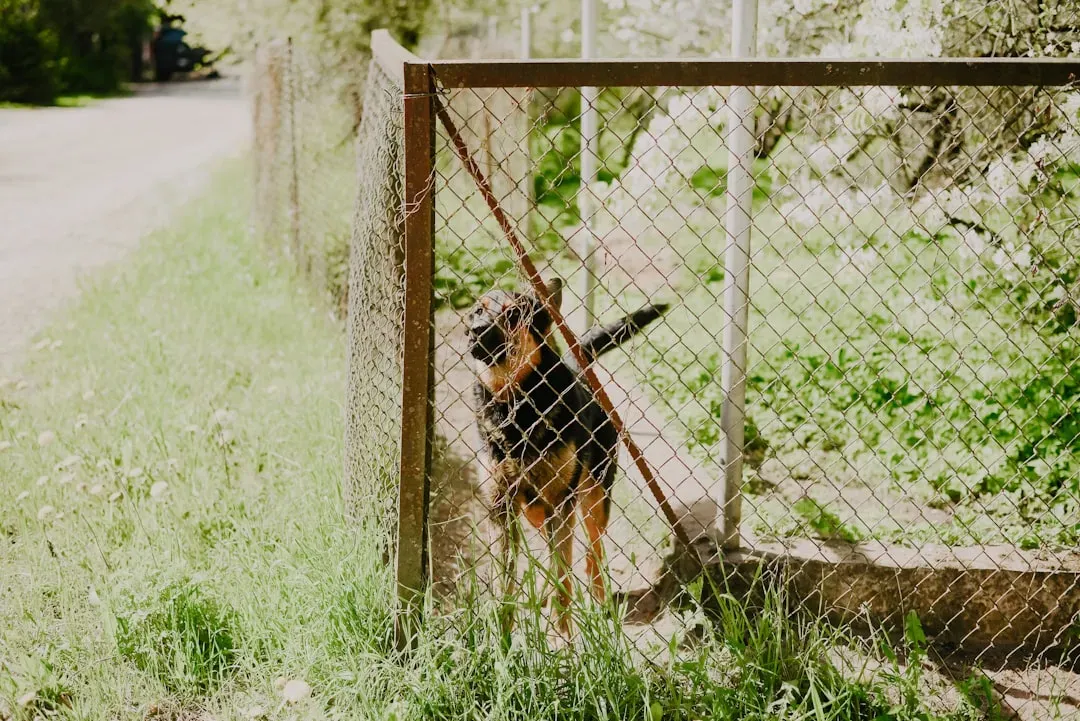
Your escape artist drives you crazy, but here’s the truth: Dogs who are talented escape artists prefer to be free and roam about. They’ll use their brains and figure out how to get out by jumping the fence, digging under it, unlocking a fence, opening a door, and more.
This isn’t simple rebellion. It requires planning, spatial reasoning, memory, and physical coordination. Your dog observes how you operate locks and gates, remembers the mechanics, and reproduces those actions.
This can frustrate owners but is a sign of high intelligence. Smart dogs can find their way back in or out, even if their original exit and entry points are closed. Secure your perimeter, but appreciate the cognitive horsepower involved.
6. Reading Your Emotions Demonstrates Emotional Intelligence

When you’re sad and your dog refuses to leave your side, that’s not coincidence. Intelligent dogs are very good at sensing and interpreting your emotions. A smart dog will read your sadness and take steps to comfort you, such as cuddling up with you.
There is evidence that dogs can discriminate the emotional expressions of human faces. Your pup reads your body language, facial expressions, tone of voice, and even changes in your routine to assess your emotional state.
This empathy requires complex processing. They’re not just reacting, they’re responding appropriately to nuanced emotional cues. That’s sophisticated social intelligence that many animals don’t possess.
7. Remembering Old Commands Shows Excellent Memory
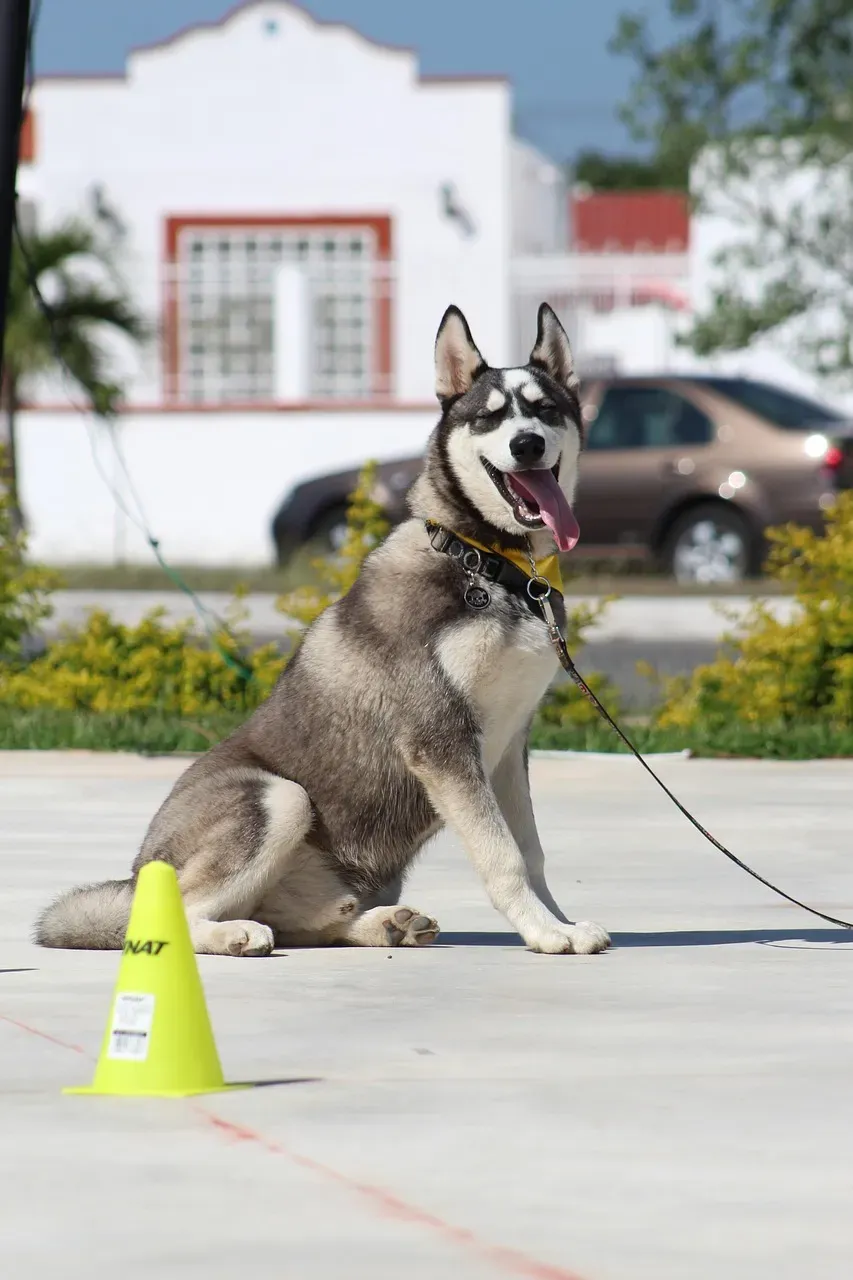
Teach your dog a trick and then don’t practice it for months. If they still perform it correctly, you’ve got a smartie. A really smart dog will remember commands over time, even if they haven’t been used in a while. If a dog hasn’t performed a command in a year and still remembers how when asked, that’s intelligence.
This demonstrates long term memory retention and retrieval. Your dog stored that information, maintained it without reinforcement, and accessed it when needed. That’s impressive cognitive function.
This demonstrates an ability to retain information and apply it. Dogs might have a memory for experiences they perceive as good or bad. Memory is fundamental to learning and adapting.
8. Observing and Imitating Shows Learning Ability
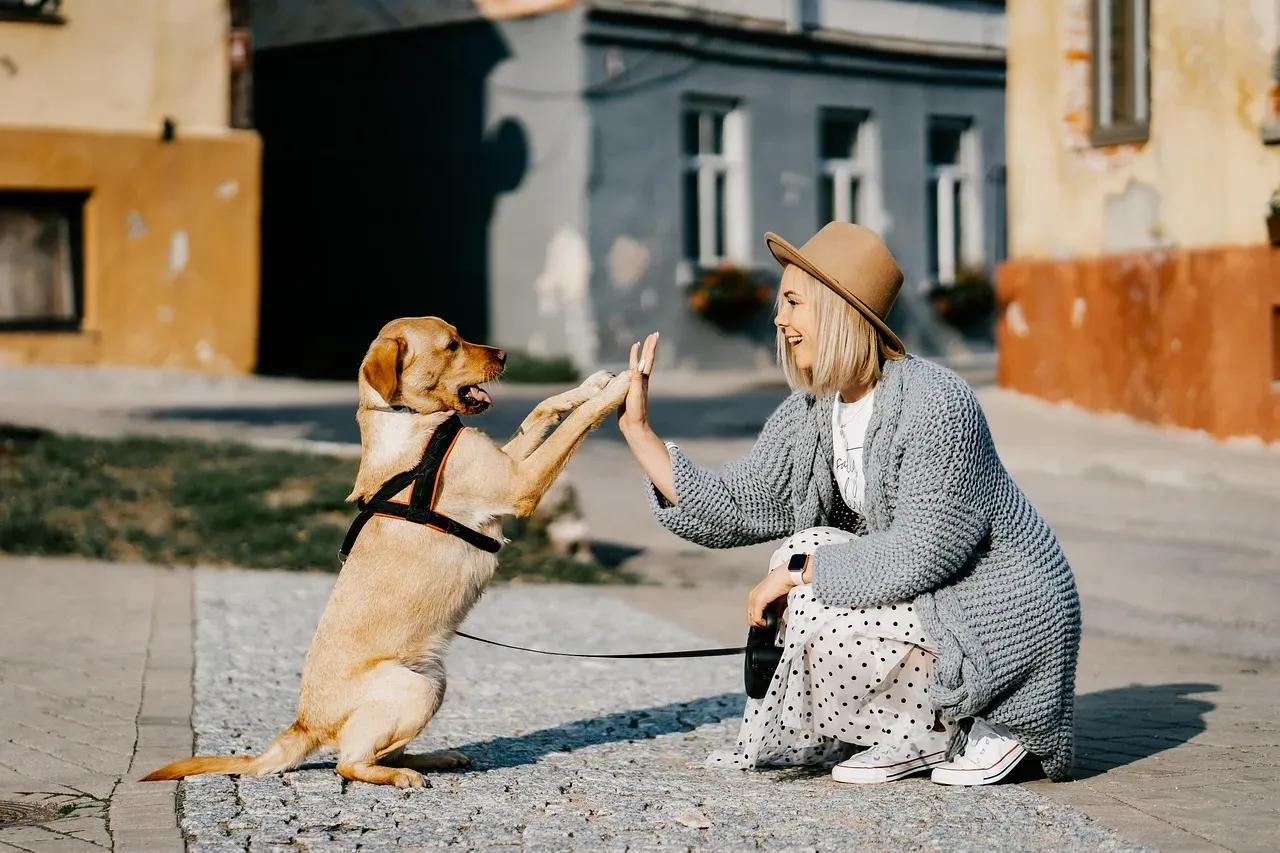
Some dogs are capable of observational learning, and able to figure out how to open a door or mimic human movements just by observing them. When your dog watches you and then attempts the same action, that’s cognitive sophistication.
This requires attention, understanding cause and effect, motor planning, and execution. Dogs often imitate the actions of their humans or other animals, showing astounding learning abilities. Imitation is a sign of a dog’s ability to observe, understand, or replicate behaviors.
Think about it: your dog doesn’t have hands, yet they figure out how to manipulate objects by watching you. That’s creative problem solving and adaptability rolled into one brilliant package.
9. Digging Is Ancient Survival Instinct
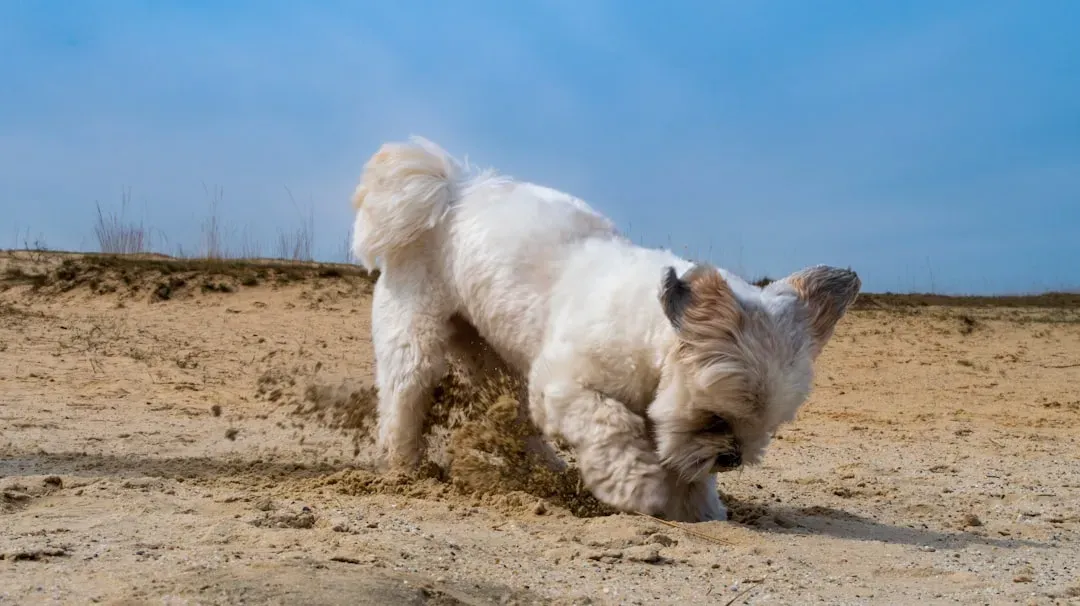
Now let’s shift gears to behaviors driven purely by instinct. When your dog digs, they’re not destroying your lawn out of spite. Dogs may dig just for fun, because they are stressed, bored, or to relieve anxiety. They may also be following their natural urge to create a den because it provides shelter and comfort.
Dogs bury bones and other items likely as a holdover from their days in the wild. Wolves don’t always know where their next meal is coming from, so they sometimes bury leftover food underground. Your pampered pup still carries this survival programming.
This instinct can’t be trained away, only redirected. Provide a designated digging area where this natural behavior is acceptable. Fighting instinct rarely works, but working with it does.
10. Resource Guarding Stems From Survival
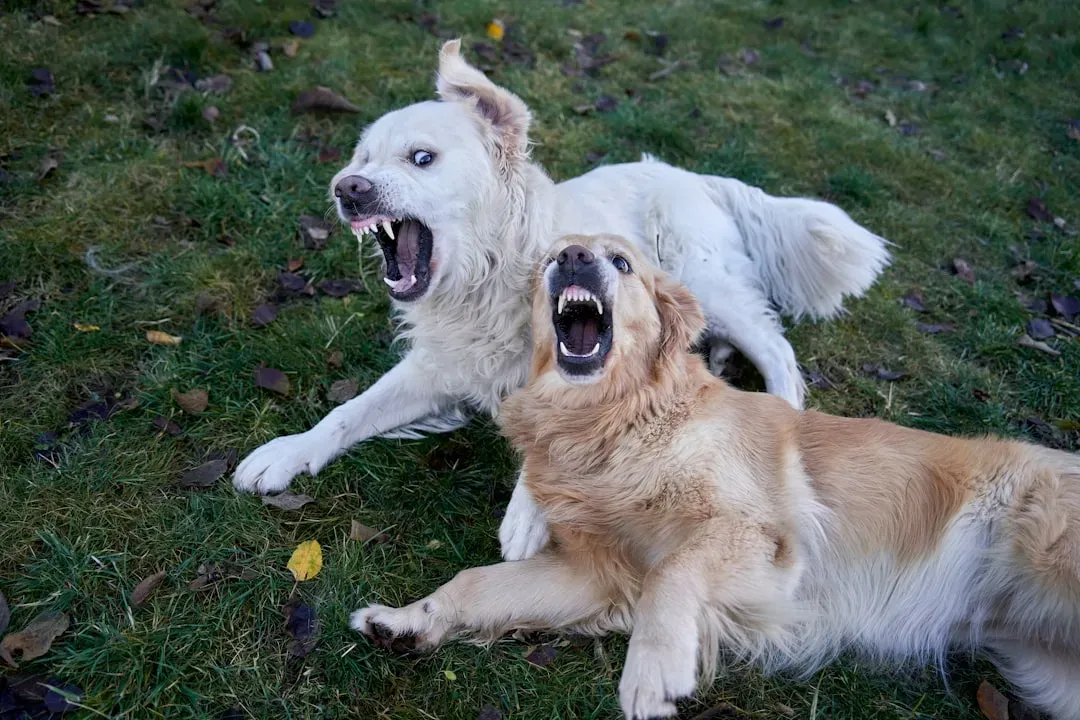
When your dog growls over their food bowl, it’s not personal. Resource guarding is mistaken for possessiveness or aggression. However, resource guarding is a natural behavior stemming from survival instincts.
Like other animals, dogs developed a natural instinct to protect things they see as valuable, particularly food. In the wild, letting another animal take your meal could mean starvation.
This behavior needs management and training, but understanding its instinctive roots helps us respond with patience rather than punishment. Never punish a growl, it’s valuable communication that something feels threatening to your dog.
11. Spinning Before Lying Down Is Ancestral Preparation

Watch your dog circle multiple times before settling into their bed. Adorable, yes, but also deeply instinctive. There is no scientific consensus on the reasons behind this behavior, only theories. Some think it’s related to dogs living as pack animals in the wild, and the spinning allows them to take one last look for predators. Others suggest it’s a way to access cooler earth or create a little nest.
This behavior persists because it served wild canids for generations. Your dog isn’t thinking about predators in your living room, but the programming remains hardwired.
Let them spin. It’s comforting and helps them feel secure, even if the threat they’re checking for is just the vacuum cleaner in the closet.
12. Sniffing Everything Is Instinctive Information Gathering

Your walk takes forever because your dog stops to sniff every single spot. That’s not stubbornness, that’s pure canine instinct at work. Dogs experience the world primarily through scent.
Dogs have well developed olfactory glands, vision, and auditory and tactile senses that allow them to gain environmental cues and information from other dogs and humans. Every sniff provides data about who passed by, when, their emotional state, and more.
This behavior is so fundamental to being a dog that preventing it causes stress. Build sniffing time into walks. Let them read their “pee mail” and gather the information their instincts demand.
13. Tail Chasing Can Be Instinctive Prey Drive

Puppies chase their tails as they discover their bodies. While occasional tail chasing can be playful, frequent spinning might signal boredom, anxiety, or even medical issues. Puppies often chase their tails as they explore their bodies.
This taps into prey drive and the instinct to chase moving objects. For young dogs, that fuzzy thing in their peripheral vision triggers pursuit behavior before they realize it’s attached to them.
However, if this becomes compulsive in adult dogs, it warrants veterinary attention. What begins as instinct can develop into obsessive behavior requiring intervention.
14. Pack Mentality Drives Following Behavior

Your dog follows you everywhere, even to the bathroom. That’s instinct, not clinginess. Dogs are pack animals. Pack means that they understand social structure and obligations and are capable of learning how to behave around other members of the pack.
In wild canid groups, staying together provides safety and increases survival chances. Your dog instinctively understands that the pack should move as a unit.
This behavior intensifies in dogs with strong attachment or breeds developed for close human partnership. They’re not being annoying, they’re being dogs. Their instinct says the pack stays together.
15. Mounting Isn’t Always About Reproduction

Dogs mount other dogs, people’s legs, pillows, and just about anything. While sometimes hormonal, mounting often serves other instinctive purposes. It can be about establishing social hierarchy, releasing excess energy, or even self soothing when overstimulated.
Instinctive behaviors are inherited and emerge under specific conditions. They are not taught but can be adapted, shaped and enhanced. Mounting falls into this category.
This doesn’t mean you should allow inappropriate mounting. Redirect the behavior, provide adequate exercise, and consider whether your dog needs help managing arousal levels. Understanding the instinctive roots helps you address it appropriately.
16. Prey Drive Triggers Chasing Small Animals
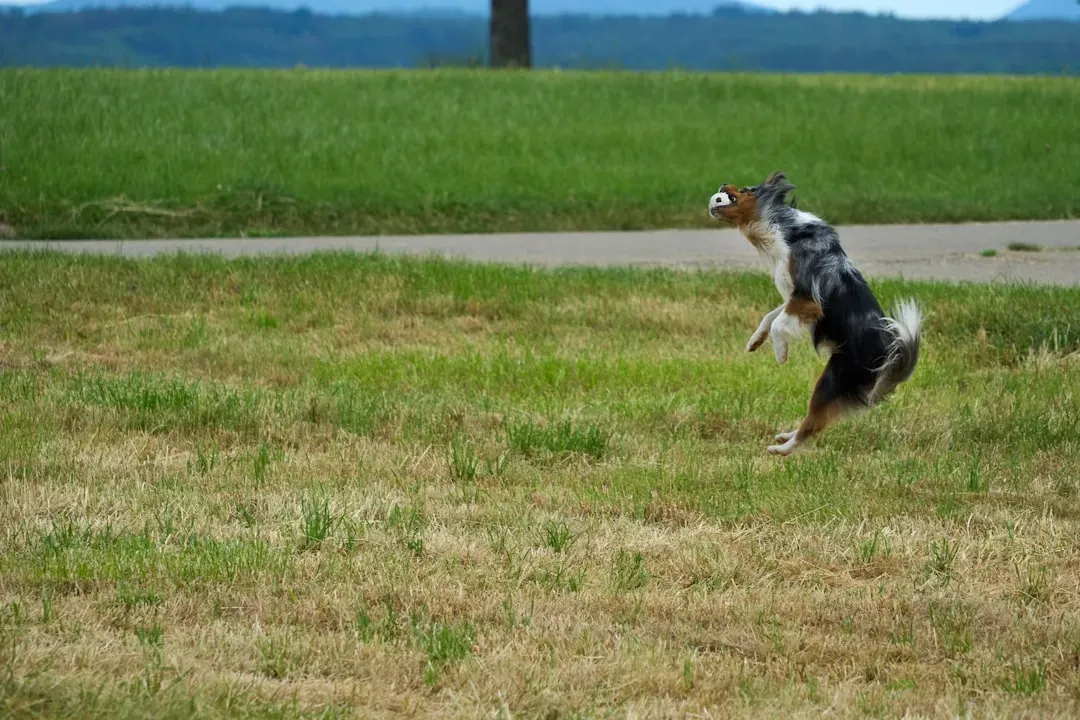
Your dog spots a squirrel and loses their mind. Every ounce of training vanishes as they lunge forward. That’s not disobedience, that’s prey drive, one of the most powerful instincts dogs possess.
Border Collie stalk and Setter point are both predatory instincts. Collies’ instincts are triggered by the movement of prey, and Setters by the scent of prey. Different breeds have different expressions of the same fundamental drive.
In stressful situations a dog’s instinct can easily override conditioning. When prey drive activates, their brain floods with neurochemicals that override learned behaviors. You can manage prey drive through training and environmental control, but you can’t eliminate it. It’s wired too deeply.
Conclusion: Honoring Both Intelligence and Instinct
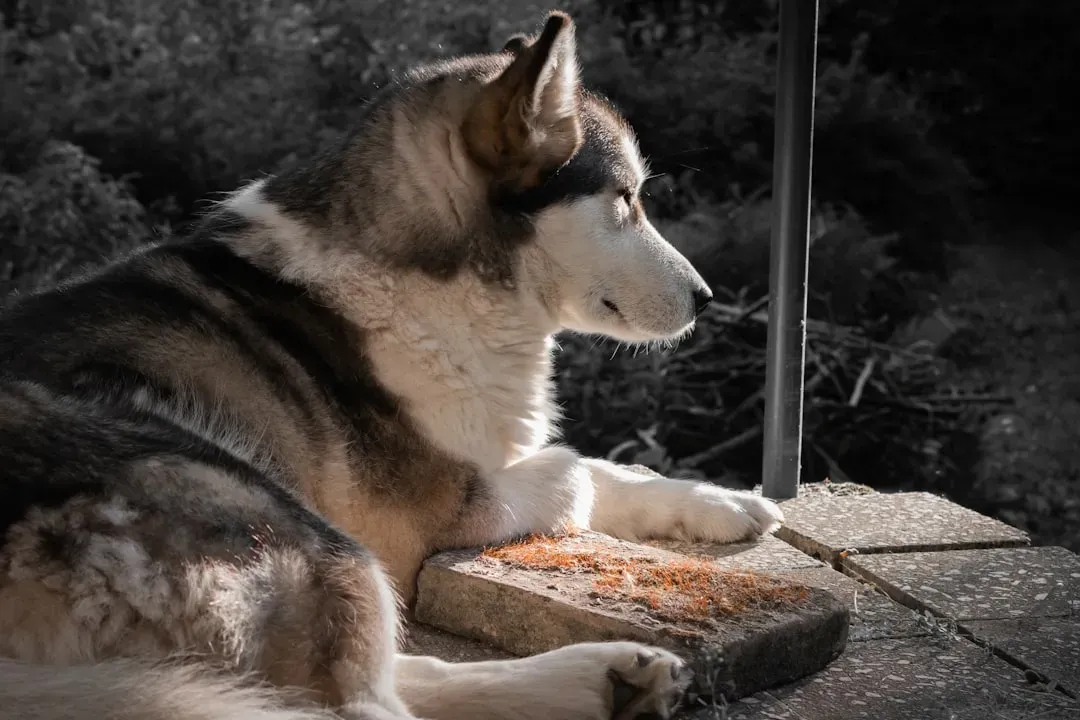
Understanding which behaviors stem from intelligence and which from instinct transforms how we live with dogs. When your dog solves problems, remembers commands, or reads your emotions, celebrate that cognitive brilliance. When they dig, guard resources, or chase squirrels, recognize you’re witnessing ancient programming that ensured their ancestors’ survival.
Neither category is better or worse. Both make dogs the remarkable creatures they are. Our job isn’t to fight against their nature but to provide outlets for instincts and challenges for their minds.
The smartest thing we can do as dog lovers? Stop misinterpreting their behavior and start appreciating the complex blend of learned intelligence and hardwired instinct that makes each dog unique. What behavior does your dog do that you understand differently now? Tell us in the comments.