
Minnesota has always been wolf country. With nearly 3,000 wolves roaming the state’s northern forests, you might be surprised how rarely these encounters actually happen. Wolves are naturally shy creatures, keeping their distance from humans whenever possible. Still, knowing what to do when you cross paths with one could mean the difference between a memorable wilderness moment and a dangerous situation.
Here’s the thing: most people panic when they see a wolf. They make split-second decisions that could actually escalate the encounter. Understanding what NOT to do is just as important as knowing the right moves. Let’s dive into the critical mistakes you need to avoid if you find yourself face to face with one of Minnesota’s most iconic predators.
Never Turn Your Back On A Wolf

When you encounter a wolf, never turn your back to it and always continue to stare directly at it. This is probably the hardest instinct to fight because everything in your body screams to run away. Wolves are predators, plain and simple. The moment you turn around, you activate their chase instinct.
Think of it like this: you’re no longer a potential threat but potential prey. Even a wolf that wasn’t particularly interested in you might suddenly become curious or aggressive. Keep your eyes locked on the animal, even as you slowly back away.
If there’s more than one wolf present, things get trickier. Position yourself back to back with your companion and slowly move away from the wolves. This way, you maintain visual contact with all the animals around you. It’s unsettling, honestly, but it’s the safest approach.
Your body language matters more than you think. Maintaining eye contact shows the wolf you’re aware of its presence and you’re not an easy target. Breaking that visual connection could be interpreted as weakness or fear, neither of which you want to communicate.
Never Run From A Wolf

This one sounds obvious, yet it’s the most common mistake people make. Running triggers a wolf’s predatory instincts. Wolves can reach speeds of nearly 40 miles per hour. You can’t outrun them, period. Attempting to do so only makes the situation exponentially worse.
Running signals that you’re prey. Even a wolf that was simply curious or passing through might give chase if you bolt. It’s hardwired into their DNA after thousands of years of hunting deer, moose, and other fast-moving animals.
The alternative? Stay calm and stand your ground. Act aggressively by stepping toward the wolf and yelling or clapping your hands if it tries to approach. Counter-intuitive, I know, but wolves respect confidence and aggression far more than they respect fear.
Keep your movements slow and deliberate. No sudden gestures, no frantic motions. Retreating slowly while maintaining that aggressive posture tells the wolf you’re a formidable presence, not something to be chased down and cornered.
Never Approach Or Encourage A Wolf To Come Closer

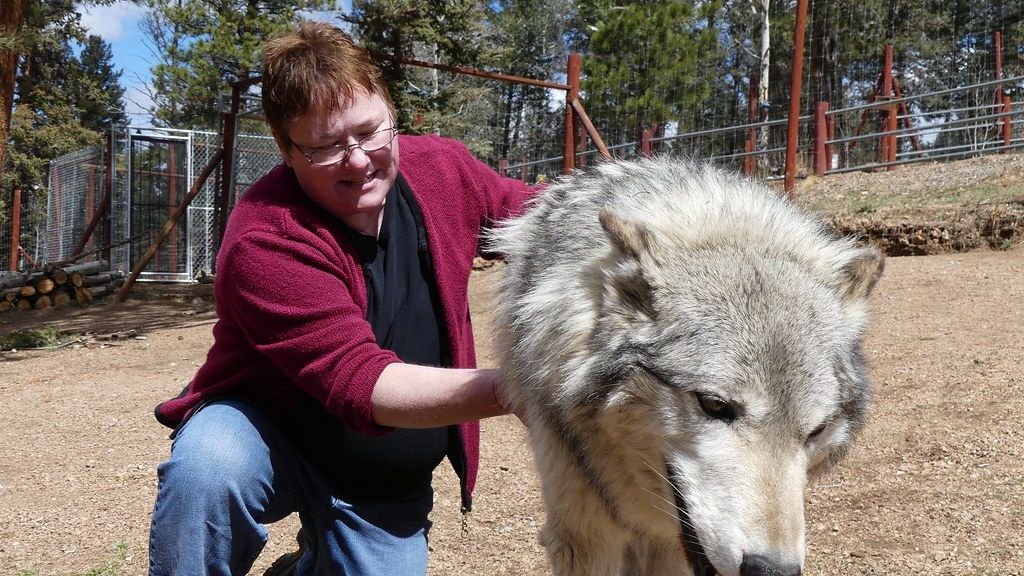
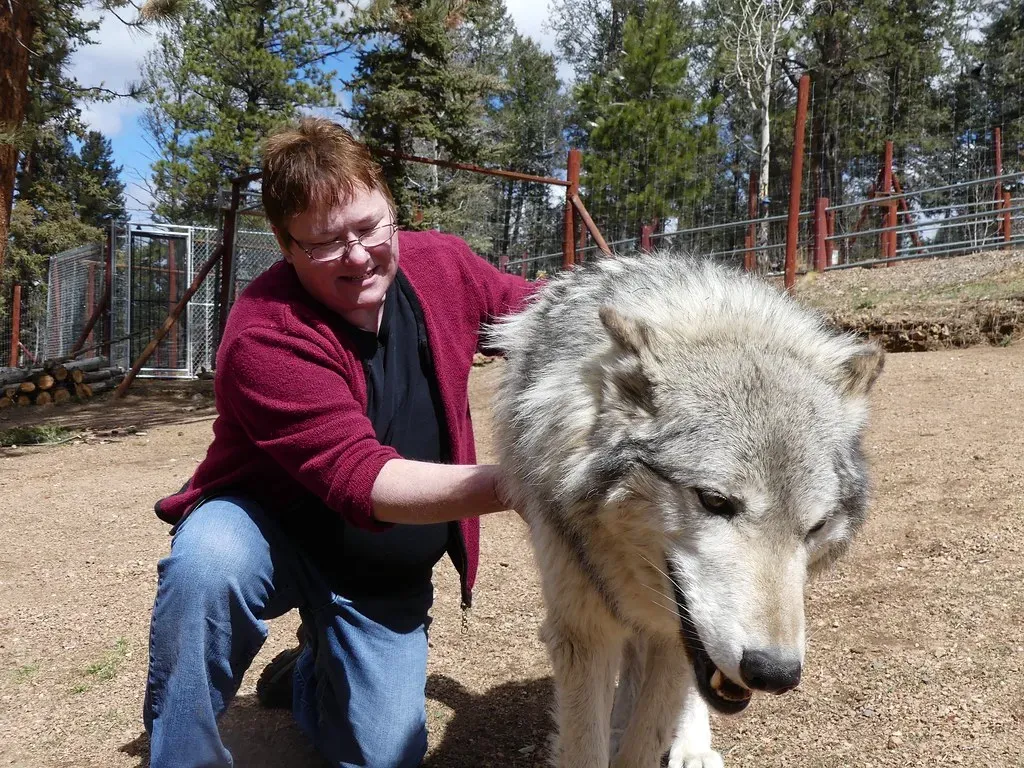
No one should ever encourage a wolf or any other wild animal to approach. I get it, they look like big, fluffy dogs. Some wolves, especially younger ones, might even display curiosity toward humans. That doesn’t mean they’re friendly or safe to interact with.
Wolves will most likely slip away at the first opportunity, though they are also very curious by nature. This curiosity can be dangerous because it makes wolves seem less threatening than they are. A curious wolf is still a wild predator with powerful jaws and hunting instincts.
Approaching a wolf habituates them to human presence. When wild animals become habituated to humans they pose a greater threat. These animals lose their natural fear, which puts both people and the wolves themselves at risk. Once a wolf becomes comfortable around humans, wildlife officials may have no choice but to remove it.
Keep at least 300 feet of distance. Use binoculars if you want a closer look. The goal is always to observe without interfering, ensuring the wolf remains wild and you remain safe.
Never Feed A Wolf Or Leave Food Accessible
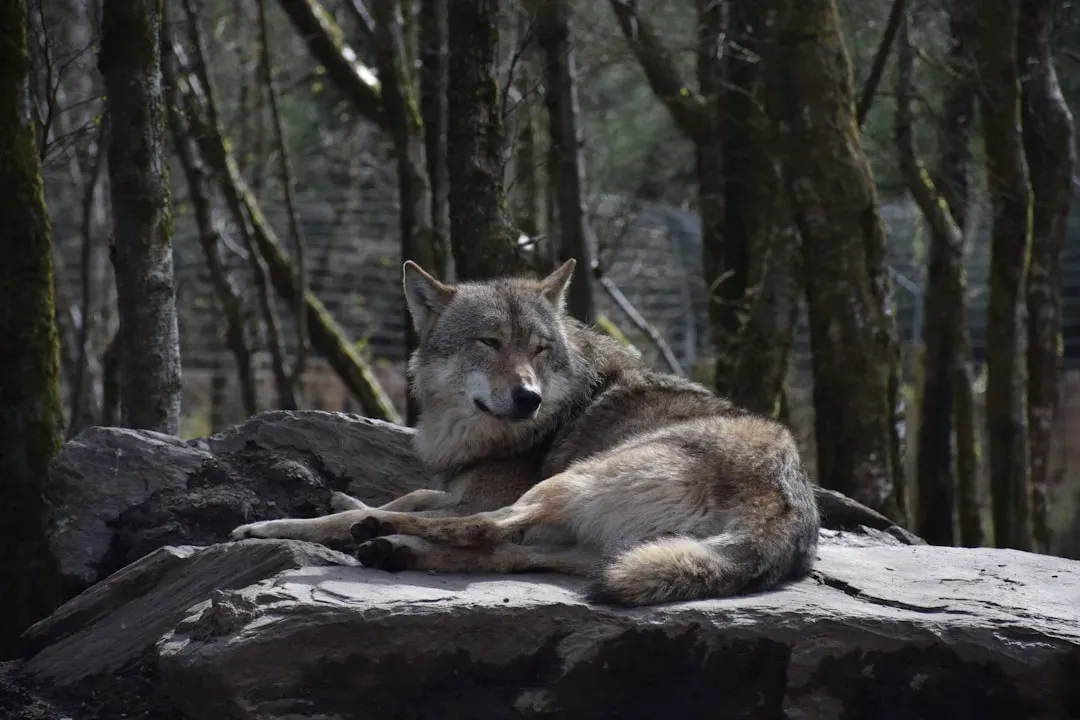
Don’t make your home or camp attractive to wolves by leaving unwashed cooking utensils or unsecured garbage around. Feeding wildlife is never a good idea, but it’s especially dangerous with predators like wolves. Once they associate humans with food, they’ll keep coming back.
This includes indirect feeding. Don’t cook food near your tent or sleeping area and don’t leave pet food or other food attractants out near your home or camp. Wolves have an incredible sense of smell. Even small traces of food can draw them in.
A fed wolf is a dead wolf, as the saying goes. Animals that become food-conditioned lose their wariness of people. They start venturing into campsites, yards, and populated areas looking for easy meals. This almost always ends badly for the wolf.
Pack out all your garbage, dispose of food scraps properly, and store everything in sealed containers. Whether you’re camping in the Boundary Waters or just living in wolf country, these precautions protect both you and the wolves.
Never Allow Your Dog To Roam Freely In Wolf Territory
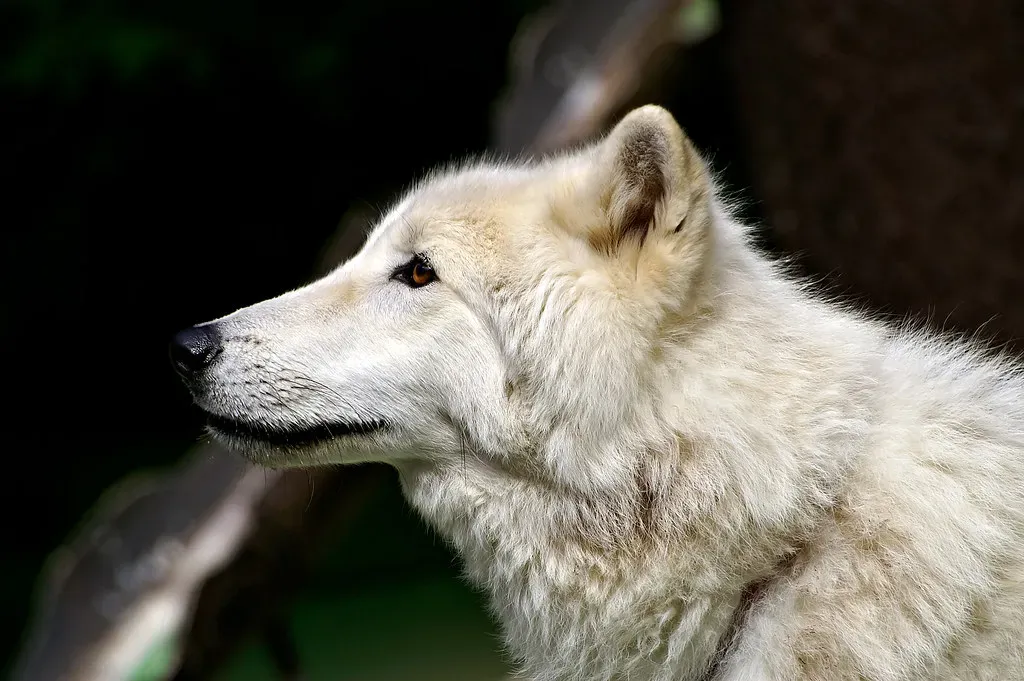
Don’t allow pets to freely roam away from your home or camp. Wolves see dogs as competition or, in some cases, as prey. Wolves display aggressive behavior towards dogs, even when on leash, and may often even ignore humans in pursuit of a dog.
If you’re hiking with your dog and encounter a wolf, bring your dog to heel at your side immediately and stand between your dog and the wolf. This usually ends the encounter, but it requires quick thinking and control over your pet.
Wolves are territorial animals. They perceive dogs as intruders in their domain. Even a leashed dog can provoke interest or aggression from a wolf pack. Some experts suggest leaving your dog at home entirely if you’re venturing deep into known wolf territory.
Honestly, this is one of the toughest calls for outdoor enthusiasts who love hiking with their canine companions. Just remember that your dog’s presence significantly increases the risk of a wolf encounter, and those encounters rarely go well for the dog.
Never Use Deer Scent Or Game Calls Without Caution
Don’t douse yourself with deer scent or hormone attractants, and remember that using animal calls or decoys may attract a wolf or wolf pack for closer inspection. This is particularly important for hunters using camouflage and scent masking techniques.
When you smell like prey, you essentially become prey in a wolf’s mind. If you’re wearing camo and covering up with deer scent, wolves will have a more difficult time distinguishing you as a human. You need to be especially vocal and animated to identify yourself if a wolf approaches.
Predator calls used for coyote or fox hunting can also bring in wolves. They hear the distress calls of smaller animals and come investigating. Suddenly you’re dealing with an apex predator that’s actively hunting, not just passing through.
If you must use scents or calls, place them on inanimate objects away from your position. Stay alert and be prepared to make yourself known as human immediately if wolves respond. It’s hard to say for sure, but many hunters have had close wolf encounters precisely because they were concealed and smelling like game animals.
Never Try To Attract Or Track Wolves For Harassment
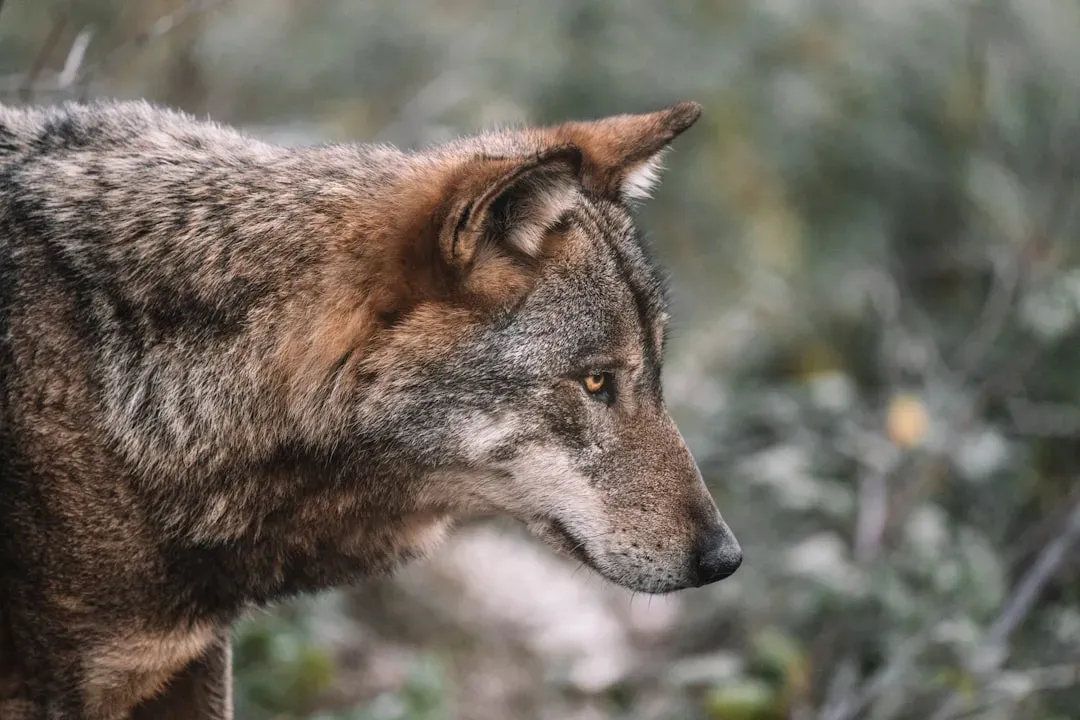
A wolf may not be purposely attracted, tracked, or searched out for the purpose of harassment. This is actually prohibited by Minnesota law. While you can legally harass a wolf that comes within 500 yards of buildings or livestock, actively seeking them out crosses a legal line.
Some people think it’s clever to track down wolves to scare them away from their property. The problem? Harassment that results in physical injury to a wolf is prohibited. You can make noise and act aggressively if a wolf approaches, but you can’t go looking for trouble.
Beyond the legal issues, intentionally pursuing wolves puts you at unnecessary risk. You’re entering their territory, potentially near their den sites or kill locations, where they’re most defensive. This isn’t just risky for you, it’s stressful for the wolves and can disrupt their natural behavior patterns.
Let wolves be wolves. If one wanders too close to your home or livestock, you have options. Seeking them out in the backcountry for any reason other than legitimate research or conservation work is both illegal and dangerous.
Never Bury Garbage Or Leave Livestock Carcasses Exposed
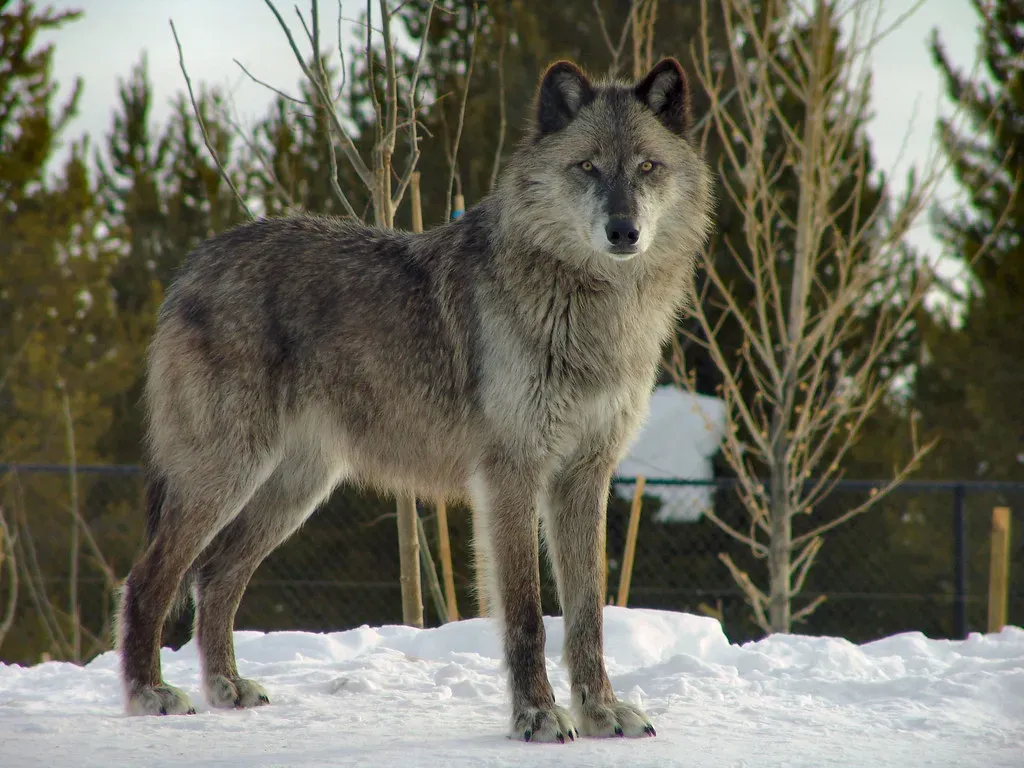
Don’t bury garbage, pack it out. Burying food waste or trash doesn’t hide it from wolves. Their sense of smell is far too acute. They’ll dig it up, creating a mess and potentially habituating them to human areas.
Large livestock carcasses can concentrate wolf activity on or near an individual operation, especially during critical times when vulnerable livestock are nearby. If you’re a rancher or farmer in wolf country, proper carcass disposal isn’t just good practice, it’s required by Minnesota law.
Leaving dead animals exposed attracts wolves and keeps them lingering in areas where they might not otherwise spend much time. This increases the likelihood of conflicts with livestock, pets, and people. It’s a preventable problem that too many people ignore until it’s too late.
Proper disposal means incineration, burial at appropriate depths, or composting according to regulations. It’s not easy work, especially in winter, but it’s necessary. Rendering services are rare in wolf range, so having a plan before you need one is essential.
Conclusion: Respecting The Balance

Minnesota is the only state in the contiguous United States that has always held a viable gray wolf population. That makes this state special, but it also means we have a responsibility. These magnificent animals survived near extinction and have made a remarkable recovery.
Most wolf encounters, if they happen at all, are brief and uneventful. Wolves typically do all they can to avoid people, and wolf attacks on humans in North America are very rare. Following these guidelines dramatically reduces your already small chance of having a problem.
The key is simple: respect their space, never act like prey, and always remain aware in wolf country. These animals aren’t out to get you, but they are wild predators that deserve your caution and respect. Have you ever encountered a wolf in the wild? What would you do differently after reading this?


