

Parrot fish are often misunderstood, and it’s time to set the record straight. Many people think they’re just colorful reef-dwellers, but they actually play a huge role in keeping coral reefs healthy by munching on algae and even creating sand through digestion. Contrary to belief, not all parrot fish are loud or aggressive—some are surprisingly shy and peaceful. They’re also not just one species but a whole group, each with its own quirks and colors. And yes, they do sleep in a bubble of mucus, but it’s not as gross as it sounds—it protects them from predators! These fascinating fish are way more than their rainbow scales.
They’re Not All the Same Species
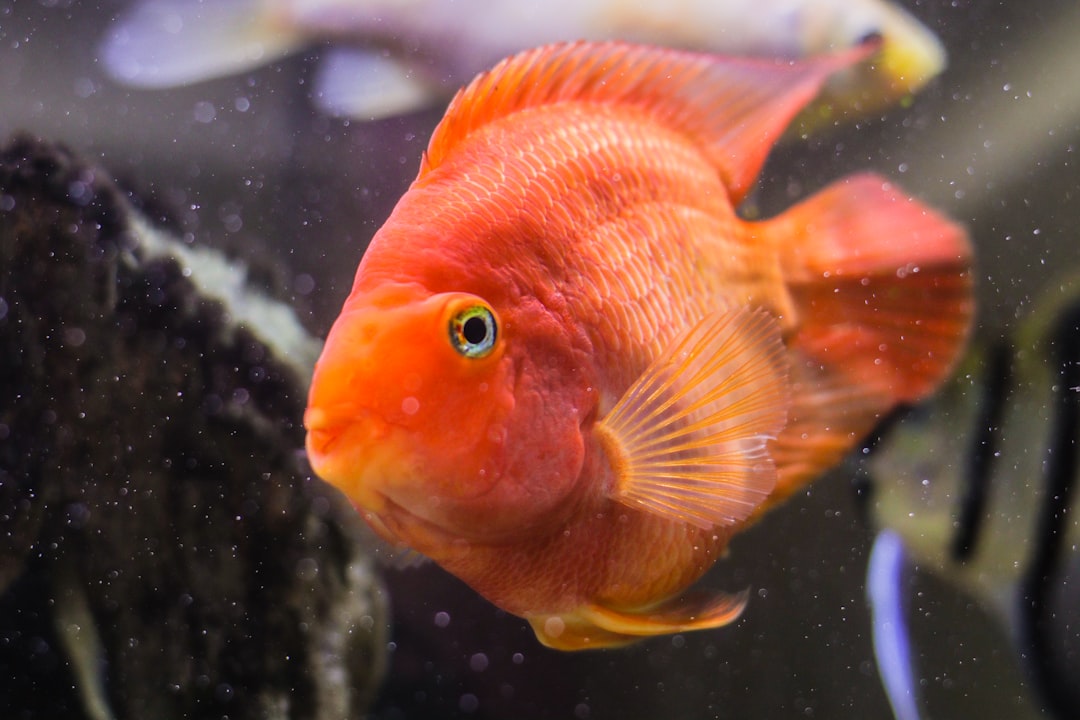
Many people think “parrot fish” is just one type of fish. In reality, the name covers dozens of species in the wild, and the popular “blood parrot cichlid” found in aquariums is a man-made hybrid. Wild parrotfish are found in oceans, especially around coral reefs, while the blood parrot cichlid is a freshwater fish created by crossbreeding other cichlids. This big difference means their care, needs, and personalities can vary greatly. If you’re shopping for a parrot fish, it’s easy to get mixed up between the ocean-dwellers and their freshwater cousins. Always double-check which parrot fish you’re actually considering—knowing the difference can save a lot of headaches later.
They Don’t Just Eat Algae

A lot of beginners assume parrot fish are algae-eaters, like plecos or some other tank cleaners. While it’s true that wild parrotfish use their beak-like mouths to scrape algae off rocks and coral, pet parrot fish are more omnivorous. Blood parrot cichlids, for example, need a varied diet that includes high-quality pellets, fresh veggies, and occasional protein sources like brine shrimp. Feeding them only algae wafers or expecting them to keep your tank spotless is a big mistake. If you limit their diet, they can become malnourished and show faded colors or odd behaviors. Think of them as the adventurous eaters of the fish world—they love a good buffet!
They’re Not Naturally Born This Way

Here’s a surprising fact: the blood parrot cichlid you see in pet stores isn’t a naturally occurring fish. It was first bred in Taiwan in the 1980s by crossing different types of cichlids. This has led to some controversy, as hybridization can cause health issues like deformed mouths or swim bladders. Their rounded bodies and “smiling” faces are cute, but they’re the result of selective breeding, not nature. Some people think these fish are found in rivers somewhere, but that’s just not true. If you’ve ever wondered why your parrot fish looks so unique compared to others, this is why—humans played a big role in their creation.
They’re Not Aggressive Monsters
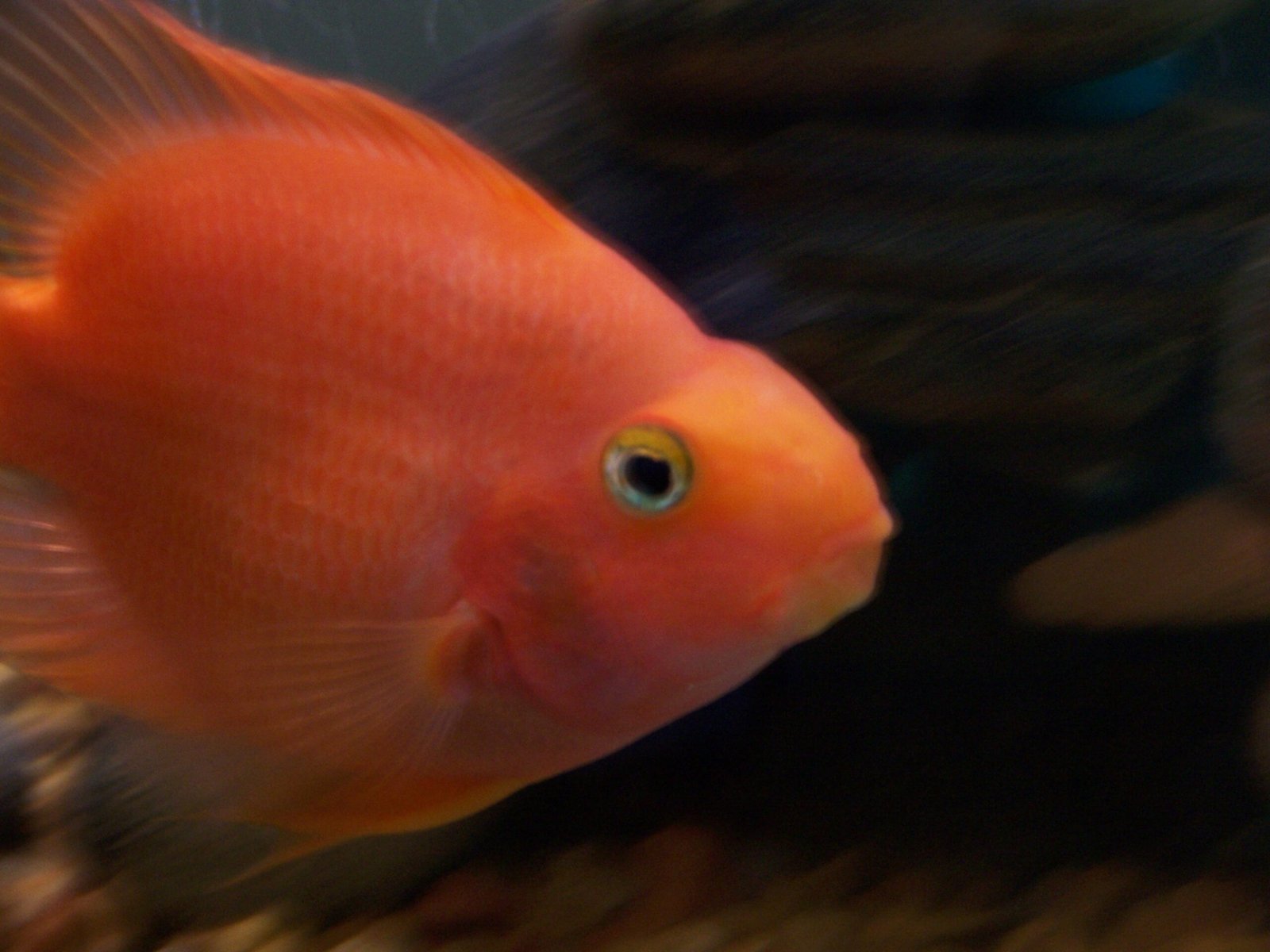
It’s easy to look at a parrot fish’s sturdy build and assume it’s a bully. Some aquarists even avoid them because they’ve heard horror stories about aggression. While they can be territorial, especially during breeding, most blood parrot cichlids are actually quite peaceful with the right tank mates. They do best in community tanks with fish of similar size and temperament. If you pair them with tiny or overly aggressive fish, that’s when trouble starts. Like people, each fish has its own personality—some are shy, some are outgoing, but very few live up to the “monster” reputation.
They Need Big, Clean Spaces

A common mistake is to keep parrot fish in small tanks, thinking their rounded bodies mean they don’t need much room. These fish can grow up to 8 inches long and are surprisingly active swimmers. Cramped tanks lead to stress, illness, and faded colors. They need at least a 30-gallon tank for one, with even more space for pairs or groups. Clean water is crucial, too, since parrot fish are sensitive to poor water quality. Think of their tank like a cozy living room—wouldn’t you want space to stretch out and relax? The same goes for your fish.
They’re Not Just “Pretty Faces”

People often fall for the bright colors and funny mouths, but parrot fish have personalities to match their looks. They’re curious, intelligent, and can even recognize their owners. Some will beg for food or follow your finger along the glass. Don’t be surprised if your fish rearranges tank decorations or tries to interact with you during feeding time. They need mental stimulation, so add caves, tunnels, and interesting décor to keep them entertained. Underestimating their intelligence means missing out on some truly delightful moments.
They Can’t Always Close Their Mouths

One of the most distinctive features of blood parrot cichlids is their “beak” or mouth shape, which looks like a permanent smile. But here’s the sad truth: many can’t fully close their mouths due to their hybrid breeding. This makes eating a bit tricky and can lead to health problems if not monitored. Owners need to offer food that’s easy to eat—soft pellets, gels, or small pieces. Watching your fish struggle to eat is never fun, but with a little attention, you can make meal times much easier for them.
They’re Not Short-Lived

Some people believe that parrot fish don’t live long because they’re hybrids or have health issues. While it’s true that some suffer from genetic problems, with proper care, these fish can live for 10 years or more. Regular tank maintenance, a nutritious diet, and a stress-free environment are the keys to longevity. It’s heartbreaking to see a beautiful fish pass away early due to preventable reasons. When cared for properly, parrot fish can become beloved members of your aquatic family for years to come.
Parrot fish are more than just pretty faces in the ocean—they’re vital players in the health of coral reefs and full of fascinating surprises. From producing sand to sleeping in mucus cocoons, these colorful creatures break a lot of common myths. Once you understand their role, it’s hard not to appreciate just how incredible they really are. So next time you spot one while snorkeling, give them the respect they deserve—they’re nature’s quirky underwater caretakers!


