

Have you ever looked into a Rottweiler’s deep brown eyes and felt a mix of awe, excitement, and maybe a little nervousness? You’re not alone. Rottweilers are one of those breeds that spark big emotions—fascination, respect, even a touch of intimidation. But behind that powerful frame and confident stance is a loyal, loving companion just waiting for the right family. Before you welcome a Rottie into your world, there are some truths you absolutely need to know. Trust me, as someone who’s shared my sofa (and sometimes my side of the bed) with these gentle giants, life with a Rottweiler is anything but ordinary.
They Need Early and Consistent Socialization
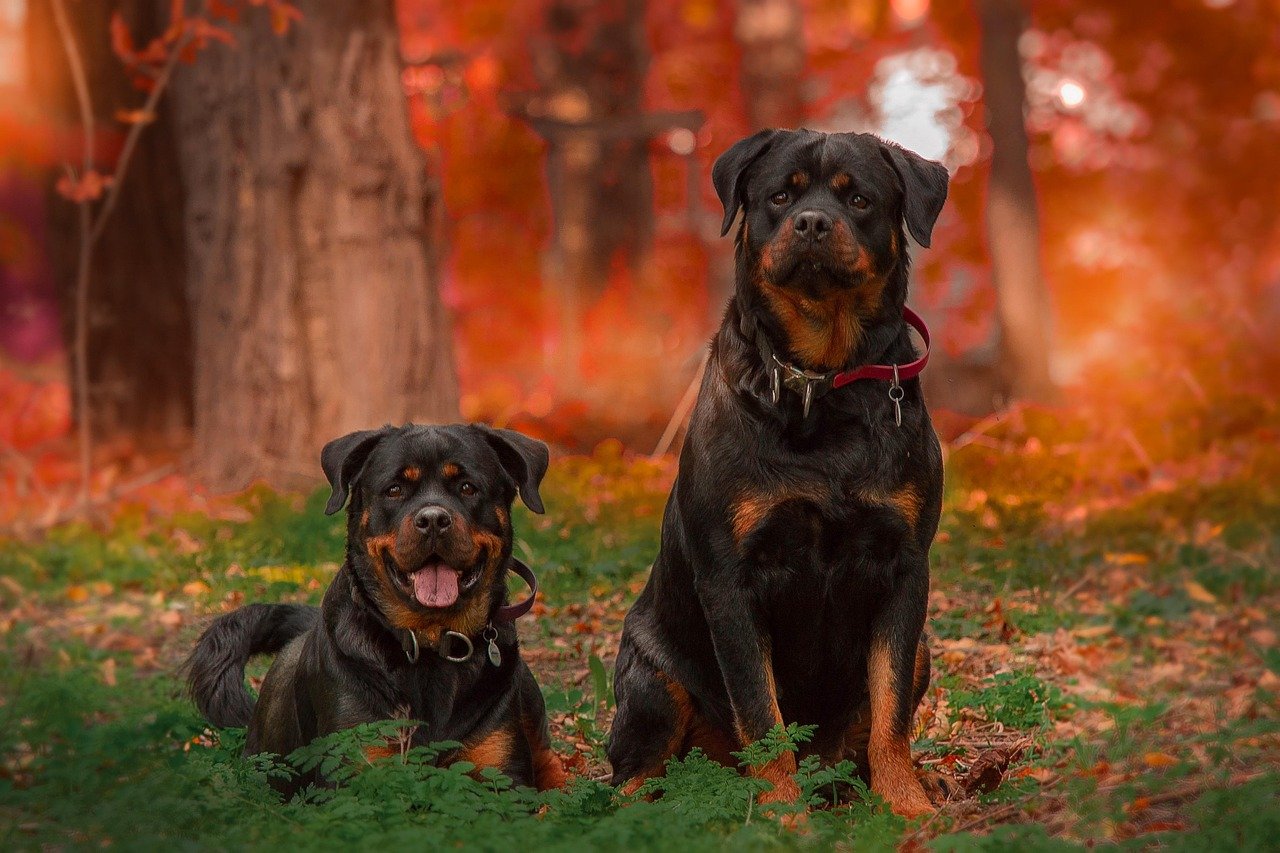
Rottweilers are naturally protective, which makes them fantastic family guardians. But without early exposure to new sights, sounds, and people, that protectiveness can tip into wariness or even fear. Imagine a puppy meeting a mail carrier for the first time—if it goes well, you’ve set the stage for years of calm greetings; if not, every package delivery becomes a stressful event. The golden window is their first few months of life. Take your Rottie to different parks, let them meet friends, and gently introduce them to the world.
Socialization isn’t just a one-and-done deal. Keep inviting new experiences as your Rottweiler grows. Volunteer at dog-friendly events or visit pet stores together. Even casual walks in busy neighborhoods help. If you’re patient and positive, your dog will learn to relax in various situations. In my experience, a well-socialized Rottweiler becomes a confident, easygoing companion who can handle anything life throws at you.
Training Is Non-Negotiable and Ongoing

Rottweilers are brilliant, but they need guidance. Without clear boundaries, their strength and smarts can make them a handful. Think of training as building a shared language. Positive reinforcement—treats, praise, even a favorite toy—works wonders. Start with basics like sit, stay, and come. It sounds simple, but a Rottie who listens is a joy to have around and much safer, too.
Consistency really matters. If you let your Rottweiler jump up on guests one day and scold them the next, they’ll get confused. Everyone in the house should be on the same page. Enroll in obedience classes if you can. I’ve seen even the most stubborn Rottweiler blossom with the right trainer. Training isn’t just for their first year—it’s a lifelong activity that keeps them sharp and content.
They’re Loyal to the Core, but Need Time to Trust

Rottweilers form deep bonds with their families, but they don’t hand out trust like candy. It’s built over time, through everyday moments—quiet evenings, playtime, gentle scratches behind the ears. If you’re patient and present, you’ll have a dog who’d walk through fire for you. But don’t expect instant affection for strangers. Rotties are reserved at first, watching and waiting before they open up.
This loyalty is a double-edged sword. It means your Rottweiler will be your shadow, following you from room to room, always tuned in to your mood. But it also means you need to set clear boundaries so they don’t become overprotective. Invite trusted friends over, reward calm behavior, and let your dog see that new people aren’t a threat. Over time, you’ll have a dog who’s friendly but always has your back.
Exercise Is Not Optional—It’s Essential
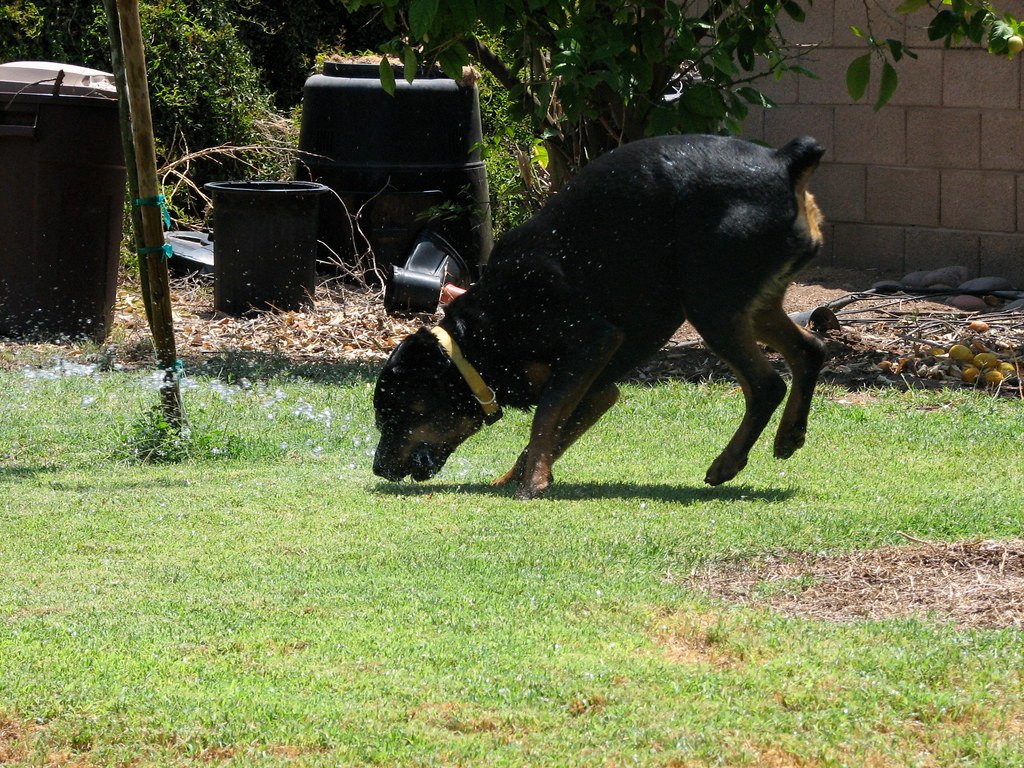
A bored Rottweiler is a mischievous Rottweiler. These dogs are strong and athletic, bred to herd and guard. Without enough physical and mental stimulation, they’ll invent their own “fun”—which often means digging up your garden or redecorating your living room with chewed-up shoes. Daily walks, energetic play, and even canine sports like agility or obedience trials are fantastic outlets.
Don’t forget mental exercise! Puzzle toys, scent games, and training sessions can tire out a Rottie’s mind just as well as a long run. If you’re more of a couch potato, you’ll need to step up your game. The reward? A calm, content dog who’s more than happy to snooze by your side after a day of adventure. My own Rottweiler used to “herd” my kids around the yard—it was hilarious, and a great way to burn off that legendary energy.
Rottweilers Are Natural Family Dogs—With Supervision

Despite their tough reputation, Rottweilers can be absolute softies with the people they love. Many Rotties adore children and become gentle playmates. But their size and strength mean you must always supervise interactions, especially with younger kids. Even a playful nudge can knock a toddler over. Teach your children how to respect the dog’s space and body language.
Set clear rules for everyone—no ear-pulling, no climbing on the dog, and always give your Rottweiler a safe space to retreat. With proper management, you’ll be amazed at the bonds that form. Some of my fondest memories are of my Rottie snuggling with my daughter during thunderstorms. Still, remember that every dog is an individual. Get to know your Rottweiler’s unique personality and go at their pace.
Health Concerns Require Vigilance and Prevention

Rottweilers are generally robust, but they’re prone to certain health issues. Hip and elbow dysplasia, heart conditions, and certain cancers show up more often in this breed. Regular vet check-ups, a balanced diet, and keeping your dog at a healthy weight can make a world of difference. Watch for signs of pain—limping, reluctance to move, or sudden changes in behavior. Early intervention is key.
Don’t neglect dental care and routine grooming. Rottweilers have short coats, but they still shed and need brushing to keep their skin healthy. Clean their ears, trim their nails, and stay up to date on vaccines. I learned the hard way that ignoring a Rottie’s grooming can lead to discomfort and even infections. Prevention is always easier (and less expensive) than treatment.
They Thrive on Human Company, Not Solitude

Rottweilers are not the dog for a lonely backyard life. They crave interaction, affection, and purpose. Leave them alone too long, and you’ll come home to a stressed, unhappy dog—or worse, a yard full of holes. These dogs want to be part of your everyday life, whether it’s watching TV, going for drives, or “helping” with chores around the house.
If you work long hours or travel often, you’ll need to arrange for doggy daycare, a walker, or a trusted friend to keep your Rottie company. Separation anxiety is real and can lead to destructive behaviors. When you make your Rottweiler a true member of the family, you’ll discover just how loving and intuitive they can be. Honestly, my Rottweiler knew when I was sad and would sit quietly beside me, offering silent comfort.
Breed Stereotypes Are Real—Be Ready to Educate Others

Fair or not, Rottweilers often get a bad rap. Some people cross the street when they see one coming, or assume they’re dangerous. As a Rottweiler owner, you become an ambassador for the breed. Take pride in showing off your well-mannered dog. Answer questions patiently, and correct myths when you hear them. “He’s not scary—he’s just serious about his stick collection!” is one of my favorite icebreakers.
Be prepared for extra scrutiny. Some landlords and insurance companies have breed restrictions. Public spaces may require your Rottweiler to wear a muzzle, even if they’re the gentlest soul. It can be frustrating, but with time, you’ll find opportunities to change minds—not with words, but with your dog’s calm, friendly behavior. There’s nothing quite like seeing someone’s fear melt away after meeting a loving Rottie for the first time.


