

Your dog watches you with those soulful eyes, head tilted just so, picking up on every subtle shift in your mood. It’s not your imagination. Dogs recognize human emotions by observing facial expressions, body language, and hearing vocal tones. They are adept at picking up subtle cues that indicate what a person is feeling. For instance, a dog might approach and comfort a person who is crying or anxious, showing empathy through their attentive behavior. What’s truly fascinating is that we can enhance this natural through specific training techniques.
Research has found that dog’s EQ to be equivalent to that of a human toddler of two to three years old. This remarkable emotional capacity means our furry friends can develop their social awareness and empathetic responses far beyond what most people realize. The techniques that follow will transform your dog into an even more emotionally connected companion who truly understands both their own feelings and yours.
Positive Reinforcement Training
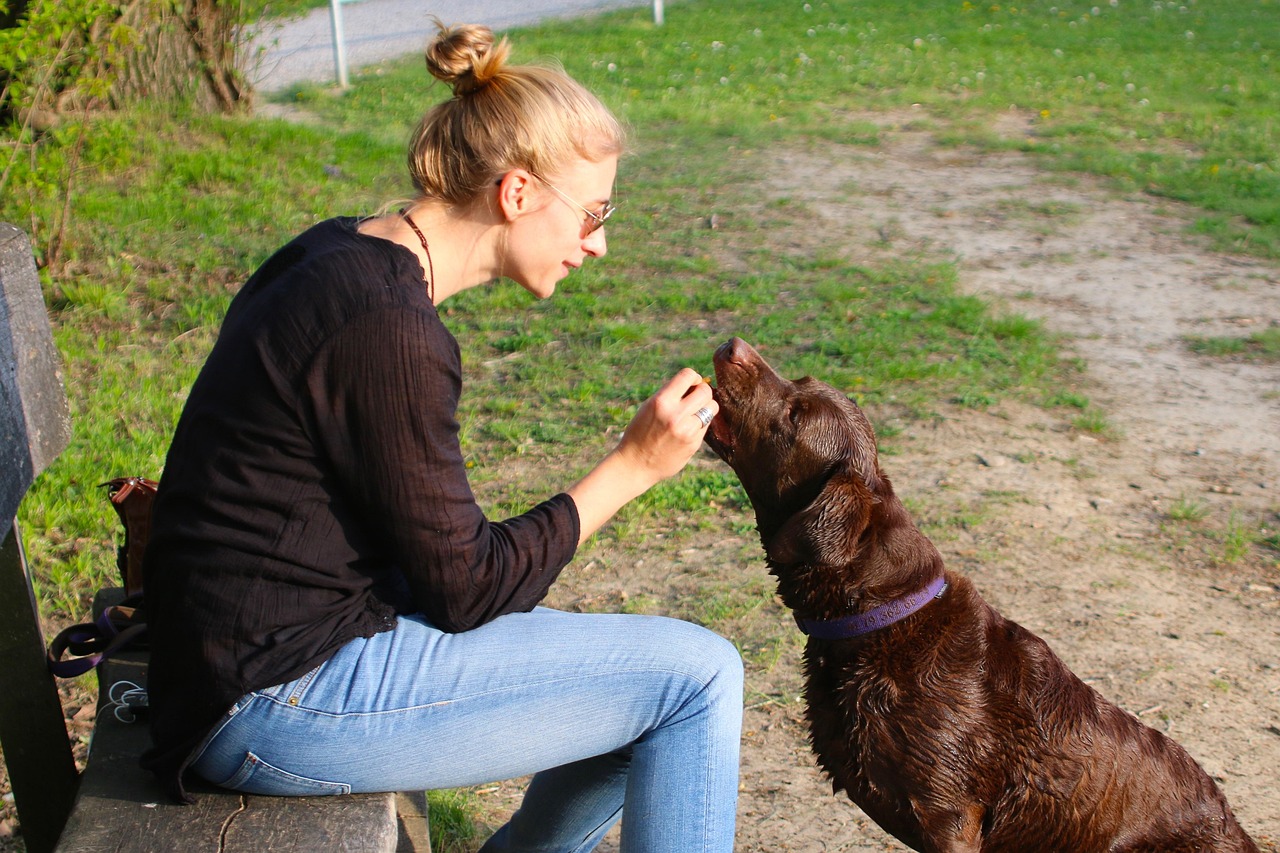
Positive reinforcement is a key technique, which involves rewarding dogs for recognizing and responding to emotional cues. This foundation technique works by rewarding your dog the exact moment they display emotionally intelligent behavior.
When your dog approaches you gently during a stressful phone call or offers comfort without being asked, immediately reward them with treats, praise, or their favorite toy. The reward must occur immediately (within seconds) of the desired behavior, or your pet may not associate it with the proper action. Think of it like catching your dog being emotionally brilliant and celebrating that moment instantly.
This improves training efficacy while also benefiting dogs’ emotional health by fostering trust and a close relationship with their owners. Training sessions that use positive reinforcement strategies help to create a positive relationship between desired behaviors. Your dog learns that tuning into emotions brings wonderful rewards, encouraging them to pay even closer attention to the emotional atmosphere around them.
Body Language Reading Exercises
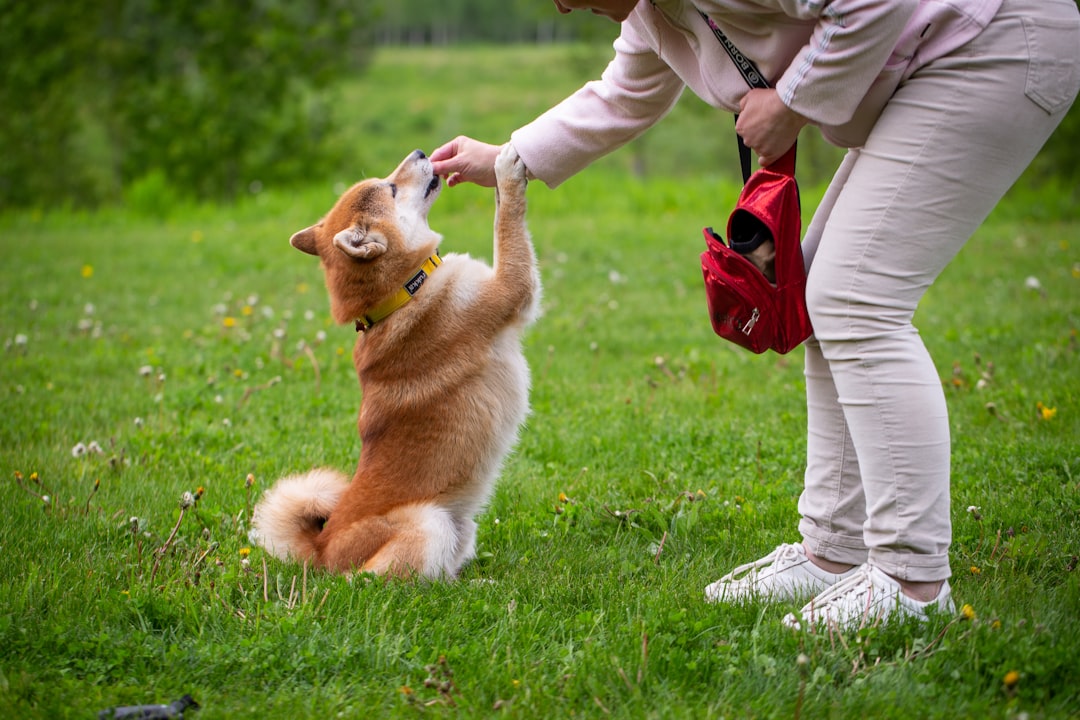
Teaching your dog to recognize and respond to your body language creates a deeper communication bridge. Dogs display various body language signals during training that can indicate their attention and engagement levels.
Start by exaggerating your own emotional expressions during training sessions. Make your happy face extra bright with wide smiles and animated gestures when pleased. Similarly, use calm, slow movements and soft expressions when you want to convey relaxation.
For example, use consistent verbal cues or gestures when displaying happiness, sadness, or excitement. Games like hide-and-seek or puzzle toys stimulate cognitive and emotional learning. Practice having your dog respond to these visual cues before adding verbal commands. Most dogs quickly learn to mirror your energy levels when they understand what your body is telling them.
Empathy-Based Training Approaches
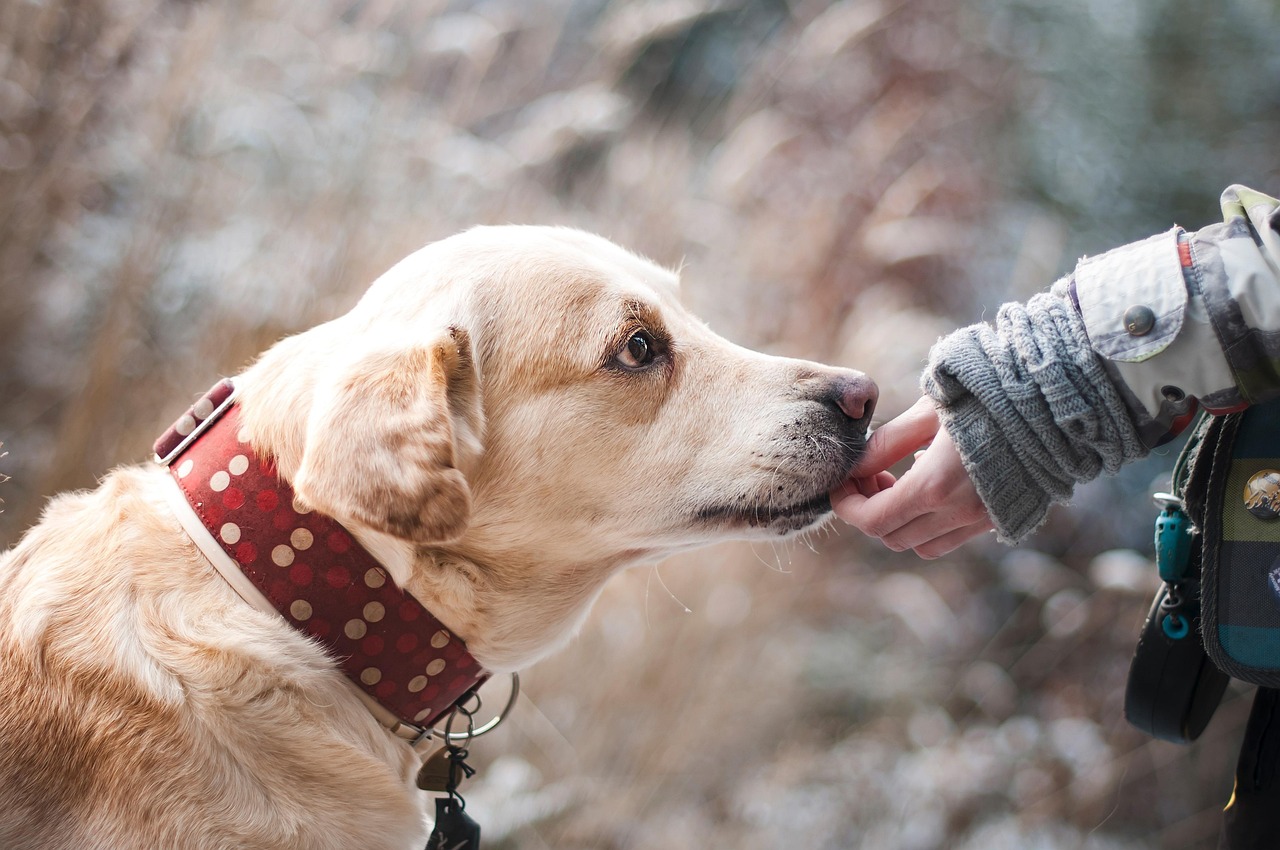
Empathy is the ability to understand and share the feelings of another person or animal. In dog training, this means taking the time to understand the dog’s perspective, emotions and experience, and responding accordingly. This approach goes beyond simple command training to create genuine emotional understanding.
Begin by observing your dog’s emotional patterns throughout the day. Notice when they seem anxious, excited, or content. Once you understand how he sees things and why he reacted the way he did, your empathy will help you to more easily and quickly change the way he’s behaving to a way that you prefer.
When we take the time to understand a dog’s perspective and emotional state, we can create a more positive training experience. Empathy allows us to connect with the dog on a deeper level, building trust and improving communication. Rather than simply correcting unwanted behaviors, ask yourself what emotion might be driving that behavior. A dog jumping on visitors might be expressing excitement rather than dominance, requiring a completely different training approach.
Structured Socialization Programs
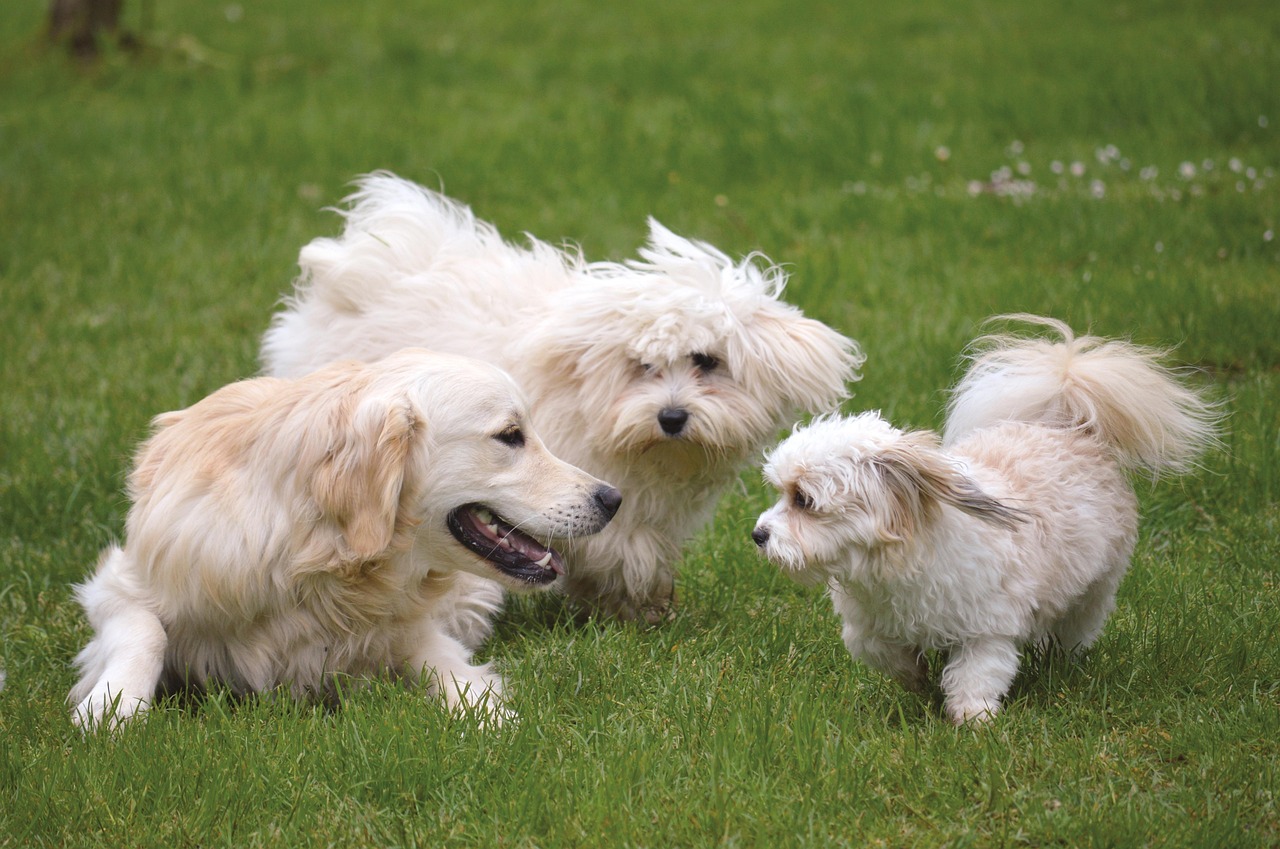
Dogs can develop their emotional skills over time through interaction and socialization. Regular exposure to a variety of experiences helps dogs become more adaptable and better at interpreting emotions. Just like humans, dogs learn from their environments, and continual social engagement enhances their empathetic responses. Smart socialization goes far beyond basic puppy classes.
Create controlled scenarios where your dog can practice reading different emotional states from various people. Invite friends to help by displaying different moods while your dog observes and learns appropriate responses. Give treats to people that want to meet your puppy, and then allow the puppy to approach at his own pace. Ask strangers to roll or toss treats to your puppy, and not to reach toward him to pet him but let him choose to approach when he is comfortable.
Activities like play sessions with other dogs and spending quality time with their owners foster emotional growth. This development is crucial for strengthening the pet-owner relationship and enhancing a dog’s role as a loyal companion. The key is ensuring each social interaction remains positive and builds your dog’s confidence in reading emotional situations.
Calming Signal Recognition Training
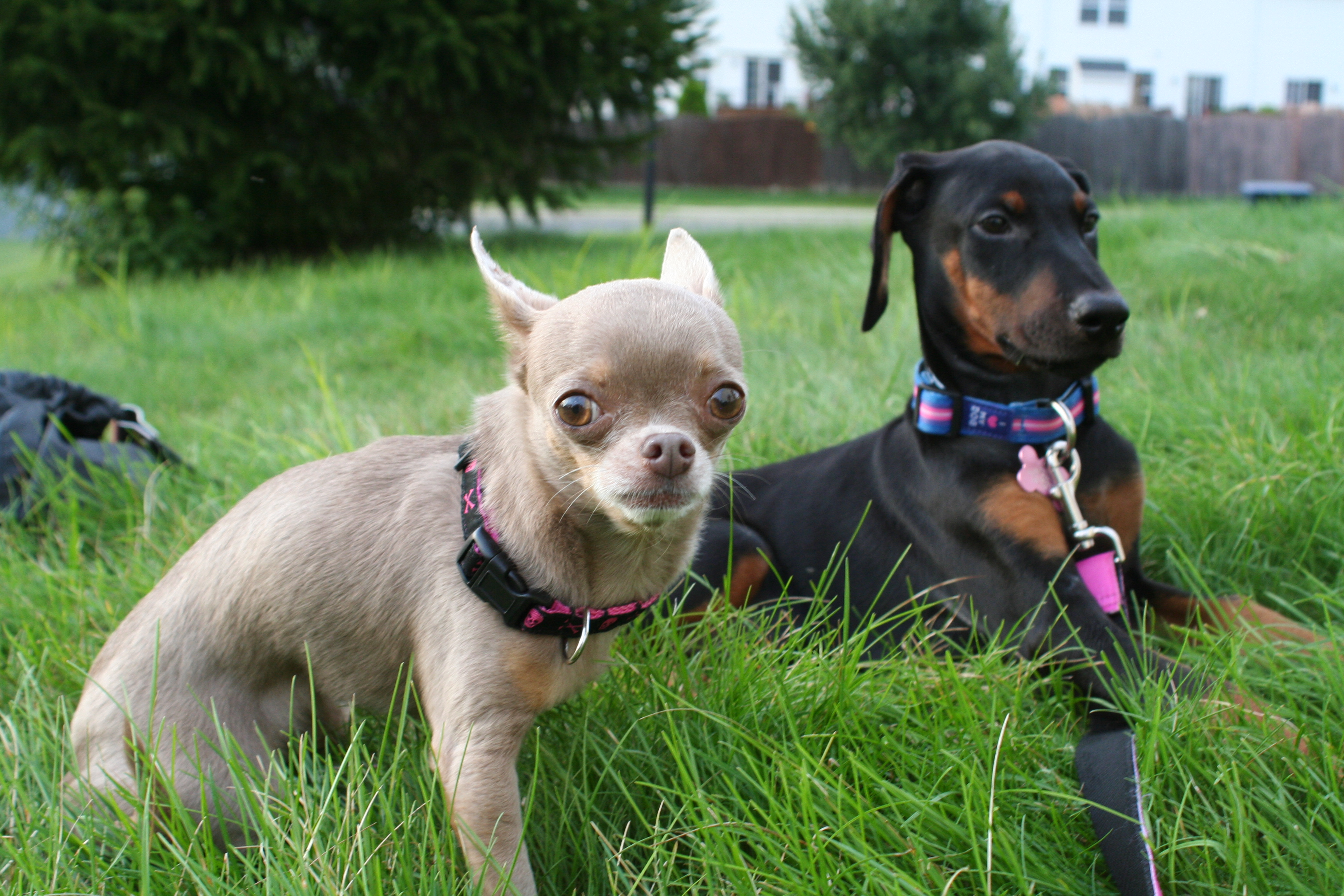
When dogs feel fearful or overwhelmed, they use calming signals to relieve stress and communicate they mean no harm. Being able to recognize these appeasement behaviors allows you to identify anxiety in your dog and respond appropriately. Calming signals are subtle body language dogs use to self-soothe fear or anxiety and de-escalate tense situations.
Train yourself to spot these signals first, then teach your dog that you understand their communication. When you notice lip licking, yawning, or turning away during stressful moments, immediately reduce the pressure and provide comfort. If a dog shows signs of anxiety during training, a skilled trainer might introduce calming techniques, such as offering breaks, using a soothing tone of voice, or incorporating positive reinforcement to reduce stress and build the dog’s confidence.
Provide positive reinforcement for good coping mechanisms like shaking off. Avoid punishment, as this will only increase anxiety. Your dog will learn to trust that you’re truly listening to their emotional needs, which encourages them to communicate more clearly in the future.
Interactive Problem-Solving Games
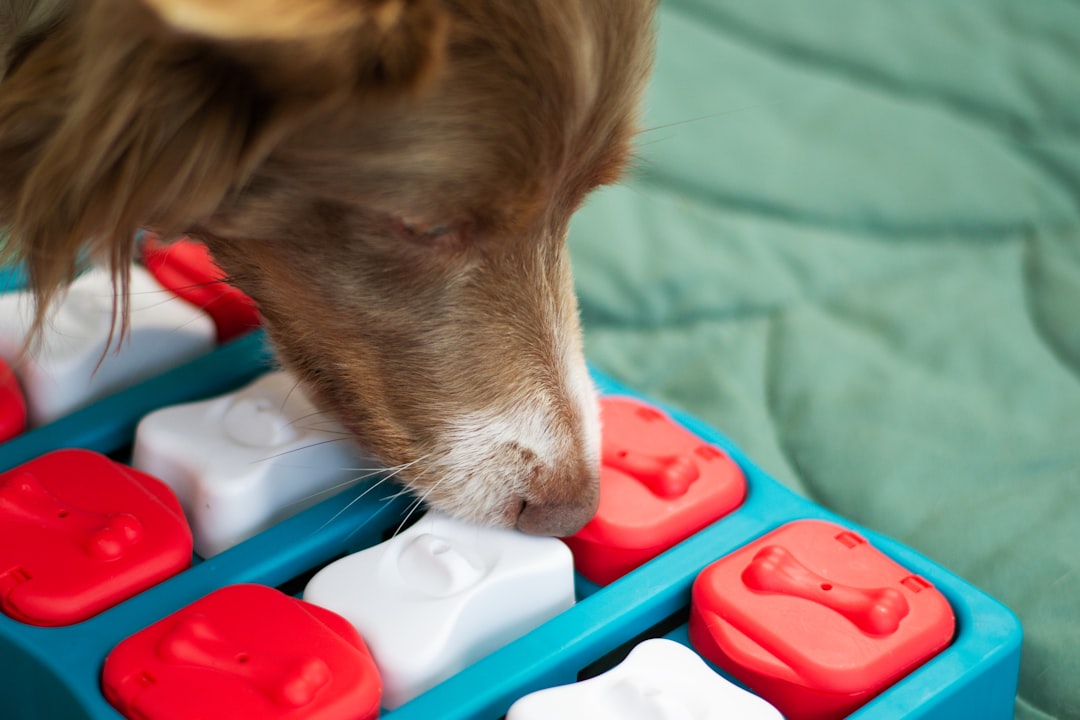
Puzzle toys and brain games do more than tire out your dog mentally. They build emotional resilience and confidence while strengthening your partnership. Give your dog opportunities to solve simple challenges like figuring out how to retrieve a treat. This builds confidence and responsiveness.
Start with simple food-dispensing toys and gradually increase the difficulty as your dog’s problem-solving skills improve. Stay present during these activities, offering gentle encouragement when they struggle and celebrating their successes enthusiastically.
-focused training includes exercises to help dogs cope with various stressors and build emotional resilience. For instance, gradually exposing dogs to new environments in a controlled and supportive way can help them become more adaptable and less anxious in the future. These games teach your dog that challenges can be fun rather than stressful, building the confidence they need to handle emotional situations more effectively.
Consistent Routine Development
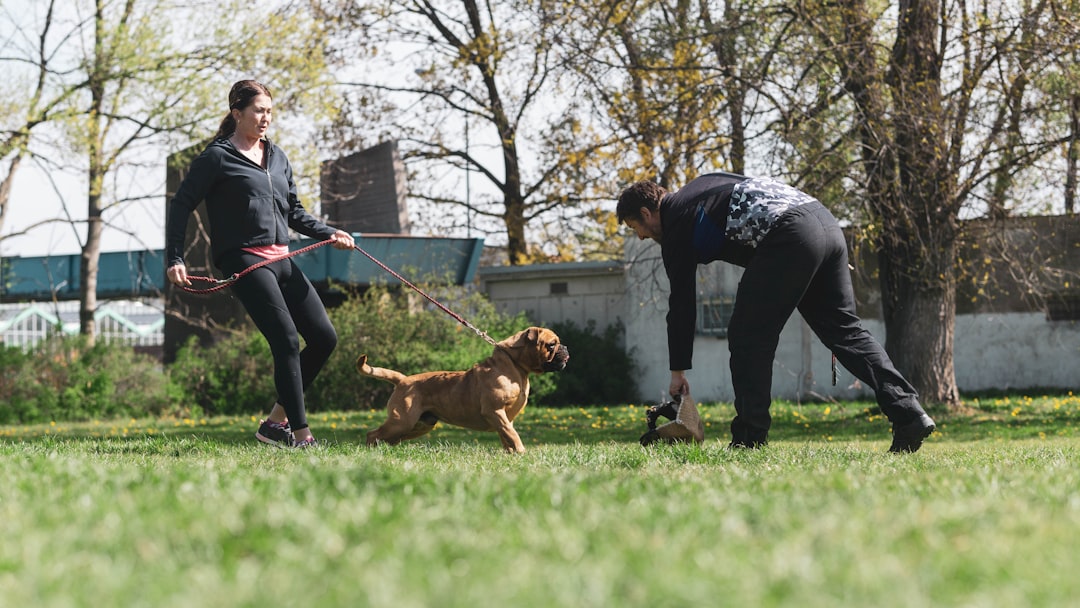
Training techniques that involve positive reward, routine, predictability, and consistent physical activity form the backbone of emotional stability. Dogs thrive on predictability, but training requires structured flexibility within that routine.
Establish regular training times dedicated specifically to emotional awareness exercises. Your dog should come to expect these sessions and look forward to the mental engagement they provide. However, vary the specific activities within these sessions to keep your dog mentally agile.
Keep training sessions short: Dog training sessions should be kept short and positive so that your dog doesn’t become overwhelmed. If your dog struggles to understand a new cue, it’s okay to take a break and try again later. With a little patience and positive reinforcement, you can help your dog feel happy and secure in no time! The routine provides security while the variety within it encourages emotional growth and adaptability.
Emotional State Matching Exercises
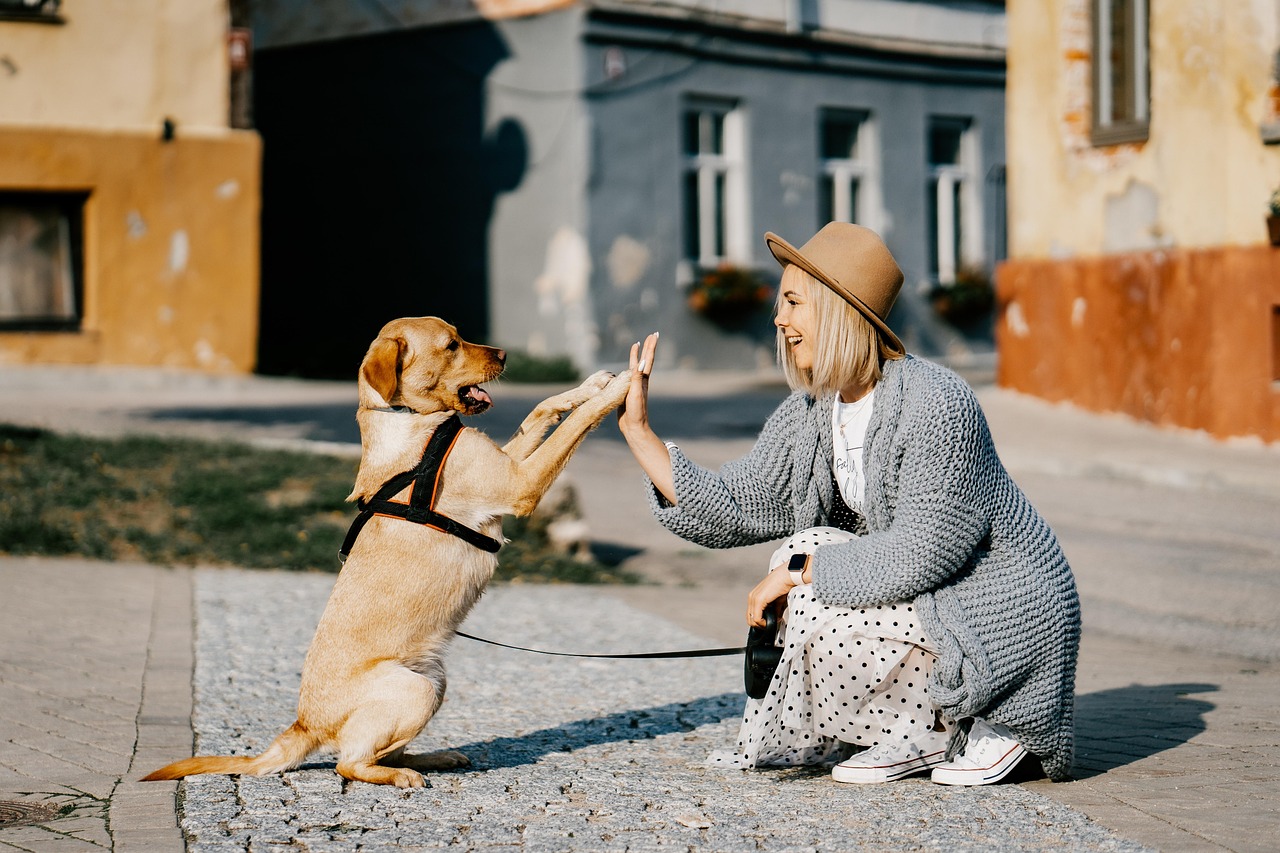
Dogs pick up on energetic states and respond accordingly. For instance, they may become excited when their owners are happy. If they sense sadness, they often become calmer and more attentive. You can enhance this natural tendency through deliberate practice.
Practice deliberately changing your emotional energy and rewarding your dog when they match your state appropriately. If you’re feeling calm and meditative, reward your dog for settling beside you quietly. When you’re energetic and playful, celebrate their enthusiastic responses.
Pay close attention to your dog’s behavior. Learning their emotional triggers can help you create a calmer, more supportive environment. This exercise teaches your dog that emotional awareness is a two-way conversation. You’re both learning to read each other more accurately, creating a partnership where emotions are shared and understood rather than simply reacted to.
These eight techniques work together to create a more emotionally intelligent dog who not only responds to your feelings but also develops better self-awareness and emotional regulation. The journey of developing is ongoing for both you and your dog, deepening your bond in ways that go far beyond basic obedience training.
What do you think about these techniques? Have you noticed your dog picking up on your emotions in unexpected ways? Tell us in the comments.


