
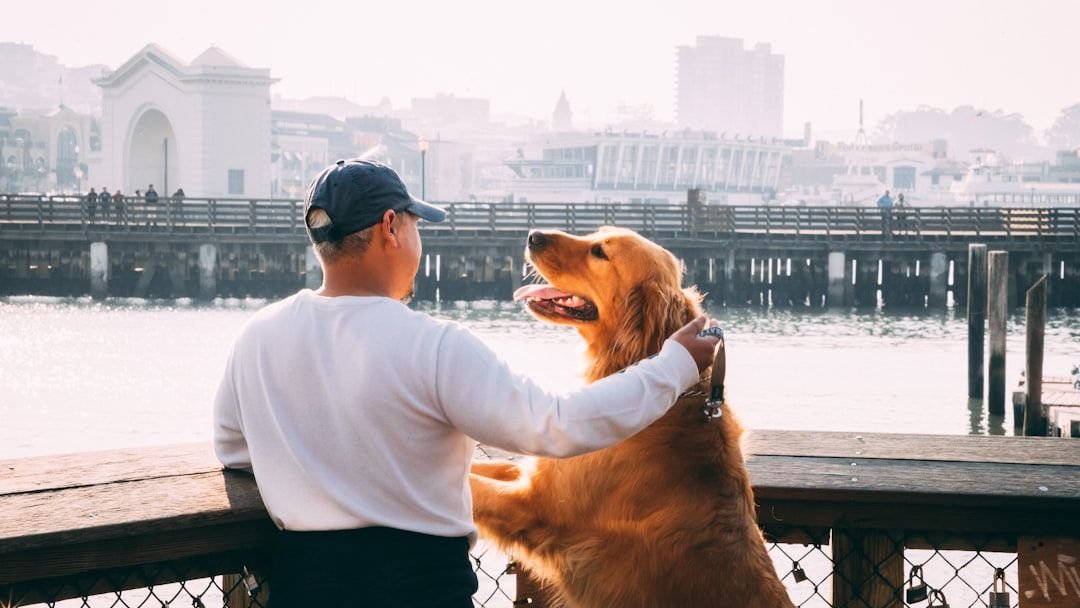
You live with them, feed them, love them with your whole heart. Yet there’s a very real chance your dog is quietly sending you messages every single day that you’re completely missing. Not because you don’t care – but because nobody ever handed you the rulebook written from their perspective.
Dogs are extraordinary communicators. The problem is, they speak a language built on posture, scent, silence, and subtlety. Without the gift of gab, dogs rely on a bark, a tail wag, or even a snarl to communicate with their two-legged companions. Understanding the unspoken becomes immensely important in recognizing their wants and needs. And honestly, the more you learn, the more you realize just how much your pup has been trying to say. Let’s dive in.
1. A Wagging Tail Does Not Always Mean a Happy Dog
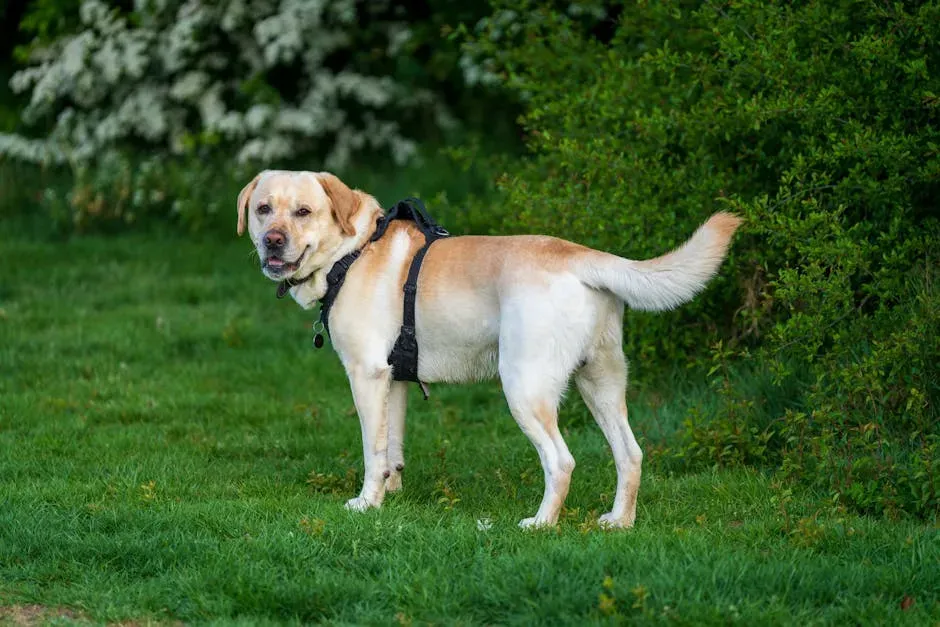
This is probably the most common misconception in the dog world, and it leads to countless awkward – sometimes dangerous – situations every year. We see a wag and immediately assume invitation. Friendliness. Joy. But that is simply not the whole picture.
A wagging tail is more ambiguous than people think. At its most basic, a wagging tail signals an intent to interact. This could mean the dog is ready for a happy, fun interaction – or could be preparing for a stressful encounter. Think of it like a human raising their eyebrows. It can mean surprise, delight, or genuine alarm. Context matters enormously.
The direction of the wag may hold important clues. A study on tail-wagging showed that dogs tend to wag their tails more to the right when they’re feeling positive about something, such as interacting with their owner. Tails wagged more to the left when dogs faced something negative. And when the tail goes high and stiff? A high stiff tail, even if it is wagging, can indicate that the dog feels angry. So the next time a dog approaches you with a wagging tail, look at the whole body before you reach out to pet them.
2. Your Dog Yawns to Tell You They’re Stressed, Not Tired
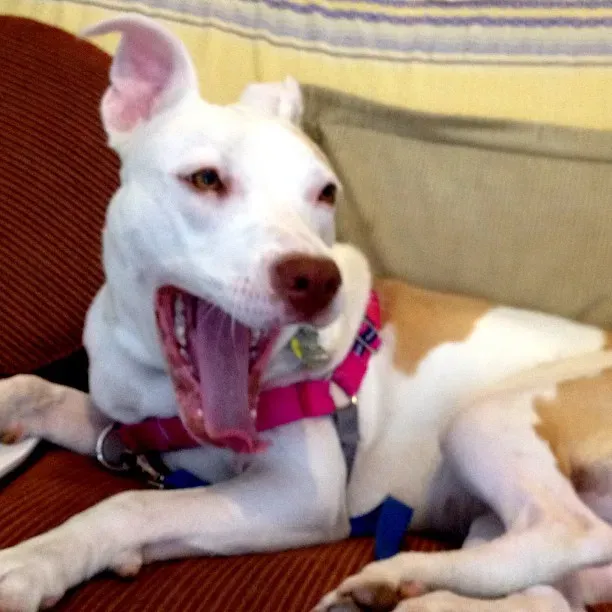
Here is one that trips up even seasoned dog owners. You are at the vet’s office. Your dog yawns. You think, “Oh, she’s just sleepy.” Actually, she is quietly communicating something much more important. People yawn when they’re tired or bored, but dogs yawn when they’re stressed. Dogs use yawning to calm themselves in tense situations and to calm others, including their owners.
It does not stop there either. A wide-awake dog who yawns may be experiencing stress. This is a common signal that they’re feeling nervous or worried. Other quiet stress signals that owners routinely overlook include lip licking when there are no food or treats present and shaking off when the dog is not wet or has not just rolled in grass. Dogs use these signals to tell us that they are uncomfortable, nervous, or afraid. Learning to read these soft signals early can prevent situations from escalating into something far harder to manage.
3. Sniffing on Walks Is Not a Bad Habit – It Is a Biological Need
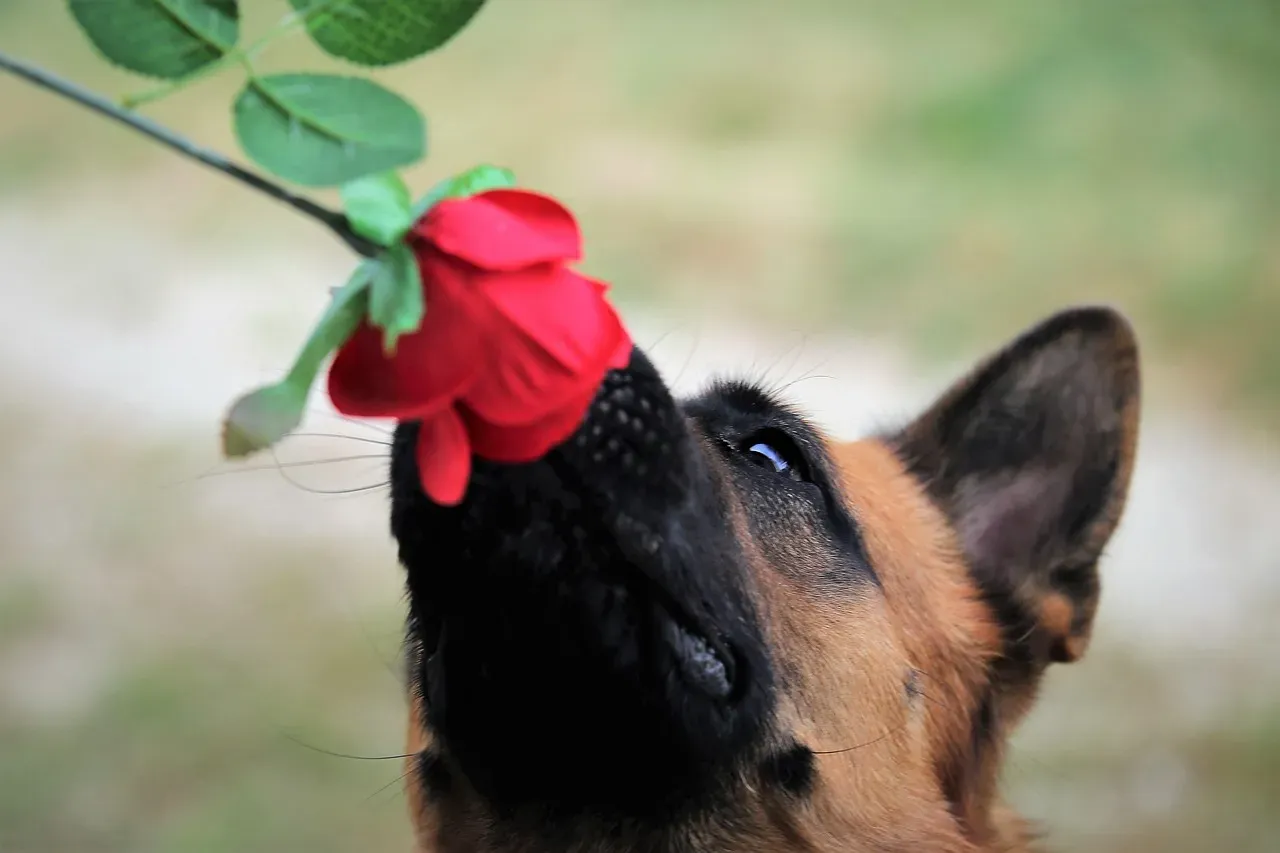
I know it sounds frustrating when your twenty-minute walk turns into a forty-five-minute nose investigation of the same lamp post. You tug the leash, say “come on,” and wonder why your dog is so easily distracted. But here is the thing – you might actually be interrupting something vital. Limiting your pup to just elimination and exercise skips an important part of the canine experience: engaging your dog’s sense of smell. In large part, our dogs “see” the world through scent, and allowing them to interact with their environment through their noses taps into an often-overlooked processing tool.
Sniffing has a calming effect on dogs. When they engage in scent work, their brain releases dopamine, a feel-good chemical that helps lower stress. Even a short session makes a measurable difference. Even five to ten minutes of uninterrupted sniffing can provide meaningful mental enrichment. Think of it this way: denying your dog the chance to sniff on a walk is a bit like handing someone a book and then making them read it with their eyes closed. Give them the time. Their mental health genuinely depends on it.
4. That “Guilty Look” Is Not Actually Guilt

Roughly three quarters of dog owners believe their dog feels guilty when they misbehave. You come home, spot the chewed shoe, and there’s your pup: ears flattened, tail tucked, eyes wide and sorrowful. You feel a surge of emotion – maybe frustration, maybe a little amusement. It looks like guilt. It feels like guilt. Except it almost certainly isn’t.
Research suggests that the “guilty look” in dogs is more likely a response to their owners’ cues rather than an indication of true remorse. A study by cognitive biologist Alexandra Horowitz found that dogs showed more “guilty” behaviors when they were scolded, regardless of whether they had actually misbehaved. This points to an intricate interplay between human and canine communication that often gets mistaken for guilt. What you’re really seeing is appeasement behavior – your dog reading your angry posture and trying to make the threat stop. Dogs associate punishment with what they are doing at that moment in time, and so a dog will not link the telling off with their actions before their owner came home. It is not that they cannot remember what happened; they just won’t be able to make a connection between the punishment and something they did hours ago.
5. Routine Is Not Just Convenient for You – It’s Emotional Safety for Them
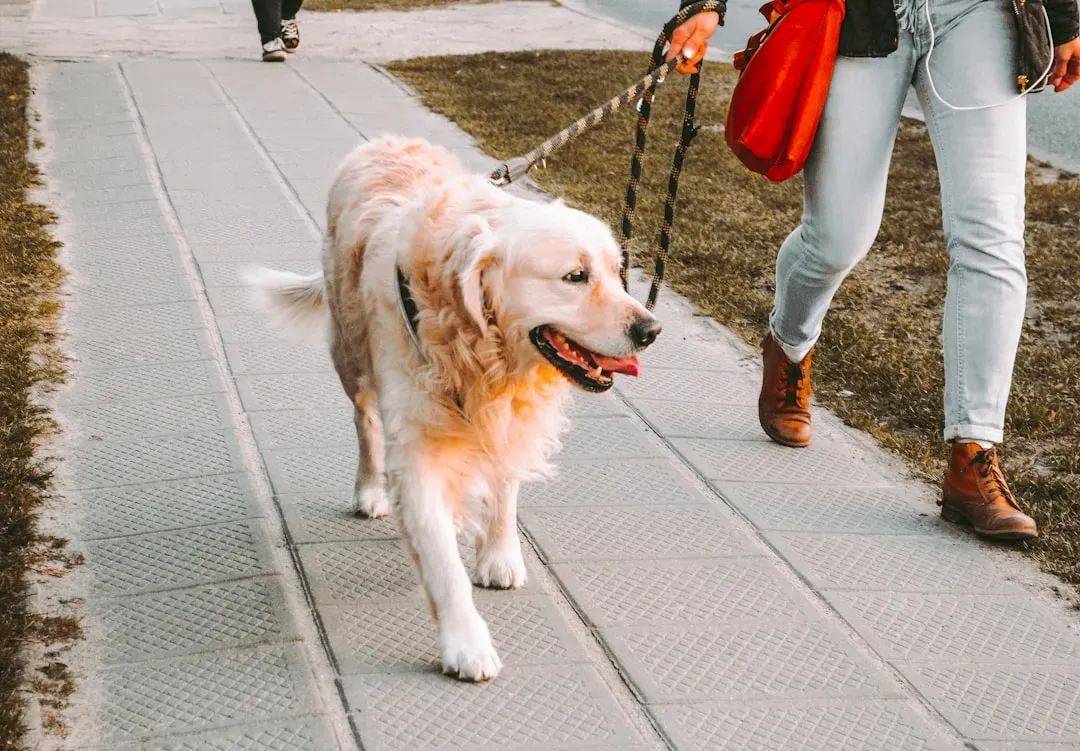
Dogs are creatures of deep habit. The morning walk, the afternoon nap, the dinner time bowl clatter – these are not just parts of your day. For your dog, they are the architecture of safety itself. Dogs thrive on routine. They’re creatures of habit, and they build predictable patterns into their lives. Because they’re so consistent, changes in behavior – large or small – become powerful signals that something’s going on beneath the surface.
Dogs thrive on routine, and regular walks provide much-needed structure and predictability in their lives. Knowing that they’ll have the opportunity to go for a walk at the same time each day gives dogs a sense of security and stability, reducing anxiety. When life gets chaotic – a new house, a new baby, a change in your schedule – your dog feels that disruption in their bones. They may become clingy, withdrawn, or restless in ways that seem unexplained. Restoring predictability is often the single most powerful thing you can do to help a stressed dog feel safe again.
6. Your Body Language Speaks Louder Than Your Words
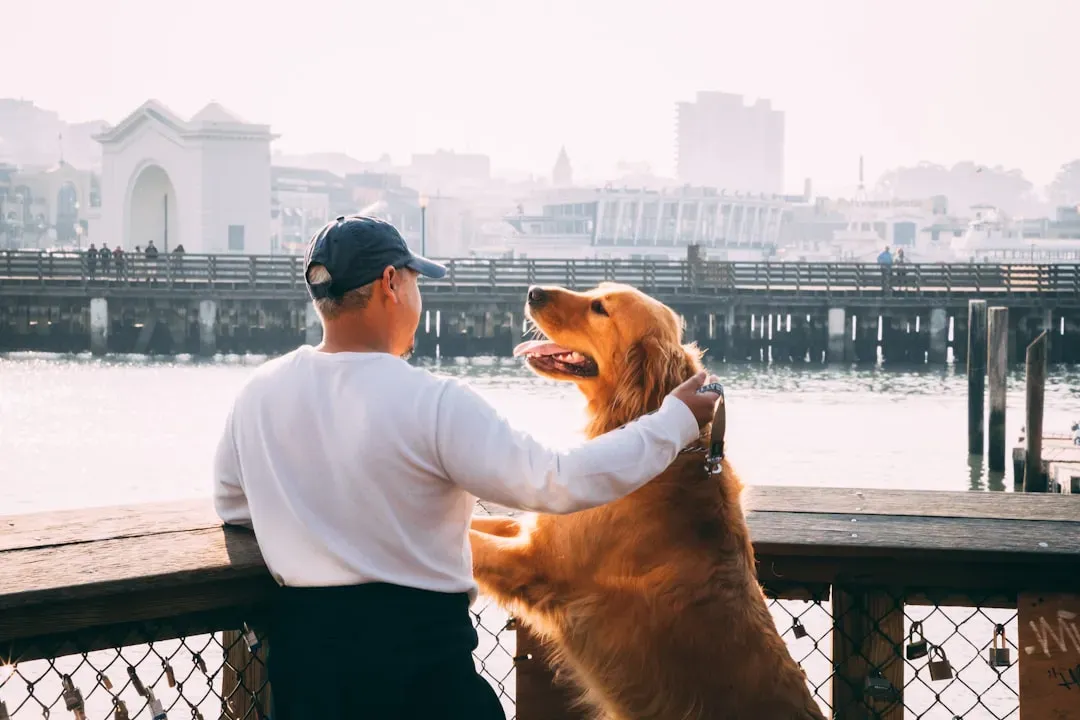
Here is something wild to sit with: your dog understands your body language better than you understand theirs. Dogs may be quite effective communicators but they still only know how to express themselves with their own canine communication. New insights and research is revealing how dogs read our subtle cues, emotions and intentions, suggesting that our canine best friends really understand us far better than we understand them. That is humbling, isn’t it?
Something as simple as leaning over a dog, making direct eye contact, and patting them on the head – which humans do constantly as a greeting – is actually deeply uncomfortable for most dogs. Perhaps the most common mistake that humans make when they want to make friends with a dog they don’t know is to bend over him, looking him in the eyes and patting him on the head. What they don’t realize is that everything about that interaction is – from the average dog’s perspective – rude, rude, rude. Instead, crouch sideways, let the dog come to you, and offer your hand low. That one shift in body language can transform a nervous dog into a trusting one almost instantly.
7. Growling Is Communication, Not Disobedience
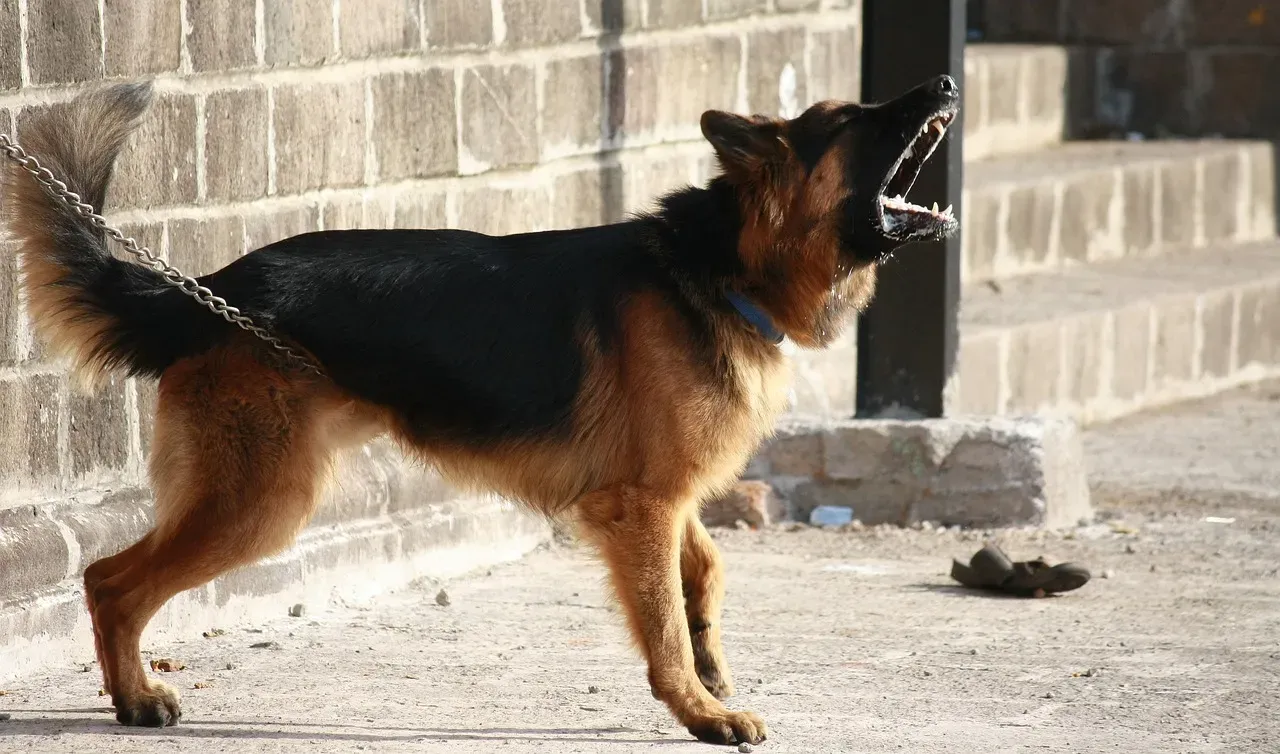
This one makes a lot of people uncomfortable – and I completely understand why. A growl sounds scary. It feels like a warning shot, a challenge. Many owners instinctively scold or correct a growling dog, which seems logical. Stop the growl, stop the problem. Except this logic can backfire in a very serious way.
Growling or snarling often signals that a dog feels threatened or uncomfortable. The cause should be addressed to avoid future problems. But be aware that if you punish your dog for growling or snarling, then in order to communicate, they may resort to snapping or biting to “escape” from the unpleasant situation. In other words, the growl is your dog’s polite warning. Punishing it does not remove the discomfort – it simply removes the warning, which leaves biting as the next available option. Dog body language is communicated on a graduated scale. Benign, subtle postures usually come before more aggressive, bold communications, but an individual dog may skip subtle signals or progress through graduated signals extremely rapidly depending on his perception of the situation and past experiences. Always thank the growl. Then figure out what is causing it.
8. Behavioral Changes Are Your Dog’s Version of a Doctor’s Visit Request
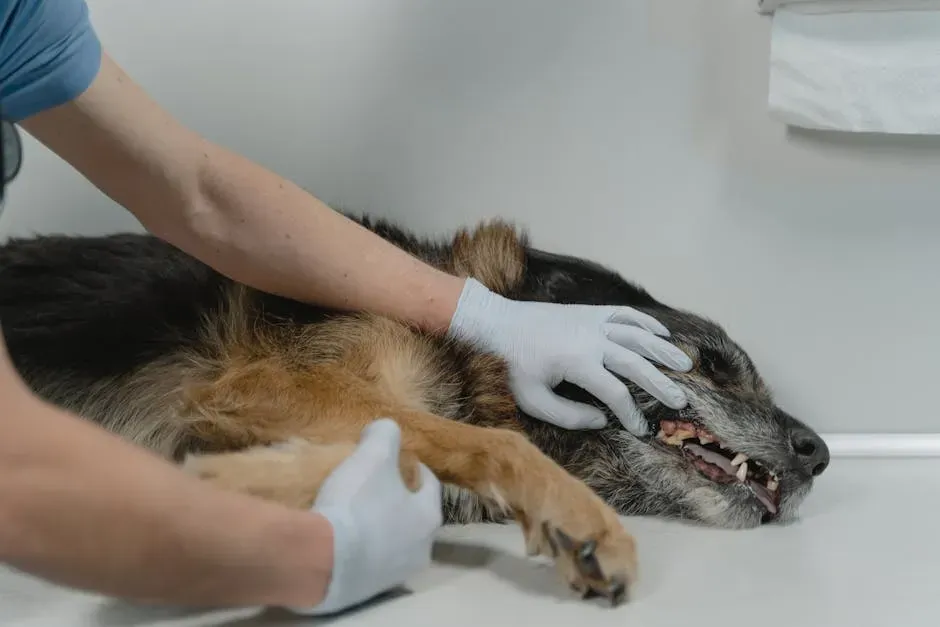
Your dog cannot walk into a clinic and say “my stomach hurts.” They cannot text you to say they feel off today. What they can do – and do constantly – is change the way they behave. And this is where so many owners miss the signal entirely, dismissing it as a mood, a phase, or just something the dog will “get over.” If your playful pup suddenly leaves toys untouched, or your normally social dog avoids eye contact and retreats to a quiet space, that’s not “just a mood.” That’s communication. Dogs can’t sit us down and say “my back hurts” or “that noise scared me.” Instead, they show us through behavior.
The key to spotting change is knowing what “normal” looks like for your dog. That means paying attention during the ordinary, boring moments. Know how your dog usually gets up from sleep. Know how they greet you at the door. Know what their appetite looks like on a typical Tuesday. Because when something shifts, you will feel it. Ultimately, if your normally active and happy dog starts to isolate and show lethargy and/or decreased appetite, this is a sign that something has changed with their overall health, and seeking the care of a veterinarian is a suggested course to take. You are your dog’s first and most important advocate. Never underestimate the power of simply paying attention.
A Final Thought Worth Carrying With You
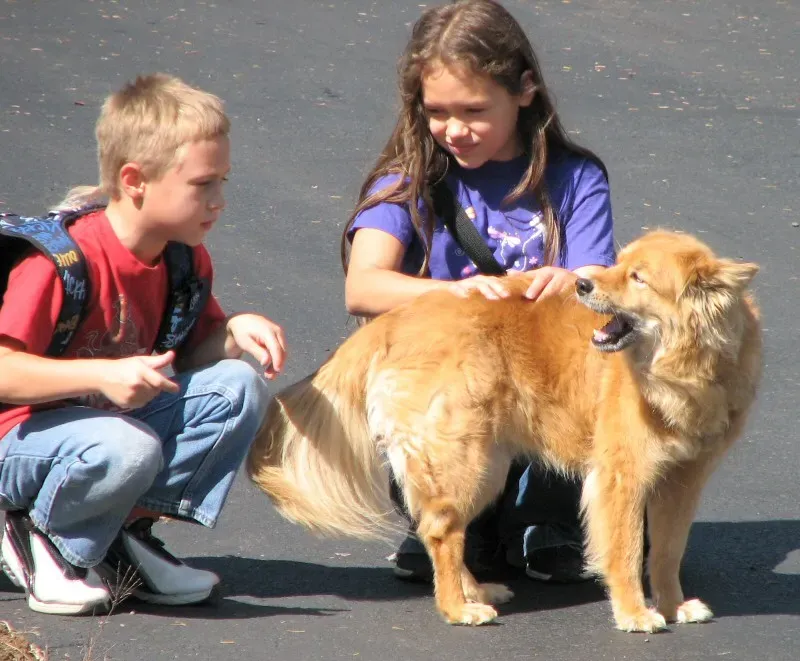
Dogs are not puzzles to be solved. They are living, feeling creatures with an entire emotional language that runs parallel to our own – and it rewards the people who take the time to learn it. Reading, understanding, and responding to your dog’s body language is a key part of the companion-to-owner relationship. By understanding their cues and appropriately advocating for your dog, owners can ensure their dogs remain happy, comfortable, and safe.
Every yawn, every belly close to the ground, every sudden stillness is a sentence in a language your dog has been speaking to you since the day they arrived. The more fluent you become, the deeper your bond grows – and honestly, the safer and happier your life together becomes.
Now that you know these eight unspoken rules, which one surprised you the most? Drop your thoughts in the comments – we would love to hear your story.


