
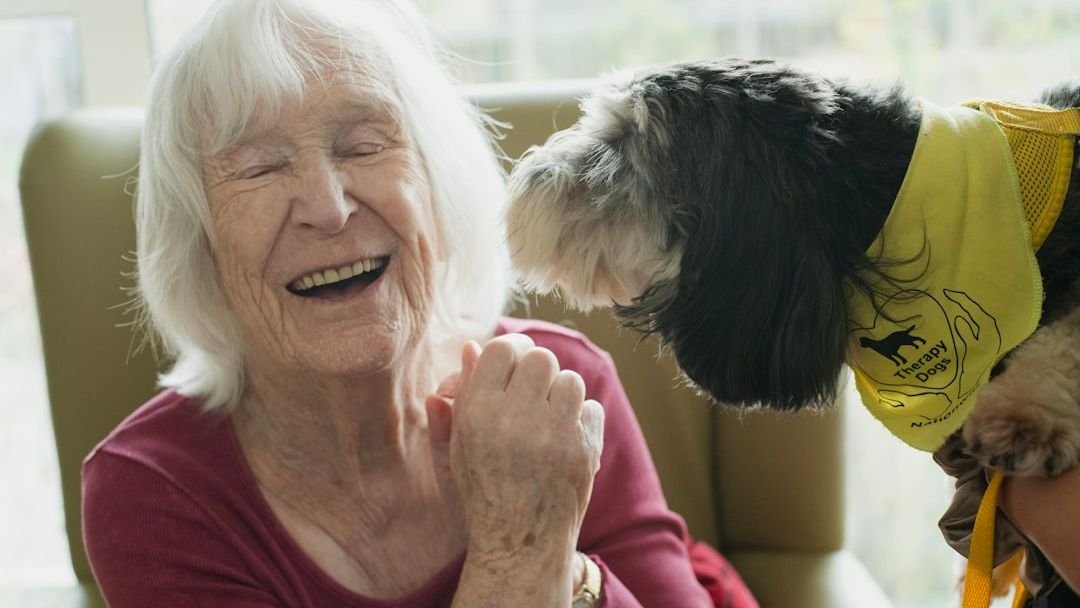
Have you ever noticed your dog acting differently as the years go by? Maybe they seem more attentive, more protective, or even more patient than they used to be. It’s not your imagination. Dogs have an uncanny ability to sense changes in their owners, and one of the most fascinating aspects of the human canine bond is how our four legged companions adjust their behavior as we age. They pick up on subtle cues we might not even realize we’re giving off, from slower movements to shifts in our daily routines.
This isn’t just about a dog getting older alongside us. Dogs are remarkably intuitive creatures, capable of reading our emotions, physical states, and energy levels with astonishing accuracy. As their owners enter different life stages, particularly the senior years, dogs often respond by becoming more attuned caregivers themselves. Let’s dive into the surprising ways your faithful friend adapts to support you through the golden years.
They Slow Down Their Pace to Match Yours
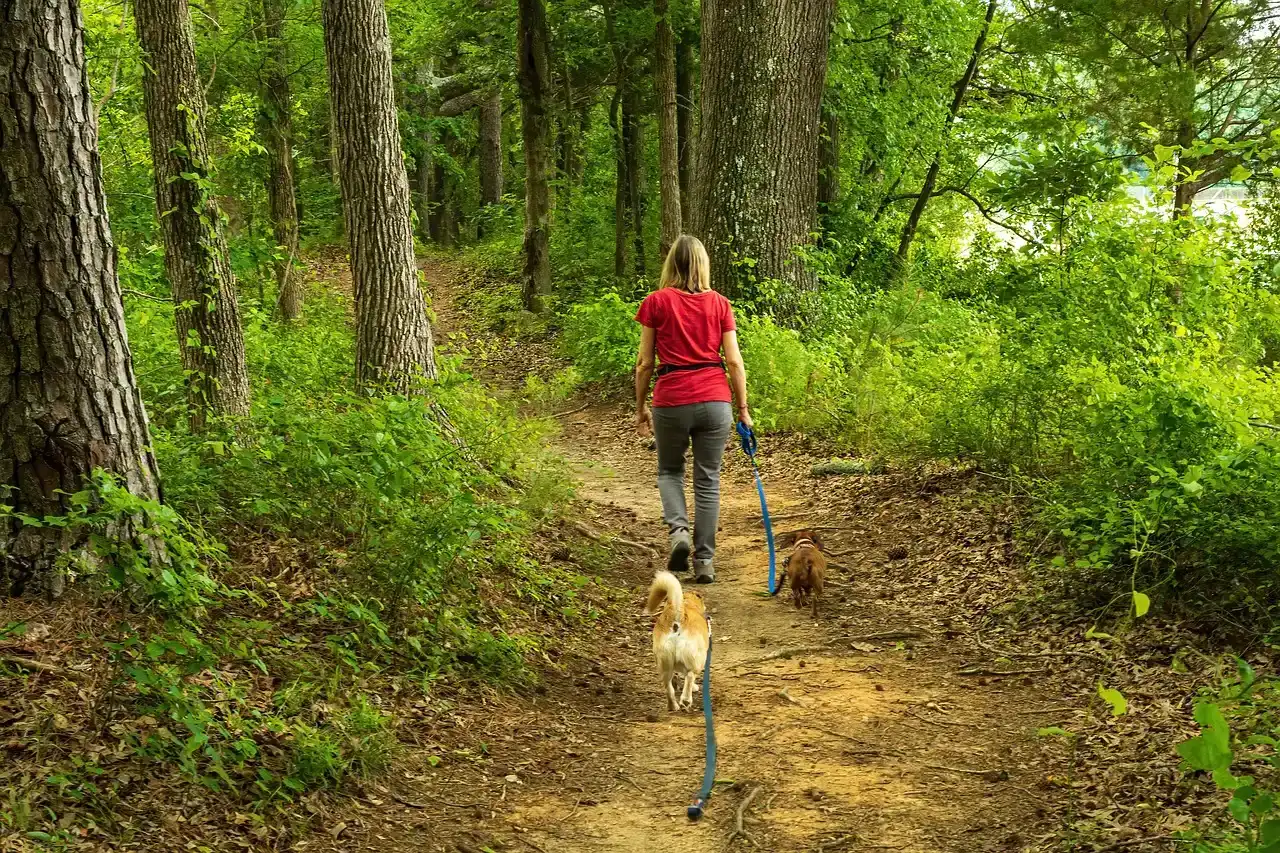
Dogs naturally adapt their play and exercise to slower movements and reduced energy levels as their owners age. It’s almost like they have an internal radar for how fast you can comfortably move. When you were younger, your dog might have pulled on the leash during walks, eager to race ahead. These days, though, they’re content to amble alongside you at whatever speed feels right.
This adjustment isn’t coincidental. Dogs can sense their owners’ emotions and respond with affection and comfort, and this sensitivity extends to physical capabilities too. They seem to understand when you need more time to navigate stairs or when a shorter walk is all you can manage. Some dogs will even pause during walks, looking back to check on their owner before continuing, as if they’re saying “I’m here, take your time.”
They Become More Protective and Alert
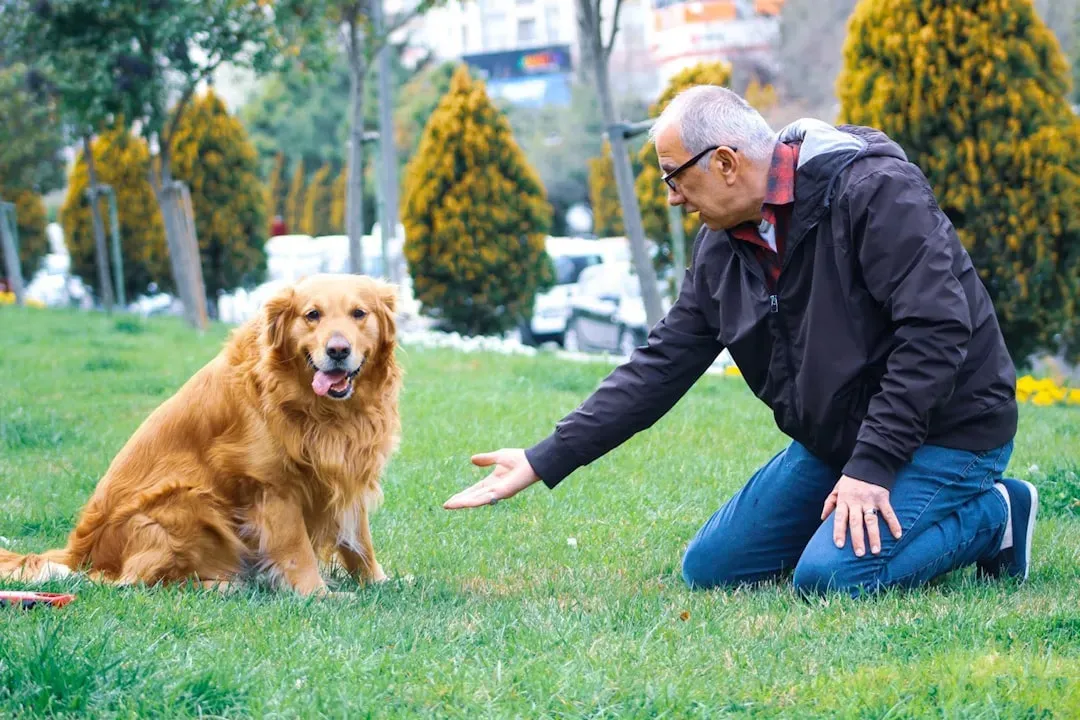
Many older adults find their dogs become noticeably more watchful as they age. This protective behavior manifests in various ways, from positioning themselves between you and strangers to barking more readily at unusual sounds. A decrease in tolerance and an increase in vulnerability are significant reasons behind many senior dog aggression cases, but when it’s directed toward protecting their aging owner, this vigilance can actually be beneficial.
Dogs seem to recognize when their humans are more vulnerable. They’ll stay closer during walks, particularly in unfamiliar environments, and many will refuse to leave their owner’s side when they sense instability or weakness. This isn’t just loyalty, it’s an active behavioral shift where the dog takes on more of a guardian role in the relationship.
They Show Increased Patience and Gentleness
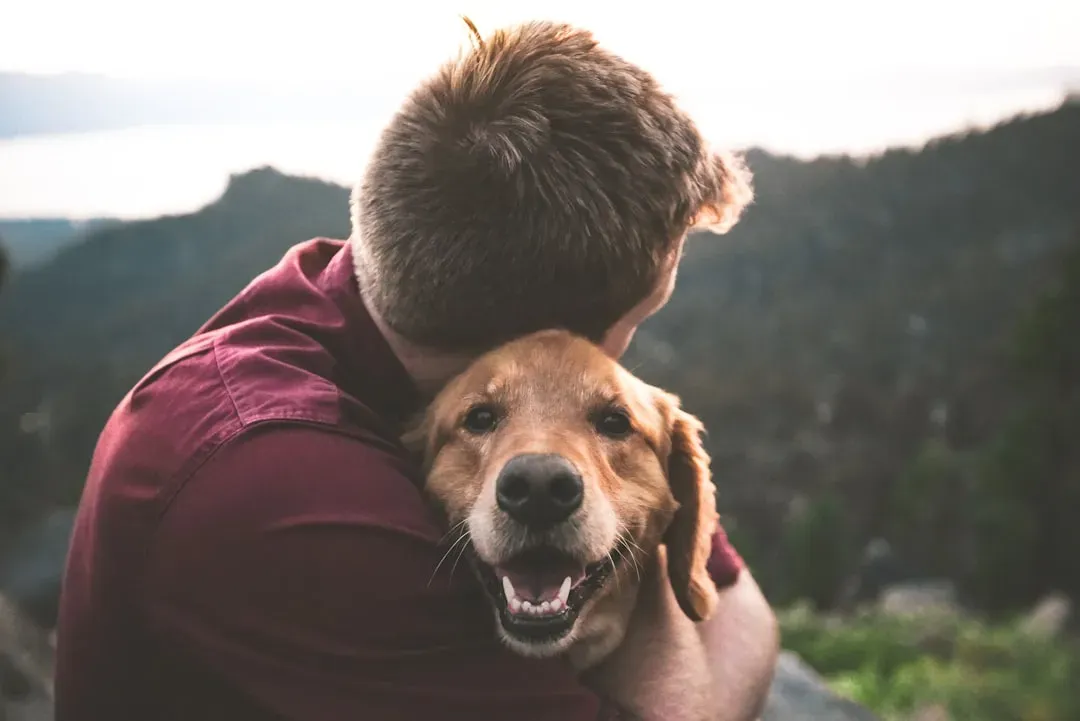
Here’s something really touching. Dogs often become remarkably gentler in their interactions with aging owners. They stop jumping up as enthusiastically, they’re more careful about where they step, and they seem to understand that their human companion is more fragile than before. This shift happens gradually, almost imperceptibly, until you realize your once boisterous pup now approaches you with the delicacy of a therapy dog.
Dogs are known for their ability to provide unconditional love and emotional support, and this emotional intelligence shines through in how they moderate their physical behavior. A dog that once pawed at you for attention might now simply rest their head on your lap instead. They’ve learned to communicate their affection in ways that won’t accidentally hurt or unbalance you.
They Provide More Consistent Companionship
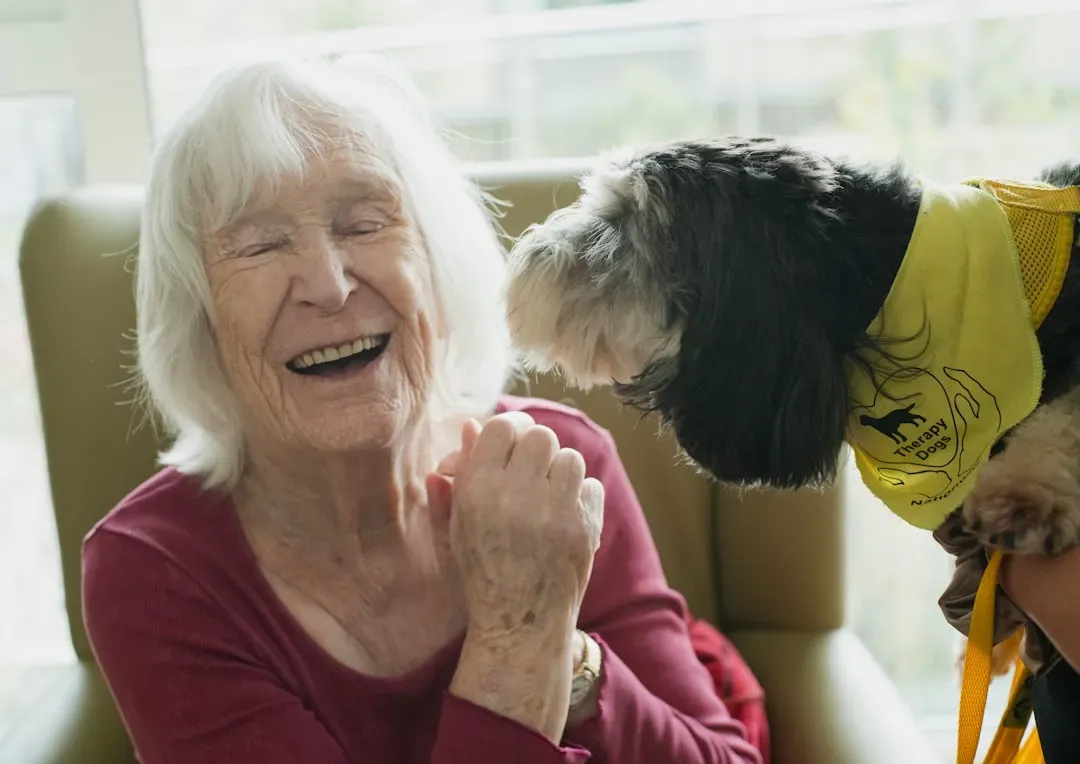
Pets are often intimate companions for many elderly people, helping them fight off loneliness and solitude. Dogs seem to instinctively understand when their owners spend more time at home and adjust accordingly. They become more present, more available, as if they know their companionship is needed now more than ever.
This isn’t just about being in the same room. Dogs will actively seek out their aging owners, following them from room to room, settling nearby wherever the person sits. They become living, breathing reminders that someone cares, someone is there. The bond deepens in these quiet moments, when a simple presence becomes profoundly comforting.
They Develop Heightened Sensitivity to Health Changes
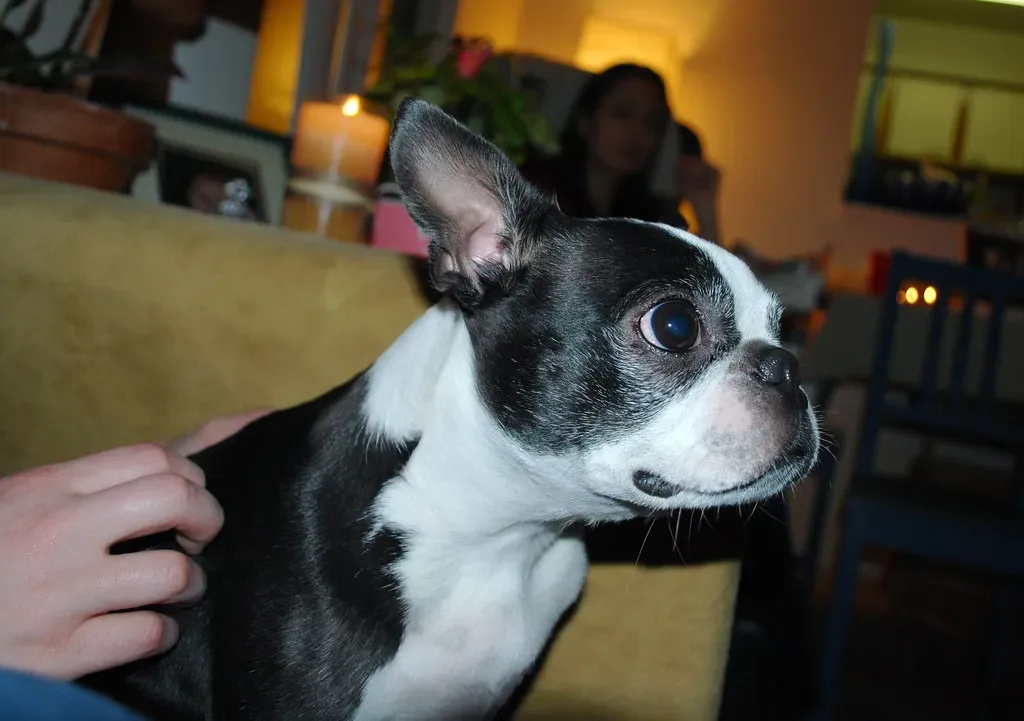
This one still amazes me. Dogs have demonstrated an almost supernatural ability to detect health issues in their owners. They can sense changes in blood sugar, blood pressure, and even emotional states before we’re fully aware of them ourselves. As owners age and face more health challenges, dogs often become even more attuned to these fluctuations.
A study found that 70 percent of older adults said their pet helps them cope with physical or emotional symptoms. Some dogs will refuse to leave their owner’s side when they sense something is wrong, while others will nudge or paw at them insistently. They’re not just companion animals at this point, they’re unofficial health monitors who care deeply about your wellbeing.
They Adjust Their Activity Levels and Energy

Pets encourage us to be more active, make us laugh, provide comfort and affection, yet they also know when to dial it back. Dogs are masters at reading the room, and they quickly learn to match their energy output to what their aging owner can handle. On days when you’re feeling good, they might bring you a toy or encourage a longer walk. On difficult days, they’re content to simply rest beside you.
This behavioral flexibility is extraordinary when you think about it. Dogs don’t just have one speed, they have a whole spectrum, and they’re willing to operate anywhere along that spectrum based on your needs. It’s like having a personal trainer who always knows exactly what workout you need, whether that’s a gentle stroll or simply the comfort of companionship.
They Become More Routine Oriented and Predictable
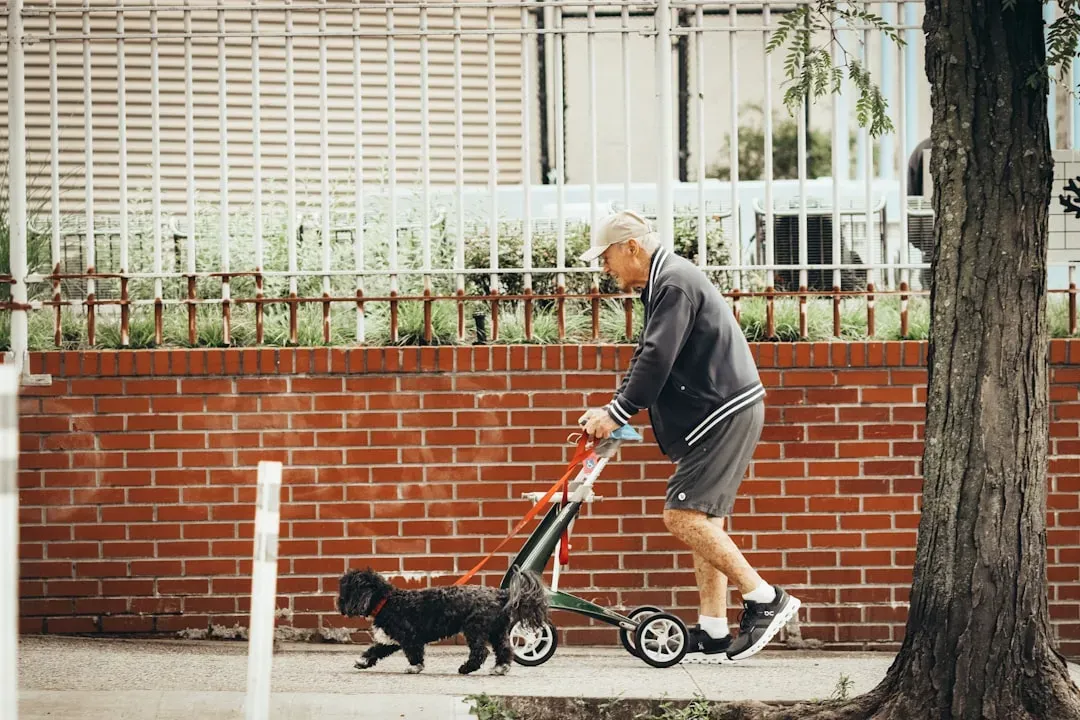
Changes in environment, routine, or family dynamics can trigger anxiety in older dogs, but when paired with aging owners, dogs often become champions of routine. They help establish and maintain daily patterns that provide structure and stability. Mealtime happens at the same hour, walks follow predictable routes, and bedtime becomes a comforting ritual.
This predictability isn’t just good for the dog, it’s beneficial for aging owners too. The routine provides a sense of purpose and helps maintain cognitive function. Your dog becomes your schedule keeper, gently reminding you when it’s time for medication, meals, or a breath of fresh air outside.
They Offer Enhanced Emotional Support
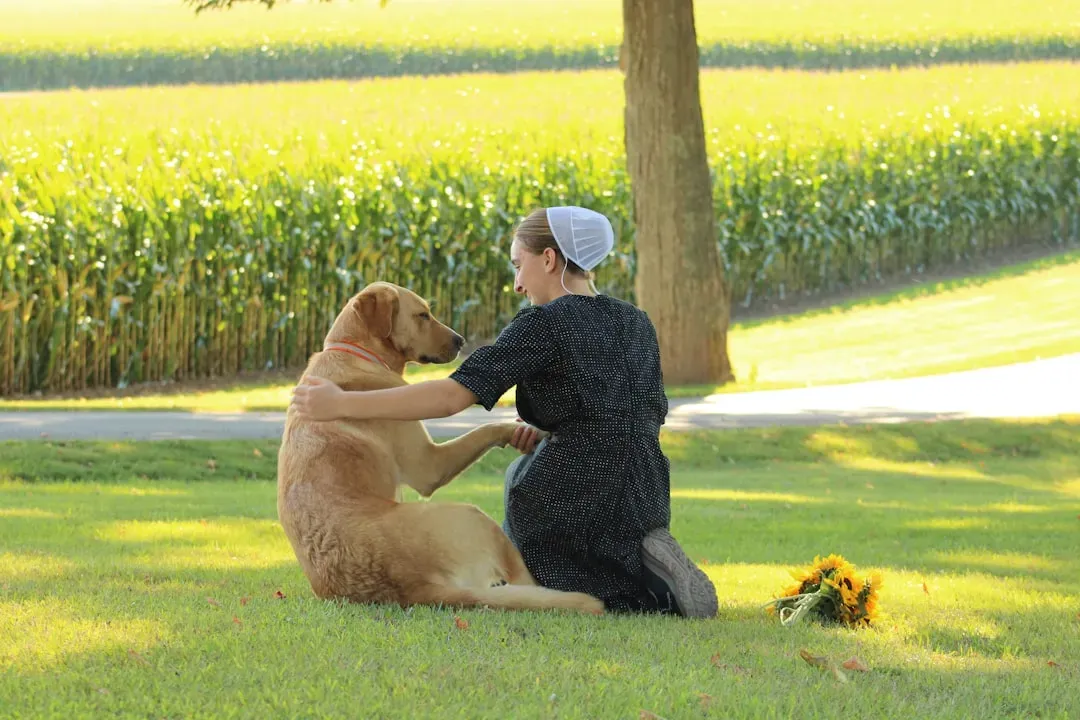
Perhaps the most profound way dogs adjust as their owners age is in their capacity for emotional support. Interacting with dogs has been shown to release oxytocin, a hormone that reduces stress and promotes feelings of happiness. Dogs seem to amplify this effect when they sense their owner needs it most, offering comfort during moments of loneliness, worry, or grief.
Studies show that 87 percent of people feel more relaxed after spending time with a pet, and pets help them live in the moment and stay mindful. This is invaluable for older adults who might struggle with anxiety about health, mortality, or isolation. A dog doesn’t judge, doesn’t offer platitudes, just offers pure, unconditional presence. That’s often exactly what’s needed.
Conclusion
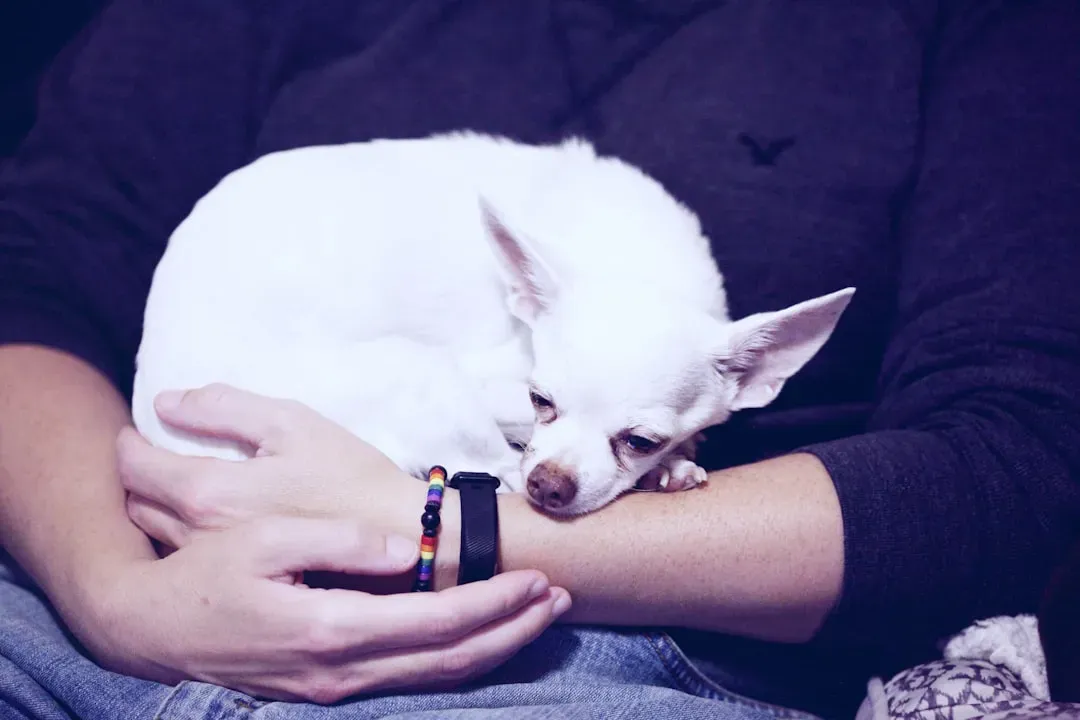
The relationship between dogs and their aging owners is a beautiful testament to the depth of the human animal bond. These loyal companions don’t just exist alongside us as we grow older, they actively adapt, becoming more attentive, protective, and emotionally supportive. They slow down when we slow down, they stand guard when we’re vulnerable, and they provide the kind of steadfast companionship that enriches our golden years immeasurably.
If you have a dog and you’re getting older, pay attention to these subtle shifts in their behavior. You might be surprised by just how much your furry friend has been looking out for you all along. What changes have you noticed in your dog over the years? The bond you share is something truly special.


