

Have you ever wondered why your dog seems grumpier on your bad days or more energetic when you’re feeling great? It’s not just your imagination playing tricks on you. Dogs possess an extraordinary ability to mirror our emotional states in ways that often go completely unnoticed by their human companions.
Dogs have co-evolved to detect each other’s emotional signals in ways that are different from other species, creating an invisible emotional thread that connects us to our canine friends. This remarkable phenomenon goes far deeper than simple observation. It’s woven into the very fabric of the human-dog relationship, operating below the level of conscious awareness. Let’s dive into the fascinating world of canine emotional mirroring.
They Synchronize Their Heartbeat With Yours During Stressful Moments
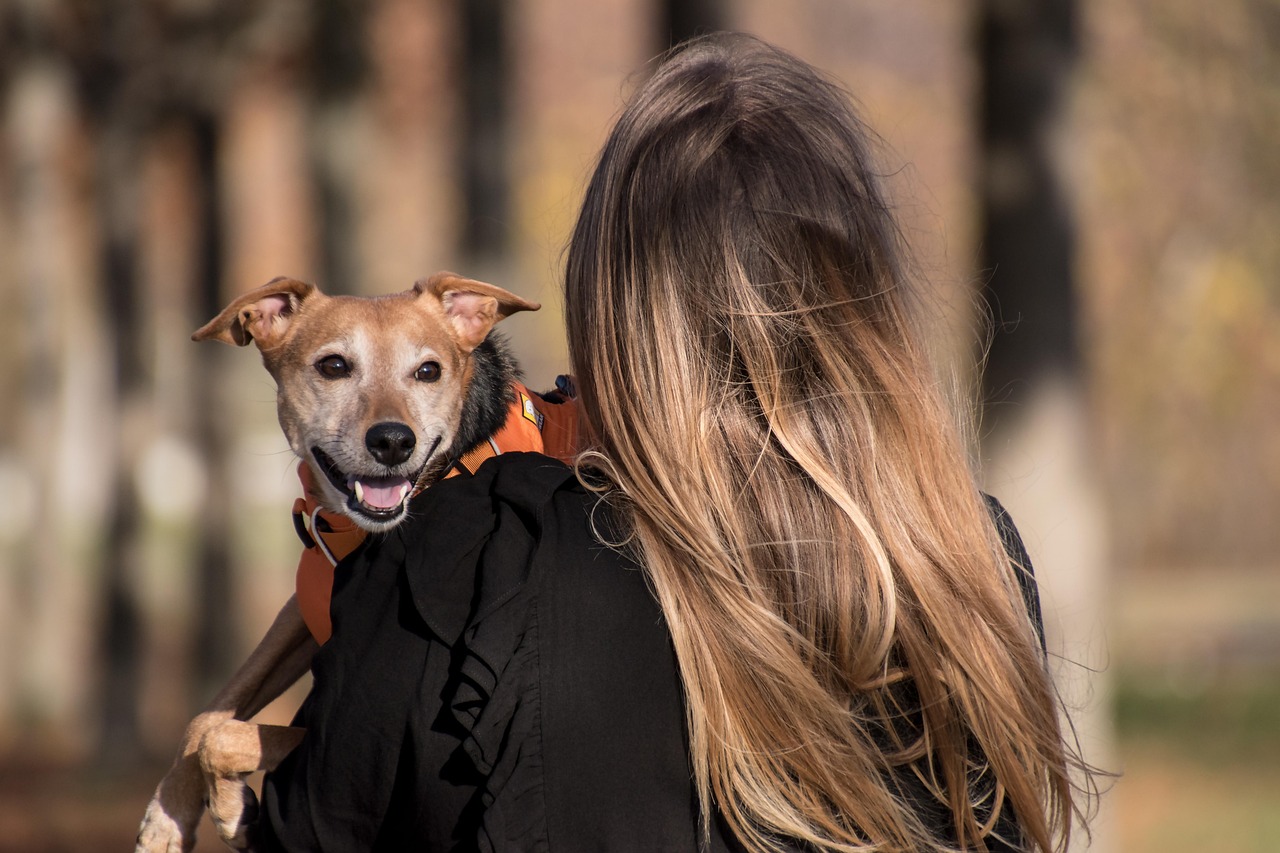
When your stress levels spike, something incredible happens inside your dog’s body that you’d never suspect. Research shows that dogs’ heart rate intervals become positively correlated with their owners’, and this emotional contagion from owner to dog occurs especially in females and depends on the time sharing the same environment. This isn’t just behavioral mimicry. It’s physiological synchronization at its most profound level.
Think of it like an invisible conductor orchestrating both your hearts in the same rhythm. Dogs and humans share stress responses, particularly involving the sympathetic nervous system. The longer you’ve lived together, the stronger this connection becomes, creating a biological bond that operates completely outside your awareness.
Their Body Language Mirrors Your Posture and Movement

When allowed to move freely in an enclosed unfamiliar space, dogs synchronize their location with their owner, staying in close proximity and moving to the same area, as well as their activity and temporal changes in activity. This goes beyond following you around. Your dog unconsciously adopts your energy levels, matching when you’re active and when you’re still.
Dogs often match the natural movements of their owners, so the fact that they synchronize their emotions isn’t surprising. If you’re hunched over feeling defeated, your dog might adopt a lower, more submissive posture. When you stand tall and confident, they often mirror that assertiveness in their own stance and gait.
They Absorb Your Stress Hormones Through Scent
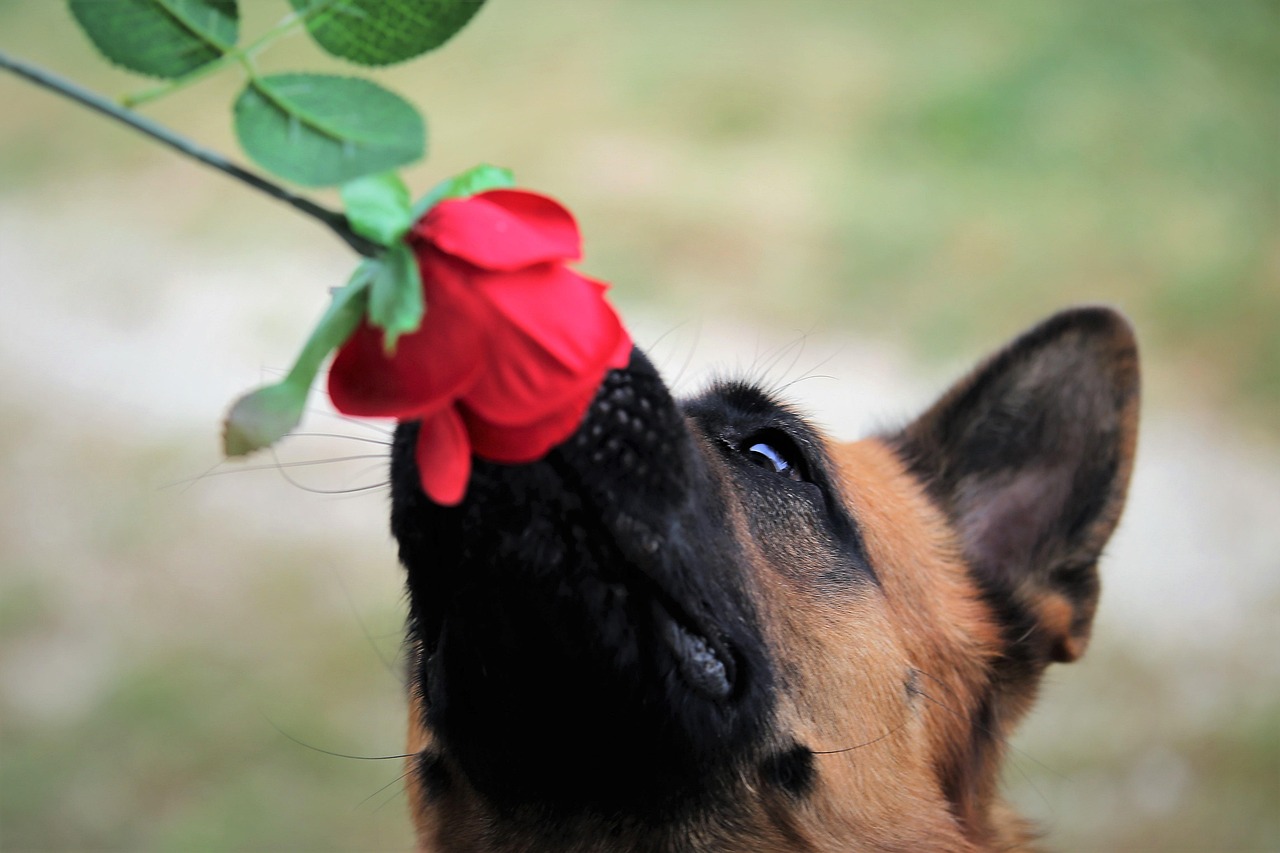
Your dog’s nose is constantly reading the chemical story of your emotions, and what they discover directly influences their behavior. Research had dog owners watch scary and happy films, collecting sweat samples from both experiences, and when exposed to these sweat samples, dogs responded differently to the “happy” or “afraid” odors, adopting behaviors consistent with the emotions experienced by the humans.
During fearful moments, dogs’ heart rates went up and they sought comfort from their owners when exposed to fear sweat samples. Meanwhile, when exposed to happy samples, dogs were more relaxed and less wary of strangers. Your emotional state literally changes your scent, and your dog reads these chemical signals like an emotional barometer.
They Match Your Facial Expressions Without Realizing It

Dogs mimic our expressions and smiling is just one of many expressions they show us, and it can also be an appeasement gesture to calm you down, as they see that when you are happy and relaxed you often smile. This facial mirroring happens through the same neural mechanisms that operate in human social bonding.
This mirroring behavior is believed to be linked to mirror neurons, specialized cells that enable dogs to “read” and reflect our emotions. When you frown, your dog might develop a more serious expression. When you smile, they often respond with their own version of contentment, creating an unconscious feedback loop of shared emotional expression.
They Develop Physical Symptoms That Mirror Your Health Issues

In households where owners struggle with chronic conditions, something remarkable and concerning often occurs. Some pet owners report their dogs developing joint stiffness, fatigue, or digestive issues alongside their own chronic conditions. This isn’t mere coincidence.
The emotional strain of living with a sick owner can manifest physically in dogs, and dogs not only sense illness but also reflect its emotional and biological weight. Shared lifestyle factors like diet, exercise patterns, and environmental exposures play a role, but the emotional component creates a deeper connection that affects their physical wellbeing.
They Respond to Your Emotional State Through Cortisol Levels

When owners were less stressed, cortisol levels in their dogs also decreased, and studies have demonstrated a unique connection between human and dog cortisol levels, suggesting dogs are more sensitive to their owners’ stress levels than previously believed. This represents long-term emotional synchronization that goes far beyond momentary reactions.
Dogs can mirror the stress levels of their owners through behavioral and physiological changes, and they may reflect similar cortisol levels in their hair, with the presence of a chronically stressed human contributing to elevated cortisol levels in their canine companions. Your ongoing emotional state becomes their ongoing emotional state through this invisible hormonal connection.
They Change Their Gaze Patterns to Match Your Attention

Dogs gazed where their owner gazed, which is congruent with recent studies on gaze following that emphasize the effect of training as well as daily experiences in gaze following behavior. This isn’t just following your lead. It’s sharing your focus and attention in real time.
Dogs behaved differently depending on the owner’s emotional state, gazing and jumping less at owners when they were sad, and their compliance with commands was also diminished. They’re not just looking where you look. They’re absorbing the emotional context of what captures your attention and adjusting their own behavior accordingly.
They Unconsciously Adopt Your Response to Social Situations
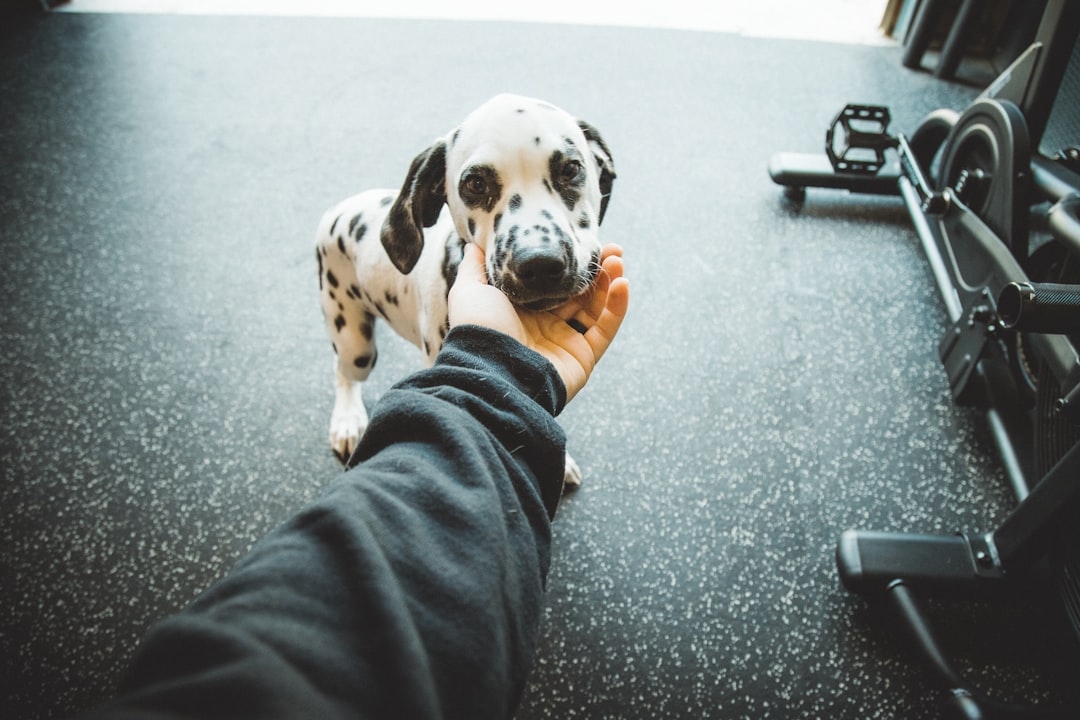
Dogs use their owner’s nonverbal cues, such as body language, as a guide to making decisions, and research has confirmed several specific types of behavioral synchrony found between dogs and their owners. When you’re uncomfortable around certain people, your dog picks up on those subtle social cues and mirrors your hesitation.
Humans develop a social preference for dogs that synchronize with them, and dogs’ propensity to mimic their owners’ reactions can be used as a tool for managing them in public areas. This creates a feedback loop where your social comfort level directly influences how your dog interacts with the world around them, often without either of you being consciously aware of the process.
The invisible emotional connection between you and your dog runs deeper than most people ever imagine. Your emotional state directly influences your dog’s behavior, and when you find calm, they often do too. Understanding this profound mirroring can transform how you approach your relationship with your canine companion.
What’s most remarkable is that this emotional synchronization operates largely outside conscious awareness, creating a bond that transcends words or commands. Your dog isn’t just your pet. They’re your emotional mirror, reflecting back the energy you put into the world in ways both subtle and profound. What do you think about this invisible connection between you and your dog? Tell us in the comments.


