
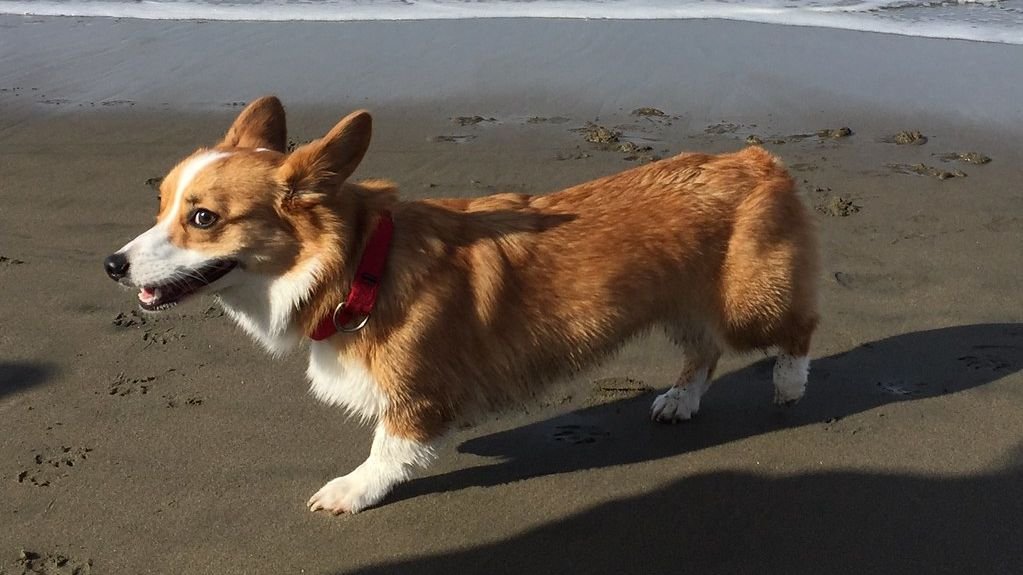
You love your dog more than most things in life. You remember their birthday, you buy them the good treats, and you’ve probably apologized to them out loud more than once. So it can sting a little when your furry best friend seems… off. A bit distant. Maybe even shooting you a look that screams, “Really? Again?”
Here’s the thing though. Dogs can’t speak, but they are absolutely communicating with you every single day. Unlike humans, dogs rely mostly on body gestures to convey their feelings. And when something bothers them, they will let you know in their own unique, four-legged way. Learning to read those signals is one of the best things you can ever do for your relationship with your pup. Let’s dive in.
1. The Cold Shoulder Treatment

You walk through the door expecting your dog’s usual greeting. The happy spin, the tail tornado, the full-body wiggle. Instead, you get nothing. Your dog glances at you and walks the other direction. Ouch.
A typically affectionate pup who suddenly avoids eye contact, doesn’t greet you enthusiastically, or walks away with their favorite toy instead of engaging is showing clear signs of discontent. This isn’t your dog being dramatic. It’s their most honest form of communication.
Think of it like a friend giving you the silent treatment, except your dog has zero interest in holding a grudge for long. Give them a calm moment, let them come to you, and rebuild from there. Sometimes all it takes is a gentle voice and a little patience.
2. The Selective Hearing Act
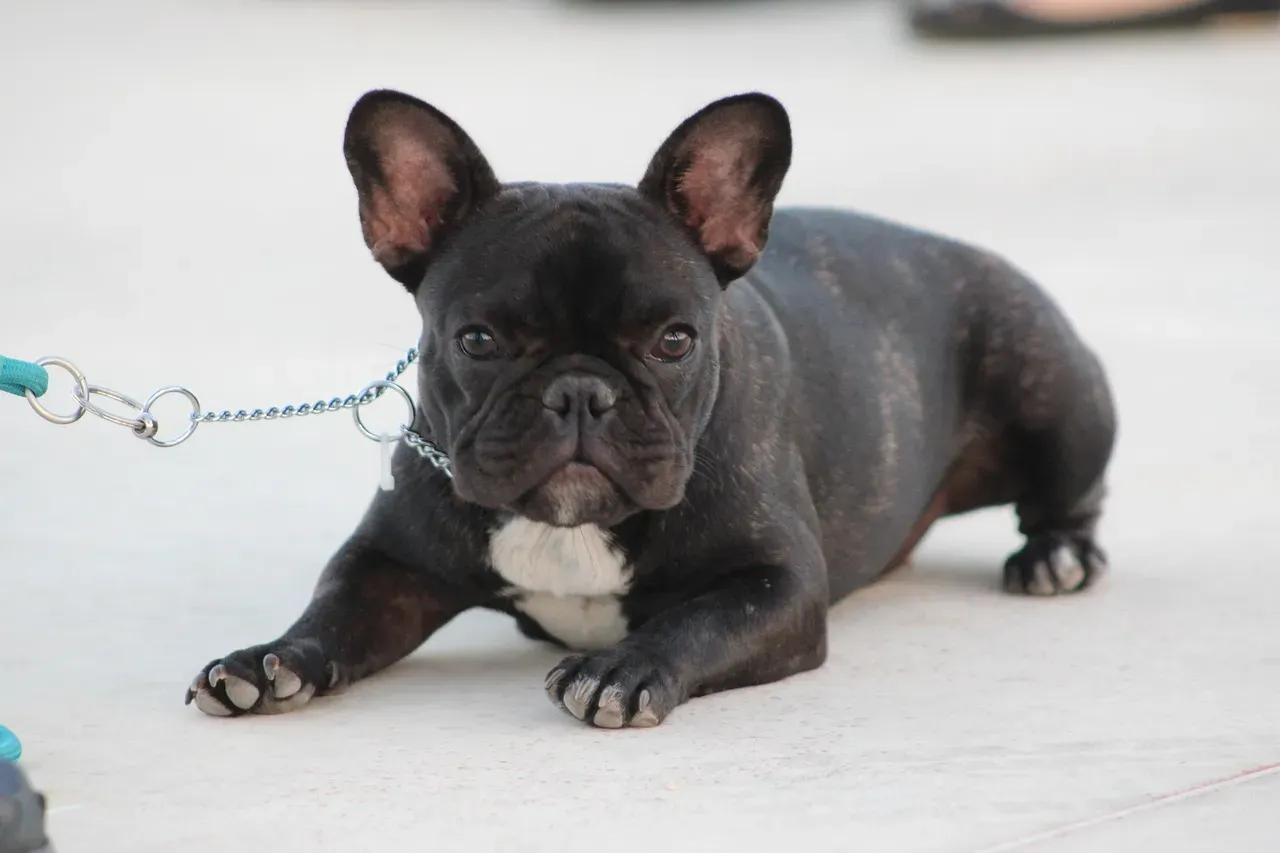
Your dog knows what “come here” means. They’ve heard it roughly seven thousand times. So when they suddenly stare at the wall instead of coming over, that’s a choice. A very deliberate, very pointed choice.
If a dog suddenly ignores commands like “Come here!” you might just be on their bad side. Dogs are actually extremely intelligent about reading tone and context. If they’ve experienced something they didn’t like, they may respond by simply tuning you out.
The fix? Avoid repeating commands in a frustrated tone. Dogs can become annoyed because they don’t like the tone you use when reprimanding them or because they don’t want to do what you’re trying to get them to do. Stay calm, use positive reinforcement, and try again. Matching their energy with frustration will only deepen the standoff.
3. They Walk Away Mid-Interaction
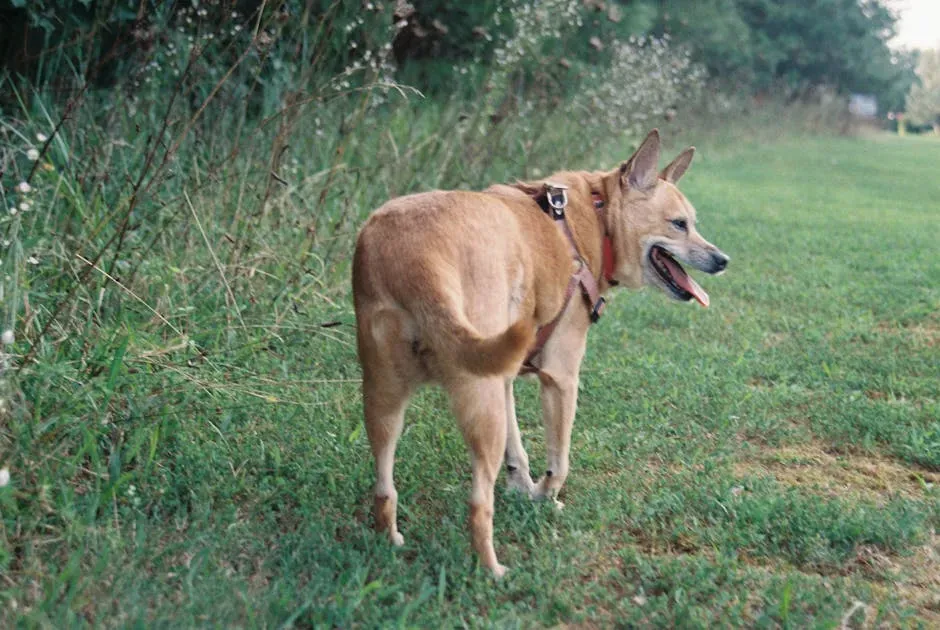
Imagine you’re telling your dog off for chewing your favorite shoes. Mid-lecture, they simply turn around and saunter off like you said nothing at all. It’s honestly a little hilarious, but it’s also a real signal.
One thing your dog may do when they are annoyed is simply walk away. For example, if you are telling your dog off for something and they become annoyed, they may just wander off mid-sentence. This isn’t defiance in the way we think of it. It’s more like their version of removing themselves from a tense situation.
Dogs may try to be clear that they don’t like a situation by walking away, as this is their way of taking themselves out of a situation that’s making them uncomfortable. Allow them to do this, as blocking their escape can escalate things further. Respect the exit. Chasing after them to finish the conversation almost always makes it worse.
4. Flattened Ears and Tense Body Language
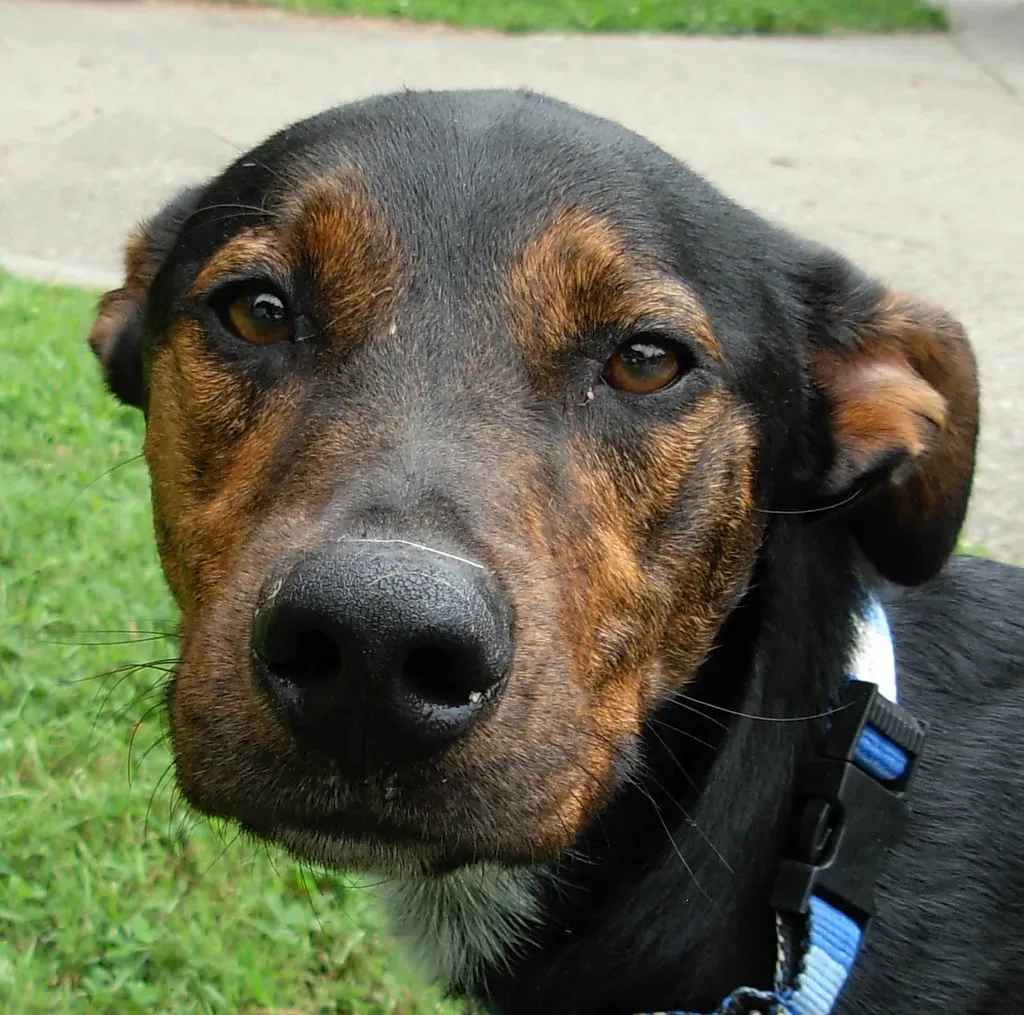
The ears are like a mood dashboard on your dog’s head. When they’re relaxed, those ears are neutral and soft. When something’s wrong, they flatten back, and the whole body tends to tighten up along with them.
If you notice that your pup has flattened ears, this is a clear sign that they are annoyed. Other signs include tightening the lips, lowering the head, or closing the mouth. These subtle shifts are easy to miss if you’re not looking, which is exactly why so many owners miss them.
Ears are expressive, and a dog with their ears pinned back or turned outward is probably feeling nervous. This signal is easier to read in breeds with upright ears, but it can be observed in all dogs if you know their normal posture. The key is knowing your dog’s baseline. Once you do, even the tiniest ear shift will tell you volumes.
5. The Whale Eye Stare
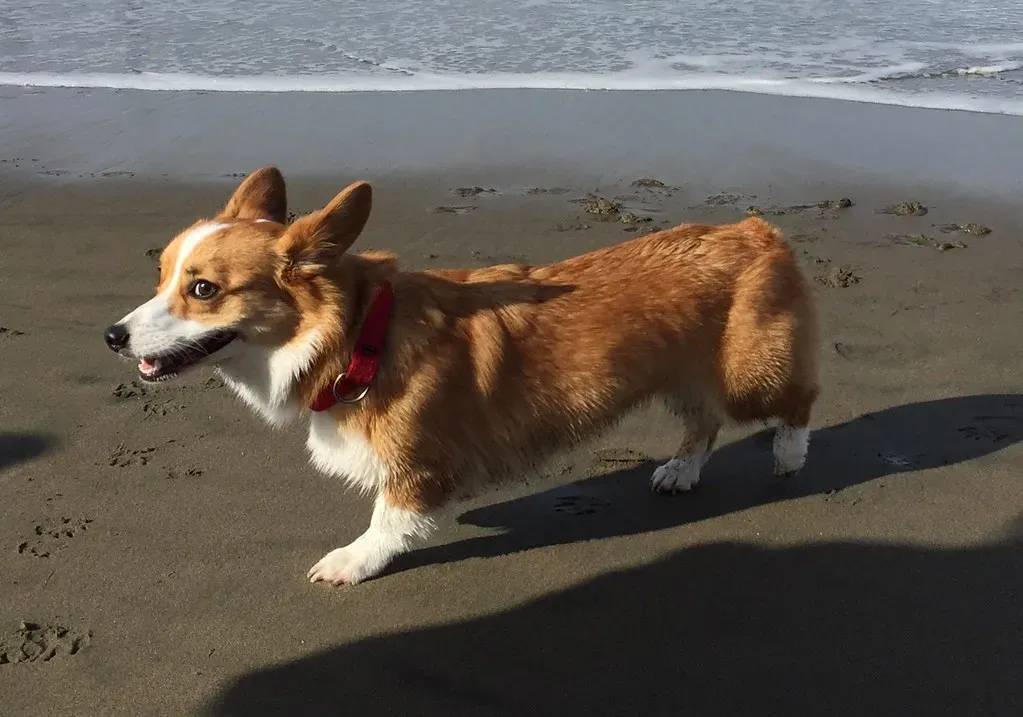
You’ve probably seen this without even realizing it. Your dog turns their head slightly away from you but keeps their eyes angled toward you, showing a crescent of white around their iris. That’s called whale eye. It looks a bit dramatic and honestly, it kind of is.
Dogs might turn their head away from a stressor but angle their eyes toward it, causing the whites of their eyes to show, referred to as “whale eyes.” It’s a signal that screams discomfort and unease without a single sound. Think of it as your dog side-eyeing you so hard their eyes are practically rolling back.
This sign of stress may be more difficult to observe in some dogs who have bulgy eyes, but you’ll notice it if you compare to what the whites of their eyes usually look like. When you see it, stop what you’re doing. Take a step back, give your dog some space, and let the tension dissolve naturally.
6. Sudden Destructive Behavior
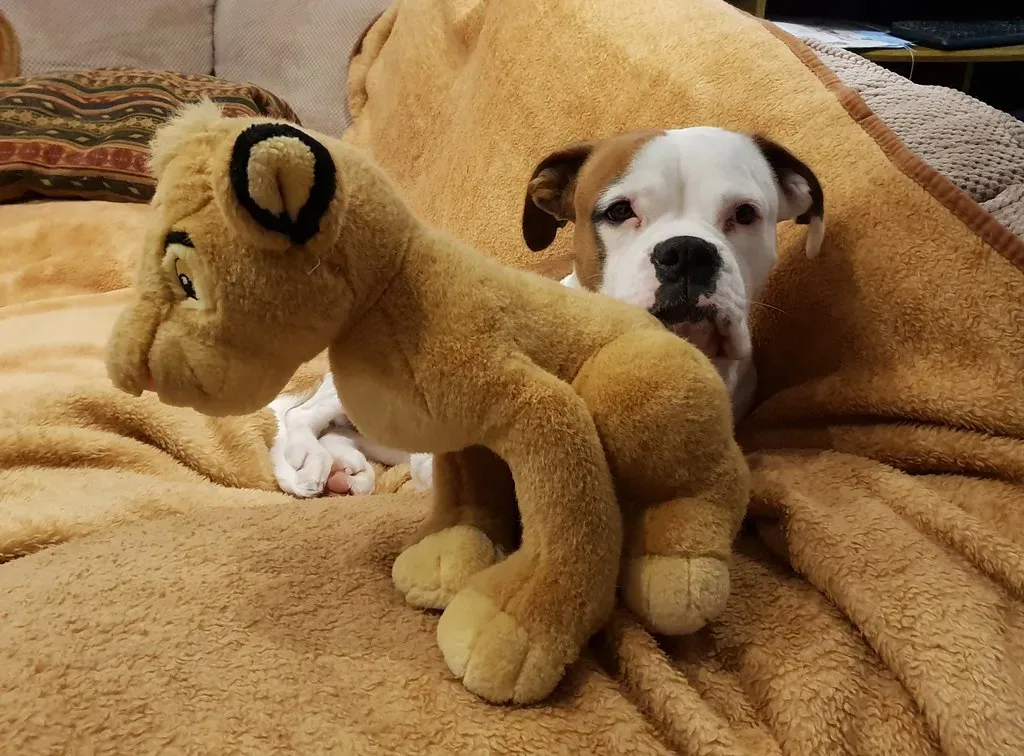
You come home to a chewed-up pillow, a knocked-over trash can, or your favorite shoes looking like modern art. Your first instinct might be anger. Your second instinct should be curiosity, because your dog is trying to tell you something important.
Sudden destructive behavior such as chewing, shredding, or making a mess out of nowhere can be a sign of frustration or anxiety. According to experts, changes in routine, feeling sick, or even loud noises can trigger these behaviors. It’s rarely about spite. Dogs simply don’t operate that way.
A destructive dog is more likely bored or anxious, not angry. If you notice your dog tearing things up at home, consider giving them something to chew or play with while you’re gone, as destructive behaviors are also a sign of separation anxiety. More enrichment, longer walks, and puzzle toys can work wonders for a frustrated pup who has too much energy and nowhere to put it.
7. Excessive Yawning and Lip Licking
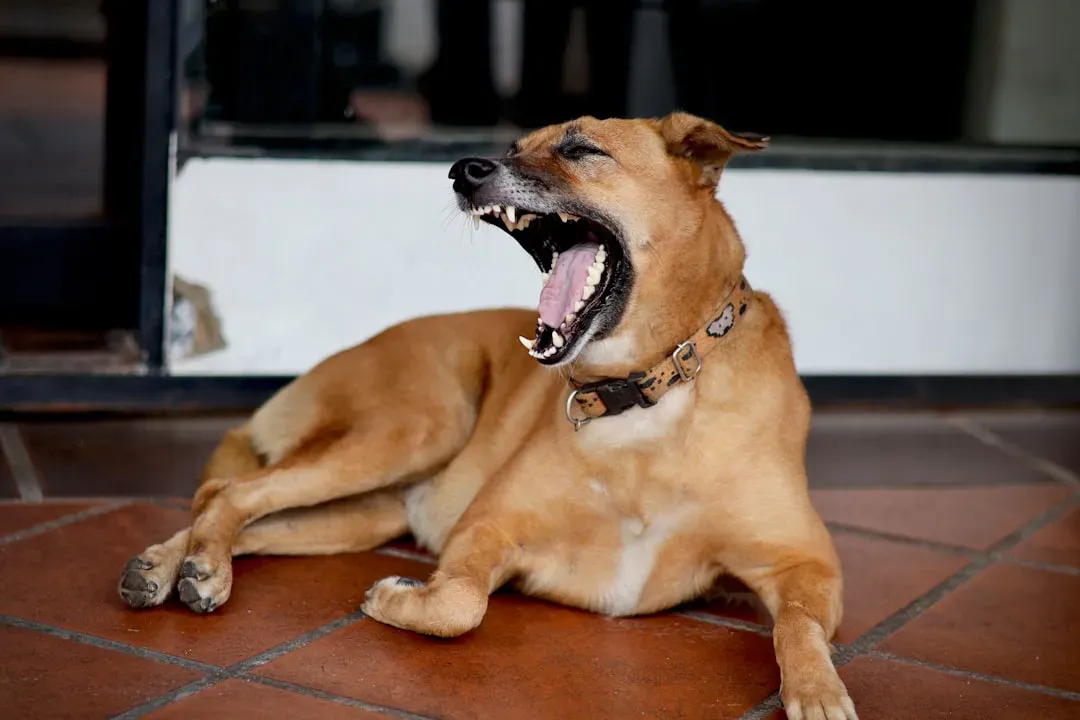
Your dog keeps yawning at you. Not because they’re sleepy. Not because the conversation is boring, though honestly who knows. But because they’re trying to communicate something subtle and important through a calming signal.
People yawn when they’re tired or bored, but dogs yawn when they’re stressed. According to Turid Rugaas, author of “On Talking Terms With Dogs: Calming Signals,” dogs use yawning to calm themselves in tense situations and to calm others, including their owners. It sounds counterintuitive, but once you know it, you can’t unsee it.
If you notice your dog licking their lips, yawning excessively, and averting their gaze, it might seem like they are annoyed. These expressions usually suggest anxiety, and dogs may use them in response to a stressful situation. You can try to calm an anxious pup by offering a treat, speaking calmly, and giving them some space. It’s honestly one of the kindest things you can do.
8. Hiding or Avoiding You Entirely
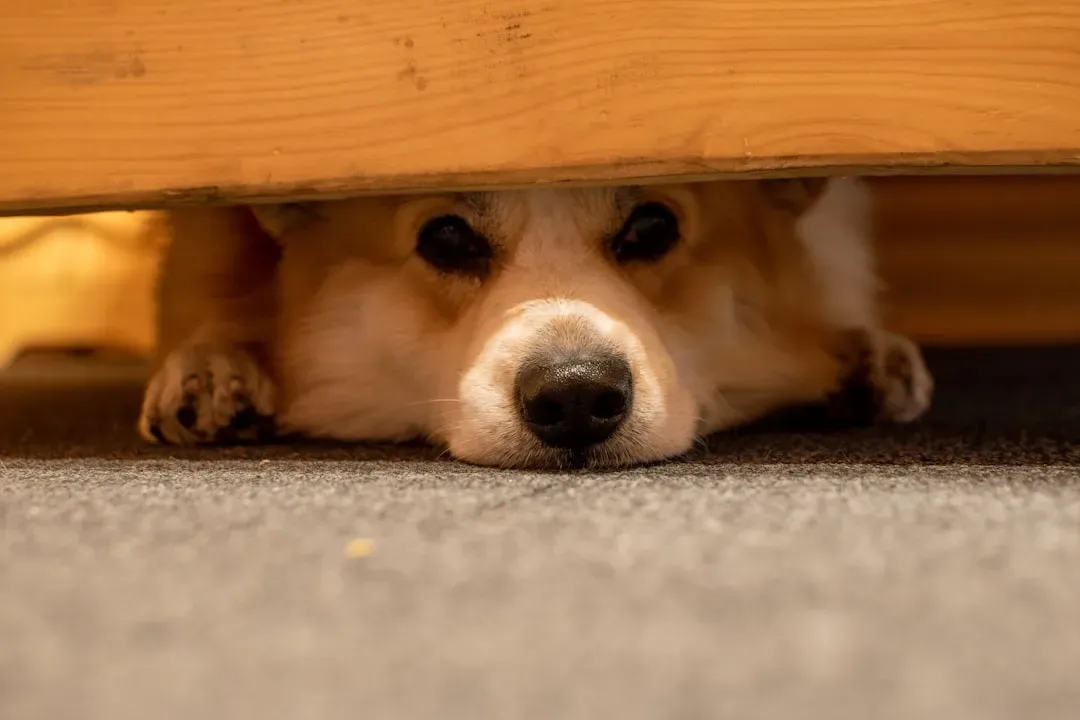
There are days when your dog just doesn’t want to be around you. They crawl under the bed. They retreat to a corner. They pick the one spot in the house that’s as far from you as physically possible. It might feel personal. In a way, it is.
If your pup is hiding from you, it could be an indication that . When a dog is annoyed with their owner, they try to avoid them. Hiding is also a classic stress signal that can point to deeper discomfort. The context matters a lot here.
A dog may show distance-increasing signs when they are annoyed, fearful, or anxious. Some dogs will display avoidance behaviors such as hiding or moving away, or body postures such as pinning the ears back, tucking the tail, cowering, shaking, yawning, or licking their lips. If the hiding is persistent or paired with other concerning signs, a vet visit is always worth considering. Sometimes what looks like annoyance is pain in disguise. Pain is a common cause of behavior change. Just as we become less tolerant when we are in pain, so can dogs.
What to Do When Your Dog Is Annoyed
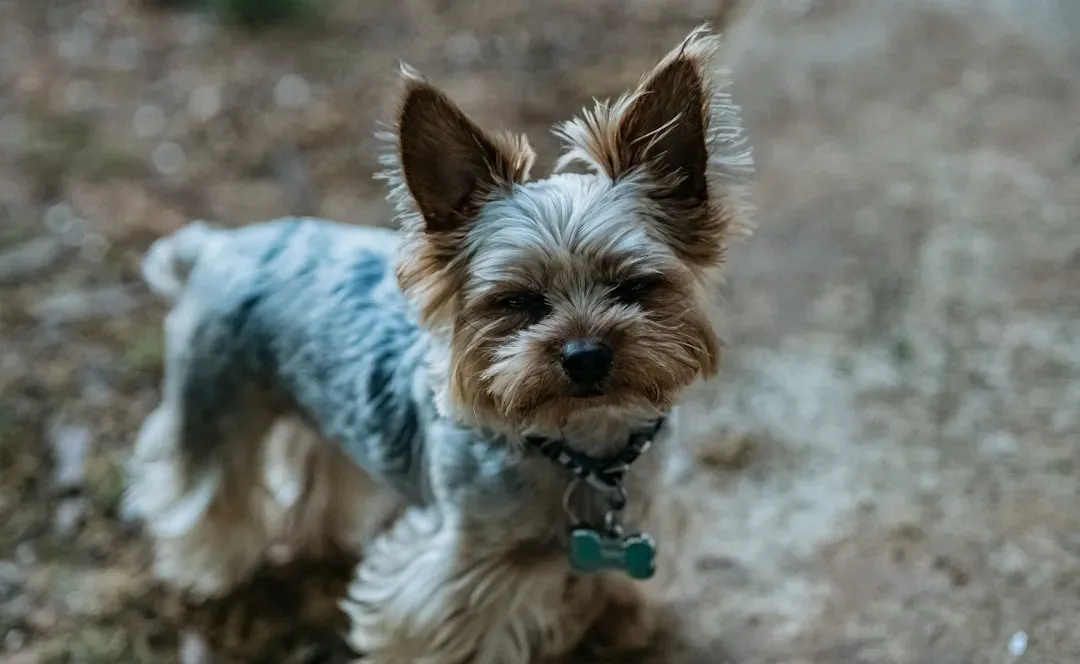
First, breathe. Your dog is not plotting against you. Dogs don’t hold grudges or dwell on past events the way humans do. What we perceive as a dog being “mad” is often just their way of expressing discomfort or frustration in the moment. That’s actually kind of beautiful when you think about it.
Don’t yell at your pet or use physical confrontation. This will only escalate the situation and put your dog in a defensive position, which can lead to aggressive behavior such as snapping or biting. Instead, soften your voice, give them space, and focus on rebuilding calm. Small, consistent moments of trust repair things faster than grand gestures.
Every signal your dog sends you is an invitation to understand them better. The whale eye, the tucked tail, the turned back, it’s all a language. Learn to speak it. Because when you do, you’re not just being a good dog owner. You’re being their person. And honestly, that changes everything.
What signs have you noticed in your own dog? Have you figured out what sets them off? Drop your thoughts in the comments, we’d love to hear your story!


