
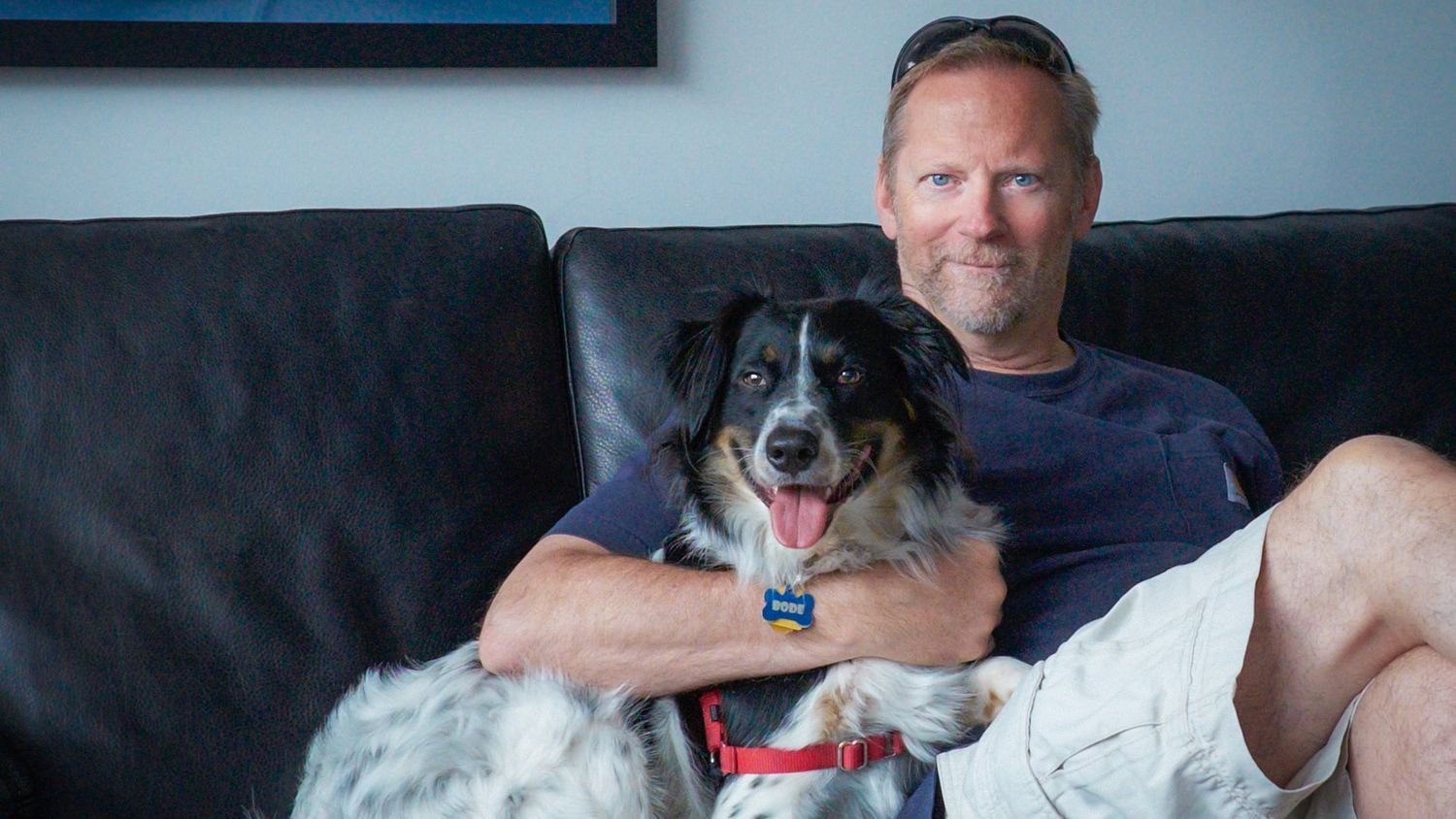
You know that feeling when your dog looks at you with those eyes, like you’re the only person in the entire world that matters? That’s not an accident. Building a bond with your dog goes beyond routine feeding and walks. It’s about creating a relationship rooted in trust, understanding, and shared moments that make life richer for both of you.
Whether you’re bringing home a new rescue or simply want to deepen the connection with your longtime companion, the good news is that strengthening your bond doesn’t require fancy equipment or elaborate schemes. It starts with intention and a few simple shifts in how you interact every single day. Let’s dive into practical, science-backed ways to create that unshakeable connection with your four-legged friend.
Make Eye Contact That Matters
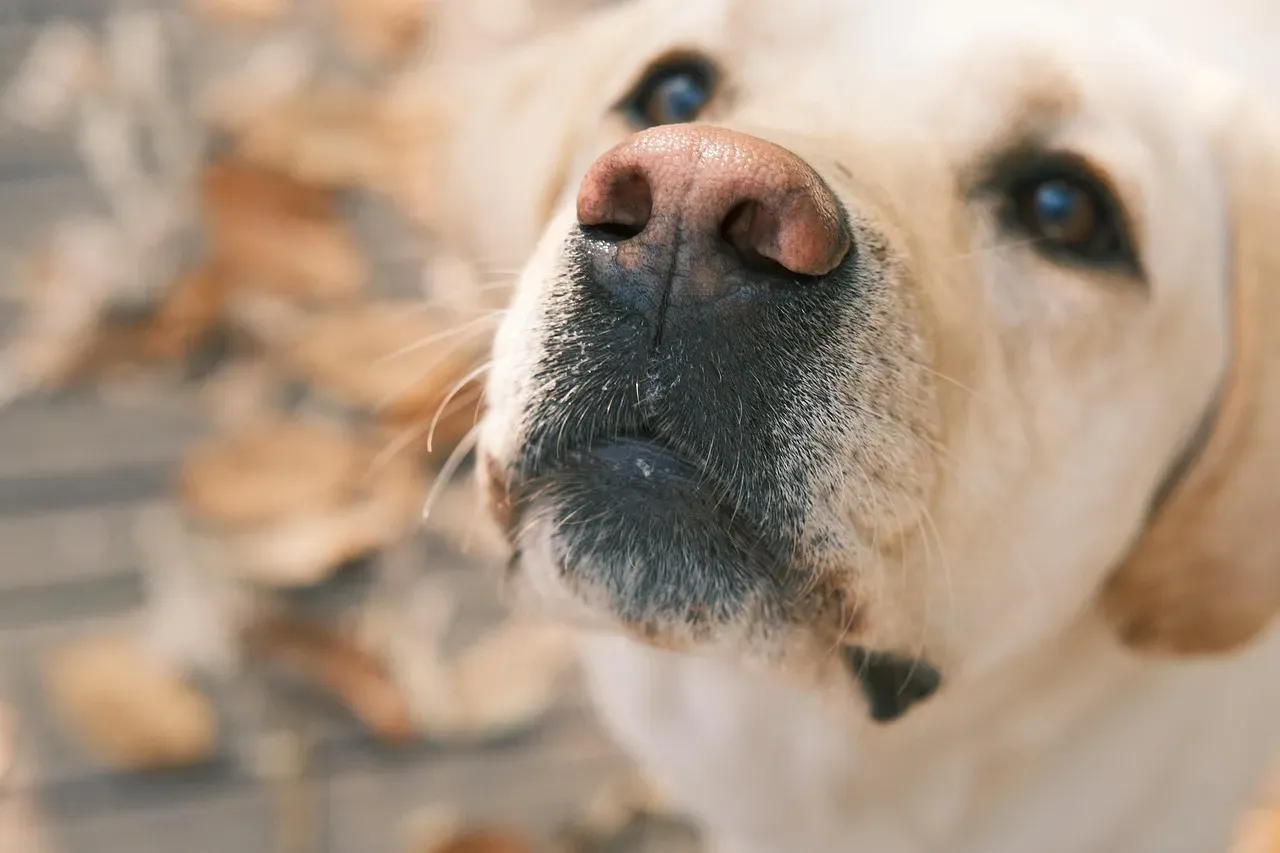
Research shows that mutual gazing between dogs and their owners increases oxytocin levels in both species, creating what scientists call a positive feedback loop. Think of it as the biological equivalent of falling in love.
This isn’t about staring your dog down in some weird dominance contest. While direct eye contact can be threatening in the canine world, soft glances and periodic eye contact from your dog indicate trust and affection. When you’re relaxing together, try gently catching your dog’s gaze and holding it for a moment while speaking softly to them. You’ll notice something magical happens: they lean in, their body softens, and suddenly the rest of the world fades away.
Start small if your dog seems uncertain. Some pups, especially those with difficult pasts, might find prolonged eye contact uncomfortable at first. Let them set the pace and reward those moments when they willingly meet your eyes with praise or a gentle scratch behind the ears.
Learn to Speak Their Language
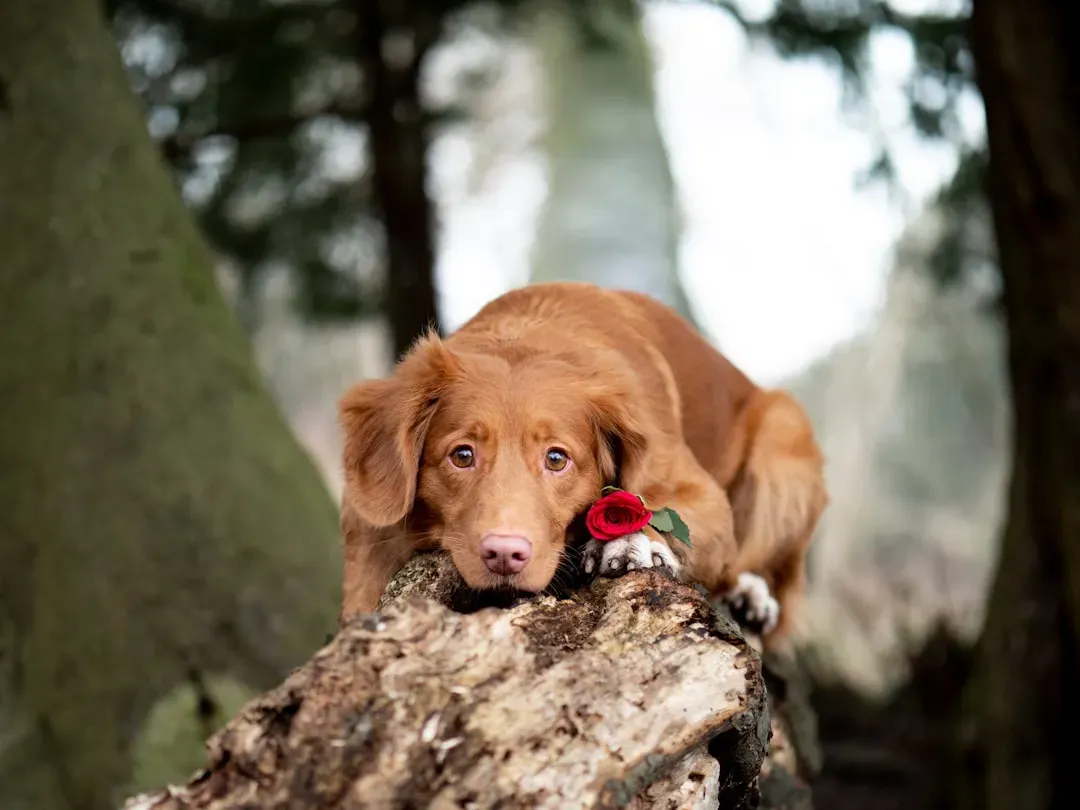
Learning to read your dog’s facial expressions and body language opens the door to improved understanding and communication. Honestly, this changed everything for me when I finally understood what my dog was trying to tell me.
When a dog has their ears turned to the side, head lowered, avoids eye contact, and has their tail lowered or tucked between their legs, they are conveying a message of fear, anxiety, and potentially stress. Recognizing these signals means you can step in before your dog becomes overwhelmed. Growling should be interpreted as an indication of the dog’s discomfort, and you should stop what you are doing and give the dog more space.
Think of body language as your dog’s native tongue. They’re constantly communicating, and when you take the time to understand what they’re saying, you become their trusted interpreter in a confusing world. Watch the position of their ears, the tension in their body, the way they hold their tail. These tiny details reveal volumes about what your dog is thinking and feeling in any given moment.
Embrace Positive Reinforcement Training
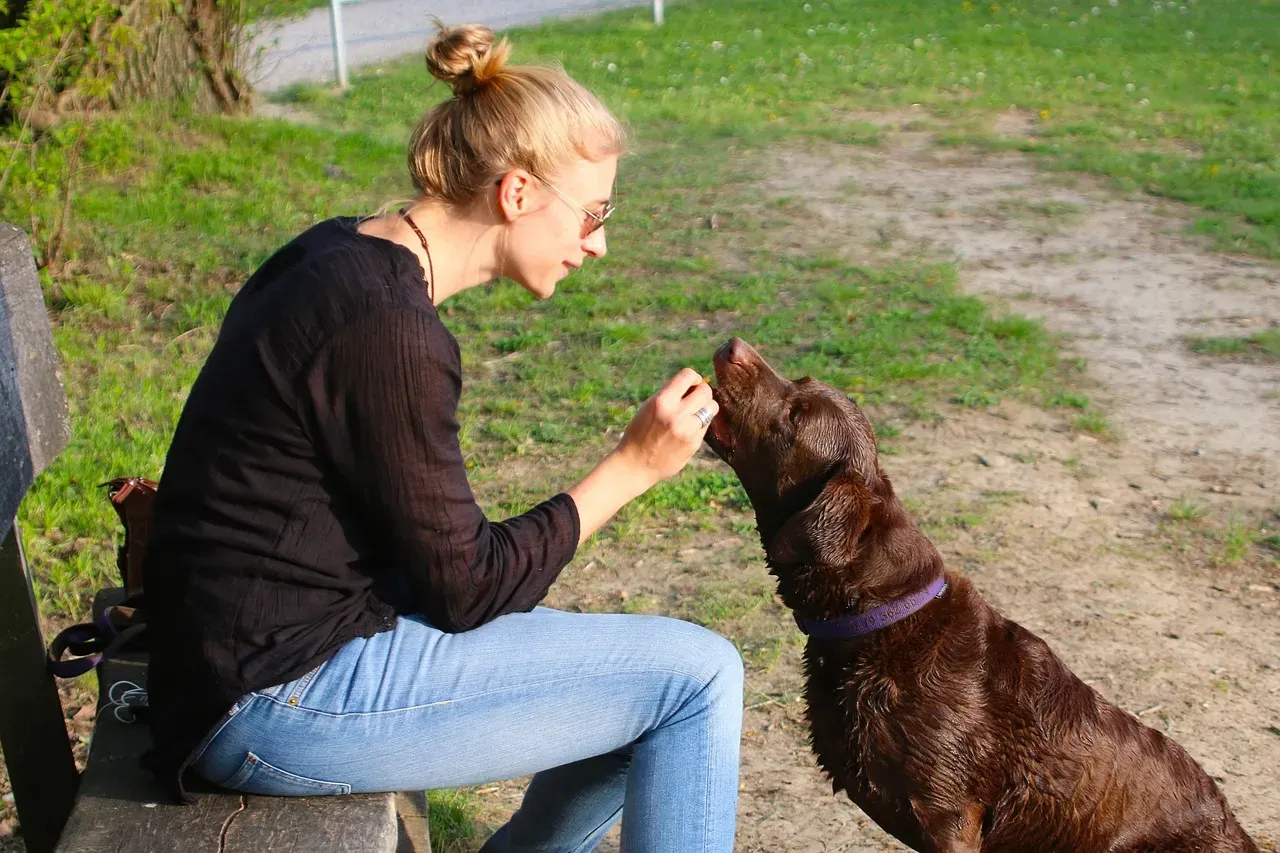
The use of positive reinforcement training methods builds up a dog’s confidence and trust in their pet parents. This isn’t just feel-good advice; it’s rooted in solid science about how dogs learn best.
Using punitive techniques and tools, such as spraying your dog with water when they bark, can increase a dog’s fear and anxiety and even lead to aggressive behavior toward the pet parent and family members. Real trust gets built when your dog knows that making mistakes around you won’t result in punishment or pain.
Reward the behaviors you want to see more of. When your dog sits calmly while you prepare dinner, toss them a treat. When they come running the first time you call, make it rain praise and affection. Training sessions that rely on positive reinforcement, such as treats or praise, are proven to strengthen the dog-owner bond, with research showing that dogs trained this way are more eager to engage and learn. Training becomes a bonding opportunity rather than a power struggle.
Create Shared Adventures
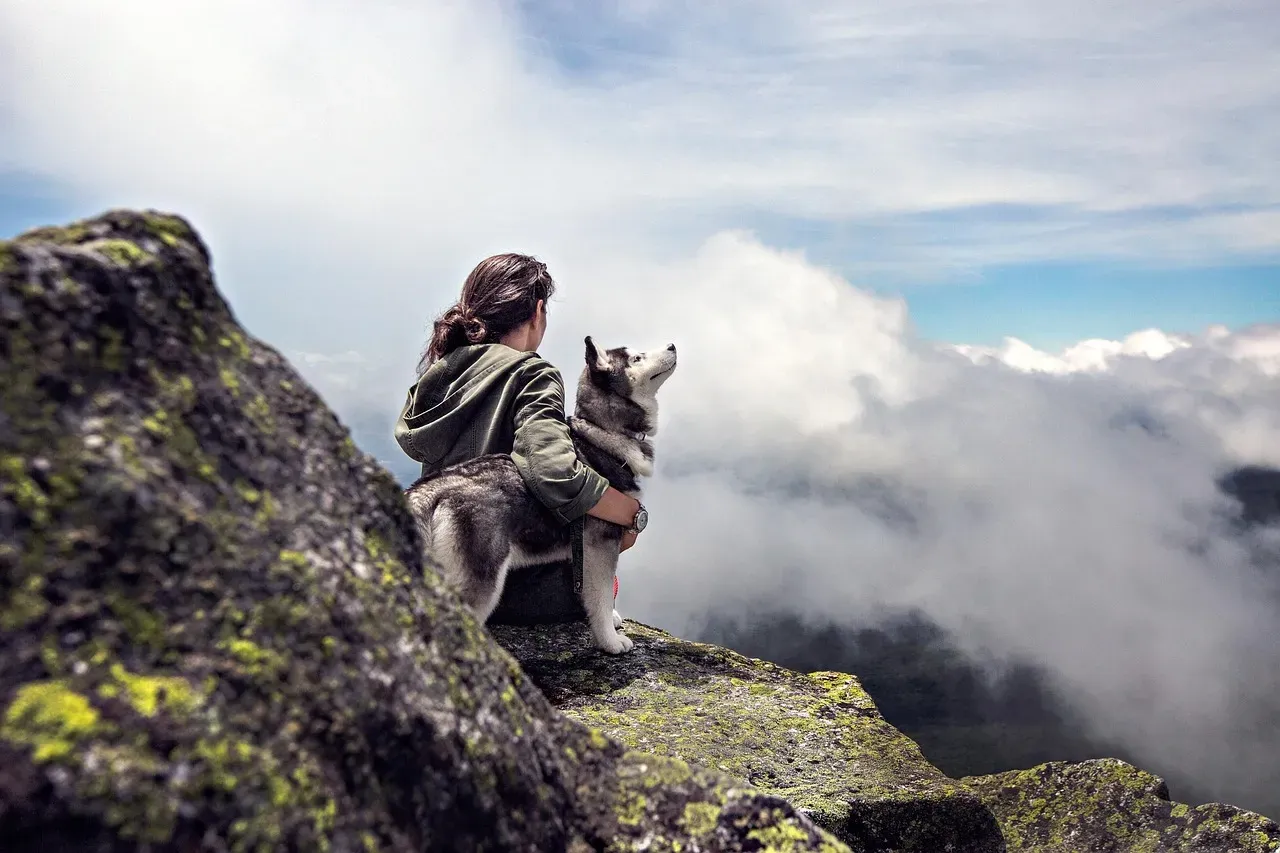
Walks are great for both your and your dog’s mental and physical health, providing mental stimulation for both parties, making it an enjoyable activity to do together and bond over. Here’s the thing, though: it’s not just about the physical exercise.
Let your dog sniff. Seriously. Letting your dog sniff and explore reduces stress and fulfills their natural curiosity. That fire hydrant might not be fascinating to you, but to your dog it’s like reading the daily newspaper. When you give them time to investigate their environment, you’re showing respect for their needs and interests.
Taking your dog to new environments, such as a different park or a pet-friendly café, is beneficial for their mental stimulation, with research indicating that shared adventures help dogs feel secure and deepen the bond with their owner through positive experiences. Try mixing up your routine occasionally. A new hiking trail, a visit to a dog-friendly store, or even exploring a different neighborhood keeps things interesting and creates shared memories that strengthen your connection.
Never Underestimate the Power of Touch
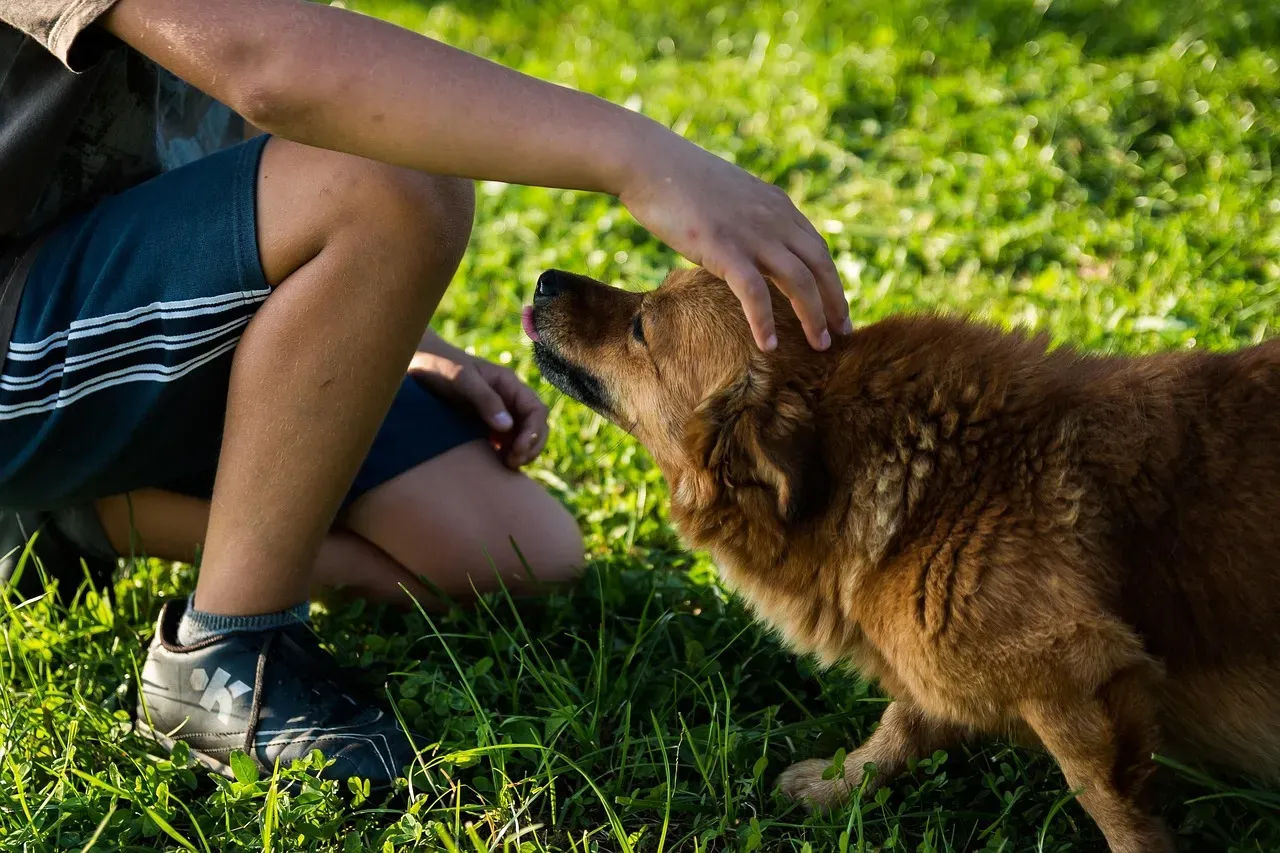
Touch plays a crucial role in strengthening bonds, with studies showing that activities like brushing, petting, or cuddling your dog increase oxytocin levels in both dogs and humans, fostering trust and emotional connection. This is one of the simplest yet most profound ways to connect with your dog.
Grooming a dog can strengthen the human-animal bond if it’s done right and makes your dog feel good, with brushing your dog’s coat two or three times a week being very soothing to many dogs. Think about it: gentle, consistent touch communicates safety and affection in a way that transcends words.
Pay attention to where your dog enjoys being touched. Some dogs love a good belly rub, while others prefer gentle scratches behind the ears or along their back. Respect their preferences and never force physical affection on a dog who’s clearly uncomfortable. When you honor their boundaries, you’re actually building deeper trust.
Play Games That Build Trust
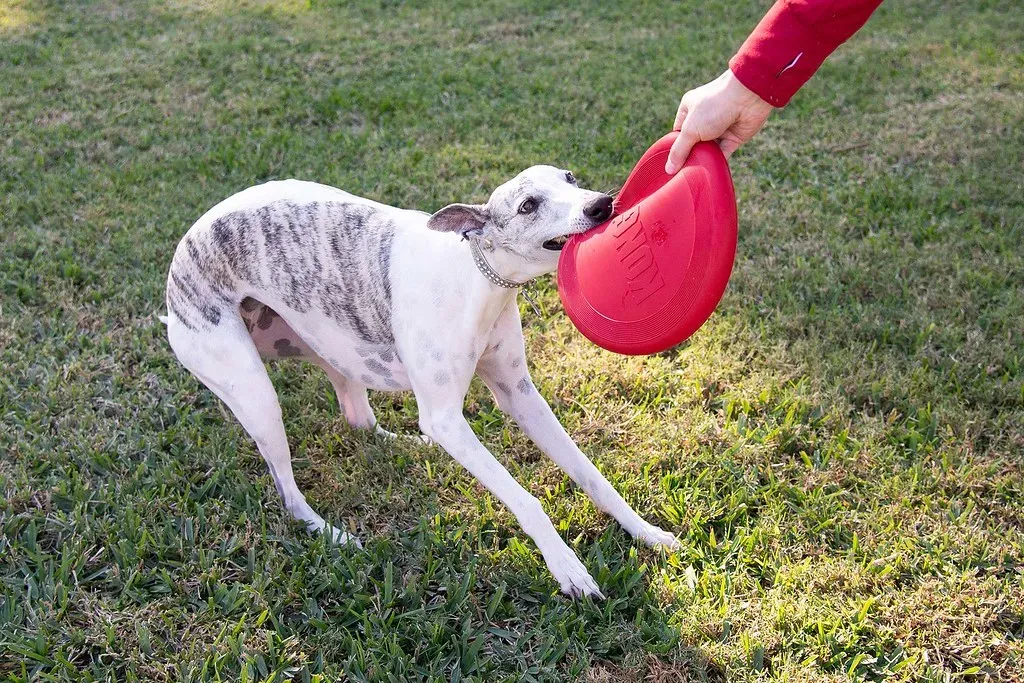
Interactive games like fetch, tug-of-war, or hide-and-seek aren’t just fun, they’re scientifically proven to build trust and improve your dog’s confidence, with tug-of-war shown to enhance cooperation without increasing aggression when played fairly. Playtime isn’t frivolous; it’s fundamental to bonding.
Puzzles and problem-solving tasks engage your dog’s brain and build trust, with hiding treats under cups or rolling them into a towel encouraging your dog to think critically, which studies show reduces boredom and strengthens your connection. Games give your dog a chance to succeed, to use their natural abilities, and to share joy with you.
The beauty of play is that it releases feel-good hormones in both of you. Your dog forgets about stress and anxiety, and you get to witness their pure, uninhibited joy. There’s nothing quite like watching your dog’s face light up when you pull out their favorite toy.
Be Consistent and Predictable

Being consistent with your dog during interactions and training is a great way to earn their trust, as dogs may struggle to trust you if you are inconsistent with your behavior, moods, and training methods, not knowing what to expect from you, which affects trust in the relationship. Dogs thrive on routine and predictability.
This doesn’t mean you need to be rigid or boring. It means that your dog should generally know what to expect from you. If jumping on the couch is okay on Saturday but not on Tuesday, that’s confusing. If you’re cheerful one moment and snapping at them the next for no clear reason, they can’t feel secure around you.
Dogs thrive on predictability, with creating a consistent schedule for meals, walks, and playtime reassuring your dog and creating a sense of stability. When your dog can predict that dinner happens around the same time, that walks follow a general pattern, and that you respond to their behavior in consistent ways, they relax. Predictability equals safety in the canine mind.
Simply Be Present
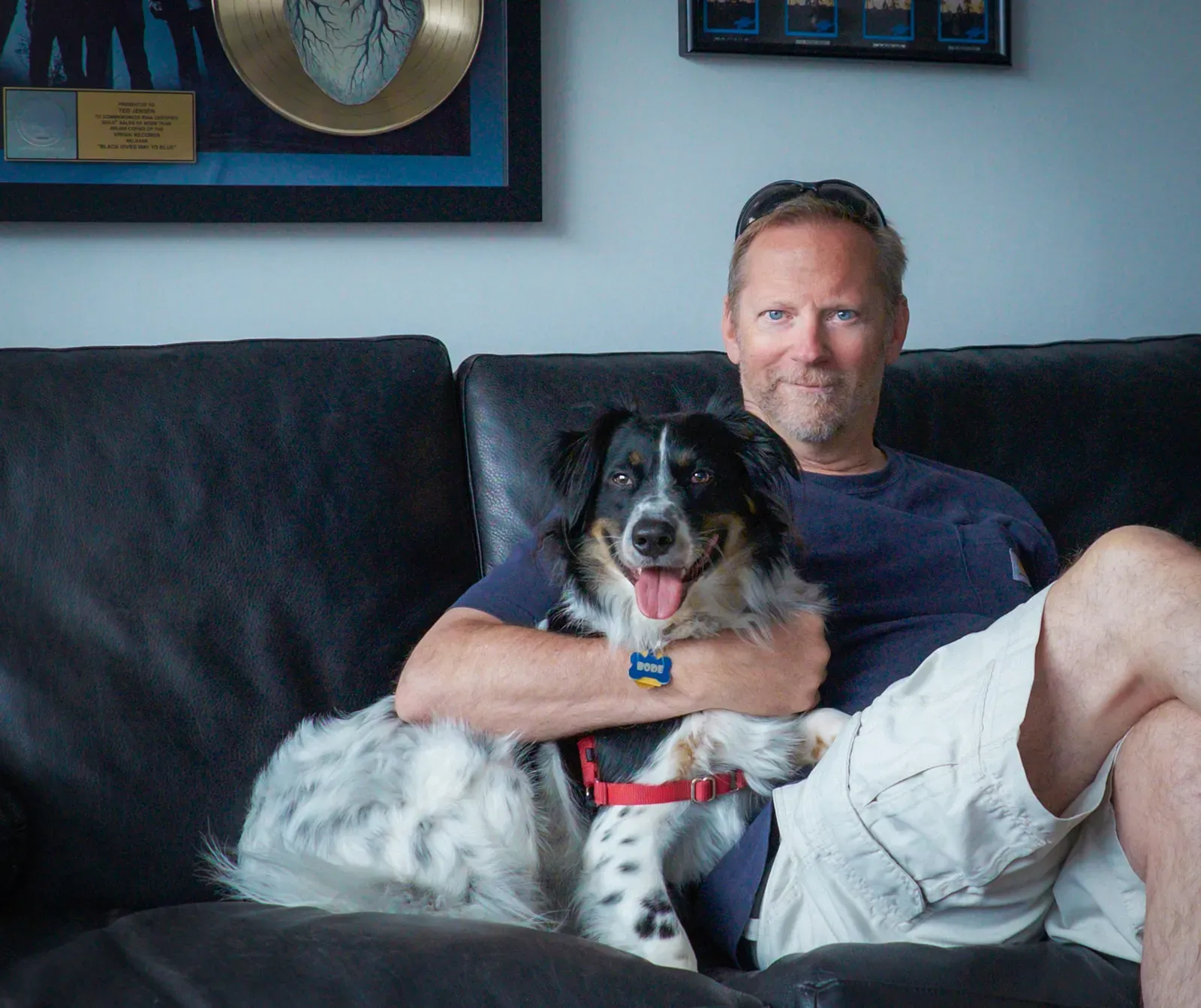
The more time you spend with your dog, the more opportunities you have to build trust and develop a mutual understanding and bond with each other, spending time exercising, playing games, training and just hanging out and relaxing together. Sometimes the best thing you can do is just be there.
You can bond with your dog by allowing them to sleep near you while you watch television or work, as these silent bonding moments allow your dog to relax in your presence and trust you. It’s not always about grand gestures or elaborate activities. Sometimes it’s about quiet coexistence, your dog lying at your feet while you read, or curled up nearby while you work from home.
Your presence communicates to your dog that they’re valued, that they belong, and that they’re safe. In our busy, distracted world, giving your full attention to another living being, even for just a few minutes each day, is a radical act of love. Put down your phone, turn off the television occasionally, and just be with your dog. Notice them. See them. Let them know they matter.
Conclusion

Building an unbreakable bond with your dog isn’t about perfection. It’s about showing up consistently with patience, understanding, and genuine affection. Research shows that positive dog-human relationships promote well-being, with humans representing a social partner that can be a source of emotional fulfillment and attachment for dogs.
The techniques we’ve explored, from mutual gazing to consistent routines to simply being present, all work together to create a relationship built on trust and mutual respect. Start implementing even just one or two of these strategies today, and watch how your relationship transforms.
What’s one way you’re going to strengthen your bond with your dog this week? Your furry friend is waiting, ready to meet you halfway in building something truly special.


