
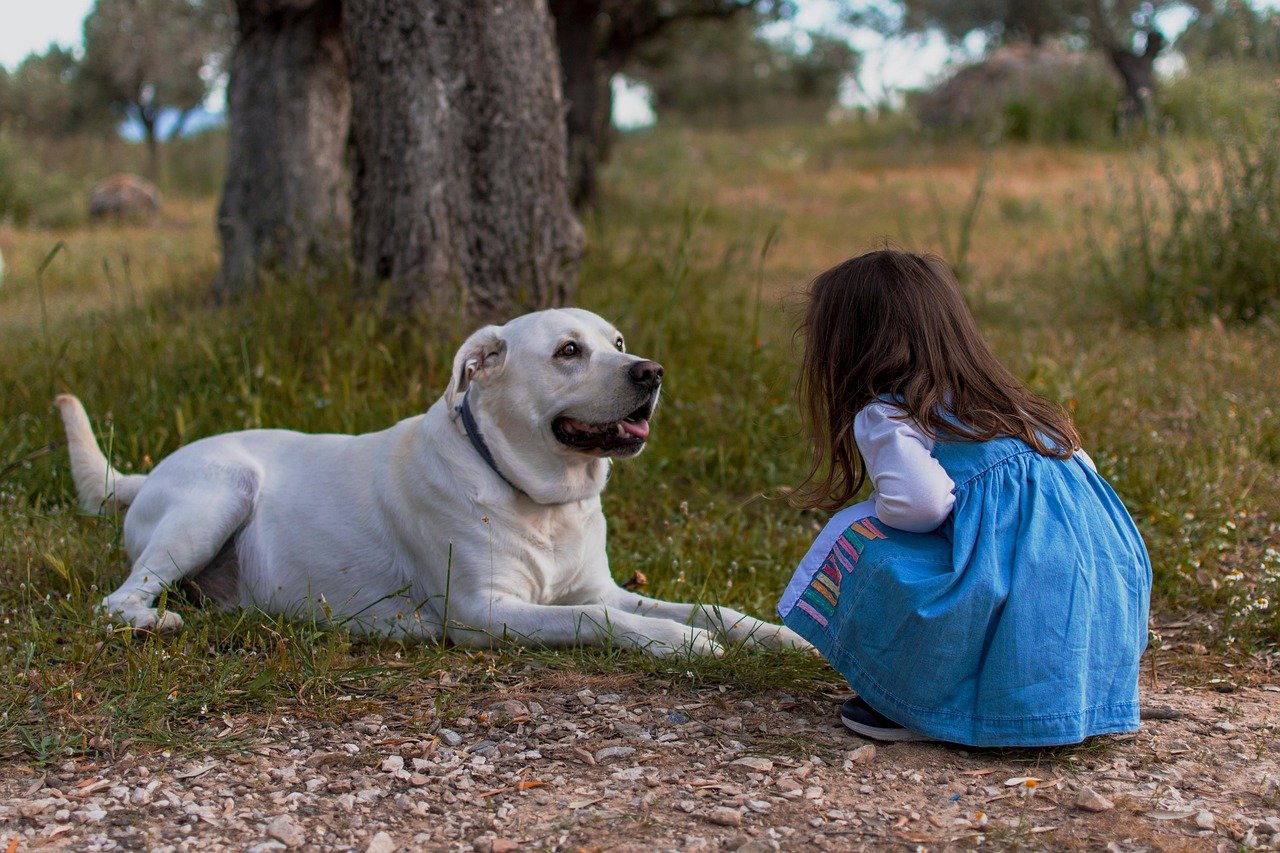
There’s something magical about the moment when a rescue dog finally looks into your eyes and you see that wall come down. Maybe you’ve just brought home a furry friend who huddles in corners, or perhaps you’re still dreaming of adoption but wondering how you’ll handle those first fragile weeks. Either way, you’re about to embark on one of life’s most rewarding journeys.
Most rescue dogs are adults with formed behavioral habits and inherent fears, but that isn’t necessarily a bad thing as long as you understand how to build trust. The key? Patience, understanding, and knowing exactly what your new companion needs to feel safe. So let’s explore eight proven ways to win over that precious heart and create a bond that will last a lifetime.
Create a Safe Haven That Feels Like Home

Your rescue dog needs a place to retreat when the world feels overwhelming. Set up a cozy corner with a bed or crate where your dog can relax undisturbed, and don’t force your dog to interact if they retreat to their safe spot. Think of it like your own bedroom after a stressful day.
Provide comforting items like toys, blankets, or items with familiar scents to help them settle in. This designated sanctuary becomes their emotional anchor in an unfamiliar world. Remember, forcing interactions will only delay the trust-building process.
Master the Art of Reading Canine Body Language
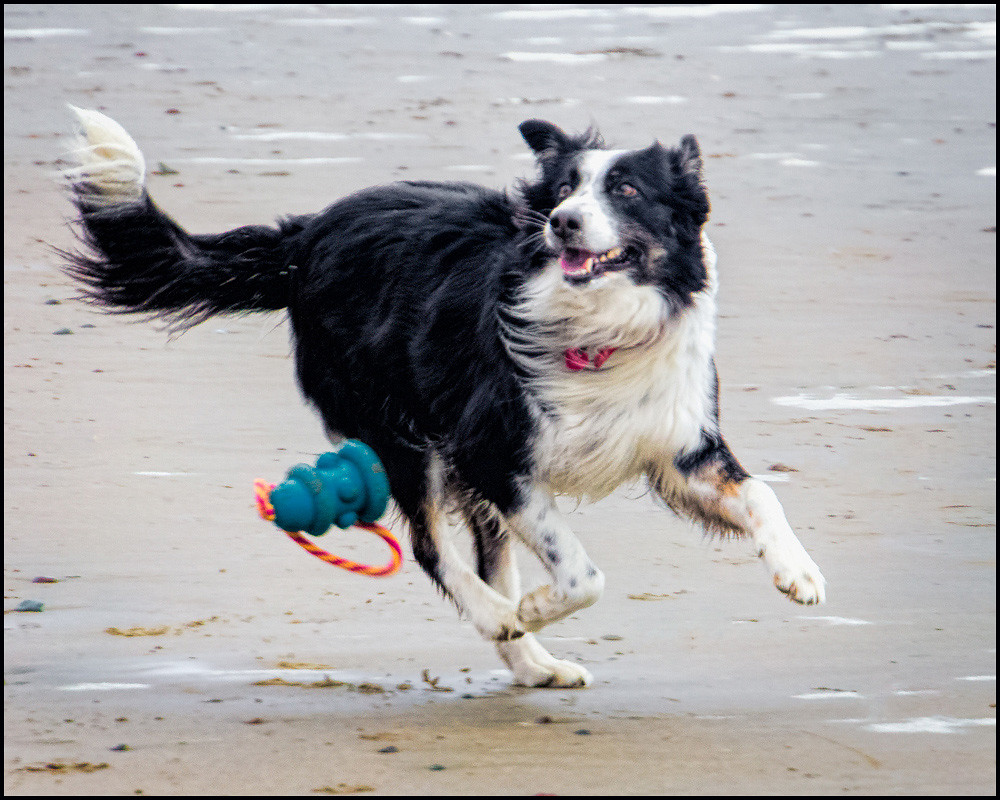
Dogs communicate how they feel through their body language, so by learning to read your dog’s signals, you will be able to better understand what he’s saying. This is your foundation for building trust and a better bond. Watch for subtle cues that speak volumes.
Panting, yawning, tongue flicking, lip licking, turning away, and freezing in place are all common signs that your pup feeling fearful, anxious, or stressed. When you spot these signals, give your dog space immediately. A relaxed dog keeps their mouths slightly open, their eyes blink often, their ears are in a forward position, and their tails are either wagging or perky and loose. This type of body language says your dog is confident by your side.
Let Your Dog Make the First Move
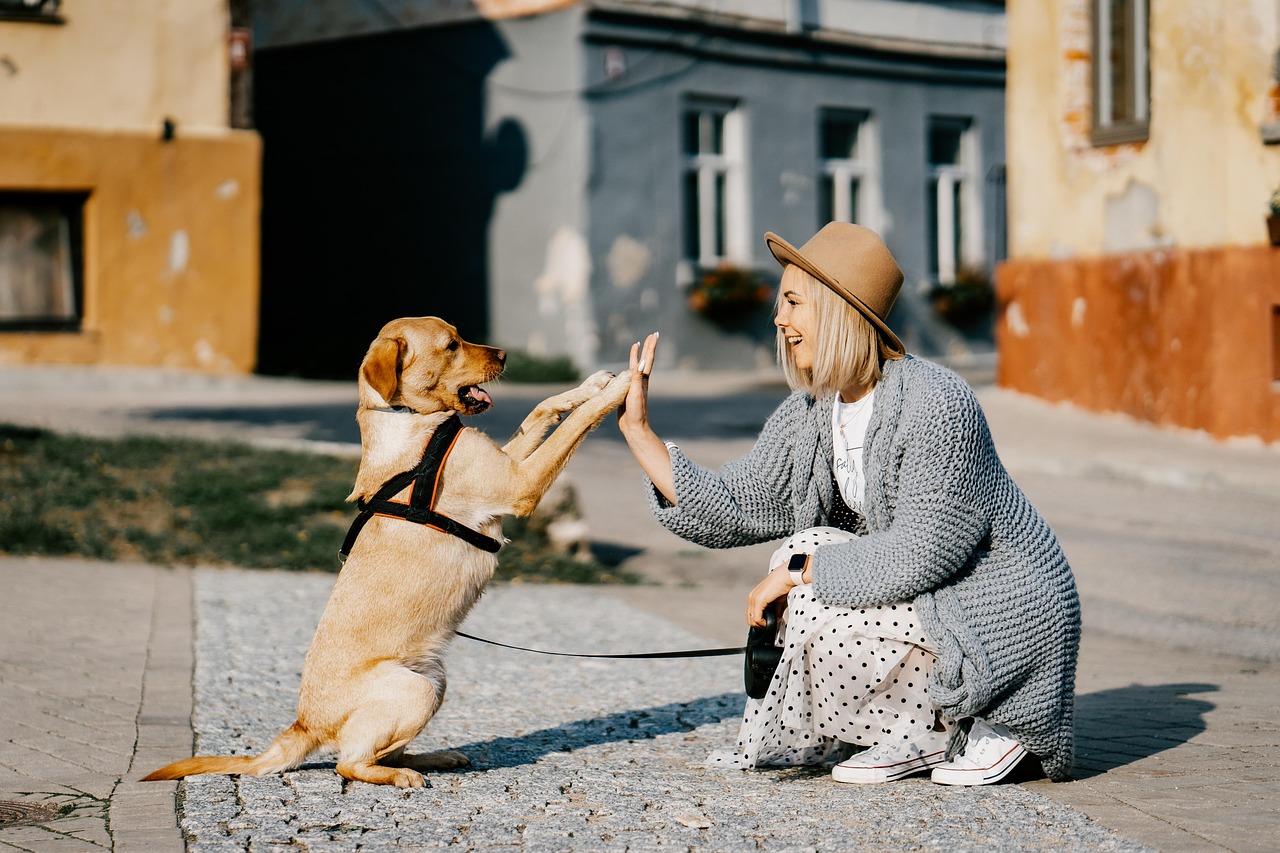
When it comes to your interactions together, let the dog be the one who approaches you, who looks for affection, and who initiates the play time. This approach respects their boundaries and shows them they have control over their environment.
Be patient, and allow your dog to approach you at their own pace. Give them space when they need it, and let them come to you for affection. Honestly, some of the sweetest moments happen when a previously fearful dog finally chooses to sit beside you. Those victories are worth every second of waiting.
Build Positive Associations Through Consistency
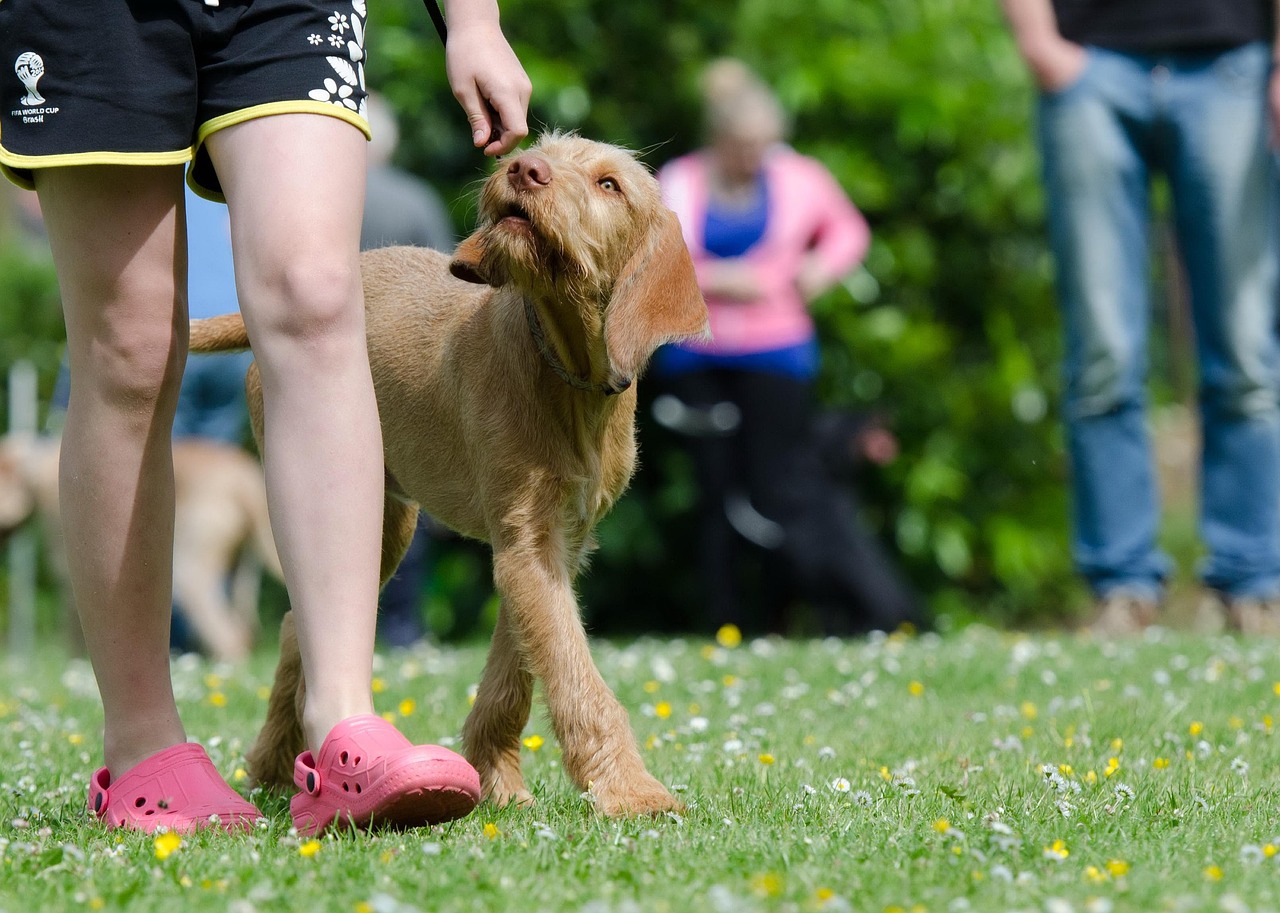
Positive associations are essential for helping a rescue dog learn to trust you. You want your pup to feel safe and associate you with good things rather than anything negative. This will start to happen almost organically as he quickly learns to associate your presence with the arrival of his food, yummy treats, petting, playtime, fun outings.
Be consistent. This promotes predictability, which fosters trust. Maintain a consistent routine with things like feeding schedule, walk times, and play sessions. Dogs thrive on routine because it helps them understand what to expect from their new life with you.
Use Positive Reinforcement Training Techniques
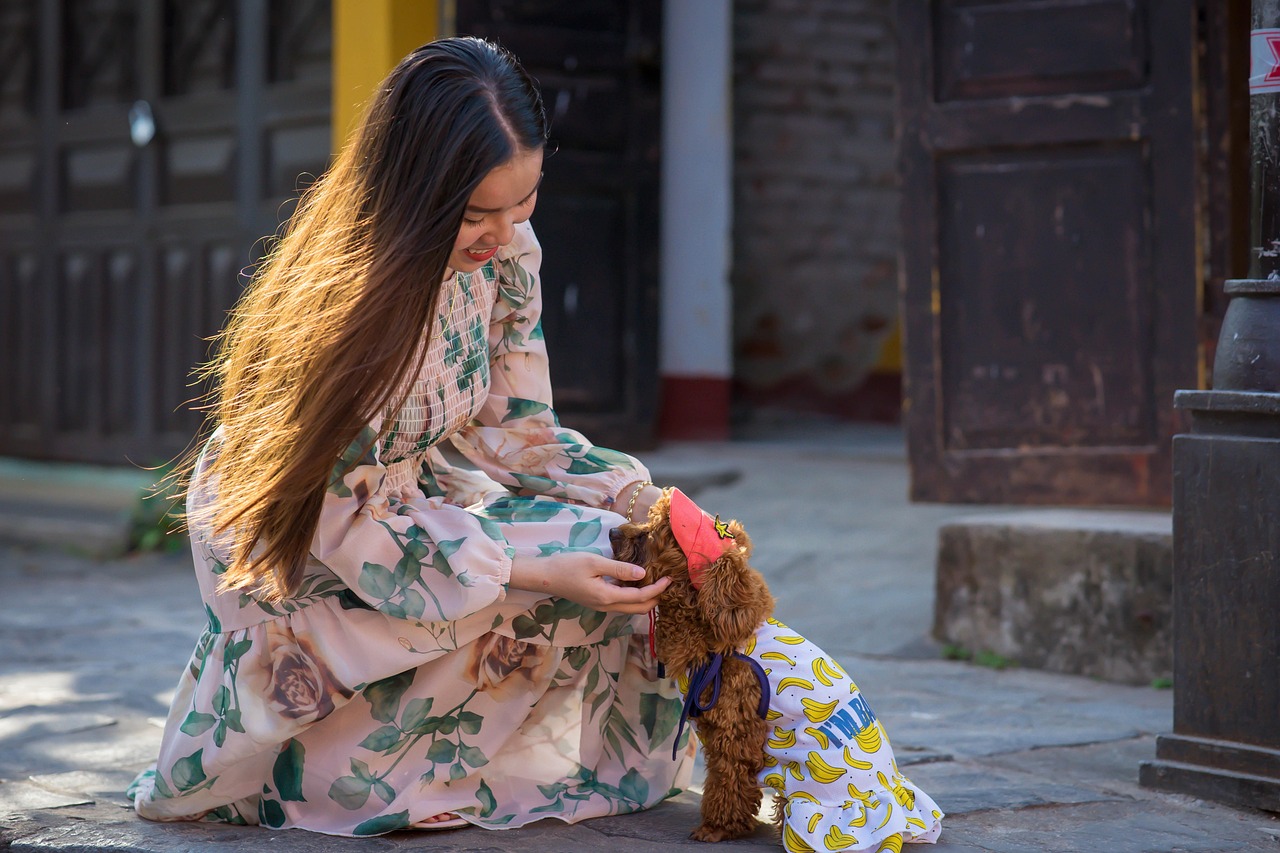
Positive reinforcement is one of the most effective ways to build trust and encourage good behavior. Reward your dog with treats, praise, or affection when they exhibit positive behaviors. Think of it as building a trust bank account with every positive interaction.
Clicker training is a great way to build that all-important trust and increase your dog’s overall confidence. Essentially, this is a training technique where you mark (with a click) and reward the desired behavior. It’s a form of positive reinforcement that focuses on encouraging and rewarding good behaviors rather than punishing mistakes. Never use punishment-based methods with rescue dogs, as this will only reinforce their fears.
Communicate Using Their Natural Language
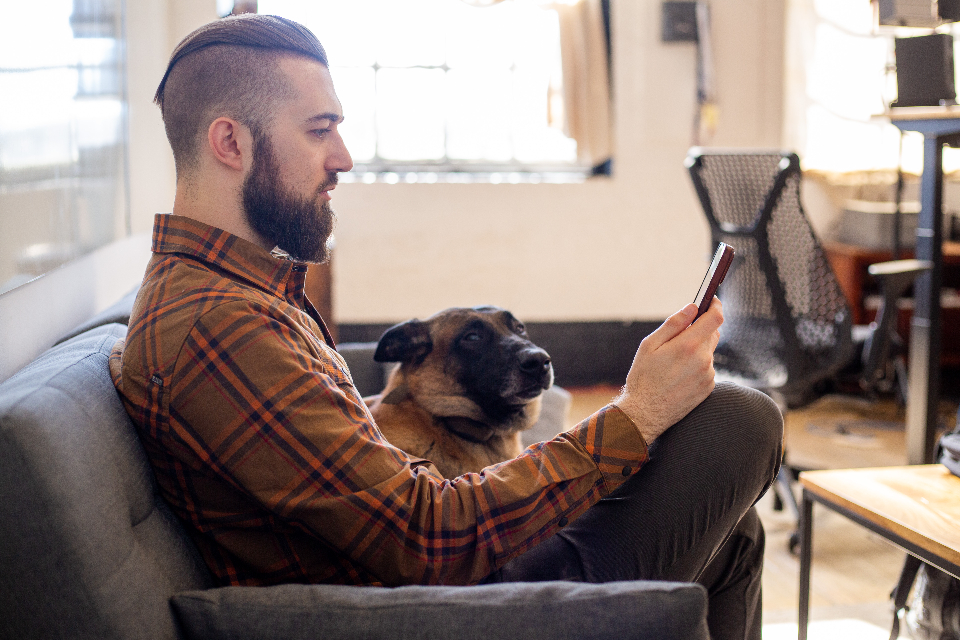
According to renowned Norwegian dog behavior expert Turid Rugaas, there are approximately 30 “canine calming signals” that dogs use to communicate with each other and avoid conflict. The “head turn” is one of the most commonly used signals. If you notice your pup is starting to look stressed, simply turn your head to the side for a bit to tell her you’re not a threat.
Staring is considered to be hostile in the world of canine communication, so try making soft eye contact with your pup instead. This will help build a strong foundation of trust. These simple gestures show your dog that you understand and respect their communication style.
Keep Early Interactions Brief and Positive
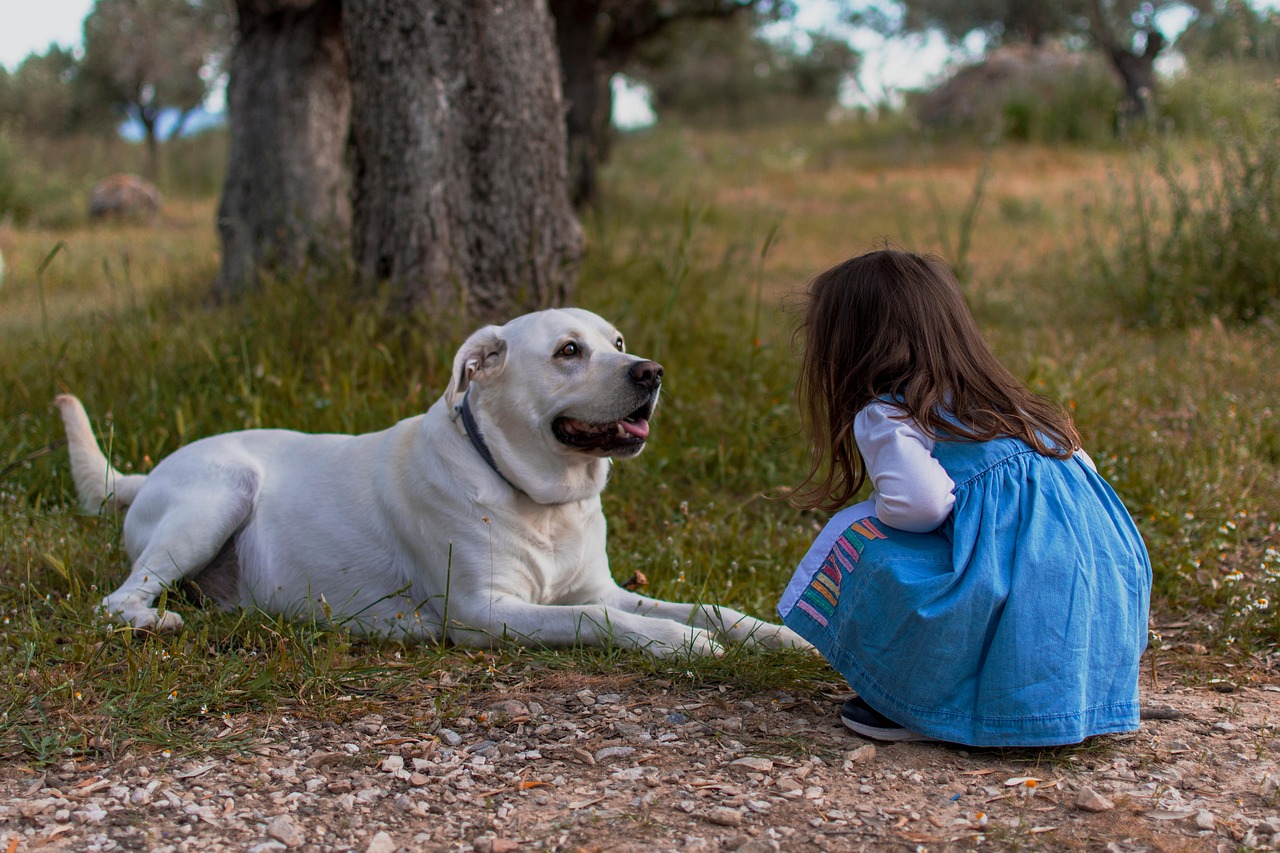
Keep interactions brief when you first start getting to know your new companion. This will prevent her from becoming overwhelmed or stressed. So be sure to watch for stress signals, such as yawning or panting, tail tucking, or avoidance behavior. If you see any of these signs, it’s time to take a break and give her some space.
Always try to end your interactions on a positive note, even if you just gently toss her a treat and leave the room. Short, sweet encounters build confidence gradually without overwhelming your sensitive companion. Quality trumps quantity every time in those early days.
Engage in Trust-Building Activities
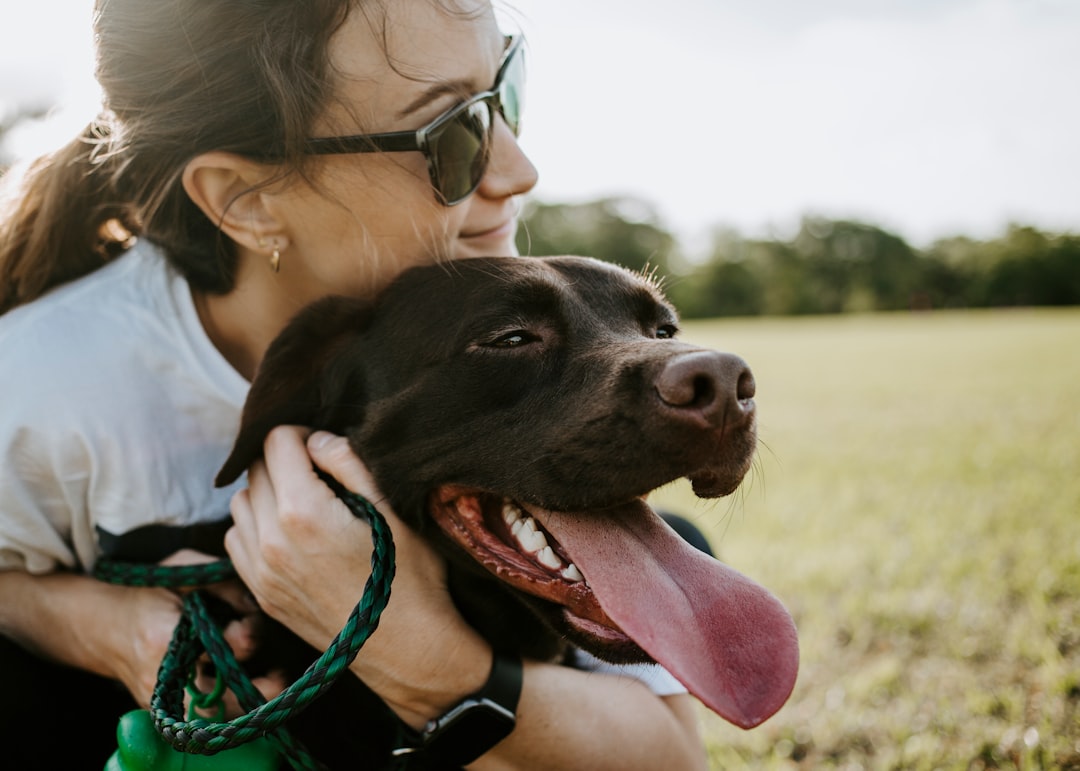
Take them on leisurely walks or gentle hikes. The great outdoors is a beautiful canvas for trust-building. As you explore together, your dog learns that you are their loyal companion, ready to navigate the world by their side. Plus, physical activity releases those happy endorphins, further solidifying the bond.
Puzzle toys, treat-dispensing toys, or even a good ol’ game of tug-of-war can be incredible trust-building exercises. These activities provide a positive outlet for energy, strengthen the bond, and boost their confidence in you as their trusted playmate. Don’t underestimate the power of simply sitting together in comfortable silence, either.
Conclusion: The Beautiful Journey of Trust
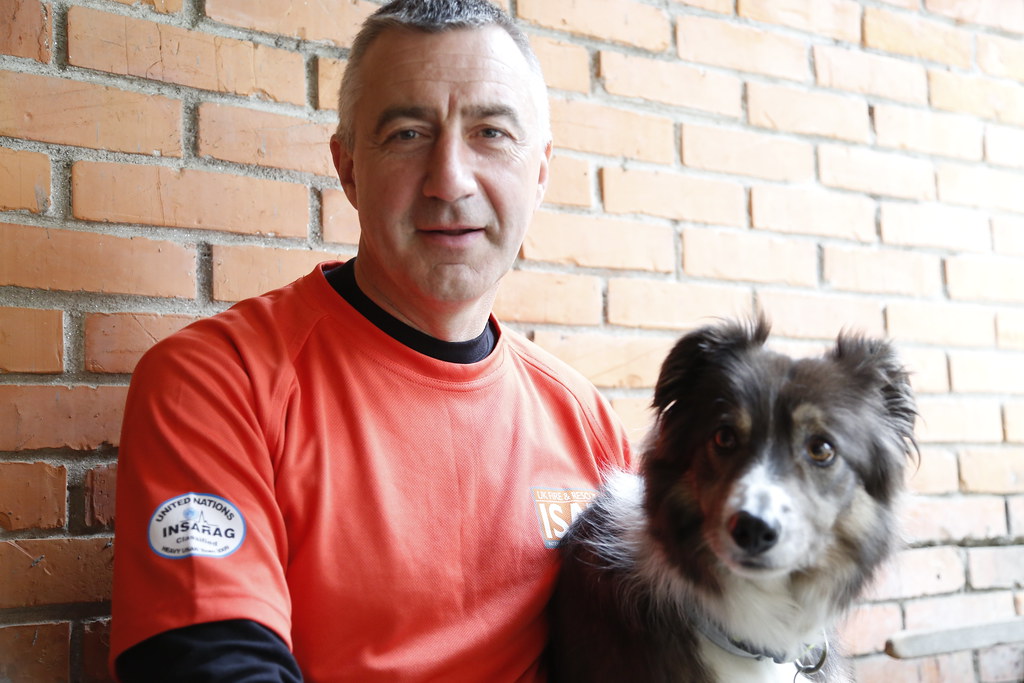
Building trust with a rescue dog isn’t about reaching a destination; it’s about savoring every small step along the way. The time it takes to gain a rescue dog’s trust really depends on the individual dog and their past experiences. It can range from weeks to months or even longer. Patience, consistency, and a nurturing environment are key factors.
Building trust with a rescue dog is a journey that takes time, patience, and love. Trust isn’t built overnight, but with consistent care, your dog will learn to trust and love you unconditionally. Remember, every rescue dog carries their own story, their own timeline, and their own unique way of showing love once they feel safe.
Some days will test your patience more than others. Yet those magical moments when your once-fearful companion approaches you with a wagging tail, or when they choose to curl up beside you for the first time, make every challenge worthwhile. What do you think will be the most rewarding part of your trust-building journey? Tell us in the comments.


