
Have you noticed your once-spry pup moving a little slower, sleeping a little longer, or hesitating at the stairs? If so, you’re not alone. Aging dogs tug at our hearts in a way only family can. As a lifelong canine companion and a fellow dog lover, I know firsthand how deeply we want our furry friends to feel safe and comfortable right alongside us as the years roll by. Let’s dive into eight practical ways to make your senior dog’s golden years truly shine—because every wag and nuzzle is worth it.
1. Create Cozy, Accessible Resting Spots

Older dogs spend more time snoozing, so make their nap zones count. Consider orthopedic beds with memory foam, which cushion sore joints and can help with arthritis aches. Place beds in quiet, draft-free corners—think of it like giving your pup their own favorite armchair.
If your dog struggles with stairs, set up cozy beds on each floor so they’re never far from comfort. Ramps or pet stairs can help them reach sofas or beds without jumping, reducing the risk of injury and making them feel more included in family moments.
2. Adjust Nutrition for Senior Needs
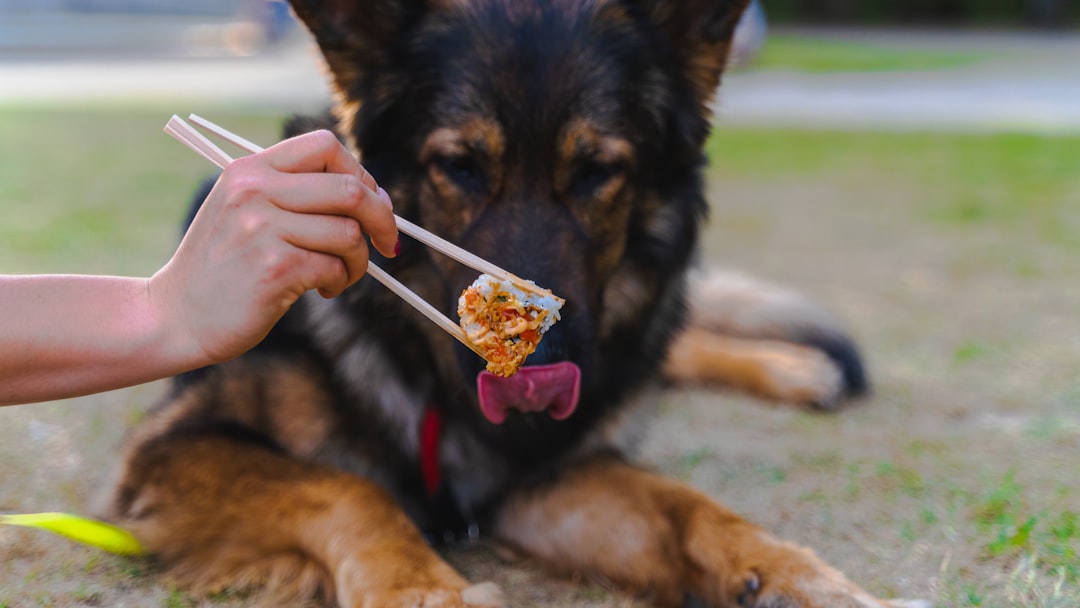
Aging changes your dog’s metabolism and digestion. Look for high-quality senior dog foods that support joint health and have fewer calories to prevent weight gain. Omega-3 fatty acids, glucosamine, and chondroitin are often added to help with inflammation and mobility.
Watch for subtle cues: slower eating, reluctance to chew, or sudden pickiness can mean dental pain or digestive troubles. Consult your vet about supplements or dietary tweaks, and don’t be afraid to try wet food or softer kibble if chewing is tough.
3. Keep Exercise Gentle and Consistent
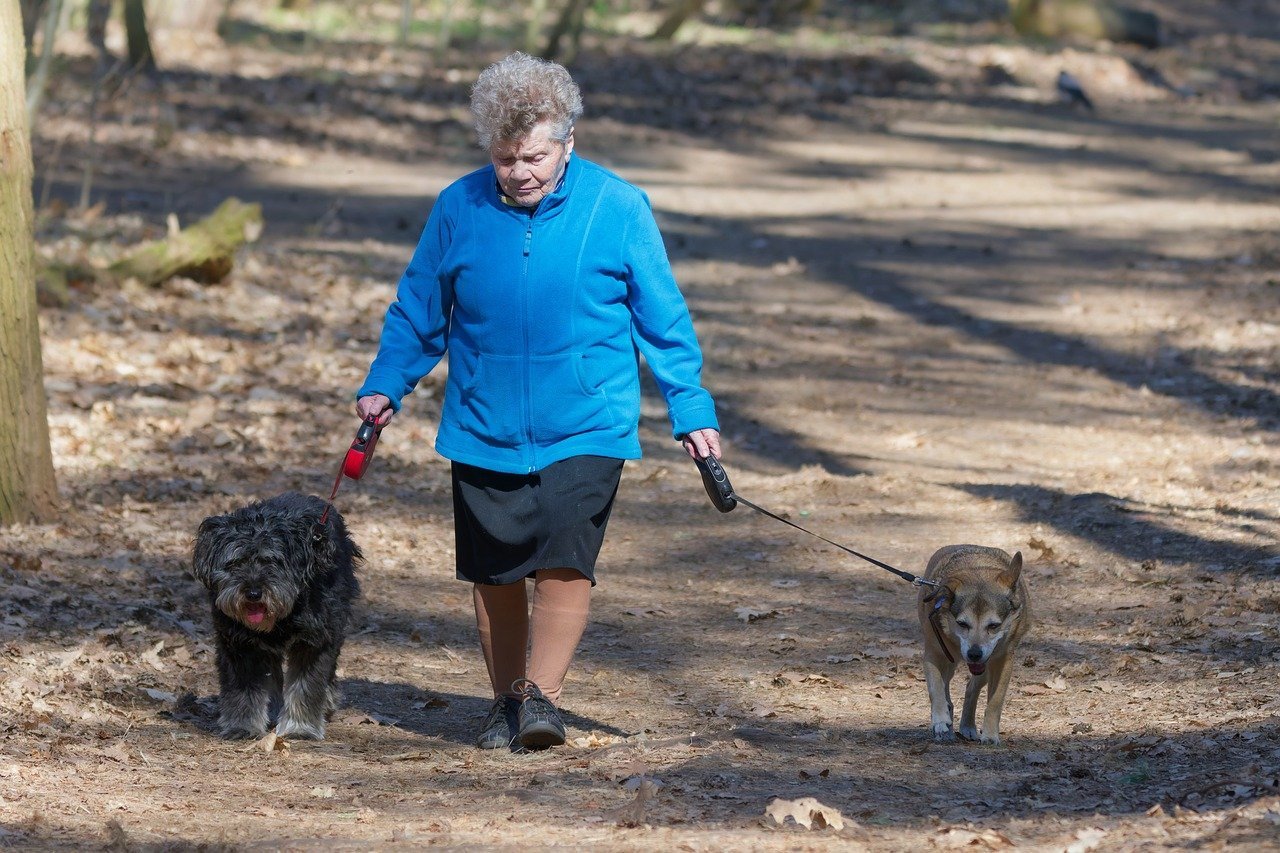
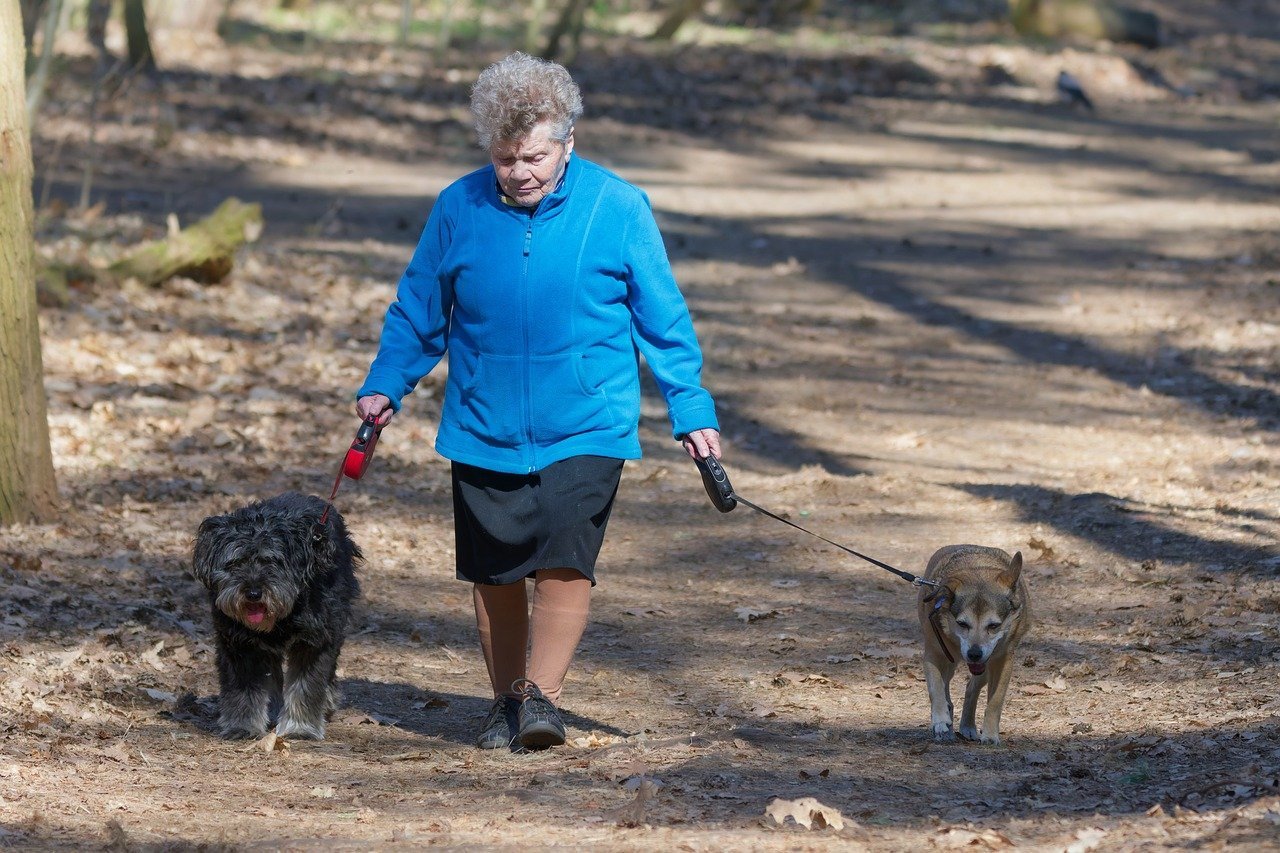
Your dog may not chase balls for hours anymore, but gentle exercise is still vital. Short, frequent walks on soft surfaces like grass can keep muscles strong and minds sharp. Always let your dog set the pace—there’s no rush.
If you notice limping, excessive panting, or reluctance to move, it’s a cue to slow down or visit your vet. Some dogs love low-impact activities like swimming or gentle tug games, which keep them engaged without stressing their bodies.
4. Prioritize Regular Vet Visits and Preventive Care
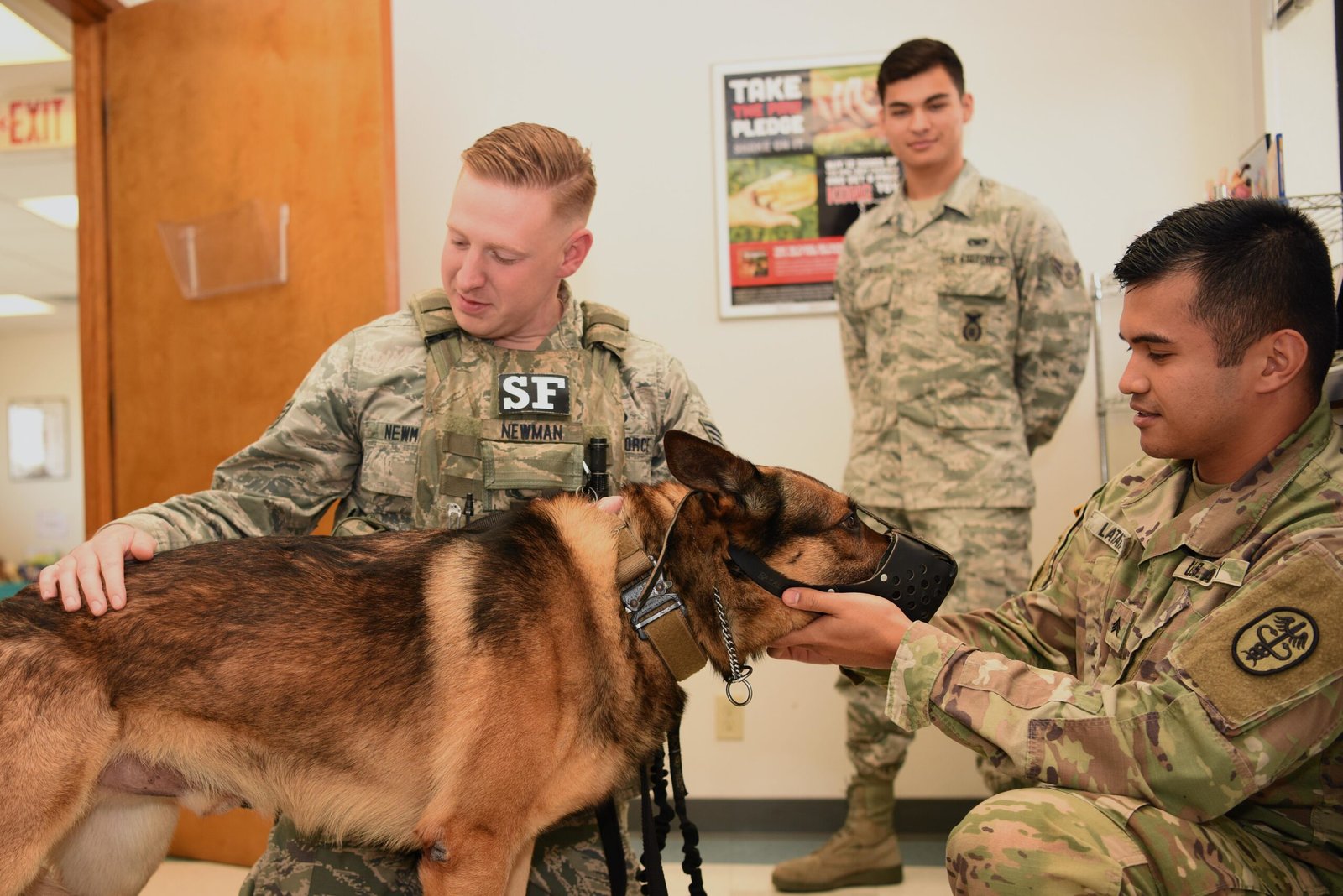
Senior dogs need more frequent checkups, ideally every six months. Bloodwork and physical exams can catch issues like kidney disease, thyroid problems, or arthritis before they become serious. Prevention is truly the best gift you can give.
Watch for behavioral changes—more accidents in the house, new lumps, or changes in appetite. These can be early signs of medical problems. Regular dental cleanings are also crucial, as dental disease can sneak up and affect the whole body.
5. Modify the Home for Safety
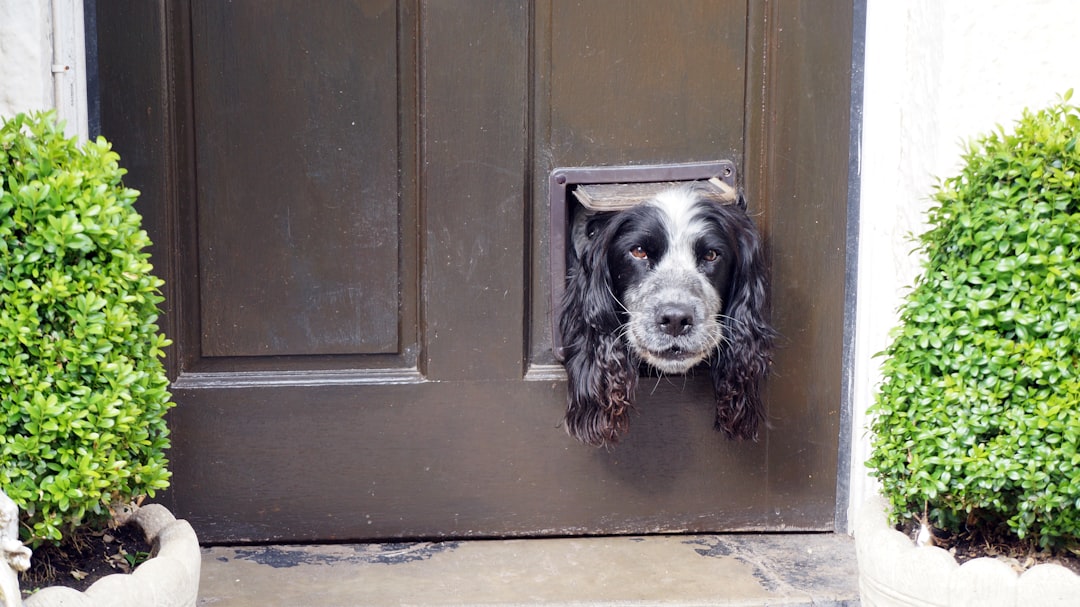
Just like us, older dogs can lose vision or slip on slick floors. Place non-slip rugs or mats on tile and hardwood surfaces to give them confidence as they move around. Secure loose cords and keep pathways clear of clutter.
Nightlights can help dogs with poor vision navigate after dark. If your dog gets confused or anxious at night, a steady routine and safe, familiar spaces will help them feel grounded and secure.
6. Foster Mental Stimulation and Connection
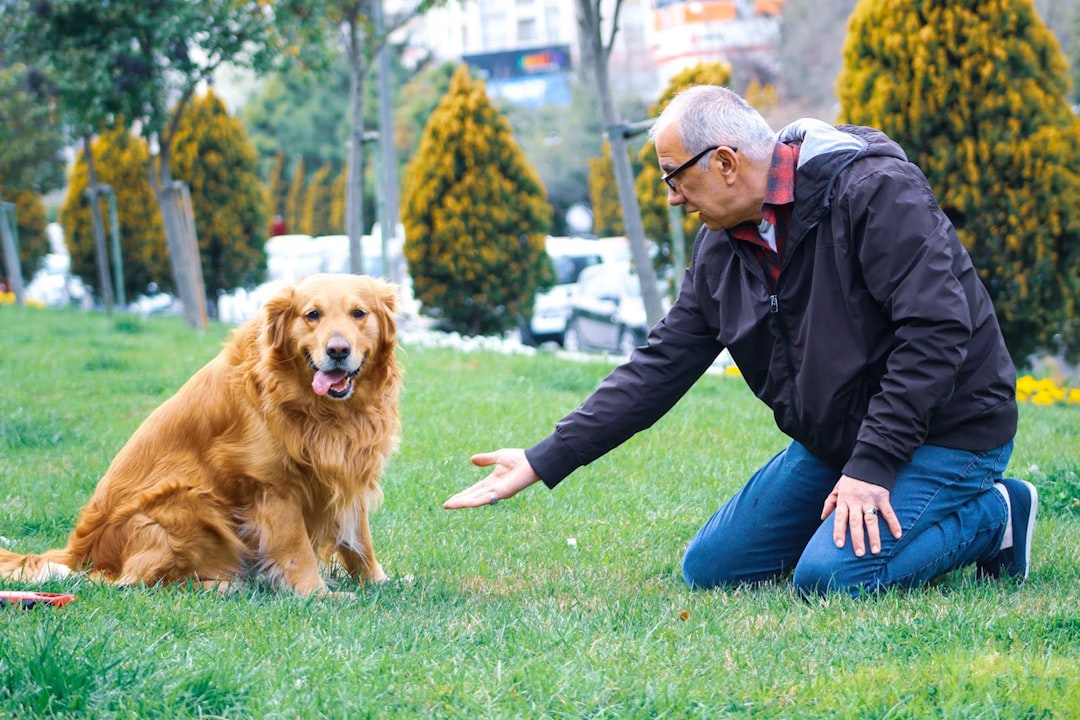
Seniors might nap more, but their minds still crave activity. Puzzle toys, food-dispensing balls, or gentle training sessions can keep their brains buzzing. Even simple games like “find the treat” or sniff walks provide mental enrichment.
Social connection is just as important. Gentle petting, brushing, and quiet time together strengthen your bond and reassure your dog they’re still at the heart of the family. Watch for signs of confusion or anxiety; these can signal cognitive changes that might need extra support.
7. Watch for Pain and Behavior Changes
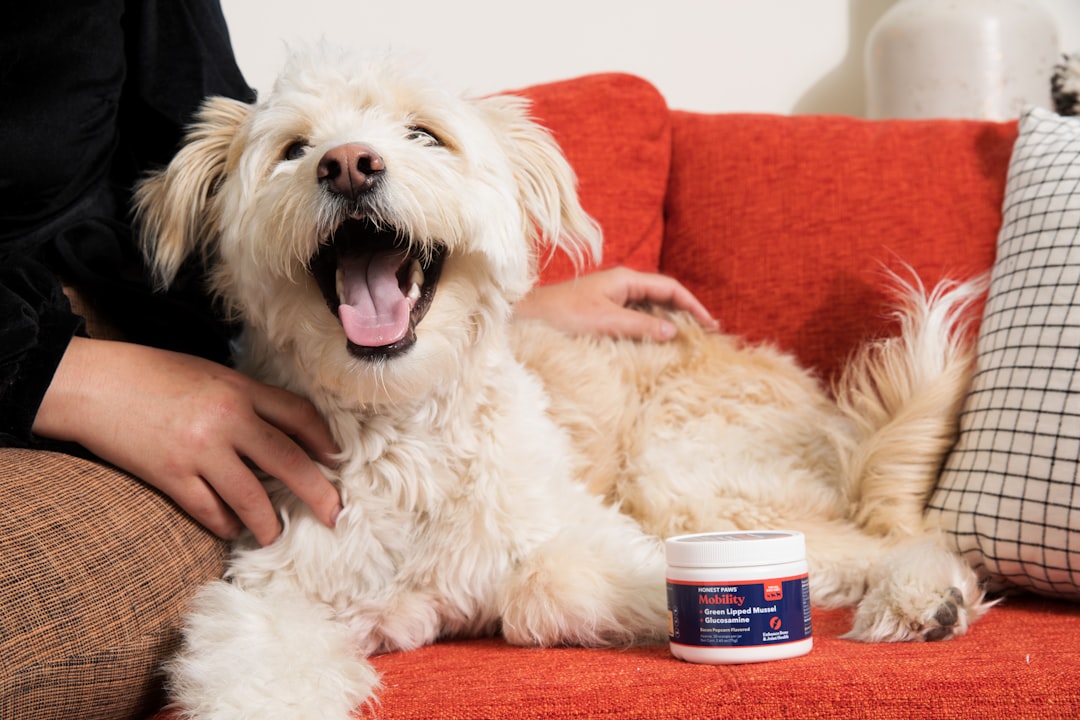
Dogs rarely complain openly, so small shifts in behavior—restlessness, licking joints, sudden grouchiness—can all be cries for help. If your dog hesitates to jump, avoids stairs, or seems withdrawn, pain could be the culprit.
Don’t ignore changes, even if they seem minor. Early intervention, whether with pain management, joint supplements, or physical therapy, can make a massive difference in your dog’s comfort and quality of life.
8. Plan for Emergencies and Daily Routines
Emergencies can happen fast, especially with seniors. Keep your vet’s number handy and have a plan for urgent transport if needed. Know the signs of distress—labored breathing, sudden collapse, or severe disorientation—so you can act quickly.
Sticking to a consistent daily routine provides comfort and reduces anxiety for aging dogs. Feeding, walks, and bedtime at predictable times help your dog feel safe and secure, making every day a little easier for both of you.


