
Your dog has been with you through everything. The late nights, the lazy Sundays, the ugly cries on the couch. They’ve never asked for much in return. Now, as that muzzle turns silver and those steps get a little slower, they need something new from you – a different kind of attention, a deeper kind of awareness. Here’s the hard truth: some things we do out of habit, frustration, or simple ignorance can genuinely hurt our senior dogs emotionally. Not dramatically. Not obviously. But quietly, in ways that chip away at their sense of safety and belonging.
The good news? Every single thing on this list is fixable. Let’s dive in.
1. Dismissing Behavior Changes as “Just Old Age”
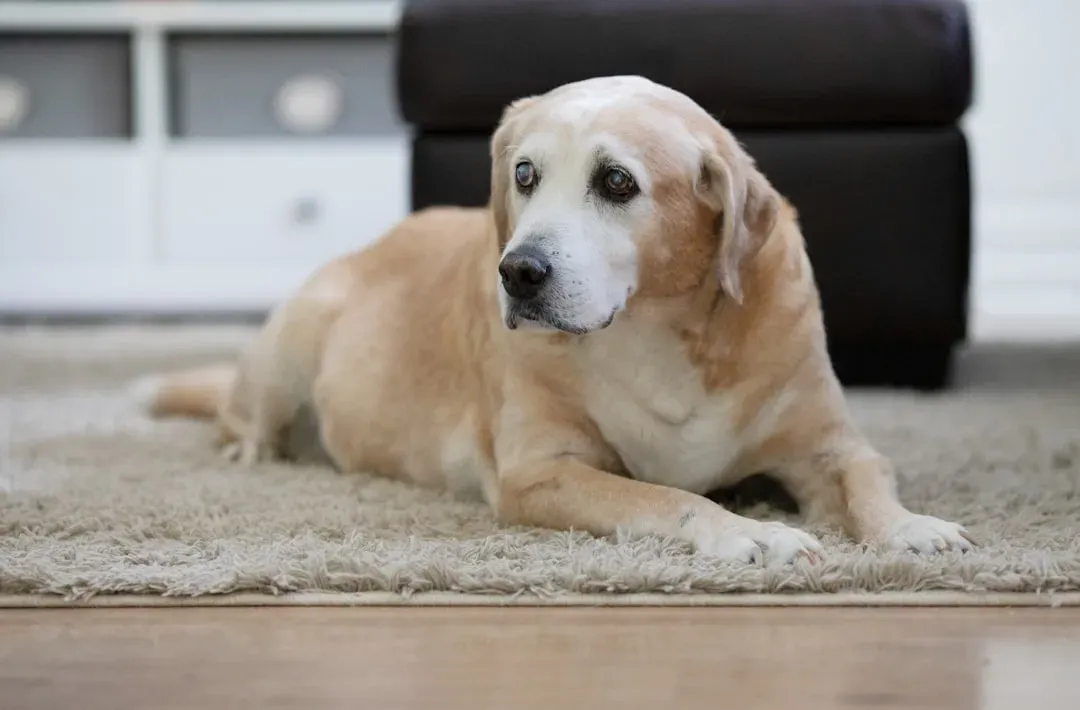
Picture this: your 11-year-old Labrador starts pacing the hallway at night and seems confused about where she’s going. You shrug it off and say, “She’s just getting older.” That reaction, as understandable as it is, could be emotionally and physically costly to her. As dogs age, they often suffer a decline in functioning, and their memory, ability to learn, awareness, and senses of sight and hearing can all deteriorate.
Don’t assume your dog is “just getting old” and nothing can be done to help. Many changes in behavior can be signs of treatable medical disorders, and there are a variety of therapies that can comfort your dog and manage symptoms, including any pain they might be experiencing. When we ignore these signs, our dogs feel it. They’re trying to communicate something, and silence from us leaves them confused and alone in their discomfort.
2. Punishing Them for Things They Can’t Control
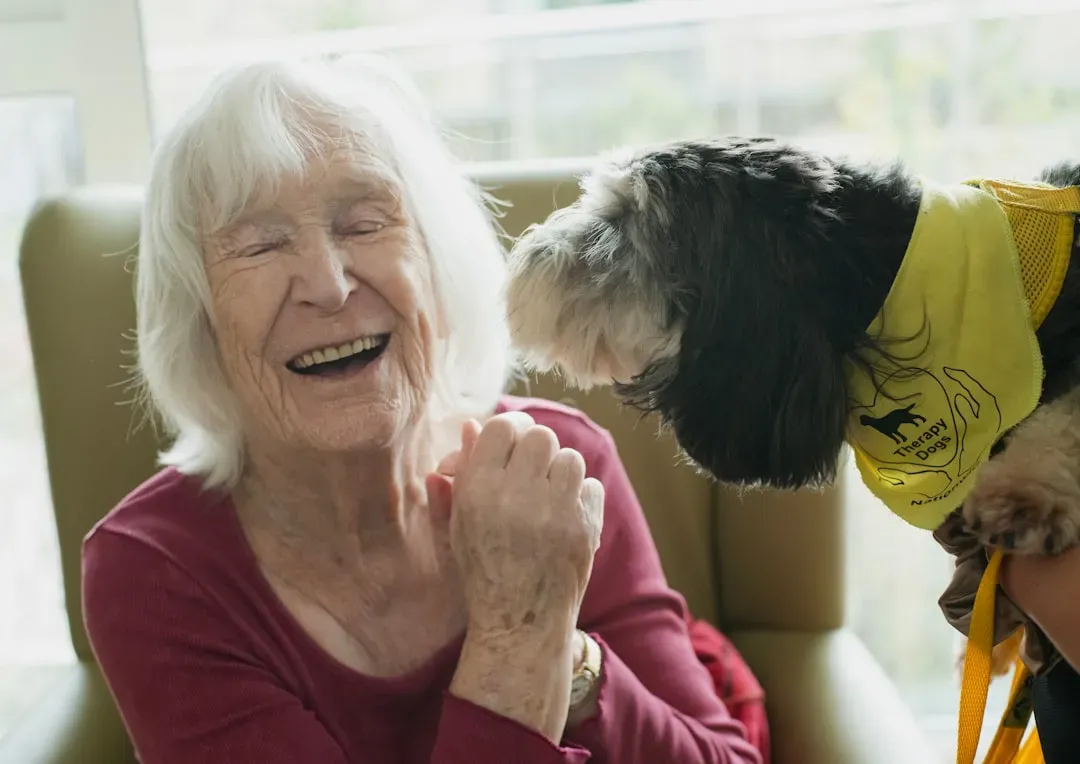
Scolding a senior dog for having an accident in the house feels instinctive in a frustrated moment. Honestly, most of us have done it. But here’s the thing: if accidents occur, avoid scolding, as that can cause more anxiety. Your dog isn’t being defiant. They may simply be losing bladder control, or feeling too anxious and confused to ask to go outside.
Punishing an aggressive or reactive senior dog is not just ineffective – it’s actively harmful. Punishment-based methods increase stress in all dogs, but the effect is particularly pronounced in seniors who may be confused, in pain, or experiencing cognitive decline. Think of it like snapping at someone who’s hard of hearing because they didn’t answer you. Not kind. Not fair. And deeply damaging to trust.
3. Disrupting Their Routine Without Warning
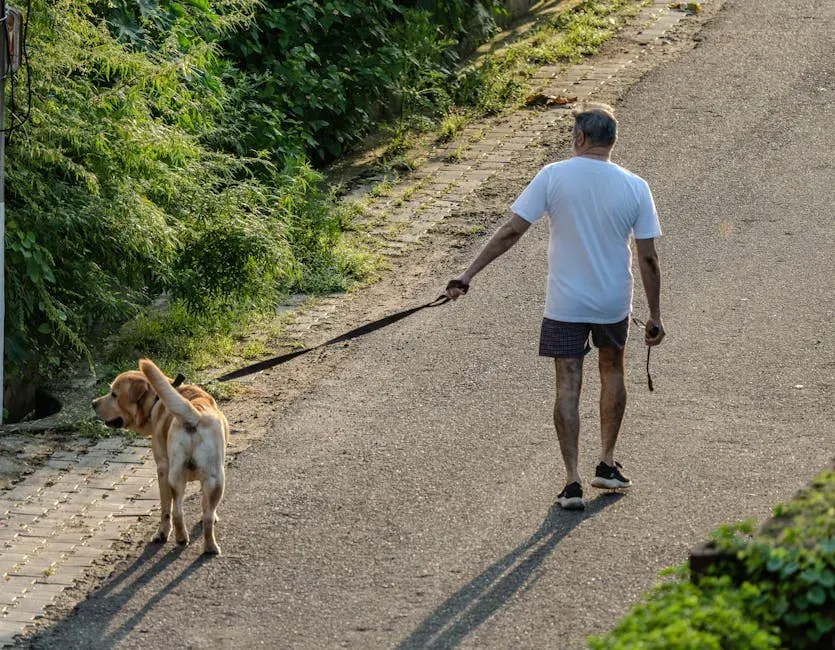
Dogs are creatures of habit who find comfort in the predictable, and this preference for routine intensifies with age. A new feeding time, furniture moved around, or even a change in your own schedule can genuinely rattle a senior dog’s sense of security. It’s wise to establish a predictable daily routine, because older dogs thrive on a schedule – it reduces the “cognitive load” of having to figure out what happens next. When meals, walks, and activities happen at the same time every day, your dog feels more secure.
Because older dogs rely on consistency, keeping daily routines predictable can reduce anxiety. Regular feeding times, consistent walks, and stable sleeping arrangements can make the environment feel safe. Even minor schedule disruptions may be confusing for older pets, so predictable patterns are extremely helpful. Think of routine as your dog’s emotional anchor. Pulling it away can leave them adrift in ways we often don’t see coming.
4. Ignoring Their Emotional Signals

Senior dogs don’t sulk dramatically or slam doors. Their emotional distress is quieter. Easily missed. You might see a lack of interest in things they normally enjoy, changes in sleep or eating, hiding, or subtle body language like ears back, tail tucked, or avoiding eye contact. If you’re not watching closely, these signs are invisible.
Anxiety may cause a shift in your dog’s personality. They may be clingy and reluctant to let you out of their sight, or start hiding from you or avoiding you. Neither extreme should be dismissed. A dog that suddenly shadows you everywhere is not just being cute – they may be scared. A dog that withdraws is not being aloof – they may be hurting. Learn to read the in-between.
5. Startling or Rushing Them Physically
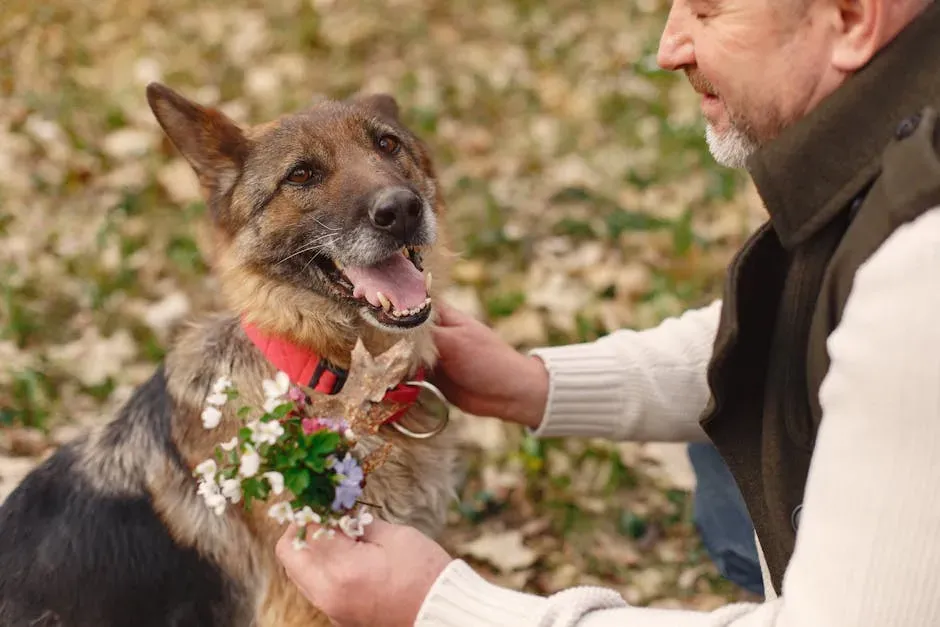
Older dogs may experience a decline in sensory input, affecting their vision and hearing, which can lead to startle responses. Imagine going about your day, only partially able to see or hear, and suddenly someone reaches for you from out of nowhere. That’s what an abrupt touch feels like for a senior dog with fading senses. Even well-meaning cuddles can feel like ambushes.
Move slowly around your dogs and carefully approach them, as sensory deficits coupled with anxiety can make them irritable and even reactive. Always approach from the front. Use your voice before your hands. Dogs who previously enjoyed physical contact may resist touch around sensitive areas, and gentle handling becomes increasingly important. Something as simple as a calm, slow approach can make your senior dog feel seen, safe, and loved.
6. Skipping Mental Stimulation Because They “Slow Down”
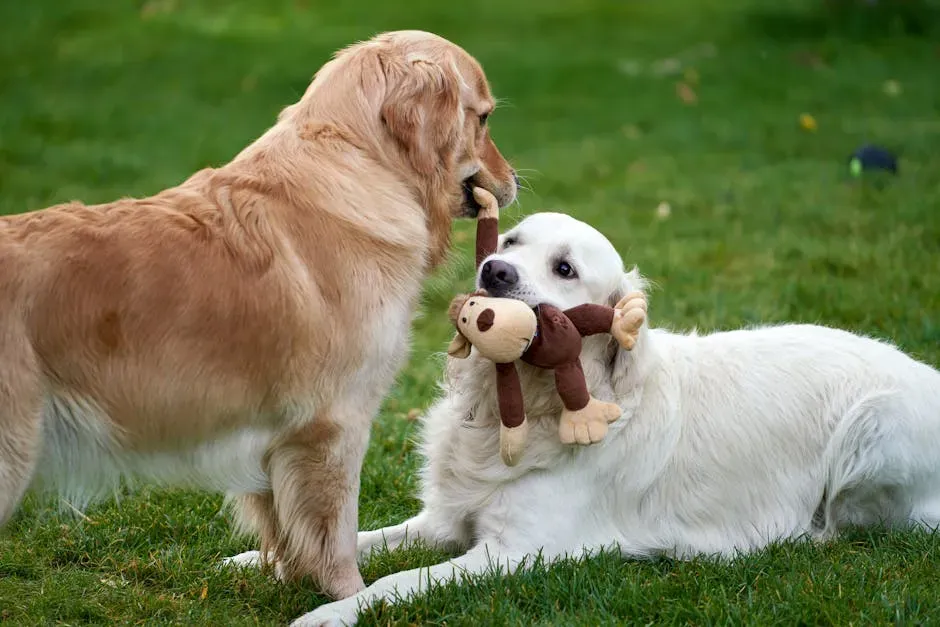
Here’s a mistake I think so many loving dog parents make without realizing it: they stop engaging their senior dog’s brain because the dog seems tired or less energetic. Less physical energy does not mean less need for mental engagement. Mental stimulation is a powerful tool for maintaining and enhancing cognitive health in senior dogs. Engaging your dog’s mind can slow cognitive decline, keep them mentally alert, and provide a valuable source of entertainment.
Dogs of all ages need mental stimulation to feel their best, and senior dogs are no exception. Age-appropriate activities such as puzzle toys, scent games, and teaching gentle tricks can keep your grey-muzzled friend happy, healthy, and thriving in their golden years. Think of mental stimulation like a cozy fire for your dog’s brain. It doesn’t have to be intense. It just has to be consistent. Even a simple sniff walk around the block where you let them lead with their nose counts enormously.
7. Introducing Big Changes Without Helping Them Adjust
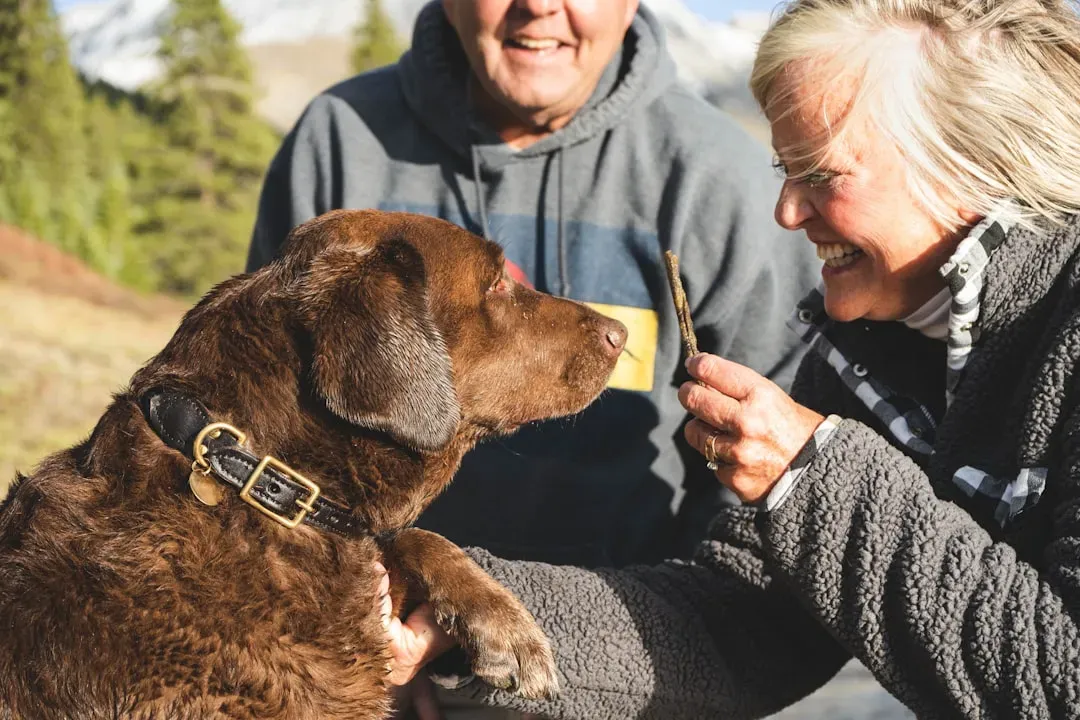
A new baby, a new pet, a house move. Life changes happen, and nobody expects you to put your life on hold for your dog. Still, environmental changes, such as the introduction of new pets or increased activity in the home, can exacerbate feelings of territoriality and lead to unsettled behavior in senior dogs. The older the dog, the harder the adjustment.
Aggression or unease in older dogs can follow changes in the family makeup, such as marriage, divorce, or a new birth. Conflict with other pets can occur when a new animal is introduced to the family, or as an older dog becomes weaker or less assertive. The fix isn’t to avoid all change – it’s to go slowly, create safe retreats, and give your senior dog time and space to recalibrate. Avoid changing your pet’s environment too much, while also providing some enrichment and interacting with them gently during transitions.
8. Reducing Quality Time Because You’re Busy
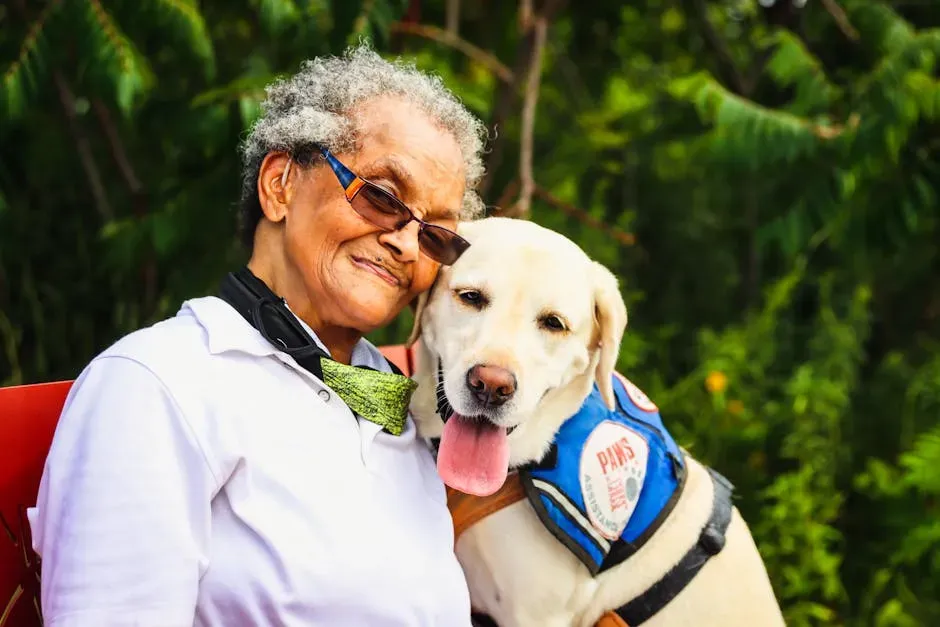
Let’s be real – life is hectic. Work, kids, screens, errands. It’s easy for the older dog who doesn’t demand much to quietly fall through the cracks of your attention. Quality time becomes especially valuable as dogs enter their senior years. Slow walks, gentle brushing, or simply sitting together can reassure an aging pet. Emotional security plays a major role in reducing behavioral stress.
It doesn’t take grand gestures. Ten focused minutes of connection mean more to your senior dog than two hours of passive coexistence in the same room. An anxious senior dog isn’t being “bad,” even if they do things you don’t want them to. They’re experiencing a distressing emotional state, and it will be easier for both of you to get through it if you show them that you’re always there for them and on their side. They gave you years of unconditional love. They deserve your presence in return.
Conclusion: Love Them Louder in the Quiet Years
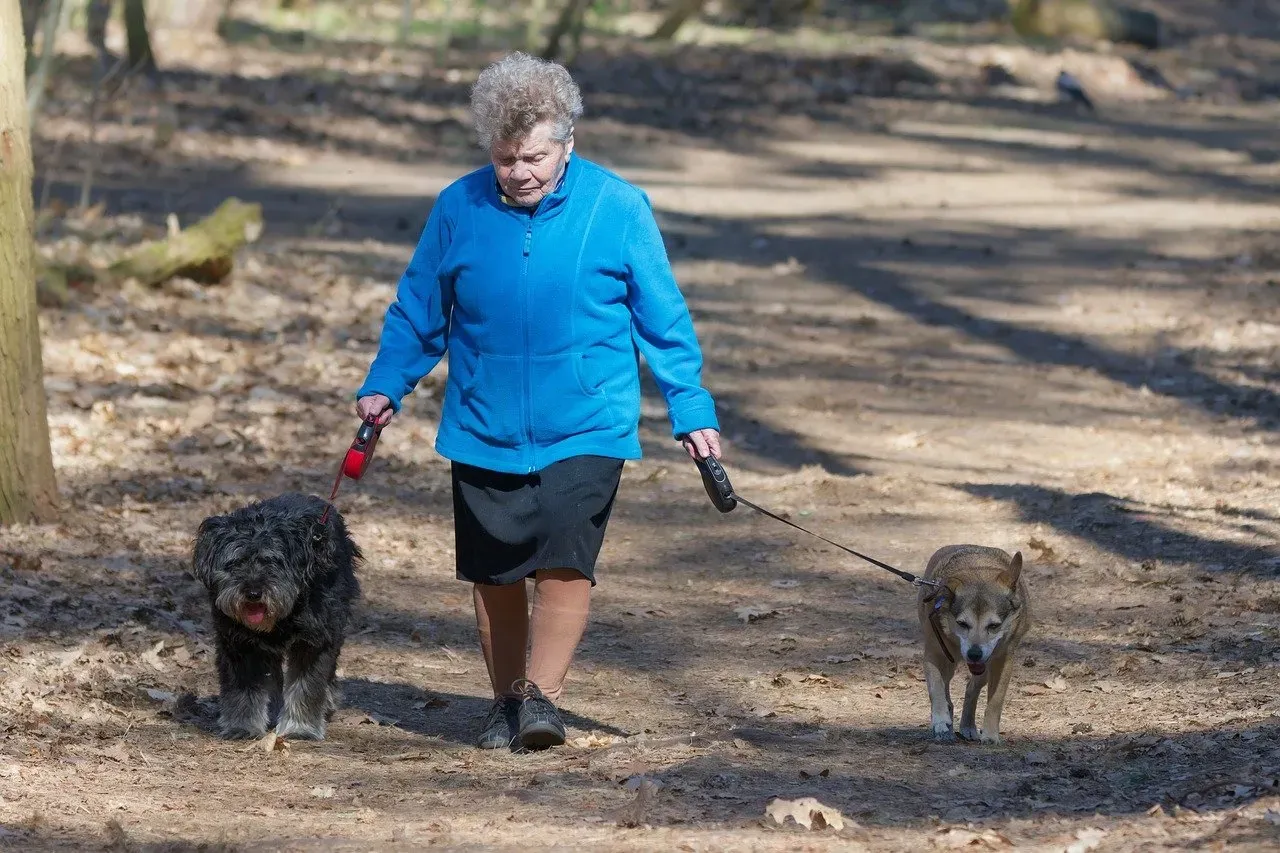
Your senior dog isn’t asking for perfection. They’re asking for patience, presence, and the willingness to see them as they are right now – not as they were five years ago. The gray muzzle doesn’t signal the end of emotional richness. If anything, it signals the beginning of the most meaningful chapter of your relationship.
Small shifts in how you communicate, how you approach, how you structure their day – these things ripple outward in ways you may never fully measure, but your dog will absolutely feel. It’s important to have a veterinary consultation for any behavior change to rule out medical problems, rather than assuming it’s “just old age.” Even for normal aging issues, there are things you can do to help your dog.
So take a breath. Slow down. Look at your old faithful companion and ask yourself: are you doing these things? Because the best time to change is right now, before another quiet evening slips by. Which of these surprised you the most? Drop it in the comments – your insight might just help another dog lover show up better for their senior pup today.


