
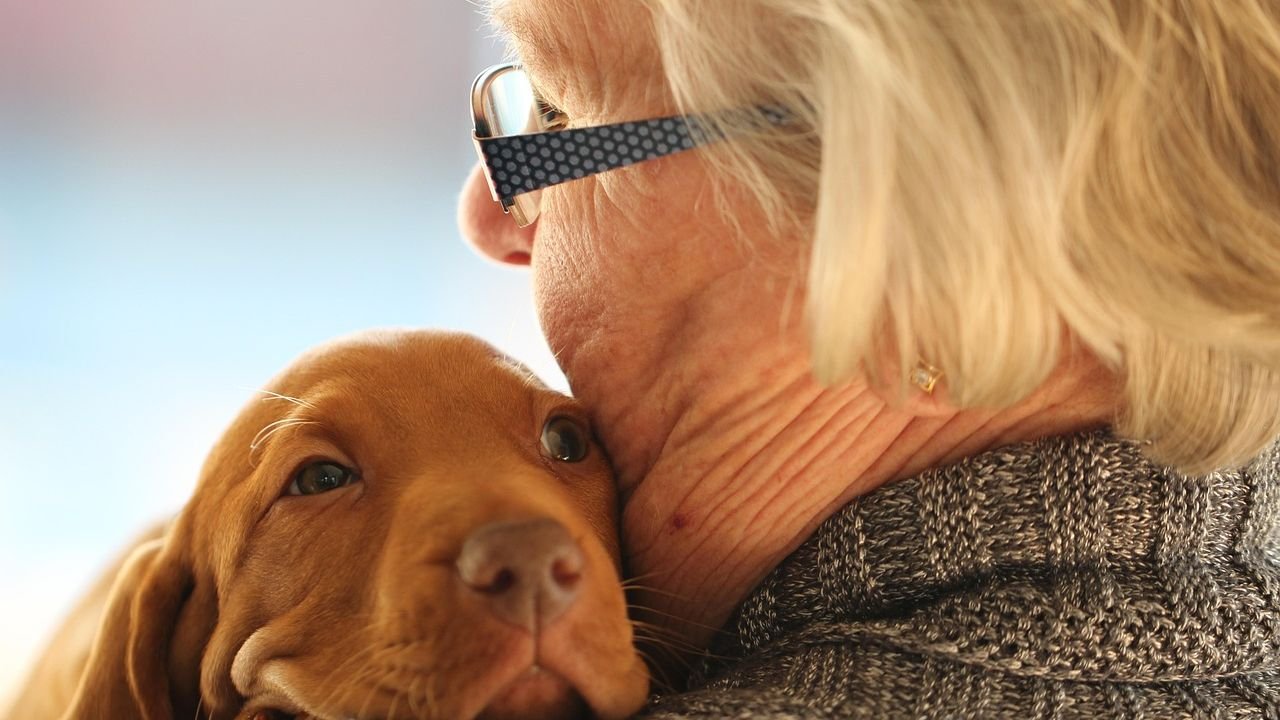
Picture this: You finally get home after a grueling ten-hour workday, and before you even kick off your shoes, you’re greeted by a shredded sofa cushion, a knocked-over trash can, and a dog vibrating with anxiety, guilt, and unspent energy. Sound familiar? You’re not alone, and honestly, it might not be your fault at all.
Owning a dog demands a serious time commitment, particularly for breeds that require a lot of attention, exercise, grooming, or mental stimulation. For people with busy lifestyles, certain breeds can be especially challenging due to their high energy, need for companionship, and specialized care. The harsh truth is that some dogs are simply not wired for long stretches of solitude, no matter how much you love them.
This is not a guilt trip. It’s the kind of honest, caring conversation your dog deserves you to have. So before you fall head over heels for a gorgeous breed on social media, let’s talk about the eight dogs that really struggle when you’re clocking in those long work hours. Some of the answers might genuinely surprise you. Let’s dive in.
1. Border Collie: The Genius Who Refuses to Nap
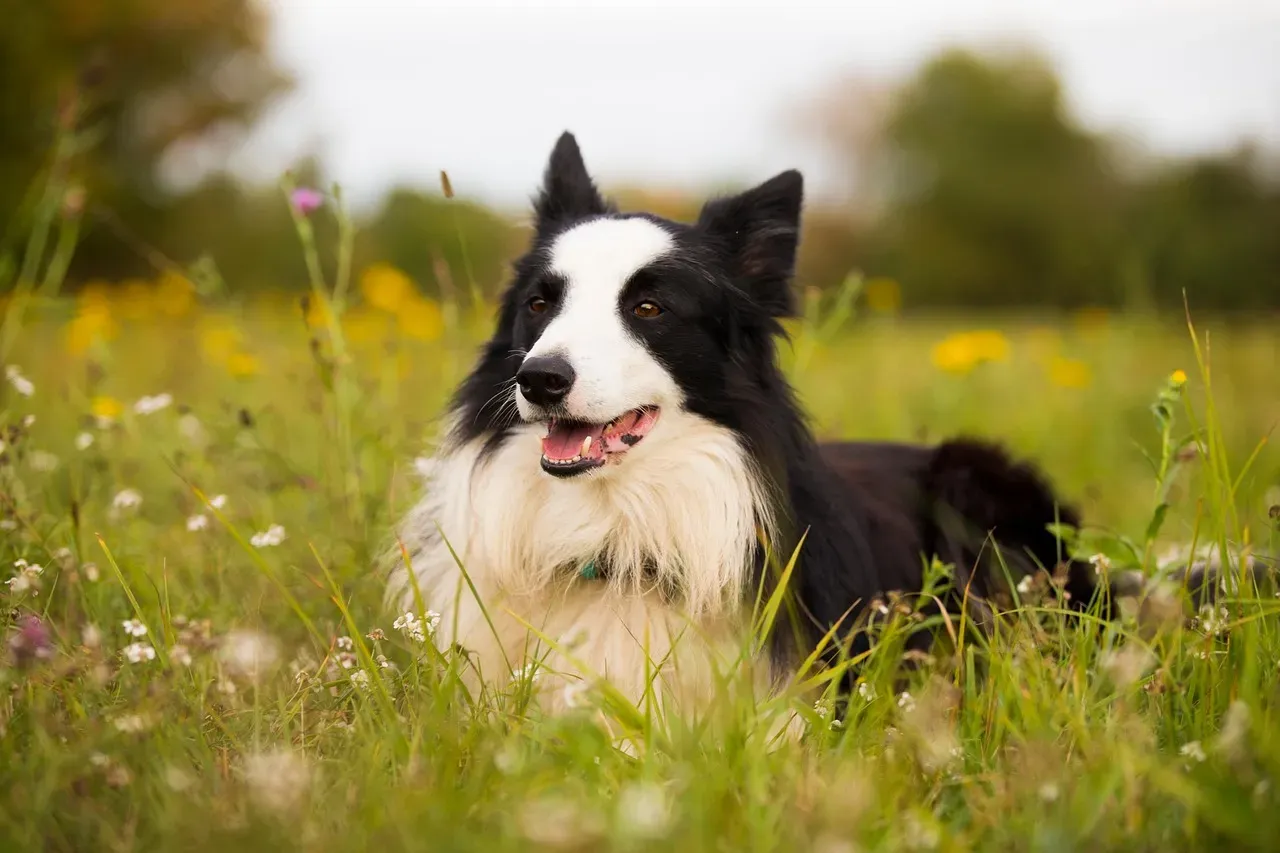
Let’s be real, the Border Collie is one of the most breathtakingly intelligent dogs on the planet. That very brilliance, however, is what makes them such a poor match for the nine-to-five professional. Border Collies are incredibly intelligent and highly energetic dogs that thrive on mental and physical stimulation, bred originally to herd sheep, requiring hours of exercise and mental engagement daily.
Think of it this way: leaving a Border Collie home alone is a bit like hiring a rocket scientist to organize your sock drawer and then leaving them there all day. They will find things to do, and you will not like most of those things. For busy individuals, meeting the needs of a Border Collie can be overwhelming, as they are not content with lounging around the house and can become anxious or destructive if left alone for long periods.
If you already have one, consider doggy daycare, a midday dog walker, or puzzle toys to help burn that relentless mental energy. A tired Border Collie is a calmer one, though getting them truly tired is almost a full-time job in itself.
2. Australian Shepherd: The Workaholic Who Needs a Job
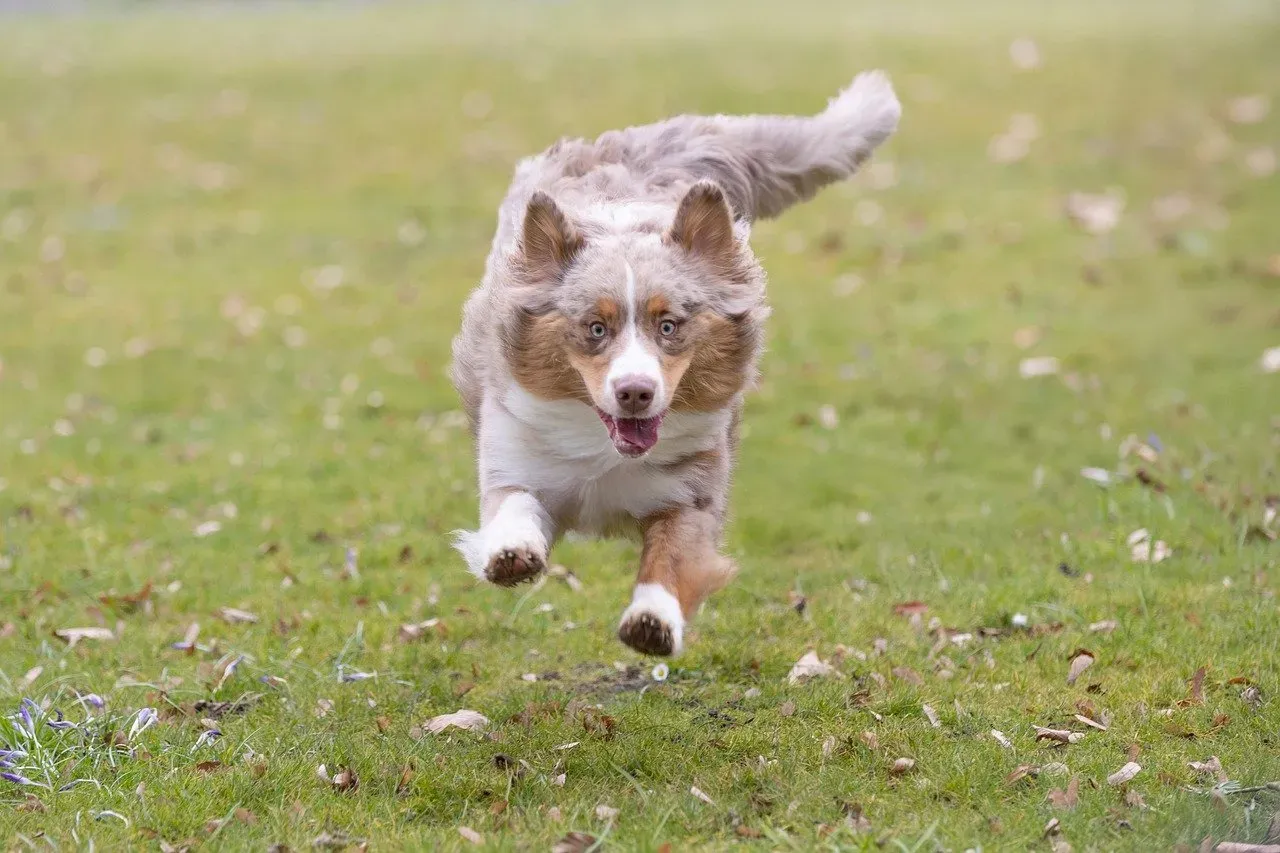
Australian Shepherds are intelligent, energetic dogs that excel in herding and agility activities and are happiest when they have a job to do, requiring daily mental and physical stimulation to stay balanced and happy. Leave one alone all day without that outlet, and you’re essentially setting off a very fluffy, very vocal ticking clock.
Without sufficient exercise, Australian Shepherds can develop anxiety, destructive behaviors, and excessive barking, and their intelligence means they need challenging activities to prevent boredom, which can be difficult for someone with a packed schedule. Their behavior cues when understimulated often include compulsive spinning, chasing shadows, or intense staring at nothing, all signs the breed’s extraordinary mind has turned inward.
Herding breeds tend to have a propensity toward separation anxiety, and the Australian Shepherd is no exception. If you’re committed to this breed despite a busy schedule, morning runs, evening agility training, or hiring a professional dog sport trainer can genuinely transform their wellbeing.
3. Weimaraner: The “Velcro Dog” That Comes Apart When You Leave

Weimaraners are sleek, athletic dogs bred for hunting that require extensive daily exercise. Known for their high energy levels and strong attachment to their owners, they simply do not do well when left alone for long periods. Dog lovers in the community sometimes call them “shadow dogs” because they literally follow their owners from room to room. It’s endearing on weekends. It becomes a serious problem on Monday morning.
This breed can develop separation anxiety if left alone for too long, as they become bored and frustrated without adequate interaction, needing a lot of exercise and mental stimulation to keep them content, and are best suited for active families who can provide plenty of time and attention. Behavior signs to watch for include excessive howling, pacing, and destructive chewing around doors and windows, all classic panic responses in a Weimaraner left alone too long.
If you love this breed deeply, a doggy daycare is practically non-negotiable. They need a pack, even a human one, around them throughout the day to remain emotionally stable and physically healthy.
4. Belgian Malinois: The Canine Athlete That Demands a Coach
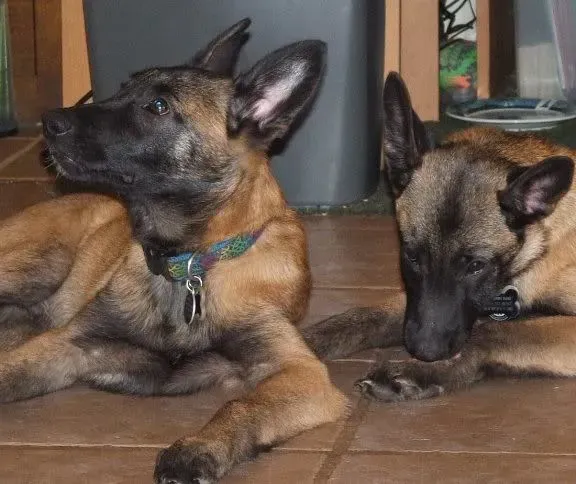
Belgian Malinois are highly intelligent and energetic dogs commonly used in police and military work due to their excellent work ethic and trainability. However, they are not a breed that is content with minimal activity or time alone. Malinois need constant mental and physical challenges, making them a poor choice for someone with limited time.
Here’s the thing: this dog is basically a working professional itself. It thrives on having a structured mission every single day. Without that structure, a Malinois can become destructive, over-stimulated, and even display reactive behaviors toward people or other animals. Some dog breeds with high intelligence levels need a lot of mental stimulation to avoid becoming bored and often show negative traits when they don’t have the stimulation they crave, which can lead to a plethora of problems.
Honestly, unless you have a dog trainer on call and a sprawling backyard, the Belgian Malinois deserves an owner who treats dog ownership as seriously as a second career. Beautiful, loyal, extraordinary animals. Just not for the office-bound professional.
5. Cavalier King Charles Spaniel: Sweet-Hearted and Deeply Dependent

Don’t be fooled by those soft, soulful eyes and that gentle temperament. The Cavalier King Charles Spaniel is one of the most emotionally needy breeds in existence, and that’s not an insult. It’s their superpower and their vulnerability all at once. The Cavalier King Charles breed has a reputation for suffering from extreme separation anxiety. They will provide your family with unconditional love and loyalty, and they are lap dogs who do not like to be left on their own, bred specifically to be companion dogs, which makes them more prone to separation anxiety when their owners leave.
Cavalier King Charles Spaniels may become anxious and distressed when left alone, leading to excessive barking or destructive behavior. Their need for constant companionship makes them ideal for owners who can spend much time with them but a real struggle when left alone for extended periods. Health-wise, they are also prone to heart conditions and ear infections, which means they need not just emotional check-ins but regular veterinary attention too.
If your heart belongs to this breed, consider whether a pet sitter, a second dog companion, or a work-from-home arrangement might be a realistic part of your life. They genuinely flourish with human presence and wilt without it.
6. Labrador Retriever: America’s Favorite Dog With a Hidden Struggle

I know, I know. This one hurts. The Lab is practically the national mascot of family-friendly dog ownership. Yet the truth is, Labrador Retrievers are among the most popular dog breeds worldwide, known for their friendly, outgoing nature, but their strong desire for human interaction can also make them prone to separation anxiety. Labradors form close bonds with their owners and enjoy being involved in family activities.
They may become anxious when left alone, leading to behaviors like chewing, digging, or excessive barking. Labradors are happiest when they have plenty of companionship, attention, and mental stimulation, making them less suited to households where they are frequently left alone. An understimulated Lab is also prone to weight gain and boredom-related destruction. Think chewed baseboards and scattered garbage, not just a sad face.
Prevention tips include long morning walks before you leave, leaving engaging puzzle feeders, and considering a midday visit from a dog walker. Labs are forgiving, adaptable souls, but they do have a threshold, and crossing it regularly is unkind to such a loving breed.
7. Jack Russell Terrier: Tiny Body, Absolutely Enormous Energy
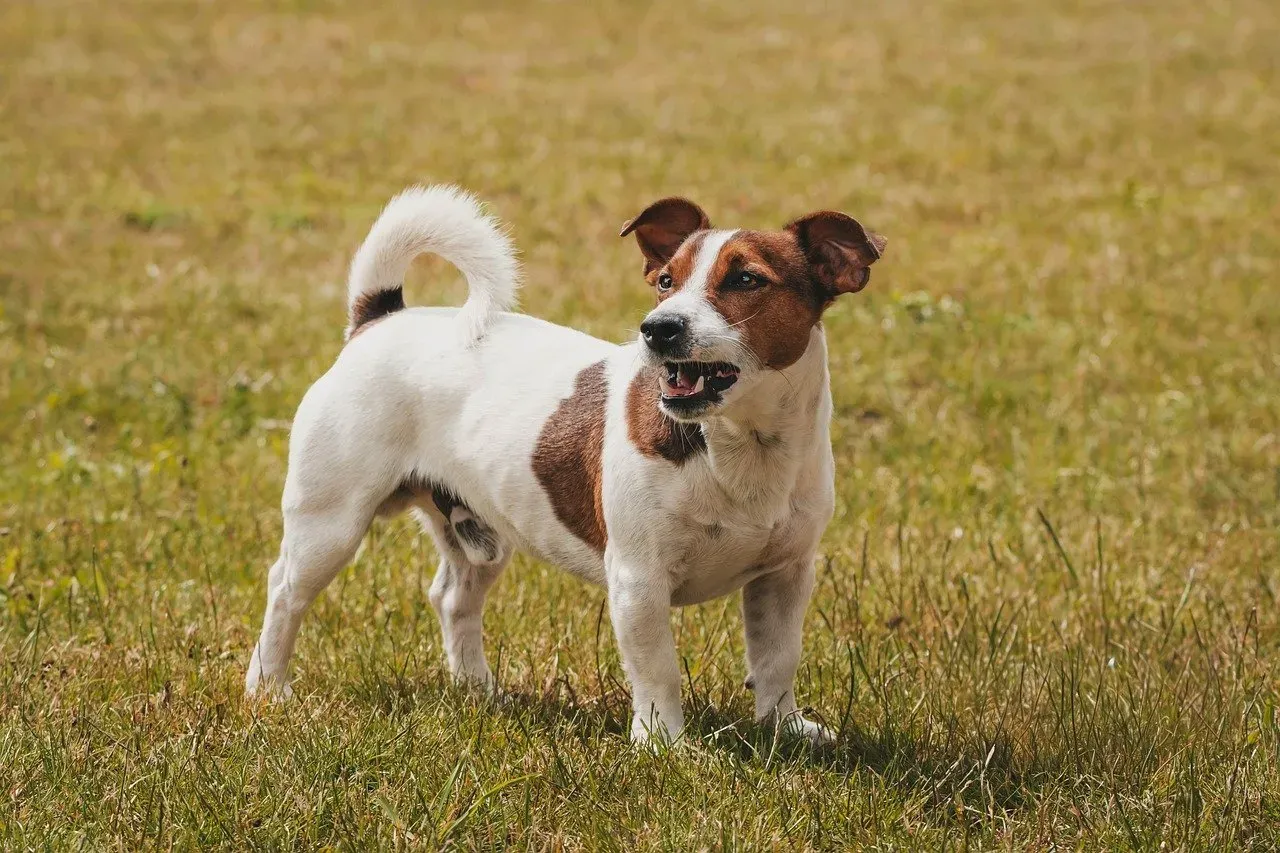
If dogs came with warning labels, the Jack Russell Terrier’s would read: “Do not leave unattended. May redecorate your home.” Jack Russell Terriers are well-known for their high levels of energy and though small in stature, they can spend hours playing, running, and swimming, bred for hunting, needing a lot of attention and engagement from their owners.
It’s not uncommon for a Jack Russell Terrier to experience separation stress and feel uncomfortable when their owner departs the house, especially if they haven’t had their daily walk or play time. These bundles of energy quickly become bored and need lots of entertainment as well as physical activity. They can quickly go awry if there isn’t a human around to keep them engaged, and they can do a surprising amount of damage for a small dog.
The fix is all about front-loading their energy expenditure. A solid 45-minute run or fetch session before work can dramatically shift their mood for the day. Interactive toys, scent work games, and training sessions also go a long way with this wiry, brilliant little breed.
8. Vizsla: The Dog That Was Literally Bred to Never Leave Your Side
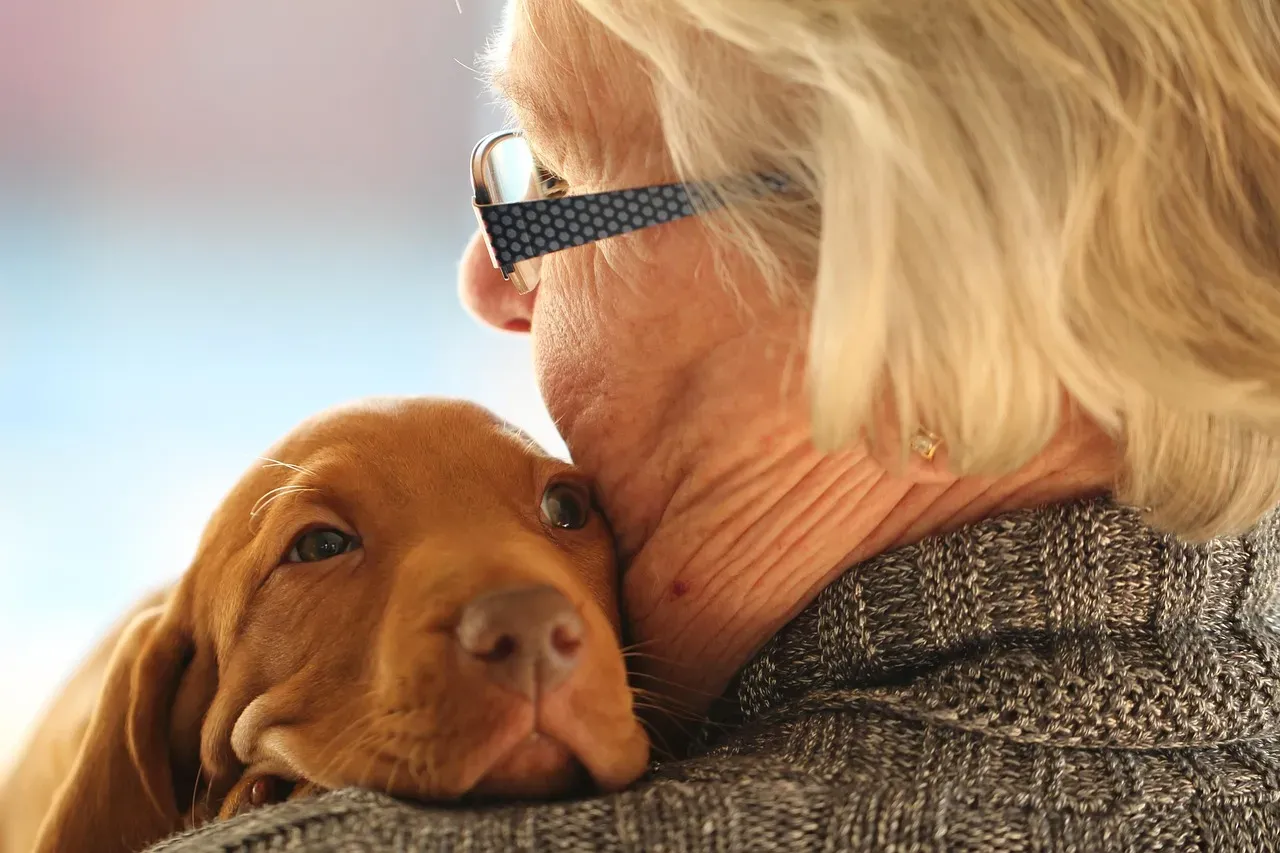
Few breeds on this list wear their emotional needs quite as openly as the Vizsla. Nicknamed the “velcro dog” because of their propensity to stick close to their owner, these beautiful hunting dogs were born and bred to hunt alongside people. Vizslas love to work and love to be with humans, and being left alone with nothing to do often leads to anxiety. This is a dog that views solitude not as rest but as rejection.
Vizslas are sensitive creatures and will show their distress through whining, scratching at doors, refusal to eat, and sometimes physical symptoms like weight loss. Certain breeds were developed to work closely with humans, including hunters and herders, and these breeds are particularly sensitive to separation. For these dogs, being left alone doesn’t just feel boring, it feels like abandonment.
If you own a Vizsla and work long hours, a trusted doggy daycare, a consistent dog walker, or even a compatible canine companion at home can make an enormous difference. These dogs give everything they have to their person. They deserve to feel that safety in return.
Final Thoughts: Love Is Important, But So Is the Right Match

Here’s the bottom line. Every single dog on this list is a wonderful, loving, fascinating animal. This article is not about judging them or the people who adore them. While all dogs deserve love and attention, some breeds are better suited for active owners who can provide the daily engagement these dogs need. For busy individuals, choosing a breed that doesn’t match their lifestyle can lead to frustration for both the owner and the dog.
Separation anxiety is one of the most misunderstood issues in the dog world. People often mistake it for bad behavior, such as chewed furniture, torn-up pillows, and excessive barking, but those are just the surface symptoms. What’s really going on is deeper: fear, stress, and a dog’s innate need to be near their pack. Understanding that is the first step toward being a truly great dog parent.
If you already have one of these breeds and a demanding career, please don’t despair. To keep dogs comfortable while owners are away, it’s important to create a dog-proofed space, provide entertainment like puzzle toys, and maintain bathroom options. Busy schedules can be managed with dog walkers, automatic feeders, and consistent routines. With the right support systems in place, even the most attachment-prone breed can thrive.
The greatest gift you can give your dog is not a fancy bed or premium kibble. It’s the honest effort to understand who they truly are and what they truly need. Does your dog seem anxious when you leave? What changes have you made that helped? Share your experience in the comments below because your story might be exactly what another dog owner needs to hear today.


