
Picture this: You’re dragging yourself home after a twelve-hour workday, dreaming of quiet cuddles with your furry companion. Instead, you walk into a symphony of frantic barking, shredded cushions, and what appears to be the aftermath of a tiny tornado. Sound familiar?
Small dogs can be deceptive little creatures. Their compact size makes them seem like the perfect fit for our busy lives, but some of these pint-sized powerhouses pack more drama than a reality TV show. These adorable troublemakers might look like living stuffed animals, but many demand more attention, training, and emotional energy than their larger counterparts.
Let’s dive into the small dog breeds that might leave busy pet lovers questioning their life choices.
Jack Russell Terrier: The Energizer Bunny on Four Legs
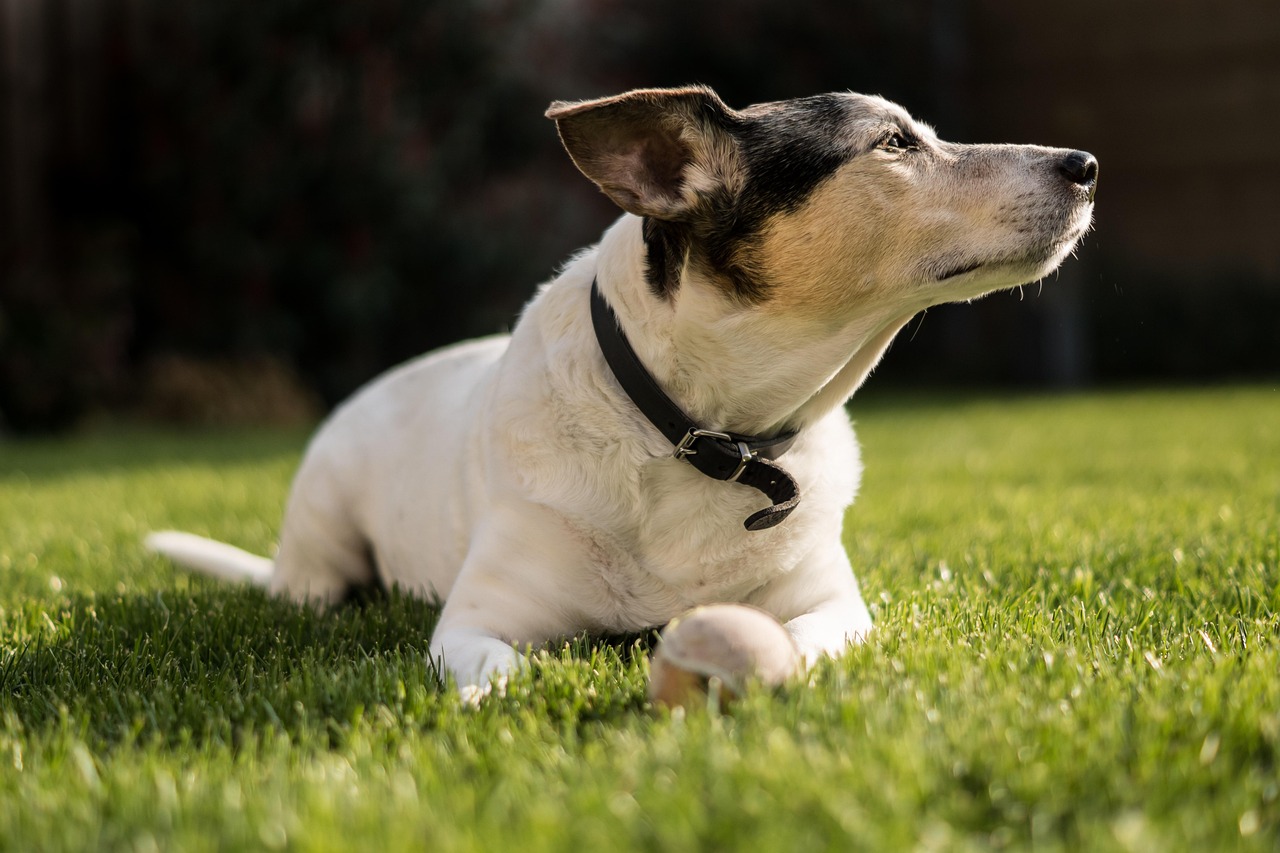
Don’t be fooled by its small size – the Jack Russell Terrier is a tiny tornado of energy, curiosity, and fearless spirit. These little dynamos were bred to hunt foxes, which means they have stamina that puts marathon runners to shame.
Jack Russells need constant mental and physical stimulation. Without it, they’ll create their own entertainment by redesigning your furniture or practicing their digging skills on your favorite rug. Don’t underestimate this little terrier, it can run and play for hours. If you have an active lifestyle, then this pint sized pooch is a pawfect companion.
Their intelligence works against busy owners because bored Jack Russells become destructive geniuses. They can figure out how to open cabinets, escape from yards, and turn your home into an obstacle course while you’re away.
Yorkshire Terrier: High-Maintenance Glamour in a Tiny Package
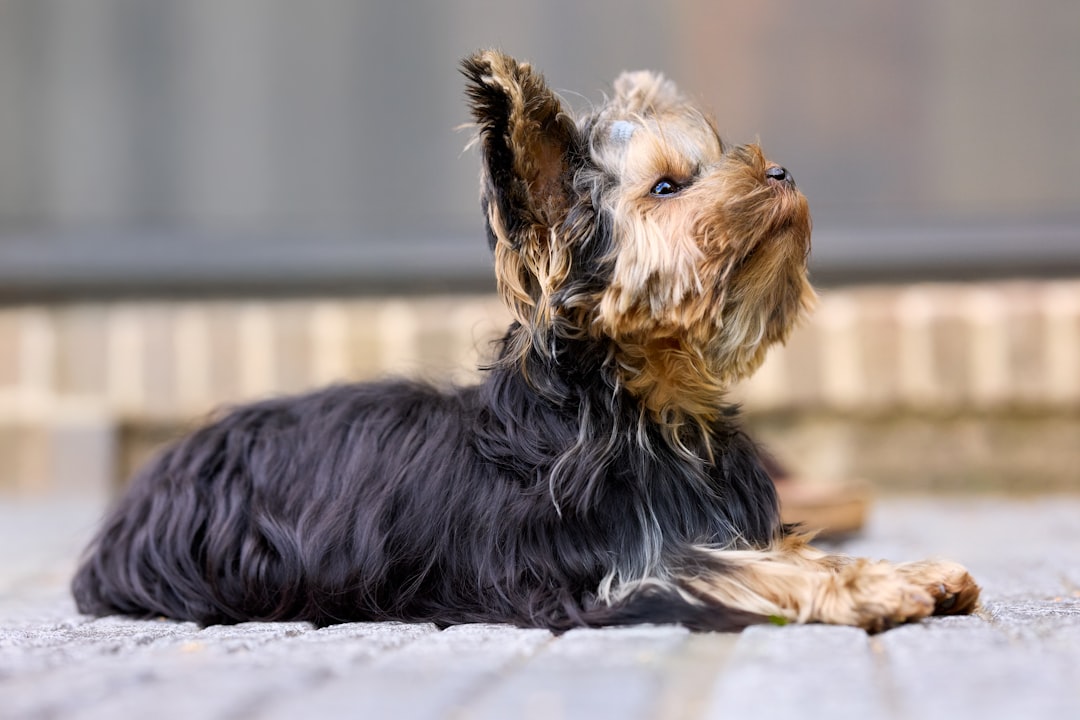
Yorkshire Terriers, aka “Yorkies”, are small dogs with big personalities. Known for their silky, blue, and tan coats, Yorkies require regular grooming to maintain their elegant appearance. Their long, flowing locks may need daily brushing to prevent tangles and mats.
These little divas demand princess-level treatment. Their coats require professional grooming every few weeks, daily brushing, and constant maintenance to prevent matting. Miss a few days of brushing, and you’ll spend hours working through painful tangles.
Yorkies are notoriously difficult to house-train and often develop separation anxiety when left alone. Toy breeds are typically considered the most difficult dogs to housebreak, and many never seem to be fully housebroken even as adults. Their tiny bladders and stubborn attitudes make potty training a marathon, not a sprint.
Shih Tzu: The Stubborn Beauty Queen
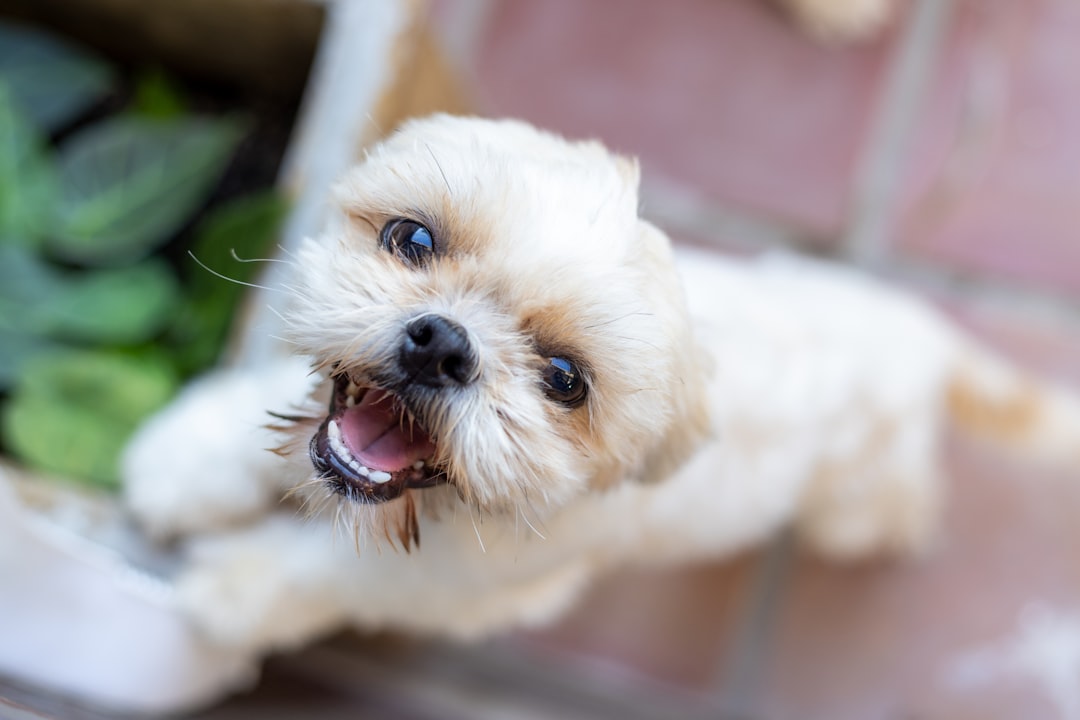
Although the Shih Tzu is a happy, affectionate and generally agreeable breed, some of these dogs can be stubborn in typical training situations. These fluffy companions might look like living teddy bears, but they come with royal attitudes that match their imperial Chinese heritage.
Shih Tzus require extensive grooming to maintain their luxurious coats. Love small dogs with flowing coats and big personalities? Be ready for some high maintenance! Most high-maintenance dog breeds like the Shih Tzu, Yorkshire Terrier, and Cavalier King Charles Spaniel are known for their luxurious double coat, silky coat, or dense double coat, all of which demand frequent grooming.
Their independent streak means training sessions often turn into negotiations. They’ll give you that sweet, innocent look while completely ignoring your commands, making them challenging for owners who need quick results.
Maltese: The Velcro Dog with Separation Issues
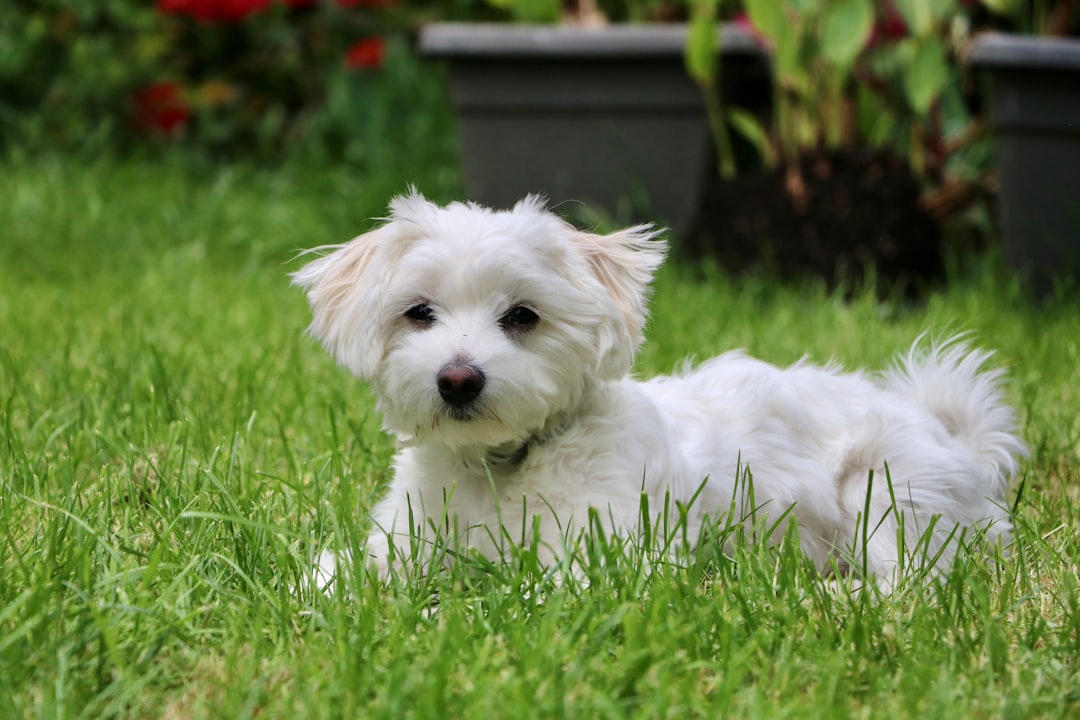
While this breed of snow-white small dogs is adaptable, these cute pets can be set in their ways and stubborn when it comes to training.
Maltese dogs form incredibly strong bonds with their owners, which sounds wonderful until you need to leave for work. As a result, they can be needy and do not do well when left alone for too long, displaying negative behaviors such as barking or destructiveness.
Their gorgeous white coats require daily grooming and professional maintenance to prevent staining and matting. They’re also prone to tear stains, which need constant attention to keep their faces looking pristine rather than permanently streaked.
Chihuahua: Big Attitude in a Tiny Body
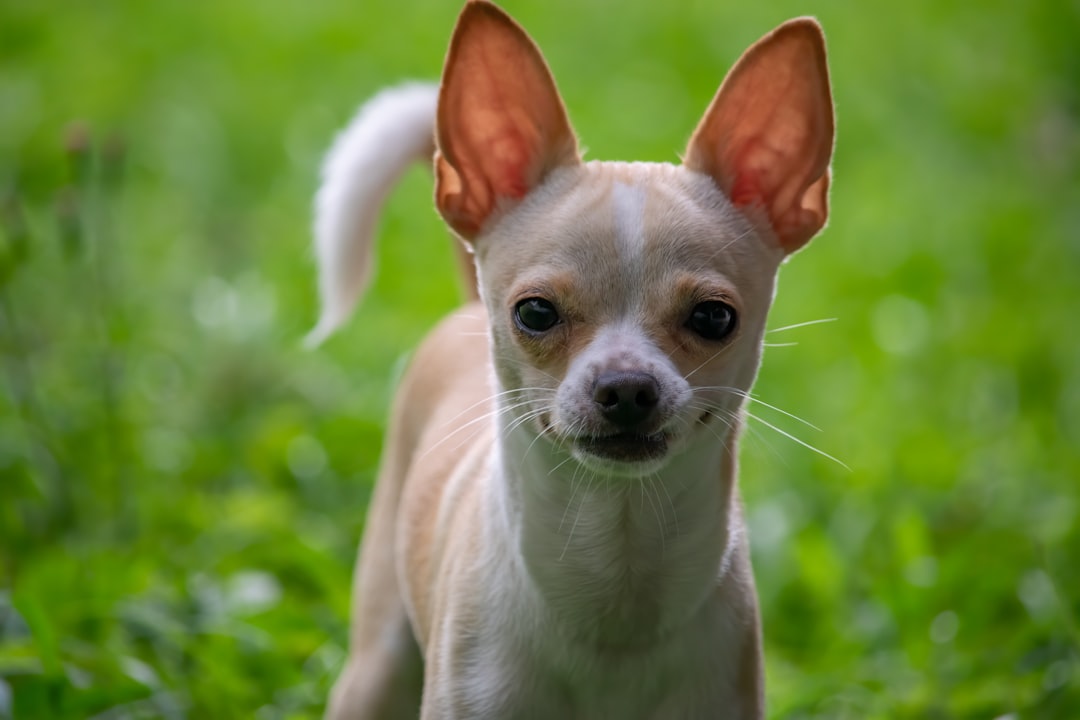
While they can sometimes be aggressive, Chihuahuas can also be lovable, especially if trained from birth or known from a… I work in a shelter, and most of the small dogs there are Chihuahuas. There are only a couple of sweet ones there. The rest are very skittish and mean. I’ve seen them go at people for no reason. They bark non-stop and just aren’t smart. They’re the hardest dogs for me to handle at the shelter
These pocket-sized personalities pack more drama per pound than any other breed. Known as purse dogs for their diminutive frame, prospective owners should be aware plenty of time and energy can be needed to train a Chihuahua to become properly obedient. Chihuahua owners should be aware plenty of time and energy can be needed to train this breed to become properly obedient
Chihuahuas often develop “small dog syndrome,” becoming territorial and aggressive toward larger dogs and strangers. They require extensive socialization from puppyhood and consistent training to prevent them from becoming tiny tyrants who rule the household through intimidation.
Pekingese: The Royal Rebel
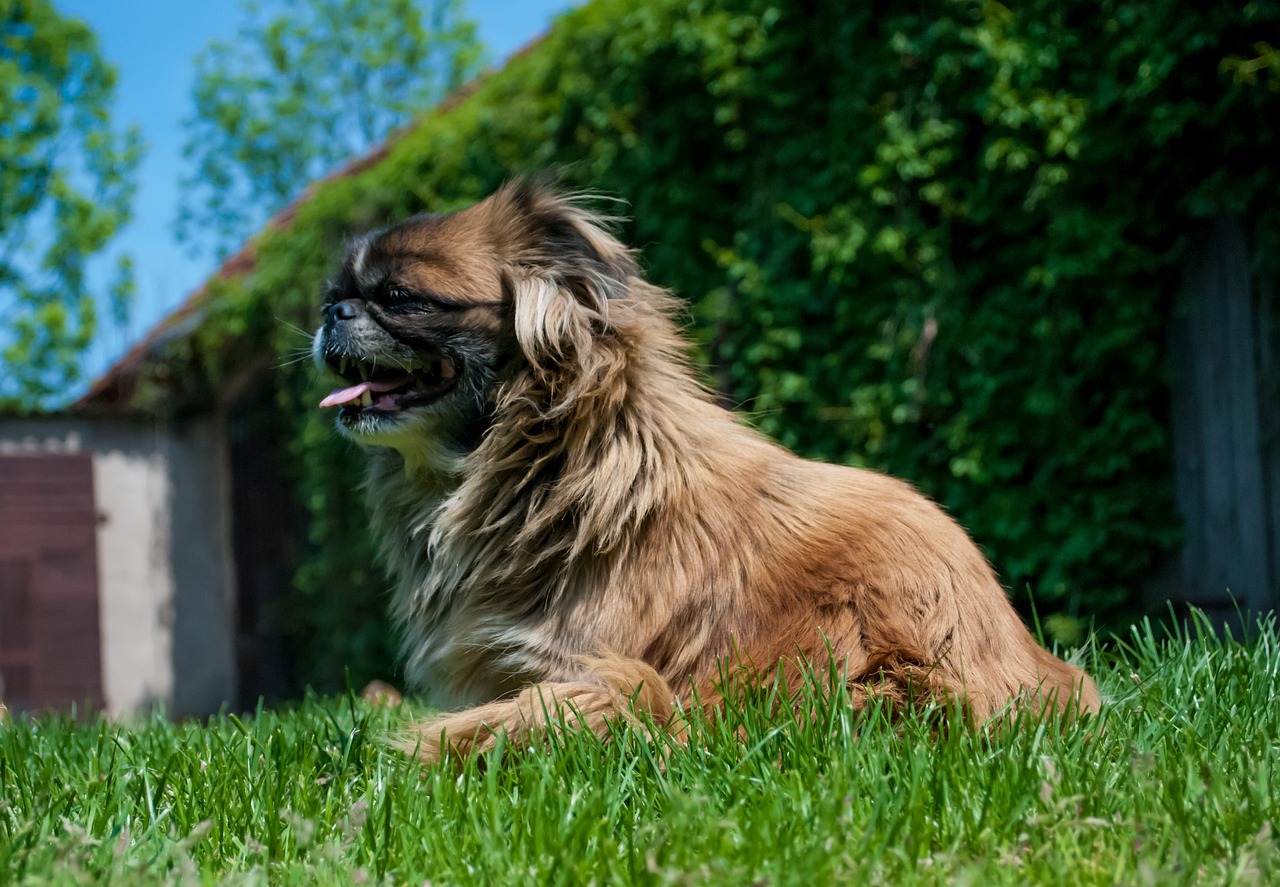
Sophisticated, regal, and loyal, the Pekingese is a dog of royal status from ancient China. They are a compact toy breed with a big personality. But like many small breeds, Pekingese don’t do well with small children and bigger pets. Because of their tiny frames, these dogs can get injured easily around rough dogs and kids. And they might snap at children when they get frightened.
These former palace dogs still expect to be treated like royalty. They’re notoriously difficult to train because they genuinely believe they outrank you in the household hierarchy.
Their adorable flat faces, brachycephalic, make them prone to tear stains, breathing difficulties, and overheating. Cleaning their face daily is necessary to keep tear stains and eye infections at bay. Their grooming needs are extensive, and their breathing problems require constant monitoring.
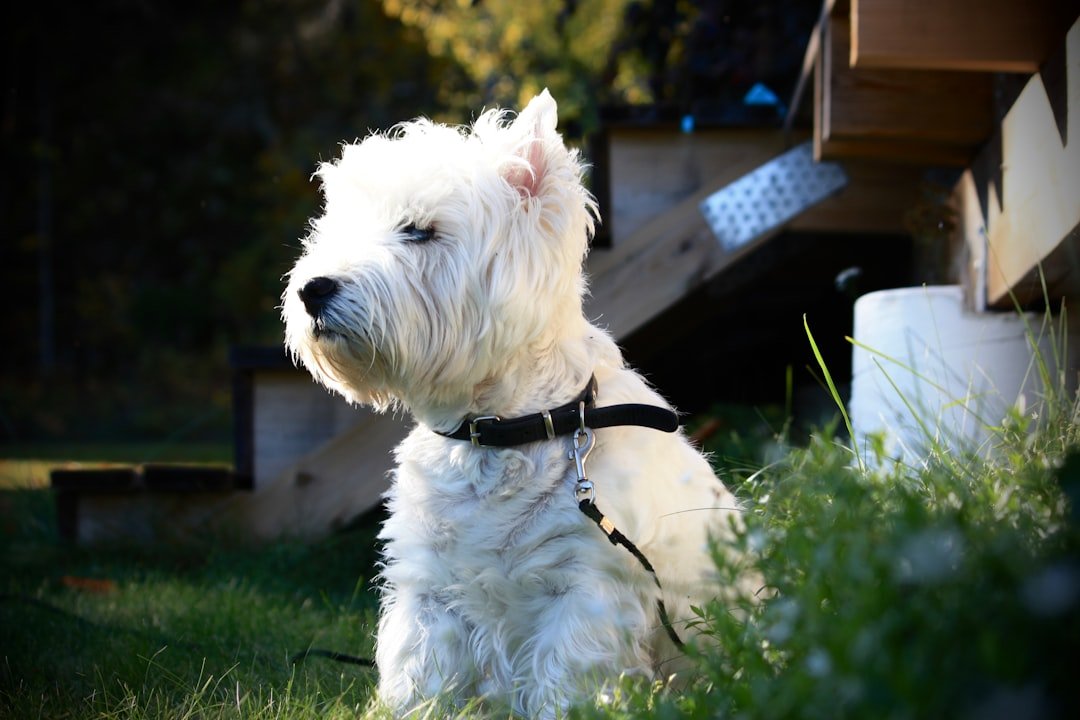
West Highland White Terrier: The Barking Machine
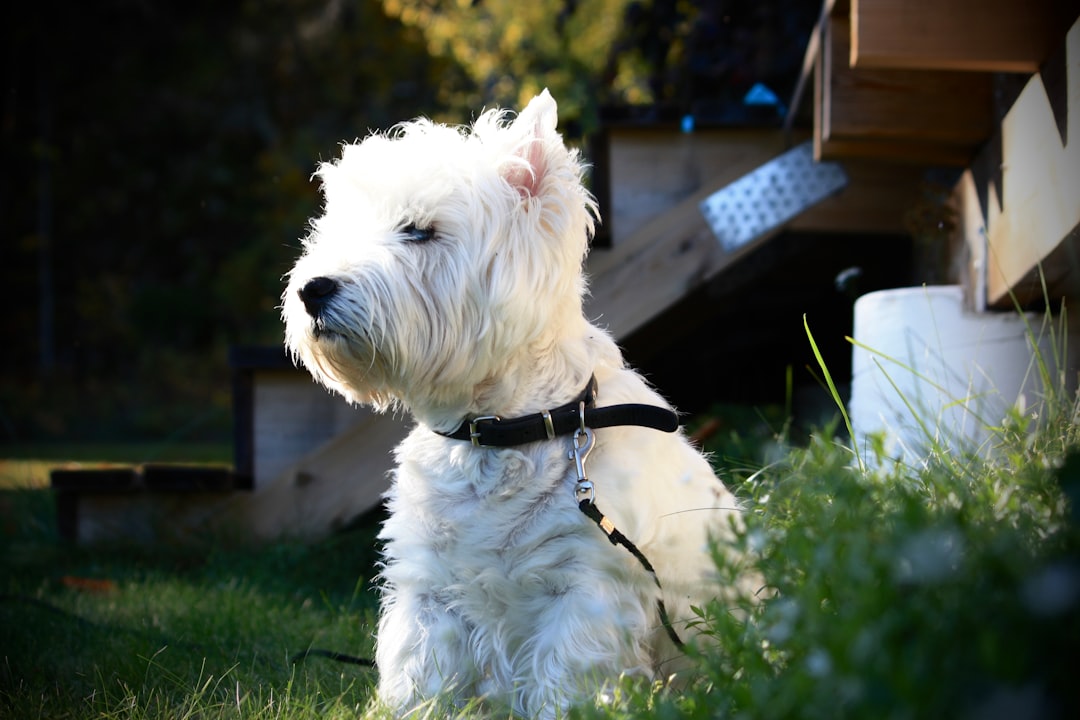
Demanding and testy, with the typical stubbornness and cleverness of a true terrier, the Westie must be shown early on by the owners exactly who in charge. These seemingly angelic white fluffballs are actually high-energy terriers with opinions about everything.
Don’t assume they’re just lapdogs – Westies need plenty of exercise to stay happy. If you’re looking for a lazy couch potato, this isn’t the breed for you! Barking. Westies are natural watchdogs, always alert and ready to sound the alarm. Whether it’s a squirrel, the mailman, or just the wind, they’ll let you know – loudly.
Their vocal nature can create problems with neighbors, especially in apartments or close quarters. Living in an apartment? You might need some serious bark training to keep the peace.
Cocker Spaniel: The Anxious Beauty
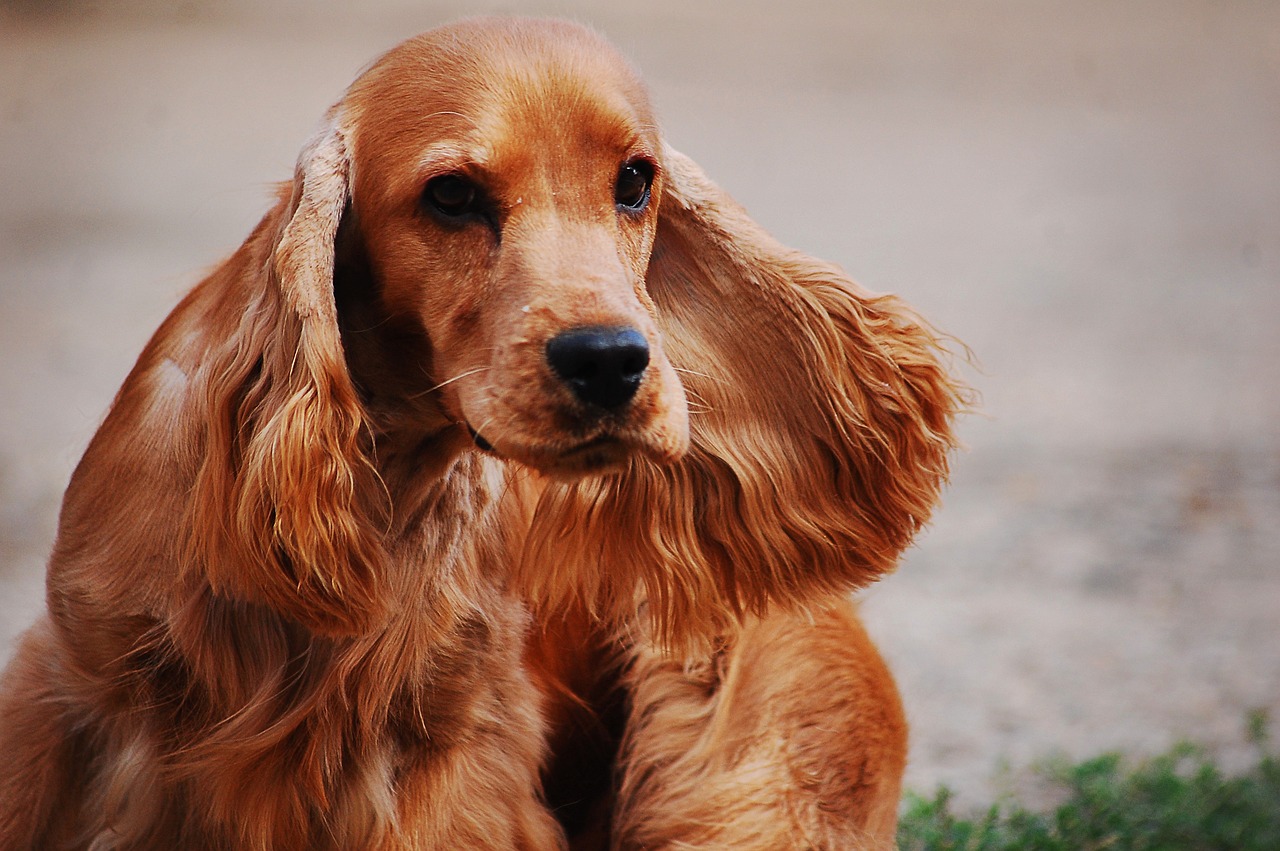
However, increased popularity has led to some breeding issues, as irresponsible breeders may produce dogs with behavioral problems. Even with proper breeding, however, Cockers can be prone to separation anxiety and destructive behavior when left home alone.
While not technically a toy breed, small Cocker Spaniels present significant challenges for busy owners. Their beautiful coats require professional grooming every few weeks and daily brushing to prevent matting.
These sensitive souls often develop separation anxiety, leading to destructive behavior when left alone. They need consistent companionship and don’t handle schedule changes well, making them unsuitable for unpredictable work schedules.
Conclusion

These eight breeds aren’t inherently “bad” dogs – they’re just mismatched with busy lifestyles. Each one can make a wonderful companion for the right owner who has time, patience, and energy to meet their specific needs.
Before falling for those adorable puppy-dog eyes, honestly assess your lifestyle. Do you have time for daily grooming, extensive training, and constant companionship? Can you handle separation anxiety, excessive barking, and stubborn attitudes? If busy schedules define your life, consider lower-maintenance breeds that better match your reality.
Remember, a frustrated, under-stimulated dog is an unhappy dog – and an unhappy dog makes for an unhappy owner. What kind of furry companion do you think would actually fit your lifestyle? Tell us in the comments.


