
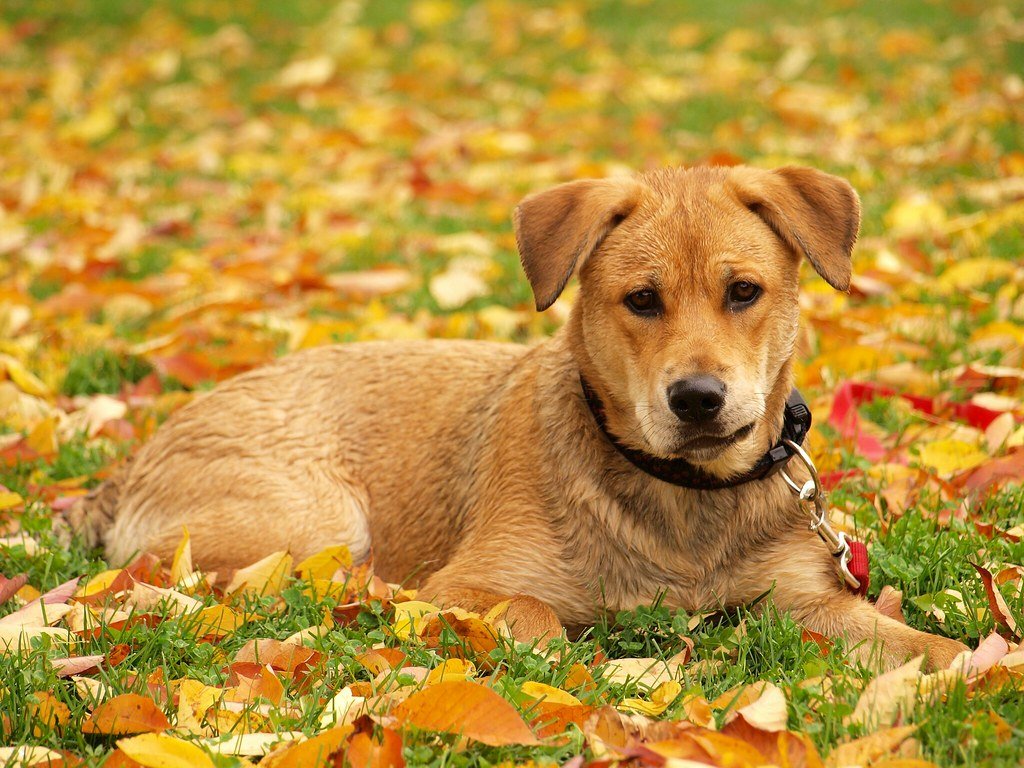
Walking through neighborhoods in autumn feels like stepping into a painting. The crisp air carries hints of woodsmoke, while golden leaves dance down from maple trees. Your dog bounds ahead with pure joy, nose to the ground, investigating every fascinating scent.
Yet beneath all this beauty lurks hidden dangers that could turn a perfect autumn stroll into a veterinary emergency. This season brings unique hazards that spring and summer don’t present. Things are changing, falling, ripening, and unfortunately, some of these seasonal changes can seriously threaten our furry friends. So let’s get started and explore what every dog parent needs to know to keep their beloved companion safe this autumn.
Autumn Crocus: The Deceptive Beauty

These fall-blooming plants contain colchicine, which is extremely toxic, causing gastrointestinal bleeding, severe vomiting, kidney and liver damage, and respiratory failure. Autumn crocuses are goblet-like flowers that grow a few centimetres out of the ground and often appear in a purple colour with golden-yellow stamens. While the brightly coloured petals may intrigue your canine, it’s important to keep your dog close if you begin to notice them sniffing around the flower.
Symptoms might be delayed for several days, so don’t wait to seek veterinary attention if your dog has ingested any part of this plant. The autumn crocus is toxic in all parts, but particularly in the bulb, blooms and seeds. Autumn crocus contains colchicine and related alkaloids, which are extremely poisonous to dogs and can cause serious renal issues or even organ failure.
Conkers: Those Shiny Autumn Temptations

Conkers, also known as horse chestnuts, come from the tree of the same name commonly found in the UK. The bark, leaves, flowers and seeds (the shiny brown seeds we call conkers) all contain a substance known as aesculin which can be toxic to dogs. If your pooch eats a conker, not only does it pose a serious choking hazard, it can make your dog very sick due to the toxin aesculin.
This can cause your dog to vomit or have diarrhoea – but it can lead to more serious symptoms, or even death if it goes untreated. It’s rare to see severe poisoning in dogs caused by eating conkers. Dogs would normally need to swallow several conkers for toxicity to occur. Symptoms after ingestion may be abdominal pain, diarrhoea, vomiting, retching and drooling.
Acorns: Small but Mighty Dangerous

Acorns contain tannins, a type of chemical that is toxic to dogs. If eaten, acorns can cause upset tummies and, though rare, they can lead to liver and kidney failure and be fatal. Yes, acorns are toxic to dogs due to the presence of tannins. These are a type of bitter-tasting compound that can irritate a dog’s digestive system and cause pain, diarrhoea and vomiting if they eat too many.
Tannins also affect the nervous system, so can cause convulsions. In severe cases, tannins can cause kidney or liver damage in your pooch. It’s thought that the green acorns are more toxic than the brown variety, and the larger the acorn “cap”, the higher the amount of toxic acid it contains. Acorns with brown shells contain less gall tannin than green ones, but any amount can cause problems in dogs, so no matter the colour, they should not be ingested.
Wild Mushrooms: The Silent Killers
Depending on the specific mushroom ingested, mushroom poisoning in dogs can cause vomiting, diarrhea, tremors, and seizures, as well as liver and kidney failure. Because highly toxic mushrooms can be deadly to pets, any mushroom ingestion should be treated as a medical emergency. The hallmark signs include vomiting, diarrhea and gastrointestinal upset within 6 to 12 hours of ingestion, followed by a deceptive ‘honeymoon phase’ where symptoms temporarily improve. After this, dogs often progress to liver failure, which is when they become critically ill.
Autumn in the UK is prime mushroom season, and while many are harmless, others are extremely poisonous to dogs. It’s incredibly difficult to distinguish between a toxic and a non-toxic mushroom. Mushroom poisoning in dogs can occur any time throughout the year, but it’s most commonly reported in September and October, when many mushrooms grow. The amount needed to make a dog sick varies depending on the mushroom species, but in the deadly Amanita species, a single mushroom may contain enough toxin to be lethal.
Chrysanthemums: Autumn’s Favorite Flower
Considered mildly toxic to dogs, cats, and horses, mums are by far one of the most popular fall flowers. If consumed, you may see vomiting, diarrhea, hypersalivation, incoordination, and dermatitis in these animals. However, while chrysanthemums are less toxic to dogs than some garden plants, they are still a plant that is poisonous to dogs. The toxic components of the plants include sesquiterpene, lactones, and pyrethrins.
The good news is that chrysanthemums have a relatively low risk of fatal toxicity when consumed compared with other toxic plants on this list. Still, these cheerful fall staples can make your dog quite uncomfortable if they decide to nibble on them during your garden center visit.
Hydrangeas: Beautiful but Betraying
Though hydrangeas have a beautiful appearance, and often display big billowy blooms towards the end of summer and into autumn, they can be extremely dangerous to our pets. This is because their bulbs contain cyanide – which can be deadly to dogs if enough is consumed. Although serious cases of hydrangea poisoning are rare, if a small amount is consumed by your dog when they are digging in the garden, it can cause symptoms such as stomach problems, vomiting or blockages in the intestines.
In varying shades of blue, pink, and purple, hydrangeas, with their large flower clusters, are certainly pretty from afar. But this plant is toxic to both dogs and cats. Even though all parts of the plant are toxic, Renee Schmid, DVM, DABT, DABVT, director of veterinary medicine and senior veterinary toxicologist at the Pet Poison Helpline, says that only GI upset will likely result.
Azaleas and Rhododendrons: Garden Favorites Gone Wrong

These gorgeous blooming plants surround many homes; however, it’s very toxic to pets! All parts of the rhododendron plant are toxic for dogs. The rhododendron plant’s leaves are the most harmful, although the flowers and nectar can also be dangerous. Picture the stunning landscaping around office buildings and suburban homes – chances are you’re looking at these popular shrubs.
Used in landscaping and found in the wild, the entire genus is extremely dangerous for dogs. If your pet consumes larges doses of this plant it can be fatal. We advise that you seek veterinary care as soon as possible if you think your pet has consumed this plant.
Ragwort: The Innocent-Looking Menace

Other flowers to be wary of, whether you are planning your autumn garden or out on a walk, are ragwort plants. Though they also bloom in the spring and during summer, it is still important to be vigilant when looking for the plants this time of year, as all parts of it are toxic and poisonous when consumed by dogs. When any part of the plant is consumed in sufficient quantities, it can cause irreversible damage to our canine’s kidneys or lead to liver failure.
This yellow wildflower might look harmless swaying in fields and along roadsides. However, its toxicity builds up over time, making it especially treacherous for dogs who might nibble on it regularly during walks.
Yew Trees: The Ancient Danger
Another plant that is also around this time of year is the yew tree, and it is often extremely poisonous to most animals. If ingested, the short, spiky needles can become lodged or stuck in your dog’s throat, while ingesting the leaves alone can be enough to lead to fatal or near-death consequences for your dog.
These evergreen trees and shrubs are common in landscaping and cemeteries. They’re particularly dangerous because every part of the yew is toxic except the red berry flesh – though the seed inside that berry is still deadly. The needles, bark, and seeds contain taxine alkaloids that can cause cardiac arrest.
Protecting Your Best Friend This Autumn
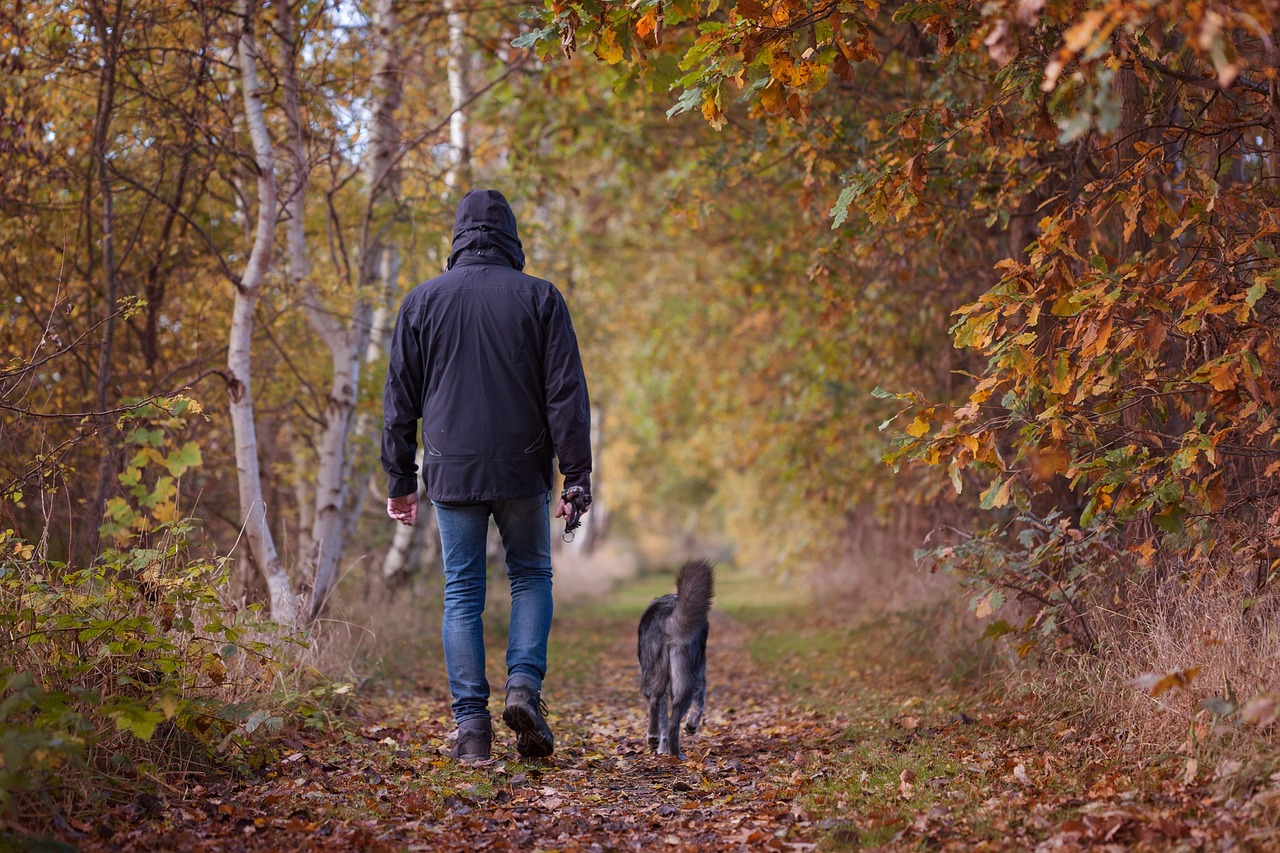
Keeping your dog safe doesn’t mean avoiding autumn altogether. If you’re in an area that’s rife with dropped acorns and conkers, it’s a good idea to keep your pooch on the lead for that portion of the walk. This way it’s easier to keep an eye on them and pull them away from anything they might try to snaffle.
The best prevention is to stay vigilant during autumn walks, especially in areas with oak or horse chestnut trees. If you think your dog may have eaten an acorn or conker, it’s important to contact your vet for advice as soon as possible. Teaching commands like “leave it” becomes your best defense during this season of tempting ground treasures.
Remember, our dogs experience the world primarily through their noses and mouths. What looks like an innocent autumn stroll to us might present a buffet of dangerous options to them. Stay alert, enjoy the season’s beauty, but always prioritize your furry friend’s safety. What’s your game plan for keeping your dog safe this autumn?


