
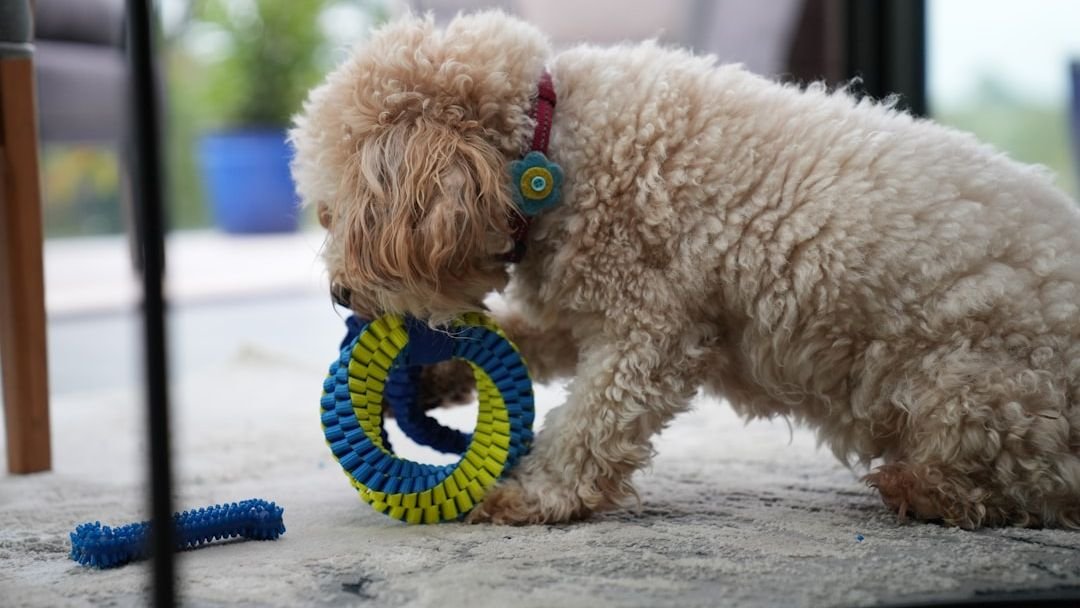
We all want the best for our dogs. I think it’s easy to fall into the routine of feeding, walking, and snuggling our pups, but sometimes we forget to truly look at our homes through canine eyes. Here’s the thing: your house isn’t just where your dog lives. It’s their entire world. While we come and go throughout the day, our furry friends are often stuck with the same walls, the same sofa, and the same view for hours on end. Think about that for a second.
Mental exercises can actually make dogs even more tired than physical exercise, so creating an enrichment-rich environment at home isn’t just a luxury. It’s essential for your dog’s wellbeing. Engaging in enrichment activities can keep your dog mentally engaged, sharpening their minds throughout their lives and potentially reduce the onset of canine dementia. So let’s dive into clever, practical ways to transform your space into a tail-wagging wonderland that keeps boredom at bay and makes your pup feel like the luckiest dog on the planet.
Create Feeding Puzzles That Make Mealtime a Brain Game
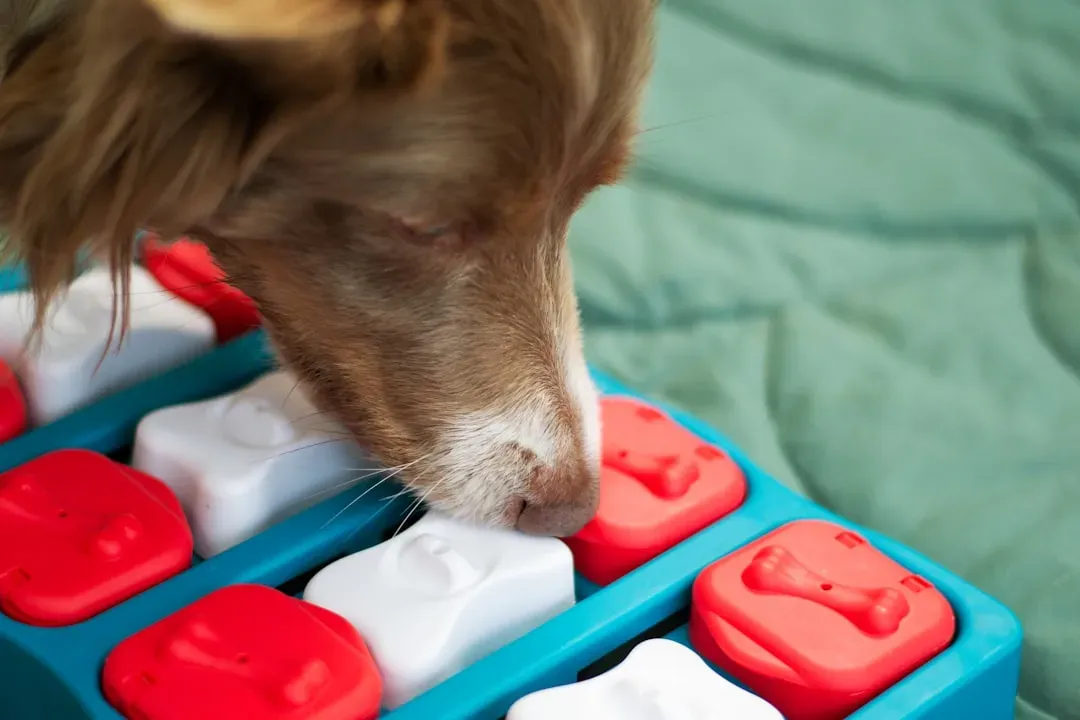
Let’s be real: dumping kibble into a bowl is quick and convenient, but it does absolutely nothing for your dog’s mind. Making mealtime fun, challenging and interactive is a great way to satisfy your dog’s innate instincts and curiosities, and food puzzles are a great way to slow down your dog’s eating and provide mental stimulation. You don’t need to spend a fortune on fancy feeders, either.
Grab a muffin tin from your kitchen and place kibble or treats in several cups. Cover all the cups using tennis balls, soft toys, or crumpled paper. Your pup has to figure out how to remove each obstacle to reach the reward. I’ve watched dogs spend a solid twenty minutes solving this simple puzzle, and honestly, that level of focus is beautiful to see. You can also scatter feed by hiding small portions of your dog’s food around different rooms, turning dinner into a thrilling treasure hunt that taps into their natural foraging instincts.
Design Dedicated Sniff Zones Throughout Your Space
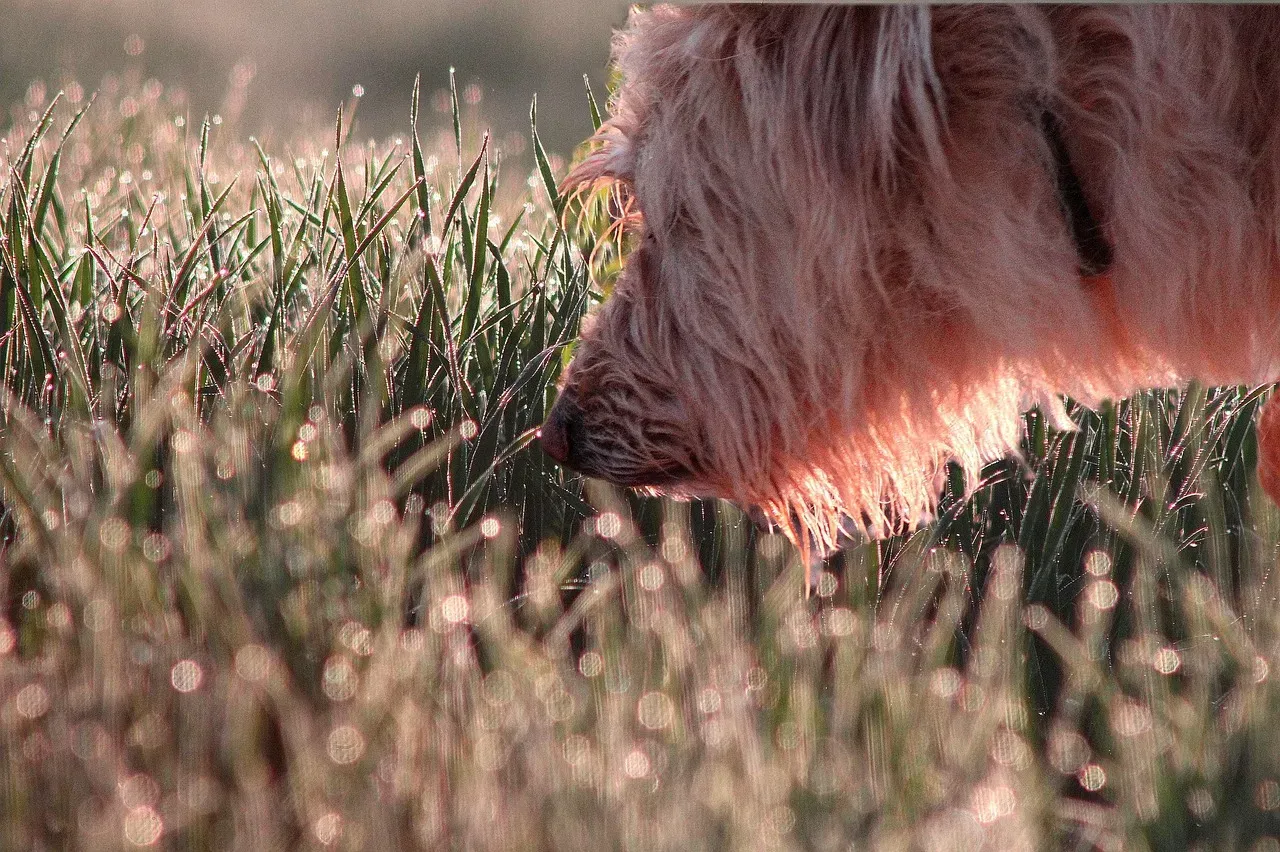
Sniffing can be stimulating and calming and allows your dog to gather information on their environment. Think about it: dogs experience the world primarily through scent, not sight. When you encourage sniffing activities indoors, you’re giving their brain a serious workout. A snuffle mat is an absolute game changer here.
Spending a few minutes searching for treats on a fringed mat can stimulate your dog’s mind and help them relax, and the sniffing mat can be a rag rug, fleece or t-shirts strips tied together. I honestly think every dog owner should have one. You can hide treats or kibble deep within the fabric folds, and watch as your dog uses their incredible nose to sniff them out. It’s calming, engaging, and perfect for dogs who need to decompress after a stressful day.
Set Up Rotation Toy Systems to Keep Novelty Alive
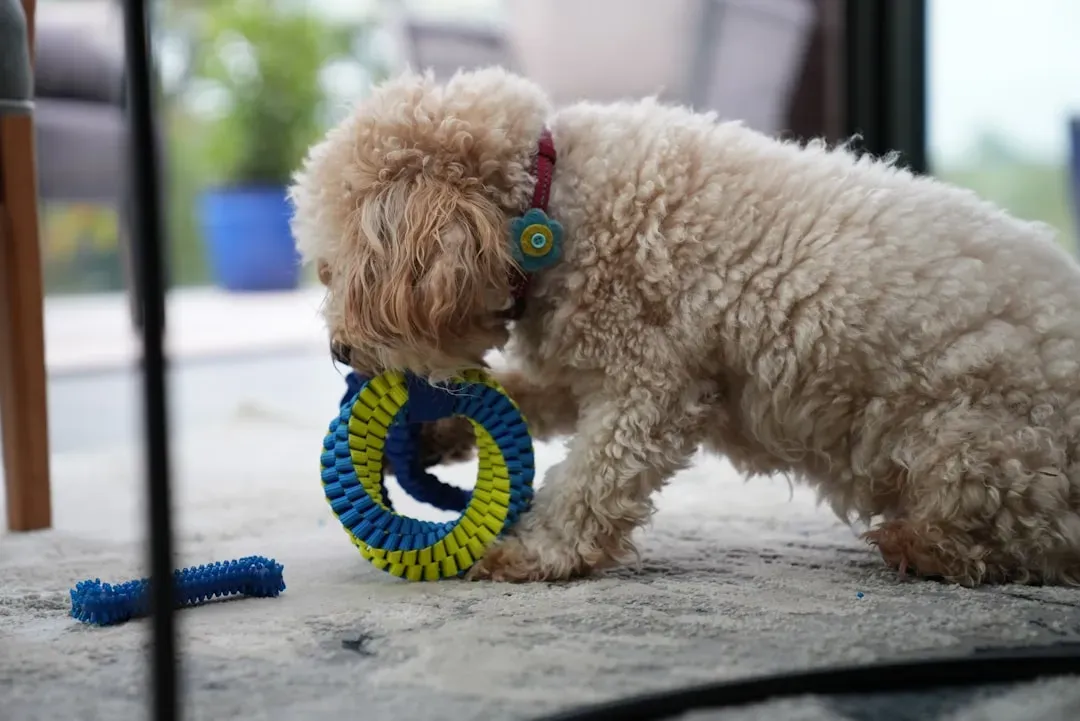
Dogs get bored with the same toys just like we’d get tired of watching the same movie every single night. By rotating your dog’s toys, you can make the toys seem much more interesting, and stashing some of your dog’s toys in a cupboard for a couple of days, and then swapping them over gives your dog something new to play with.
I know it sounds crazy, but this simple trick can feel like Christmas morning to your pup. Keep about five to seven toys accessible at any given time, and swap them out weekly. Store the rest out of sight. When those “old” toys reappear a few weeks later, they’re suddenly fascinating again. This strategy works especially well for puzzle toys, rope toys, and interactive balls that require problem solving.
Build Cozy Nooks in Social Spaces for Security

Your dog doesn’t want to be isolated in a distant corner of the house while life happens elsewhere. Pets in thoughtfully-arranged rooms display 30% less anxiety, and placing dog beds near social spaces rather than tucked away greatly improves canine security. Place their bed or crate in a spot where they can see family activity but still have the option to retreat.
This might be a corner of your living room, a nook under a side table, or even a designated spot near the kitchen. A cozy dog den can be tucked into spaces under a stairwell, mudroom bench, or even within custom cabinetry. When your dog feels included without being overwhelmed, their stress levels drop. Watch for signs like relaxed body posture, slower breathing, or contentedly watching the room rather than pacing or whining.
Introduce Scent Work and Hide-and-Seek Games Daily
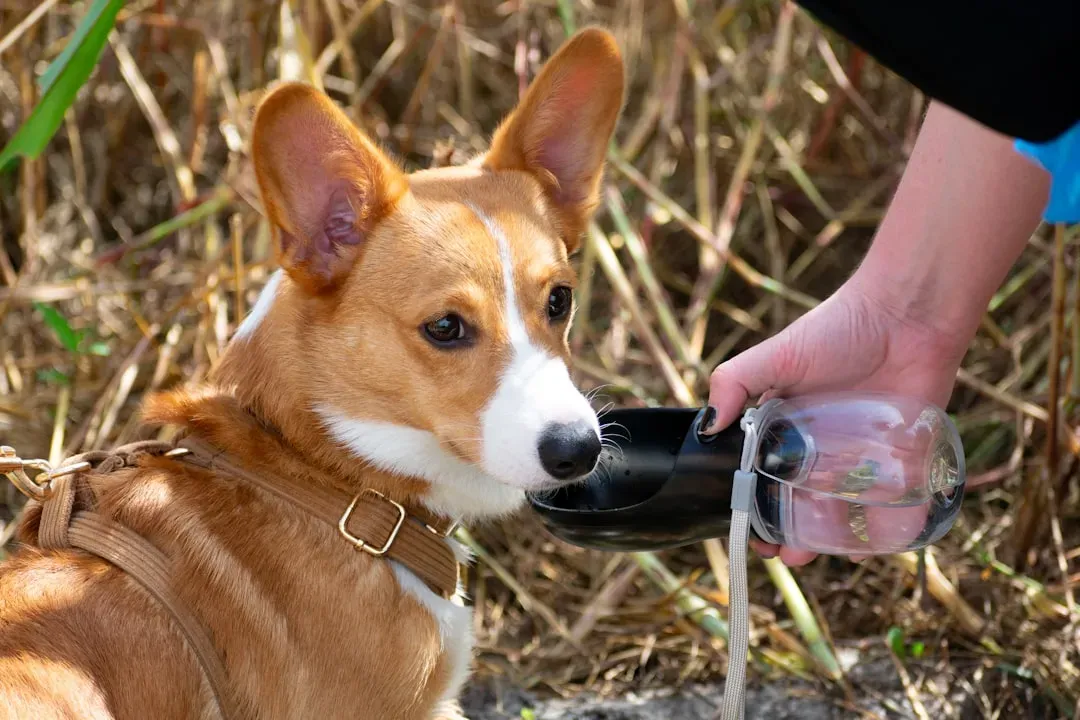
This is one of my favorite enrichment strategies because it requires almost no equipment and taps directly into what dogs are naturally wired to do. Dogs have an excellent sense of smell, and depending on your pup’s breed, their sense of smell is about 10,000 to 100,000 times better than yours. Start with a simple game: let your dog watch you hide a treat somewhere obvious, then say “find it” and let them retrieve it.
Gradually increase the difficulty by hiding treats in different rooms, behind furniture, or inside cardboard boxes. Encourage your furry friend to use this amazing superpower by creating a sniff-tastic scavenger hunt, hiding treats around your home for your dog to sniff out, starting with easy hiding places and gradually increasing the difficulty level. You can also play hide-and-seek with yourself, calling your dog from another room and rewarding them when they find you. The joy on their face when they succeed is absolutely priceless.
Use DIY Foraging Boxes for Safe Destruction Play
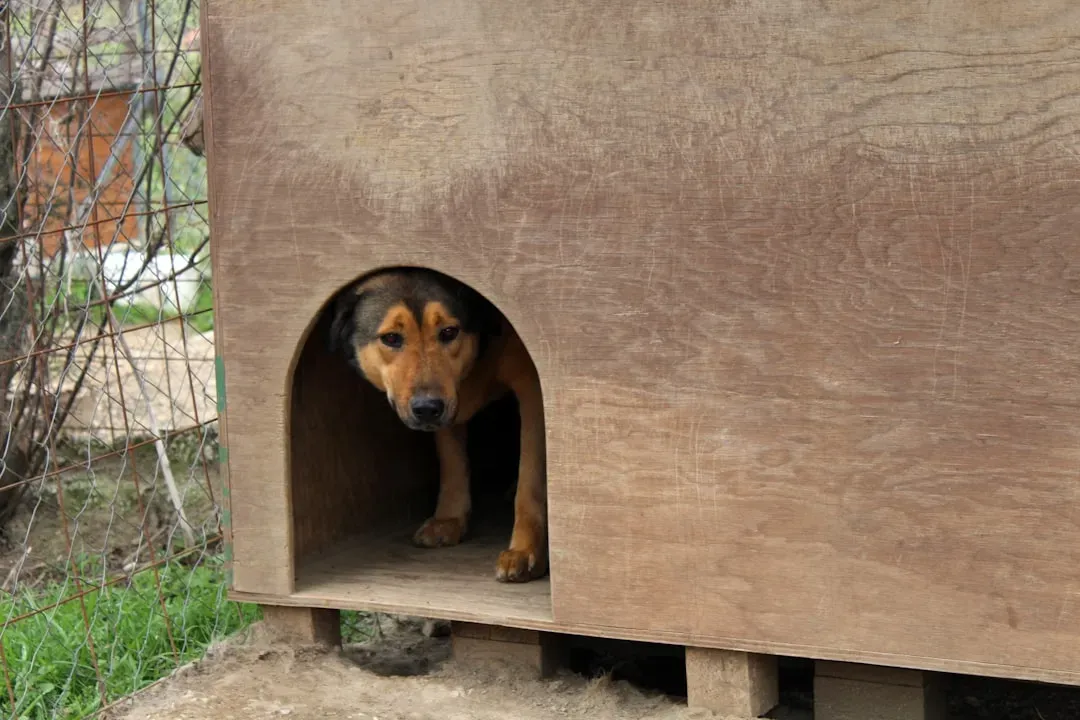
Contrary to what you might worry about, letting your dog tear into cardboard doesn’t encourage bad behavior. Tearing the cardboard does not encourage destruction, and if a dog has a variety of appropriate activities to channel his energy, he will not destroy the sofa. Fill a cardboard box with crumpled paper, empty water bottles, or old towels, then hide treats or toys inside.
Your dog gets to dig, sniff, and pull things apart in a totally acceptable way. This kind of enrichment satisfies their natural scavenging instincts while keeping your furniture safe. Just supervise to make sure they’re not ingesting any materials, and swap out boxes regularly to keep things fresh. I’ve seen anxious dogs transform into calm, focused problem-solvers within minutes of being given a foraging box.
Freeze Enrichment Treats for Long-Lasting Engagement

Frozen treats are perfect for keeping your pup mentally stimulated year-round, and they give your dog something yummy to eat, but they also take a bit of work. When you freeze food inside a Kong or similar toy, you extend the challenge significantly. Fill it with wet dog food, peanut butter, mashed banana, or plain yogurt, then pop it in the freezer overnight.
The next day, your dog has a project that can last thirty minutes or more. Because the food is frozen, dogs usually end up licking it until it melts, and this provides them a fair amount of entertainment while they’re trying to eat. This is especially helpful on hot summer days or when you need your dog to settle during a busy morning. Honestly, it’s like giving them a spa day for their brain.
Change Up Indoor Obstacle Courses for Physical and Mental Challenges
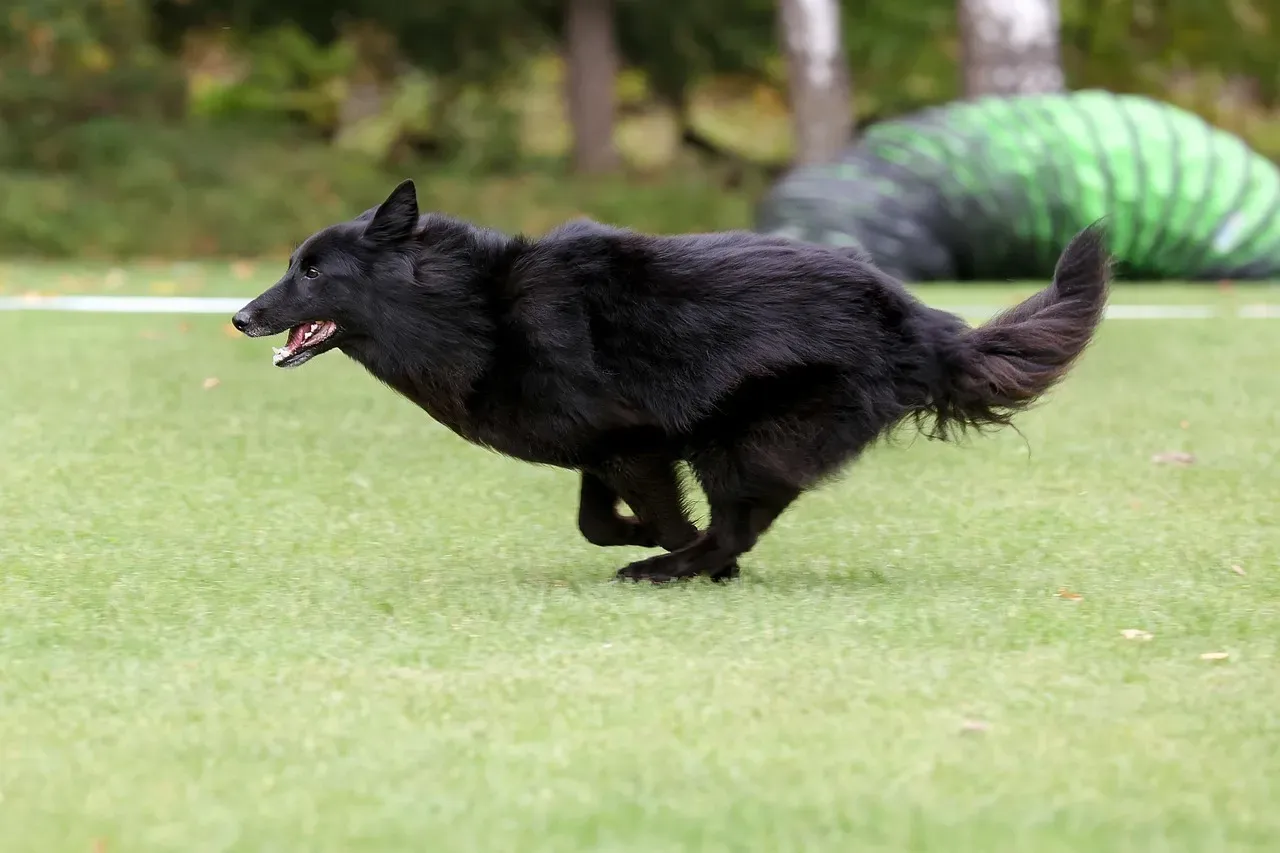
You don’t need a backyard agility setup to give your dog a workout. Use couch cushions, broomsticks balanced on books, boxes, and blankets to create a mini obstacle course in your hallway or living room. Guide your dog through, over, and around each element using treats or toys as motivation.
Teach your dog new tricks, play tug-of-war, or set up a mini agility course in your living room, and these indoor activities keep your dog entertained and mentally engaged. Mix it up each time you play so they can’t just memorize the routine. This kind of activity combines obedience, coordination, problem solving, and physical exercise all at once. Watch for tail wags, focused attention, and a happy pant when they’re having fun rather than feeling stressed or confused.
Designate Calm-Down Stations with Grooming and Massage Rituals
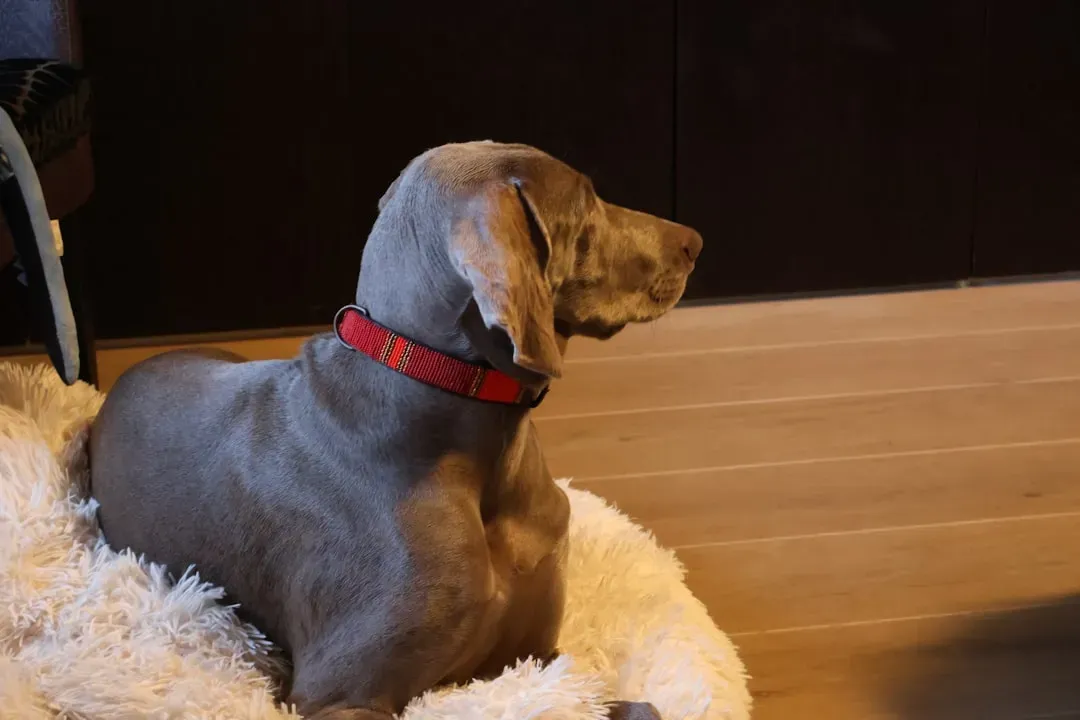
Enrichment isn’t always about excitement. Sometimes the best gift you can give your dog is a quiet, soothing ritual. Regular brushing not only keeps their fur healthy by removing loose hair and tangles, but it also promotes good circulation and distributes natural oils, and the repetitive motion of brushing can help calm an anxious dog.
Create a designated calm-down station in a quiet corner where you can brush your dog, give gentle massages, or simply sit together. Put on low, soothing music, add lavender oil to a room diffuser, and massage your dog’s muscles in small, circular motions, and this kind of mindful relaxation helps calm your dog’s mind and body, reducing anxiety. Pay attention to their body language: soft eyes, lowered ears, and slow breathing are signs they’re genuinely relaxed. If your dog leans into your touch or falls asleep, you’ve nailed it.
Conclusion
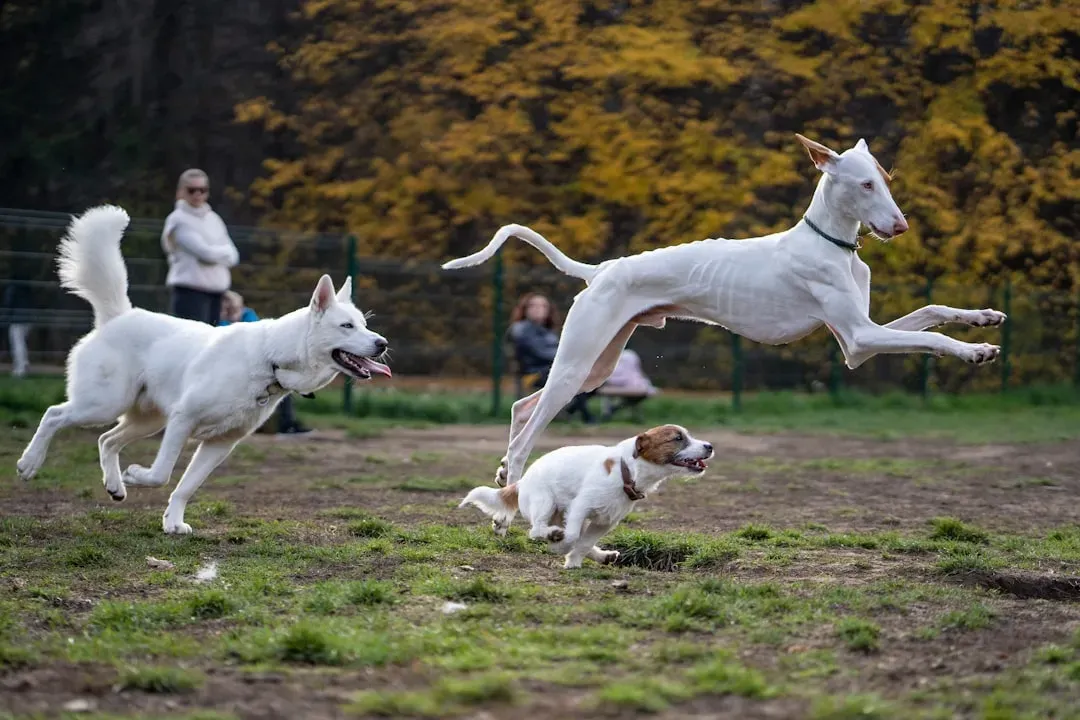
Transforming doesn’t require a complete renovation or a huge budget. It requires seeing your space through your dog’s eyes and understanding what truly makes them feel mentally satisfied, emotionally secure, and joyfully engaged. The key to a happy and healthy dog is regular enrichment and allowing them to engage in their innate behaviors, such as playing, chasing, smelling, chewing and scavenging, and by allowing your dog to engage in these behaviors, you allow them to be physically, emotionally and mentally satisfied.
Start small. Pick one or two ideas from this list and try them this week. Notice how your dog responds. You might see fewer destructive behaviors, better sleep, improved focus during training, or simply a happier, more content companion. At the end of the day, enrichment is about more than keeping your dog busy. It’s about honoring who they are and giving them a life that feels full, interesting, and deeply satisfying. What’s one change you’re excited to make for your pup today?


