

You walk through the door after a long day, drop your bag on the counter, and there’s your beloved pup waiting with that tail wagging like nothing else matters. It’s hard to imagine anything could hurt them in your own home, right? Yet the truth is, some of the most ordinary items sitting in plain sight could pose serious risks to your furry friend. We’re talking about everyday things you’d never suspect. Things that seem completely harmless to us but can turn into genuine emergencies for dogs. Understanding these hidden dangers is one of the most important things you can do as a dog parent, and honestly, it might just save your pup’s life one day. Let’s dive in.
Chocolate: The Sweet Danger Everyone Knows But Still Underestimates
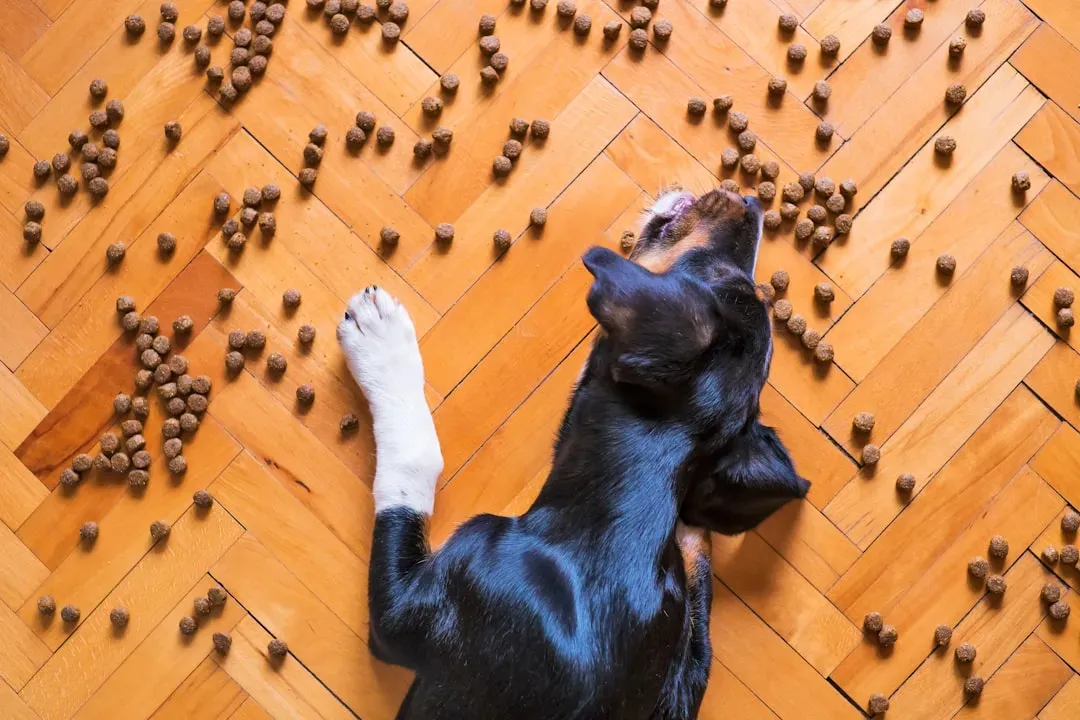
Chocolate contains theobromine, a chemical that can be toxic to dogs, with darker, more bitter, and more concentrated varieties posing the highest risk. Here’s the thing, though. Most people know chocolate is bad for dogs, but they don’t realize just how small an amount can cause trouble.
Symptoms of chocolate poisoning include tremors, seizures, and irregular heartbeats. It can also cause cardiac arrhythmias, muscle tremors, and seizures. Let’s be real, leaving that chocolate bar on the coffee table or tossing wrappers in an accessible trash can seems innocent enough until your dog decides it’s snack time.
Xylitol: The Hidden Killer in Sugar-Free Products

Xylitol, found in sugar-free gum, peanut butter, and baked goods, can cause severe liver failure and dangerously low blood sugar. This one honestly scares me because it’s in so many products we don’t even think about. Your sugar-free mint, that “healthy” peanut butter you bought, even some toothpaste.
Ingesting even a small amount of xylitol can lead to a rapid and life-threatening decline in blood sugar levels and possible liver failure. The speed at which this sweetener acts is terrifying. Your dog could seem perfectly fine one moment and collapse the next.
Human Medications: What Heals Us Can Harm Them
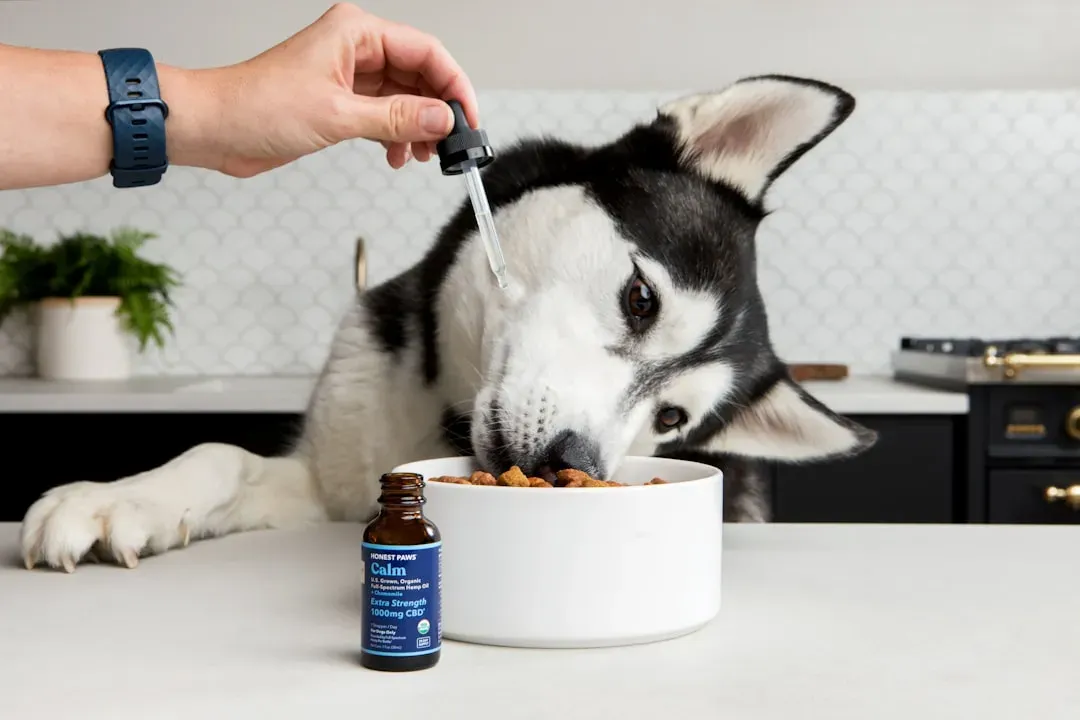
Pets ingesting medication meant for people is one of the most frequent and dangerous situations veterinarians see, as a pet’s metabolism is very different from a human’s and a standard dose for you could be fatal for them. Think about how often you leave pills on the nightstand or in your purse.
Acetaminophen is extremely toxic to cats, causing severe liver and red blood cell damage, while NSAIDs like ibuprofen and naproxen can lead to stomach ulcers and kidney failure in dogs. Dogs metabolize ibuprofen differently than humans, and even a small amount can be harmful, especially in smaller dogs, with signs of toxicosis occurring when as little as half a 200 mg pill is given to a 25-pound dog. I think it’s really easy to assume that if something helps our headache, a tiny bit won’t hurt our dog. That assumption could cost them their life.
Grapes and Raisins: Tiny Fruits With Massive Consequences

Grapes and raisins can cause sudden kidney failure in dogs, even in very small amounts. This is one of those things that catches people off guard because fruit seems so innocent. You’re making a snack, drop a grape, and your dog gobbles it up before you can react.
These fruits can cause sudden kidney failure, and there’s still no definitive answer on exactly what makes them so dangerous. Some dogs might eat a few and seem fine, while others can experience severe reactions from just one or two. Why risk it?
Household Cleaners: The Toxic Cloud We Don’t See
Many household cleaning products, such as floor and countertop sprays and toilet bowl cleaners, contain toxic ingredients like chlorine bleach or formaldehyde that may make dogs sick. Even just ingesting the fumes can pose a danger. We spray, we wipe, we walk away thinking everything’s safe once it looks clean.
Bleach, ammonia, toilet bowl cleaners, and drain openers can cause chemical burns in the mouth and throat and internal damage if ingested. Ingesting undiluted chlorine bleach can cause stomach upset, vomiting, diarrhea, eye irritation, ulcers, and severe burns. Honestly, I never thought about my dog licking the floor after I mopped until I read about how many dogs end up at emergency vets for exactly that reason.
Toxic Plants: Beauty That Bites Back
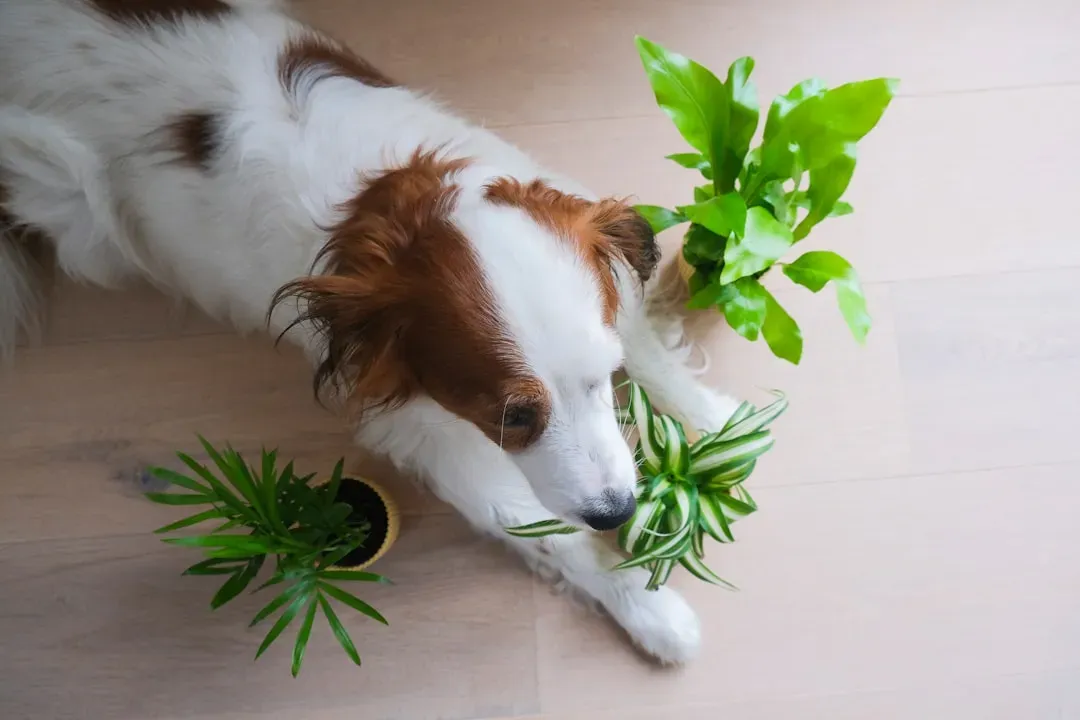
Many popular houseplants and garden flowers contain toxins that can cause everything from mild stomach upset to severe organ failure if ingested. Those gorgeous lilies on your dining table? For cats, true lilies such as Easter, Tiger, and Asiatic lilies are a deadly poison.
Even a small exposure to any part of the lily of the valley plant can cause heart problems for dogs, including changes in heart rate and rhythm. Eating holly leaves can result in vomiting, diarrhea, and gastrointestinal injury due to the plant’s spiny leaves, with symptoms including lip-smacking, drooling, and head shaking. Your dog doesn’t know which plant is safe and which isn’t. They just see something interesting to chew on.
Rodenticides and Pesticides: Poisons Designed to Kill
Rodenticides are edible bait products designed to kill mice and rats that can also easily kill larger animals such as dogs and cats, as these products are tasty to pets and can cause death via internal bleeding, high calcium levels, brain swelling, or poison gas production in the stomach. The awful irony here is that these baits are made to be appealing to attract pests, which makes them equally tempting to curious dogs.
Dogs mistake rodent bait for food or treats and consume large quantities. What appears to be a mild case can rapidly become life-threatening, especially with anticoagulant poisons that may not cause visible bleeding for 3-5 days after ingestion. By the time you notice something’s wrong, significant damage might already be done.
Antifreeze: The Deadly Sweetness
Antifreeze contains ethylene glycol, which is highly toxic to animals even in small amounts, with its sweet smell and taste luring pets into drinking it. This stuff is genuinely one of the most dangerous substances a dog can encounter. A tiny puddle in the driveway from a leaky radiator is all it takes.
Small spills from changing fluids or a leaky radiator can leave dangerous puddles in the garage or driveway that your pet might lap up. The sweetness is what gets them, and then it’s a race against time. If you suspect your dog has consumed antifreeze, getting to the vet immediately is critical because this substance works fast.
Laundry Products: From Detergent to Dryer Sheets

Even laundry can be hazardous to dogs, as chewing or ingesting items such as socks, underwear, shoelaces, and hosiery can cause choking and internal blockages. It’s not just fabric items, though. Curious dogs might try to consume dryer sheets, detergents in liquid, tablet, or powder form, laundry bleach, or small accessories like scarves and buttons, so keep these items out of reach and throw away used dryer sheets in dog-proof trash cans.
Those convenient laundry pods? They’re colorful, squishy, and look like toys to a dog. The concentrated detergent inside can cause serious chemical burns and respiratory distress. I know it sounds crazy, but dogs don’t understand danger the way we do.
Conclusion: Protecting Your Best Friend Starts With Awareness

The reality is that our homes are filled with items that pose hidden dangers to our dogs. Recognizing the signs of poisoning in dogs quickly can save your pet’s life, with common symptoms including vomiting, diarrhea, drooling, tremors, and changes in behavior or energy level. Being aware is the first line of defense.
Store medications securely, keep human foods out of reach, use pet-safe cleaning products when possible, and know which plants are toxic. Once an ingestion is suspected or confirmed, time is extremely important, and prompt veterinary treatment can save a pet’s life. If you ever suspect your dog has gotten into something dangerous, don’t wait to see if symptoms develop. Call your vet or the Pet Poison Helpline immediately.
Your dog trusts you to keep them safe, and now you’re better equipped to do exactly that. What do you think about these hidden dangers? Have you ever had a close call with your pup?


