
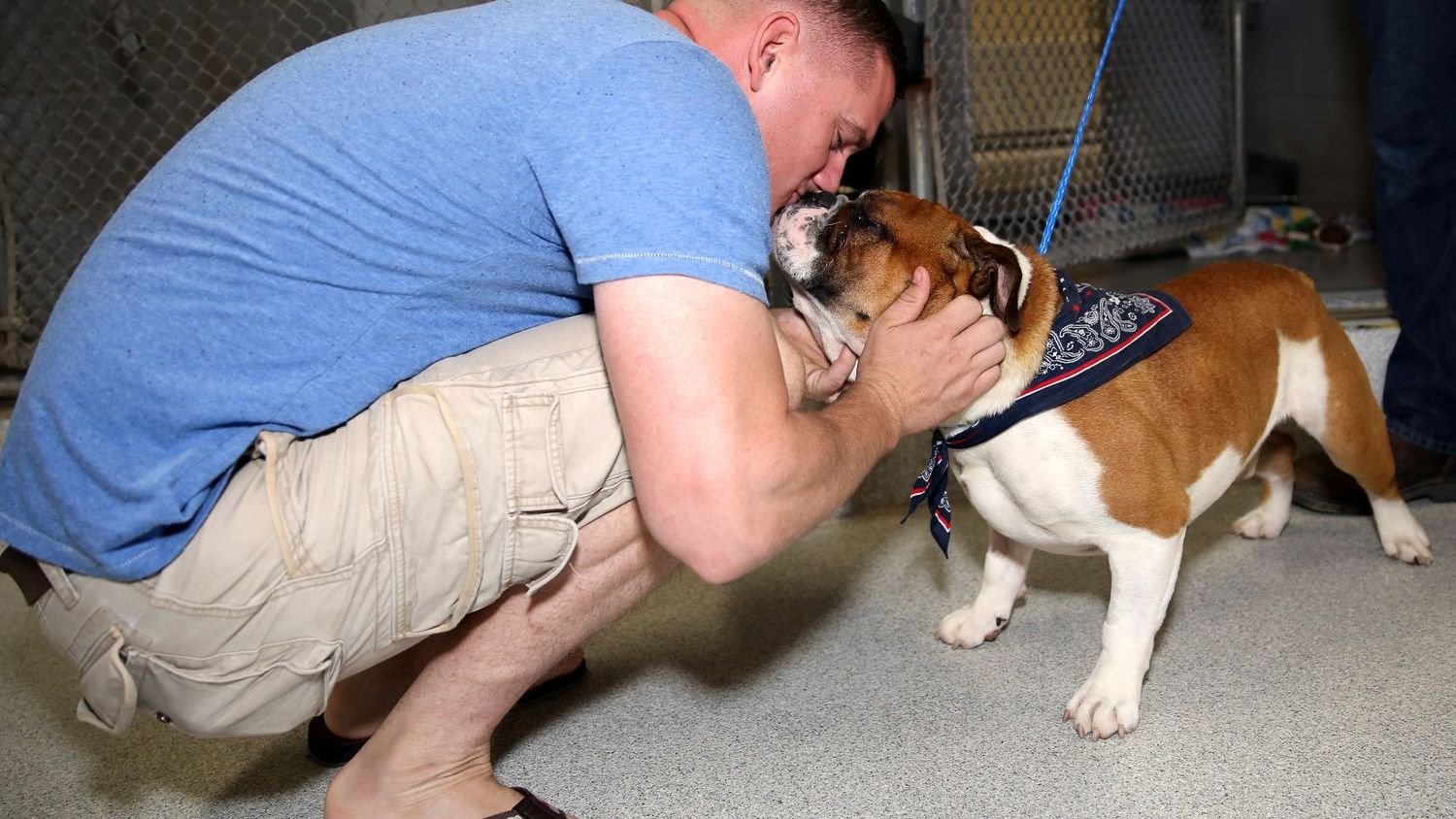
Picture this: a wagging tail peeking from a kennel, eyes full of hope, yet so many folks walk past rescue dogs, swayed by whispers of doubt. I’ve spent years around these incredible pups, watching them light up homes that needed them most. Those nagging myths? They’re holding back magic matches every day.
Stick with me as we unpack nine big ones. You’ll walk away ready to give a shelter sweetheart the forever they deserve.[1][2]
Myth 1: Rescue Dogs Are Damaged Goods

People often think rescue dogs carry deep scars from tough pasts, making them broken forever. Truth is, many land in shelters from no fault of their own, like owner moves or job losses. They’re resilient souls eager for a fresh start.
Watch for confident tail wags and relaxed ears during meet-and-greets, signs they’re ready to thrive. I’ve seen countless pups blossom with patience, proving they’re far from damaged.[3][4]
Myth 2: They’re Always Sickly or Unhealthy

Shelters prioritize health checks, vaccinating and treating pups before adoption. Sure, some arrive under the weather, but most bounce back fast with care. Pet store pups sometimes face more issues than these vetted rescues.
Spot healthy signs like bright eyes and shiny coats post-exam. Regular vet visits keep them going strong, just like any dog. Empathy here goes far, supporting their quick recovery.[2]
Myth 3: Rescue Dogs Have Behavioral Issues
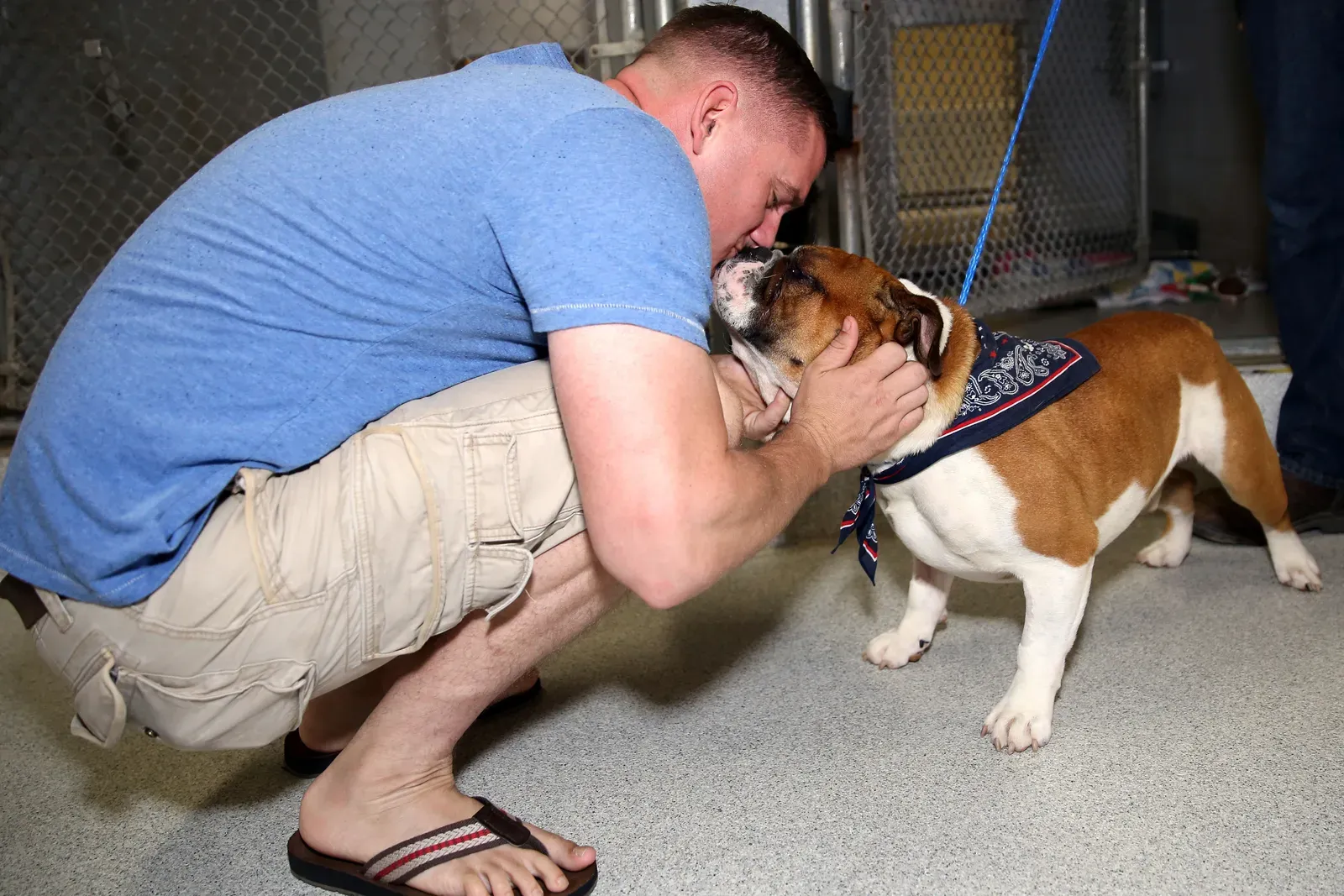
Kennel stress might show as barking or hiding, but that’s not their true self. About one in seven adopters worry about this, yet most settle beautifully at home. Shelters test for sociability to match right.
Relatable scenario: a shy shelter dog turns playful family clown after a week. Use positive reinforcement to build good habits. These pups often come house-trained, saving headaches.[5][1]
Myth 4: They’re Aggressive by Nature

Few end up in shelters for true aggression; life changes send most there. Shelters screen carefully, rehoming only safe, friendly dogs. Aggressive labels? Often just fear misread.
Look for soft body language, like play bows, not stiff postures. Early socialization prevents issues. My heart warms seeing these gentle giants cuddle kids safely.[6][7]
Myth 5: Adult Rescues Can’t Be Trained
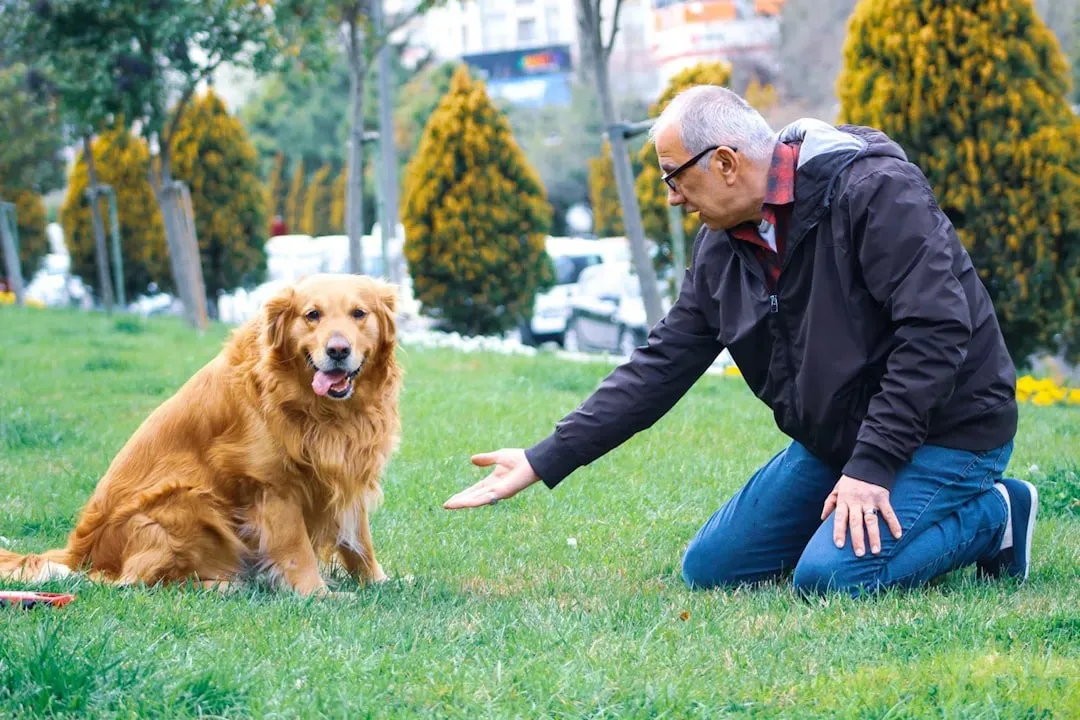
Age doesn’t lock in habits; old dogs learn new tricks daily in shelters. Many arrive knowing basics, eager for your household rules. Training builds that unbreakable bond.
Start with short sessions, rewarding calm sits. Real example: a three-year-old beagle mix mastered commands fast. Patience unlocks their smarts, no puppy needed.[8][9]
Myth 6: Older Dogs Won’t Bond with New Families
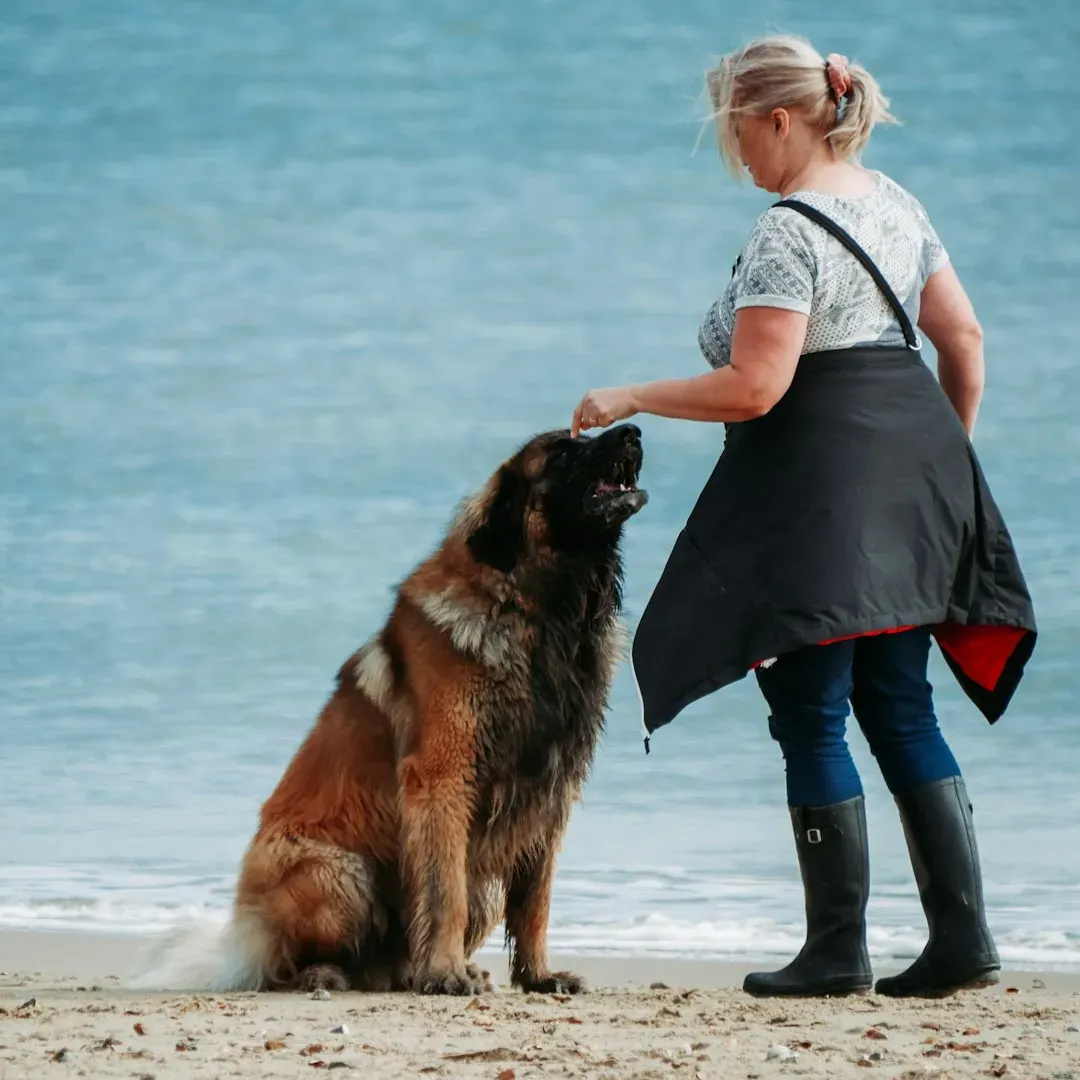
Senior rescues crave stability, forming deep attachments quicker than rambunctious pups. They skip the teething chaos, offering instant companionship. Shelters see young adults mostly, perfect for bonding.
Prevention tip: consistent routines ease adjustment. Behaviors like following you everywhere signal growing love. They’re loyal gems, wiser from years lived.[2][10]
Myth 7: No Purebreds in Shelters
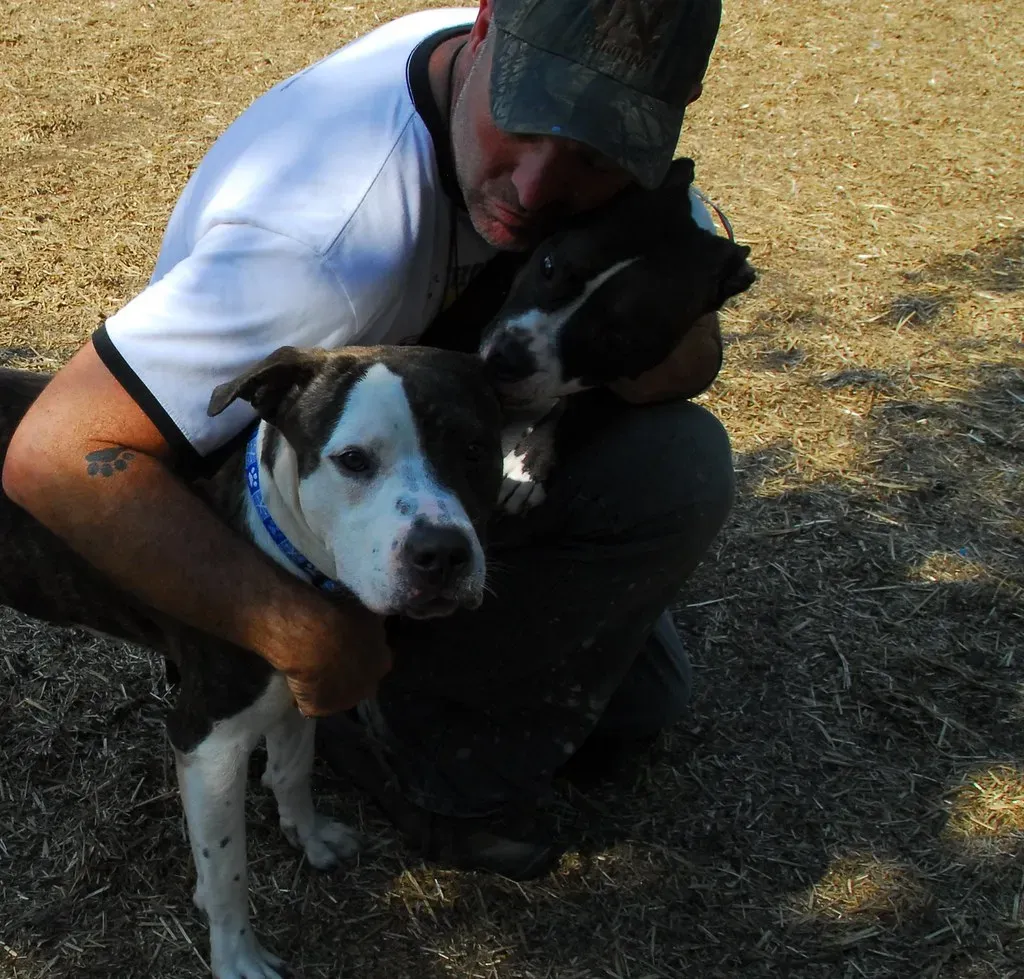
Surprise: around a quarter of shelter dogs are purebreds, surrendered for reasons beyond breed. Labs, shepherds, you name it, waiting there. No breeder waitlists required.
Check breed-specific rescues too. Health perks of mixes abound, but pedigrees shine too. This myth steals chances from perfect matches.[7][1]
Myth 8: Rescue Dogs Are Dirty and Flea-Infested
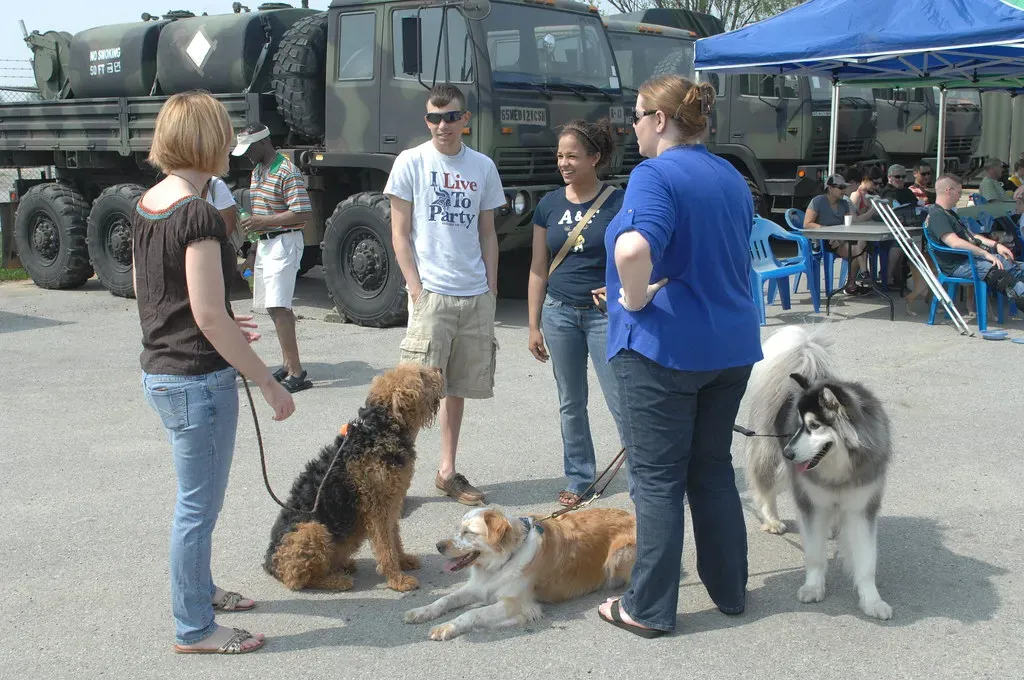
Shelters bathe, groom, and deworm rigorously before adoption. They often arrive cleaner than classified ad finds. Fleas? Treated pronto.
Post-adopt, a flea comb and vet check seals it. Signs of clean pups: soft fur, no scratching. They’re pampered starters for your home.[2]
Myth 9: They Won’t Attach After Being Abandoned

Rescues love fiercely, often more gratefully than pampered pets. Abandonment doesn’t scar their hearts permanently. They thrive on new loyalty.
Cues like leaning into pets show budding trust. Give time; walks and play speed it. Here’s the thing: their devotion inspires us right back.[9]
Ready to Welcome a Rescue Hero Home?
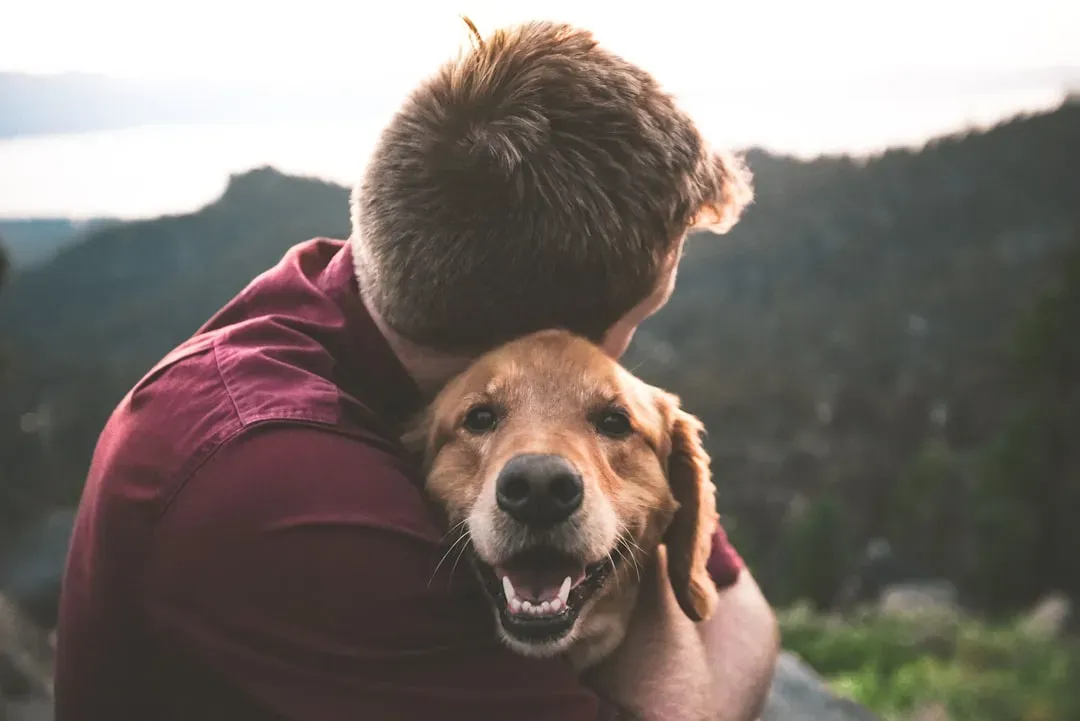
These myths fade against the joy rescue dogs bring. They’re not second-best; they’re lifesavers with wagging gratitude. Visit your local shelter, feel that connection spark.
You’ve got the facts now. Who’s the lucky pup joining your pack next? Share your rescue story below, friend.[1]


