
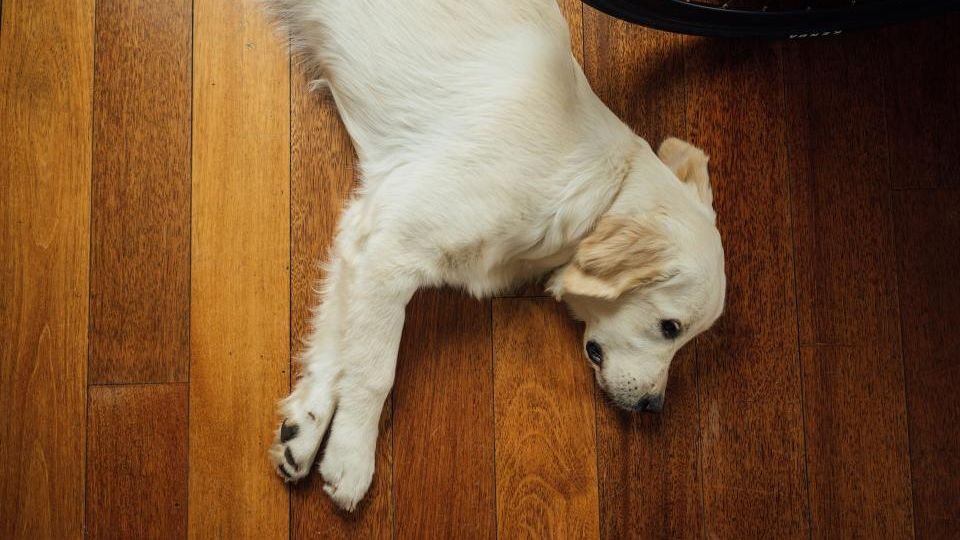
You know that look. The wide eyes, the tucked tail, the desperate scramble to find somewhere safe. Maybe you’ve watched your pup dive under the bed during a thunderstorm, or seen them freeze up when a stranger leans in for a pat. experience fear just like we do, and sometimes for reasons we might not even notice.
Understanding what scares your dog isn’t just about making life a little easier. It’s about keeping them safe, building their confidence, and deepening the bond between you. Some fears are hardwired into their DNA, while others come from a single bad experience. Either way, recognizing these triggers early can make all the difference in helping your dog navigate the world with a wagging tail instead of a pounding heart. Let’s dive into what really gets under your dog’s fur.
Thunderstorms and Loud Weather Events
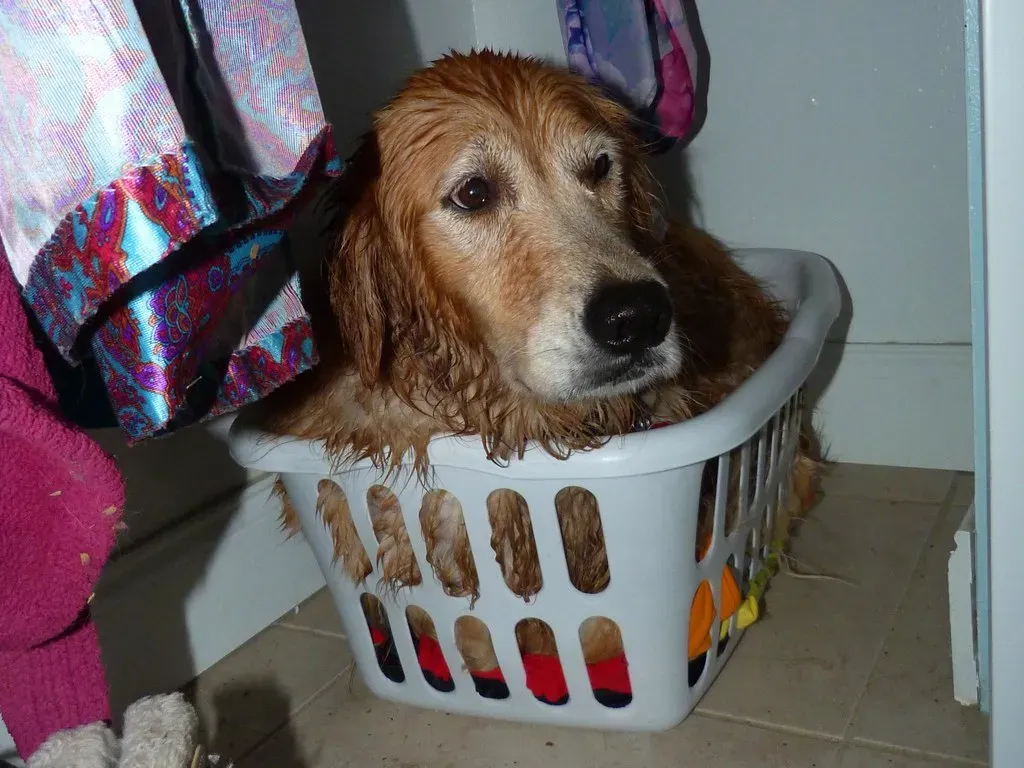
Thunder is perhaps the most commonly known sound that scares , and it’s not just the loud booms that are terrifying. Thunderstorms bring changes in the air like darkening skies, pelting rain, flashes of light, and changes in barometric pressure that can all contribute to increased fear. Your dog might sense the storm building long before you even hear the first rumble.
The signs of fear can range from mild to severe, including trembling, vocalizing, panting, pacing, drooling, hiding, digging at doors and escape attempts. Some become so panicked they’ll injure themselves trying to get away. It’s heartbreaking to watch, especially when you can’t explain to them that it will pass.
Fireworks and Sudden Explosive Noises
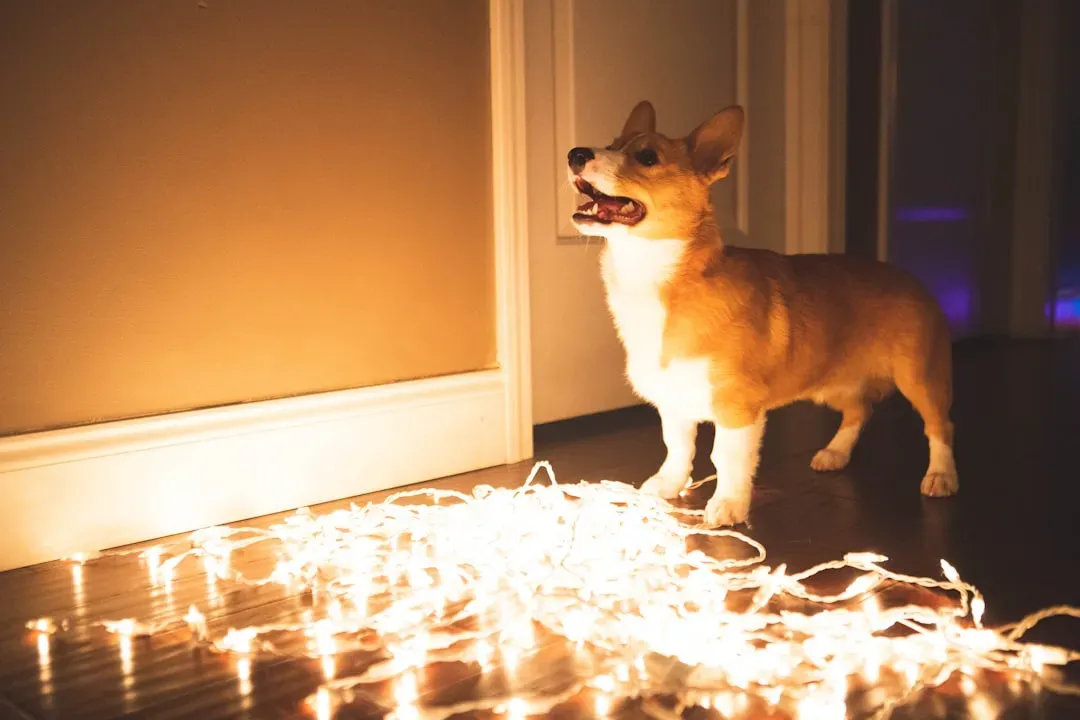
Many have sound phobias to loud noises like fireworks, thunderstorms, gunshots, and firecrackers. An estimated 49 percent of show a significant fear response to firework noise. The unpredictability is what makes fireworks especially terrifying. Your dog has no idea when the next bang is coming or where it’s coming from.
can hear more than twice as many frequencies and can hear sounds four times further away compared to humans, so that the booming sounds of fireworks elicit a fear or anxiety response is no surprise. What seems tolerable to us can feel overwhelming to them. I’ve seen bolt through screen doors or leap fences in sheer panic during Fourth of July celebrations.
Veterinary Visits and Medical Handling
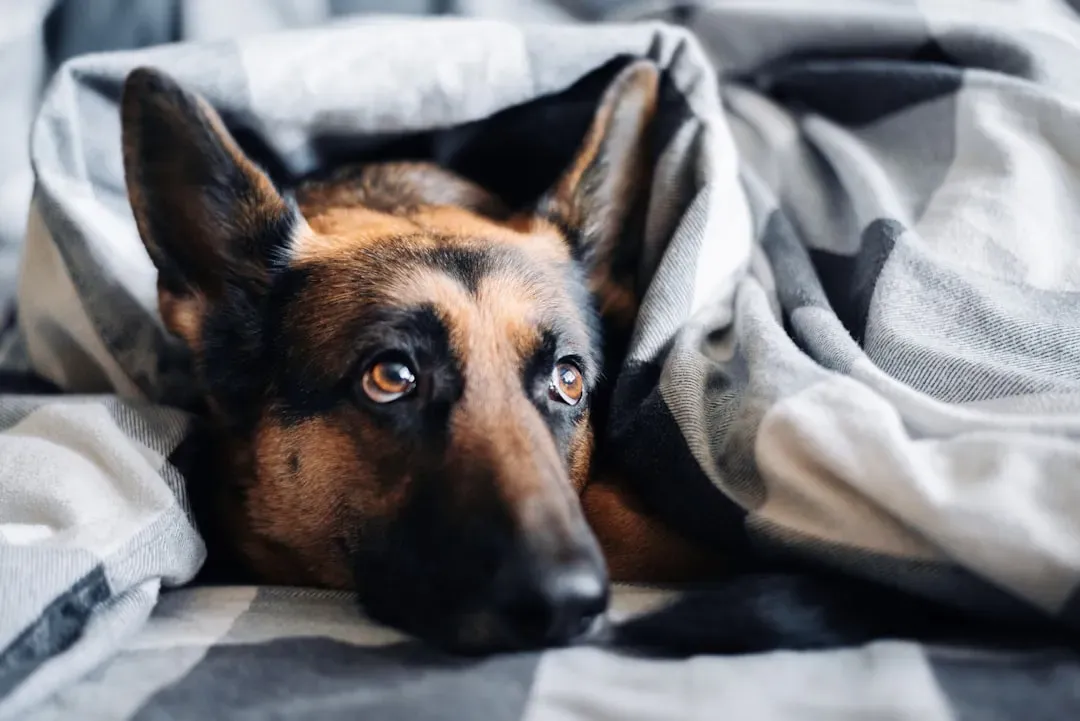
Let’s be real, most would rather be anywhere else than at the vet. One of the reasons do not like the vet’s office is because it often feels traumatic to them, with loud sounds and smells bombarding their senses as they walk through the door, and they also encounter other animals which can raise their anxiety levels.
A veterinary technician will restrain your dog while the vet prods and pokes, possibly drawing blood and giving vaccinations, and such unfamiliar handling by strangers can cause your furry friend to feel afraid and confused. Many are afraid when they come to the veterinary office, and most that are aggressive at the veterinary office are exhibiting fear related aggression. The combination of strange smells, other anxious animals, and being handled by people they don’t trust creates a perfect storm of stress.
Being Left Alone
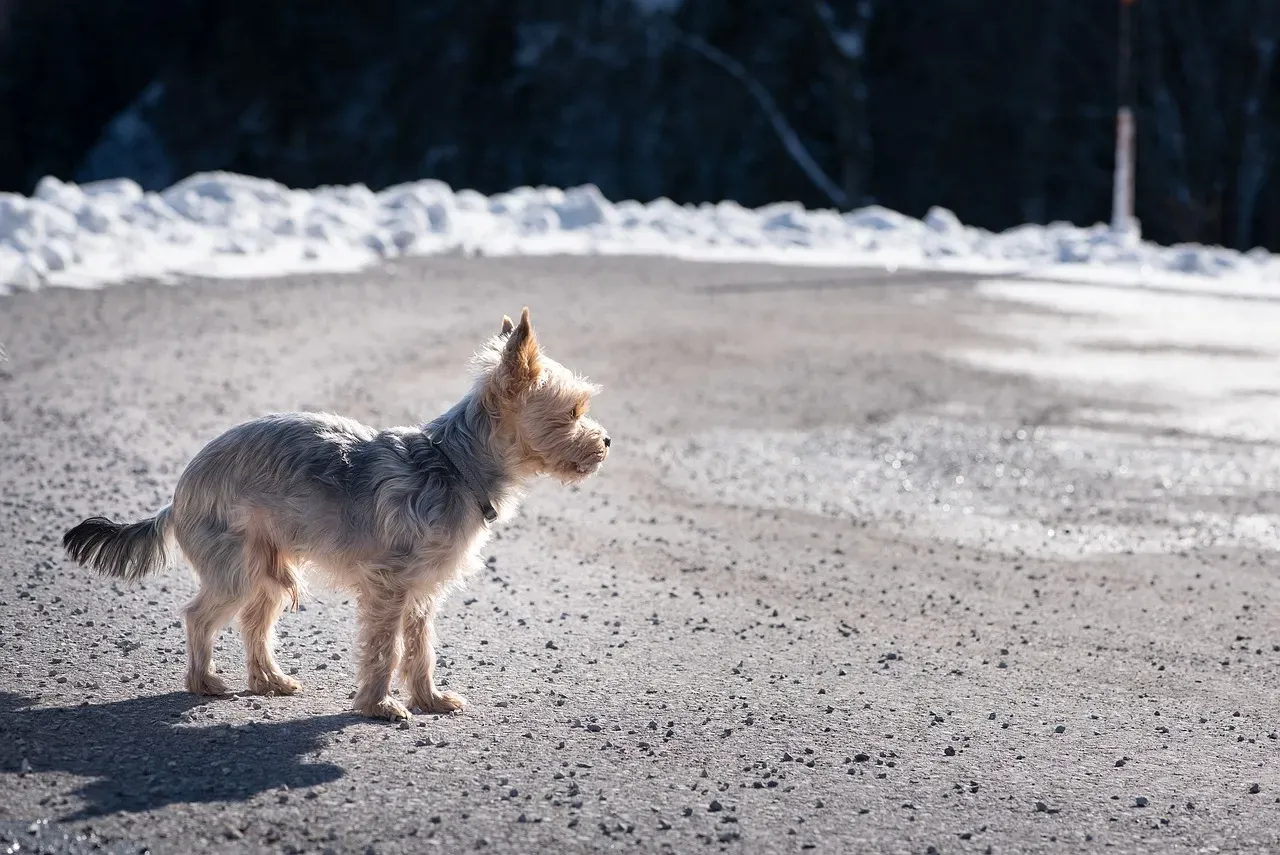
Separation anxiety describes that usually are overly attached or dependent on family members and become extremely anxious, showing distress behaviors such as vocalization, destruction, or house soiling when separated from the owners. This isn’t your dog being spiteful or badly behaved. It’s genuine panic.
Separation anxiety is like a panic attack in a person and can damage the quality of life for both dog and human. Some start showing signs of distress the moment they see you pick up your keys. Changes in the home or peoples’ schedules can cause separation anxiety, such as a recent move, spending more time with the dog while on vacation or because of illness, death in the family, or death of another pet.
Unfamiliar People and Strangers
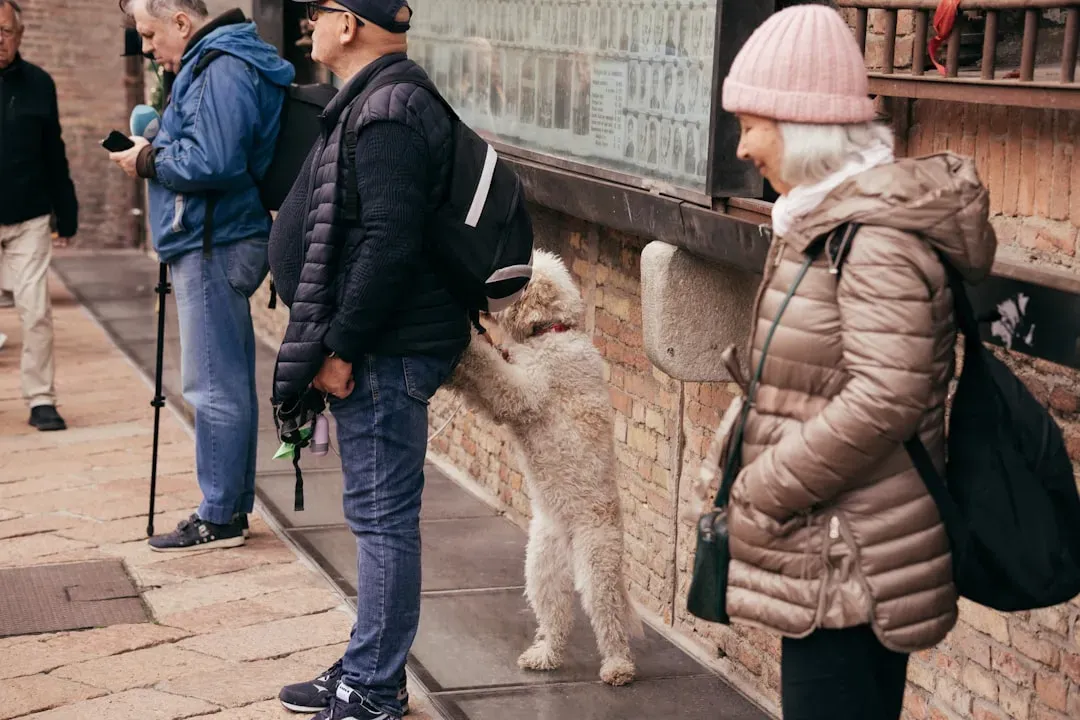
New people can make anxious, especially if they enter quickly or talk loudly, and strangers often trigger fear when don’t recognize their scent or voice. Think about it from your dog’s perspective: someone they’ve never met is suddenly in their space, making unpredictable movements and sounds.
Some are particularly sensitive to social threats and react to innocuous triggers such as a child suddenly laughing or reaching to give the dog a pet, and one such negative experience with a small child could trigger a fear of all small children. don’t understand human social norms. A friendly hug to us might feel like a threatening restraint to them.
Vacuum Cleaners and Household Appliances
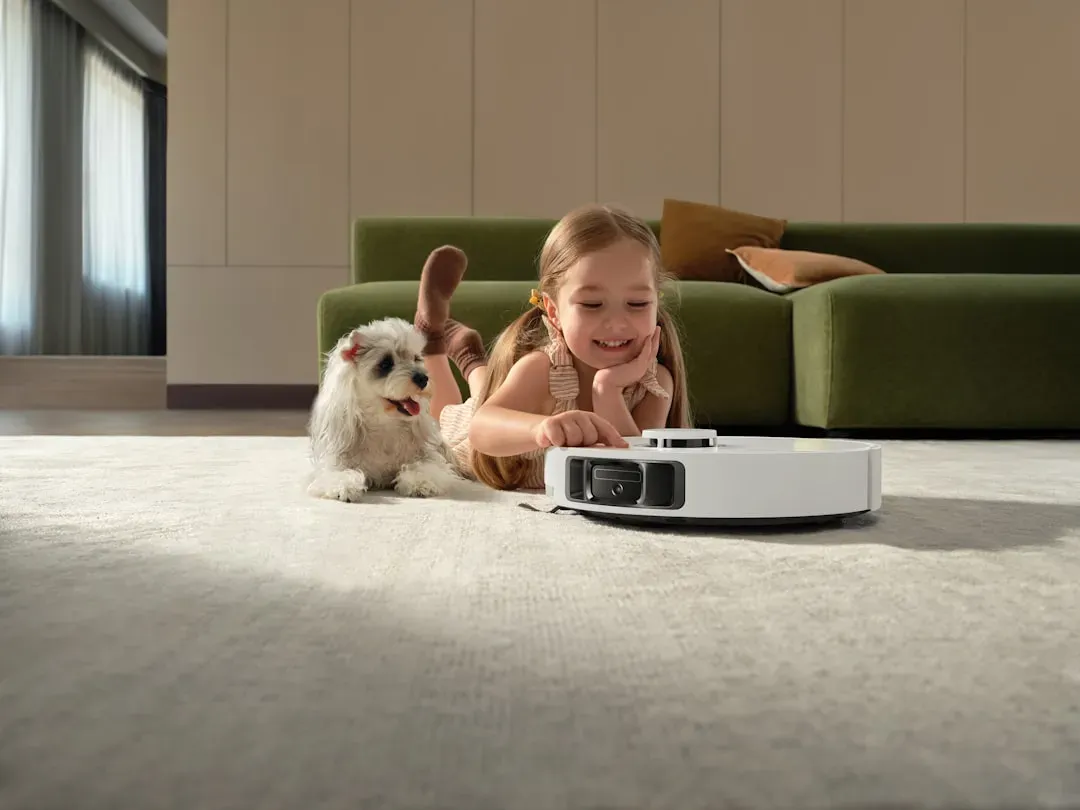
Anyone who has tried the debilitating exercise that is cleaning your home with a canine bystander knows how many pups view vacuum cleaners, and whether it’s the unfamiliarity or volume of the noise vacuums produce, view them as a sign of the end times. Honestly, I can’t blame them. These machines are loud, move erratically, and invade their territory.
Thunder, fireworks, smoke alarms, and even a microwave beep can trigger fear in , as loud noises often confuse and upset them, causing fearful to shake, bark, or hide under the bed with these sudden sounds linking to negative associations. The key here is the unpredictability combined with volume. Your dog can’t rationalize that the vacuum is just helping you clean.
Other and Unknown Animals
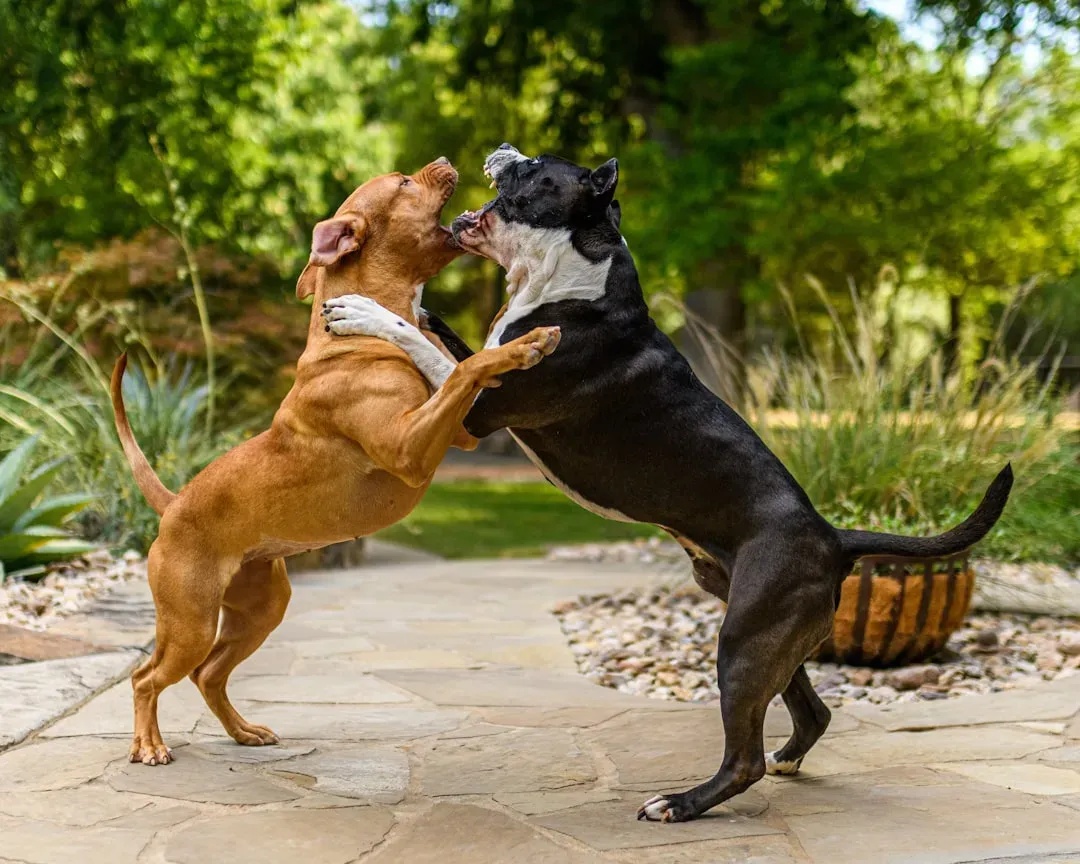
There are many reasons why can develop a fear or phobic response toward people or other animals including lack of socialization, traumatic learning experiences, genetic predisposition, and medical conditions. Not every dog is a social butterfly at the dog park. Some have had bad experiences, while others simply weren’t exposed to enough during their critical socialization window.
Waiting rooms often put close to strangers, and while some are fine with this, many aren’t, as tight spaces take away the option to move away, and may see animals that look sick, scared, or reactive, which can crank up alert behavior and make vet-related anxiety worse. Fear of other can escalate quickly if not addressed properly, sometimes turning into fear-based aggression.
Slippery Floors and Unstable Surfaces
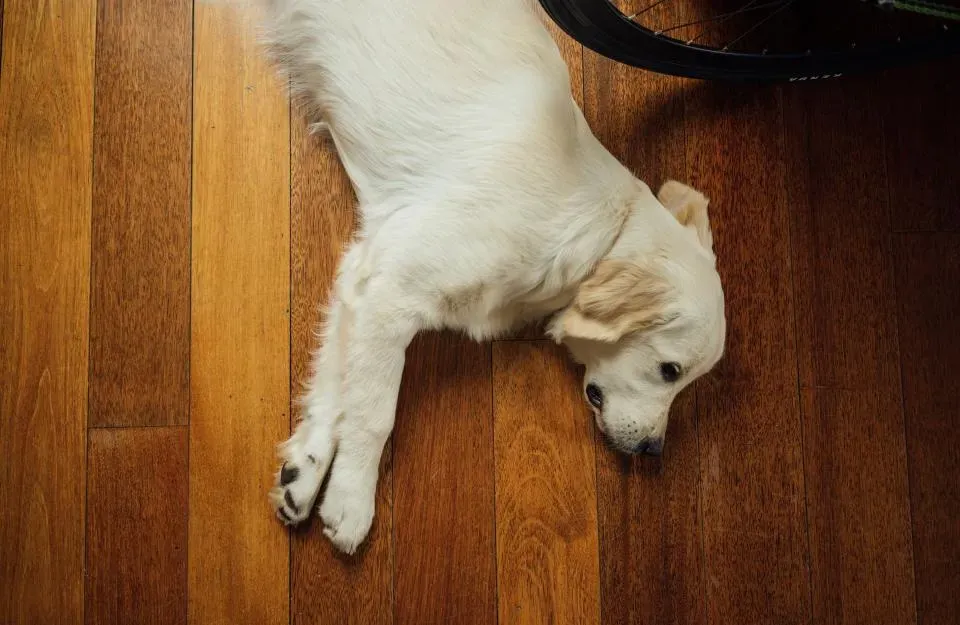
Nobody likes to fall, including , and many have a natural fear of falling which is rooted in their instinct for self-preservation, causing to often behave differently on surfaces where they feel they might slip and fall, with tile, hardwood, and laminate floors being common triggers.
Because of this fear, often behave differently on surfaces where they feel they might slip and fall, and their paws lack the traction to confidently walk or run on these surfaces, which can make them anxious and fearful. I’ve watched confident turn into cautious tip-toers the moment they step onto polished floors. It might look funny, but it’s a real source of stress for them.
Sudden Movements and Startling Touch
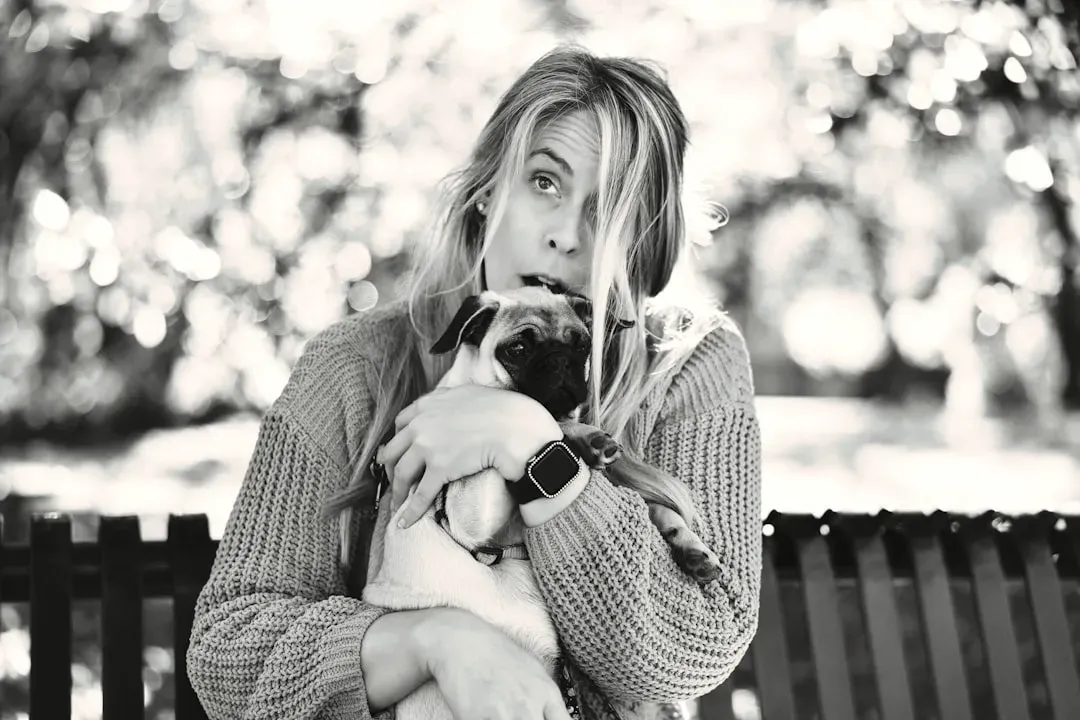
Waking a dog with a surprise touch can trigger fear or even a defensive reaction, as some pups lose control when touched without warning, and fearful may growl or jerk away if they feel startled. This is especially true for who are sleeping deeply or with hearing or vision loss.
feed off of a human’s energy, which means that if you exhibit negative energy such as fear, anger, or annoyance, they will feel it and react accordingly. Your own tension can amplify their fear response. pick up on raised voices and tension fast, and yelling or loud arguing can trigger fear in making them feel like they’re in a scary place, causing some to shake, hide, or bark when emotions run high.
Moving Forward with Understanding
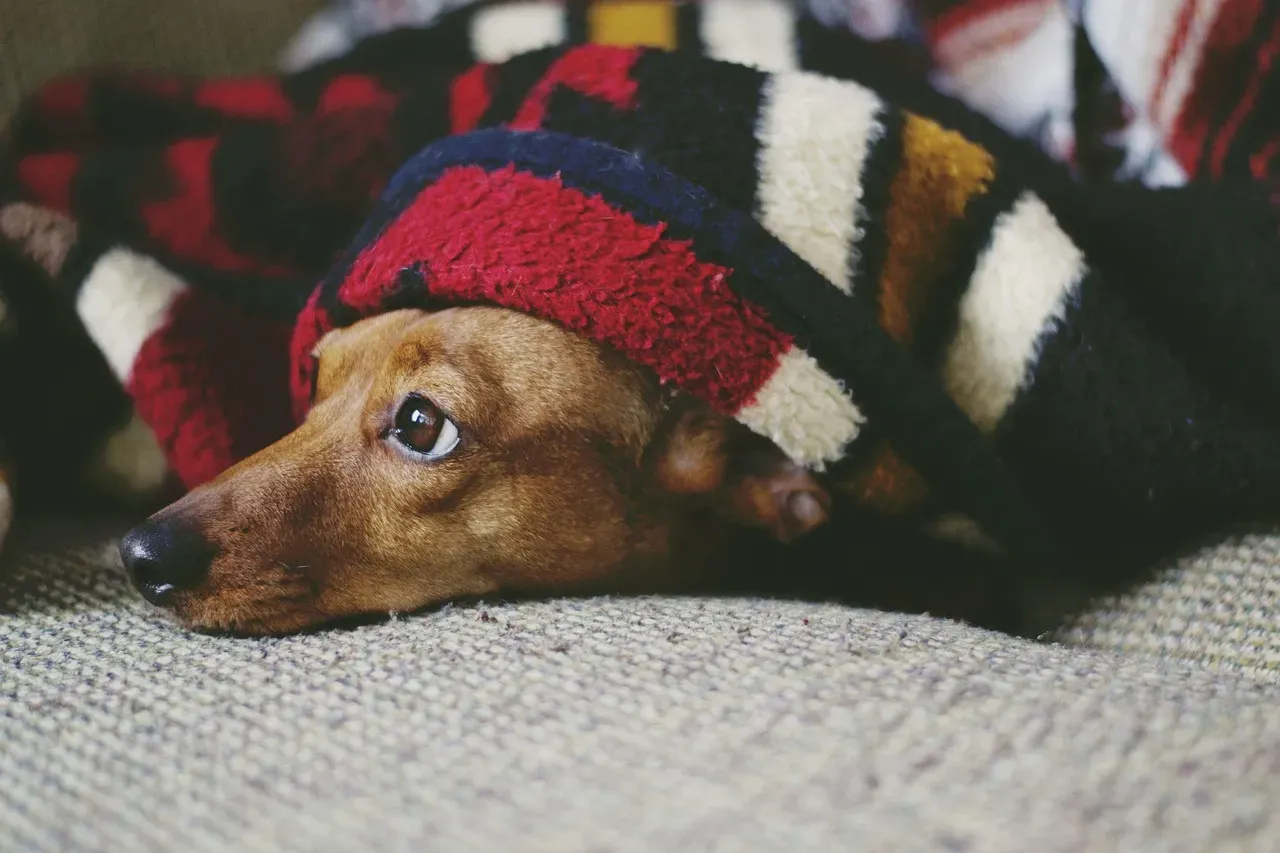
Fear is a natural survival mechanism, but chronic fear doesn’t have to be your dog’s reality. Fear is a defense mechanism and isn’t something we have to eliminate entirely, as wolves and other wild canids rely on fear to keep them alive, but when fearful behavior poses dangers to the dog or other family members, we have to intervene.
The beautiful thing about is their resilience and their capacity to learn new associations. With patience, consistency, and the right approach, you can help your dog feel safer in situations that once terrified them. Whether it’s gradual desensitization, creating safe spaces, or working with a professional, there are paths forward. Your dog trusts you to be their advocate and their safe harbor in a sometimes overwhelming world. What fears have you noticed in your own pup, and how are you helping them feel braver?


