
You love your dog. That part is obvious. You spend time, energy, and probably a good chunk of your grocery budget on treats, toys, and training sessions. Yet somehow, despite all that love and effort, your pup still looks at you like you’re speaking a foreign language when you ask them to “stay.” Sound familiar?
Here’s the thing: it’s rarely the dog’s fault. More often than not, the confusion lives on our side of the leash. The little habits we don’t even notice, the inconsistencies we think are harmless, the well-meaning shortcuts we take – all of these can quietly unravel weeks of progress. The good news? Once you know what to look for, the fixes are surprisingly simple.
Let’s dive in.
1. Repeating Commands Over and Over (aka “Cue Nagging”)
Picture this: you say “come,” your dog ignores you, so you say it again. Then again. Before long, you’re practically chanting it across the park. Cue nagging is when your dog doesn’t respond to a cue, so you keep repeating it – and it often happens with words like “come.” Pretty soon, your dog doesn’t pay attention until you’ve said the word five or six times.
This practice actually teaches your dog that they don’t need to respond to the first command. Instead of improving compliance, repetitive commands weaken your authority and train your dog to wait for the third or fourth repetition before acting.
The fix? Say it once, clearly, and wait. When you issue a command, give your dog reasonable time to respond before repeating it. If they don’t react as expected, consider whether the command is clear or if there are environmental distractions pulling their focus.
2. Being Inconsistent With Rules (The “Couch Today, No Couch Tomorrow” Problem)
Honestly, this one trips up even the most dedicated dog parents. It’s deeply confusing for dogs when the rules change from day to day or from person to person. If your pup is allowed on the couch one day and scolded for it the next, they’re likely to test boundaries constantly.
Inconsistent rules can genuinely stress a dog out. If one person in a household invites a dog onto the furniture and another tells the dog they are not allowed on it, this is confusing. If some people let the dog jump on them to greet, while others are discouraging it, the dog simply does not know the rules.
Think of it like working a job where your boss changes the expectations daily. You’d feel anxious and unsure too. Ensure that all family members use the same training methods. Everyone in the household should follow the same rules. If one person allows the dog on the couch while another does not, it sends mixed signals. Everyone should agree on the training rules and follow them diligently.
3. Rewarding Too Late (Timing Really Is Everything)
Timing is everything in dog training. Rewards and corrections need to happen within seconds of the behavior you’re addressing. Praise too late, and your dog simply won’t connect it to what they just did right.
If you have poor timing, you may inadvertently but consistently reinforce a behavior other than the one you want your dog to perform. At best, this is confusing for the dog, slows learning, and is frustrating for both of you.
Imagine getting a bonus at work six months after the project that earned it. You’d barely remember what you did. Dogs are the same. Reward your dog immediately after it performs the desired action with treats, praise, or play. The quicker the reward follows the action, the stronger the connection in your dog’s mind.
4. Training Sessions That Go On Too Long
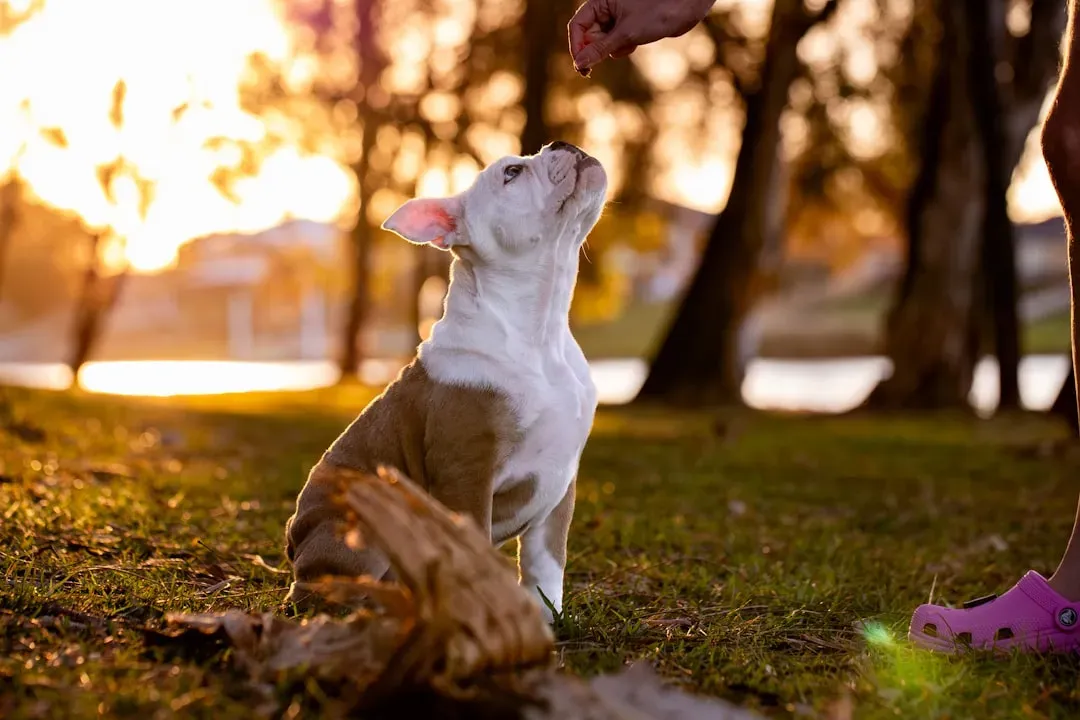
More training must mean faster results, right? Not quite. Dogs don’t have very long attention spans, except of course when it comes to food. Your dog may lose interest in their lesson after about ten minutes. It’s better to do multiple brief sessions than to bore them with long classes. Aim for about five to fifteen minutes at a time, and work on training at least a few times a week.
Overtraining can be a real problem. Training sessions should be short and positive. If you train your dog for too long, they may become tired or lose interest. Short, frequent sessions are far more effective. This keeps the dog engaged and makes learning genuinely fun.
Think of it like a toddler in a classroom. Half an hour of engaged learning beats two hours of glazed-over staring every single time.
5. Using Mixed or Confusing Commands
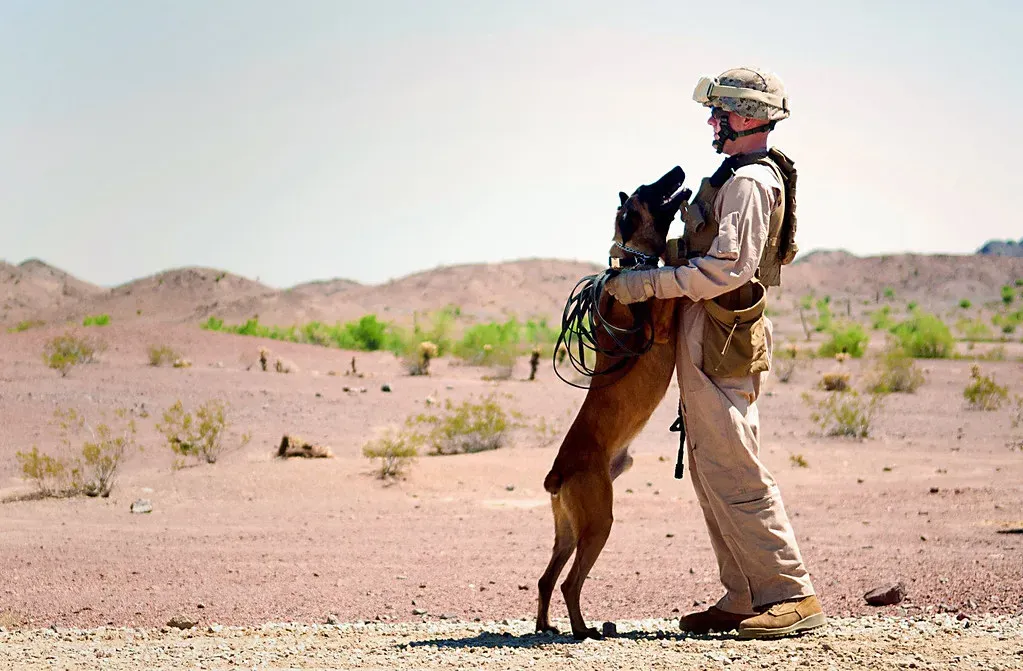
Here’s something we rarely think about: dogs don’t really understand variations in phrasing. To your best friend, “sit” and “sit down” could mean two completely different things. That’s not stubbornness – that’s just how a dog’s brain processes language.
A word can only have one meaning for a dog. For example, “down” can only mean lie down. It cannot also mean get off the couch. Being consistent in how you use your words and what you expect your dog to do in response is essential.
It’s also important to keep your cues noticeably different from each other. If you use “crate” to ask your dog to enter their crate but “wait” to ask them to wait at doorways, your dog might struggle because those words sound quite similar. Choose your command words deliberately, stick to them, and share the list with everyone in your household.
6. Skipping Socialization (And Why It Matters More Than You Think)

Socialization isn’t just about having your dog meet other dogs. It’s about exposing them to new environments, people, sounds, and situations in a positive way. A dog who only knows your living room is going to struggle hard at the vet, the park, or the pet store.
The American Veterinary Society of Animal Behavior emphasizes that the primary and most important time for puppy socialization is the first three months of life. During this period, puppies should be exposed to as many new people, animals, stimuli, and environments as can be achieved safely and without causing overstimulation.
Dogs who missed out on proper socialization may be more timid around new people, lack confidence in new environments, be scared of sounds or surfaces that are new to them, or become reactive on leash. The earlier you start, the better. That said, old dogs absolutely can learn new tricks. Dogs of any age can learn new behaviors through positive reinforcement training, with patience, persistence, and a consistent approach.
7. Relying on Punishment Instead of Positive Reinforcement
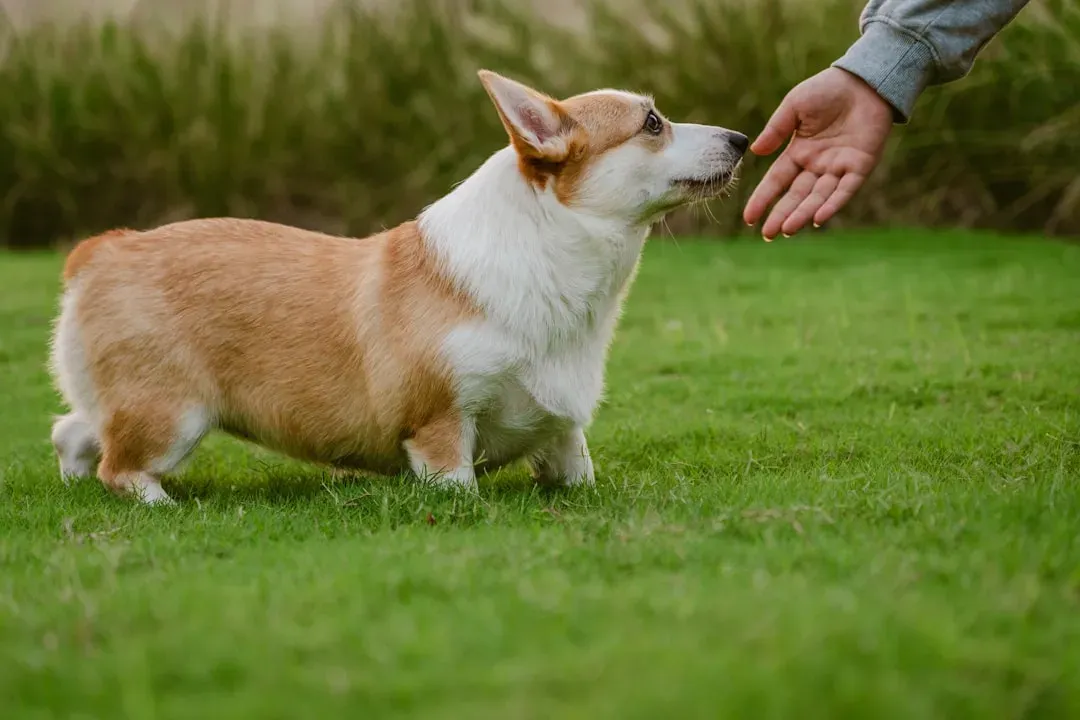
Let’s be real – many of us were raised watching training methods that involved a lot of “No!” and “Bad dog!” If you correct your dog’s mistakes with words like “No!” or harsh reprimands, they’ll fear getting it wrong. Rather than actively participating in the training process, they’ll disengage and stop trying. It’s far better to use positive reinforcement techniques, set your dog up for success, and reward their accomplishments.
A simple “yes!” followed by a treat, toy, or praise when your dog does well will go much further than a scolding. Remember, dogs don’t misbehave out of malice – they’re just learning what works.
Corrections should be gentle, immediate, and always followed by guidance toward the correct behavior. Harsh punishments can damage your relationship with your dog and often create new behavioral problems. Your dog wants to please you. Give them a clear path to do just that.
8. Only Training in One Place (The “Homework Only” Trap)
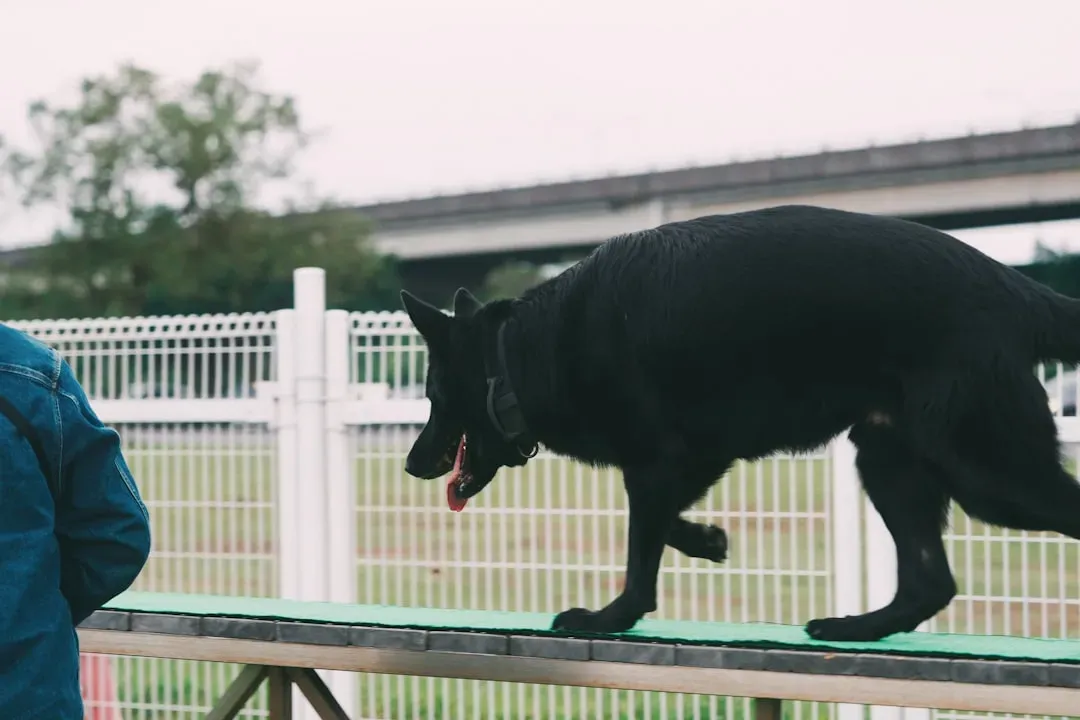
Your dog sits perfectly in your kitchen. But take them to the dog park and suddenly they’ve forgotten everything you’ve ever taught them. Dogs don’t generalize well. If you teach your dog to sit in the kitchen, they’ll think the cue for sit means “sit in the kitchen.” You need to train your dog in many different environments before they understand that cues apply no matter where they are.
Having the wrong kind of consistency is a common dog training mistake. If you always have your training sessions in the same place, you can’t expect your dog to behave outside of that location.
We hear it all the time: dogs do wonderfully at home but when they go out in public, they seem to forget everything they learned. The solution is to practice more often in public so your dog can learn to generalize commands to various locations. Start small. Try a quiet parking lot, then build up to busier spots gradually.
9. Expecting Too Much Too Soon
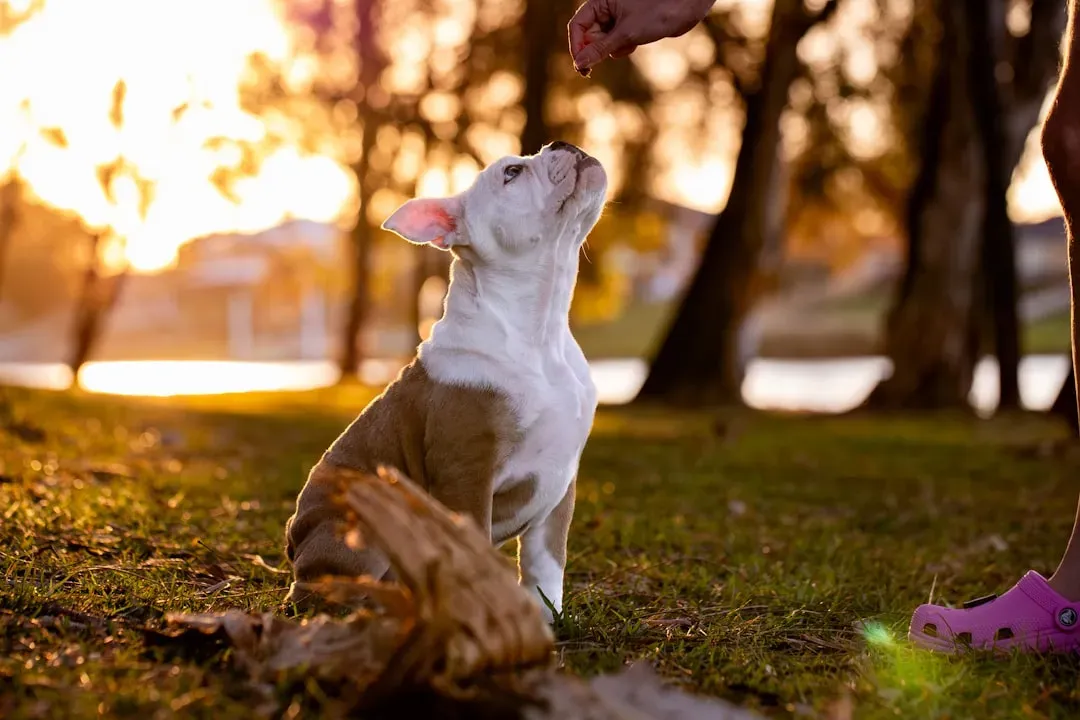
Many dog owners expect quick results and become frustrated when their furry companions don’t grasp commands or behaviors as swiftly as they’d like. This impatience can undermine the training process and create a stressful environment for both the dog and the owner.
Even the most advanced behaviors need to be built incrementally. Dogs need to learn gradually, step by step, just like we humans do with anything new we try to master. Rushing a dog through steps is like skipping chapters in a book and then wondering why the ending makes no sense.
Don’t expect overnight results: time, patience, and consistency are key. It will probably take about four to six months to get your dog fully trained through the basics. That might sound like a long road, but every small win along the way, every tiny tail wag of understanding, is worth celebrating.
Final Thoughts: Your Dog Is Counting On You
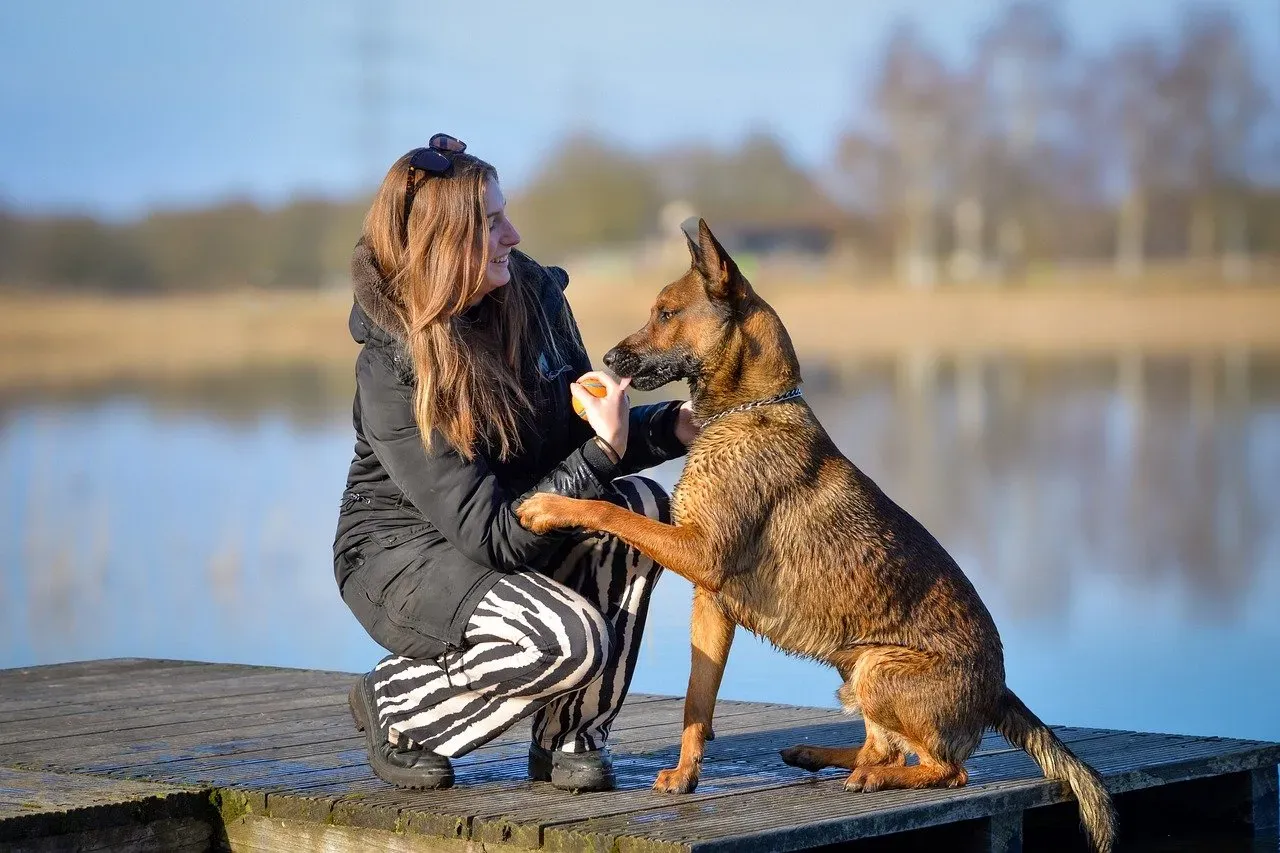
Training your dog is one of the most loving things you can do for them. It gives them confidence, keeps them safe, and deepens the bond between you in ways that no amount of belly rubs alone can match. Dogs thrive on clear rules, reliable communication, and predictable outcomes. By committing to consistency in your words, actions, and rewards, you’re setting your dog up for long-term success and building a stronger, more trusting bond.
I think the most important shift any dog owner can make is simply deciding to see things from their dog’s point of view. Your clever canine is not trying to outsmart you. They’re just doing their very best with the information you’ve given them. These are not bad dogs. Most training struggles come from common mistakes that are often well-intentioned but based on outdated or misleading information.
So be patient with yourself, be consistent with your pup, and remember that every training session is a conversation. The more clearly you communicate, the more confidently your dog will respond. What’s one training habit you’re going to change starting today? Drop it in the comments – your fellow dog lovers would love to hear it.


