
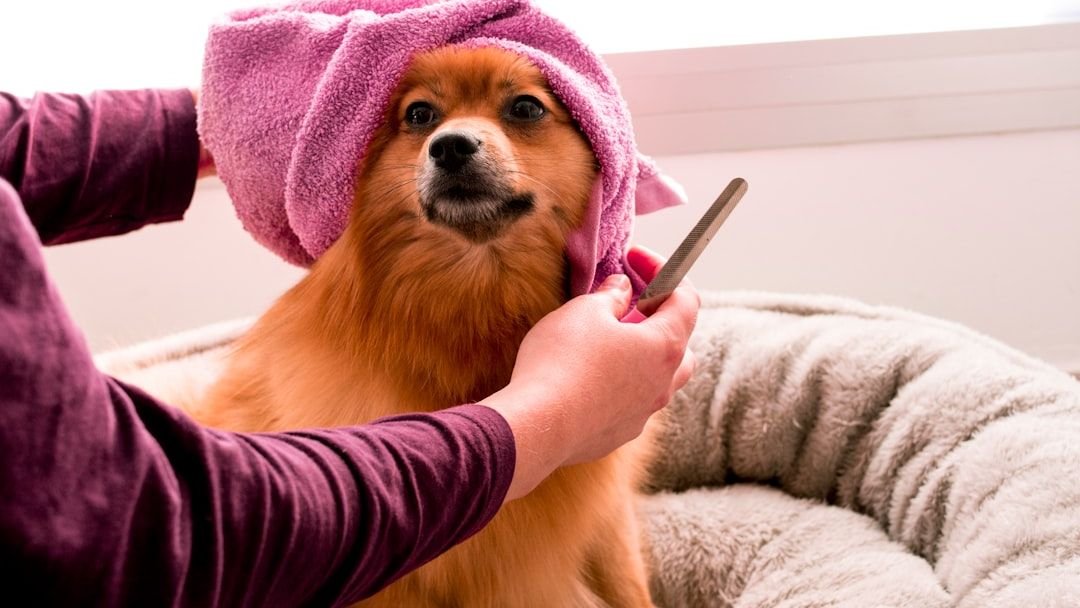
You know that moment when you see a dog trotting down the street with a coat so glossy it catches the sunlight? There’s something almost magical about it. That shine isn’t just about good genes or expensive grooming appointments.
Honestly, a healthy, lustrous coat is one of the clearest windows into your dog’s overall wellbeing. When their fur starts looking dull or feels brittle under your fingers, their body might be trying to tell you something. The good news? You don’t need a professional groomer on speed dial or a pantry full of fancy products to help your pup achieve that gorgeous glow.
Most of what your dog needs for a stunning coat is probably already in your kitchen or bathroom cabinet. Simple, natural approaches can work wonders.
Let’s dive into nine tried and true DIY tricks that’ll have your furry friend looking and feeling their absolute best.
Feed Quality Protein and Balanced Nutrition
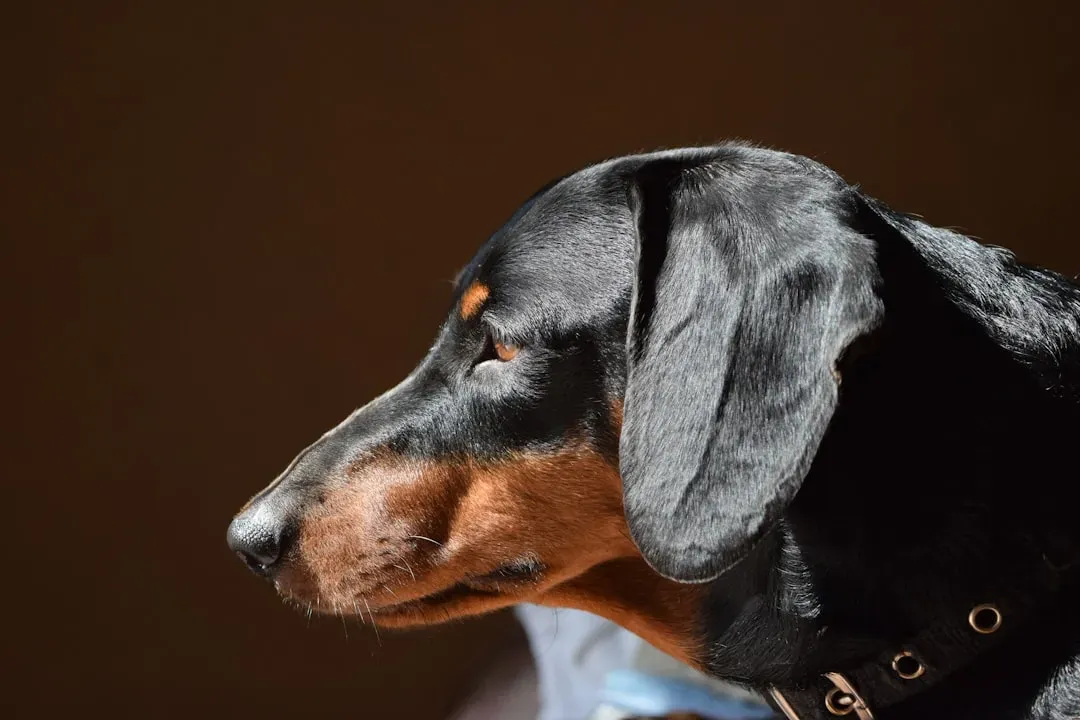
Here’s the thing about coat health: it starts from the inside out. Fur is protein, which means your dog’s diet plays a massive role in how their coat looks and feels. If you’re feeding low quality kibble packed with fillers and grains as the top ingredients, you might notice a lackluster coat no matter how much you brush.
When a dog’s coat is glossy, it often means they are consuming a balanced diet rich in vital nutrients. Look at the ingredient list on your dog’s food. Ideally, you want to see actual meat like chicken, turkey, or salmon listed first. Lean proteins, such as chicken and turkey, are great, too, and support healthy hair growth. Think of it like this: you wouldn’t expect your own hair to shine if you only ate junk food, right? Same goes for your dog.
If you’re preparing homemade meals, variety matters. Add a variety of fruits and vegetables to your dog’s food for more vitamins and minerals. Carrots, blueberries, and sweet potatoes can add essential nutrients that support skin and coat from within.
Eggs are an excellent source of protein, biotin, and healthy fats, all of which support a shiny and resilient coat. Toss a cooked egg into their bowl occasionally. Just make sure it’s cooked to avoid any food safety risks and maximize nutrient absorption.
Boost Omega Fatty Acids for That Extra Glow
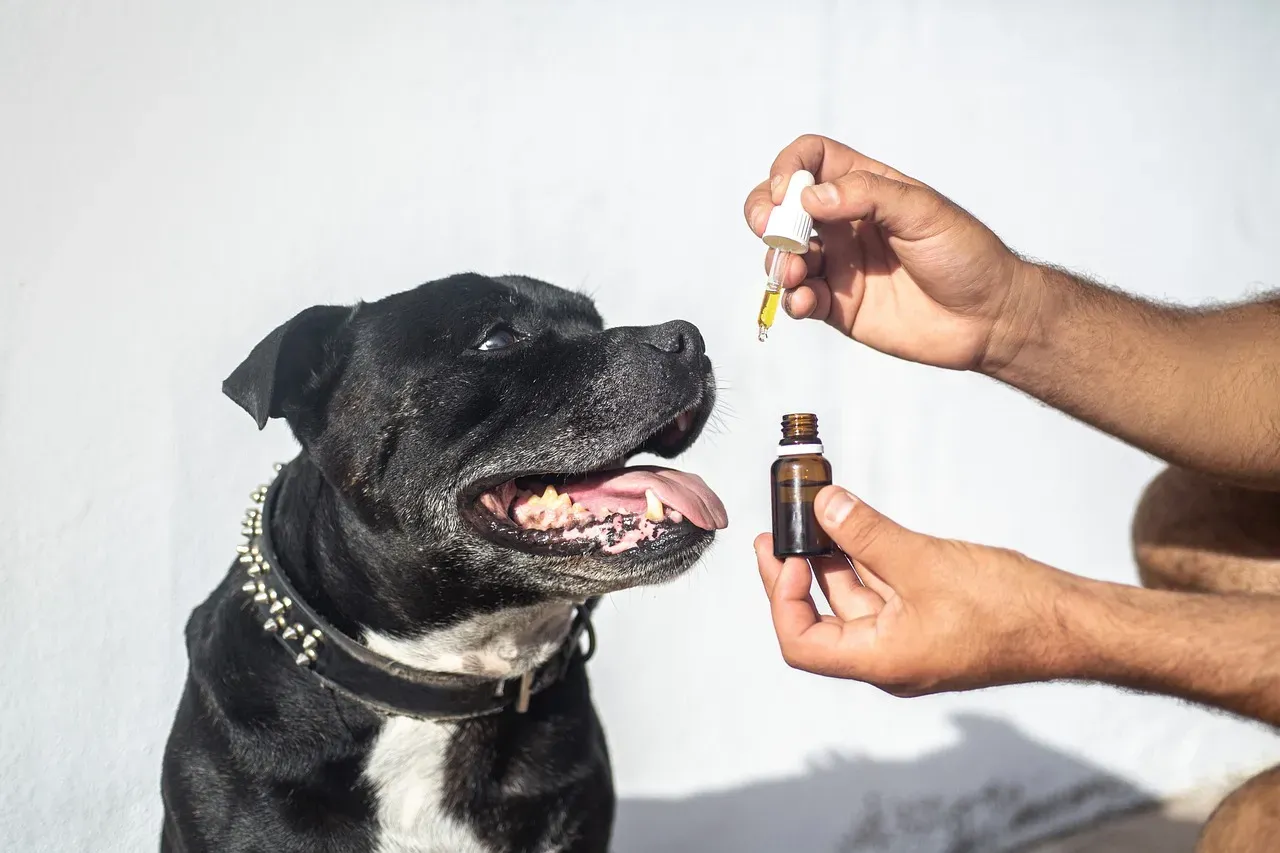
Fish oil supports your dog’s heart health, promotes a silky coat, reduces itchy and flaky skin, and can help relieve allergies and joint pain. Omega-3 fatty acids are like nature’s secret weapon for coat health. Like humans, dogs can’t produce omega-3 fatty acids on their own and must get them from their diet.
For homemade meals, incorporate ingredients rich in omega-3 fatty acids, like fish oil and flaxseed oil, to keep your dog’s coat shiny. You can find fish oil supplements at most pet stores, but always check with your vet about the right dosage for your dog’s size. Too much can cause issues, so more isn’t always better.
Omega-3s (EPA/DHA): Fish oil or sardines in water = calmer skin, more sheen. If supplements aren’t your thing, consider adding small amounts of cooked salmon or sardines to their meals. The smell might make you wrinkle your nose, but your dog will absolutely love it.
Omega-3 fatty acids are known for improving the shine and softness of fur, making it look healthier and more vibrant. Within a few weeks, you’ll likely notice the difference in how their coat catches the light.
Brush Regularly to Distribute Natural Oils
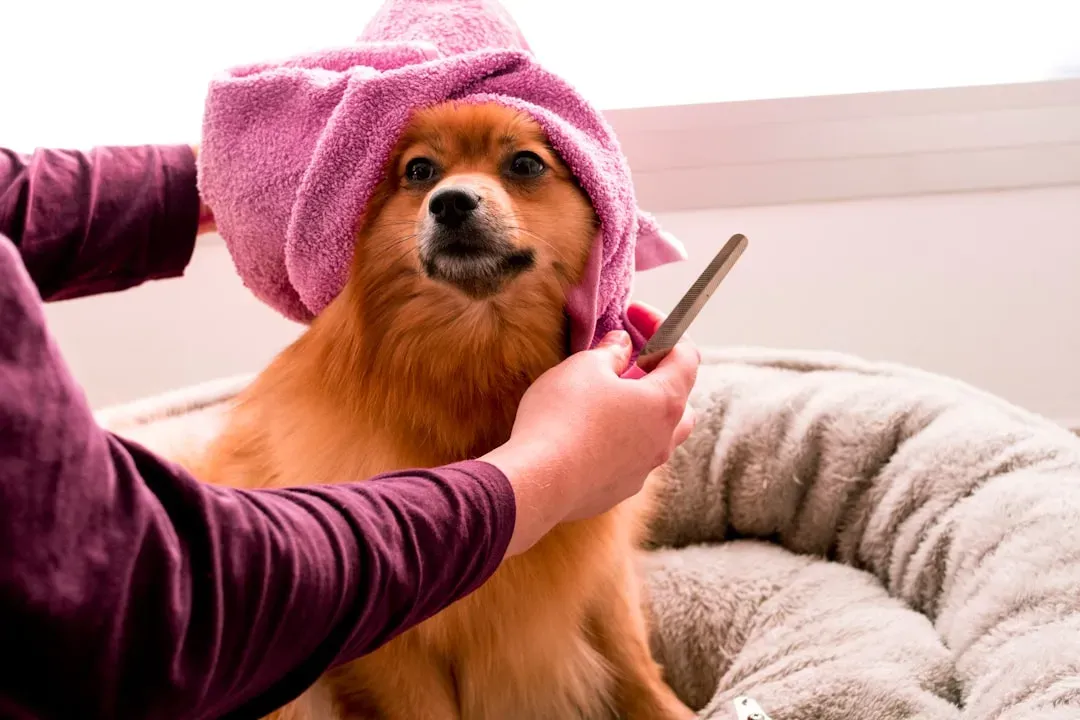
Let’s be real: brushing isn’t just about removing loose fur, though that’s definitely a bonus. You’ll spread natural oils from follicle to tip with every brushing session, alleviating itching and avoiding tangles and mats later on. Those natural oils your dog’s skin produces? They’re basically free conditioner.
This distributes skin oils that brighten the coat and makes hair shinier. The brushing motion helps work those oils from the skin down through the length of each hair shaft, creating that glossy finish you’re after. Different coat types need different approaches, though.
Short coats might only need brushing a couple times a week, while long/double coats daily or every other day to prevent mats. Massaging your dog helps stimulate their blood flow, promoting healthy hair growth and distributing the natural oils throughout their fur. Choose the right brush for your dog’s coat type, whether that’s a slicker brush, bristle brush, or undercoat rake.
Try a Coconut Oil Massage Treatment
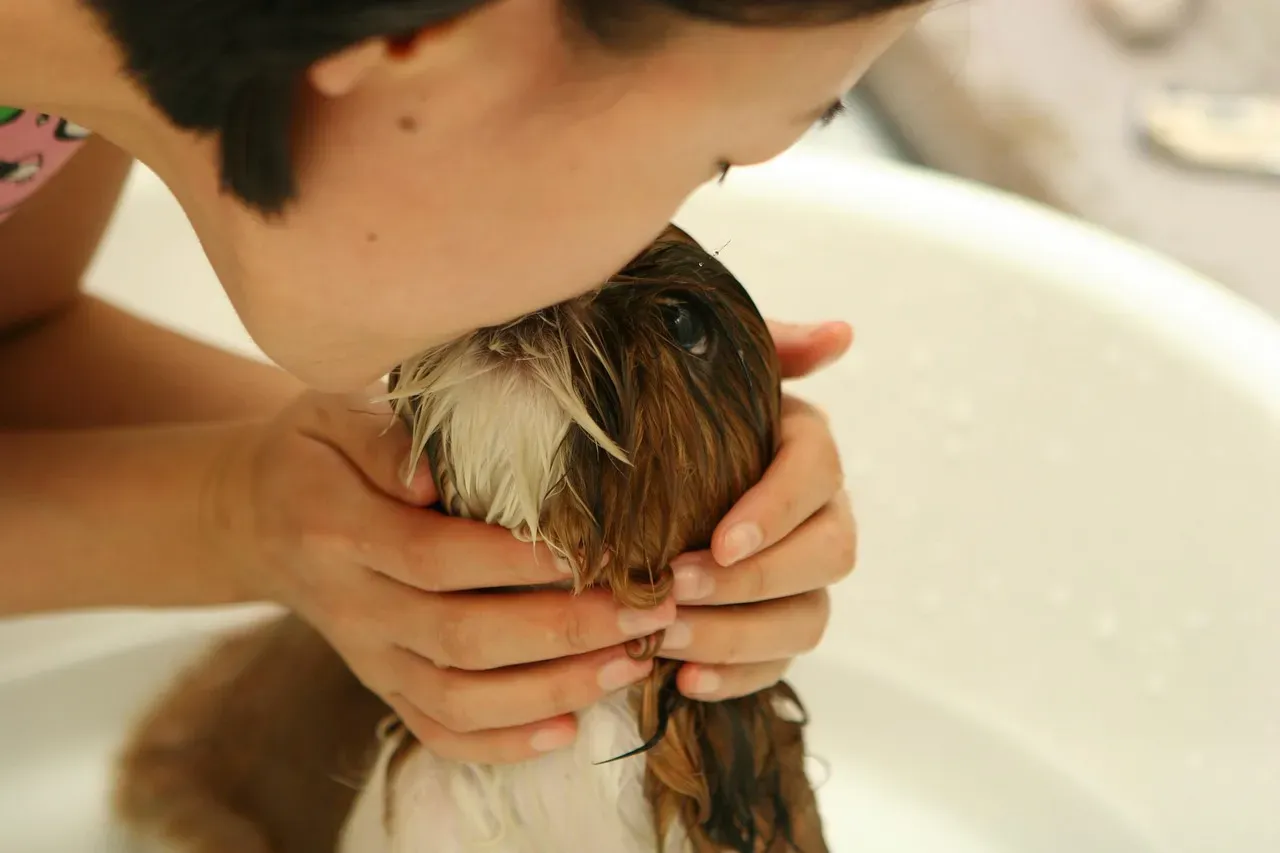
Coconut oil has become something of a superstar in the natural pet care world, and for good reason. Coconut oil is a natural moisturizer with antibacterial and antifungal properties. It can help treat dry, flaky skin and add a healthy shine to your dog’s coat. You can use it topically or even add tiny amounts to their food with vet approval.
A pea-sized amount rubbed between your hands and smoothed over fur can add instant gloss. Seriously, just a little bit goes a long way. Warm it between your palms until it melts, then gently massage it into your dog’s coat, focusing on any dry patches.
Your dog will probably try to lick it off, which is fine since coconut oil is safe to ingest in small amounts. It is incredibly moisturizing and safe for your pup to lick off. The massage itself also provides bonding time and helps them relax.
Just remember: coconut oil is high in saturated fat, so In food? Only with vet guidance – it’s high in saturated fat. Always start with a tiny amount to see how your dog reacts before making it a regular thing.
Give Soothing Oatmeal Baths
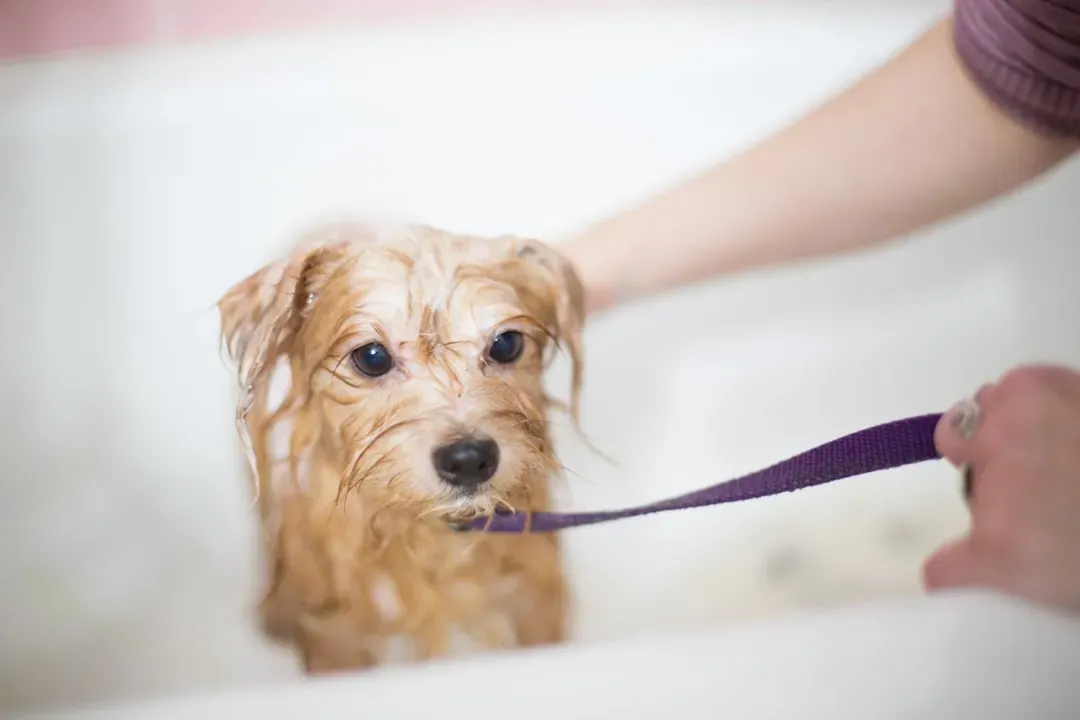
An oatmeal bath can help soothe skin sensitivity and bring a natural shine to their coat. If your dog struggles with itchy, irritated skin, an oatmeal bath might become your new best friend. It’s incredibly gentle and works wonders for dogs with allergies or sensitive skin.
Grind plain, unsweetened oatmeal into a fine powder using a food processor or blender. Add about one cup of the oatmeal powder to warm bathwater and stir until the water looks milky. Let your dog soak in the oatmeal bath for 10-15 minutes, then rinse thoroughly with clean water and dry them off. The colloidal oatmeal helps lock in moisture and calm inflamed skin.
You can do this about once a month or whenever your dog seems particularly itchy. The relief is usually pretty immediate, and you’ll notice their coat feels softer afterward. Plus, it’s way cheaper than medicated shampoos.
Use an Apple Cider Vinegar Rinse
Apple cider vinegar (ACV) is a natural astringent that can help balance the skin’s pH levels, repel fleas, and alleviate itchiness. It also helps remove product buildup and adds a natural shine to the coat. It’s one of those old school remedies that actually works.
Mix equal parts of apple cider vinegar and water in a spray bottle. After bathing your dog with a gentle shampoo, spray the ACV mixture onto their coat, avoiding the eyes and any open wounds. Let it sit for just a few minutes before rinsing thoroughly.
The smell can be a bit strong at first, I won’t lie. However, once your dog dries, the vinegar scent disappears completely. What remains is a coat that feels cleaner and looks shinier.
This trick is especially helpful if you’ve been using various grooming products and suspect there’s buildup weighing down your dog’s fur. Just be careful around their face and any cuts or scrapes, as the vinegar can sting.
Keep Your Dog Properly Hydrated
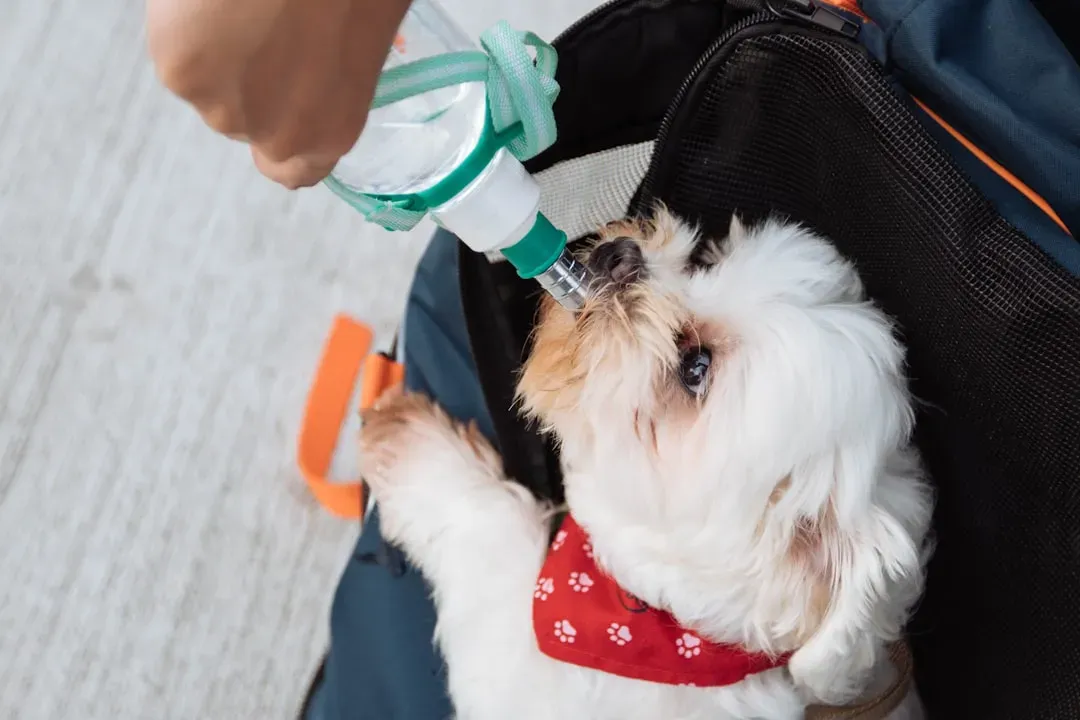
This one seems almost too simple, yet it’s often overlooked. Water helps nourish dehydrated skin and promote healthy skin. It also supports the natural production of oils that help maintain a shiny coat. Think about how your own skin looks when you’re dehydrated versus when you’re drinking plenty of water.
Make sure your pup has access to fresh, clean water throughout the day. This is especially crucial during hot weather or after exercise. Some dogs are picky about their water, so consider changing it more frequently or trying a pet fountain to encourage drinking.
Also, consider including moisture-rich foods in your dog’s diet. Wet dog food or adding a little water to dry kibble can help. Ensuring your dog has access to fresh, clean water at all times supports a hydrated body, which is reflected in their coat condition. Dehydration can lead to dry, flaky skin and a lackluster coat.
Bathe Smartly Without Overdoing It
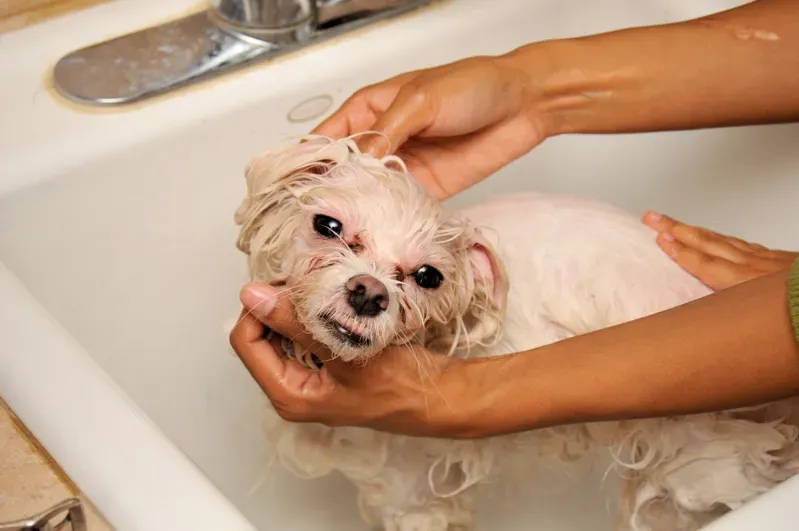
Here’s where a lot of well meaning dog parents go wrong: bathing too frequently. TOO much bathing can actually hurt the quality of your dog’s skin and fur from removing needed natural oils. A bath once or twice a month should be just right for your dog’s cleanliness. Those oils we’ve been talking about? Constant washing strips them away.
Every 3–6 weeks for most dogs. Choose a gentle, dog shampoo (natural, pH-balanced). When you do bathe your pup, use a shampoo specifically formulated for dogs. Human shampoos have different pH levels and can actually dry out their skin.
After shampooing, make sure you rinse thoroughly. Leftover soap residue can cause irritation and dullness. Consider following up with a conditioning rinse or even just that apple cider vinegar mixture we talked about earlier.
Pat them dry with a towel rather than rubbing vigorously, which can tangle longer coats. If you use a blow dryer, keep it on the lowest heat setting and move it constantly to avoid burning their skin.
Watch for Warning Signs and See Your Vet
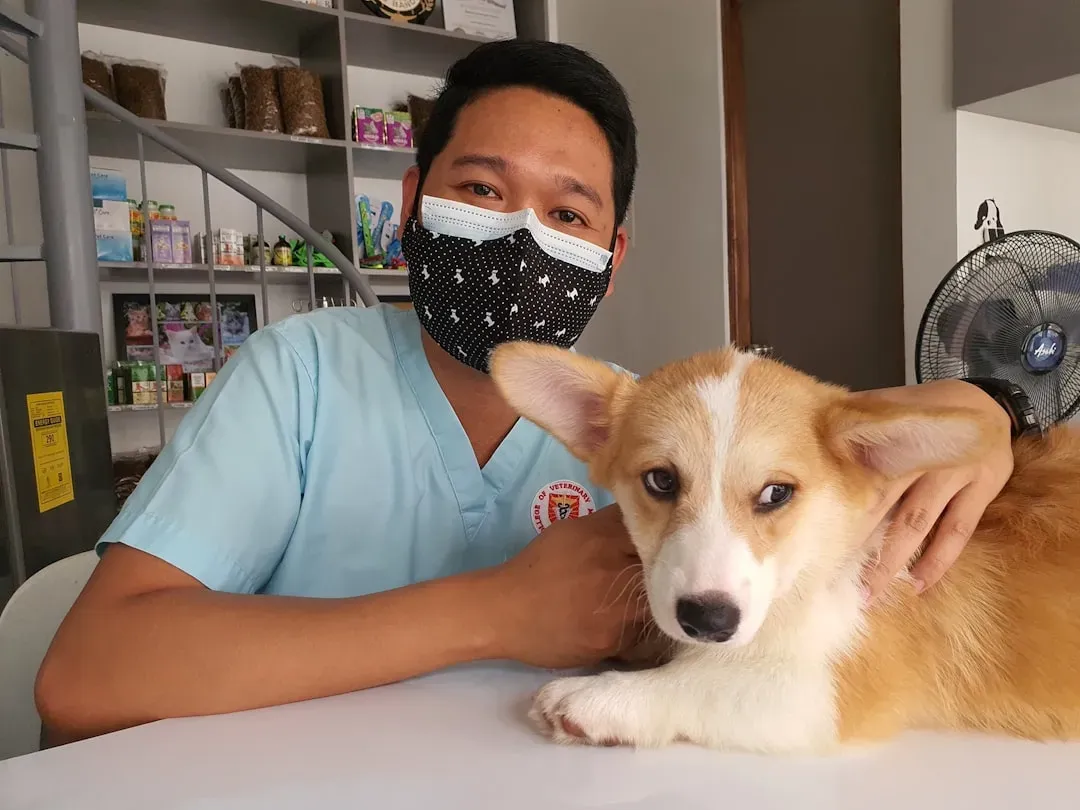
A lack of shine often indicates poor nutrition or an underlying health issue. Sometimes, despite your best DIY efforts, a dull or unhealthy coat signals something deeper going on. Contact your veterinarian if you notice ongoing dullness, redness or odor, increased shedding, hair loss, itching, ear or skin irritation, or changes in weight or energy. These signs may indicate an underlying issue such as allergies, parasites, thyroid problems, or infection.
Conditions like hypothyroidism can affect coat quality. Hormonal imbalances, digestive issues, or even parasites like fleas and ticks can wreak havoc on your dog’s coat. If you’ve tried everything and still aren’t seeing improvement, it’s time to schedule a vet visit.
If you notice hair loss, itchiness (excessive scratching or licking), oiliness, flaking, crusts, or an odor, it’s time to get a checkup. This could be a sign of health and skin problems. Your vet can run tests to rule out medical conditions and might recommend specific supplements or treatments.
Remember, Skin and coat appearance is closely tied to overall health, and your vet can guide next steps. Trust your instincts as a pet parent.
Conclusion
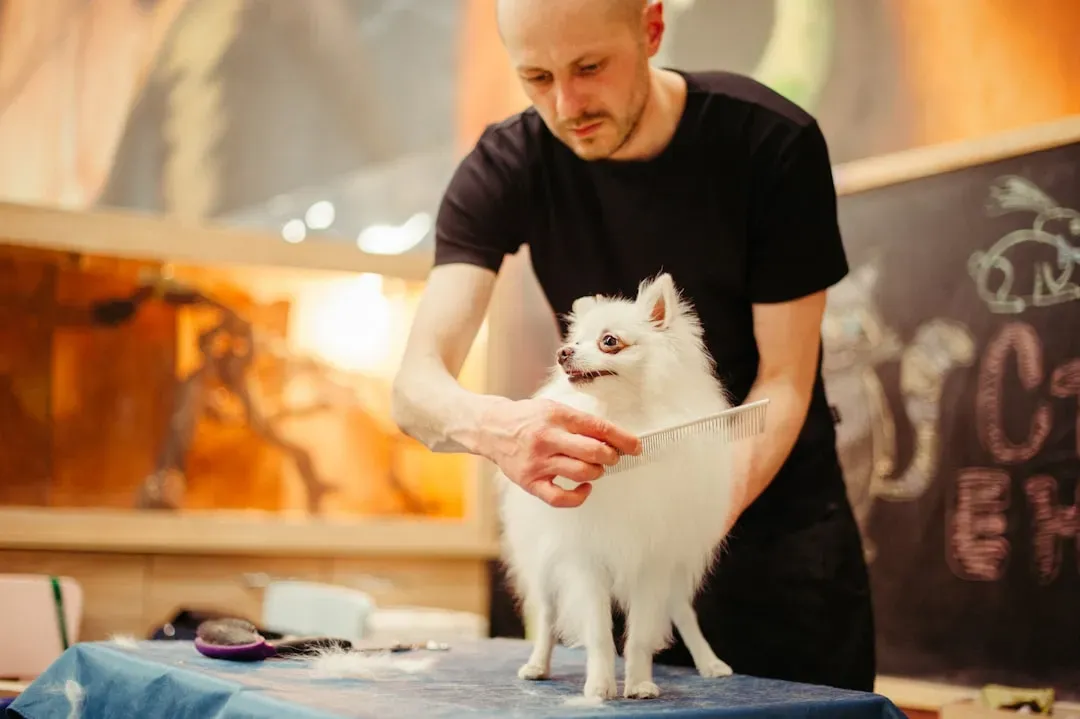
Achieving a shiny, healthy coat for your dog doesn’t require expensive salon visits or complicated routines. Most of what your pup needs comes down to good nutrition, proper hydration, regular brushing, and a few simple natural remedies you can whip up at home. The beautiful part is that these DIY tricks don’t just improve how your dog looks – they strengthen the bond between you two through gentle grooming sessions and attentive care.
Pay attention to what your dog’s coat is telling you. A glossy, soft coat means you’re doing something right. Dullness, dryness, or excessive shedding might be your cue to adjust their diet, try a new grooming technique, or check in with your vet. Every dog is unique, so what works perfectly for one might need tweaking for another.
Start with one or two of these tricks and see what makes a difference for your furry friend. Before you know it, you’ll have people stopping you on walks to ask what your secret is. What changes have you noticed in your dog’s coat? Share your own DIY tricks with fellow dog lovers in the comments below.


