
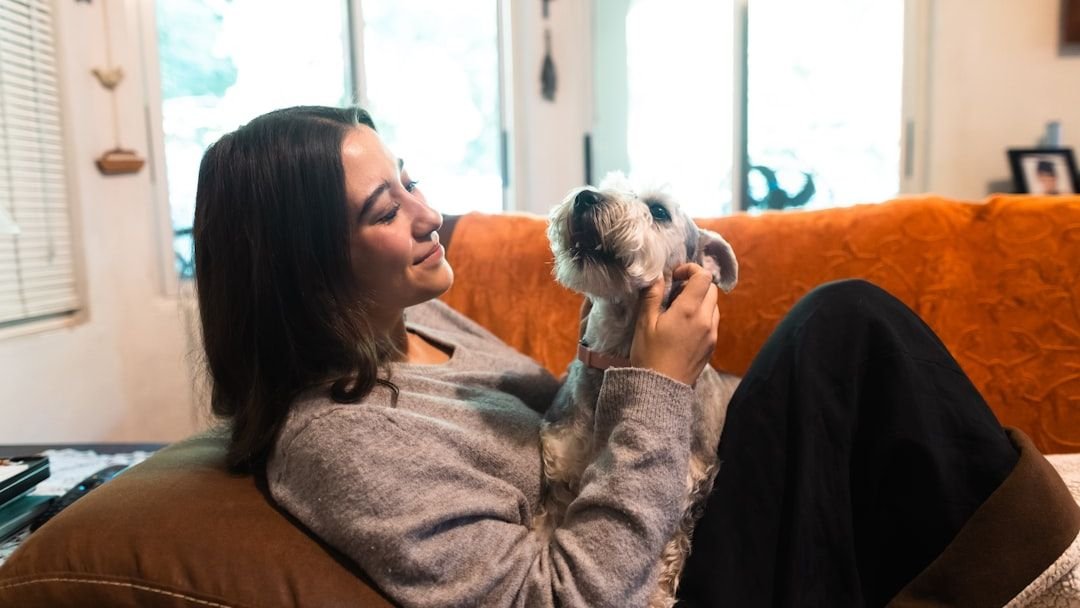
Have you ever walked into a home and felt an instant sense of calm wash over you, only to spot a dog lounging peacefully by the window? There’s something magical about dogs who just get it – dogs who understand the beauty of tranquility and match their energy to their environment. If you’re someone who treasures quiet evenings, peaceful mornings, and a home where serenity reigns supreme, you’re in for a treat.
Let’s be real: not every dog is built for the contemplative life. Some breeds come into this world with boundless energy and a zest for chaos. That’s wonderful in the right home, sure. Yet if you’re craving a companion who respects the art of stillness, who won’t send your coffee flying off the table every ten minutes, then this guide is for you. We’re diving into nine remarkable breeds that embody gentleness in ways that might surprise you. These aren’t just dogs who happen to be quiet – they’re genuine soulmates for peaceful households.
1. Cavalier King Charles Spaniel: The Royal Lap Companion
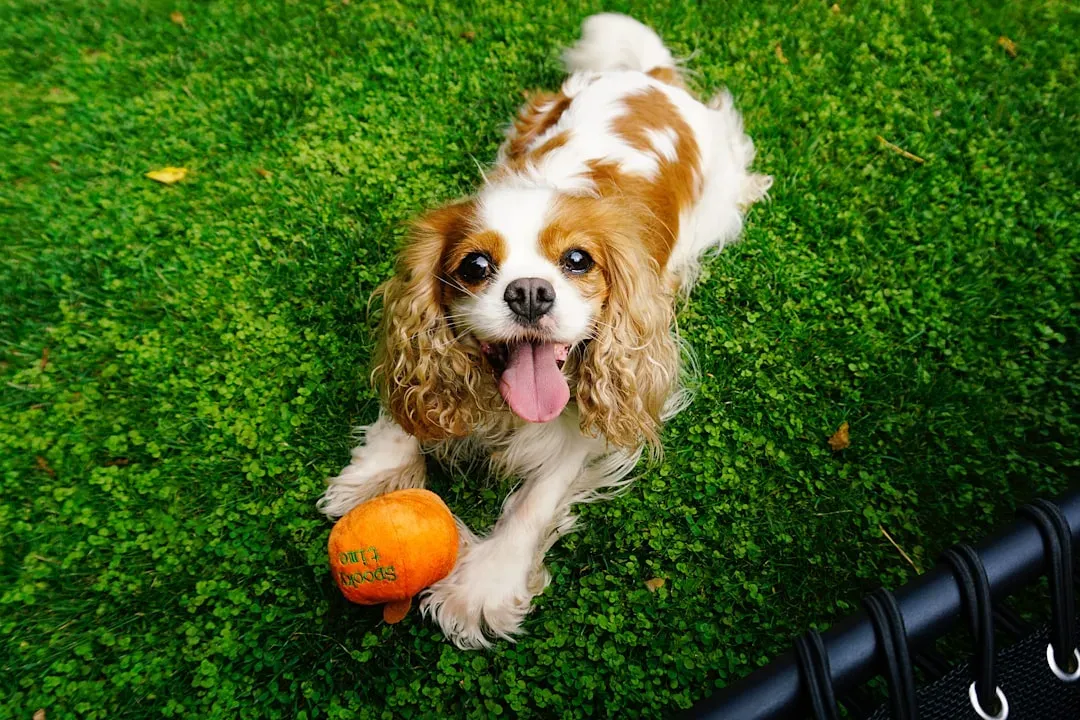
Dating back to Renaissance times, the Cavalier King Charles Spaniel is known for their prestigious nobility and gentle demeanor. These enchanting little souls have perfected the balance between being playful enough to brighten your day and calm enough to respect your need for peace. I’ve met Cavaliers who seem to have an intuitive understanding of their owner’s mood, adjusting their energy accordingly.
The Cavalier King Charles Spaniel is an enchantingly affectionate, playful, intelligent dog, and what makes them exceptional for quiet homes is their adaptability. They’re equally content curling up beside you during a reading session or joining you for a gentle stroll through the neighborhood. Their sweet, gentle temperament makes these calm, small dogs great for families with kids and other pets, and they are easy to train.
Watch for any signs of heart murmurs during vet visits, as this breed can be prone to cardiac issues. Regular checkups and maintaining a healthy weight are your best prevention strategies. These dogs thrive on companionship and may develop separation anxiety if left alone for extended periods, so they’re ideal for those who work from home or have flexible schedules.
2. Greyhound: The Misunderstood Couch Potato
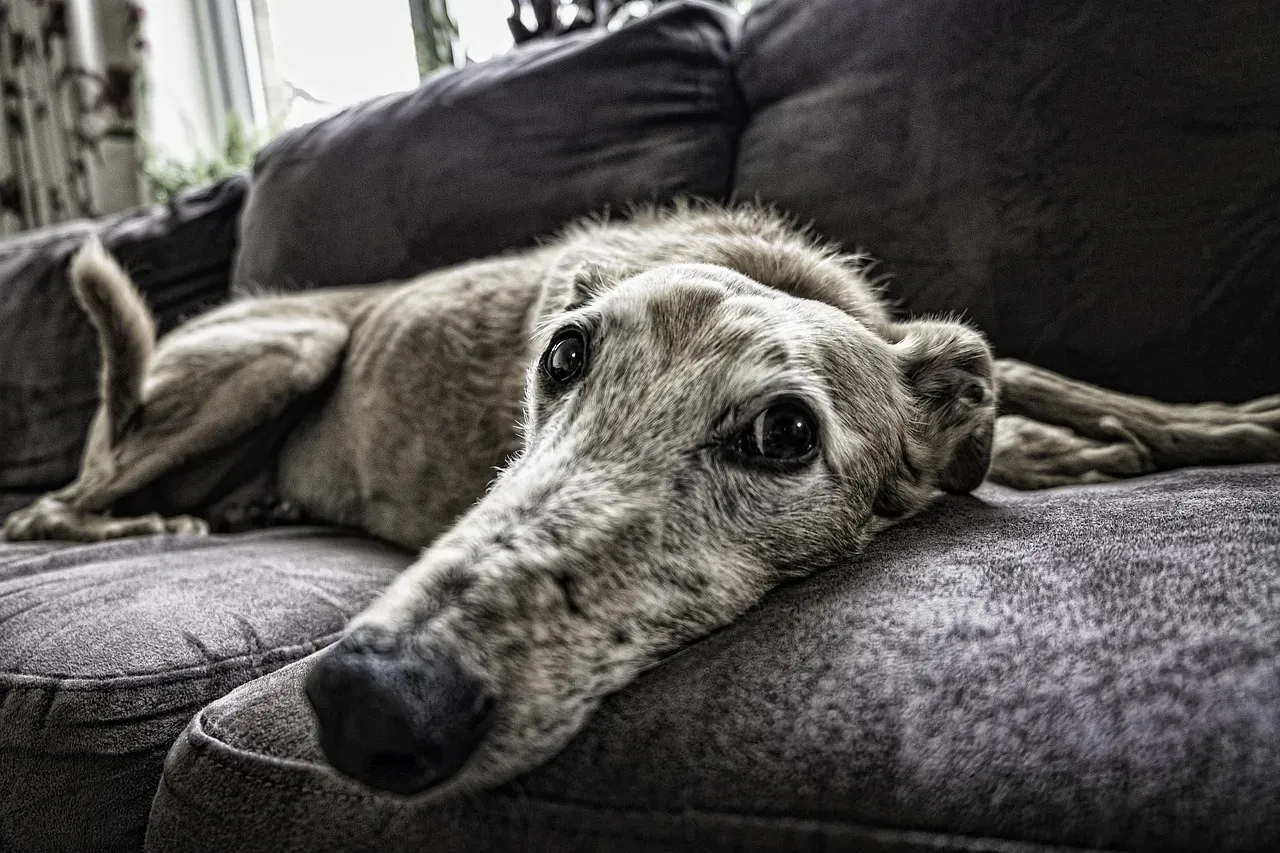
Here’s a fun fact that catches people off guard: Greyhounds are traditionally known as racing dogs, but that doesn’t mean these sighthounds are a rowdy bunch. The Greyhound Club of America describes them as “even-tempered, quiet dogs that are gentle around people.” Shocking, right? The fastest dog breed on the planet is actually one of the most laid-back companions you could ask for.
Most Greyhounds are mild, gentle and quiet by nature. They are basically a quiet dog and will spend much of their time sleeping in the corner of the room or may even bid for part of the sofa, if allowed. Think of them as sprinters, not marathon runners. They enjoy short bursts of activity followed by hours – yes, hours – of blissful lounging.
Greyhounds are generally regarded as calm dogs that remain quiet and graceful in indoor environments. They are generally happy to curl up and relax somewhere warm and comfortable. For apartment dwellers or those with limited outdoor space, a Greyhound can be surprisingly perfect. Just ensure they get their daily walk and the occasional opportunity to stretch those legendary legs in a safely enclosed area.
3. Shih Tzu: Ancient Chinese Serenity
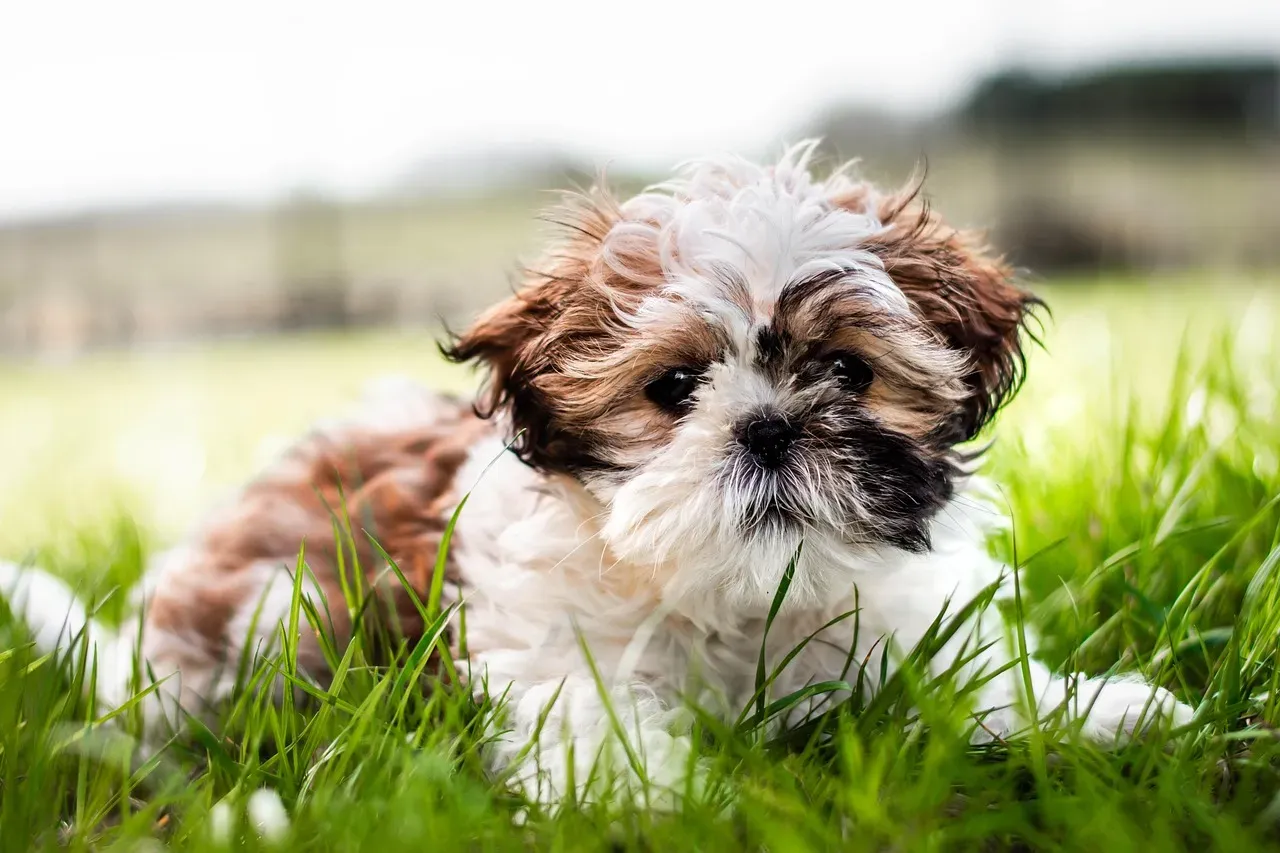
As they age, this overzealous excitement wanes, and in its place rests the calm, loving, and well-mannered Shih Tzu the old Chinese Royals kept at their sides. Originally bred to warm the laps of emperors, these little lion dogs have mastered the art of companionship over thousands of years. Their fluffy coats and expressive eyes tell only part of the story.
What truly sets Shih Tzus apart is their remarkably balanced temperament. Shih Tzus are calm and caring companions who love to be with people. They don’t demand constant entertainment or vigorous exercise. Shih Tzus only need a short, 20 to 30-minute walk each day to stretch their little legs and explore their local surroundings. They weren’t bred to hunt, catch or herd, so they’re the perfect little dog for those who live a more relaxed lifestyle.
Their grooming needs are substantial, I won’t sugarcoat that. Regular brushing prevents matting and keeps their coat healthy. However, their minimal exercise requirements and naturally quiet disposition make them wonderful choices for retirees or anyone seeking a gentle, loving presence in their home.
4. Basset Hound: The Dignified Droopy-Eared Friend

The Basset Hound is a calm, gentle dog breed that’s adaptable to new surroundings and content with moderate exercise. With those soulful eyes and ears that could practically sweep the floor, Basset Hounds possess an endearing quality that’s hard to resist. They move through life at their own measured pace, never in a rush, always contemplating.
These low-riders aren’t built for agility competitions, and honestly, they wouldn’t want to be. Their energy level naturally aligns with quiet households where leisurely walks and cozy naps are the main events. One thing to keep in mind: Bassets can be vocal when they catch an interesting scent, thanks to their hound heritage. Early training helps manage any excessive baying.
Watch their weight carefully. Basset Hounds love their food, perhaps a bit too much, and extra pounds put unnecessary strain on their elongated backs. Portion control and regular, gentle exercise keep them healthy and comfortable. Their patient nature makes them wonderful with children, though supervision is always wise with any breed.
5. Newfoundland: The Gentle Giant Who Melts Hearts
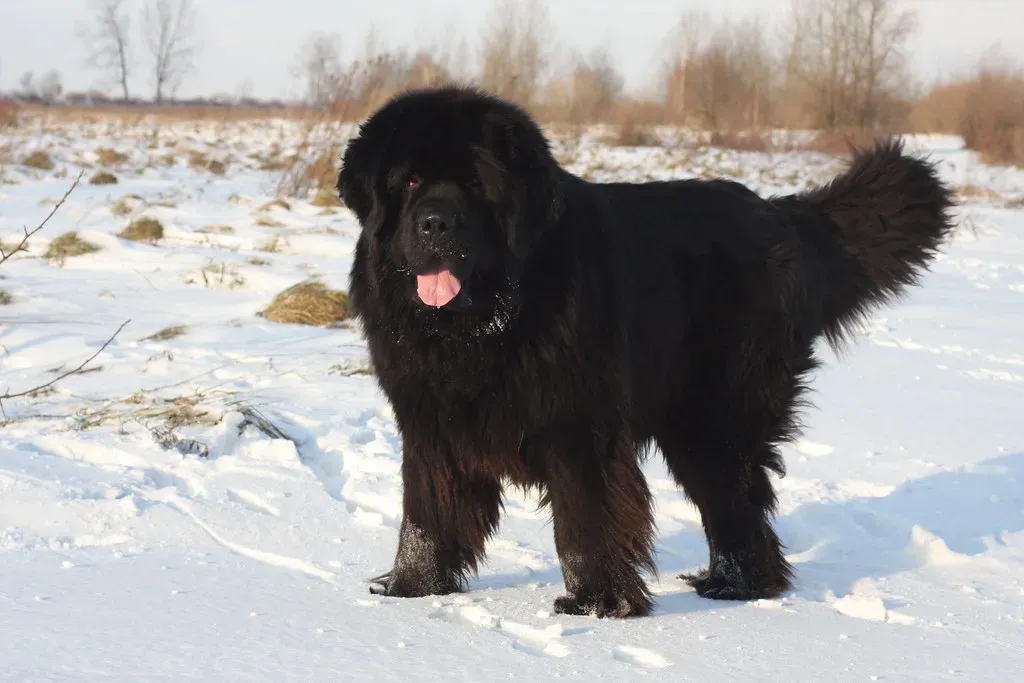
The Newfoundland is dubbed “the nanny dog,” and you won’t find a more devoted and empathetic fan of your kids. At well over a hundred pounds, these massive, fluffy bears seem like they’d be too much for a quiet home. Yet the opposite is true. Newfoundlands are a giant and gentle breed known for their incredible strength, sweet temperament, and excellent swimming abilities. The calm, stoic demeanor necessary for such work has carried through to their modern descendants.
Their size does require space – they’re not suited for tiny apartments – but their temperament is remarkably mellow. Newfies rarely bark unnecessarily and possess an almost meditative calm. They’re content to lie near you, occasionally checking in with those warm, knowing eyes.
Be prepared for drool. Lots of drool. It’s just part of the package with these magnificent dogs. Their thick coats also require regular grooming to prevent matting. Health-wise, watch for hip dysplasia and heart conditions, both of which can affect large breeds. Despite their size, they typically move gently and carefully, especially around smaller family members.
6. Great Dane: Elegance in Enormous Form
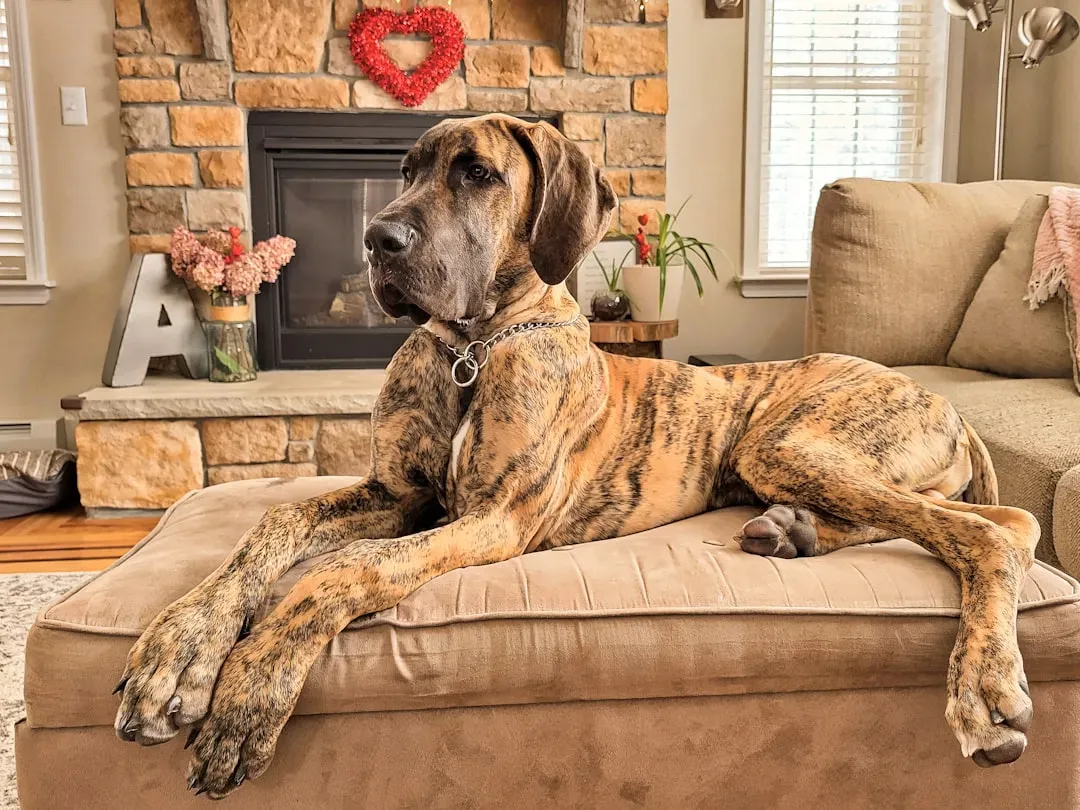
The giant Great Dane is one of the calmest dog breeds. Their gentle, quiet nature makes them good family dogs, but they do need plenty of space to live and play. I know what you’re thinking: how can a dog that can practically look you in the eye while standing on all fours be suitable for a quiet home? Trust me on this one.
Despite their large size, Great Danes are often described as gentle souls. They are generally calm and well-behaved, seldom getting worked up over loud or vigorous stimuli. They’re not bouncing off walls or demanding constant attention. In fact, many Great Dane owners joke that their dogs think they’re lap dogs, and honestly, they’re not entirely wrong in that self-assessment.
Space is non-negotiable. These dogs need room to stretch out comfortably. They also have shorter lifespans than smaller breeds, typically around seven to ten years, which is something to consider emotionally. Their calm presence brings immeasurable joy, but the time we have with them feels especially precious. Regular vet checkups, quality nutrition, and joint supplements can help maximize their health and comfort.
7. Clumber Spaniel: The Mellow Aristocrat

The Clumber Spaniel is a mellow, gentle dog. The breed is playful and loving and fits in well with families and other pets. Less well-known than some other spaniel varieties, Clumbers bring a dignified tranquility to any home. These stocky, low-slung dogs originally served as hunting companions for British nobility, but don’t let that fool you into thinking they’re high-strung.
Clumber Spaniels originated as a hunting companion for kings, but these pups are blissfully mellow in temperament. They will win you over with their big, warm eyes and an equally warm personality. They enjoy moderate exercise – a good walk, some playtime – but they’re equally happy sprawled on the cool floor observing the household.
Their heavy coats require regular brushing to stay healthy and free of mats. Clumbers can be prone to hip dysplasia, so maintaining a healthy weight and providing joint support becomes increasingly important as they age. They’re not yappers, which makes them ideal for townhouses or neighborhoods with noise ordinances.
8. Whippet: Quiet Elegance on Four Legs
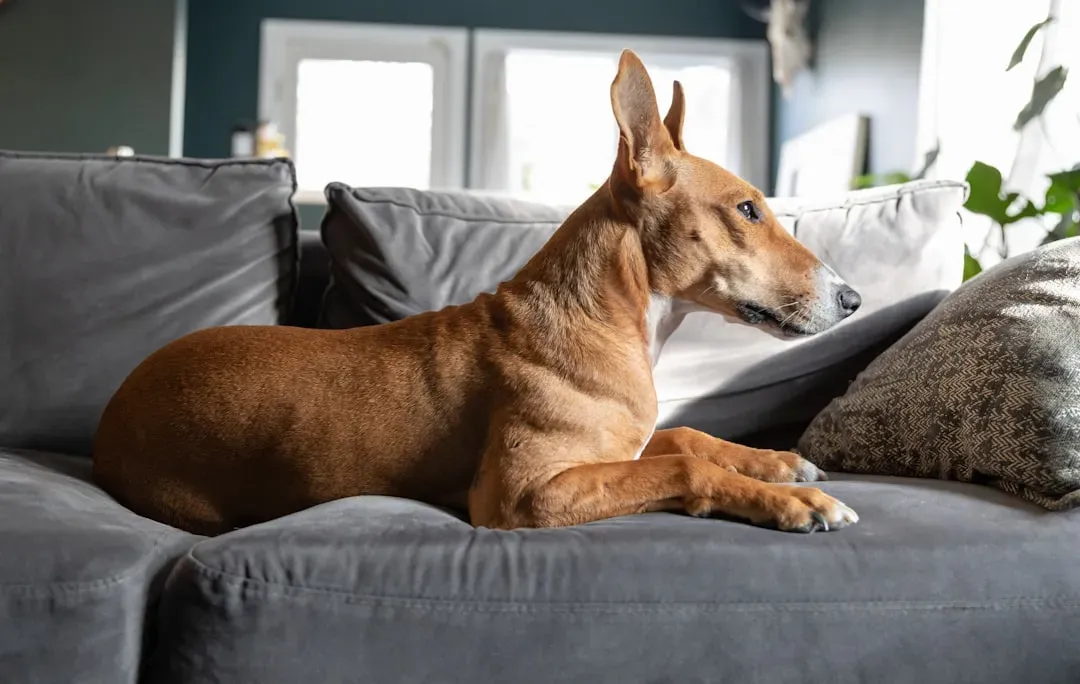
Whippets are fast, but that energy doesn’t last long. If you give them space to expend short bursts of energy exercising, they’re content to lounge around the rest of the time. These sensitive pups love a calm, quiet home as much as you do, so they’re the perfect match for a low-key family without younger children or lots of noise.
Similar to their Greyhound cousins, Whippets are sprinters, not endurance athletes. Give them a safe area to run occasionally, and they’ll happily spend the rest of their day being the world’s most elegant couch ornament. A friendly, gentle, and calm breed at home, Whippets are all business during sports. They like to be cozy and relaxed at home as long as they are exercised appropriately.
Their short coats make grooming a breeze, though they do feel the cold more than fluffier breeds. A cozy sweater during winter walks isn’t just fashionable – it’s practical. Whippets form deep bonds with their families and can be sensitive souls, responding best to gentle, positive training methods. Harsh corrections aren’t necessary and can damage their trust.
9. Bernese Mountain Dog: Switzerland’s Softhearted Giant
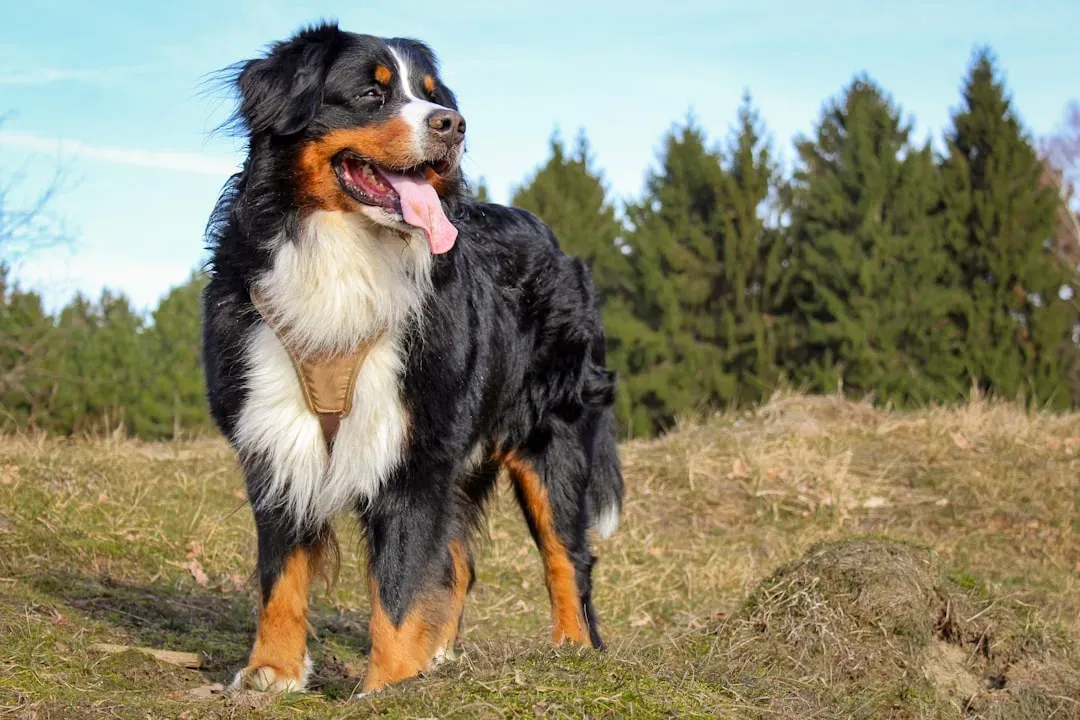
Bernese Mountain Dogs are large, lovable giants known for their calm and patient nature. They thrive in families with ample space and enjoy being part of all family activities. Despite their size, Bernese Mountain Dogs are incredibly gentle with children and can often be found happily lounging or playing outdoors.
These tri-colored beauties hail from the Swiss Alps, where they worked alongside farmers as draft dogs and loyal companions. That working heritage gave them strength and endurance, but it also cultivated a deeply affectionate, patient temperament. Bernese Mountain Dogs want nothing more than to be near their people.
They’re not hyper or demanding, but they do appreciate involvement in family life. Whether you’re gardening, reading on the porch, or taking a peaceful hike, your Bernese will be right there with you, content and watchful. Their thick coats require regular grooming, especially during shedding season, and they’re much happier in cooler climates than hot ones.
Sadly, Bernese Mountain Dogs have relatively short lifespans, typically seven to ten years, and can be prone to certain cancers. This makes every moment with them feel especially meaningful. Regular veterinary care, a nutritious diet, and plenty of love help ensure they live their best life.
Understanding What Makes a Dog “Gentle”
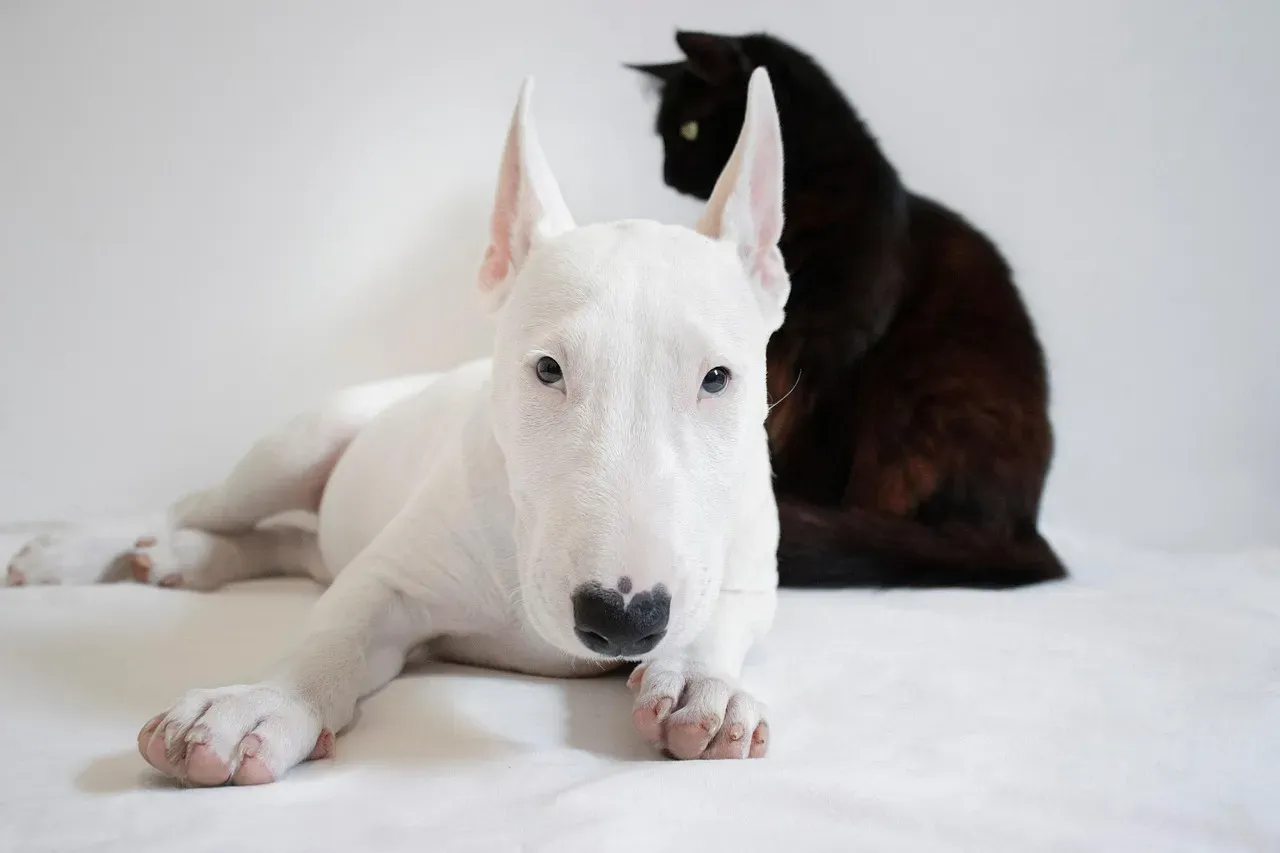
Gentleness in dogs isn’t just about being quiet or lazy. It’s a combination of temperament, trainability, and natural disposition. Calm dog breeds are expected to maintain composure in certain situations. They’re able to react to stimuli in a measured way, often without growling, lunging, or showing signs of stress.
Some breeds are genetically predisposed to mellower temperaments through centuries of selective breeding. Dogs bred as companions rather than hunters or herders often exhibit calmer behavior. That said, individual personality varies even within breeds. Socialization, training, and environment all play crucial roles in shaping a dog’s demeanor.
Watch for behavioral cues that indicate stress or discomfort: excessive panting, pacing, avoiding eye contact, or tucked tails. Gentle dogs still have boundaries and preferences. Respecting those boundaries creates trust and reinforces their naturally calm behavior. Creating a peaceful home environment helps these breeds thrive and express their gentlest qualities.
Matching Temperament to Your Lifestyle
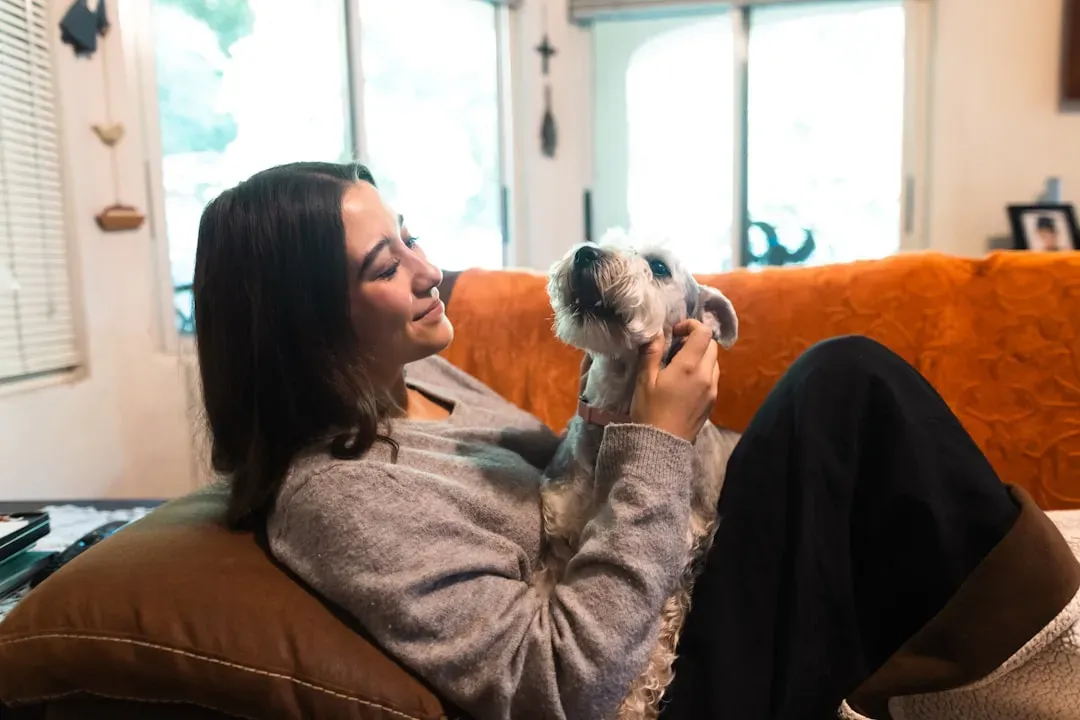
Honestly, choosing a dog based solely on appearance or reputation can lead to mismatches that nobody enjoys. Consider your daily routine, living space, and energy level. Do you work from home or travel frequently? Do you live in an apartment or a house with a yard? Are you active or more sedentary?
Gentle breeds typically suit people seeking companionship over adventure. They’re wonderful for retirees, remote workers, or families with young children who benefit from a dog’s calming presence. These dogs don’t require hours of daily exercise, though all dogs need mental stimulation and physical activity appropriate to their size and age.
Remember that “low energy” doesn’t mean “no energy.” Even the calmest breeds need regular walks, playtime, and engagement. Boredom can lead to destructive behaviors in any dog, regardless of how mellow they typically are. Puzzle toys, gentle training sessions, and simply being present with your dog provide the stimulation they need without overwhelming them.
Health Considerations for Gentle Breeds

Many gentle breeds, particularly larger ones, face specific health challenges. Hip and elbow dysplasia affect numerous large and giant breeds. Regular vet checkups, maintaining healthy weight, and considering joint supplements can help manage these conditions. Smaller gentle breeds may have dental issues or patellar luxation, requiring different preventive care.
Watch for subtle changes in behavior that might indicate discomfort: reluctance to climb stairs, difficulty rising from rest, or decreased interest in walks. These can signal joint pain or other health issues. Early intervention often leads to better outcomes and helps your dog maintain quality of life as they age.
Cardiac issues appear in several gentle breeds, including Cavaliers and Newfoundlands. Annual cardiac screenings help catch problems early. Some breeds are also prone to certain cancers or genetic conditions, so understanding your specific breed’s vulnerabilities helps you partner effectively with your veterinarian in preventive care.
Creating the Perfect Environment

Gentle dogs thrive in calm, predictable environments. Loud noises, chaotic schedules, and constant upheaval can stress even the most easygoing breeds. Creating quiet spaces where your dog can retreat when they need solitude shows respect for their temperament.
Consider your home’s layout. Soft bedding in multiple locations gives your dog choices about where to rest. Many gentle breeds appreciate elevated surfaces where they can observe without participating – a window perch or raised bed works beautifully. Temperature control matters too, especially for breeds sensitive to heat or cold.
Routine provides security. Regular feeding times, consistent walk schedules, and predictable bedtimes help gentle dogs feel safe and settled. This doesn’t mean you can’t be spontaneous, but having a baseline routine reduces stress and helps these breeds express their naturally calm temperaments. Background noise like soft music can also create a soothing atmosphere.
Conclusion: Finding Your Perfect Peaceful Partner
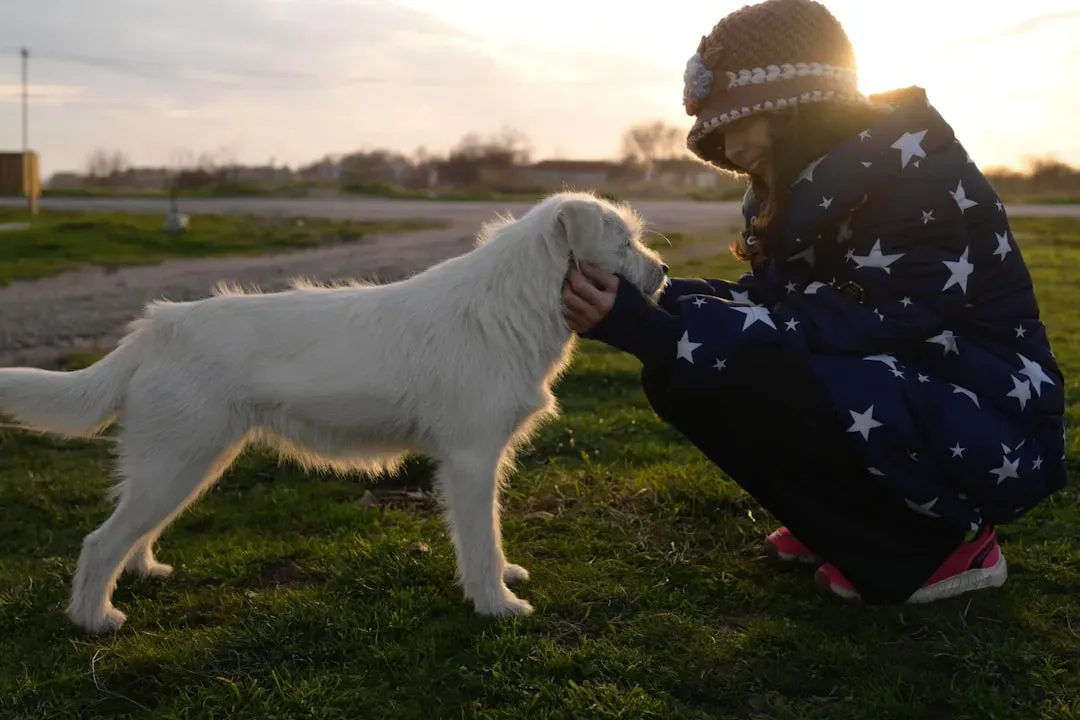
Gentle dogs offer something increasingly rare in our hectic world: uncomplicated companionship rooted in calm affection. They don’t demand to be the center of attention or require constant entertainment. They simply want to exist peacefully alongside you, sharing your space and your life.
Whether you’re drawn to the regal Cavalier, the surprising Greyhound, or any of these wonderful breeds, take time to meet individual dogs and assess compatibility beyond breed characteristics. Each dog, like each person, has their own personality. The right match brings years of quiet joy, peaceful evenings, and a relationship built on mutual understanding and respect.
What’s your experience with gentle dog breeds? Have you discovered that sometimes the calmest dogs bring the most profound joy? Share your thoughts in the comments below.


