There’s something about watching a dog gently tolerate a toddler’s ear tug or stay calm while chaos erupts around them that makes your heart swell. Patience isn’t just a virtue in humans. For dogs, it’s a temperament trait that can determine whether they fit seamlessly into your life or require constant vigilance. But here’s the thing: not all dogs are created equal when it comes to keeping their cool.
Some breeds have endless reserves of tolerance, happy to wait, watch, and forgive minor annoyances without batting an eye. Others? They’ve got what I’d call a short fuse. They react quickly, startle easily, or simply don’t have time for nonsense. Neither temperament is inherently bad, honestly. It just means understanding what you’re signing up for. So let’s explore which breeds can handle life’s curveballs with grace and which ones need more careful management.
Labrador Retriever: The Gold Standard of Patience
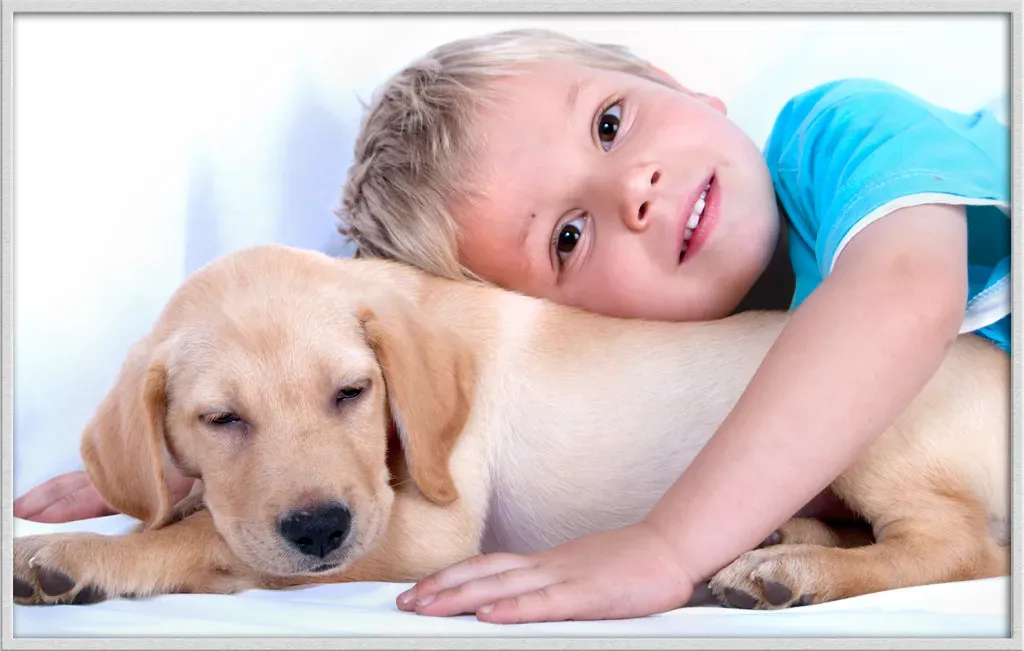
Labs are renowned for their patience and gentle nature, displaying a tolerant attitude that helps them cope with unpredictable behavior. I know it sounds crazy, but these dogs seem almost programmed for forgiveness. Whether it’s a toddler yanking their tail or a chaotic household full of noise and activity, Labs just roll with it.
Both Labradors and Golden Retrievers are known for their friendly and gentle natures, making excellent family dogs due to their patient and energetic personalities. Their sturdy build means they can handle rough play without getting hurt or reactive. They’re the friends who never complain, never hold grudges, and always show up ready to play.
Golden Retriever: Calm, Kind, and Endlessly Forgiving
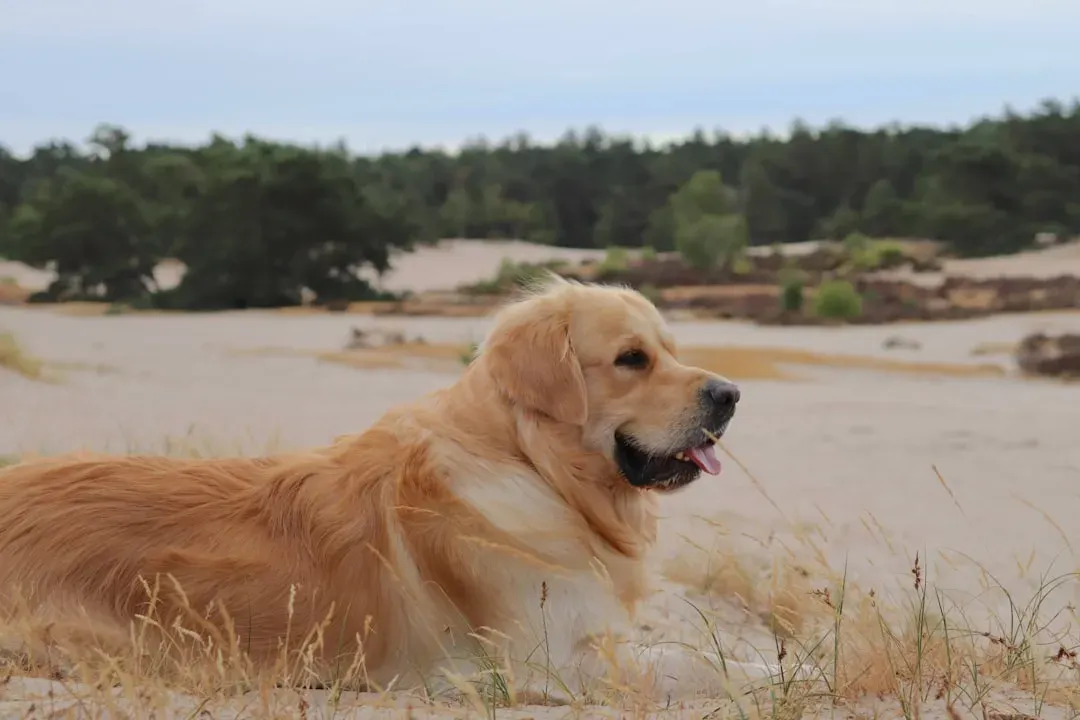
Golden Retrievers are epitomes of patience, known for their friendly and tolerant behavior that excels in environments where gentle interaction is valued, and their patient nature is complemented by intelligence that makes them highly trainable and able to handle the boisterous activities of growing children. Let’s be real: if you need a dog that radiates calm energy, Goldens are your answer.
The hallmarks of both breeds are their kind nature with all humans, getting along well in groups of other dogs, and an aggressive Labrador or Golden is a rare occurrence. Their sensitivity to human emotions means they read the room before reacting. You’ll rarely see a Golden lose their temper, even when provoked.
Newfoundland: Gentle Giants Who Never Rush
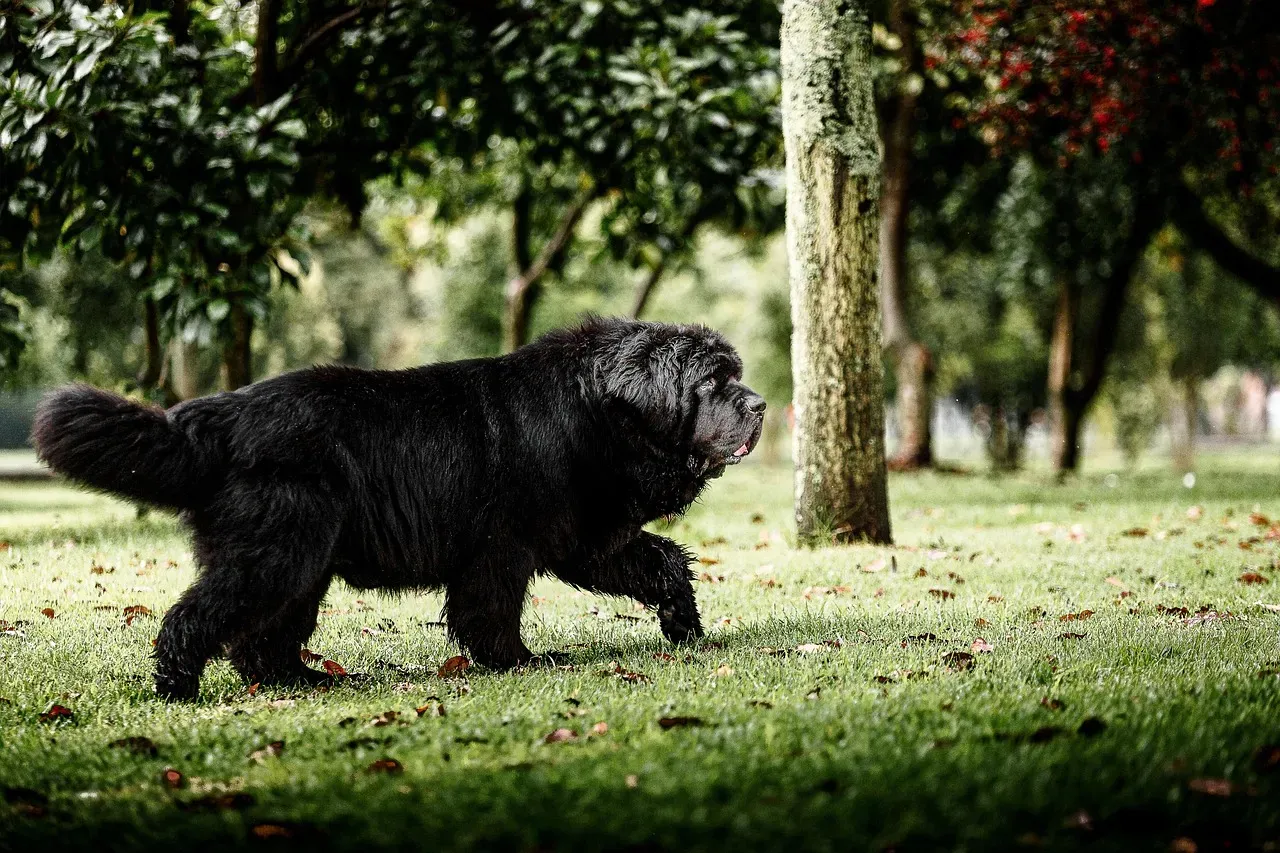
Newfoundlands are the gentle giants of the dog world, known for their calm and sweet nature, particularly protective of children, remarkably gentle and patient despite their large size. If you’ve ever seen a Newfoundland with kids, you know what I mean. They move slowly, deliberately, as if they’re aware that one clumsy step could knock over a small human.
Known for their sweet temperament, Newfoundlands are naturally patient with children, their calm nature allows them to remain gentle even in lively environments, and these affectionate giants form strong bonds with the entire family. They’re basically living, breathing security blankets. Sure, their drool and size require space, but their patience? Unmatched.
Cavalier King Charles Spaniel: Small but Infinitely Patient

The Cavalier King Charles Spaniel exudes patience, often described as the perfect lap dog, with their small size and affectionate nature making them ideal for families and elderly individuals, patient with grooming and handling, with a calm demeanor and bonding deeply with their owners. Don’t let the small size fool you. These dogs have the patience of a saint wrapped in a fluffy, aristocratic package.
Cavaliers are known for their loving and patient nature, remarkably tolerant and ideal for first-time dog owners, with an incredibly gentle temperament and always ready to shower affection on family members. They’re content sitting quietly, waiting for attention, and adapting to whatever energy level you bring. Honestly, they’re one of the most underrated patient breeds out there.
Basset Hound: Slow, Steady, and Totally Unbothered

Basset Hounds are known for their laid-back personality and patient temperament, with their slow pace and tolerant nature suiting families who prefer a less active dog, and they’re patient with grooming and handling with a calm demeanor that makes them good companions for children. Picture a dog that’s perpetually chill. That’s the Basset Hound.
Their droopy eyes and low-slung bodies match their temperament perfectly. They don’t rush anywhere, don’t overreact, and seem genuinely unbothered by most things life throws at them. Their tolerance extends to grooming sessions and vet visits where many dogs would squirm or protest.
Saint Bernard: Patience the Size of Mountains
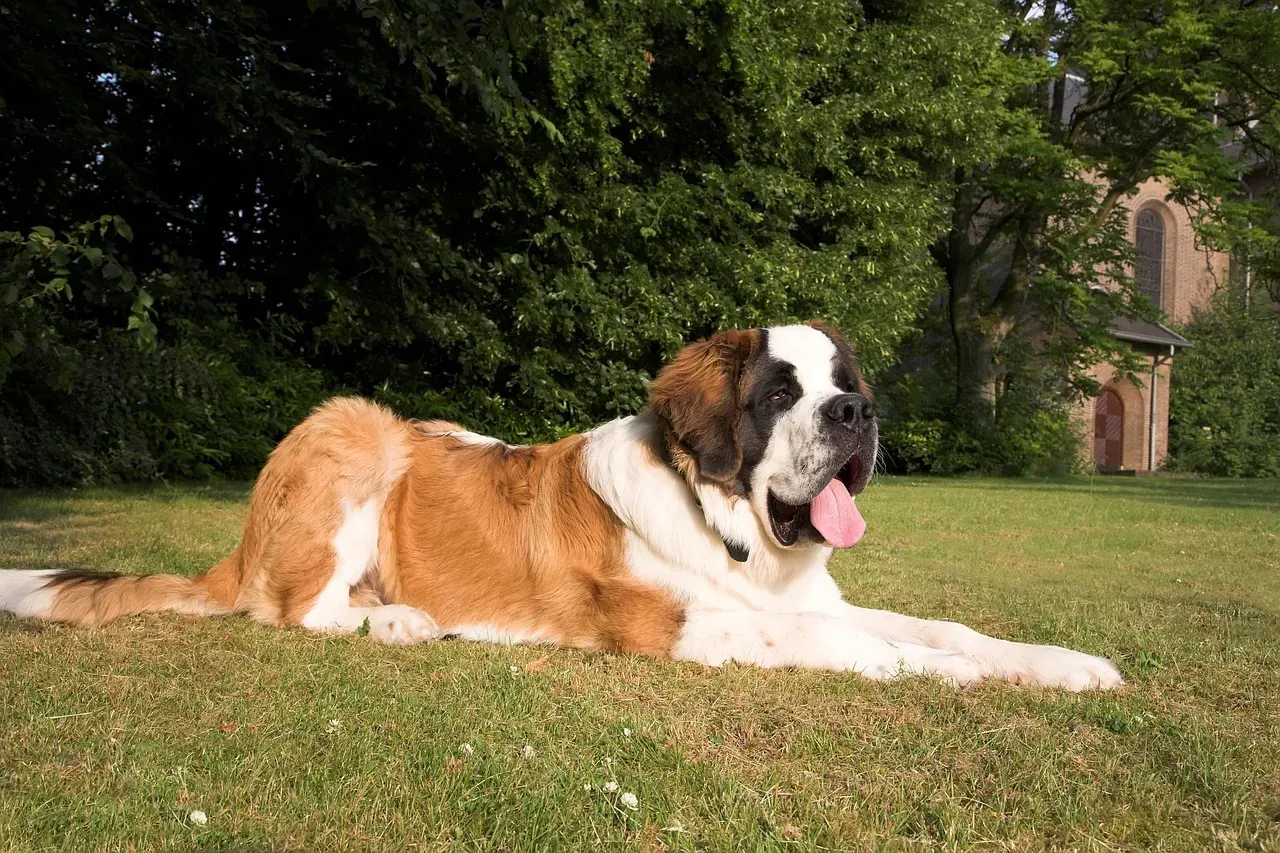
Saint Bernards are the epitome of patience and endurance, originally bred for rescue in the Swiss Alps, and their size and strength are matched by a calm and patient demeanor suitable for families with children, known for being gentle and patient even in chaotic environments. It’s hard to say for sure, but I think their rescue dog heritage plays a role in their temperament. They were bred to wait in harsh conditions, to remain calm under pressure.
Their massive size could be intimidating, yet they’re remarkably gentle. You’ll find them lying peacefully while children climb over them like jungle gyms. They embody patience in physical form.
Irish Wolfhound: Tall, Composed, and Patient Beyond Measure
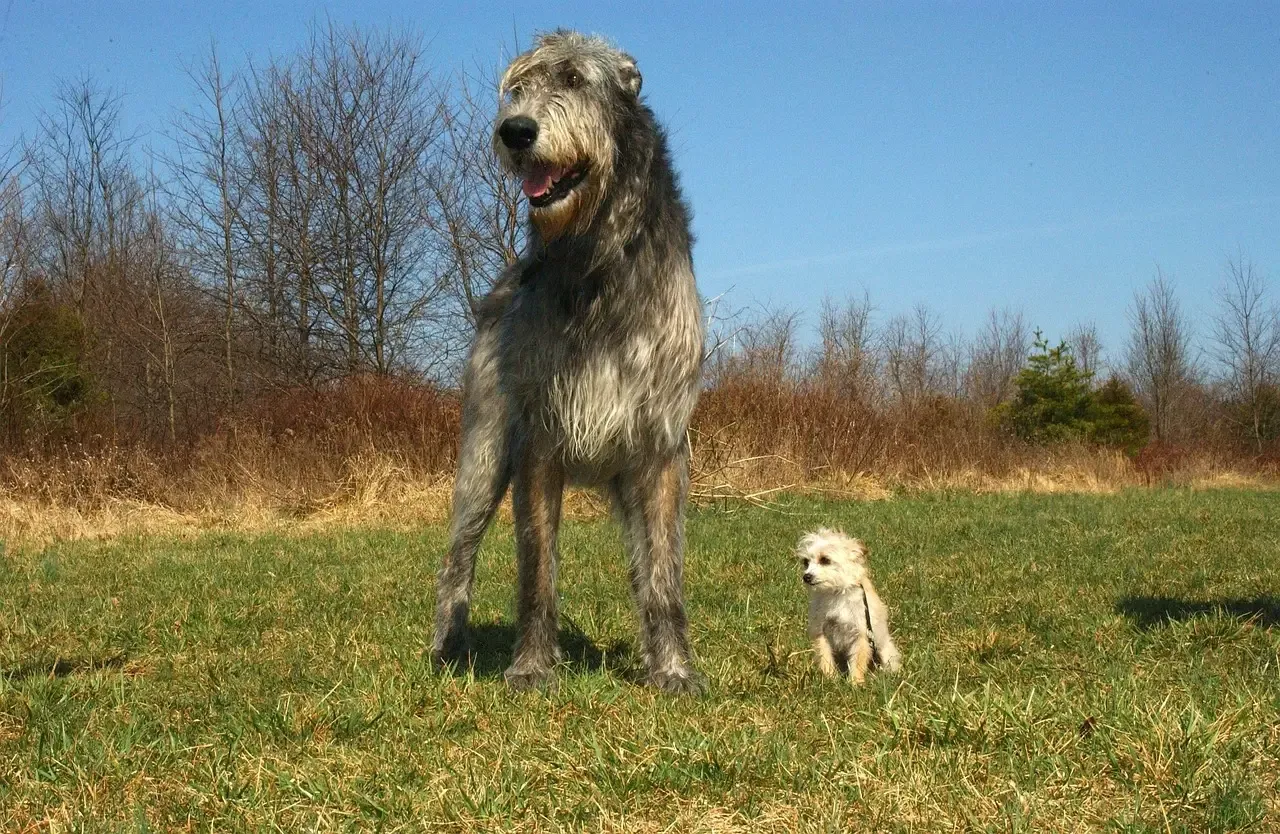
The Irish Wolfhound, known for being the tallest of dog breeds, carries a reputation for patience with their calm and composed demeanor and patience with family members during training. These towering dogs move through life with a quiet dignity that’s honestly mesmerizing to watch.
Due to their incredible intelligence, Irish Wolfhounds learn quickly and are both calm and sensitive to the emotions of humans, making them qualified for a wide range of therapy work. They don’t demand attention or rush through interactions. Instead, they observe, wait, and respond thoughtfully. Their patience makes them excellent therapy dogs.
Bernese Mountain Dog: Family Guardians with Endless Calm
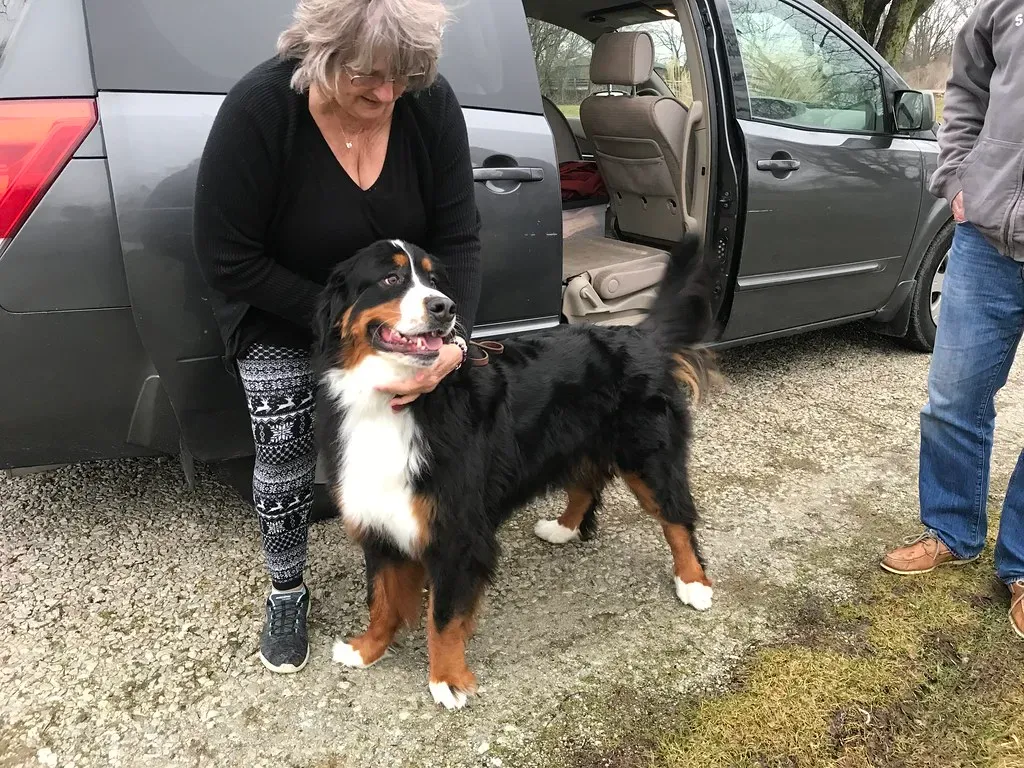
Bernese Mountain Dogs are large, lovable giants known for their calm and patient nature, thriving in families with ample space and enjoying being part of all family activities, incredibly gentle with children and often found happily lounging or playing outdoors. Here’s the thing: these dogs are big, fluffy, and ridiculously patient.
Bernese Mountain Dogs are calm, loving, and great with children, even though they are large they are gentle and patient. They seem to understand that children need extra care and adjust their behavior accordingly. Their calm presence makes homes feel safer, warmer.
Bulldog: Surprisingly Patient Despite the Wrinkles
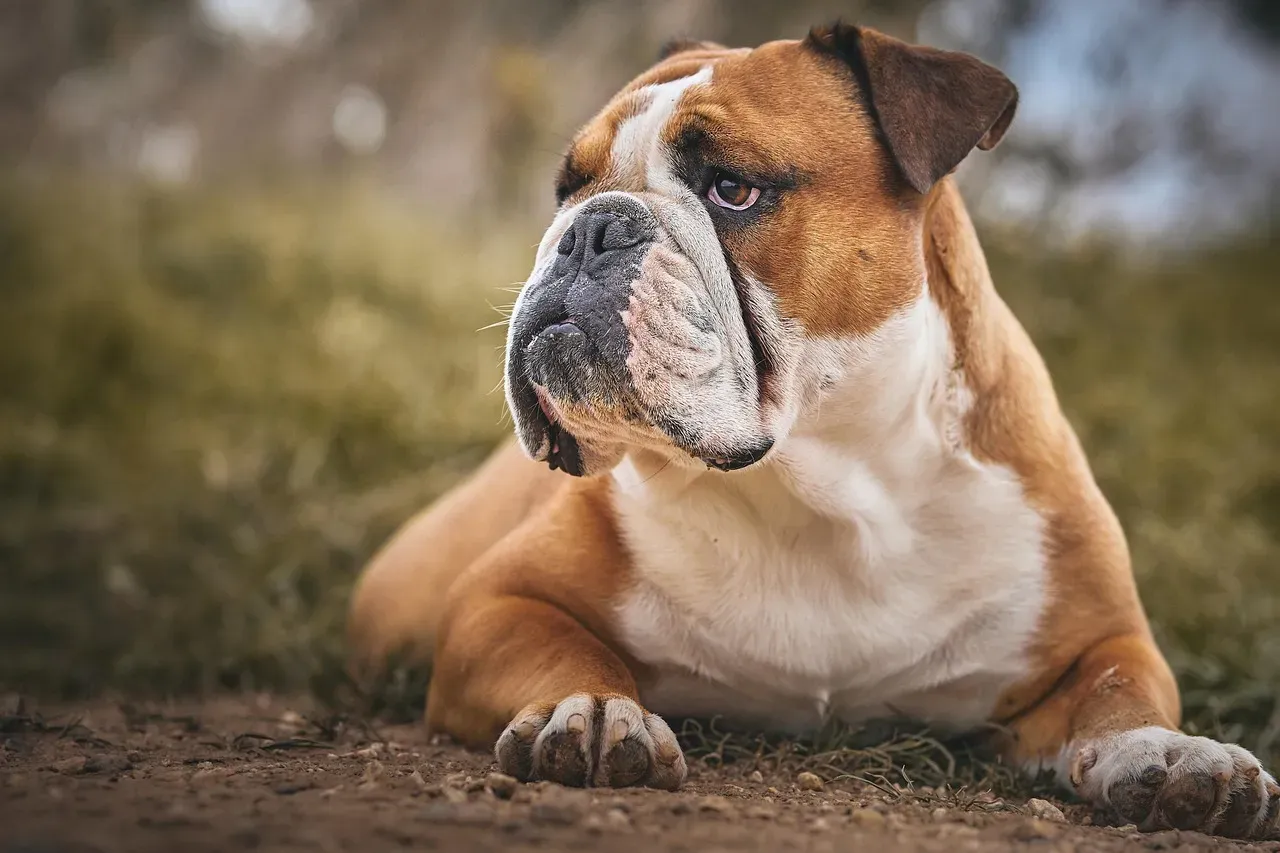
Bulldogs can be excellent family dogs in the right family, tending to be calm and not overly active, making them great in busy homes, but they need to be encouraged to be active daily, and they can be quite amusing dogs that are generally quite gentle and patient with children. Most people don’t expect Bulldogs to be patient. Their grumpy faces suggest otherwise.
Yet they’re surprisingly tolerant. They don’t need constant action or attention. They’re happy lounging around, letting life happen at its own pace. Their low energy actually contributes to their patience since they’re not constantly wound up and ready to react.
Chihuahua: Tiny Body, Even Tinier Tolerance
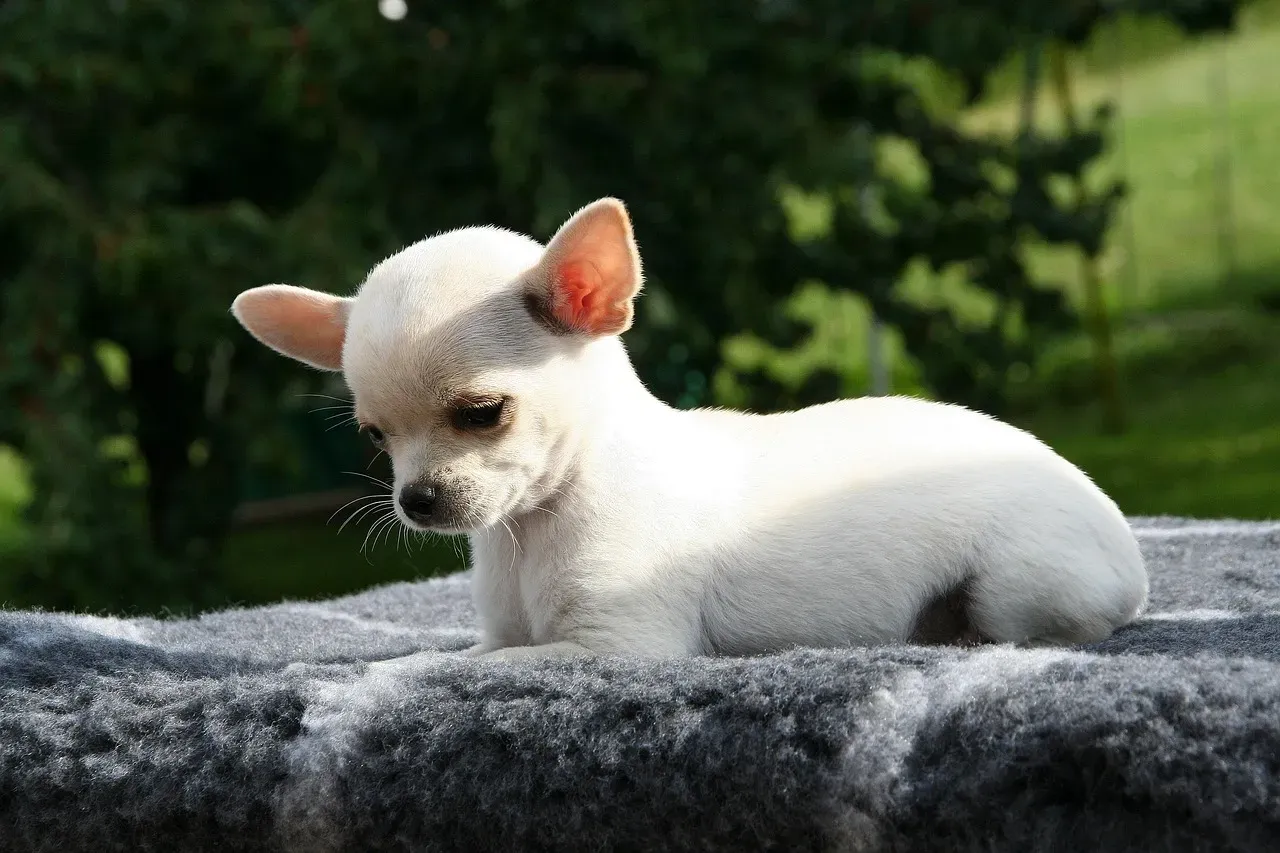
The Chihuahua temperament does not mix well with small children, this breed will not tolerate rambunctious and carefree kids, and children younger than six will typically get bitten and growled at. Let’s get straight to it: Chihuahuas have virtually no patience for chaos or disrespect of their boundaries.
The aggressive, yappy nature of Chihuahuas does not stem from malicious character but rather a defense mechanism, and while glorified for being larger than life in puny bodies, they’re self-aware of their own fragility. Their reactivity isn’t meanness. It’s survival instinct. When you’re that small, every sudden movement feels like a potential threat. Still, their short fuse requires careful management in busy households.
Dachshund: Fearless but Quick to Snap

According to a study published in Applied Animal Behaviour Science, Dachshunds rank among the most aggressive dog breeds in terms of aggression against both people and other animals. These little hunters have courage that far exceeds their size, which unfortunately translates to quick reactions when they feel threatened or annoyed.
Dachshunds originated in Germany where they were bred to hunt badgers, and their short legs allowed them to follow badgers into dens and fight to the death, so today Dachshunds still have a strong prey drive. That fierce hunting background means they don’t back down easily. Their patience wears thin fast, especially around other small animals or rambunctious kids.
Jack Russell Terrier: High Energy Equals Low Patience
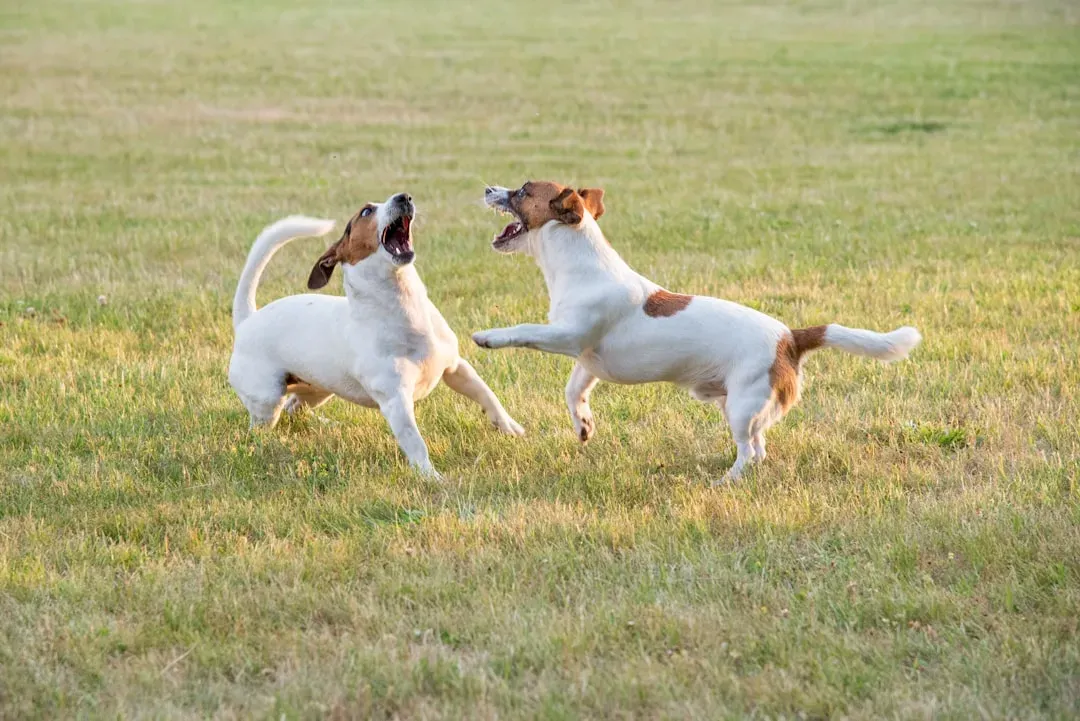
Terriers as a group tend toward high energy and tenacity. Jack Russells embody this to the extreme. They’re always moving, always alert, always ready for action. This constant state of readiness means they don’t handle waiting well.
Their intelligence and prey drive make them reactive to movement and sound. They’ll bark at perceived threats, won’t tolerate teasing, and can snap if pushed beyond their comfort zone. Training helps, but their natural temperament leans toward quick reactions rather than measured patience.
Dalmatian: Protective and Prone to Reactivity
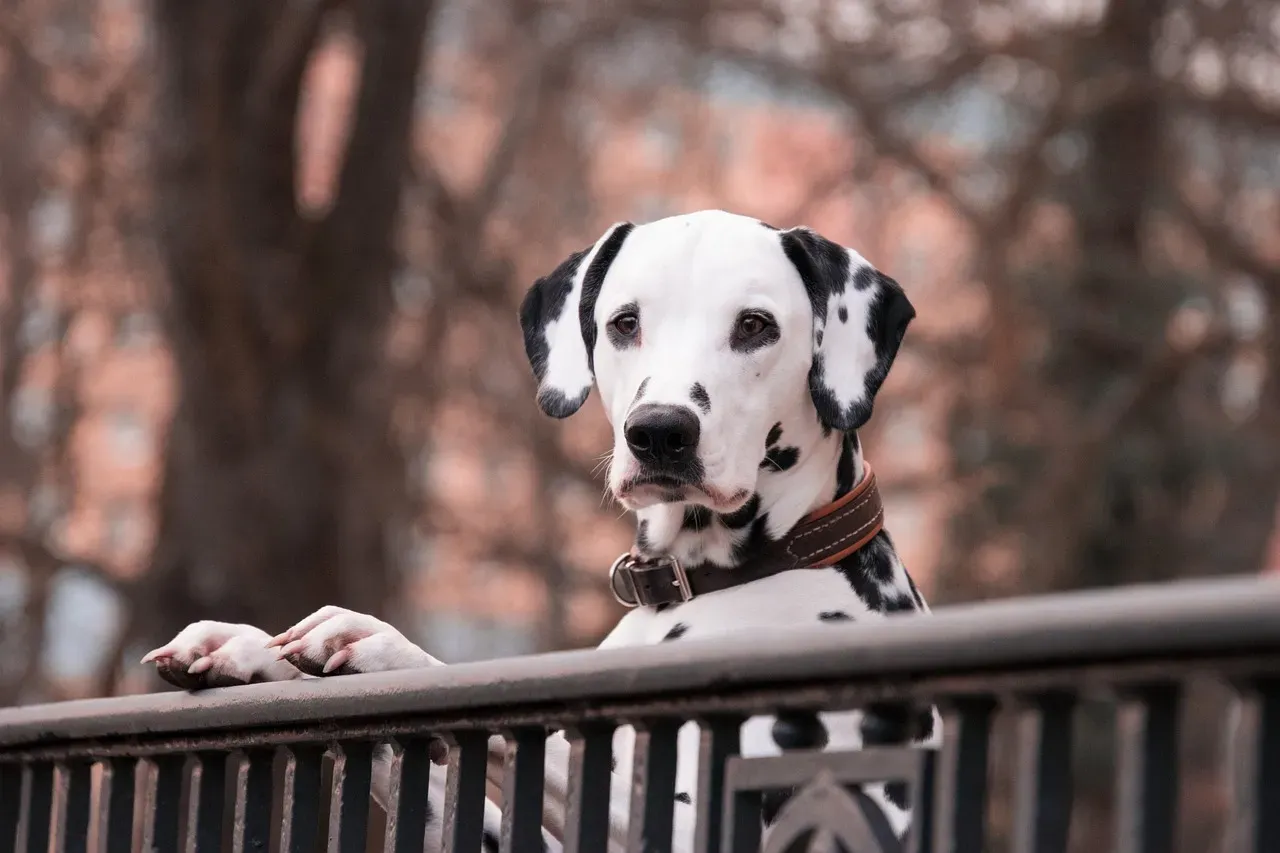
Dalmatians might be Disney-famous, but their real-life temperament is anything but cartoonish, originally bred as carriage dogs and guard animals, athletic, intelligent, and naturally protective, high-energy dogs with strong opinions, and if their needs aren’t met they’re not shy about letting everyone know, with many behavior issues stemming from underestimating how much structure and exercise they require. Their spotted coats are adorable, but their temperament? That’s trickier.
Dalmatians need constant activity and mental stimulation. Without it, they become reactive, territorial, and impatient. They’re naturally protective and can be stubborn, which translates to low tolerance for situations they don’t control or understand.
Rottweiler: Powerful and Protective with Little Room for Nonsense

Breeds such as German Shepherds, Doberman Pinschers, and Rottweilers are frequent on lists of aggressive dogs, many originally bred for guarding and police work, and certain breeds like Rottweilers are genetically predisposed to aggression. Rottweilers aren’t inherently aggressive, but they’re bred for protection work, which means they’re alert, watchful, and quick to assess threats.
Their patience depends heavily on training and socialization. Without it, they can become impatient with strangers, other dogs, or situations they perceive as threatening. They’re loyal to their families but don’t extend that same tolerance universally.
Doberman Pinscher: Intelligent but Easily Triggered
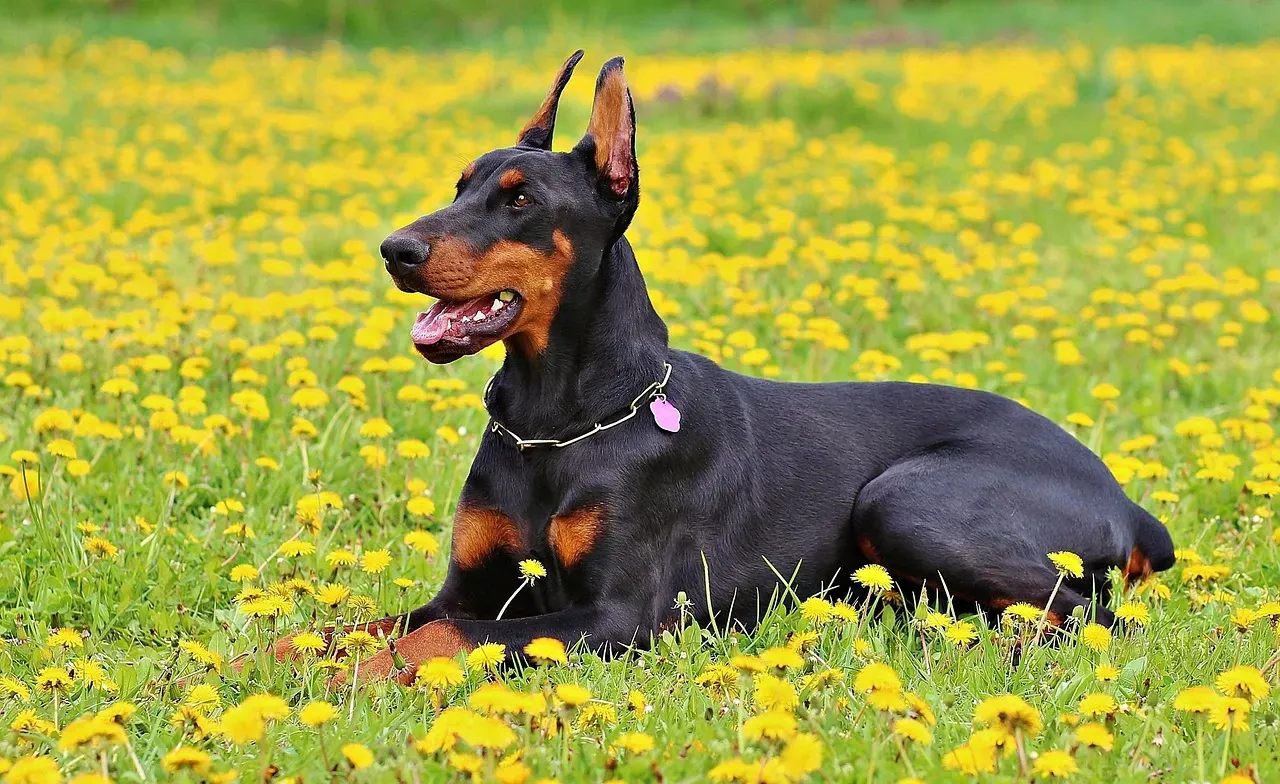
Doberman Pinschers are sleek, powerful, and intelligent dogs often associated with protection, bred in late 19th century Germany by a tax collector for personal protection, designed to be intelligent, fearless, and loyal guardians with a temperament that is typically intelligent, alert, and fiercely loyal to their family. These dogs are razor-sharp mentally, which means they notice everything. Every sound, every movement.
This hyper-awareness makes them excellent guard dogs but means their tolerance for perceived threats is low. They react quickly, sometimes before fully assessing a situation. Proper training channels their intelligence constructively, but their natural tendency leans toward vigilance rather than patience.
Conclusion: Choosing the Right Temperament for Your Life
Patience in dogs isn’t about one breed being better than another. It’s about matching temperament to lifestyle. If you have young kids, unpredictable schedules, or a chaotic household, those exceptionally patient breeds will save your sanity. They forgive mistakes, tolerate chaos, and adapt without stress.
On the flip side, if you have experience, structure, and can commit to rigorous training and socialization, those short-fuse breeds can thrive. Their reactivity isn’t a character flaw. It’s just who they are. Understanding these differences helps you make informed choices and set realistic expectations. Which temperament sounds more like what your home needs? Have you experienced the patience of a Lab or the spirited reactions of a Chihuahua? Every dog teaches us something different about tolerance, boundaries, and unconditional love.
buy website backlinks
Saturday 31st of January 2026
Needed to create you a tiny remark so as to say thanks a lot as before for your personal splendid views you've provided on this page. It has been strangely open-handed of you in giving easily precisely what many people would have marketed as an e book to generate some dough for their own end, notably since you could have done it if you ever considered necessary. The tricks likewise served like a fantastic way to realize that many people have the identical zeal like my very own to know more around this issue. I know there are several more fun opportunities up front for many who go through your blog post.