You know that feeling when your dog gently picks up a tennis ball or delicately takes a treat from your hand, barely using any teeth at all? There’s something deeply reassuring about a dog who knows how to control that jaw. Whether you’re a first-time dog owner or you’ve been around pups for decades, understanding the difference between a soft mouth and a strong chewing drive can completely change how you approach training, playtime, and even the safety of your home.
Some breeds were literally designed over centuries to handle fragile objects without causing damage. Others were bred for entirely different jobs, where a powerful bite and relentless chewing were assets, not flaws. Neither is better or worse, honestly. It just depends on what kind of companion you’re looking for and how you plan to live together. Let’s dive into the fascinating world of canine mouths and explore which breeds excel at gentleness and which ones absolutely need heavy-duty toys.
Labrador Retriever: The Gold Standard of Gentle Mouths

Labrador Retrievers are renowned for their incredibly soft bite, originally bred to retrieve game from water and land while carrying birds in their mouths without damaging them. Picture a hunter sending out their Lab to fetch a downed duck. The bird needs to arrive back intact, not mangled or punctured, which means Labs needed impeccable bite control bred into their very instincts.
These dogs have become family favorites partly because of this trait. Watch a Lab around children, and you’ll see they’re exceptionally careful with their mouths during play. Having a soft mouth reflects a dog’s capacity to bite gently and precisely, which is invaluable in working dogs like hunting retrievers and service animals, with Labrador Retrievers known for bringing back game without a single scratch.
This gentleness extends beyond the field. Labs excel as service dogs for people with disabilities because they can retrieve dropped items like credit cards, eyeglasses, or medication bottles without causing any damage.
Golden Retriever: Nature’s Gentleman
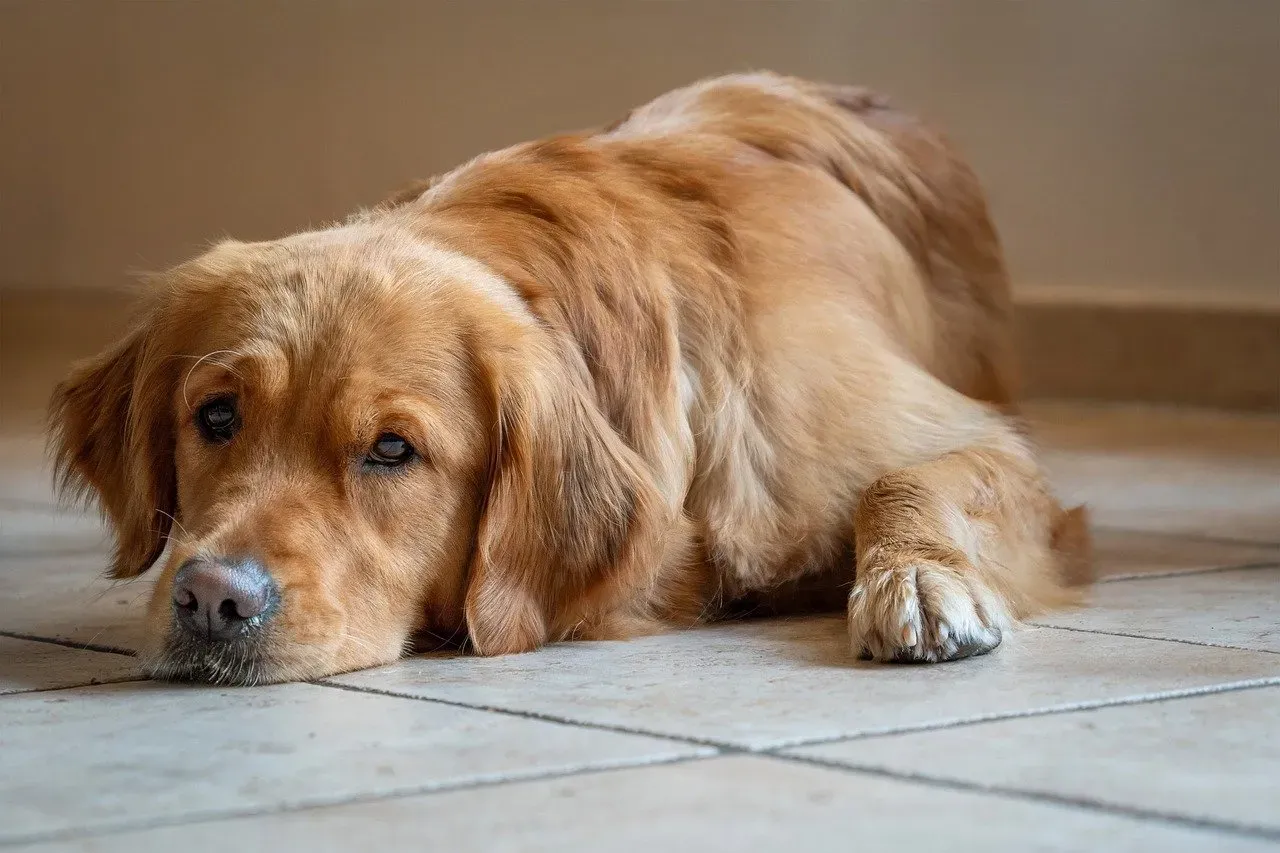
Golden Retrievers can happily chew away at their owner’s hands without leaving a mark, and some can carry a ripe tomato in their mouth without puncturing it or even bruising it. That level of control is honestly remarkable. I’ve seen Goldens carry raw eggs without cracking them, which is both adorable and a testament to centuries of selective breeding.
Goldens were selectively bred for a gentle mouth so as not to damage birds when retrieving them, with excellent retrieving skills and a tractable, calm demeanor necessary for waiting patiently by a hunter’s side. This makes them particularly suited for families with young kids who might accidentally provoke a dog during rough play.
Though Goldens are naturally gentle, training still matters immensely. Even the softest-mouthed puppy can get overly excited and forget to be gentle. Consistent, positive reinforcement helps refine their already impressive instincts into reliable behavior that lasts a lifetime.
Cocker Spaniel: Small But Remarkably Soft

Cocker Spaniels and Springer Spaniels have been bred for centuries to flush and retrieve game, and these dogs have a naturally soft bite, allowing them to gently pick up and carry game birds back to their handlers. Despite their relatively small size, Cockers pack incredible hunting prowess into a compact, affectionate package.
Spaniels are known for their friendly and affectionate nature, and their soft mouths make them perfect pets for families with young children. They tend to be patient and tolerant, which is a wonderful combination when little hands are grabbing at ears or trying to “help” with feeding time. That doesn’t mean they tolerate abuse, but their threshold is impressively high.
The name “Cocker” actually comes from their specialty in hunting woodcock, a game bird. Their ability to work through dense brush, locate birds by scent, and retrieve them undamaged made them invaluable to hunters in England and later America.
English Springer Spaniel: The Enthusiastic Retriever
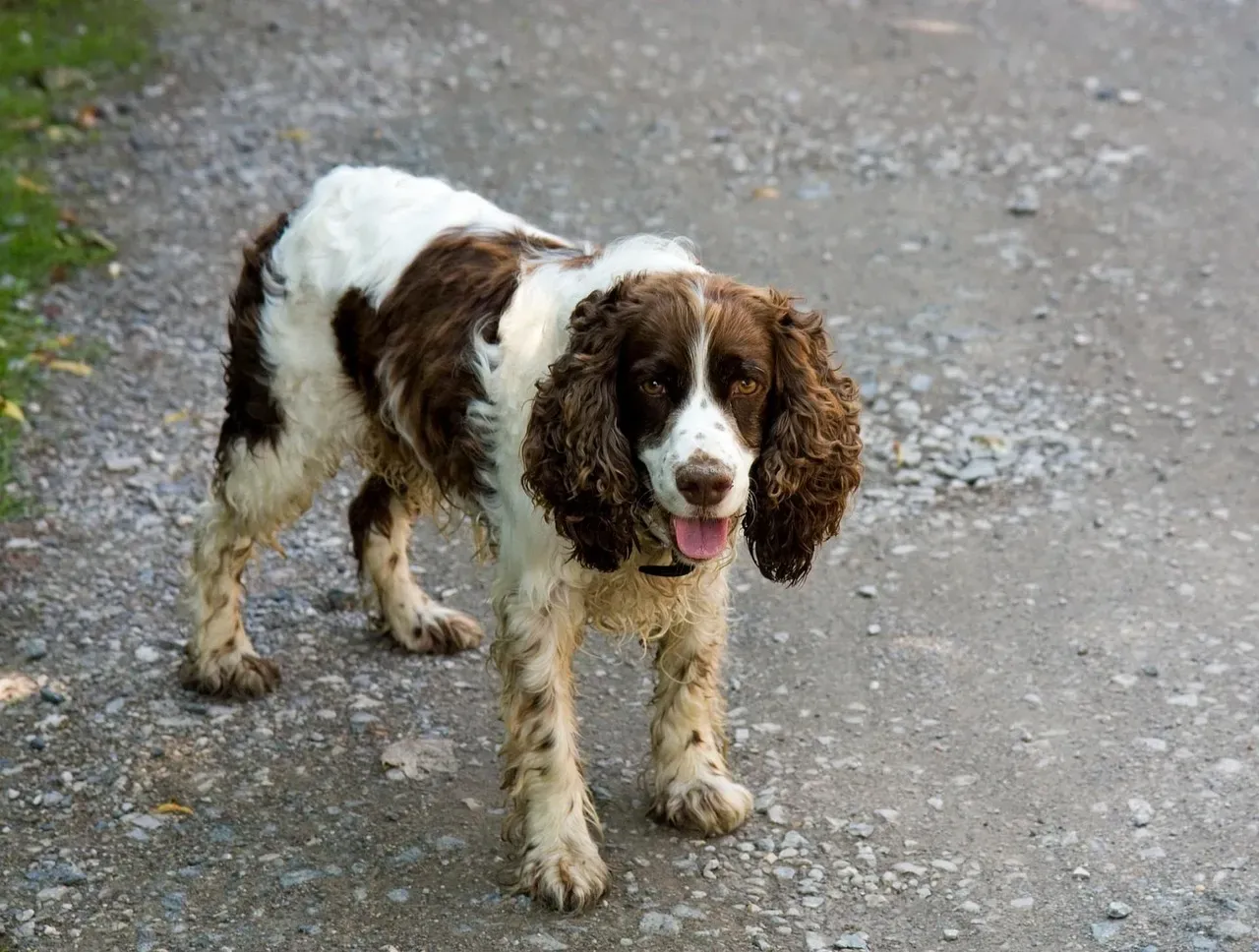
A soft mouth is a valuable trait in Springers, resulting in the returned game being undamaged, as many hunters train their spaniels to retrieve to hand, use a soft mouth, and keep birds within gun range. Springers are known for their boundless energy and enthusiasm, yet they temper that excitement with remarkable control when they need to.
These medium-sized dogs were developed to locate game birds in tall grass and dense cover, then flush them out for hunters. After the shot, they’d retrieve the bird carefully. English breeders developed the breed to find game, flush them out, then point and retrieve the downed bird during the 1890s.
Their athleticism is striking. They can work for hours without tiring, covering tremendous ground while maintaining that critical soft touch. Watch a well-trained Springer in action, and you’ll see a dog that knows exactly how much pressure to apply with their jaw.
Flat-Coated Retriever: The Underrated Gentle Giant
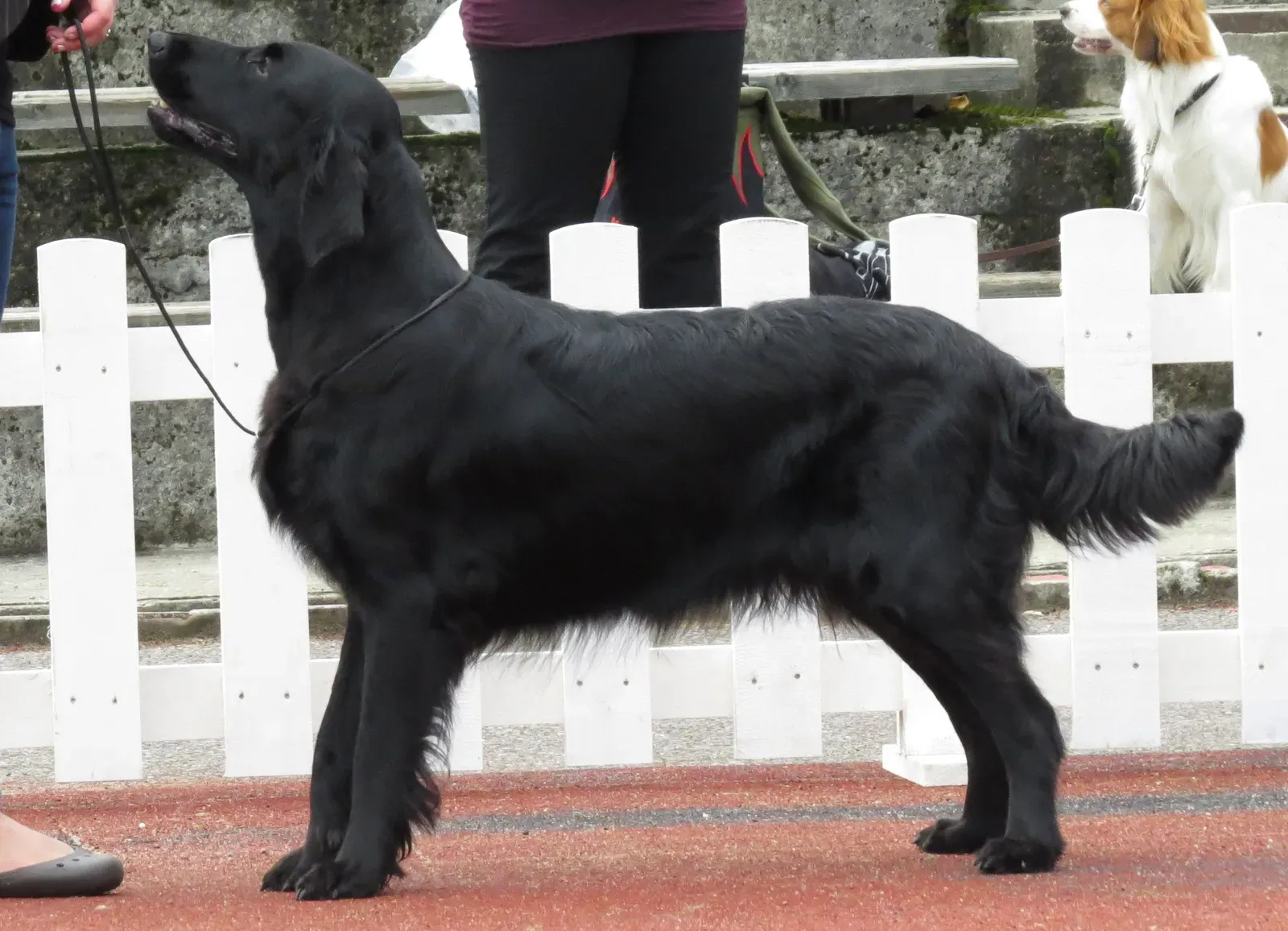
Examples of breeds with soft mouths include the Labrador Retriever, Golden Retriever, Flat-Coated Retriever, Cocker Spaniel, Standard Poodle, and Gordon Setter. Flat-Coats don’t get nearly the recognition they deserve, but those who know them understand their exceptional nature.
Flat-Coated Retrievers will mark where game has fallen, swim a straight path to it, grip it gently in their mouth and swim a straight path back. That combination of intelligence, athleticism, and gentleness makes them outstanding companions both in the field and at home. They’re often described as being perpetually happy, which adds to their charm.
Their beautiful straight, long coat protects them from cold water and harsh brush, but it does require regular grooming. That’s a small price to pay for such a loyal, gentle companion who can handle just about any outdoor adventure you throw at them.
Standard Poodle: Brains and Gentleness Combined
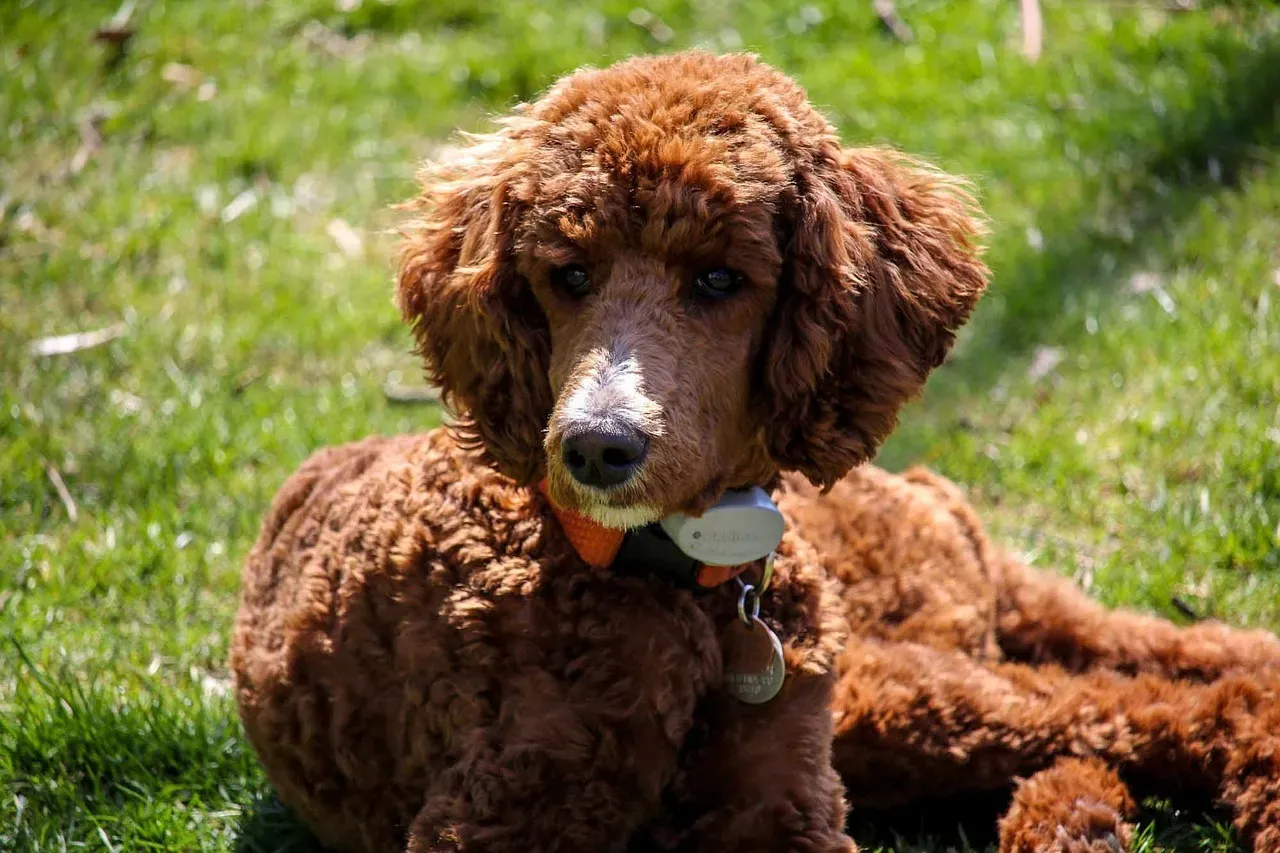
Poodles are often associated with their curly coats and elegant appearance, but they were originally bred as water retrievers and possess a natural soft bite, which they use to retrieve game from water without causing damage. Many people are genuinely surprised to learn Poodles are gun dogs at heart, not just show dogs.
Their intelligence, trainability, and gentle nature make them great pets for families and individuals alike. Poodles consistently rank among the smartest dog breeds, which means they learn bite inhibition quickly and reliably. They’re also incredibly versatile, excelling in everything from hunting to agility to therapy work.
The Standard Poodle’s soft mouth makes them excellent candidates for service work, particularly tasks requiring careful handling of objects. Their combination of intelligence and gentleness creates a dog that can adapt to almost any role you need them to fill.
Gordon Setter: The Scottish Gentleman
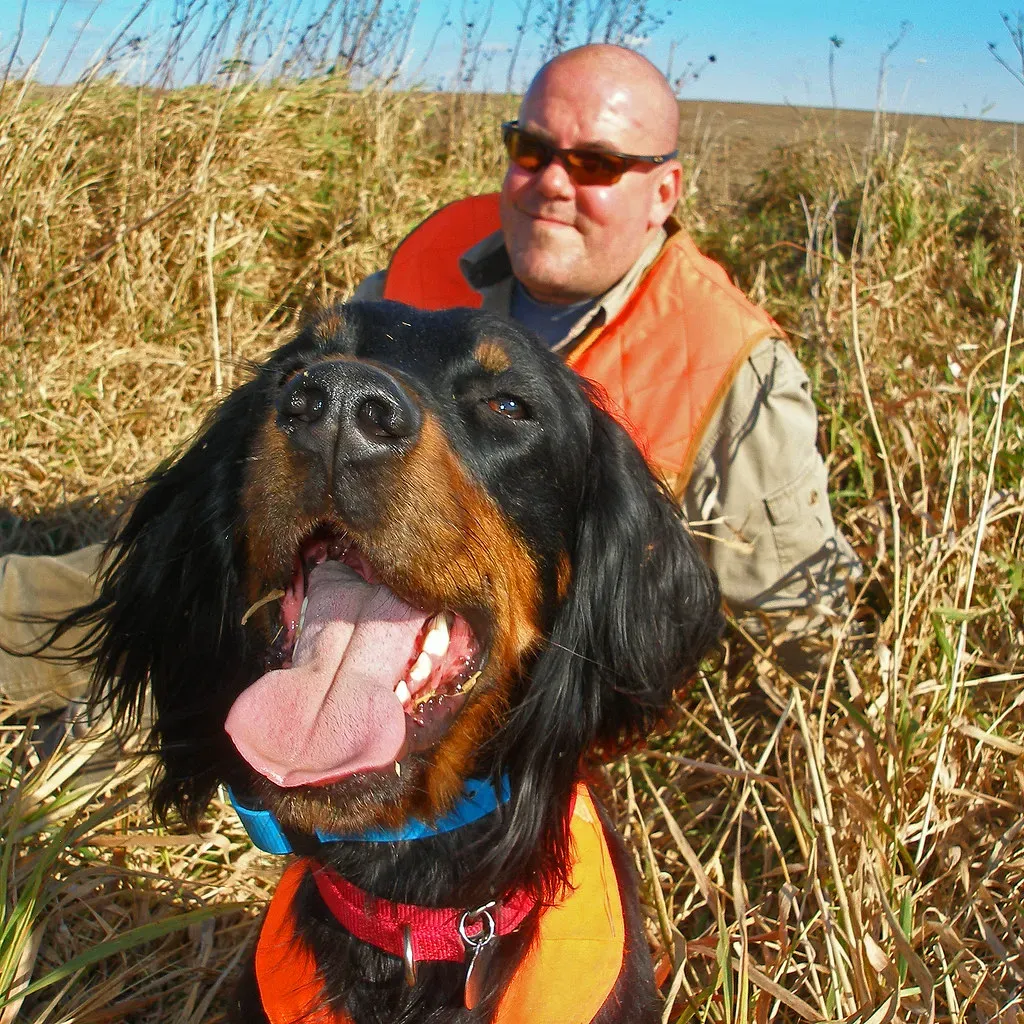
Examples of breeds with soft mouths include Gordon Setters, and setters such as Irish Setters and English Setters are sporting breeds known for their gentle mouths. Gordon Setters, the largest of the setter breeds, were bred in the Scottish Highlands to collect felled grouse and pheasant.
Bred to locate and retrieve game birds, setters are skilled at carrying delicate objects without harming them. Their calm and friendly temperament, combined with their soft bite, makes them excellent companions for active families who appreciate a dog with both stamina and grace.
These striking black-and-tan dogs have a dignified air about them, yet they’re playful and affectionate with their families. They require regular exercise and mental stimulation to stay happy, but in return, they offer unwavering loyalty and that precious soft touch.
Irish Setter: Beauty With Bite Control
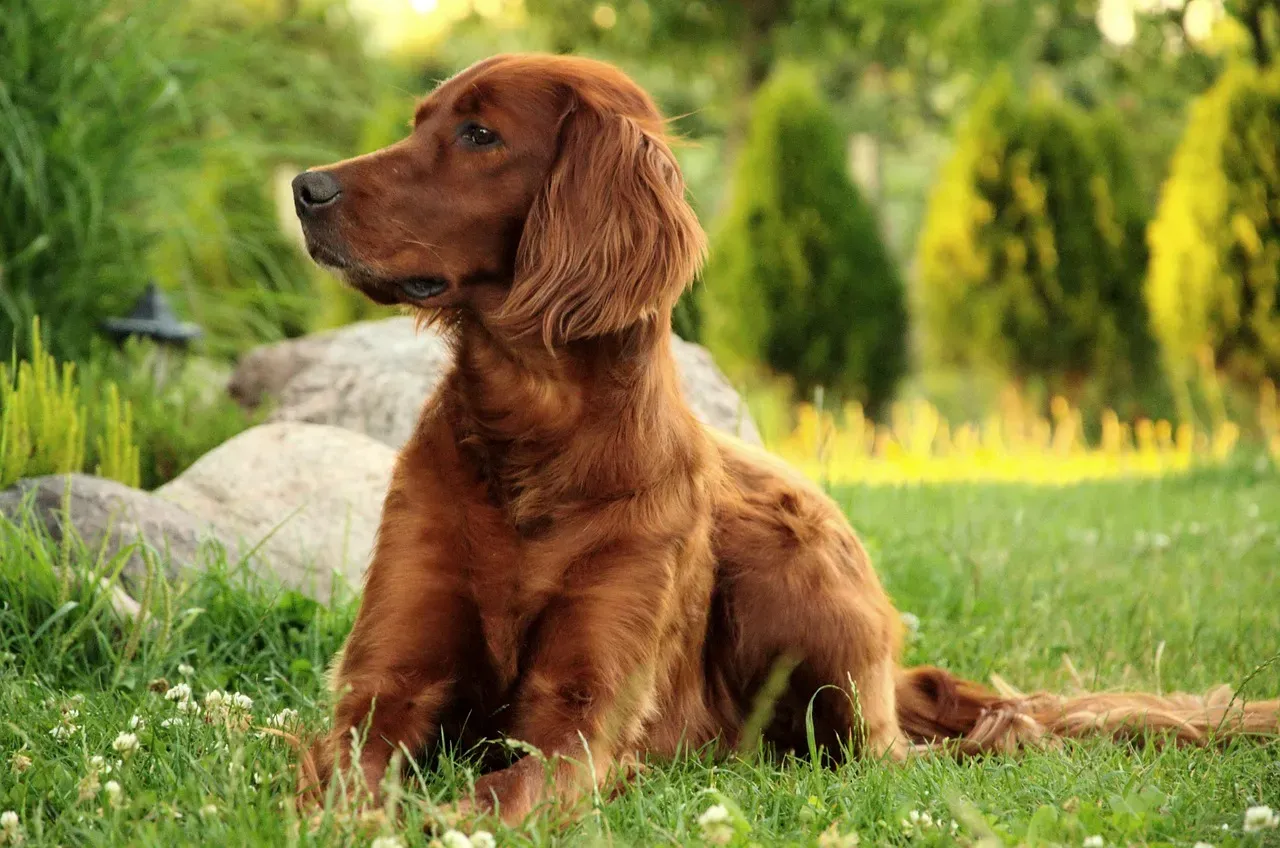
Irish Setters share the gentle mouth characteristic common to all setter breeds. Their stunning mahogany coats and elegant movement make them instantly recognizable, but it’s their temperament that truly wins hearts. They’re friendly, outgoing dogs who love being part of family activities.
Like other setters, Irish Setters were bred to locate game birds and then either point or retrieve them carefully. That hunting heritage translates into a dog that naturally understands how to control jaw pressure. They’re enthusiastic and sometimes exuberant, which means early training is important to channel all that energy appropriately.
These dogs thrive with active families who can provide plenty of exercise and mental challenges. Their soft mouths make them safe around children, though their size and energy level mean supervision is always wise with very young kids.
Newfoundland: Gentle Despite Their Size
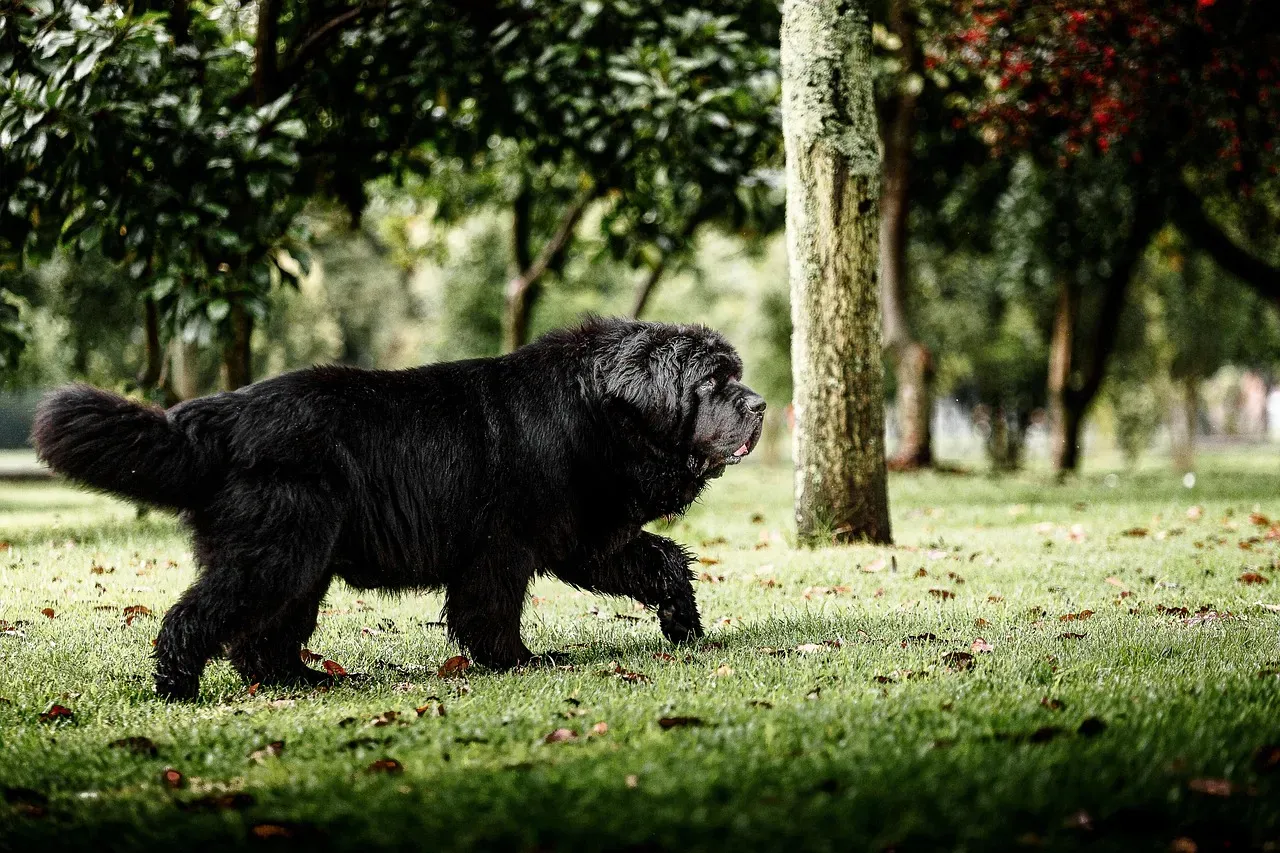
Newfoundlands might not be traditional gun dogs, but they possess remarkably soft mouths despite their massive size. These gentle giants were bred to help fishermen in Newfoundland, retrieving nets and even rescuing people from the water. That work required strength combined with incredible gentleness.
Newfoundlands are famous for their patience with children, often earning the nickname “nanny dogs.” They seem to understand their own size and power, moving carefully and using their mouths with restraint. A Newfoundland can gently carry a puppy or kitten in their mouth without causing harm.
Their thick, water-resistant coat and webbed feet make them excellent swimmers. They’re calm, devoted companions who form deep bonds with their families. The combination of size, strength, and gentleness makes them truly special dogs.
Pit Bull Terrier: The Misunderstood Power Chewer
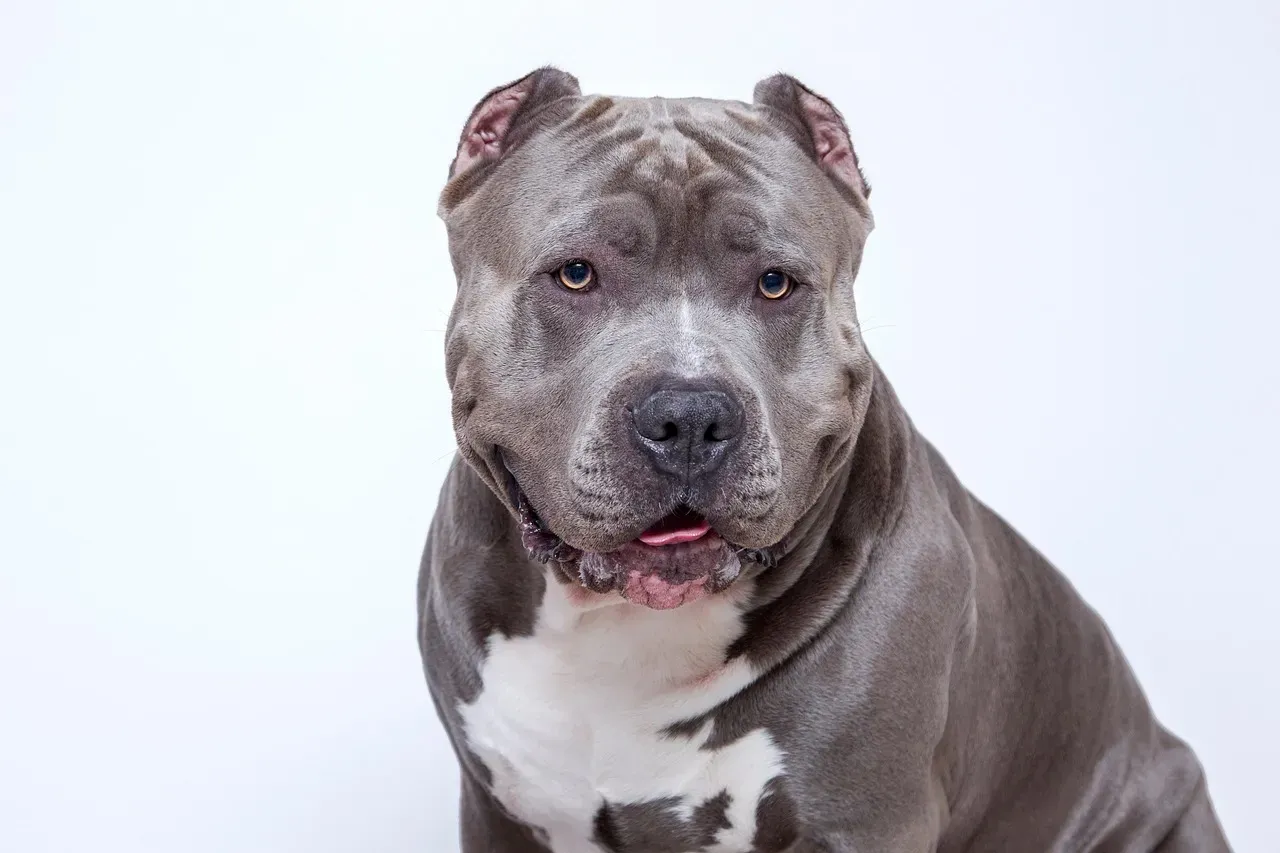
Here’s where we shift gears. The Pit Bull is known for her powerful jaws, and once she decides to chew on something, it doesn’t stand much of a chance. This isn’t about aggression; it’s about jaw strength and determination. Pit Bulls were originally bred for activities requiring tenacity and power.
The American Pit Bull Terrier has a bite force of 235 pounds per square inch, compared to a human bite of only 120 pounds PSI. That strength, combined with a love of chewing, means Pit Bull owners need to invest in seriously durable toys and provide plenty of exercise and mental stimulation.
The pit bull has massive strong jaws that can destroy things in minutes, and another breed that gets bored easily, a lot of them suffer from separation anxiety, making them very destructive. With proper training, exercise, and appropriate outlets for their energy, Pit Bulls make wonderful companions. They need owners who understand their needs and commit to meeting them.
German Shepherd: Strong Jaws and Strong Drive
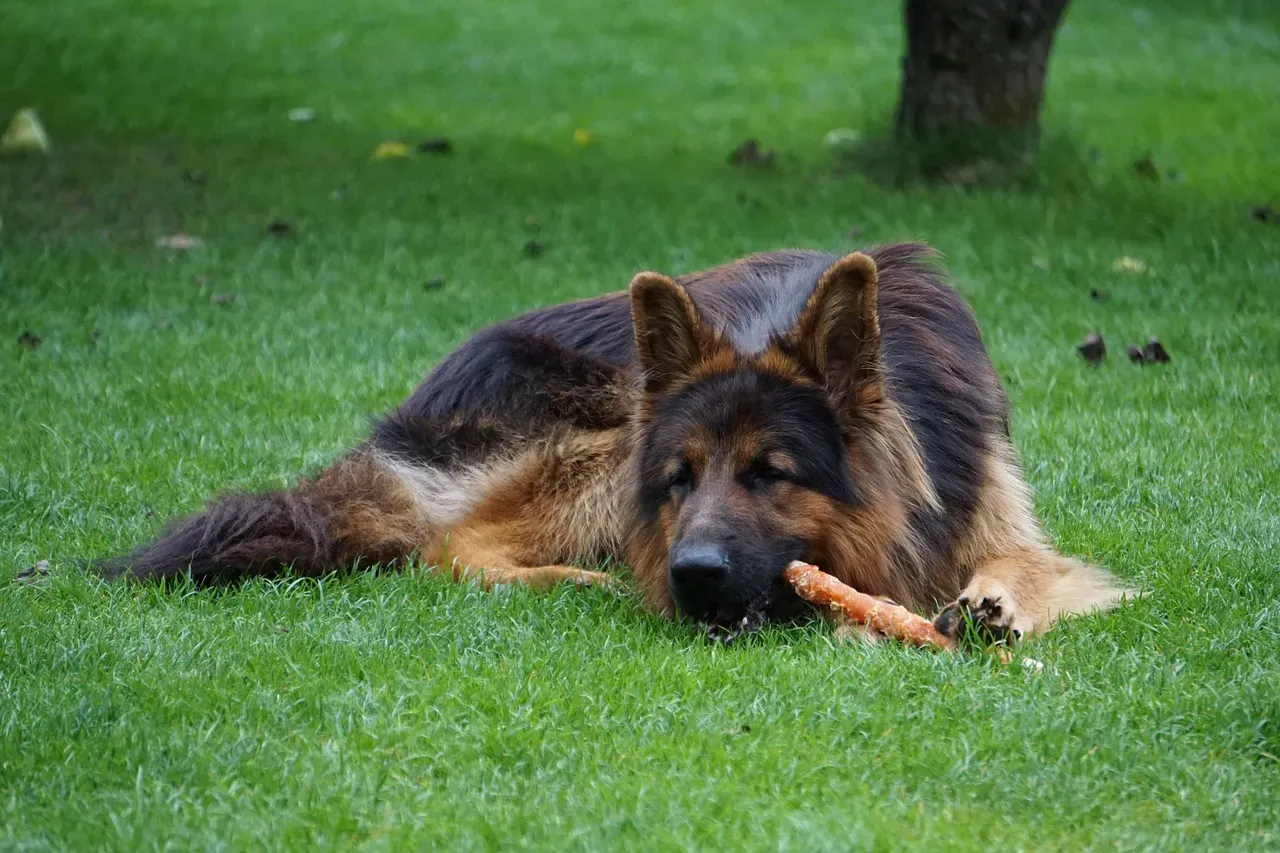
Breeds like German Shepherds are commonly categorized as aggressive chewers, predisposed to aggressive chewing due to their strong jaws and natural instinct to explore and manipulate objects. German Shepherds are incredibly intelligent working dogs used extensively in police and military work, which requires both mental sharpness and physical power.
The German Shepherd will definitely do some damage with his mouth if he is left without any mental stimulation and energy-burning activities. These dogs need jobs to do, whether that’s formal training, dog sports, or challenging puzzle toys that keep their minds engaged.
German Shepherds bond deeply with their families and can be gentle when properly trained. The key is providing consistent training from puppyhood, teaching bite inhibition, and giving them appropriate chewing outlets. A bored German Shepherd is a destructive German Shepherd.
Rottweiler: Powerful Chewers With Purpose
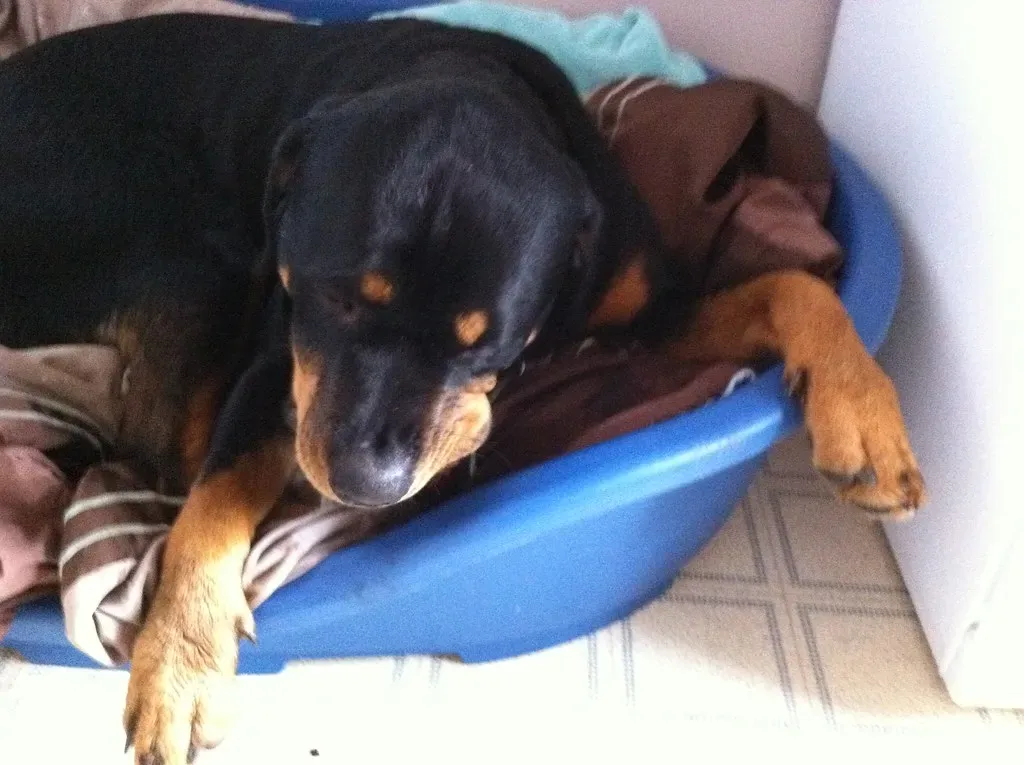
Rottweilers are known for their strength and loyalty, but their powerful jaws can lead to excessive chewing, and this behavior is common in these high-energy dogs when they seek an outlet for their energy. Rottweilers were originally bred as cattle drovers and guardians, work that required both strength and determination.
Rottweilers chew intensely, sometimes targeting durable objects like bones or sturdy toys, and they may also chew to stay engaged or alleviate stress. These dogs need owners who understand their needs for physical exercise, mental stimulation, and consistent boundaries.
Rottweilers can be incredibly gentle with their families, especially children they’ve bonded with. Their protective instincts run deep, and their loyalty is unquestionable. Providing appropriate chewing alternatives and plenty of engagement prevents destructive behaviors before they start.
Beagle: Small Dog, Big Appetite for Chewing

Beagles love eating more than anything, whether it’s edible or not, and they tend to follow their noses and chew on anything they perceive to be tasty. That incredible sense of smell that makes Beagles excellent scent hounds also gets them into trouble around the house.
Beagles are notorious for their ability to find and consume things they shouldn’t. Shoes, remote controls, children’s toys – if it has an interesting smell, a Beagle will investigate with their mouth. They’re food-motivated to an extreme degree, which helps with training but also requires vigilance about what’s left within reach.
These cheerful, friendly dogs make wonderful family companions despite their chewing tendencies. Providing puzzle feeders, scent games, and durable chew toys helps redirect their natural instincts into acceptable outlets.
Border Collie: Intelligent Chewers Who Need Jobs
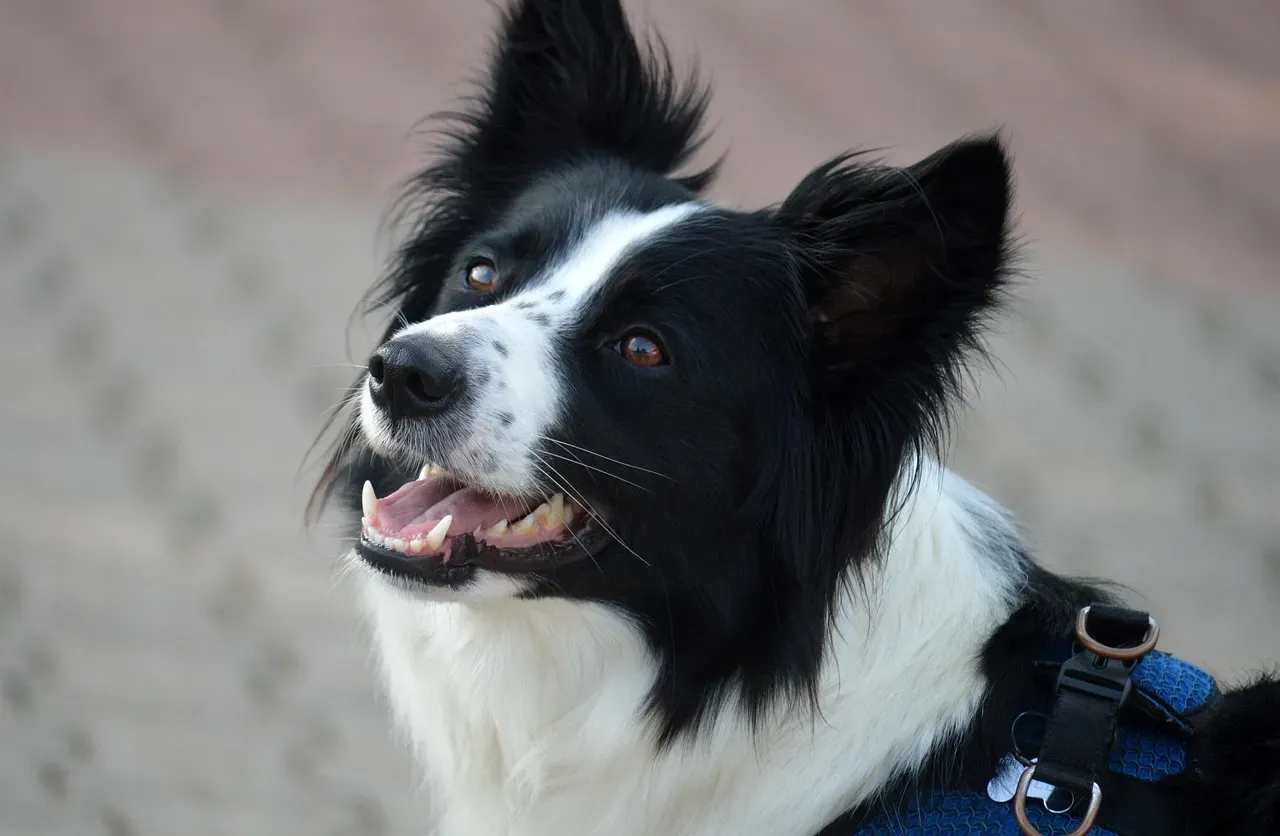
Border Collies are among the most intelligent and high-energy breeds, and their quick minds and active bodies make them natural explorers, often resulting in chewing on belongings, shoes, or personal possessions. These dogs were bred to herd sheep all day, every day, which required incredible stamina and problem-solving abilities.
Border Collies have large supplies of energy and are a very intelligent breed, and they can get bored easily and become restless, and when they get bored, they start to find things to keep them busy. A bored Border Collie is one of the most destructive dogs you can imagine. They need constant mental and physical challenges.
Border Collies thrive in homes where they have a job to do, whether that’s competitive obedience, agility, herding trials, or advanced trick training. Without appropriate outlets, that brilliant mind and endless energy will find destructive ways to stay occupied.
Labrador Retriever: Yes, They’re On Both Lists
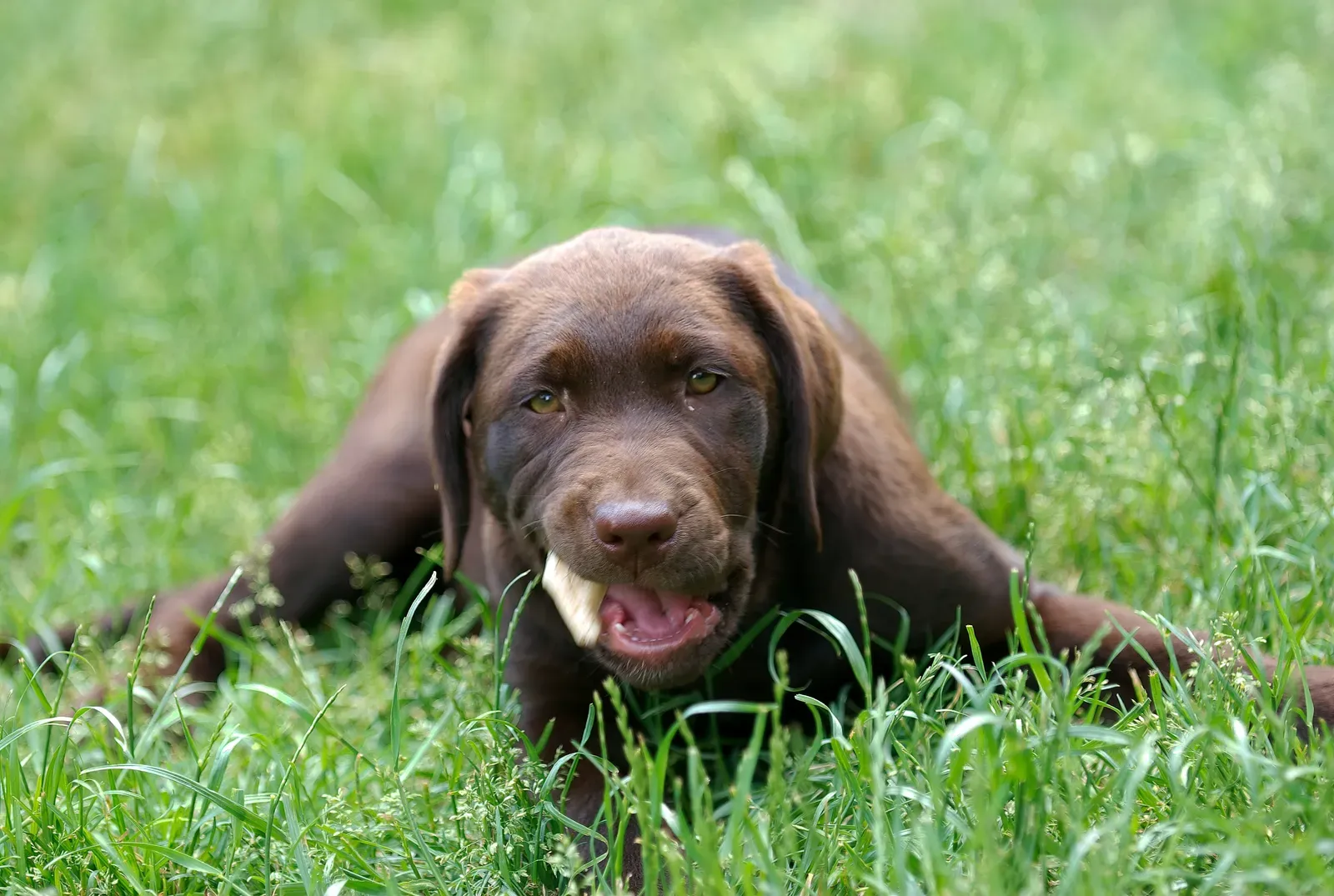
Labradors are bred as retrieving dogs, so they’re used to having things in their mouth, and they’re also a very energetic and exuberant breed, always wanting to do something and keep themselves busy. While Labs have soft mouths, they also have strong chewing drives, especially as puppies and young adults.
If you have an active breed with lots of energy that’s used to mouthing things that don’t have anything to do in the day, there’s going to be chewing involved. Young Labs are notorious for their destructive chewing phase, which can last well into their second or third year.
The key with Labs is providing plenty of exercise, appropriate chew toys, and training from early puppyhood. That soft mouth doesn’t mean they won’t destroy your favorite shoes if given the opportunity. They need outlets for their energy and their natural desire to carry things around.
Finding Balance: Living With Your Dog’s Mouth
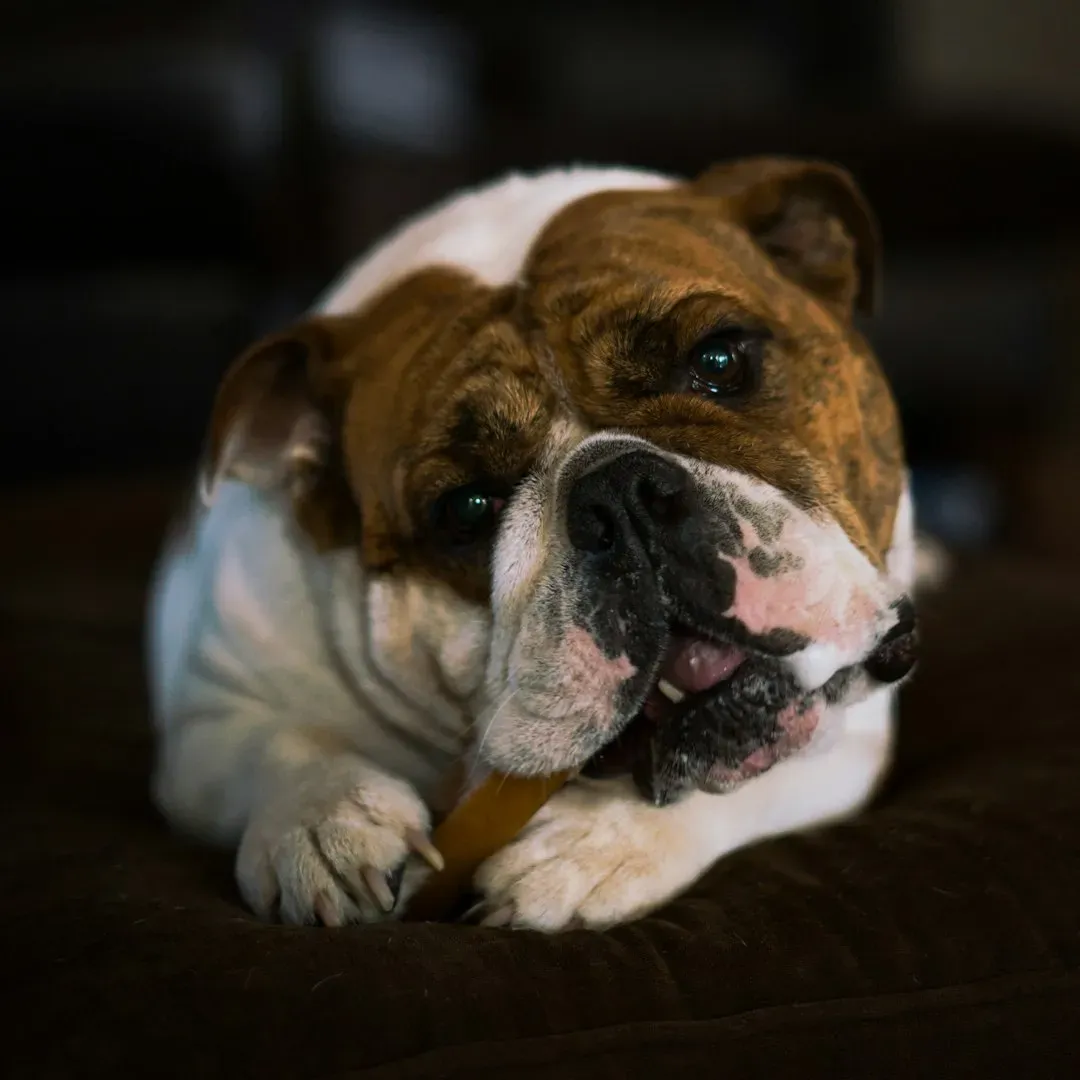
It’s normal for puppies and dogs to chew on objects as they explore the world, and chewing accomplishes a number of things for a dog. Understanding whether your dog naturally tends toward gentleness or powerful chewing helps you set them up for success from the start.
For young dogs, chewing is a way to relieve pain caused by incoming teeth, while for older dogs, it’s nature’s way of keeping jaws strong and teeth clean, and chewing also combats boredom and can relieve mild anxiety or frustration. Chewing isn’t bad behavior; it’s natural dog behavior that needs appropriate direction.
Every dog, regardless of breed, benefits from early socialization, consistent training, and appropriate outlets for their natural instincts. Soft-mouthed breeds still need to learn boundaries, and power chewers need durable toys and plenty of engagement. The relationship you build with your dog matters far more than breed alone.
Whether you’re living with a gentle-mouthed Golden who carefully carries your slippers or a determined Rottweiler who goes through toys like tissue paper, understanding and working with your dog’s natural tendencies creates harmony in your home. What’s your experience been with your dog’s mouth? Have you been surprised by how gentle or how powerful they can be?