
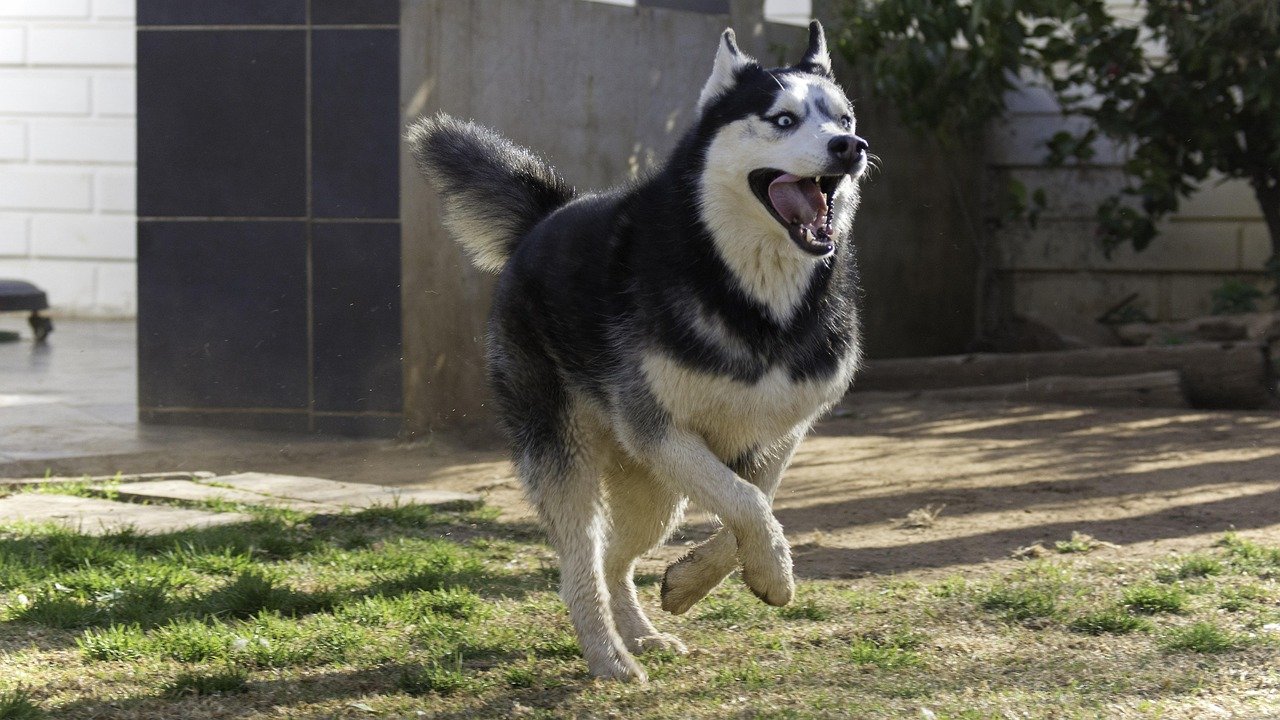
You put down a fresh bowl of food. Your dog sniffs it, looks up at you with mild contempt, and walks away. Sound familiar? If you’re living with a fussy eater, you’re not alone, and honestly, it can be one of the most baffling and frustrating parts of dog ownership. It feels personal, doesn’t it?
Here’s the thing though. Not all dogs are built the same when it comes to food. Some are wired to devour everything in sight, while others approach the food bowl like a food critic at a five-star restaurant. Some eating habits can actually be tied to your dog’s genetics. Before you start questioning your cooking skills (for your dog, that is), let’s take a deep dive into which breeds are notoriously finicky, which ones will eat literally anything, and what you can do to make mealtimes smoother for everyone. Let’s dive in.
1. Shih Tzu: The Little Gourmet

If there’s one small dog that truly believes it deserves a Michelin-star meal, it’s the Shih Tzu. Shih Tzus are known for being particularly fussy when it comes to their meals, and this breed can be quite selective about the taste and texture of its food. You might spend a week trying three different brands only to find your pup turning her nose up at every single one.
Their picky eating habits can sometimes be linked to their sensitive stomachs, which require high-quality and easily digestible ingredients. Keep an eye out for signs like loose stools or a bloated belly after eating, as those are red flags worth discussing with your vet. Providing different flavors and textures, as well as gradually introducing wet food, can help your Shih Tzu look forward to mealtime.
2. Maltese: The Trial-and-Error Eater

The Maltese is so well-known for having a finicky appetite that there are Reddit threads about the topic and specific diets formulated for the breed. That tells you everything you need to know. These tiny, beautiful dogs are a labor of love at mealtimes.
These dogs often prefer smaller kibble sizes due to their tiny mouths and may reject food that is too large or too hard for them to chew comfortably. Malteses can also be sensitive to the taste and smell of their food, and their delicate digestive systems require high-quality, easily digestible food to avoid gastrointestinal issues. Think of it like feeding a toddler who is somehow also a food connoisseur. The best way to keep your Maltese fit and happy is by providing a balanced diet of both wet and dry food and avoiding abrupt dietary changes.
3. Yorkshire Terrier: Big Opinions in a Tiny Body
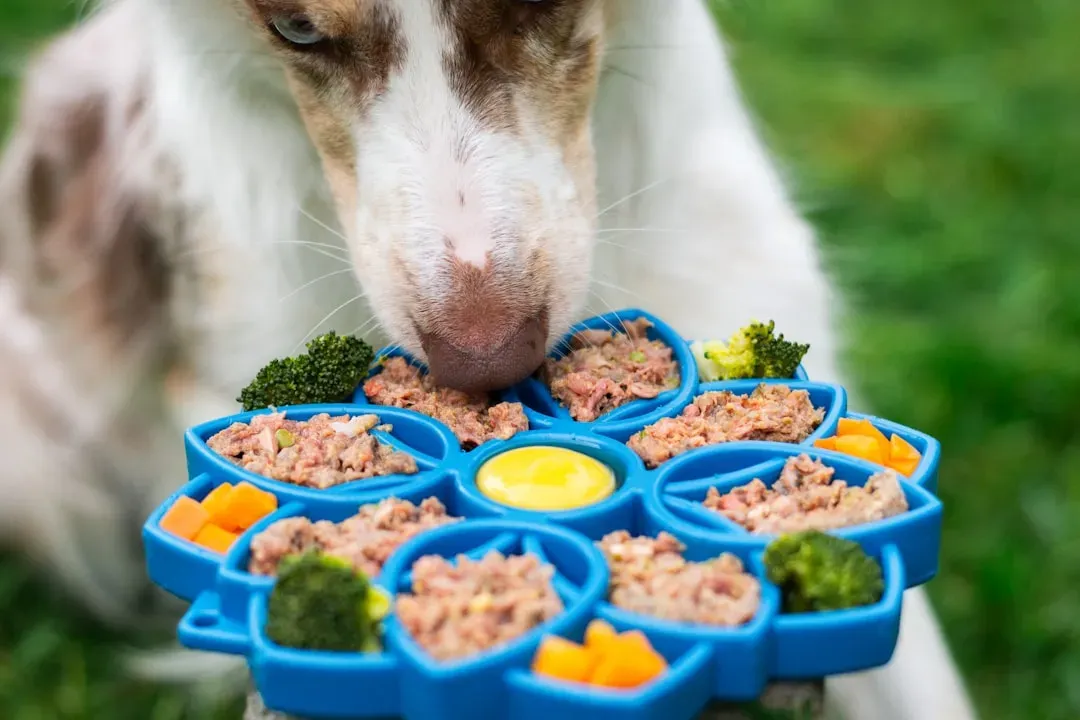
Yorkshire Terriers are yet another breed that may become selective with their food. Although they are small, they have large characters, and they will not hesitate to show their disapproval of certain foods, which can be mainly due to their sensitive stomachs that may not be able to tolerate certain ingredients. Imagine your dog giving you a full-on side-eye when you serve dinner. Yorkies do exactly that.
The tricky part with Yorkies is that they can develop a taste for human food very quickly, and once that happens, regular kibble suddenly becomes deeply offensive to them. If you keep offering treats to try to get them to eat, that can send the wrong message. You’re essentially telling your dog they can hold out for something better. Set clear mealtime rules early, and stick to them with this breed.
4. Pomeranian: The Seasonal Skeptic

Pomeranians, adorable with their fluffy coats and charming personality, can sometimes be quite particular about their food. They may reject a meal that is not up to their standard, which might be a consequence of their stubborn nature and a need for different types of food in their meals. One week they love salmon-based kibble. The next week? Total disaster.
The stubbornness factor with Poms is real. They aren’t eating less because they’re sad or sick necessarily. They’re often just holding out for something more exciting. For some dogs, too much food variety is not a good thing and it can lead to dogs learning to hold out for their favorites. Once you identify what they like, the best approach is to stick with that formulation for consistency. Find what works and commit to it.
5. Bichon Frise: Fluffy, Cheerful, and Surprisingly Fussy

Bichon Frises, with their fluffy white coats and cheerful disposition, can sometimes be finicky eaters. This breed may be particular about the size and texture of their food, preferring smaller, softer kibble or wet food, and they can also become accustomed to human food if offered frequently, leading them to turn down their regular dog food.
Honestly, it’s hard to say no to a Bichon. Their enormous eyes and happy bounce make you want to give them whatever they want. Their picky eating habits may require owners to experiment with different types of high-quality dog foods and avoid giving in to the temptation of feeding them table scraps. Ensuring a balanced and nutritious diet often involves finding the right combination of taste and nutrition that appeals to their selective palate. Resist the urge to spoil them at the table. It truly backfires.
6. Siberian Husky: The Wolf Who Skips Meals
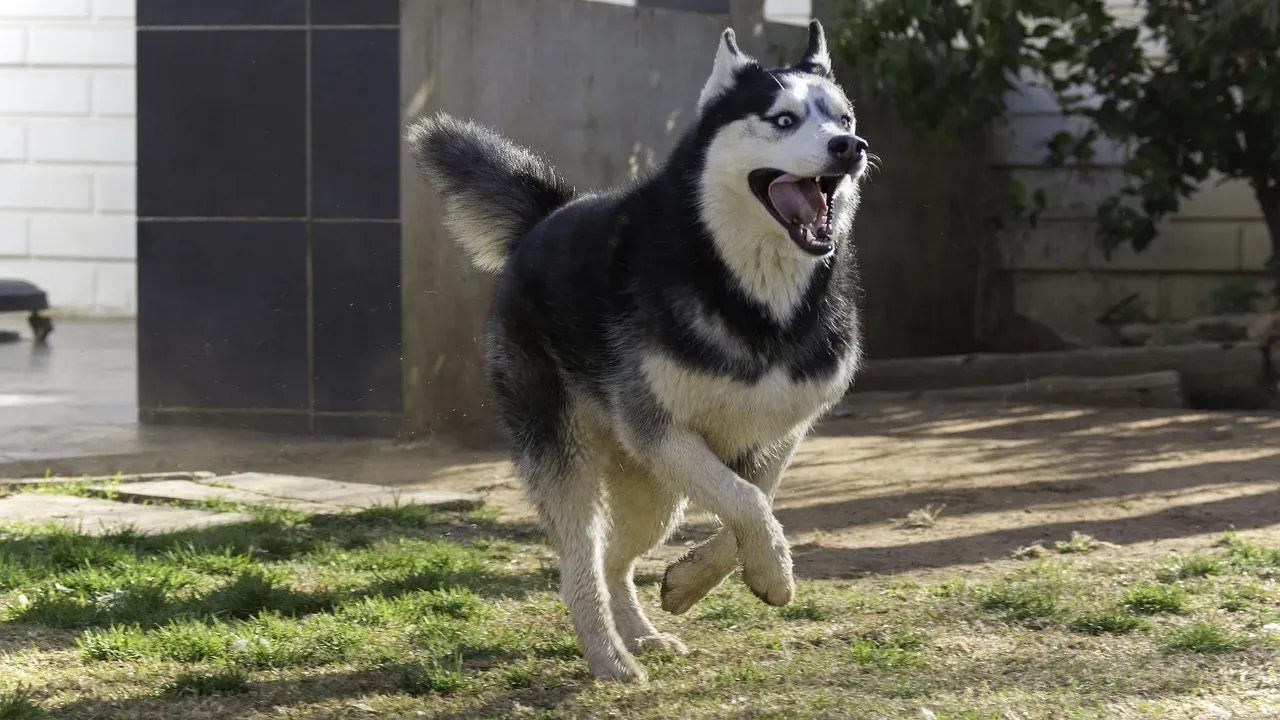
The Siberian Husky is considered one of the breeds still closely related to wolves. One of the wolf-like instincts they’ve retained is to quickly decide whether a certain food is good to eat or not. Many Husky owners run into the issue of their dog immediately turning away from a new food or ingredient, and even after finding a great food option, they can eventually decide they don’t want to eat that either.
Siberian Huskies were bred to be working dogs in harsh conditions where food was hard to come by. Their bodies are more efficient at burning calories and using nutrients, and therefore they are used to eating less than other breeds of dogs. Huskies seem to do best when the protein base of their food is rotated every three months, following the changing of the seasons, so if your Husky loved chicken-based food but now won’t eat it, try switching the main protein to salmon, duck, or turkey. It’s practically a lifestyle with these dogs.
7. German Shepherd: The Protein Purist
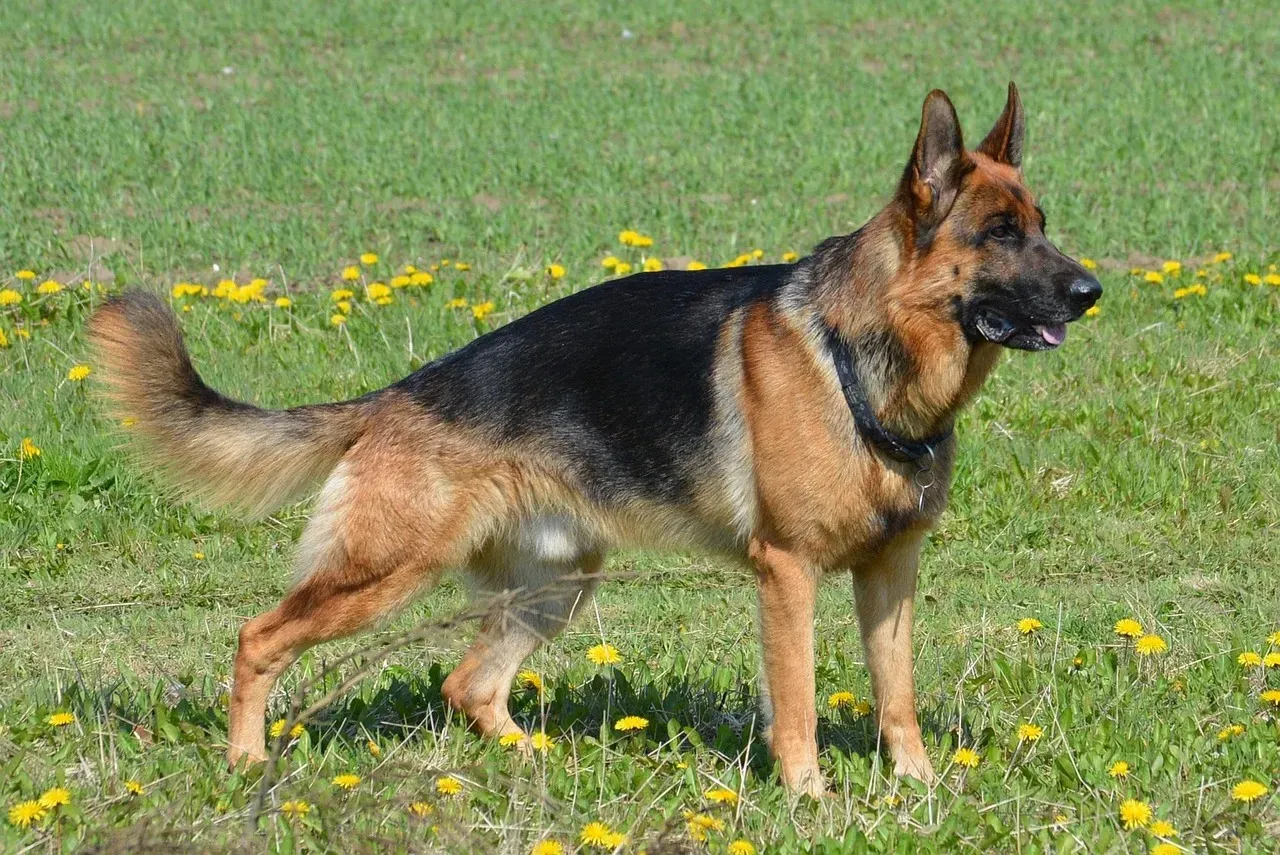
It might surprise you to see the mighty German Shepherd on this list. These are powerful, athletic dogs, and yet food? Sometimes not their priority. It’s hard to imagine a large, athletic breed like German Shepherds picking at their food. However, their dietary needs require them to have more protein and animal fat than other breeds, and if their food doesn’t have the correct balance of these, it is likely they won’t be enthusiastic about it.
Some large breed dogs can also be selective about what they eat, and German Shepherds come to mind as a non-food motivated large breed. Think of it like a serious athlete who refuses to eat junk food before a big training session. The GSD knows what it needs. Make sure the protein content is high and the formula is nutrient-dense. That’s your key with this breed.
8. Poodle: Intelligent, Elegant, and Easily Bored by Food
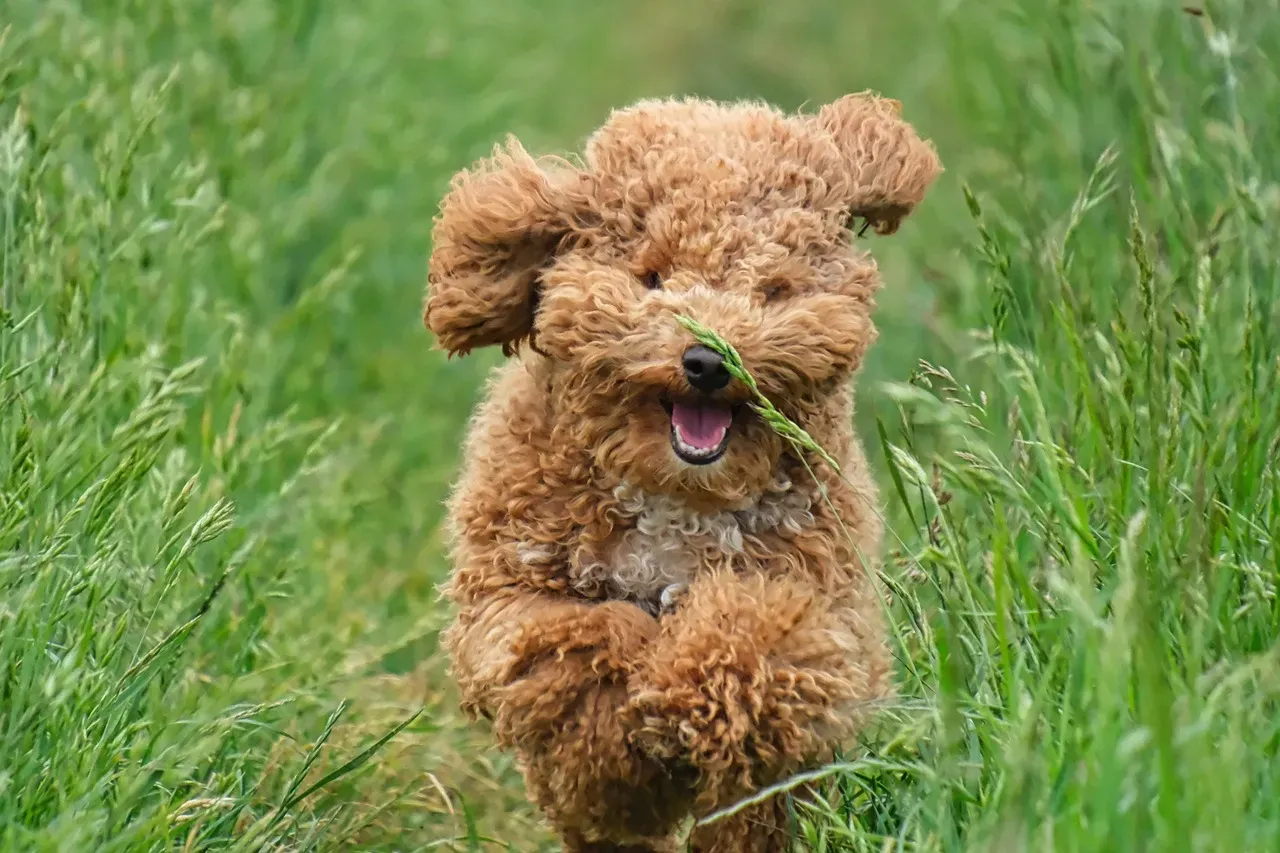
Poodles, known for their intelligence and elegant demeanor, can also exhibit picky eating behaviors. This breed often prefers variety in their diet and may lose interest in their food if it becomes monotonous. Poodles can also be sensitive to the texture and taste of their meals, showing a preference for certain types of food over others. You could think of a Poodle as the dog equivalent of someone who gets bored eating the same lunch every day.
Their discerning nature may require owners to rotate between different high-quality food brands or incorporate fresh, whole-food ingredients to keep their Poodle interested and ensure a balanced diet. That said, be careful not to rotate so often that you create a food-holding-out habit. There’s a fine line between keeping things interesting and training your dog to be a diva. Poodles are actually among the breeds more prone to picky eating by nature.
9. French Bulldog: Flat-Faced and Food Complicated
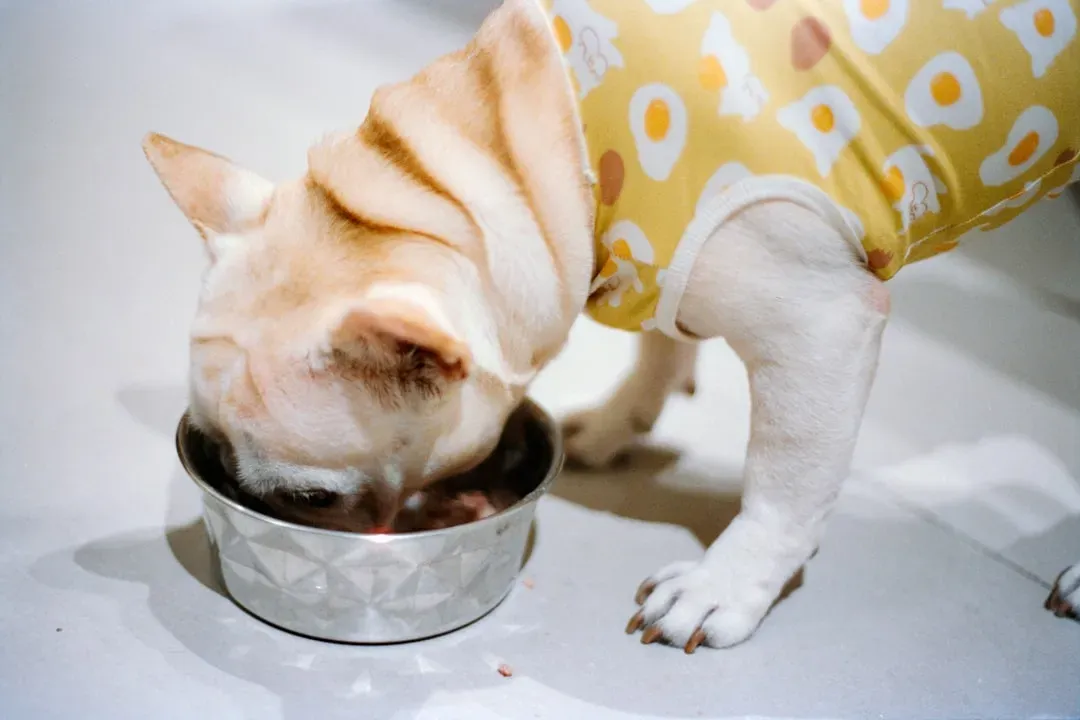
French Bulldogs are one of the most beloved breeds in the world right now, and their relationship with food is… layered. As a result of their brachycephalic condition, meaning their short snouts, they may find it hard to chew certain foods and thus become more selective in what they eat. It’s not just pickiness. It can also be a physical challenge.
French Bulldogs are among the breeds that may be more prone to picky eating. Watch for signs like gagging, gulping air, or pushing food around the bowl. These can all point to discomfort during eating rather than true fussiness. Providing small, easily digestible portions that your French Bulldog can chew and enjoy without any trouble is often the most effective and compassionate approach.
—
Now for the Fun Part: 5 Breeds That Will Eat Absolutely Anything

Let’s be real. After nine picky eaters, it feels almost therapeutic to talk about dogs who approach every meal like it might be their last. These five breeds are the polar opposite of fussy. They are enthusiastic, shameless, and utterly committed to eating whatever lands in front of them.
These dogs make training incredibly easy. Food motivation is a dog owner’s secret weapon, and when a dog truly loves to eat, training becomes ten times easier. Honestly, that’s a pretty great trade-off for having to keep the trash can locked.
The Labrador Retriever: The Legend of the Empty Bowl

Labradors are famously food-driven and will eat almost anything they can get their paws on. This isn’t just about behavior, as some Labs have a gene mutation that makes them feel hungrier and more focused on finding food. This is not just a personality quirk. It’s biology. A real, documented genetic mutation that essentially tells their brain they’re always hungry.
Labradors will eat until they fall ill, unlike Huskies who stop when they are full. Portion control is everything with this breed. Use a slow-feeder bowl and never free-feed a Labrador. Their enthusiasm is endearing but their waistline depends on your discipline.
The Beagle: Nose First, Questions Never
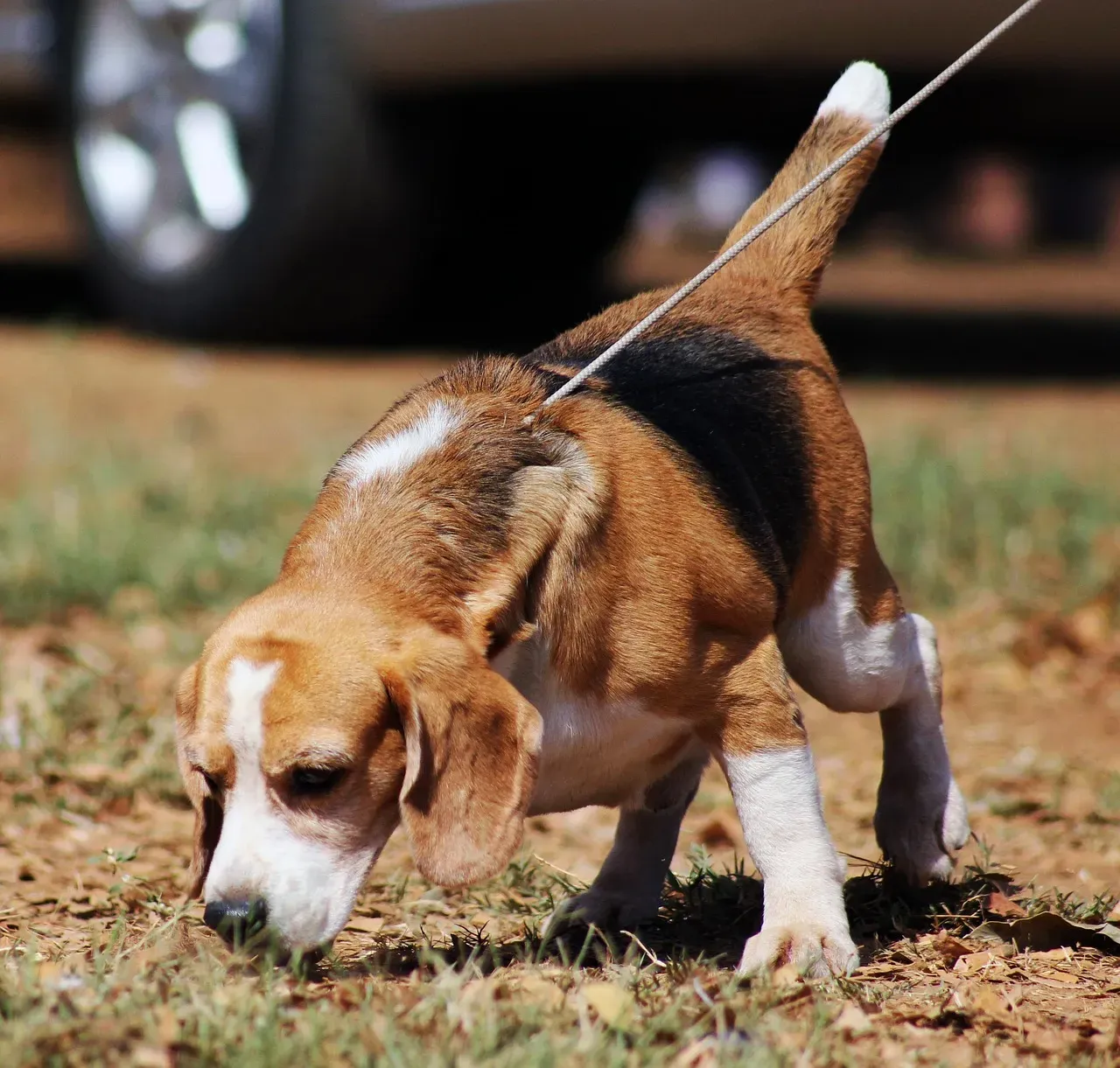
Beagles, with their powerful sense of smell, are driven to sniff out and consume food, making them one of the most food-obsessed breeds. This food motivation is great for training, but it can lead to overeating. Think of a Beagle as a tiny vacuum cleaner with floppy ears and a happy tail.
Beagles are natural scavengers and will often go to great lengths to find food, including raiding trash cans and countertops. Their keen sense of smell means they can sniff out food from a significant distance, making them particularly adept at finding hidden snacks. Baby-proof your kitchen. That’s advice for Beagle owners, not new parents. Beagles have been known to steal food if given the opportunity, so structured feeding times and puzzle feeders are excellent tools to keep them satisfied and safe.
The Golden Retriever: Forever Optimistic About Food

Golden Retrievers are one of the most popular dog breeds, known for their friendly and gentle nature. They are also known for their love of food and tendency to eat anything they can find. Golden Retrievers are highly food-motivated and often use their intelligence to figure out how to access food, whether it’s opening doors or cupboards.
Golden Retrievers are not just friendly and loyal; they’re also enthusiastic eaters who enjoy every bite of their meals. Like Labs, Goldens can be prone to obesity, so monitoring their food intake is necessary. Their food motivation makes them some of the best dogs to train. Use that to your full advantage, just keep portions measured and treats intentional.
The Pug: Small Dog, Enormous Appetite

Pugs are small dogs with big personalities and an even bigger appetite. This breed is known for its love of food and tendency to eat anything they can find. Pugs are highly food-motivated and can be quite persistent when getting what they want. They are not picky eaters and will consume food and non-food items, sometimes to their detriment.
Pugs are prone to obesity and other health issues related to overeating, so owners need to monitor their diet and ensure they are getting proper nutrition. Their flat faces also mean they swallow a lot of air while eating, which can cause gas and bloating. Elevated slow feeders can help reduce this significantly. Same love, less chaos.
The Boxer: Fast Eater, Zero Judgment

Boxers are energetic and playful dogs known for their strong build and expressive faces. They are also known for their voracious appetites and willingness to eat just about anything. Boxers are highly food-motivated and can be quite persistent when getting what they want. They are not picky eaters and will often consume food quickly, sometimes without chewing properly.
For fast eaters like Boxers, a slow-feeder bowl is a smart way to reduce the risk of bloating and gastric dilatation-volvulus, and it’s worth noting that raised bowls can actually increase that risk. Keeping their weight in check and maintaining a consistent feeding schedule will go a long way in supporting their long-term health. Boxers live for mealtime. Return the favor by making mealtimes safe and structured.
—
A Final Word: What to Do When Your Dog Won’t Eat
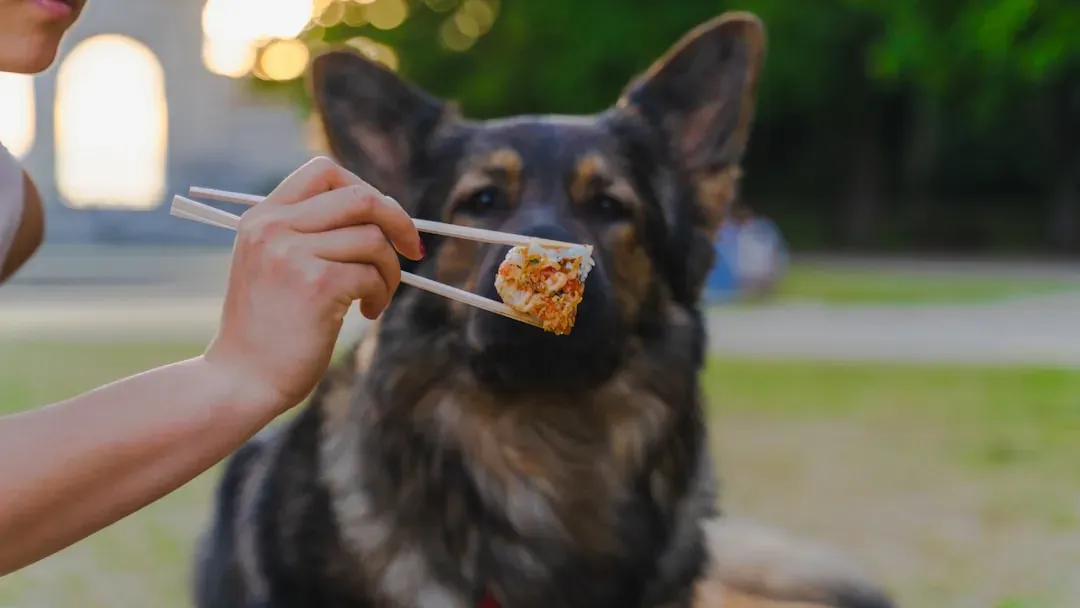
Whether you have a finicky Shih Tzu or a food-gobbling Labrador, the most important thing is always staying alert to changes. If your dog loved all his meals and ate without issue before but then suddenly becomes pickier, this may be a sign of an underlying health issue. It is time for a vet visit, especially if other symptoms like recent weight loss, vomiting, or diarrhea are also present.
To avoid picky eating behavior, creating a consistent feeding routine is key. Set and stick to a mealtime schedule, leave food out for no longer than 15 to 20 minutes, and if your dog doesn’t eat, take the bowls away without offering more food until the next scheduled mealtime. Consistency truly is everything. It works the same way it does with kids. Structure creates security.
At the end of the day, whether your dog is a diva at the dinner bowl or a four-legged garbage disposal, they deserve care that is thoughtful, patient, and grounded in understanding. Picky eating might be a characteristic of certain breeds, but patience and understanding are still essential. Your dog’s refusal to eat might be due to medical problems, food preferences, or simply the nature of their breed.
So the next time your dog sniffs the bowl and walks away, take a breath. You now have the knowledge to respond wisely, not just emotionally. Does your dog fall into the picky camp or the eat-anything category? Drop a comment and tell us about your mealtime adventures!


