
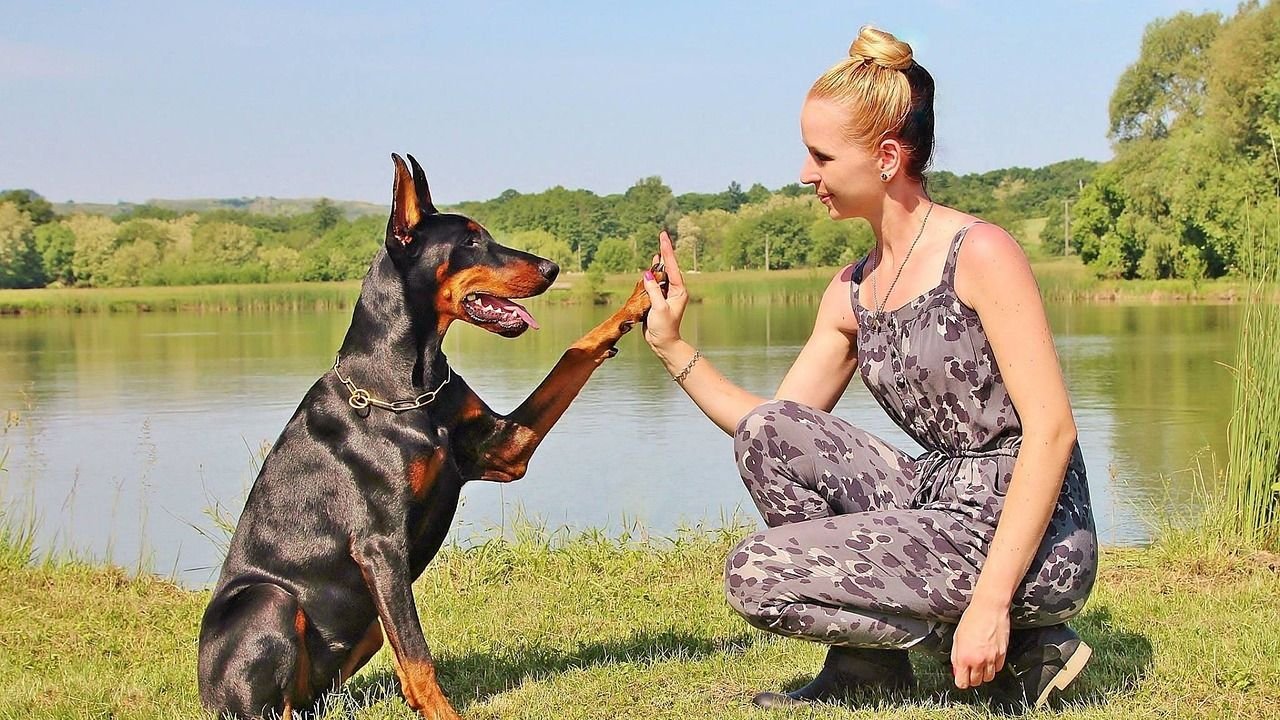
You probably think you already know which dogs are the tough guys and which ones are the snugglers. A big, blocky Rottweiler by the door. A Golden Retriever collapsed on your sofa. Simple, right? Well, here’s the thing – the dog world loves to surprise you. Some of the most effective guardians look nothing like the stereotype. Others would rather melt into your lap than so much as growl at a stranger.
Whether you’re thinking about adding a new dog to your family or you’re just wildly curious about the canine world (same, honestly), this breakdown is going to change how you see some very familiar breeds. From ancient Japanese warriors to fluffy couch potatoes with a bark that could stop a truck, there’s something in here for every dog lover. Let’s dive in.
1. The Akita: Japan’s Quiet, Unshakeable Sentinel
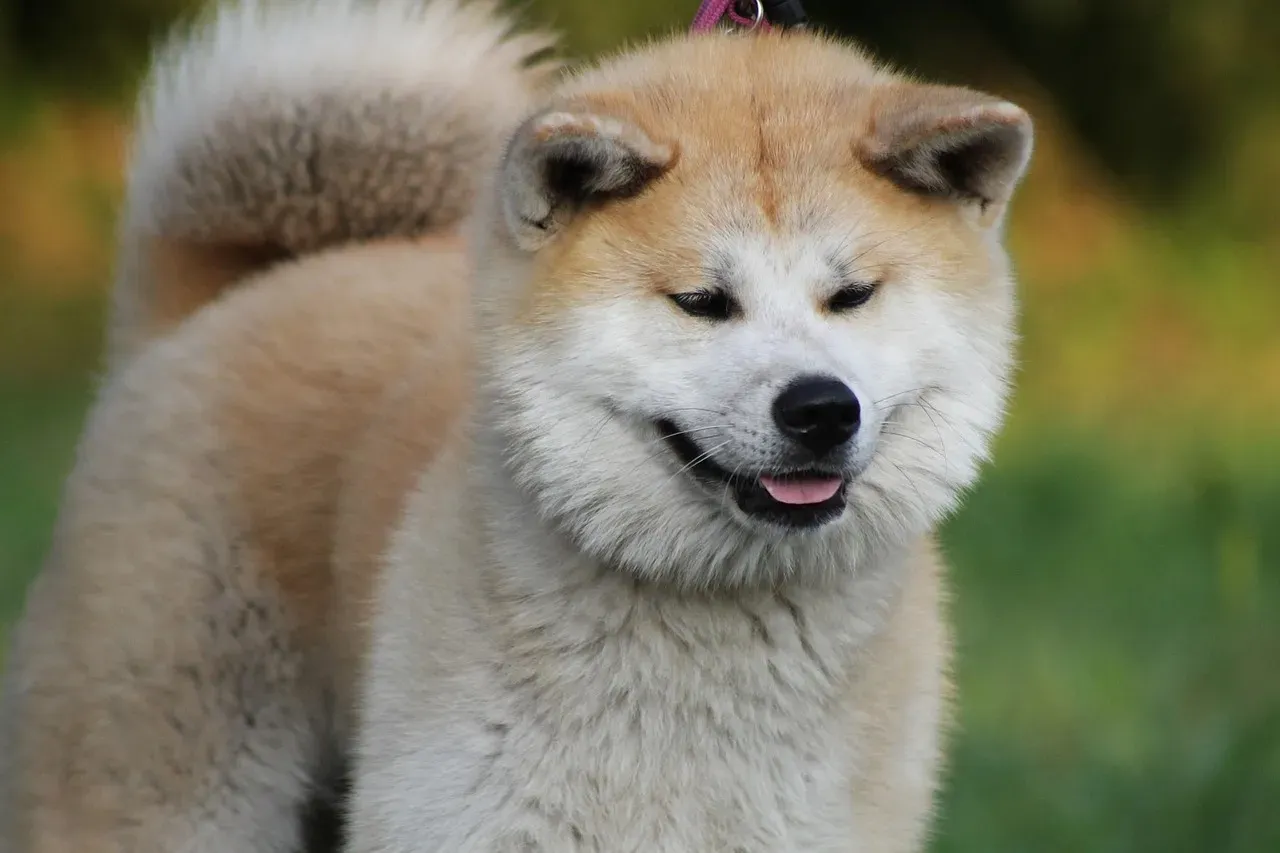
If you want a dog that guards without being flashy about it, the Akita is your match. Akitas do not bark unless there is a good reason – and when an Akita is barking, you should pay attention. That alone tells you everything. This is not a dog that cries wolf.
Akitas are natural guardians of the home and do not require any training to turn them into guard dogs. Think about that for a second. The instinct is already baked in. Known in Japan as a symbol of courage and devotion, the Akita was originally bred to guard nobility and hunt large game, so it’s no surprise that they have nerves of steel.
The Akita is loyal and affectionate toward his family and friends, but quite territorial about his home and aloof with strangers. That reserved quality isn’t coldness – it’s discernment. Early socialization and firm, positive training are essential to raise a well-rounded Akita.
2. The Cane Corso: The Bodyguard of the Dog World
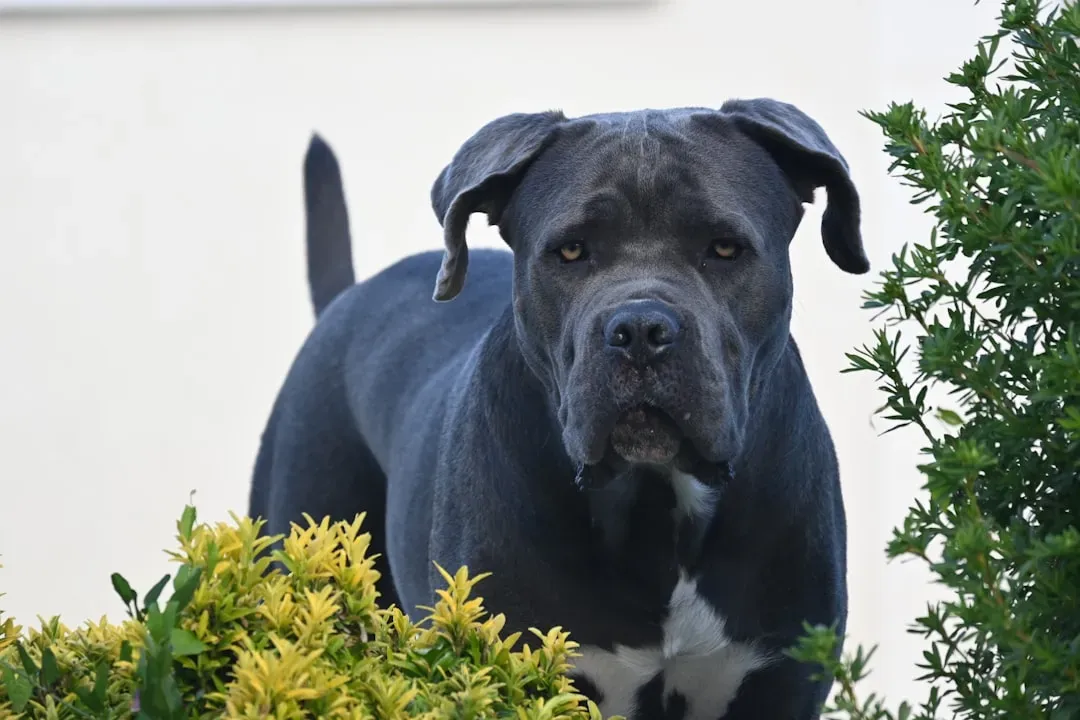
The Cane Corso is a breed of mastiff descended from Molossian war dogs of ancient Rome, and its name roughly translates from the Latin as “bodyguard dog.” That’s not marketing – that’s a thousand years of history talking. Few breeds have a resume quite like that.
This muscular Italian mastiff breed is a natural guard dog, and with its intimidating presence and calm demeanor, the Cane Corso bonds closely with its family. What surprises most people is how deeply affectionate these dogs are at home. When around their loved ones, Cane Corsos turn into affectionate dogs, becoming such gentle giants who bond closely with their people and don’t hold back from showing their loving side.
Their instinct to take charge can be an issue for pet parents who haven’t invested in training, so these dogs must be socialized and trained with positive reinforcement starting at a very young age. Experienced ownership matters a lot here. Respect the breed, and it will reward you tenfold.
3. The Rottweiler: A Gentle Giant Who Doesn’t Miss a Thing
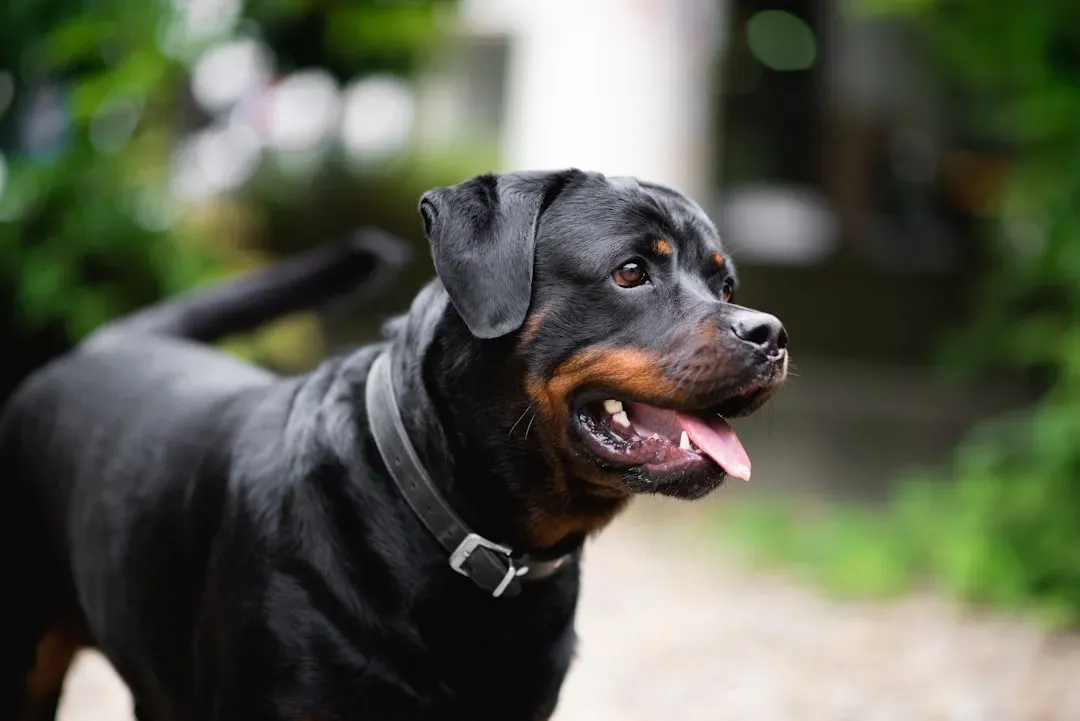
Rottweilers have a reputation that often precedes them unfairly. Honestly, I think they’re one of the most misunderstood breeds out there. Rottweilers are natural guard dogs, extremely affectionate with family but reserved with strangers. That combination is actually incredibly valuable in a family protection dog.
Rotties are sharp enough to detect potential threats and dangers at home, and they are perfect playmates and gentle protectors that are easy to train with positive reinforcement. Imagine a friend who’s funny and warm at home but would walk through fire for you the moment something felt wrong. That’s a Rottweiler.
Rottweilers were among the early breeds used as guide dogs for the blind and have also assisted in search-and-rescue efforts, including recovery work after major disasters such as the World Trade Center attacks. Their depth of service to humans goes far beyond guarding. Proper training and early socialization are still critical, especially given their size and strength.
4. The German Shepherd: The Gold Standard of Guarding
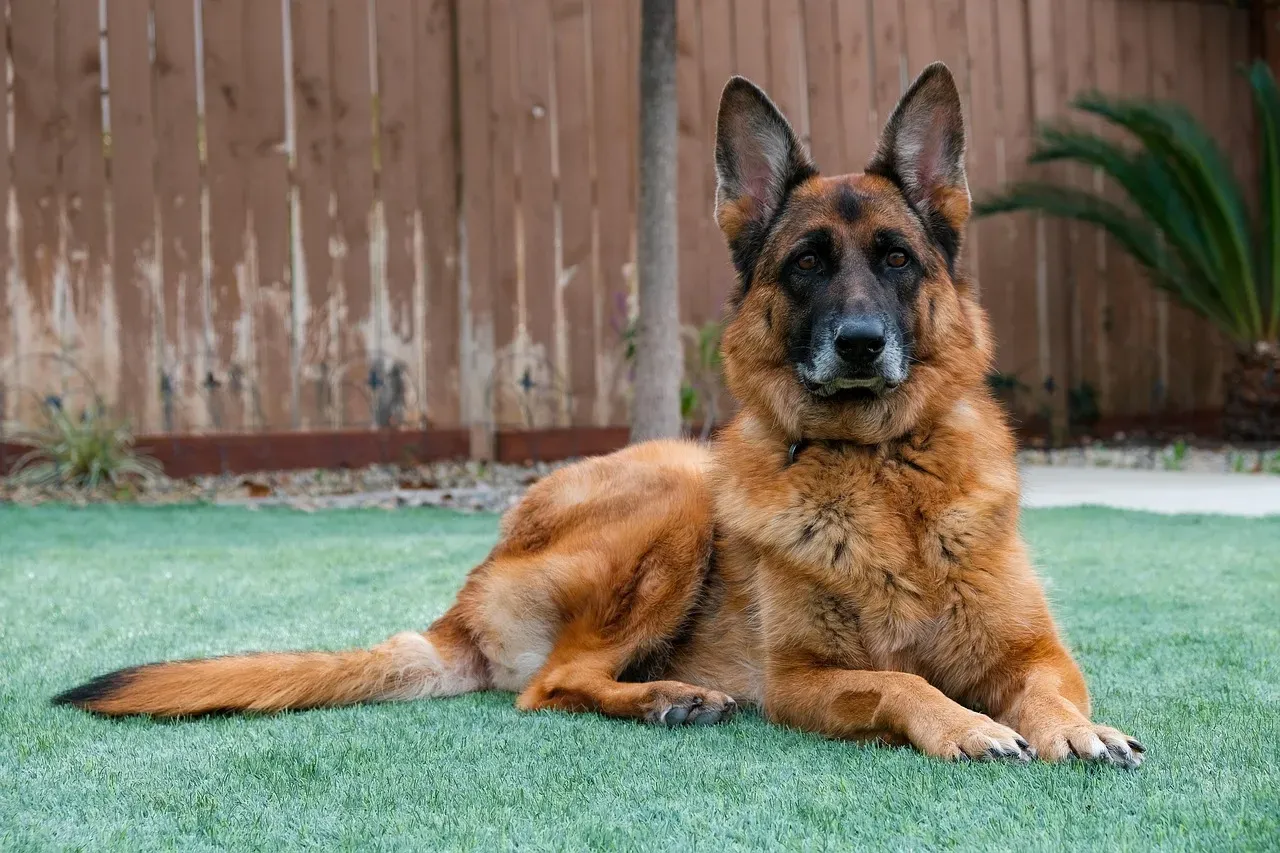
German Shepherds are one of the most popular guard dog breeds worldwide, known for their intelligence and courage, and they are highly trainable and excel in security and police work. You’ve seen them in airports, on police K9 units, in military films – and for very good reason.
German Shepherds tend to form especially strong bonds with one primary handler, though they remain loyal and devoted to the entire household. That loyalty is something you feel as an owner. These dogs are highly active and typically require at least one to two hours of physical activity combined with mental stimulation daily to prevent boredom and destructive behavior.
They are naturally protective and can be reserved or aloof with strangers, which makes early socialization essential. Don’t skip socialization with this breed. It’s the difference between a sharp, confident dog and an anxious, reactive one. Get it right from puppyhood and you’ll have one of the finest companions imaginable.
5. The Doberman Pinscher: Sleek, Smart, and Seriously Loyal
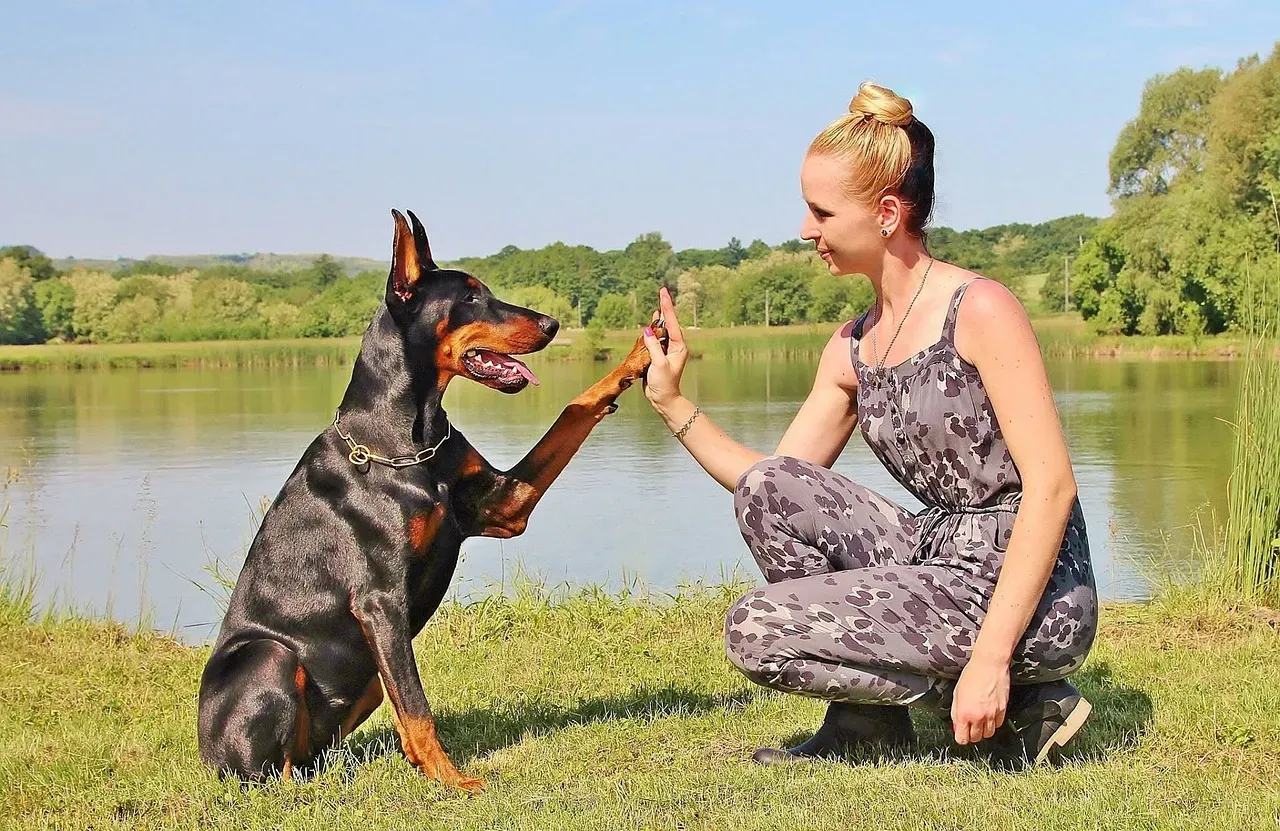
Let’s be real – few dogs look as effortlessly intimidating as a Doberman. Dobermans are sleek, powerful, and fearless, and they’re among the smartest breeds, making them an active guard dog when given the right training. They were literally designed for the job.
The Doberman Pinscher was bred as a guard dog by Louis Dobermann, so they have innate protective instincts. That history shows. At the War Dog Cemetery at the U.S. Naval Base in Guam, a bronze statue honors the Dobermans who served during World War II, inscribed with the words “Always Faithful.” That inscription is everything.
Dobermans are loving and gentle toward their families and love playtime. Many people are shocked by just how cuddly and goofy they can be at home. Because they are highly energetic and intelligent, Dobermans require daily physical exercise and mental stimulation – they’re not a breed for a sedentary household.
6. The Bullmastiff: The Silent Protector With a Velvet Heart
Original: de.wikipedia.org 15:32, 2007-03-20 . . 2.149×1.612 (2 MB) . . Corpusdigitalis, CC BY-SA 2.0 de)
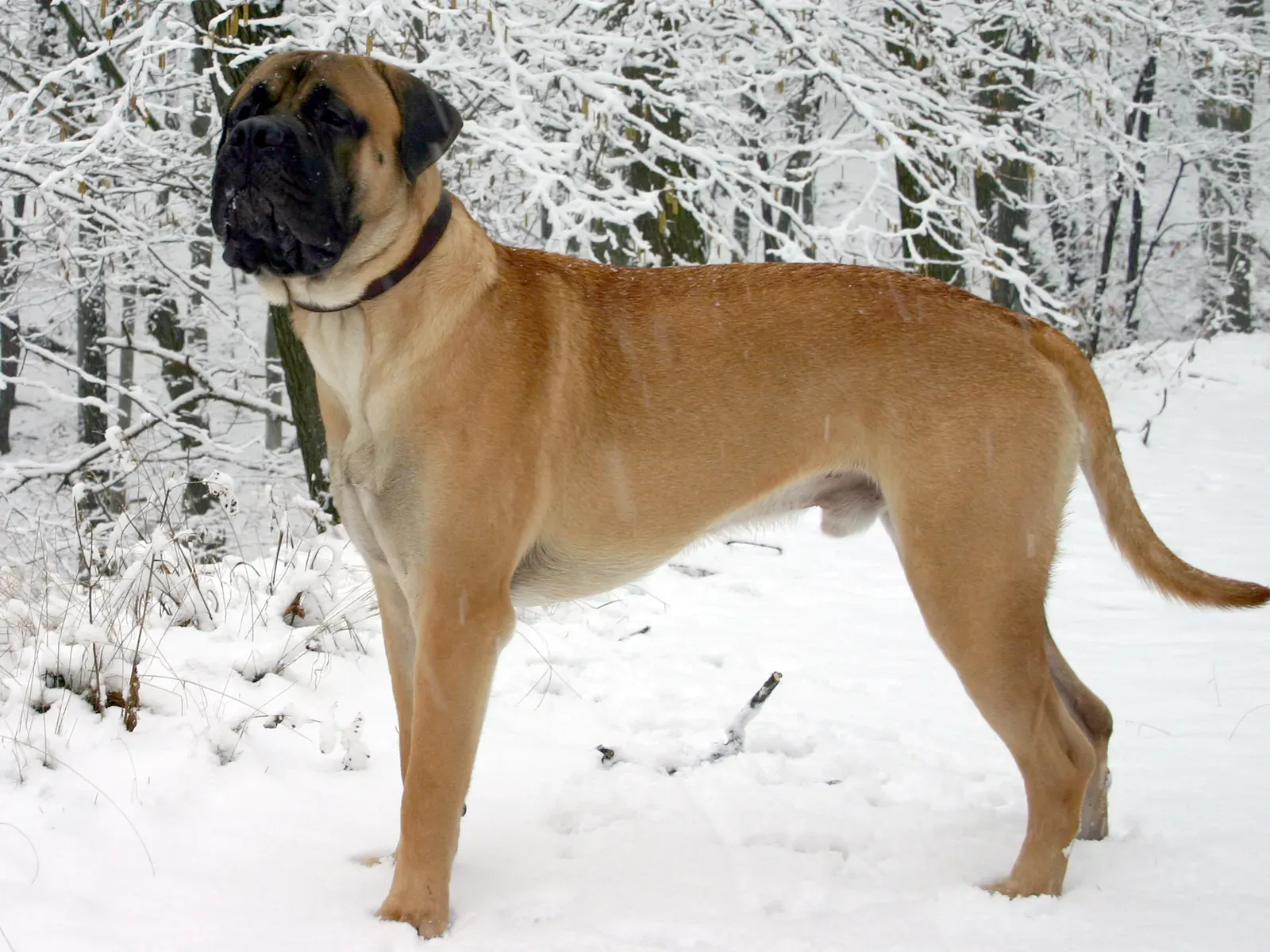
Bullmastiffs are known for their intense protection instincts, physical strength, and unending family loyalty, and these dogs will love your family, other pets, and small children. It’s hard to imagine that combination in one dog, but the Bullmastiff absolutely delivers.
Unlike some breeds, they don’t bark unnecessarily, but when danger arises, they spring into action. This quiet confidence is a hallmark of the breed. Despite their size, Bullmastiffs are gentle, affectionate, and patient with children, and they love being part of family life, surprisingly adaptable to both large homes and apartments.
Think of the Bullmastiff as the strong, silent type – the kind of protector who never needs to raise their voice to be taken seriously. Regular veterinary checkups matter a lot with this breed, as their large frame can predispose them to joint issues and heart conditions over time.
7. The Giant Schnauzer: The Unsung Guardian You Didn’t See Coming
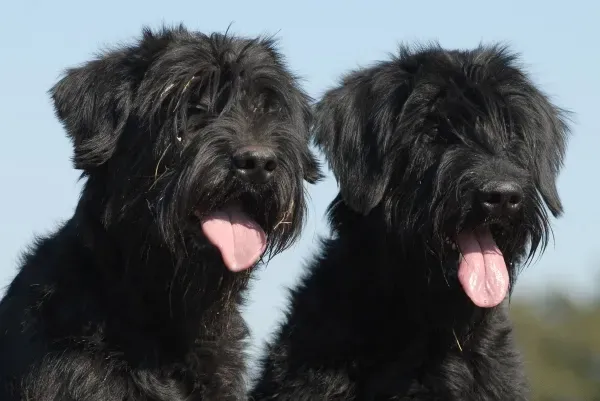
Most people picture a stylishly groomed show dog when they think of Schnauzers. The Giant Schnauzer is a different beast entirely. Giant Schnauzers are energetic, strong-willed, and among the best guard dog breeds for experienced owners. They demand respect and consistent leadership.
They are extremely intelligent, powerful, and fiercely loyal dogs that need plenty of physical exercise and mental stimulation, so they’re best suited for a home with a large backyard or families who love going to the dog park. Idle Giant Schnauzers are mischievous Giant Schnauzers – keep that in mind.
These loving dogs are gentle enough for small children, but fierce enough that intruders will be warned off at first sight, and they will protect you at all costs, making them a perfect family guard dog. That contrast is what makes them so remarkable. Experienced dog owners who put in the work will find a fiercely devoted companion.
8. The Boxer: The Playful Protector Nobody Expects
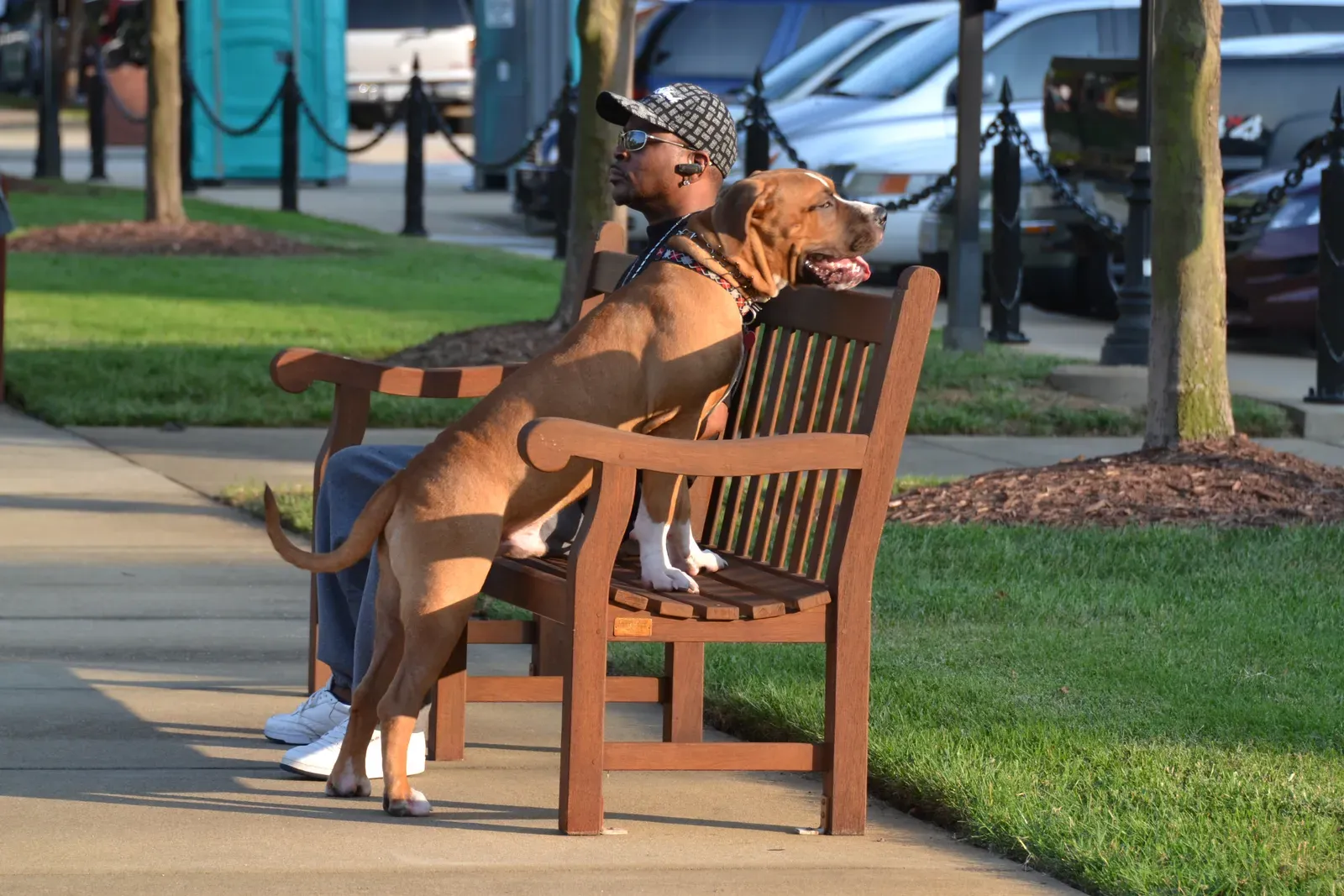
Here’s one that genuinely surprises people. Boxers may not look like the typical guard dogs at first glance, but their protective instincts are remarkable, and they are known for their playful, clown-like personalities while also being incredibly alert and loyal. They’re like that friend who’s always cracking jokes but would have your back in any situation.
They are natural guardians of children, often nicknamed the “babysitter dogs,” and their combination of playfulness, affection, and protectiveness makes them a wonderful family pet that doubles as a reliable guard dog. The nickname alone tells you how safe families feel with them around.
Though a guard dog by nature, Boxers need and thrive on human companionship, and they are dignified and confident while also being playful and affectionate with their people. Socialization with other same-sex dogs is important to start early. Their boundless energy means daily exercise isn’t optional – it’s essential.
9. The Staffordshire Bull Terrier: Small Frame, Fierce Heart
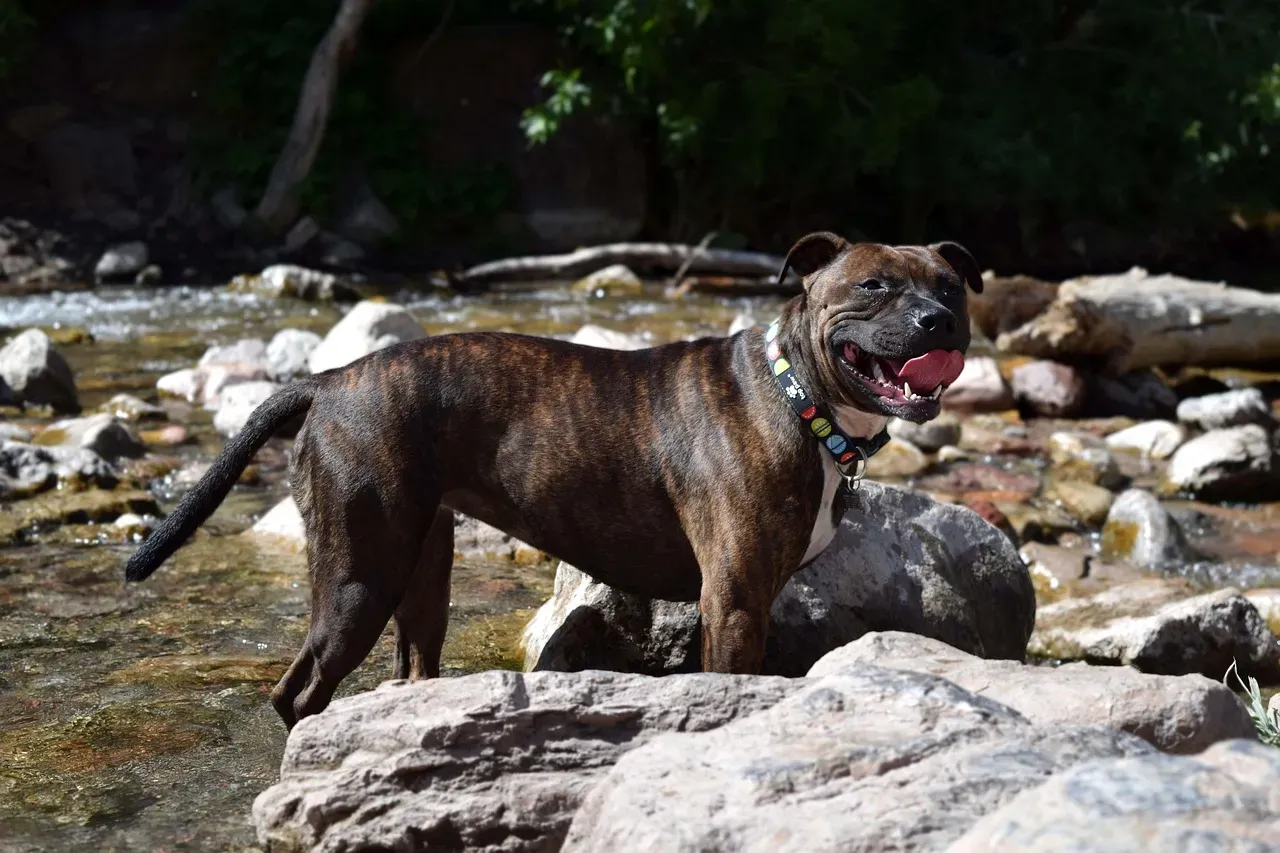
Don’t let the compact build fool you for a second. Though small compared to some more popular guard dog breeds, the Staffordshire Bull Terrier is courageous, loyal, and incredibly people-friendly, and this dog’s natural protective instincts make it a good fit for families with small children. Size really is just a number.
Early training and socialization help balance its energy and ensure it fits into family life. These dogs thrive on structure and love. American Staffordshire Terriers are known for their courage and strength, but they’re also calm, loving companions – sometimes called “nanny dogs” – and are usually great with kids, though interactions with young children should still be supervised.
It’s hard to say for sure which quality defines them more – the tenacity or the tenderness. Most Staffy owners will tell you it’s both, in equal measure. If you give this breed clear boundaries and loads of affection, you’ll have a dog that would walk through walls for you.
10. The Golden Retriever: The World’s Friendliest Dog (Too Friendly to Guard)
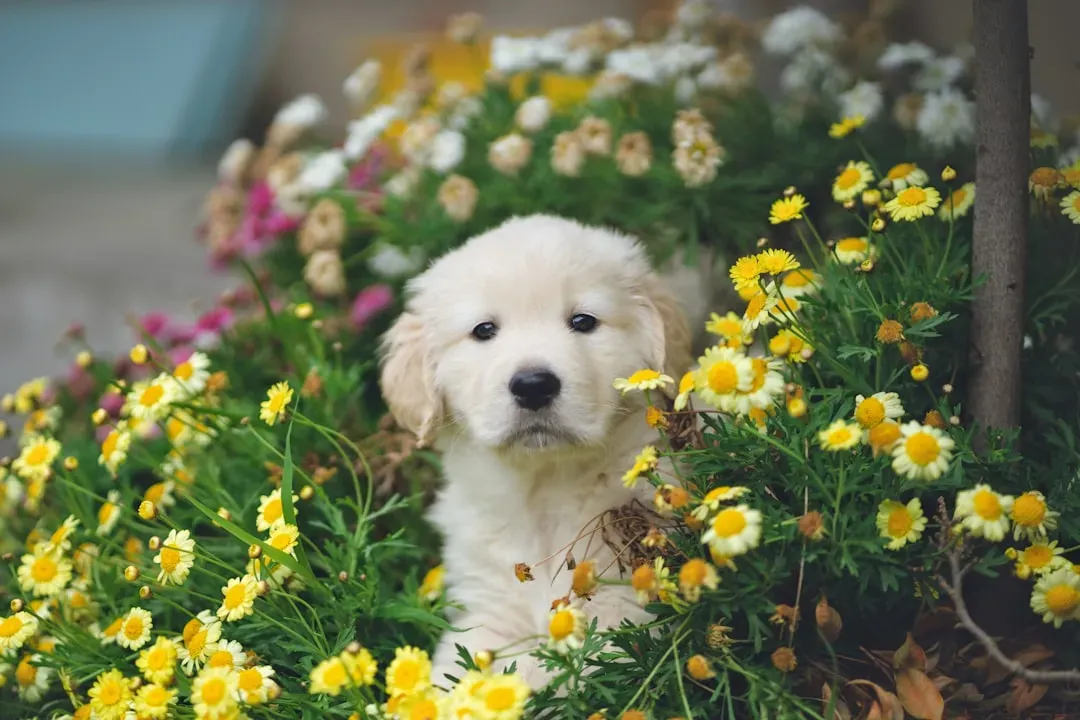
Now we shift gears. The Golden Retriever, the most popular dog breed in the USA for more than 20 years, loves to share affection with their family and is loyal, friendly, and good-natured, making them excellent pets for children and active families. There is a reason for that enduring popularity.
If you’re looking for a top guard dog breed, look elsewhere – the Golden Retriever is going to be the worst watchdog you ever had. That’s not an insult. It’s a badge of honor for a breed built entirely for love. They’ll greet a burglar the same way they greet you after a five-minute grocery run.
Goldens are friendly with most people after only a short time, do great with kids, get along with other animals, and are so easy to work with that they are one of the few breeds selected as guide dogs, search-and-rescue dogs, and therapy dogs. They are, without question, born to comfort rather than guard.
11. The Cavalier King Charles Spaniel: Born to Be Loved
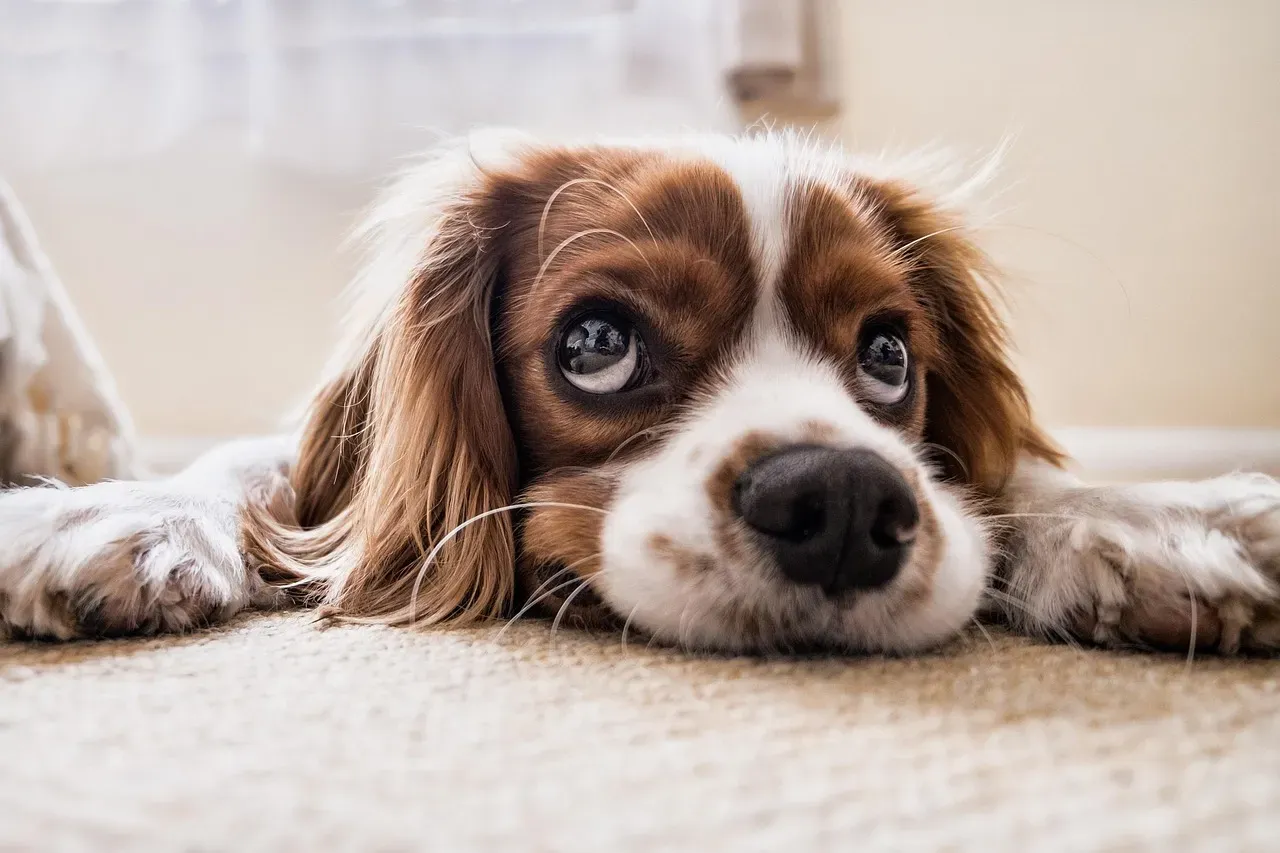
If there was ever a breed that existed purely to adore you, it’s the Cavalier. Cavaliers are among the most cuddly dog breeds, thriving in all types of company, and they’re equally content romping around with children or curling up in the lap of a senior. They truly do not discriminate when it comes to affection.
Cavaliers were bred to be house pets for royal kids in Great Britain, and over the years they have retained traits like sociability, gentleness, affection, and patience. Centuries of breeding for companionship have produced something genuinely special. The Cavalier King Charles Spaniel is a very sociable, adaptable, and willing-to-please breed, known for their cheerful nature.
Health monitoring is important with this breed. Cavaliers can be prone to heart conditions as they age, so regular vet visits – ideally including cardiac checks – are a loving act of care. Still, for sheer warmth and emotional presence, few breeds come close.
12. The Labrador Retriever: Everyone’s Best Friend
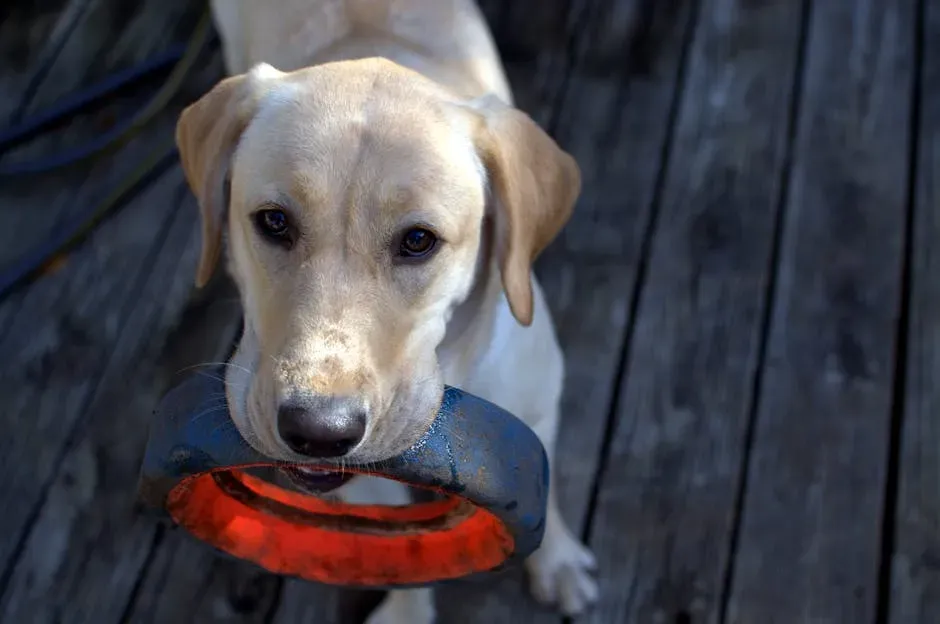
The Labrador is the dog equivalent of a warm hug. Labradors have gained a reputation as the world’s favorite dogs for a reason – they are one of the most affectionate dog breeds, especially suited for families with young kids and even seniors living alone. They seem to have an almost magical ability to read human emotion.
Labradors thrive on human companionship and love nothing more than spending time with their humans, and they are also easy to train, intelligent, and respond well to positive reinforcement training. That trainability is a gift, especially for first-time dog owners.
Labs gain weight easily, so keeping an eye on their diet and giving them daily exercise is crucial for their long-term health. They’re prone to hip dysplasia too, so joint supplements and regular vet checkups can make a real difference in their quality of life as they age. Love them well, and they’ll love you even harder.
13. The Newfoundland: The Gentle Giant of Snuggles
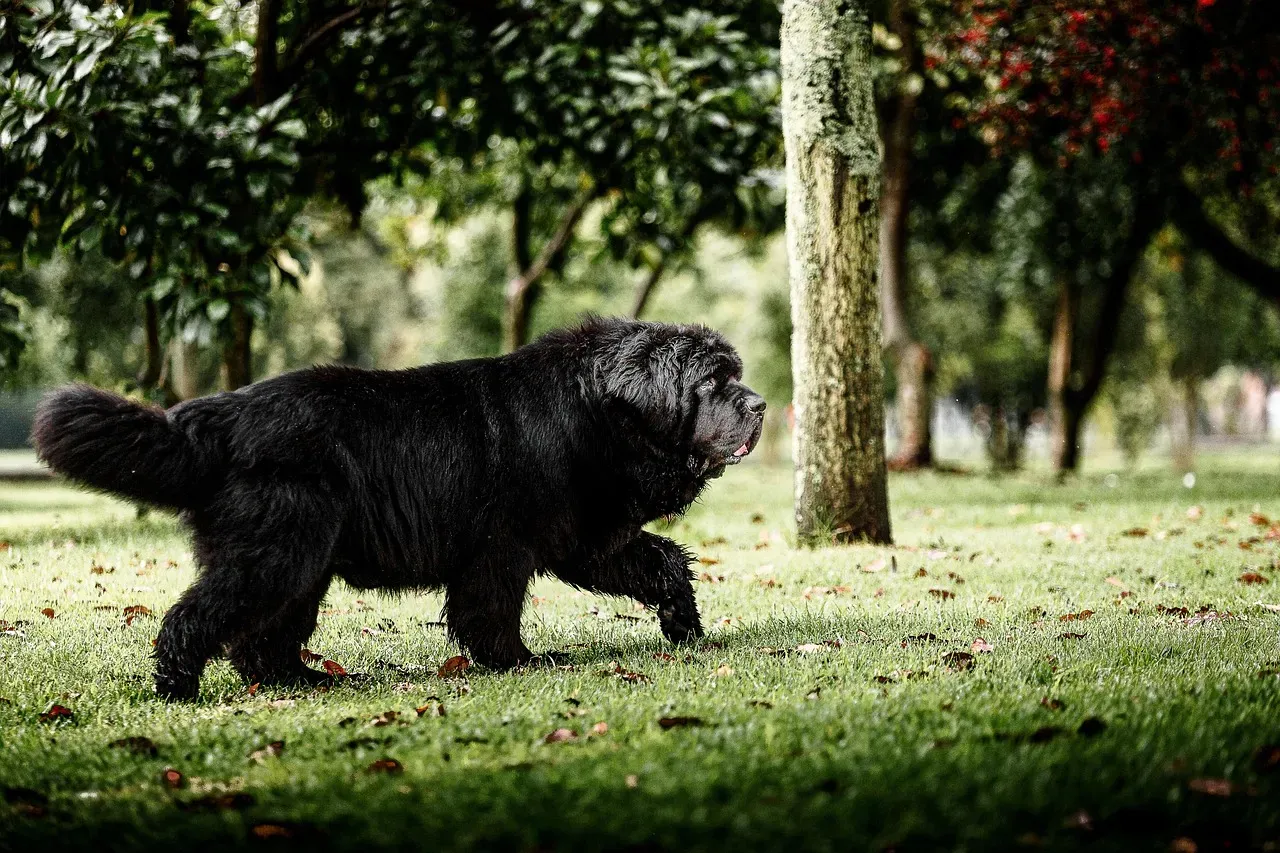
If you’ve ever met a Newfoundland, you already know. When it comes to big, cuddly dogs, the Newfoundland is one of the best breeds – huge and fluffy, this gentle giant loves attention and affection, and will often forget its own size as it tries to lie on your lap like it’s a toy breed. The image of a 150-pound dog trying to be a lapdog is both hilarious and completely accurate.
Newfoundlands are known for their affectionate nature and ability to get along with adults, children, and animals, and these dogs can become both great family pets and service dogs. Their gentleness is almost otherworldly. Protective of their owners, the Newfie loves children and is prone to anxiety if they become lonely or bored.
This is a breed that absolutely needs company and stimulation. They do best with families who are home often, and they need space – both physically and emotionally. Their thick double coat requires regular brushing to prevent matting, and their drool is legendary. You have been lovingly warned.
14. The French Bulldog: Tiny Teddy Bear, Zero Guard Instinct
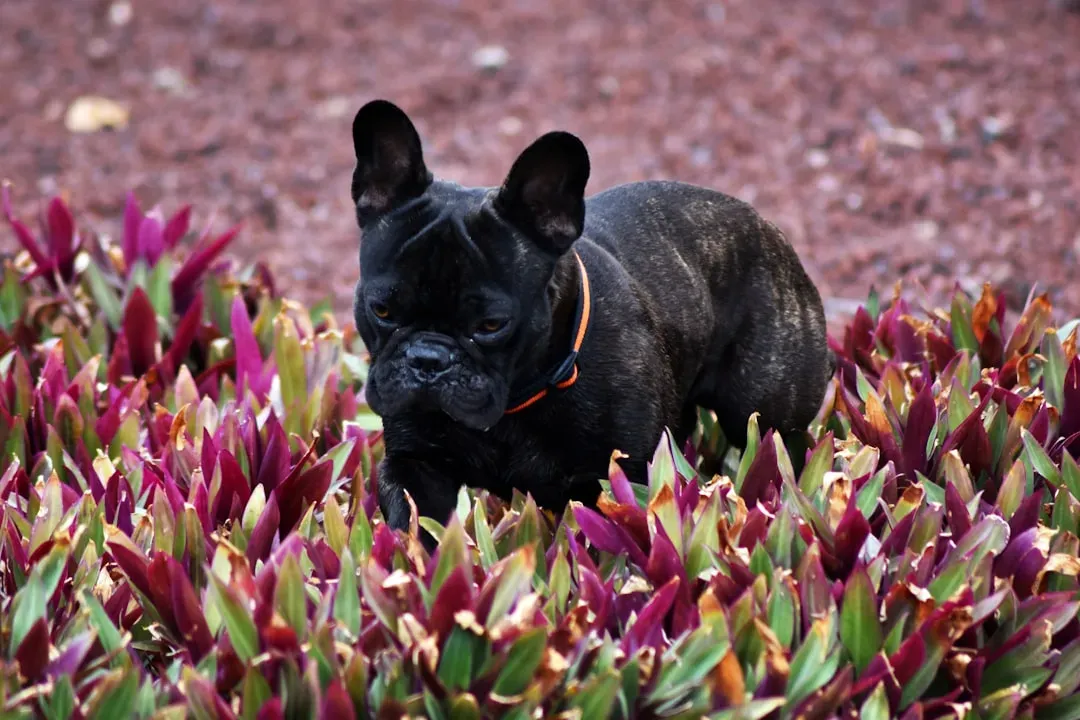
The Frenchie has skyrocketed in popularity, and it’s not hard to see why. French Bulldogs are an adaptable breed with an affectionate nature and even disposition, and are generally active, alert, and playful. They have a personality roughly twelve times the size of their body.
Frenchies are one of the most popular dog breeds these days, and they are solidly built and enjoy a good few rounds of fetch – only be careful not to overtax this breed in high temperatures, since a flat face can make breathing difficult. That brachycephalic (flat-faced) structure is something every Frenchie owner needs to understand and manage carefully.
Frenchies are companions through and through. They don’t want a job, they don’t want to patrol the perimeter – they want to be on the sofa with you watching whatever you’re watching. Keep their weight in check, avoid overheating, and schedule regular vet visits. A healthy Frenchie is one of the most joyful things on four legs.
15. The Pug: Comedy, Chaos, and Maximum Cuddles
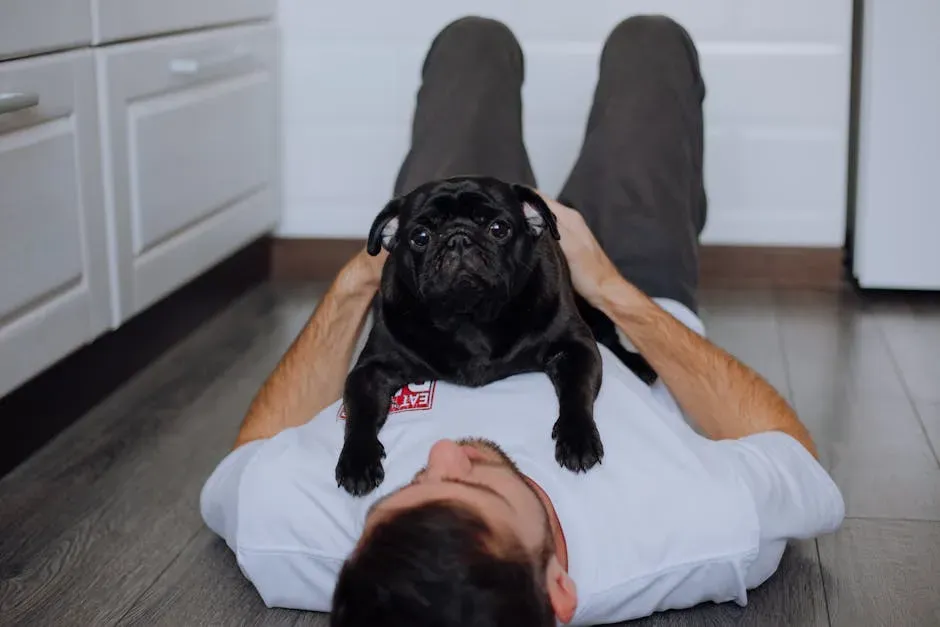
Calling a Pug a guard dog would be the greatest joke in canine history. Pugs are very friendly and are likely to behave properly around new people, they are adaptive and can be trained in various tasks, and along with their compact size and lovely personality, they do not bark a lot. Burglars would probably be welcomed with a wiggle and a snort.
Pugs are outgoing, mischievous dogs with very loving dispositions, equally happy to spend an afternoon playing with the kids as they are curling up on the sofa for a snore-filled snooze. That last bit is very important. Pugs snore. Loudly. Consider it a feature, not a bug.
Pugs need careful health management. Their flat faces mean they can struggle with heat and heavy exercise, so short, cool walks are better than long runs. Regular eye and skin fold cleaning is also essential. When you cuddle with your dog, a hormone called oxytocin – known as the “love hormone” – is produced in both bodies, associated with developing trust and a strong bond. And nobody optimizes that oxytocin loop quite like a Pug melting into your chest.
A Final Thought: Every Dog Is Its Own Universe
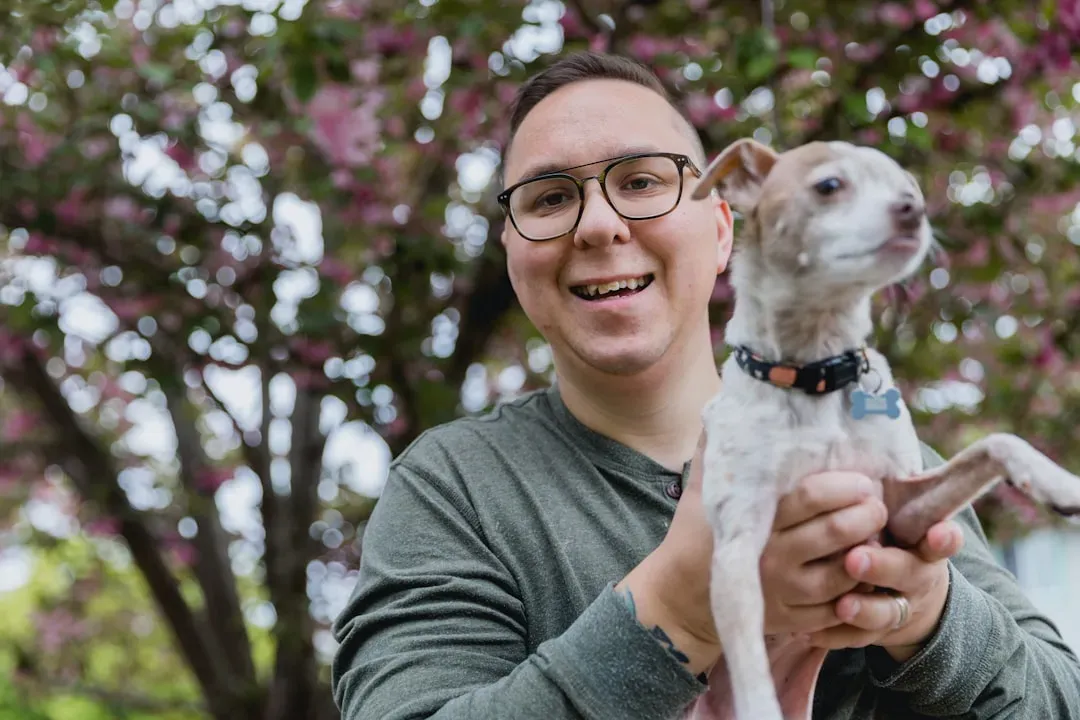
Here’s what I genuinely believe after everything we’ve explored: no dog is just one thing. The toughest guardian breeds have soft, tender hearts beneath the muscle. There is a common misconception that guard dogs are automatically aggressive – in reality, a well-bred and properly trained guard dog is controlled, disciplined, and able to distinguish between real threats and everyday situations. That distinction matters enormously.
The cuddlers may not patrol your property, but they guard your emotional health in ways that are just as real. Training, socialization, and proper care are essential to ensure dogs thrive as both guardians and family pets. No matter the breed, what your dog becomes is shaped heavily by how you raise and love them.
Whether you’re drawn to the dignified silence of an Akita or the absolute shamelessness of a Pug demanding a belly rub, there is a perfect dog out there for your life. Choose the one that matches your energy, your space, and your heart – and then commit to them fully. They will always, always give you more than you give them. So, which type of dog speaks to your soul – the loyal protector or the shameless cuddler? We’d love to know in the comments.


