
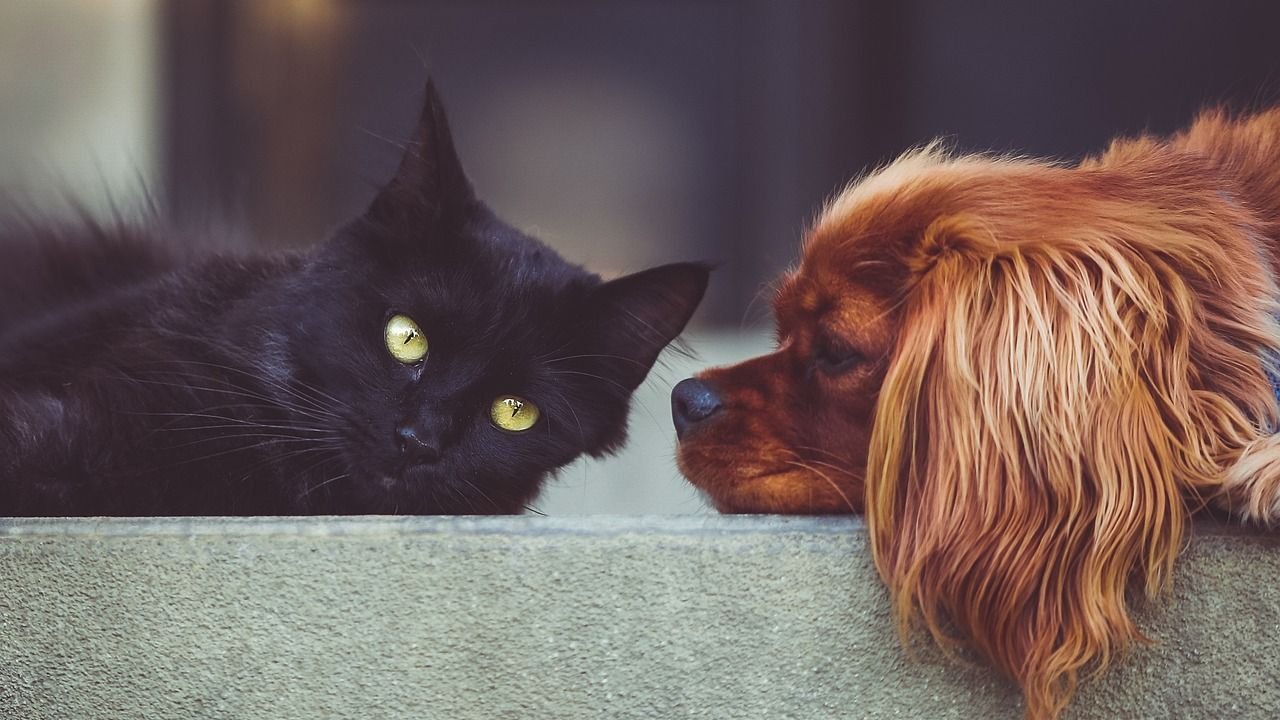
Imagine coming home to find your dog curled up beside your cat, both of them completely unbothered, sharing the same warm patch of sunlight on the floor. For many pet owners, that sounds like a fantasy. But here’s the thing – it doesn’t have to be. A multi-pet household can absolutely thrive, and the key often starts with the dog you choose to bring into that mix.
Not every dog is wired to chase, dominate, or intimidate smaller housemates. Dog breeds with a low prey drive have a generally tolerant, laid-back approach to other smaller animals, including household pets such as cats, rabbits, and guinea pigs. That natural calm can make all the difference between a peaceful home and a daily drama series. So if you’ve got a cat, a rabbit, a guinea pig, or even a bird already settled in, these nine breeds might just be your best match. Let’s dive in.
1. Golden Retriever: The Friendliest Flatmate You’ll Ever Find

Honestly, it’s hard to talk about dog breeds and sharing without starting here. Golden Retrievers are one of the best dogs for cats, and kind and empathetic, they accept cats readily as part of the family. That same warmth extends to just about every creature they meet, which is why they’re so beloved in mixed-pet homes.
Although originally bred and used as gun dogs, you are unlikely to meet a more gentle, loving, and even-tempered pooch. They are notoriously easy to train, have been widely used for search and rescue, and are frequent winners in obedience events. All of this and their low prey drive make them an ideal rabbit-friendly dog. Think of a Golden as the social butterfly of the dog world. They’re just happy everyone showed up to the party.
2. Labrador Retriever: The Easygoing Giant Next Door

The exuberant Labrador Retriever is a lover, not a fighter. They will happily welcome a cat into their circle of friends, and along with befriending your cat, the Lab is a gentle giant who will make an ideal companion for your children. That openness to connection is baked deeply into who Labs are as a breed.
Labrador Retrievers are renowned for their loyalty, patience, intelligence, and low prey drive. They were bred as reliable working dogs and loyal companions, and as such, they have a long history of being close to their owner’s side. They get along famously with children, strangers, other dogs, and of course, rabbits. If you have a house full of different animals, a Lab will likely treat all of them as teammates, not threats.
3. Cavalier King Charles Spaniel: Small Dog, Enormous Heart

Cavalier King Charles Spaniels are likely one of the most beloved toy dog breeds. They have huge hearts of gold and bestow love on everyone they meet, which is why they make great emotional support dogs. The exact intuitive nature that provides affection and encouragement for patients in hospitals and nursing homes is ideal for sharing a home with a cat. That’s the kind of energy you want in a multi-species household.
These lapdogs would rather stick next to you and try to get some treats out of your hand than chase after other animals. The Cavalier King Charles Spaniel is a smart breed, and they certainly understand that finding a comfortable lap is much more rewarding than running after a cat. Their whole vibe screams “let’s all just cuddle together,” and honestly, who can argue with that?
4. Beagle: The Pack Dog Who Loves Everyone

Beagles were bred to hunt in packs, so they’re already open to sharing their space with other animals and people. Unlike Snoopy, who merely puts up with Woodstock, Beagles in real life thrive on interaction with other dogs, pets, and people, making them a top candidate for dogs that get along with cats. Pack mentality, in this case, is a very good thing.
Beagles were bred to hunt in packs, so they are typically friendly with other animals. Their happy-go-lucky nature makes them a pleasure to live with. They are loving companions that are likely to see a cat as just another member of the pack. Just be mindful that their curious nose can sometimes lead them into small-pet spaces uninvited, so gradual introductions still matter.
5. Poodle: The Brilliant Diplomat of the Dog World
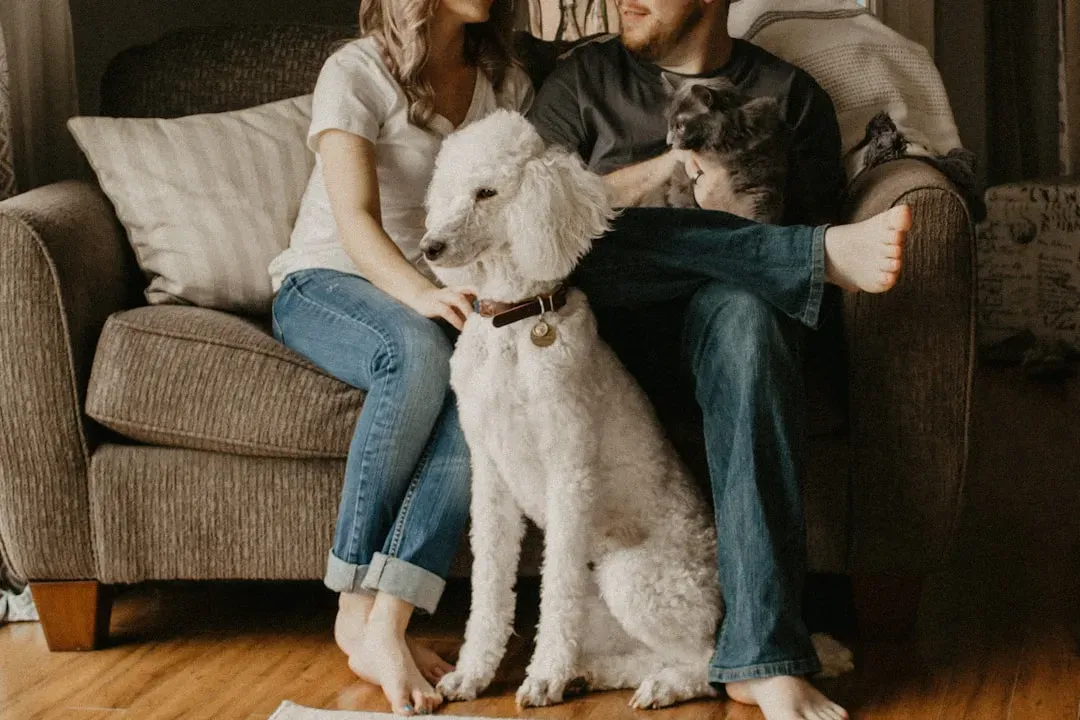
Poodles, in any size really, are the epitome of intelligence and adaptability. Friendly and playful, they naturally tend to get along with cats. Their social personalities and eagerness to please make them a great fit for multi-pet homes. Plus, Poodles’ quick learning ability makes it easier to train them to respect their feline companions. That’s a winning combination for any household.
When properly socialized, the Poodle has no problems getting along with other dogs and cats. They may even be able to be friendly with smaller felines. But if this breed isn’t socialized as they should be, you could experience issues. Since the breed is naturally friendly, has a low prey drive, and is highly intelligent, they may grow up to be great friends with the pets around them. Think of a Poodle like that one diplomat friend who somehow gets along with absolutely everyone at the dinner table.
6. Basset Hound: The Laid-Back Lounger Who Won’t Ruffle Any Feathers

The Basset Hound is loyal, patient, and low-key. Training may be a bit of a challenge because they have a hound’s stubborn streak, but their mild-mannered attitude makes them friendly and tolerant of other animals. That tolerance is genuine, not trained reluctance. They simply don’t feel the need to start trouble.
Although a typical representative of the hunting canines, these gentle and mild-tempered dogs are very accepting of other pets, like cats and rabbits. Due to their curious nature and relaxed attitude, Basset Hounds will rarely scare away a timid rabbit and would instead leave them space to get comfortable and calm. If your home has shy or anxious small pets, a Basset Hound might actually be the kindest possible canine companion for them.
7. Maltese: Tiny Body, Zero Interest in Drama

The Maltese is usually friendly around cats and other animals because of its size and low prey drive. It is a lazy dog and usually pleasant to be around. Let’s be real – a dog that weighs under five pounds and would rather snooze than chase is probably the dream roommate for your resident cat or bunny.
The sprightly little Maltese is the quintessential lapdog, a gentle yet fearless pooch that loves to please their owners. They are highly adaptable and graceful dogs that generally do not mind sharing their homes with other family pets, including rabbits. They can become possessive of their owners at times, but with early socialization, they will soon see your rabbits as an important addition to the family. Early socialization really is the magic ingredient here, and with a Maltese, it doesn’t take much effort to get there.
8. Collie: The Gentle Protector Who Knows the Difference
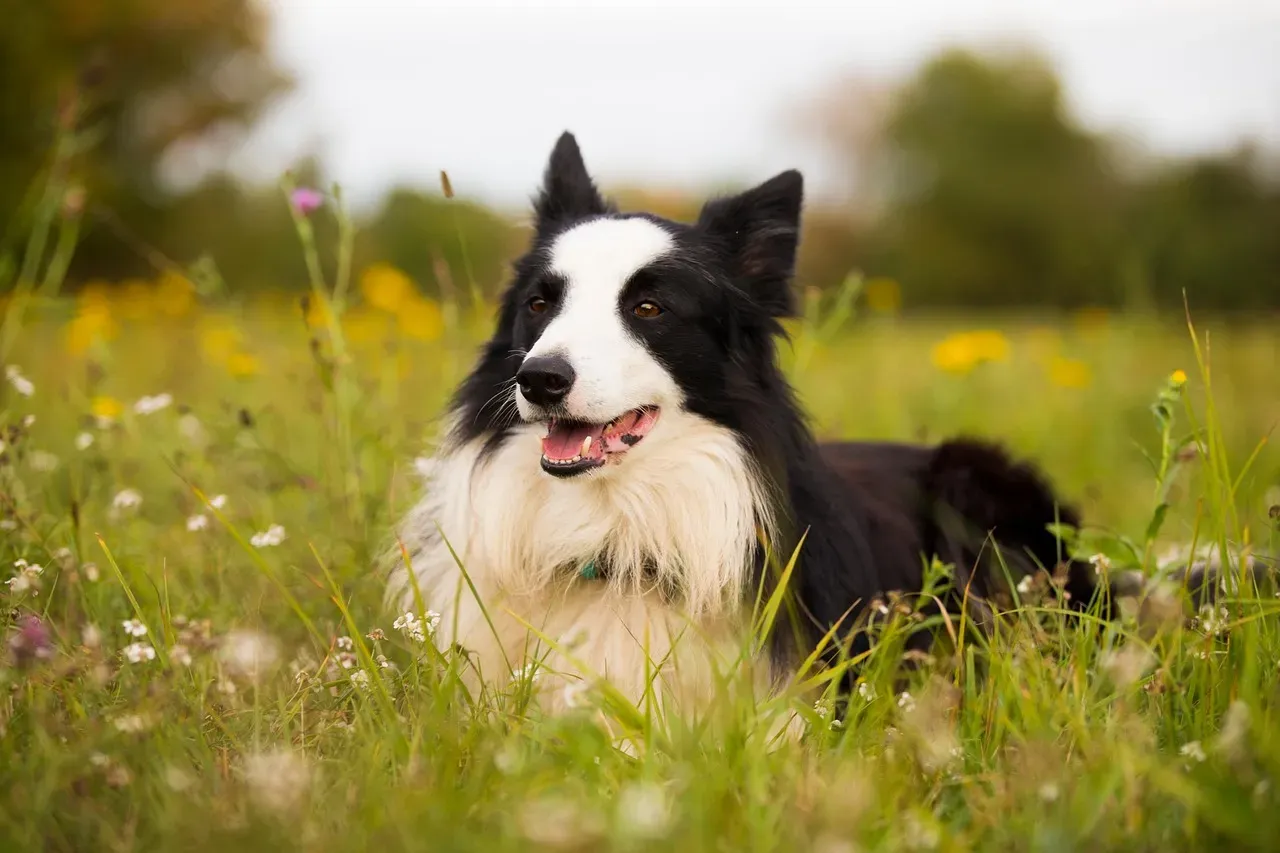
You might raise an eyebrow at seeing a herding breed on this list. I know it sounds a little surprising. Collies are remarkably loyal to their human and furry siblings. Because they are wicked smart and sweet, they can learn how to interact and adjust to living with a cat sibling. Their intelligence is genuinely what sets them apart from other herding breeds.
Collies are athletic and do best with a lot of exercise and companionship. They are vocal dogs that tend to be tolerant of other family pets. The key with Collies is making sure they get enough mental and physical stimulation each day. A tired, well-exercised Collie is far more likely to peacefully observe the household cat than one bouncing off the walls from pent-up energy.
9. Pug: The Couch Philosopher Who Can’t Be Bothered to Chase Anything

The Pug is an amiable breed known for their comical ways, and they get along well with other pets of all sizes. This breed wasn’t designed to hunt or herd, so they don’t have a large prey drive or herding instincts, which helps them in friendships with others. That low-drive personality is a direct result of their history as companion animals, bred purely for human closeness.
One of their favourite pastimes is snoozing, and they are so far from interested in chasing small animals the idea is almost laughable. Bred as companion animals for Chinese Emperors, this ancient dog breed has a love of people bred into it. They love nothing more than attention, love, and snuggles with their favourite humans. The only warning I’d offer is that Pugs are brachycephalic, meaning their flat faces can cause breathing challenges – so keep their environment calm and cool, and check in with your vet regularly.
A Few Things Every Multi-Pet Owner Should Remember

Choosing the right breed is an incredible head start, but it’s never the whole story. A dog’s instincts form the foundation for prey drive, but training and environment play a big role in how that natural tendency does or does not show up in everyday life. No breed comes with a guaranteed “harmless” label stamped on them.
Take it slow: start by letting your pets become familiar with each other’s scents before any face-to-face meetings. Swap their bedding or use a pet-safe cloth to transfer scents between them. Create safe spaces by providing each pet with their own secure space to retreat to. This helps reduce stress and gives them the freedom to interact on their own terms. Think of it like a new roommate situation. Nobody wants to be thrown into the same bedroom on day one.
Watch the body language of the dog. If they stiffen, bark aggressively or even incessantly, or fixate on the other animal, there is cause for concern. If that’s the case, a closer introduction wouldn’t be a smart choice. Trust what you see. Dogs tell us so much if we just pay attention.
Final Thoughts

A peaceful, joyful multi-pet home isn’t just a dream pinned to a vision board. It’s absolutely achievable, especially when you start with a breed that’s wired for companionship rather than competition. Whether you’re drawn to the Golden’s warm-hearted exuberance, the Pug’s blissful indifference, or the Cavalier’s soft and sharing soul, there’s a dog out there ready to be your other pets’ best friend.
The truth is, most dogs don’t naturally want conflict. They want connection. Give them the right environment, patient introductions, consistent training, and a little grace, and you might just end up with that sunny-patch-on-the-floor moment you’ve been dreaming about.
Which of these breeds surprised you most? Drop your thoughts in the comments – we’d love to hear about your own multi-pet household adventures.


