
Picture this: the sky cracks open with thunder or fireworks boom overhead, and while your neighbor’s dog is trembling under the dining table, yours is snoozing peacefully on the couch. You’ve probably wondered why some dogs barely flinch at cacophony that would send others scrambling for cover. Dogs don’t all experience sound the same way, even though they share the ability to hear frequencies we humans can’t detect.
The truth is, breed characteristics play a surprisingly big role in noise tolerance. Some dogs have been bred for centuries to work alongside gunfire or in chaotic environments, giving them a natural confidence around loud sounds. Others, particularly those bred for companionship or herding, can be far more sensitive to auditory surprises. Understanding where your dog falls on this spectrum isn’t about labeling them as brave or fearful. It’s about knowing what they need to feel safe, secure, and understood.
Whether you’re curious about why your retriever hardly blinks during a thunderstorm, or you’re trying to help your anxious herding breed cope with the neighborhood construction, this guide will walk you through which breeds naturally handle noise like champions and which ones benefit from a little extra TLC.
1. Labrador Retriever: The Calm Companion
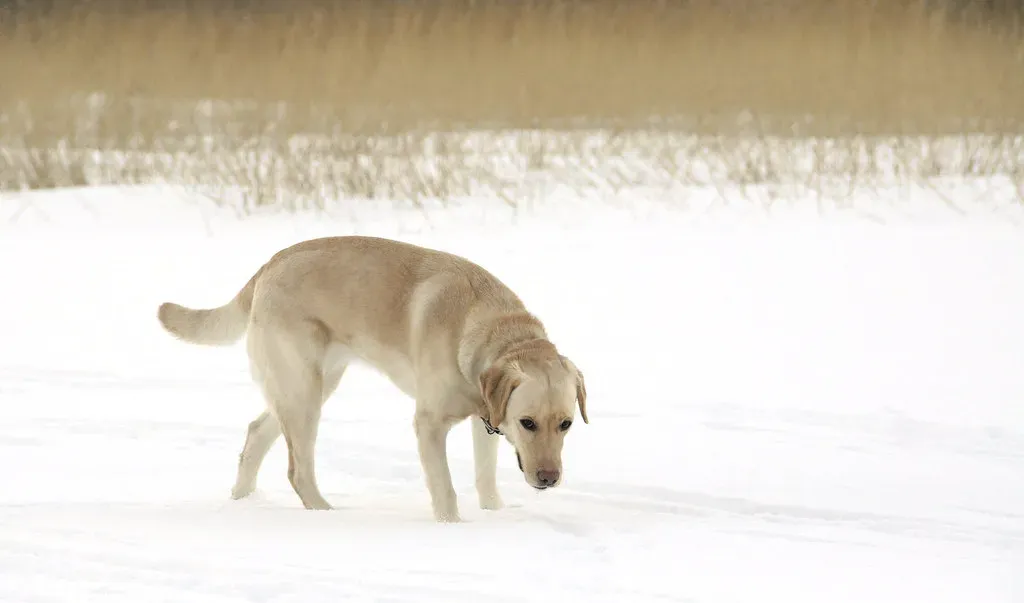
Labrador Retrievers possess a sunny, adaptable personality that makes them natural fits for noisy, crowded environments, thriving on human interaction and activity with steady, resilient temperaments. Whether it’s a family reunion, a loud outdoor concert, or the sound of fireworks in the distance, a well-socialized Lab handles it all with a wagging tail.
Their history as working retrievers means they were bred to stay focused even when hunters fired rifles nearby. This practical background translates beautifully into modern life, where Labs routinely accompany families to bustling parks, festivals, and events without missing a beat. Their easygoing nature isn’t just luck; it’s the result of generations of selective breeding for stability and confidence.
2. Golden Retriever: The Steady Partner
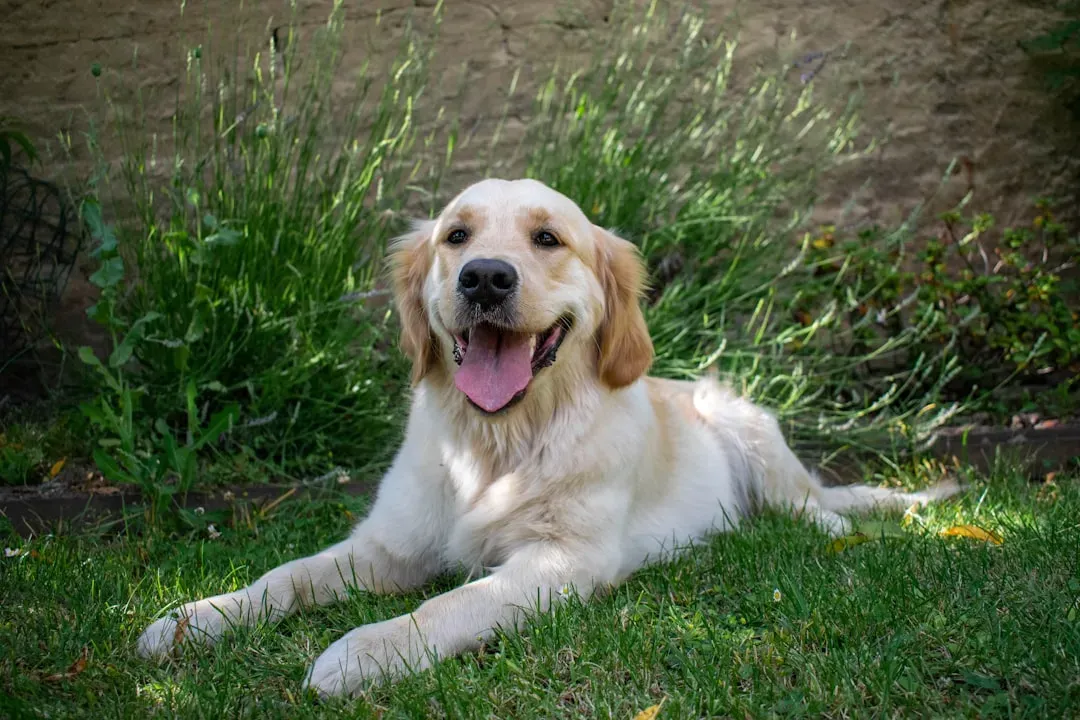
Golden Retrievers are another sporting breed known for handling loud environments with grace. Sporting dog breeds like Golden Retrievers usually handle noise better, though sensitivity can still affect them if they’re not used to it or have had a bad experience. Most Goldens approach life with an optimistic attitude that extends to their reaction to sudden sounds.
These dogs were originally bred to work in the field, often around gunfire and commotion. That heritage gives them a built-in tolerance for noise that many other breeds lack. Still, early socialization plays a role. A Golden who’s been gently exposed to various sounds during puppyhood will be even more confident as an adult. Their affectionate temperament combined with this resilience makes them fantastic family dogs, even in lively or urban settings.
3. Boxer: The Unflappable Guardian
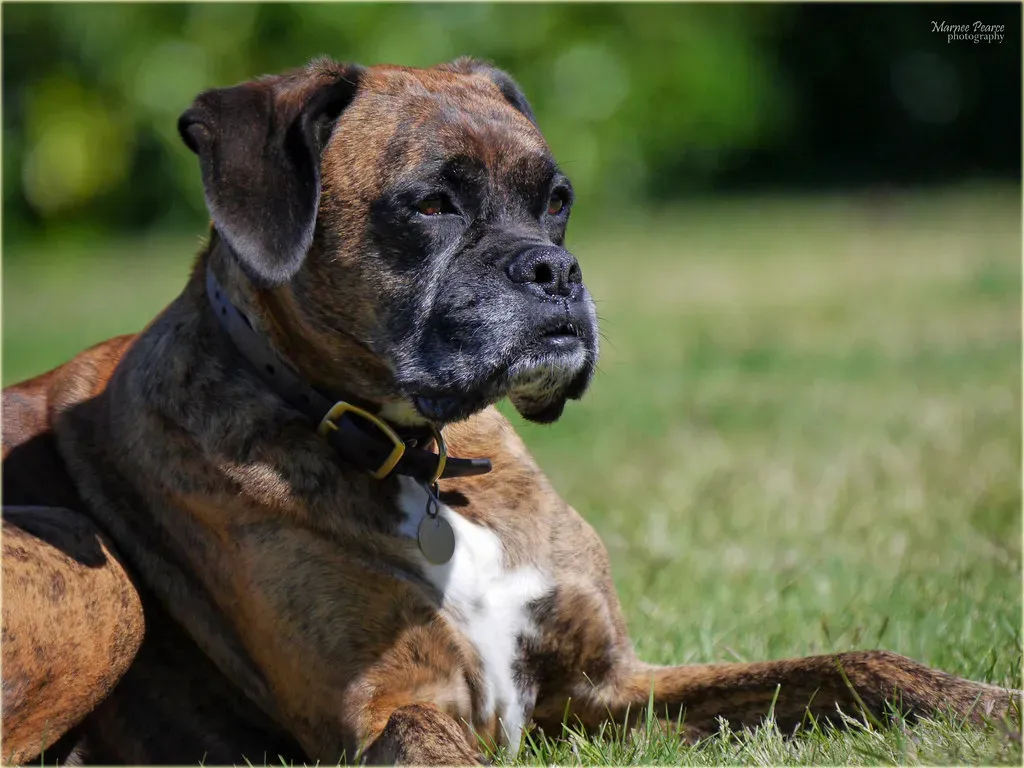
Boxer breeds recorded lower levels of noise sensitivity than most other breeds across all four noise questions, consistently appearing in the group of breeds with low noise sensitivity. Their calm demeanor around loud sounds makes them stand out in studies examining breed-specific noise reactions.
Boxers are playful, energetic, and remarkably steady when chaos erupts. They were bred as working dogs with protective instincts, which might explain their ability to stay cool under pressure. Rather than panicking at fireworks or thunderstorms, Boxers are more likely to investigate the source of the sound or simply continue with whatever they were doing. This levelheaded attitude is one of many reasons they’re beloved family companions.
4. Great Dane: The Gentle Giant

Despite their giant size, Great Danes are surprisingly chill about commotion, possessing calm, even temperaments that help them handle busy, noisy settings with quiet dignity, barely fazed by loud noises. Watching a Great Dane walk through a crowded street is like watching royalty glide through a bustling market.
Their composed nature might surprise people who expect such a large dog to be easily startled. In reality, Great Danes are known for being gentle souls who take most situations in stride. They’re not easily rattled by sudden bangs or environmental noise, making them excellent companions for city dwellers or families with active lifestyles. Their size and steadiness create a calming presence, both for themselves and the people around them.
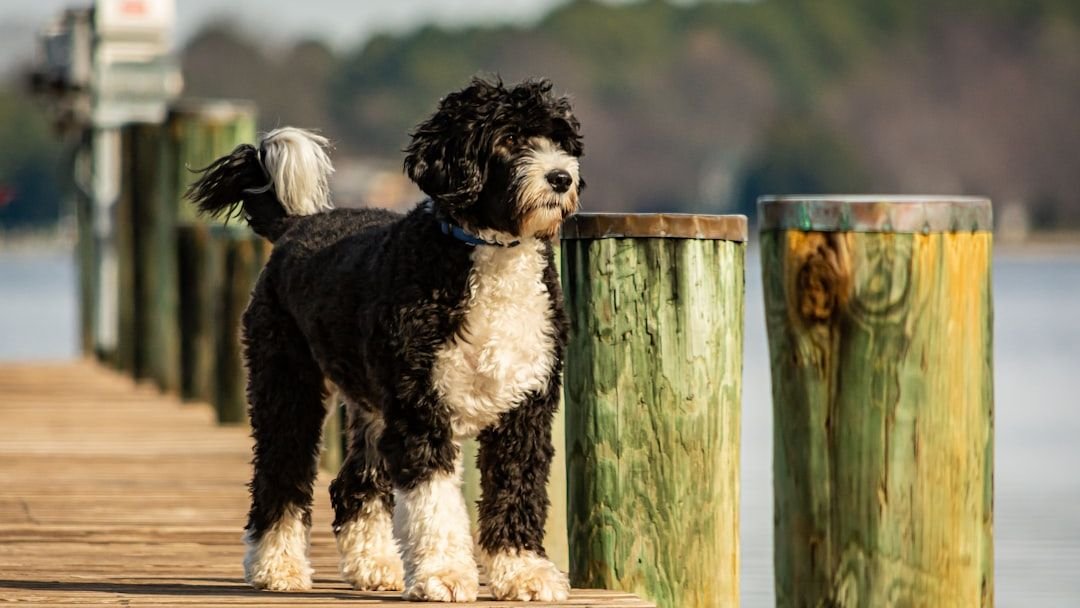
5. Portuguese Water Dog: The Confident Explorer

Originally bred to help fishermen along the coast of Portugal, Portuguese Water Dogs are fearless, adaptable, and ready for any adventure, thriving in busy, dynamic environments with confident, alert natures that handle loud noises, crowds, and sudden surprises without missing a beat. These outgoing, intelligent dogs love being surrounded by people and activity.
Their working background required them to be brave and focused, even in the unpredictable ocean environment. That same spirit carries over into modern life, where Portuguese Water Dogs are often seen at dog parks, beaches, and bustling family gatherings. They’re social butterflies who bounce from group to group with boundless energy and enthusiasm. Noise doesn’t faze them; if anything, it signals more excitement to come.
6. Bernese Mountain Dog: The Peaceful Protector

Despite their massive size, Bernese Mountain Dogs are gentle souls with a cool, calm outlook on life, known for their even-tempered and tolerant nature, which makes them excellent in crowded, noisy settings. They have a serene quality that’s both reassuring and endearing.
Bernese Mountain Dogs were originally bred as farm dogs in the Swiss Alps, where they worked alongside farmers and faced all kinds of environmental challenges. This history has given them a balanced temperament and an ability to stay composed even when things get loud. Whether it’s children playing noisily in the yard or a thunderstorm rolling through, Bernese dogs tend to remain unfazed. Their steady presence makes them wonderful therapy dogs and family pets.
7. Vizsla: The Fearless Athlete

Vizslas are high-energy sporting dogs with a bold, confident personality. Their history as hunting companions means they’re accustomed to loud noises, particularly gunshots, and have been bred to remain focused despite auditory distractions. While they’re sensitive in other ways, particularly to their owners’ emotions, Vizslas don’t typically show fear around loud environmental sounds.
These dogs are known for their athleticism and devotion to their families. They thrive in active households where they can run, play, and be part of the action. Their resilience to noise makes them excellent adventure companions, whether you’re hiking in areas with sudden thunderstorms or attending outdoor events with unpredictable sounds. Still, their emotional sensitivity means they benefit from positive reinforcement and close bonds with their humans.
8. German Shorthaired Pointer: The Steady Hunter

German Shorthaired Pointers are another sporting breed built to handle gunfire and outdoor commotion without losing focus. They’re intelligent, versatile, and remarkably composed in environments that would send many dogs running. Their ability to stay calm around loud noises is one of the traits that makes them outstanding hunting partners and family companions alike.
These dogs are eager to please and highly trainable, which means early exposure to various sounds can further enhance their natural resilience. A well-socialized German Shorthaired Pointer will approach new experiences with curiosity rather than fear. Their confidence and energy make them ideal for active families who want a dog that can keep up with an adventurous lifestyle without being rattled by the unexpected.
9. Doberman Pinscher: The Confident Protector
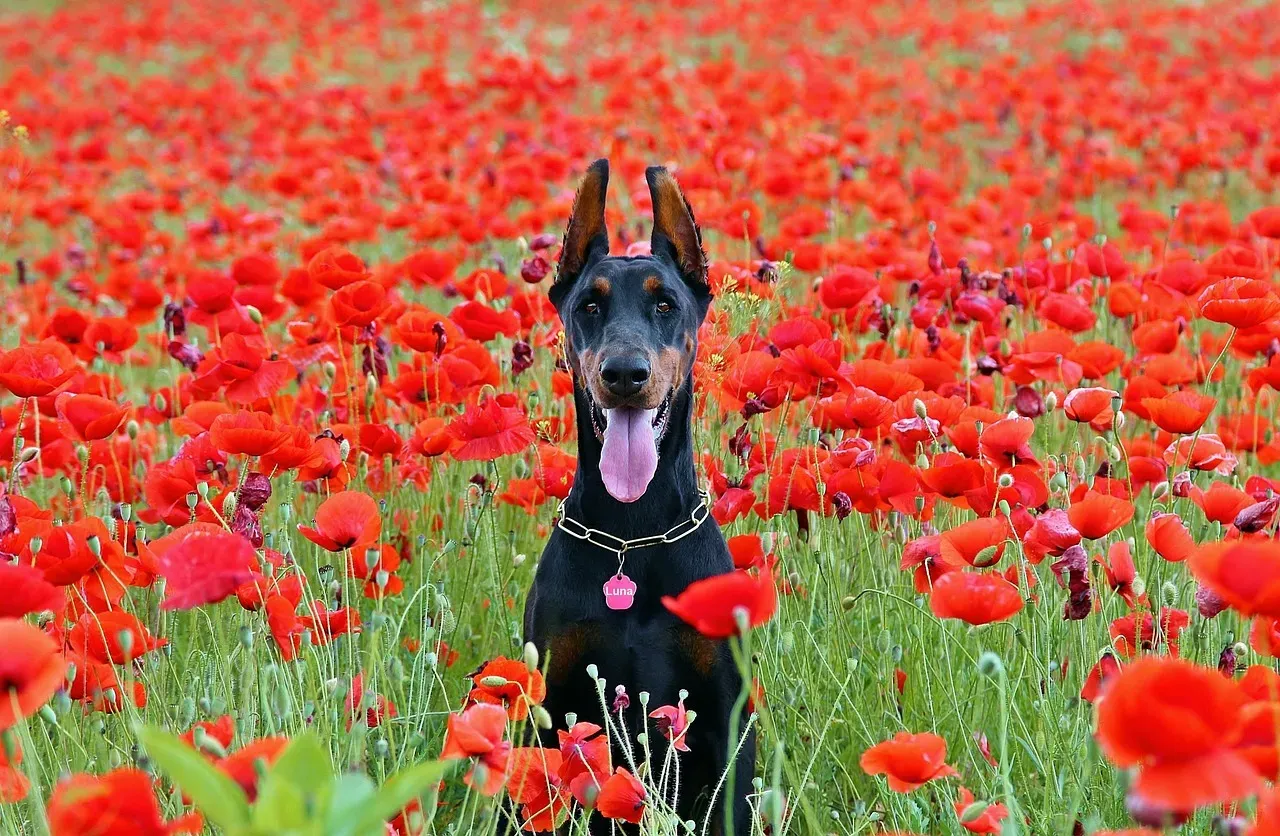
Dogs in the working group, like Dobermans, are brave and tough, but even they can feel stressed when thunder rumbles overhead or fireworks start booming. Still, Dobermans generally handle noise better than many other breeds, thanks to their working background and confident temperament.
Dobermans were bred as protection dogs, which required them to stay alert and composed in stressful situations. This breeding has resulted in a breed that’s naturally resilient to environmental stressors, including loud noises. While individual Dobermans can vary in their reactions, most are steady and brave, taking cues from their environment and their owners. They’re protective without being easily frightened, making them excellent guardians and loyal companions.
10. Border Collie: The Sensitive Thinker
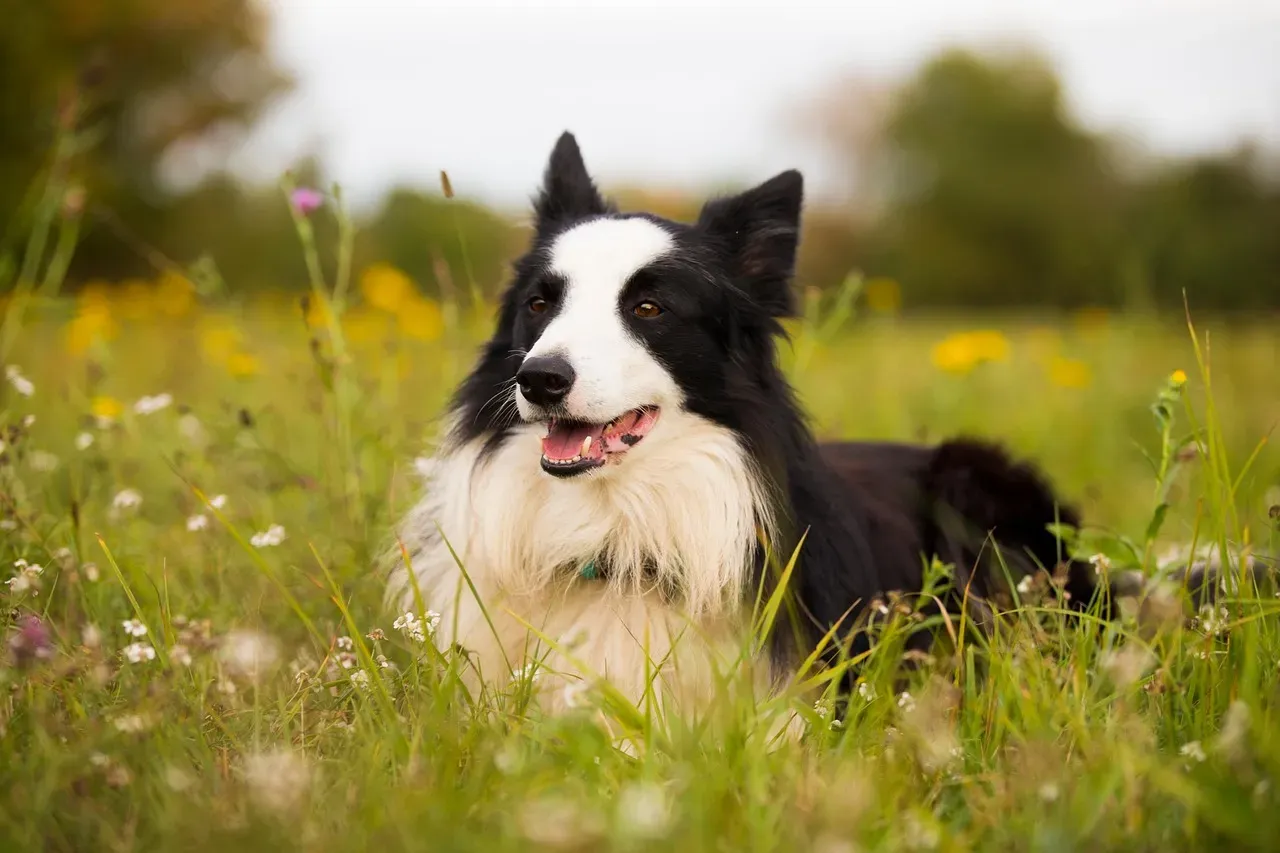
Here’s where things shift. Sound sensitivity, though more common in herding breeds such as Border Collies, can affect any dog at any age. Border Collies are incredibly intelligent and highly attuned to their surroundings, which unfortunately makes them more prone to anxiety around loud noises.
Their sensitivity isn’t a flaw; it’s part of what makes them exceptional herding dogs. They’re bred to respond quickly to environmental changes and to stay hyper-aware of their flock. However, this heightened awareness can translate into nervousness during thunderstorms or fireworks. Mild fear responses may include panting, pacing, and attempts to hide, whereas phobic responses may include panic, extreme agitation, attempts to escape and destructive behavior. Border Collies often benefit from desensitization training and a safe, quiet space during stressful events.
11. Australian Shepherd: The Anxious Achiever
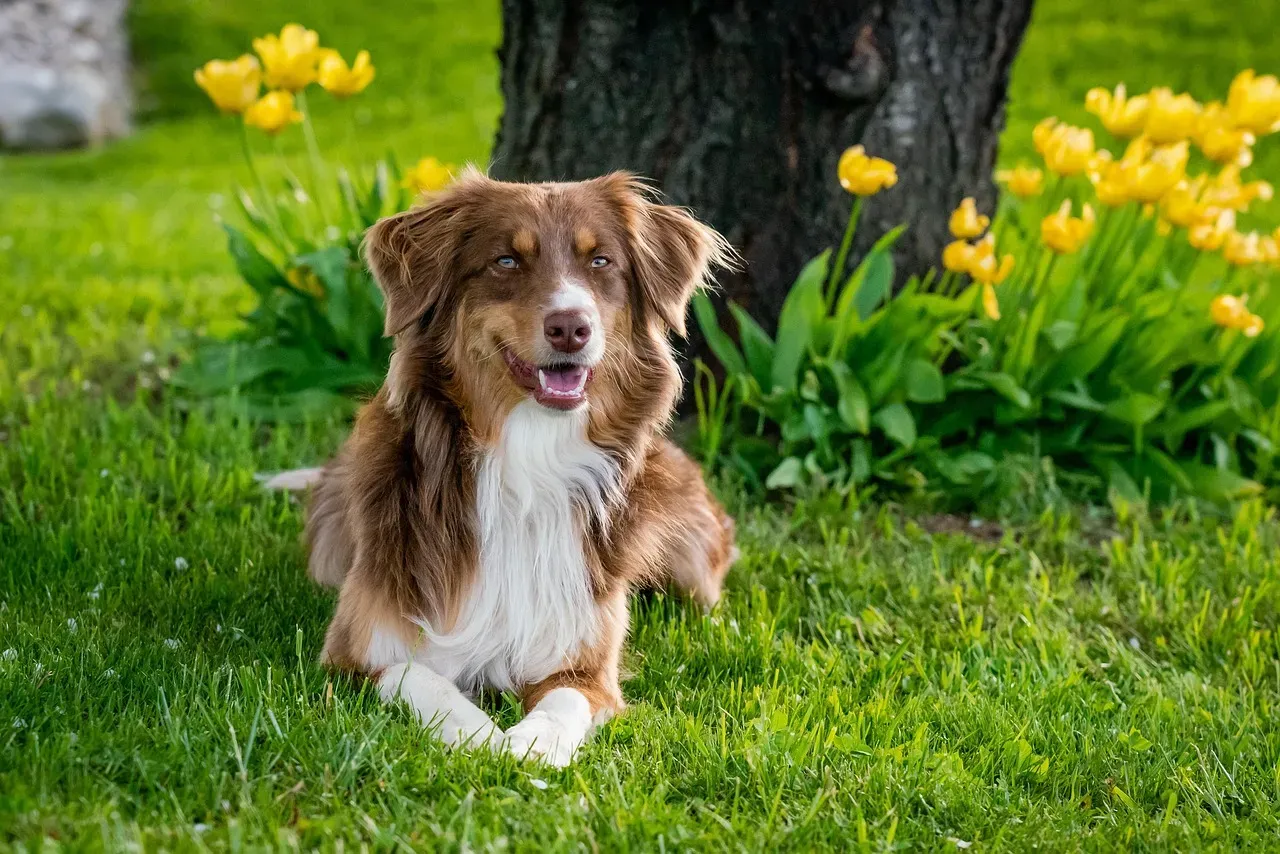
Herding dogs like Australian Shepherds are bred for their intelligence and responsiveness, highly attuned to their environment, which makes them more prone to anxiety in response to loud noises. Their sharp minds and quick reactions are assets in herding, but they can become liabilities when fireworks go off or storms roll in.
Australian Shepherds are deeply bonded to their families and often look to their humans for reassurance during stressful moments. If you own an Aussie, creating a calm environment during loud events is crucial. Use white noise, close windows, and offer a cozy den-like space where they can retreat. Training them with positive associations to sound recordings can also help reduce their anxiety over time.
12. German Shepherd: The Loyal Worrier
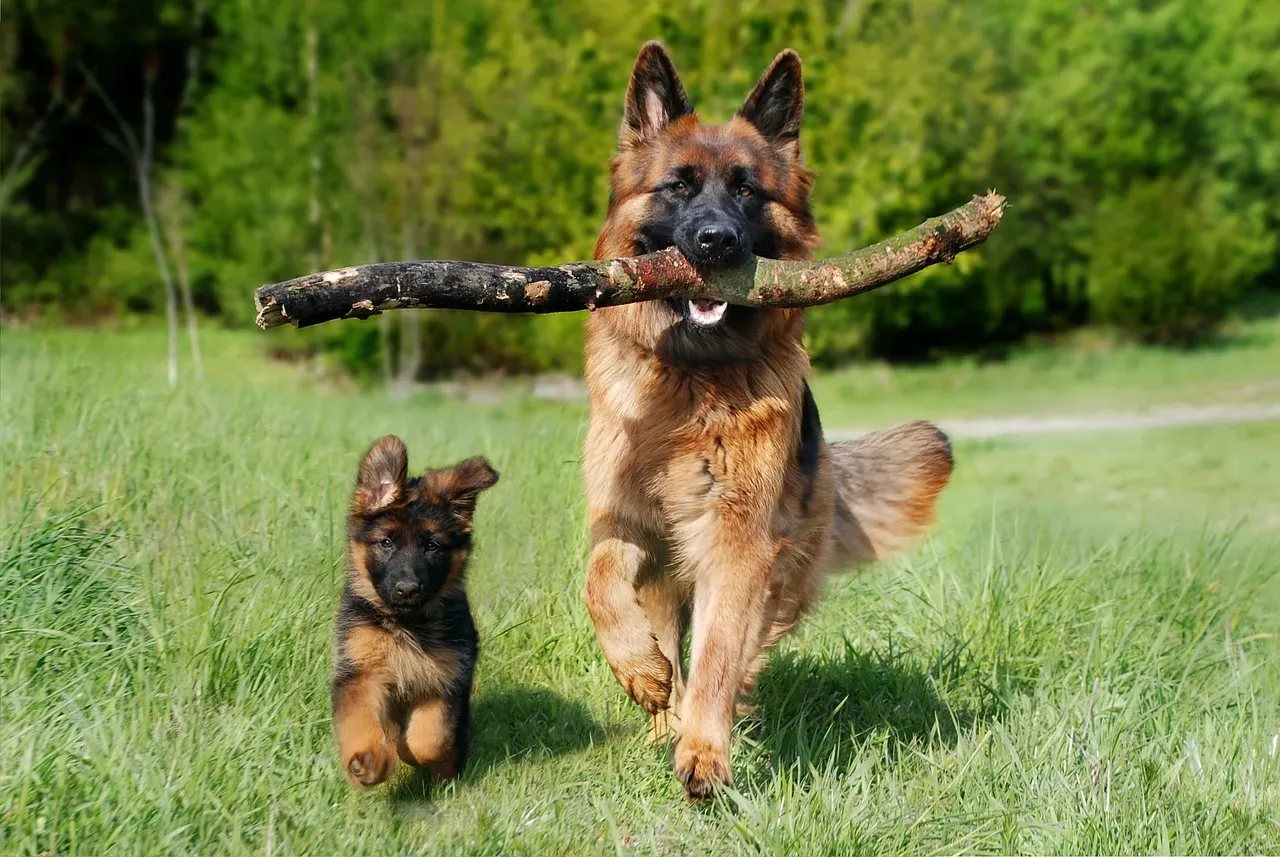
Breeds commonly associated with noise sensitivity include German Shepherds. Despite their reputation as brave working dogs, many German Shepherds struggle with loud noises, particularly if they haven’t been exposed to them during their critical socialization period.
German Shepherds are protective and intelligent, but that intelligence can make them more aware of potential threats in their environment. Thunder, fireworks, and even construction sounds can trigger anxiety in sensitive individuals. Certain herding and working breeds may be predisposed to noise sensitivities. If you have a German Shepherd, watch for signs of stress like panting, pacing, or hiding, and consult your vet or a behaviorist if the fear escalates.
13. Cavalier King Charles Spaniel: The Nervous Sweetheart

Cavalier King Charles Spaniels are among breeds commonly associated with noise sensitivity. These gentle, affectionate lap dogs are bred for companionship, not for working in loud environments, which makes them particularly vulnerable to noise-related anxiety.
Cavaliers are emotionally sensitive and deeply attached to their families. When loud noises occur, they often seek comfort by clinging to their owners or retreating to a safe spot. Their small size and gentle nature mean they’re easily overwhelmed by sudden sounds. If you own a Cavalier, don’t hesitate to comfort them during stressful events. Contrary to old myths, offering reassurance won’t reinforce their fear; it will help them feel secure.
14. Norwegian Buhund: The Highly Reactive Herder

Norwegian Buhund breeds had the highest frequency of noise sensitivity. This lesser-known herding breed from Norway is extremely sensitive to environmental stimuli, making them particularly prone to anxiety around loud noises.
Norwegian Buhunds are alert, energetic, and intelligent, but their heightened awareness can become overwhelming during thunderstorms or fireworks. They may pace, whine, or try to escape. Early socialization and desensitization training are critical for this breed. If you’re considering a Norwegian Buhund, be prepared to invest time in helping them cope with auditory stressors.
15. Irish Soft Coated Wheaten Terrier and Lagotto Romagnolo: The Fearful Furballs
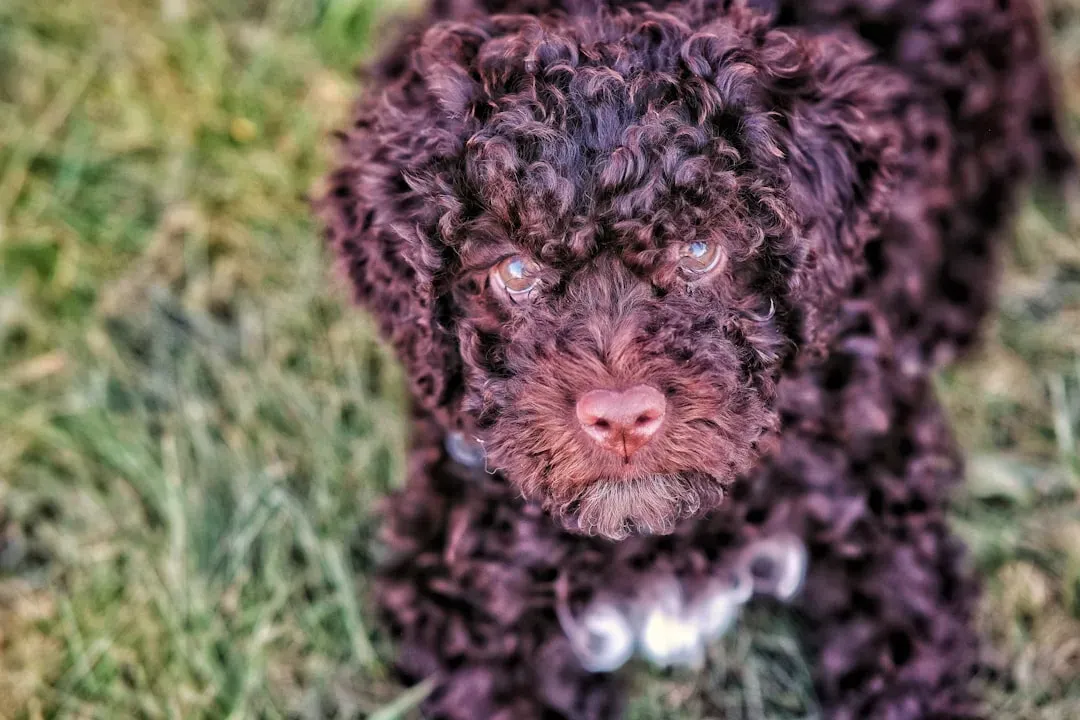
Studies have shown that noise anxiety appears more in some noise-sensitive breeds, such as the Irish Soft Coated Wheaten Terrier and the Lagotto Romagnolo, with noise sensitivity most pronounced in lagotto Romagnolos and wheaten terriers. Both of these breeds are affectionate and playful, but they’re also prone to significant anxiety around loud sounds.
The Lagotto Romagnolo, a fluffy Italian retriever, and the Wheaten Terrier, an Irish farm dog, share a common challenge: heightened reactivity to noise. Owners of these breeds report trembling, hiding, and escape attempts during storms or fireworks. These dogs benefit enormously from counterconditioning, where they learn to associate loud sounds with positive experiences like treats or play. Patience and consistency are key to helping these sensitive souls feel safe.
Conclusion: Understanding Your Dog’s Unique Needs

No two dogs are exactly alike, even within the same breed. While genetics play a significant role in noise tolerance, individual personality, early experiences, and training all shape how your dog reacts to loud sounds. In all, nearly three-quarters of all dogs showed at least one anxiety-related behavior, with noise sensitivity being the most common across all breeds, affecting roughly one-third of dogs. That means many dogs, regardless of breed, could benefit from support during stressful auditory events.
If your dog handles noise like a champion, count yourself lucky. If they need extra comfort, know that you’re not alone and that help is available. From desensitization training to anxiety wraps, calming music, and even veterinary-prescribed medications, there are plenty of tools to make your dog’s life more peaceful. The most important thing you can do is pay attention to your dog’s signals and respond with empathy and patience.
What’s your dog’s reaction to loud noises? Do they match their breed’s typical profile, or are they the exception? Share your experiences and let’s continue learning from each other.


