

There’s something magical about watching a household full of different furry friends coexist in harmony. Maybe you’ve dreamed of it: your dog curled up next to the cat, everyone respecting each other’s space, tails wagging without tension. It sounds idyllic, doesn’t it?
The truth is, not every dog is wired for that kind of peaceful multi-species living. Some breeds have strong prey drives. Others get territorial or anxious when sharing their home. If you’re hoping to build or expand a multi-pet family, choosing the right breed from the start can make all the difference. Let’s be real, life’s too short for constant pet drama.
What follows are nine breeds that genuinely shine in homes where they’re not the only four-legged resident. These are dogs who seem to understand that love isn’t a limited resource and that sharing the couch, the treats, and your attention can actually be pretty great.
Golden Retriever: The Ambassador of Goodwill

Golden Retrievers truly live up to their golden reputation, wanting nothing more than to love everyone in their life, whether that’s a human, dog, cat, or even a hamster. I think what makes them so remarkable in multi-pet households is their inherent gentleness combined with an almost supernatural patience.
These medium-to-large dogs are highly intelligent, making them easy to train, and they get along well with children and other pets. Their adaptable nature means they’ll adjust their energy to match whoever they’re interacting with. If your senior cat needs space, a Golden will learn to read those cues. If your younger dog wants to wrestle, they’re game for that too.
Watch for signs that your Golden is comfortable with new pets: relaxed body language, play bows, and that signature gentle mouth they use when carrying things. They rarely show aggression, though proper introductions remain essential.
Labrador Retriever: The Social Butterfly

Labrador Retrievers are kind and outgoing and are known to get along with everyone they meet, regardless of species, being gentle, intelligent, and eager to please. Labs bring an infectious enthusiasm to everything they do, which extends to meeting and befriending other household pets.
While they are a pet-friendly dog breed, Labs are extremely playful and curious which might spook older or grouchy cats if you’re not careful. Their bouncy nature means you’ll need to manage initial introductions thoughtfully, especially with smaller or more timid pets. Still, once everyone settles in, Labs become devoted protectors and playmates to all household members.
These dogs thrive on companionship and often do better with other animals around to keep them company. A bored Lab can become destructive, so having a furry friend to romp with actually works in everyone’s favor.
Beagle: The Pack Mentality Pro

Beagles were bred to hunt in packs, so they are typically friendly with other animals, and their happy-go-lucky nature makes them a pleasure to live with as they’re likely to see a cat as just another member of the pack. This working background translates beautifully to modern family life where multiple pets share the same space.
Although Beagles are more commonly associated with hunting, this breed is extremely affectionate and smart with a gentle yet playful temperament, and they actually prefer the company of other humans and dogs. Honestly, a Beagle living alone often becomes anxious or depressed. They genuinely need social interaction, whether from people or other pets, to feel emotionally balanced.
One thing to watch: their strong nose can lead them on adventures, so secure fencing matters when you have multiple pets roaming the yard. Their howling can also be triggered by other animals, so early training helps keep the noise manageable.
Cavalier King Charles Spaniel: The Gentle Companion

Cavalier King Charles Spaniels are affectionate lap dogs that thrive on companionship, rarely showing aggression and having an easy-going temperament, making them one of the best breeds for multi-pet households. Their smaller size is actually an advantage here because they don’t physically intimidate cats or other small animals.
Their smaller size and gentle demeanor ensure they get along well with cats, other small dogs, and even rabbits or guinea pigs when introduced properly. I’ve seen Cavaliers form the most unlikely friendships, seemingly oblivious to traditional pet hierarchies. They approach everyone with sweetness and curiosity rather than dominance.
These dogs are adaptable to various living situations and genuinely seem happiest when surrounded by other creatures. Their calm energy creates a peaceful household atmosphere that benefits all pets. Plus, their loving personality helps reduce tension that might otherwise bubble up between different species sharing territory.
Poodle: The Intelligent Diplomat

Poodles, whether standard, miniature, or toy-sized, are incredibly intelligent and friendly, and their quick adaptability means they adjust well to new pets and environments, being playful yet respectful, making them excellent additions to households with both dogs and cats. What I find fascinating about Poodles is how they seem to strategize their interactions.
They balance energy and gentleness, allowing them to play enthusiastically without overwhelming other pets. This emotional intelligence is rare and incredibly valuable in multi-pet homes. A Poodle will gauge whether the resident cat wants to play or be left alone, adjusting behavior accordingly.
Their hypoallergenic coat is a bonus for families with both pets and allergies. All three sizes work well in multi-pet situations, though Standard Poodles particularly excel with larger animals while Toy Poodles integrate seamlessly with cats and smaller dogs. Regular grooming keeps them comfortable and reduces any potential friction over shared spaces.
Cocker Spaniel: The Cheerful Social Butterfly

Cocker Spaniels are loving and loveable dogs who get along with just about everyone, so adopting a Cocker Spaniel into your multi-pet home would be a breeze as they are great socializers. Their medium size and friendly disposition make them approachable to pets of various sizes and temperaments.
These dogs genuinely seem to enjoy having other animals around. They’re neither too dominant nor too submissive, striking that perfect balance that prevents conflicts. Their gentle nature means they won’t bully smaller pets, yet they’re sturdy enough to hold their own with more boisterous housemates.
Watch their ears for infections, especially in multi-pet homes where play can get rowdy and dirt accumulates more easily. Keep introductions gradual, though Cockers typically warm up quickly. Their enthusiastic tail wagging is a reliable indicator that they’re happy with new furry siblings, and that happiness tends to be contagious throughout the household.
Basset Hound: The Laid-Back Peacekeeper

The Basset Hound is loyal, patient, and low-key, and while training may be challenging because they have a hound’s stubborn streak, their mild-mannered attitude makes them friendly and tolerant of other animals. Their easygoing personality is perhaps their greatest asset in a multi-pet family.
Basset Hounds embrace a laid-back, easygoing life, and their calm disposition and willingness to share space with other animals make them excellent housemates for cats, with their low energy levels and non-aggressive behavior contributing to peaceful coexistence. Honestly, Bassets are so chill they barely register as competition to other pets. They’re content to nap while chaos swirls around them.
Their hunting background might suggest otherwise, but most Bassets are more interested in following interesting scents than chasing housemates. Their deep, soulful eyes and droopy ears give them an approachable appearance that even skittish animals find non-threatening. Just be prepared for some serious snoring that might disturb light-sleeping feline friends.
Bichon Frise: The Friendly Little Cloud

The Bichon Frise breed can be extremely sociable with both humans and other animals, and will often get on well with other pets. These cheerful little dogs seem to assume everyone they meet will become their best friend, an attitude that serves them well in multi-pet homes.
Naturally gentle, lovable and cuddly, Bichons want only to please their owners and could be trained to live with other dogs or cats easily. Their small size means they’re not physically intimidating to cats or other small pets. They’re sturdy enough to handle some rough play with larger dogs without getting hurt.
One thing to monitor: Bichons can be quite playful and boisterous, so supervise interactions to ensure they don’t overwhelm more reserved pets. Their white, fluffy coats require regular grooming, which is actually a good opportunity to check for any scratches or issues from multi-pet play. Their naturally sunny disposition helps create a joyful household atmosphere where all pets feel welcome.
Australian Shepherd: The Active Family Organizer
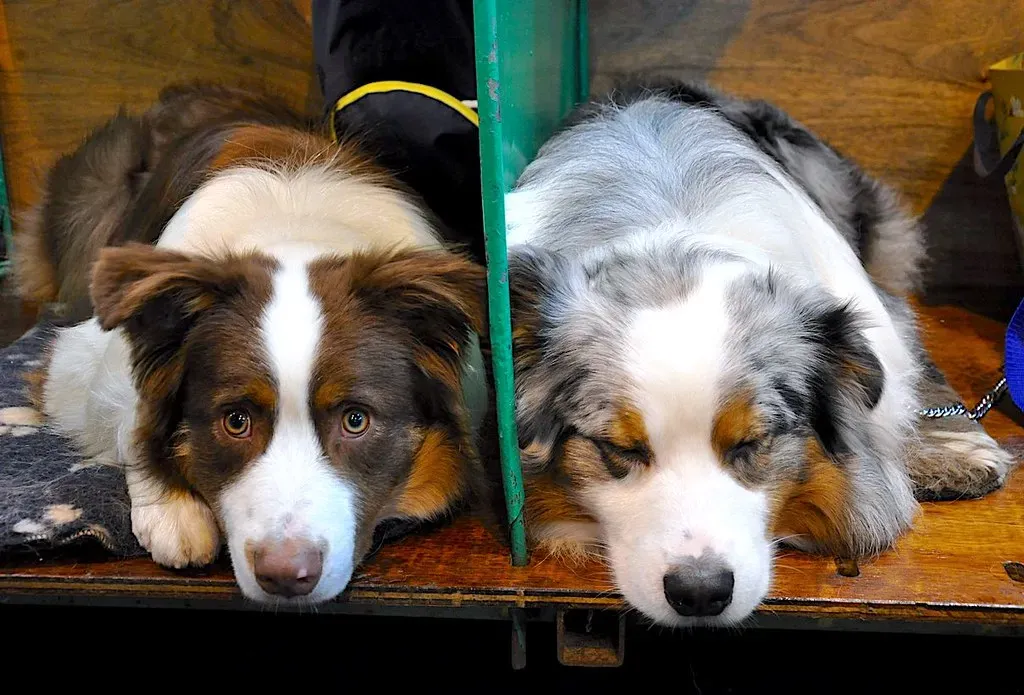
This herding dog breed requires lots of activity and playtime, which is perfect if you have other playful canines in the house, as they are social dogs who need attention either from you or from fellow four-legged friends, and without a friend, Aussies can become destructive and lonely. Their herding instincts mean they naturally see themselves as part of a group.
Aussies genuinely thrive when they have other animals to organize and play with. They’ll often take on a caretaker role, keeping an eye on everyone and making sure the pack stays together. This can sometimes translate to gentle herding behavior with cats, which some felines tolerate better than others.
These intelligent dogs need extensive mental and physical stimulation, and having pet siblings helps meet those needs. They’re best suited for active multi-pet households where everyone enjoys outdoor adventures together. Watch for any excessive herding behavior and redirect it through training. When properly exercised and socialized, Aussies bring energy and enthusiasm that elevates the entire household dynamic.
Conclusion: Building Your Peaceful Pack
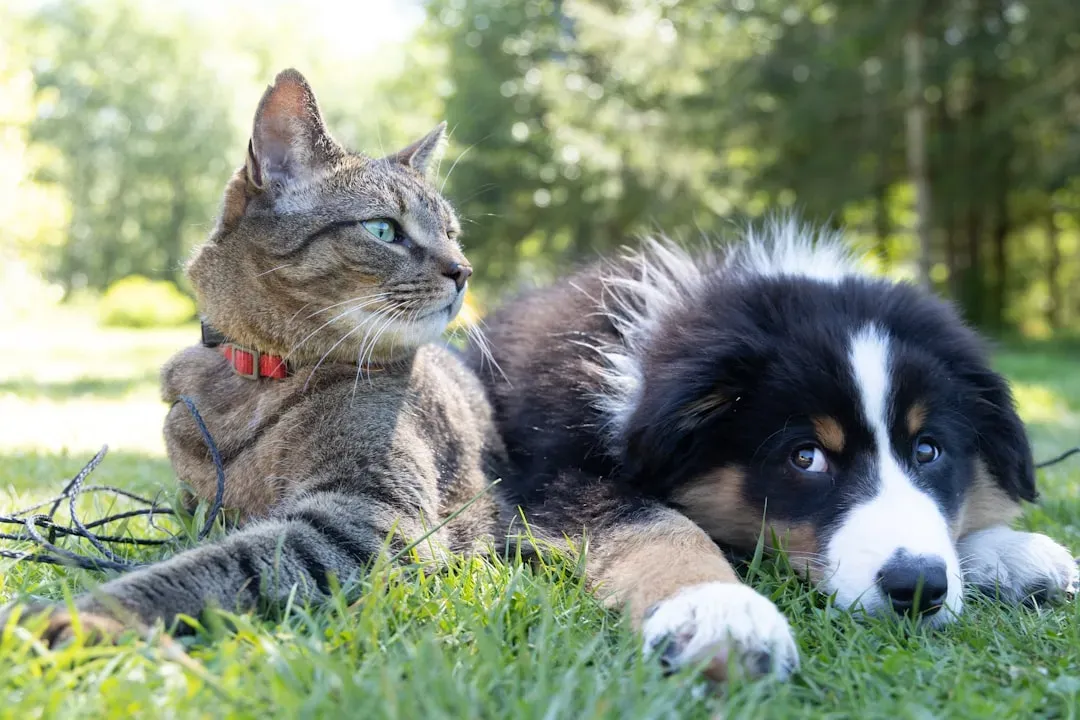
Creating a harmonious multi-pet household starts with choosing the right foundation, and these nine breeds offer some of the best odds for success. Remember that individual temperament matters as much as breed characteristics. Proper introductions, patience, and ongoing training remain essential regardless of which breed you choose.
The real magic happens when you watch your Golden snoozing peacefully beside your cat, or your Beagle and rabbit cautiously becoming friends. Those moments make all the careful planning worthwhile. Multi-pet families offer unique joys: more love, more laughter, and yes, more chaos, but the good kind.
Have you experienced the joy of a multi-pet household? Which breeds have surprised you with their ability to make friends across species lines? Share your stories in the comments below.


