

Picture this. You’ve spent months teaching your dog where to potty, celebrating every successful trip outside, and finally breathing a sigh of relief. Then you bring home a second dog, and suddenly it’s like starting from square one. Your once-reliable pup is having accidents again, marking corners, and leaving you wondering what went wrong.
If you’re living this reality, you’re not alone. Multi-pet households create unique challenges that can unravel even the best housebreaking efforts. The dynamics shift when territory becomes something to defend, anxiety bubbles up from new routines, and instincts kick in that you didn’t know existed. Some breeds handle this transition beautifully. Others? Well, let’s just say they struggle more than most. Let’s dive into the breeds that find multi-pet homes especially tricky when it comes to staying housebroken.
Beagles: Nose-Led and Easily Distracted
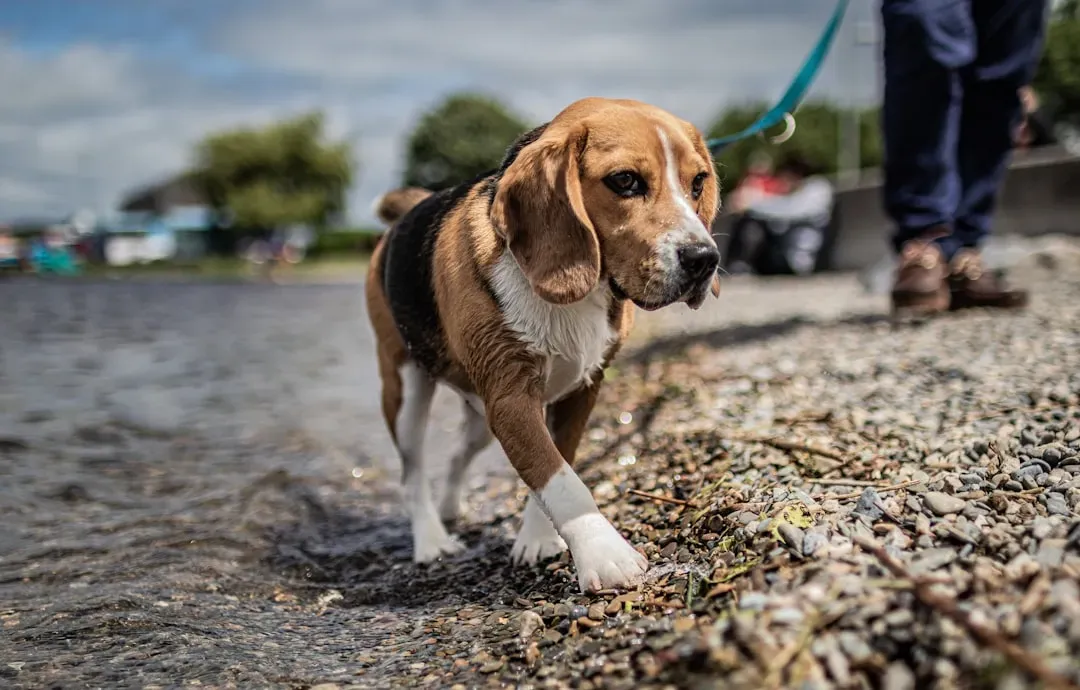
Beagles don’t rank particularly high on the canine intelligence spectrum for working ability, and they tend to be excitable dogs with short attention spans that get easily distracted. When you add another pet into the mix, that distractibility skyrockets. Beagles are hounds first and foremost, which means their noses rule their world.
If there’s tension or disagreement between dogs in the household, one dog may start marking, with anxiety from the conflict and the need to mark territory leading to increased urine issues. Your Beagle might have been doing great until your new cat arrived. Now every corner smells interesting, every spot needs investigating, and bathroom routines take a backseat to detective work.
The key with Beagles is maintaining ironclad consistency even when things feel chaotic. Short, frequent potty breaks work better than long, meandering walks where they get lost in scent trails. Keep training sessions upbeat and reward-heavy because these lovable hounds need serious motivation to stay focused.
Dachshunds: Stubborn Souls Who Hate Bad Weather

Dachshunds are clever but tend to get defensive when pushed to do something they don’t want to do, plus they need major convincing to go outside when it’s rainy or cold. Honestly, who can blame them? Those little legs weren’t made for trudging through snow.
In multi-pet homes, Dachshunds can become territorial and anxious. They’re already resistant to training when the mood doesn’t strike them, and adding another animal creates stress that makes accidents more likely. These dogs are smart enough to know what you want but stubborn enough to decide they’d rather not comply right now, thank you very much.
Crate training tends to work well with Dachshunds because they naturally want to keep their sleeping area clean. I’ve found that using positive reinforcement consistently, without harsh corrections, keeps them from shutting down completely. Patience isn’t optional with this breed; it’s absolutely essential.
Bichon Frises: Independent Spirits With Selective Hearing
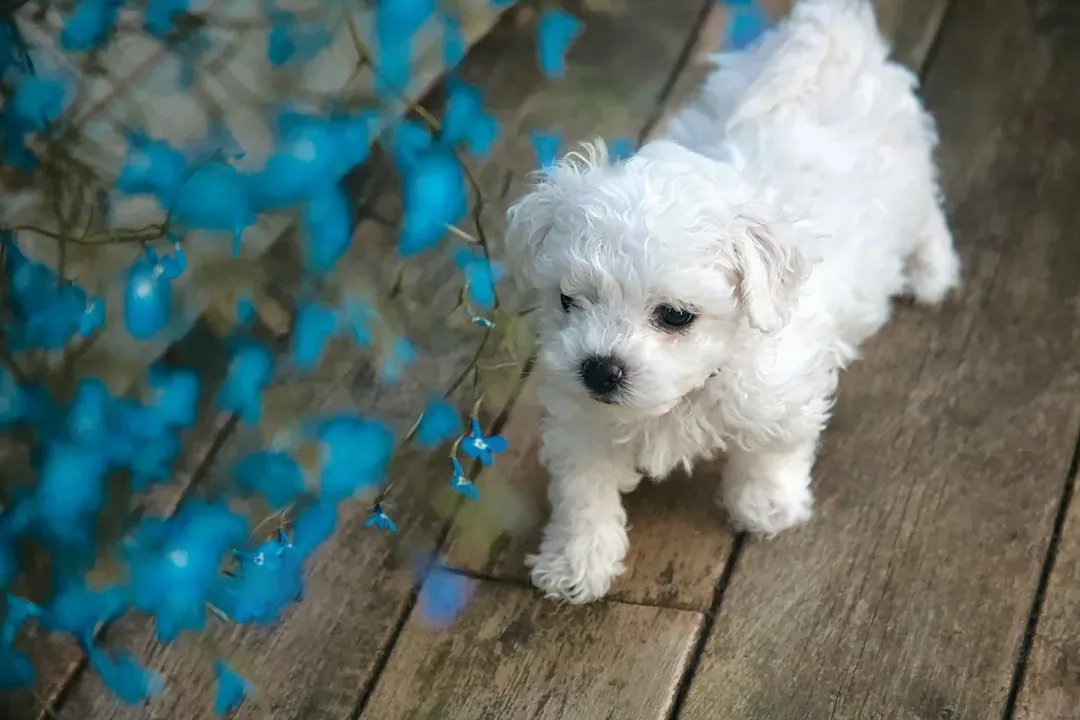
Bichon Frises have a reputation for being difficult to housebreak, as the breed is fiercely independent and tends to be picky about going outside when it’s rainy or cold. These fluffy little charmers may look like marshmallows, but they’ve got minds of their own.
When you introduce another pet, Bichons can become even more selective about their bathroom habits. Scent marking is more common in multi-dog households where dogs compete for space, resources, and human attention. Your Bichon might decide that certain areas of the house are theirs alone and mark accordingly.
The good news? Bichons are intelligent and respond well to crate training when done correctly. Create a very consistent schedule and heap on the praise when they get it right. These dogs thrive on positive attention, so make outdoor potty time feel like winning the lottery.
Pugs: Adorable but Notoriously Resistant

Pugs have mastered the art of looking innocent while being incredibly stubborn about bathroom training. Pugs haven’t mastered potty training and are especially stubborn when it comes to going to the bathroom, particularly when it’s not nice outside. Their flat faces make them sensitive to temperature extremes, which only adds to their reluctance.
In homes with multiple pets, Pugs can develop marking behaviors driven by insecurity or competition. They’re people-oriented dogs who don’t always appreciate sharing their humans with other animals. This emotional response can translate directly into housebreaking failures.
Start early if you can, and keep training sessions short because Pugs have limited patience for repetition. High-value treats work wonders, and celebrating small victories helps build momentum. These little comedians need to feel like potty training was their idea all along.
Shih Tzus: Charmers Who Manipulate Their Way Out
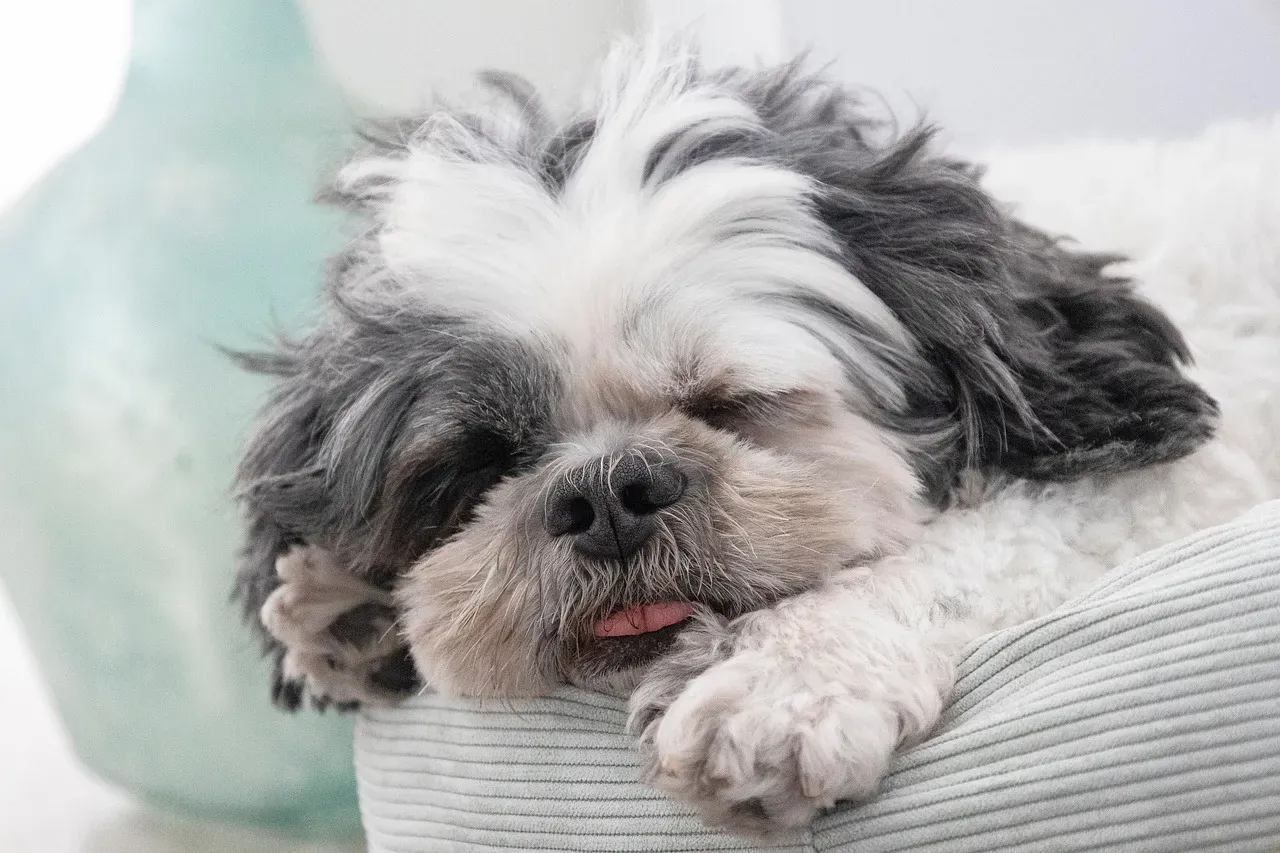
The breed tends to charm their owner into letting them have their own way, which can result in a less-than-completely-housebroken pet who is difficult to groom. Let’s be real: Shih Tzus know exactly how cute they are and aren’t afraid to use it against you.
Breeds like Shih Tzus can regress in their training if they sense stress or frustration, with harsh corrections or raised voices making these dogs anxious and leading to submissive urination or fear-based accidents. Adding another pet creates environmental changes that sensitive Shih Tzus struggle to handle. They may respond by having accidents in places they’d previously avoided.
Gentle, positive training methods work best with this breed. Avoid any hint of anger or frustration during accidents, as it will only make things worse. Shih Tzus need reassurance and predictability, especially when household dynamics shift.
Jack Russell Terriers: High-Energy Chaos Agents
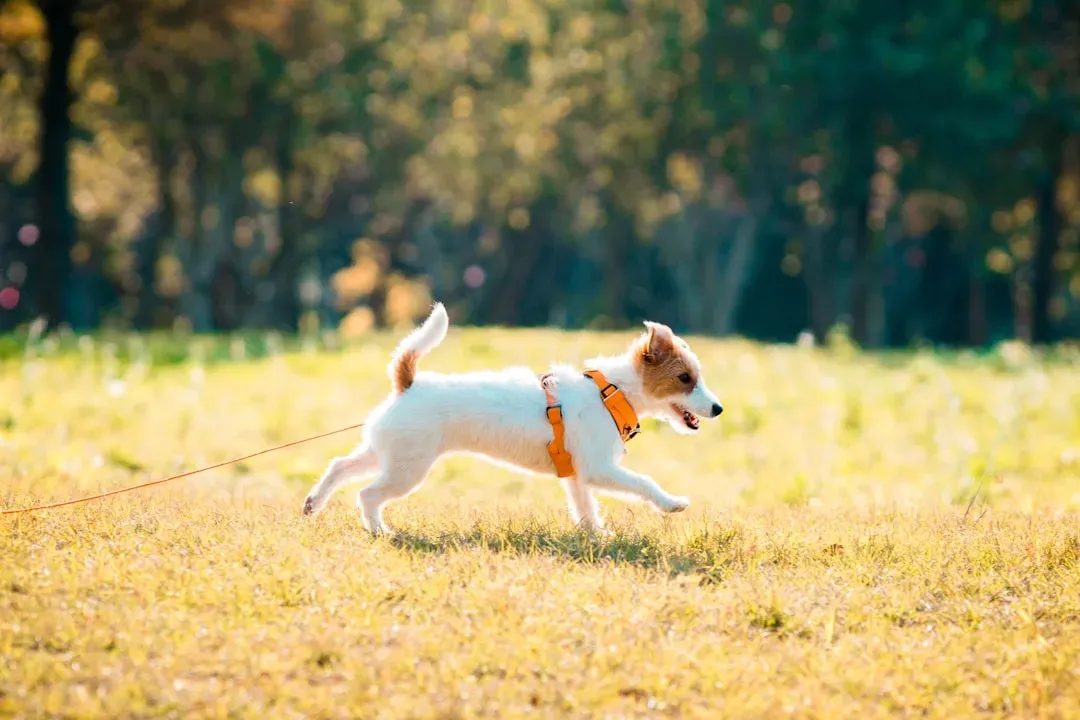
Jack Russell Terriers are known to be challenging, with these little balls of energy chewing shoes, running around at full speed, and being difficult to potty train. Their energy levels are off the charts, and their attention spans are measured in milliseconds. Adding another pet to the equation is like throwing gasoline on a fire.
These terriers were bred to work independently, which translates to selective obedience. In multi-pet homes, Jack Russells may view the new arrival as competition, a playmate, or an annoyance, depending on the day. This emotional rollercoaster often results in marking behavior and indoor accidents.
Exercise is your best friend with this breed. A tired Jack Russell is a better-behaved Jack Russell. Combine physical activity with mental stimulation, and be prepared to redirect constantly when you catch them eyeing that chair leg suspiciously.
Cocker Spaniels: Sensitive Souls Prone to Stress
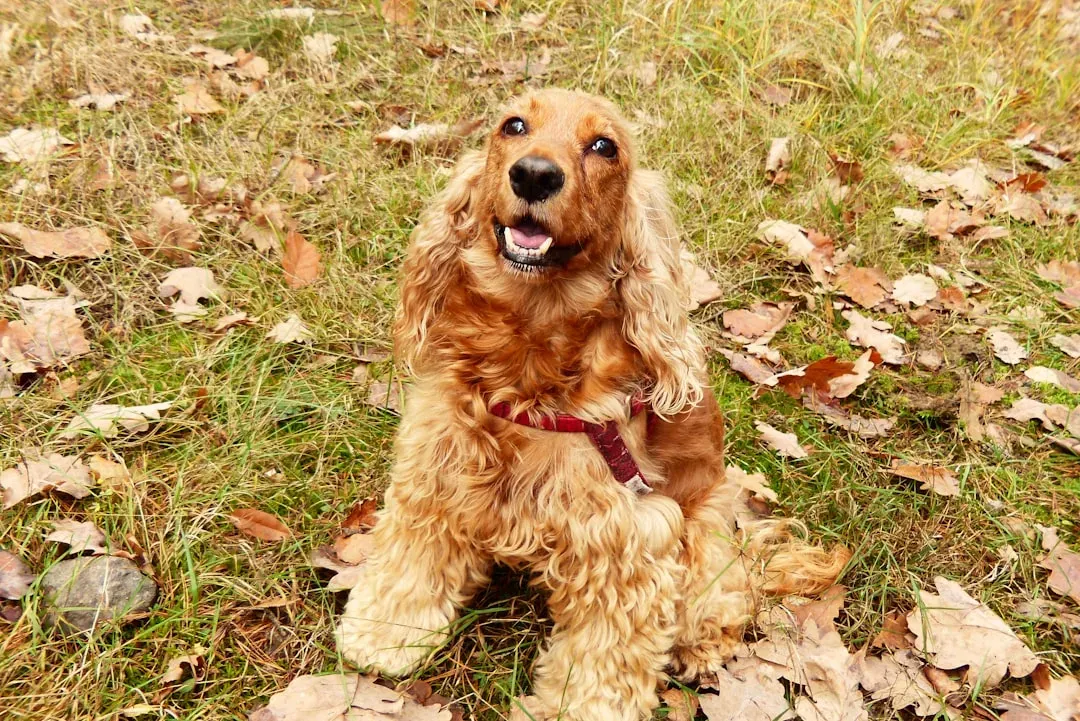
When housebreaking Cocker Spaniels, owners should avoid being too harsh, yelling or physically punishing them when potty training, as they’ll likely either become defensive or urinate in submission. These sweet-natured dogs are incredibly sensitive to their environment and the emotions of their people.
If there’s tension or disagreement between dogs in the household, one dog may start marking, with the anxiety from the conflict and the basic need to mark territory leading to increased urine issues. Cocker Spaniels pick up on household stress like radar, and their response is often submissive urination or anxiety-driven accidents. They’re also prone to excitement urination, which gets worse when there’s more activity in the home.
Calm, patient training is essential. Create a peaceful environment as much as possible, and use encouragement rather than correction. These dogs desperately want to please you; they just need to feel safe and supported while learning.
Afghan Hounds: Independent Thinkers With Selective Memory

Afghan hounds have the independent personality of a cat and tend to do what they want, when they want, possibly ignoring your prompts and commands. Afghan Hounds are ranked last in canine intelligence traits and are often described as lofty daydreamers, with their high-strung nature meaning they might be slower mastering house training.
These majestic dogs were bred to hunt independently across vast distances. They’re simply not wired to care much about what you think they should do. In multi-pet homes, Afghan Hounds may mark to establish territory or completely ignore housebreaking rules they never fully accepted in the first place.
Professional training help is often needed with this breed. They require patient, observant owners who can watch for subtle behavioral cues. Consistency matters, but so does accepting that Afghan Hounds will always march to their own drum.
Pomeranians: Tiny Bladders, Big Attitudes

Pomeranians love pleasing their owners, but their personalities can make them hard to train, and when combined with extra small bladders that can’t hold it for long, training becomes even harder. Smaller breeds have smaller bladders and higher metabolisms requiring more frequent trips outside, as they simply can’t hold it as long.
In multi-pet households, Pomeranians often develop Napoleon complexes. They don’t see themselves as small, and they certainly don’t appreciate sharing their space with larger dogs. This attitude frequently manifests as marking behavior throughout the house.
Frequent potty breaks are non-negotiable with Pomeranians. Don’t expect them to hold it for hours like a Labrador. Positive reinforcement with treats keeps these sassy little dogs engaged, and short training sessions prevent them from getting bored and tuning you out.
Conclusion: Understanding Brings Success
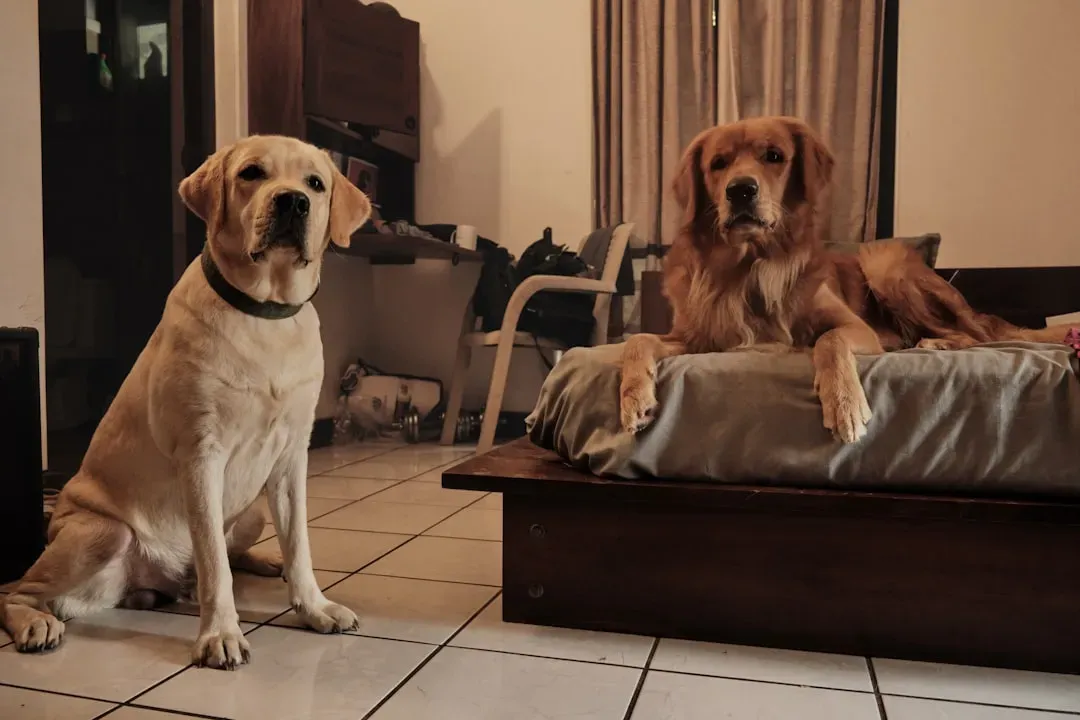
Living with dogs who struggle with can test your patience, your cleaning supplies, and your sanity. Here’s the thing, though: these breeds aren’t failing because they’re bad dogs. They’re responding to instincts, anxiety, and environmental pressures that feel overwhelming to them.
If there are one or more dogs within the household and there is tension or a disagreement between dogs, then one dog may start marking, with the anxiety associated with the conflict as well the basic need to mark territory leading to increased urine issues. Understanding this helps you address the root cause rather than just cleaning up accidents. Success comes from consistency, patience, addressing underlying stress, and adjusting your expectations to match your dog’s breed tendencies.
Every dog can improve with the right approach. Some just need more time, more understanding, and more frequent potty breaks than others. What’s your experience been with housebreaking in a multi-pet home? Have you found strategies that worked wonders with stubborn breeds?


