
You love your dogs. All of them. The chaos, the cuddles, the occasional zoomies at 2 a.m. – it’s all part of the beautiful mess. So when one of your furry family members keeps having accidents inside, despite your best efforts, it feels personal. It can feel like failure. I promise you, it’s not.
The difficulty of housebreaking a puppy depends on many factors, and breed can definitely play into how well a dog responds to potty training, as some breeds are more obedient than others. When you add multiple pets into the mix, things get even more layered. Scents, competition, distraction, and social dynamics can send even a partially trained dog straight back to square one.
Here’s the thing – some breeds are simply wired in ways that make housebreaking an uphill climb, especially in a busy multi-pet household. Understanding why is the first step to turning things around. Let’s dive in.
1. Dachshund: The Stubborn Little Sausage With a Mind of Its Own
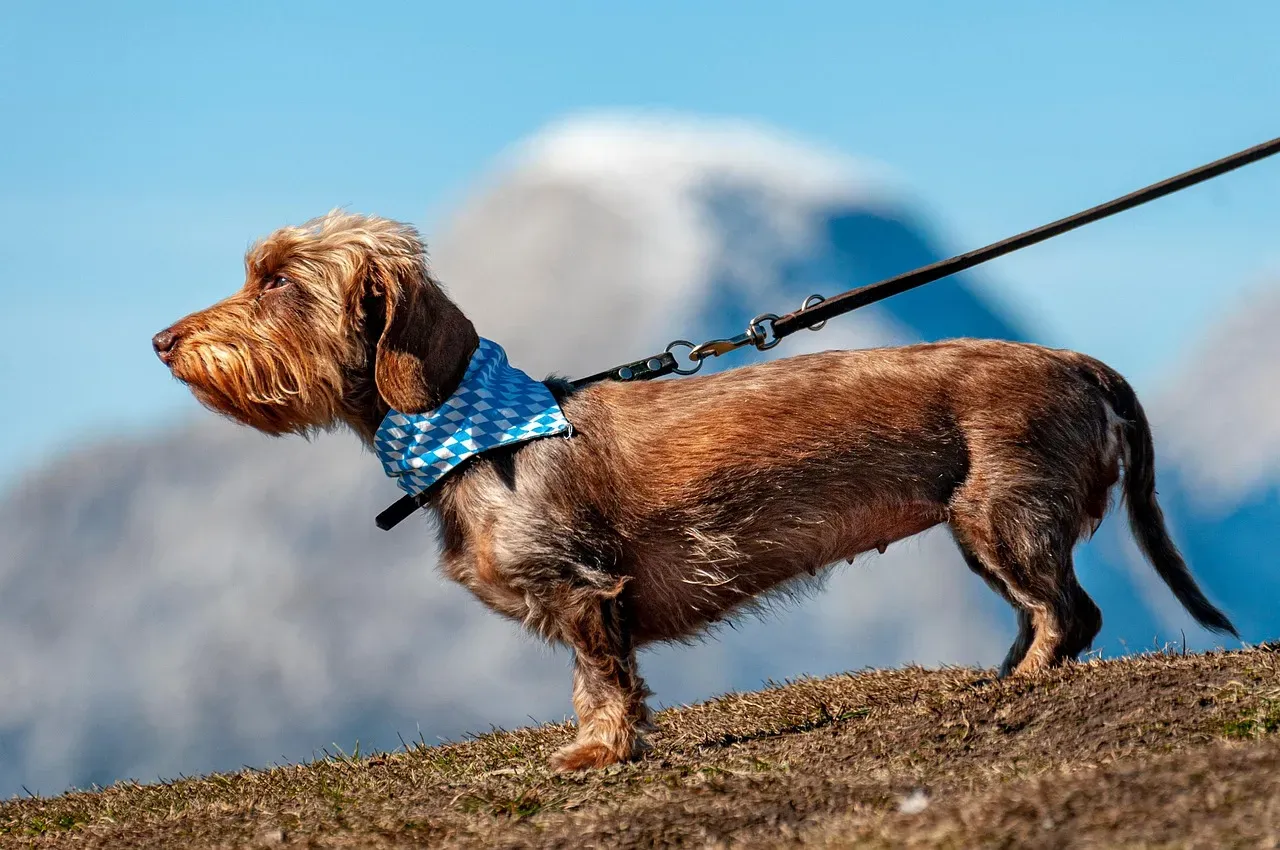
Honestly, Dachshunds might be the ultimate heartbreakers in the housebreaking world. They’re adorable, soulful, and wildly entertaining – and they will absolutely pee on your favorite rug without a shred of remorse. Originally bred to hunt badgers alone, Dachshunds developed strong independence and persistence, and when you combine that with their dislike for rain and a tiny bladder, you’ve got a recipe for potty-training challenges.
In a multi-pet home, this problem multiplies. Dachshund puppies are clever but display a well-known streak of stubbornness and may resist training if they are not interested. Many Dachshunds tend to dislike cold or wet weather, which makes outdoor training sessions even tougher. When there are other pets around bringing in outdoor scents, a Dachshund may decide the living room is just as valid a bathroom as the backyard.
Prevention tip: Keep your routine iron-tight. Take your Dachshund out first, before the chaos of other pets derails the mission. Persistent positive reinforcement combined with a strong routine will gradually promote successful house training. Small, high-value treats work wonders with this breed.
2. Beagle: The Nose That Forgets There Are Rules

Ask any Beagle owner and they’ll laugh – because they’ve been there. Beagles are joyful, lovable, and absolutely enslaved by their noses. In a multi-pet home, that nose becomes a serious housebreaking liability. Beagle puppies are well-loved for their affectionate and lively temperament but can be easily sidetracked due to their keen hunting instincts. They often take longer to grasp house training commands, and because they follow scent cues rather than commands, continuous reinforcement and steady patience are essential.
Beagles are hounds after all, so they exhibit a focused, one-track mind instinct that can be challenging to temper. In a home with cats, other dogs, or small animals, every corner carries a scent story your Beagle needs to investigate – urgently, and sometimes mid-training session. The solution is to minimize distractions during potty trips and take them to the same designated spot every single time.
3. Chihuahua: Tiny Body, Enormous Attitude, Microscopic Patience for Rules
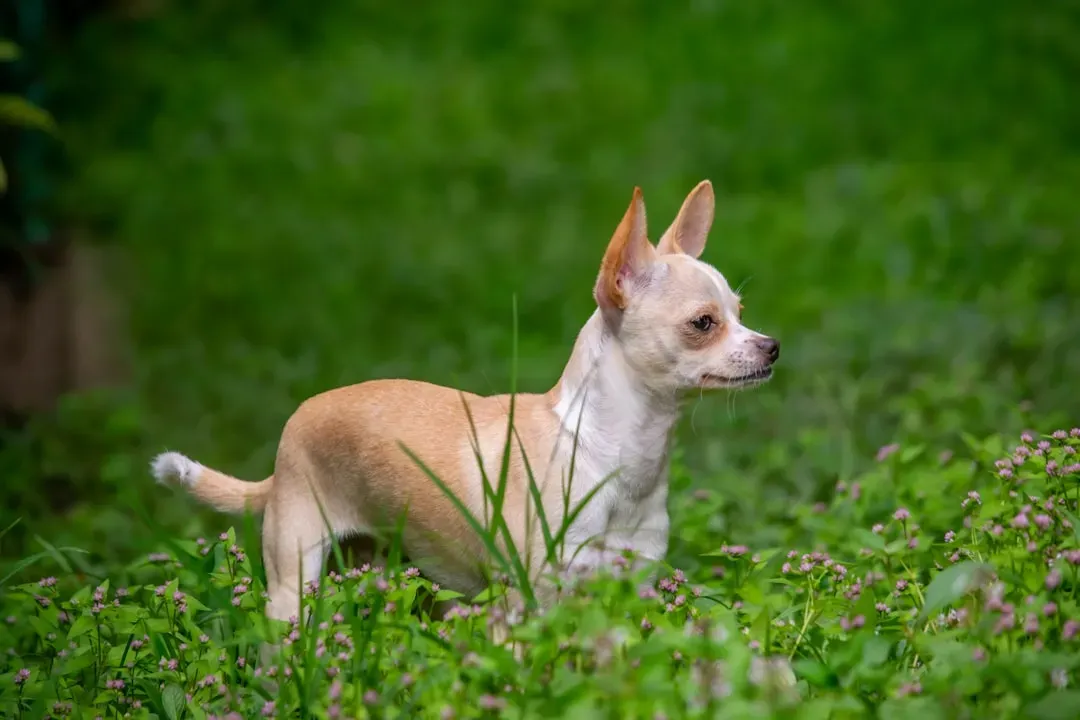
Chihuahuas are known for urinating whenever and wherever they feel like it. They can also be challenging to potty train because they hate going outside when it’s too cold or wet out, and could benefit from having a safe place inside to go to the potty. I think it’s fair to say that Chihuahuas know exactly what they’re doing – they just don’t care.
In a multi-pet household, a Chihuahua may feel outranked, overlooked, or overstimulated – all of which trigger accidents. Dogs sometimes deposit urine in small amounts to scent-mark their territory, and both male and female dogs do this most often when they believe their territory has been invaded. Your Chihuahua squatting next to the Labrador’s bed? That’s a statement, not a mistake. Consistent one-on-one training sessions, separate from the other pets, can make a real difference.
4. Bichon Frise: The Fluffy Cloud With a Surprisingly Defiant Streak
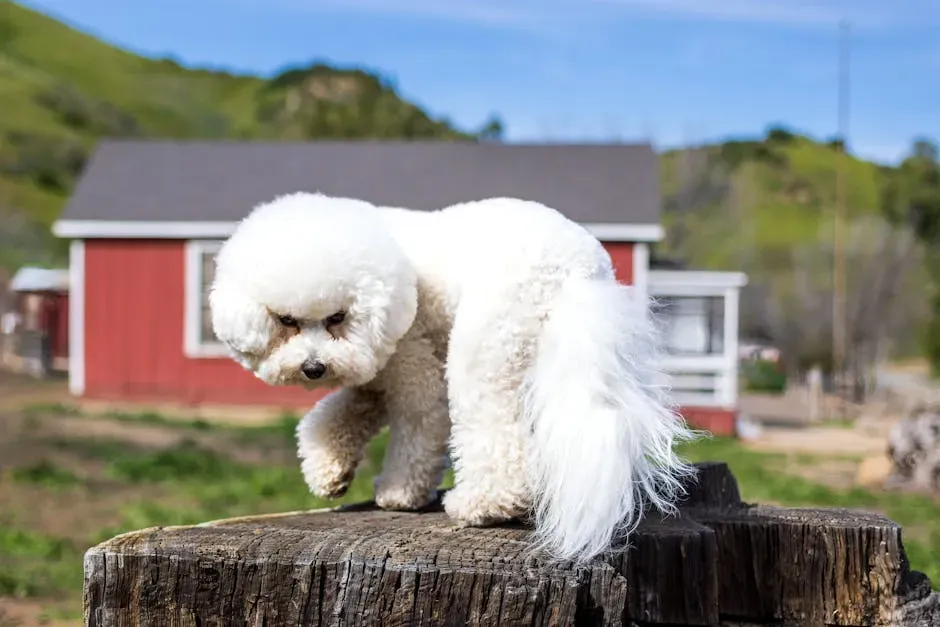
Nobody expects housebreaking trouble from something that looks like a living stuffed animal. Yet here we are. The AKC says that Bichon Frises “have a reputation for being difficult to housebreak,” while MedNet Direct says that the breed is “fiercely independent” and “tends to be picky about going outside when it’s rainy or cold out.” Weather, apparently, is a dealbreaker for the Bichon.
In homes with multiple pets, the Bichon’s need for routine gets disrupted constantly. These pups thrive on being with their family, so leaving them alone too often can lead to bad behavior. While Bichons are tough to housebreak, they’re easy to train in other ways. That’s the silver lining – their love of praise and connection means they respond beautifully to warmth and rewards when training is consistent and calm.
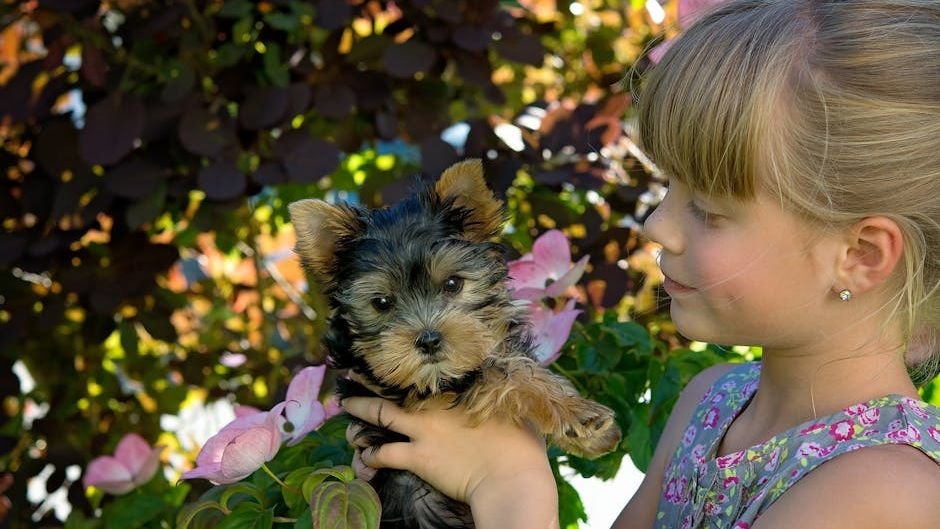
5. Yorkshire Terrier: The Prima Donna Who Doesn’t Do Puddles
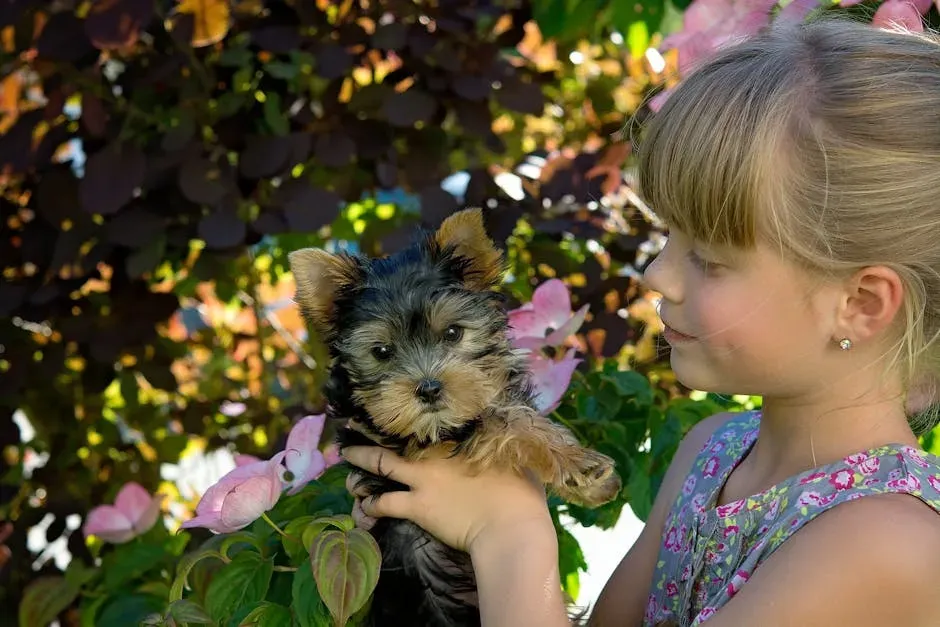
Yorkshire Terriers have opinions. Strong ones. About everything – including where and when they relieve themselves. Yorkies are an intelligent breed that can also be stubborn, which makes it difficult to potty train them. Pet owners will also find it tricky to persuade these little prima donnas to go outside when the weather is cold or wet. In addition, these little dogs have smaller bladders, so they can’t last as long between potty breaks as larger breeds.
In a lively multi-pet home, a Yorkie may feel genuinely overwhelmed, and anxiety-driven accidents are common. Some dogs may become stressed out by changes in their home environment, which can increase their anxiety and make them less willing to cooperate with training. Giving your Yorkie a calm, predictable potty routine – away from the overstimulating energy of other pets – can genuinely transform results. Think of it as carving out a moment of peace just for them.
6. Pug: The Goofy Charmer Who’s Also Kind of Lazy About This

Let’s be real – Pugs are comic geniuses, but they’re not exactly overachievers when it comes to bathroom habits. According to DogTime, Pugs “can be stubborn and difficult to housebreak,” but “although these pups have a stubborn side, especially when it comes to house training, they’re playful, affectionate dogs who will get along well even with novice pet parents.”
Everyone loves a Pug’s goofy personality, but their stubborn streak can make potty training tricky. They dislike going out in extreme weather and may be lazy about it. In a multi-pet home where doors are opening and closing constantly, a Pug may simply wander off and do their business wherever is convenient. Watch for “pre-potty” signs like sniffing, circling, and whining, then guide them outside right away – timing is everything.
7. Shih Tzu: The Royal That Plays by Its Own Rules
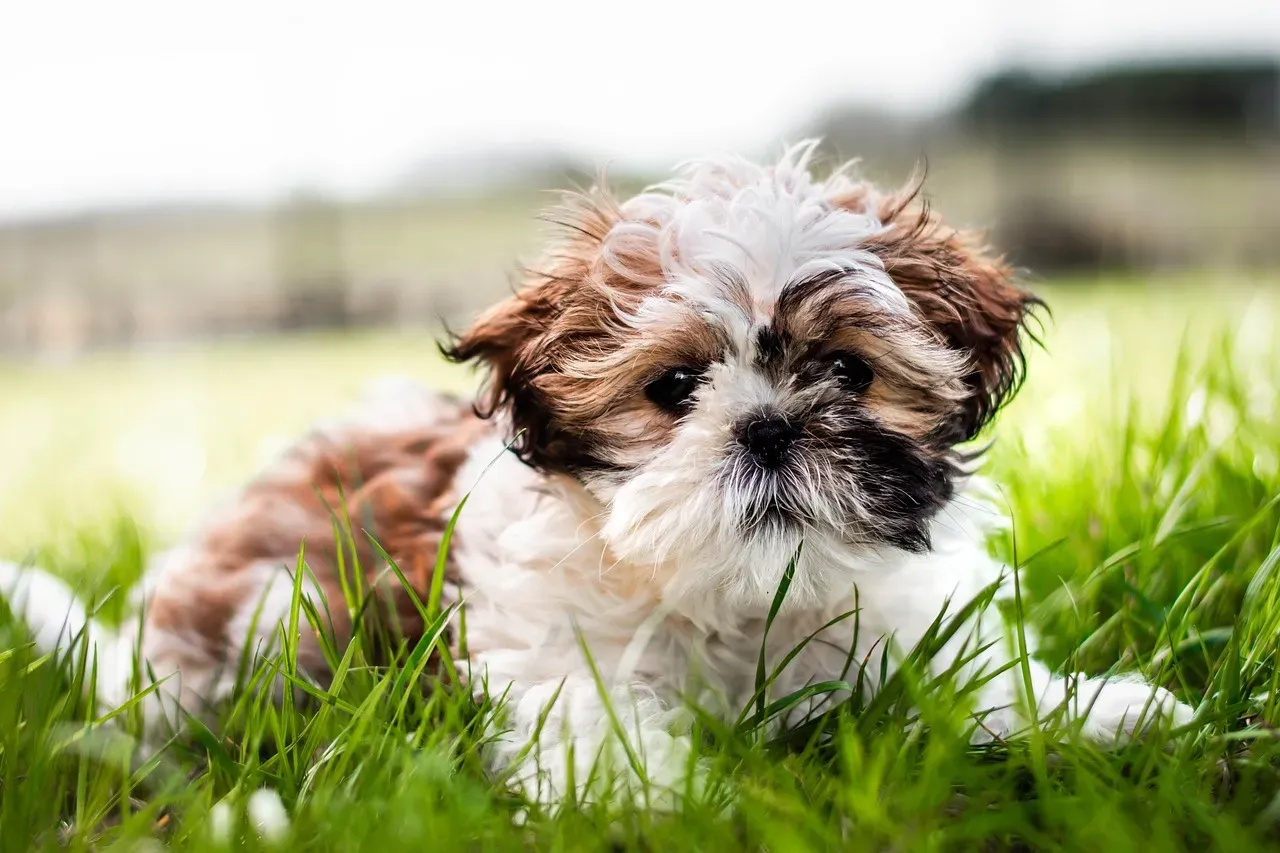
Shih Tzus are genuinely charming creatures – and they know it. That charm, unfortunately, can derail training. The AKC notes that “training a Shih Tzu can be both an amusing and a frustrating experience,” as “the breed tends to charm his owner into letting him have his own way, which can result in a chubby, less-than-completely-housebroken pet.”
In homes with multiple pets, a Shih Tzu may pick up scent cues from housemates and start marking previously clean areas. Scents and odors from other pets in the home may stimulate some initial urine marking, and remember that both you and your new dog need time to learn each other’s signals and routines. Crate training works particularly well with this breed – it provides structure and a safe haven that reduces anxiety-driven accidents.
8. Afghan Hound: Breathtakingly Beautiful, Breathtakingly Slow to Train
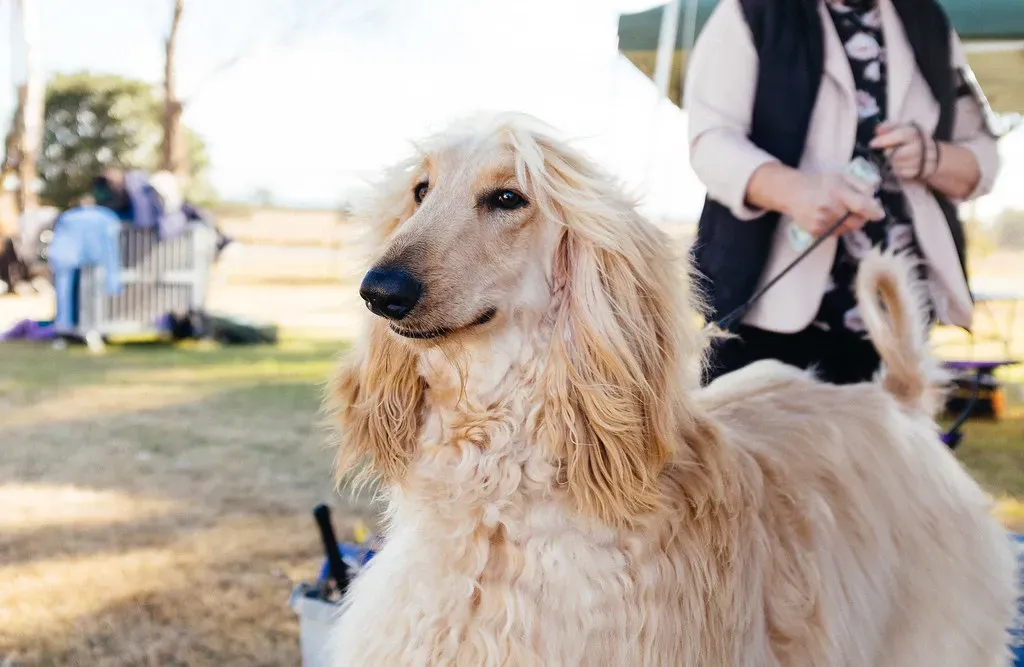
The Afghan Hound is like that incredibly graceful friend who’s late to everything and doesn’t understand why that’s a problem. They are stunning. They are dreamy. They are notoriously difficult to housebreak. These sensitive and independent dogs don’t respond well to intimidation and may shy away from firm commands. Instead, they thrive on positive reinforcement and rewards to build consistent habits. They are slow learners and take a long time to housebreak, needing extra time, patience, and consistent training to catch on.
In a multi-pet home, the Afghan’s sensitive temperament means they can shut down completely when overstimulated. The key is gentle, steady repetition – no raised voices, no frustration. Terriers and hounds are very territorial and quite prone to marking behavior, and they often have independent minds and can be unwilling to take commands. Treat Afghan Hound training as a long-game commitment, not a quick win, and celebrate every single step forward.
9. Basset Hound: The Low-Rider Who Lives at His Own Pace
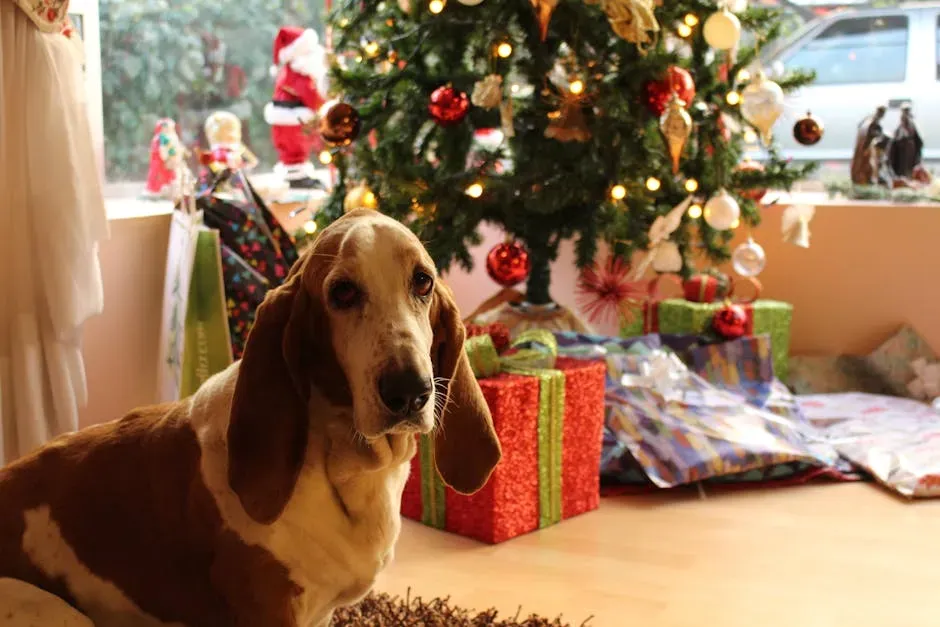
Basset Hounds are pure, soulful sweetness in a droopy, low-to-the-ground package. Their pace in life is unhurried – including when it comes to learning where to do their business. Basset Hounds are reputedly tricky to potty train. Like many scent hounds, Bassets can find it difficult to maintain focus, which can lead to accidents. That said, provided you take a consistent, patient approach to training, the Basset Hound will eventually come around.
In a multi-pet home, a Basset’s incredible sense of smell means every other animal’s bathroom habits become a source of deep, personal interest. Hounds are notoriously difficult to train due to their tracking instinct, but you can train your low-riding hound with positive methods to nip bad behavior in the bud. Keep potty breaks leash-guided and scent-free, sticking to a consistent outdoor spot so they associate that location – and only that location – with going to the bathroom.
A Final Word for Every Exhausted, Loving Multi-Pet Parent

If your home feels like a never-ending round of cleaning supplies and hopeful pep talks, know this: you are not alone, and you are not failing your dogs. It typically takes four to six months for a puppy to be fully house trained, but some puppies may take up to a year. Some of the breeds on this list may take even longer – and that’s okay.
Enzymatic cleaners neutralize urine molecules by breaking down organic compounds, preventing residual scent markers that invite dogs to re-soil the same area. Use them religiously. And remember: dogs may become stressed out by changes in their home environment, which can increase anxiety and make them less willing to cooperate with training. Multi-pet homes are inherently dynamic – manage that chaos with structure, not punishment.
Every dog on this list, no matter how headstrong or distracted, is capable of learning. They need consistency, patience, positive reinforcement, and – honestly – a human who understands their quirks well enough to work with them, not against them. You clearly care deeply, or you wouldn’t be here.
Which of these breeds lives in your home? Drop your story in the comments – because every dog parent deserves to feel seen, heard, and maybe even have a good laugh about it together.


