
You’ve probably noticed that some dogs bark, while others seem to have an entirely different language all their own. If you’ve ever heard a dog who sounds like they’re trying to have an actual conversation with you, you’ll know exactly what I mean. Certain breeds are naturally chatty, using howls, yodels, screams, and other fascinating sounds to communicate what’s on their minds.
These vocal pups aren’t just making random noise. They’re trying to tell you something important, whether it’s excitement about dinnertime, frustration over bath time, or simply that they really, really need your attention right now. Let’s explore some of the most talkative dog breeds out there and discover what makes their unique sounds so special.
1. Siberian Husky: The Dramatic Conversationalist
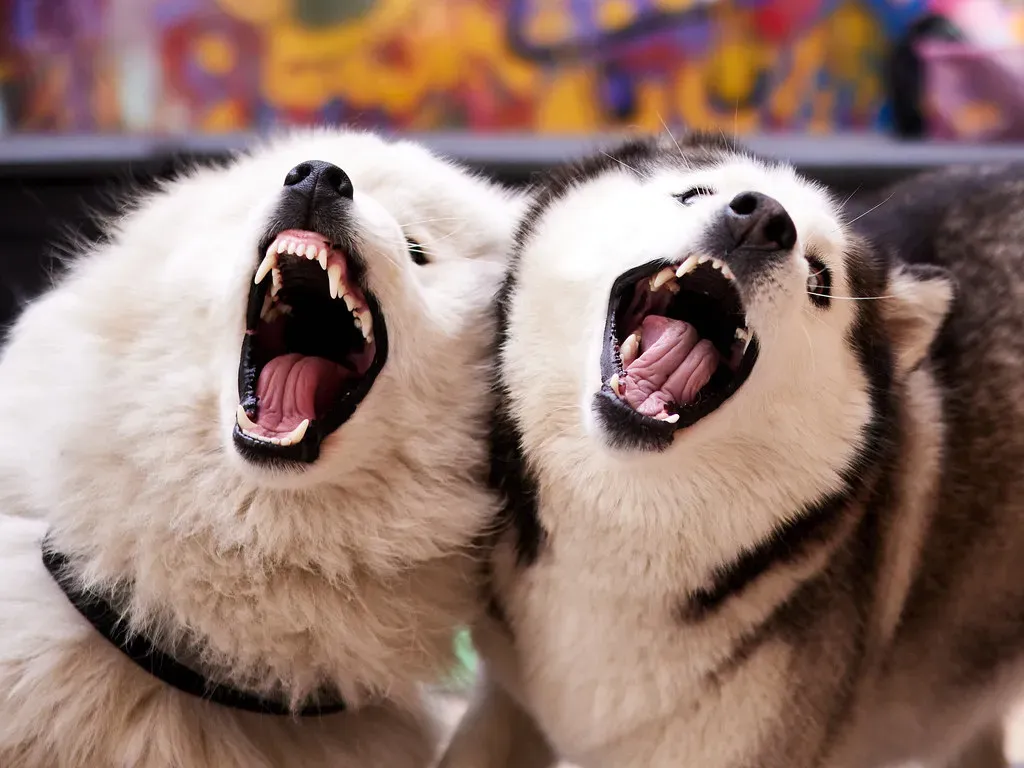
Siberian Huskies are known for their very communicative vocalizations: whining, screaming, howling, yelping, and such a range of sounds that one could very well consider it “talking.” If you’ve spent any time around a Husky, you know they rarely just bark like other dogs. Instead, they produce these melodious, almost human-like sounds that make you feel like you’re genuinely having a conversation.
Huskies were bred as sled dogs, working in groups where communication was essential, and howling and vocal sounds help dogs stay connected over long distances. This heritage still shows up today. When your Husky throws a tantrum about being asked to get in the bath, they’re channeling thousands of years of pack communication instincts.
Many Huskies make a unique “woo-woo” sound that sounds almost like human speech, which is the most famous Husky vocalization that makes them appear to be “talking.” Some owners swear their Huskies can actually say words like “I love you” or “hello,” though honestly, it’s more about tone and emotion than actual language. They’re incredibly expressive, and when they want something, you’ll definitely know about it.
2. Basenji: The Yodeling Wonder
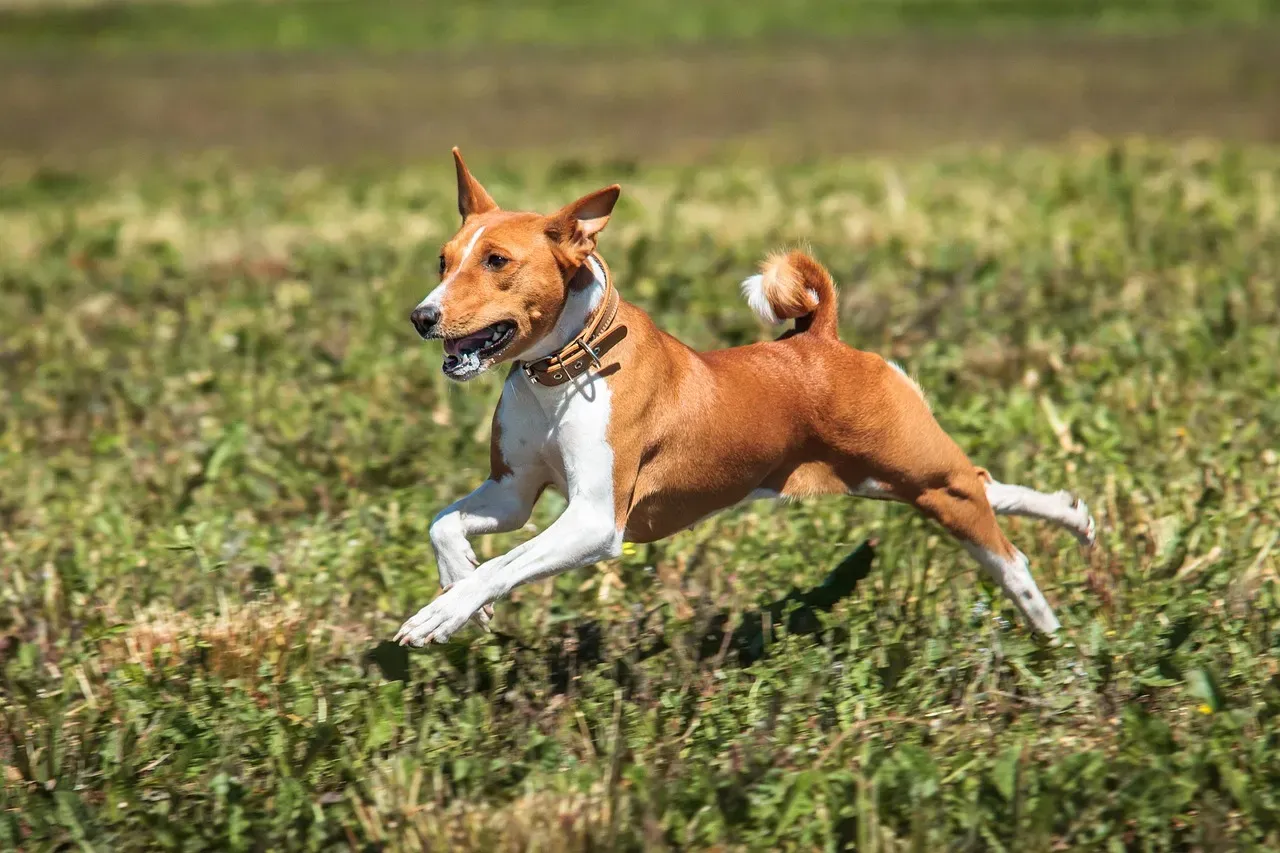
Here’s the thing about Basenjis: they do not actually bark or howl; they yodel and scream. Often called the “barkless dog,” this ancient African breed has a completely unique way of expressing themselves. One of the most common Basenji sounds is a yodel-like vocalization commonly called a “baroo” by fanciers of the breed.
In the basenji, the space between the vocal cords called the laryngeal ventricle is shallower than in other domestic dog species, which limits the movement of the vocal cords and creates the higher-pitched yodel heard in the basenji. It’s not something they choose to do – it’s literally built into their anatomy. When a Basenji gets excited about a treat or wants your attention, that unmistakable yodel comes out.
Each Basenji’s yodel is unique, with its own rhythm and tone, almost like a personalized song, and it’s not just noise – it’s a beautiful expression of their personality and emotion. Not all Basenjis are chatty, though. Some remain remarkably quiet, while others will gladly serenade you throughout the day.
3. Alaskan Malamute: The Soulful “Woo-Woo” Specialist
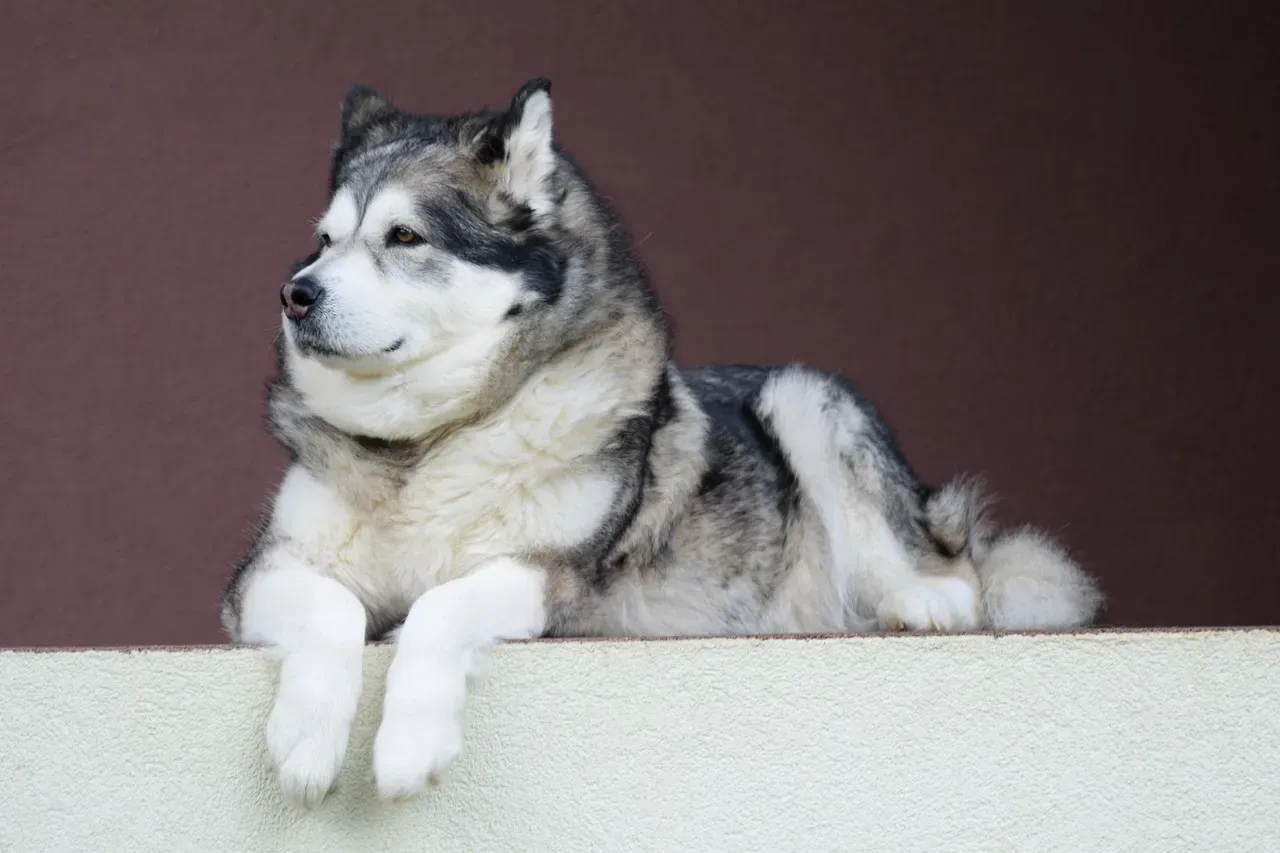
If you think Huskies are vocal, wait until you meet an Alaskan Malamute. Malamutes are known to be very noisy and will produce a wide range of vocalisations including howling, chirping, grumbling, snorting, and huffing. These gentle giants rarely bark in the traditional sense, but they more than make up for it with their signature sounds.
Owners of this breed learn a new language: the “Woo-Woo,” and they use an impressive range of howls and vocalizations to communicate with their pack, with many owners jokingly saying their dogs tell them entire stories. Malamutes are incredibly social and communicative. When they’re happy to see you, bored, or want to play, they’ll let you know with a whole symphony of sounds.
Talking is much more complex than howling or barking, and often some of the sounds can resemble actual human words. It’s honestly fascinating how much these dogs seem to want to engage with us vocally. Their rich vocal repertoire reflects their history as pack animals who relied on communication for survival in harsh Arctic conditions.
4. Shiba Inu: The High-Pitched Screamer
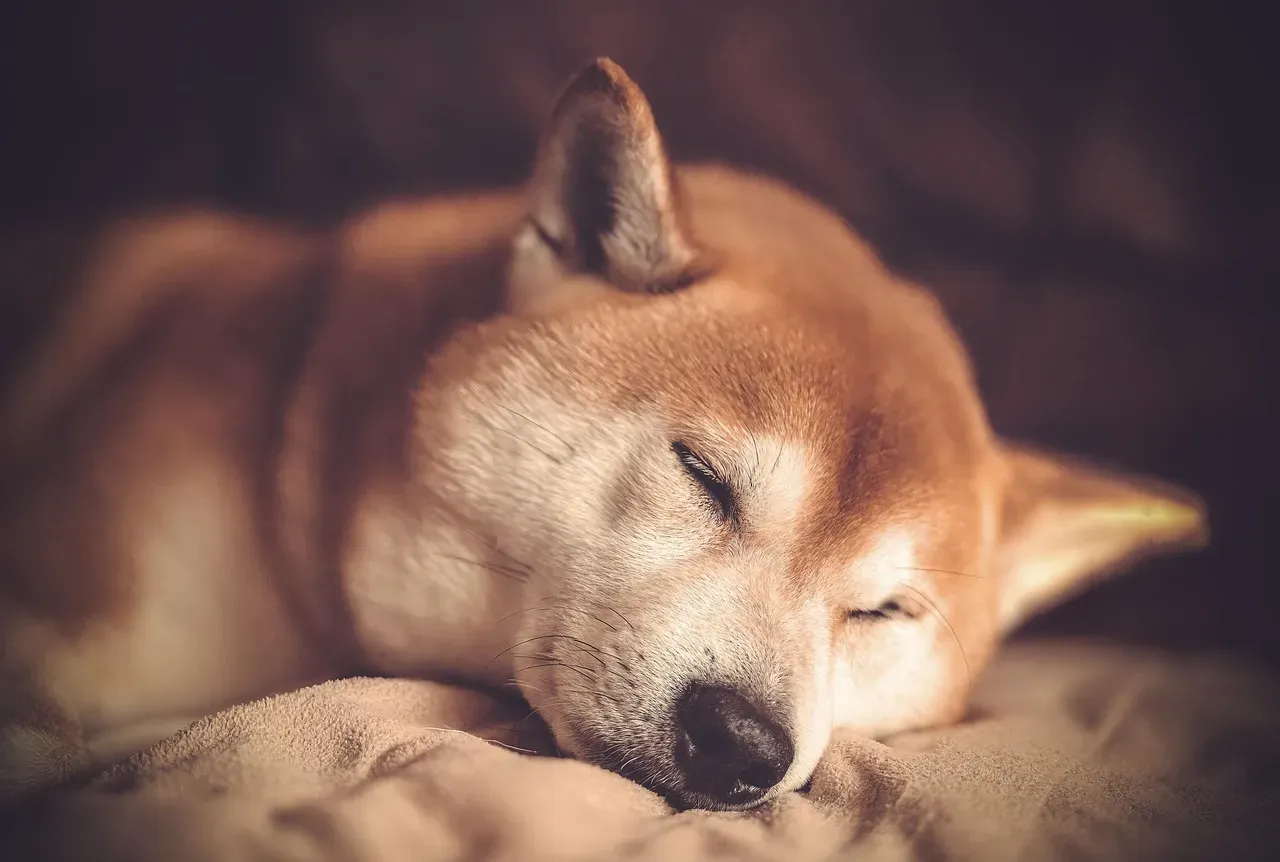
Let’s be real: the Shiba Inu scream is legendary on the internet for good reason. Not quite a bark and not quite a howl, the “Shiba Scream” is a high-pitched, often dramatic vocalization that Shiba Inus usually emit when they’re feeling excited, stressed, scared, or frustrated. If you’ve never heard it before, imagine a sound somewhere between a crying baby and a startled fox.
The most common culprit of Shiba screams are nail trimming sessions, bathing, and vet visits. These dogs are known for being drama queens, and they’re not shy about letting everyone within a three-block radius know they’re displeased. The scream itself can be alarming the first time you hear it, but it’s actually a normal form of communication for this ancient breed.
Interestingly, the cause of the Shiba scream isn’t always a negative emotion, and sometimes they’ll let out a happy scream when they get excited about something. When you come home after being gone, your Shiba might greet you with this ear-splitting vocalization simply because they’re thrilled to see you. It’s dramatic, sure, but it’s also kind of endearing once you get used to it.
5. Beagle: The Musical Bayhound
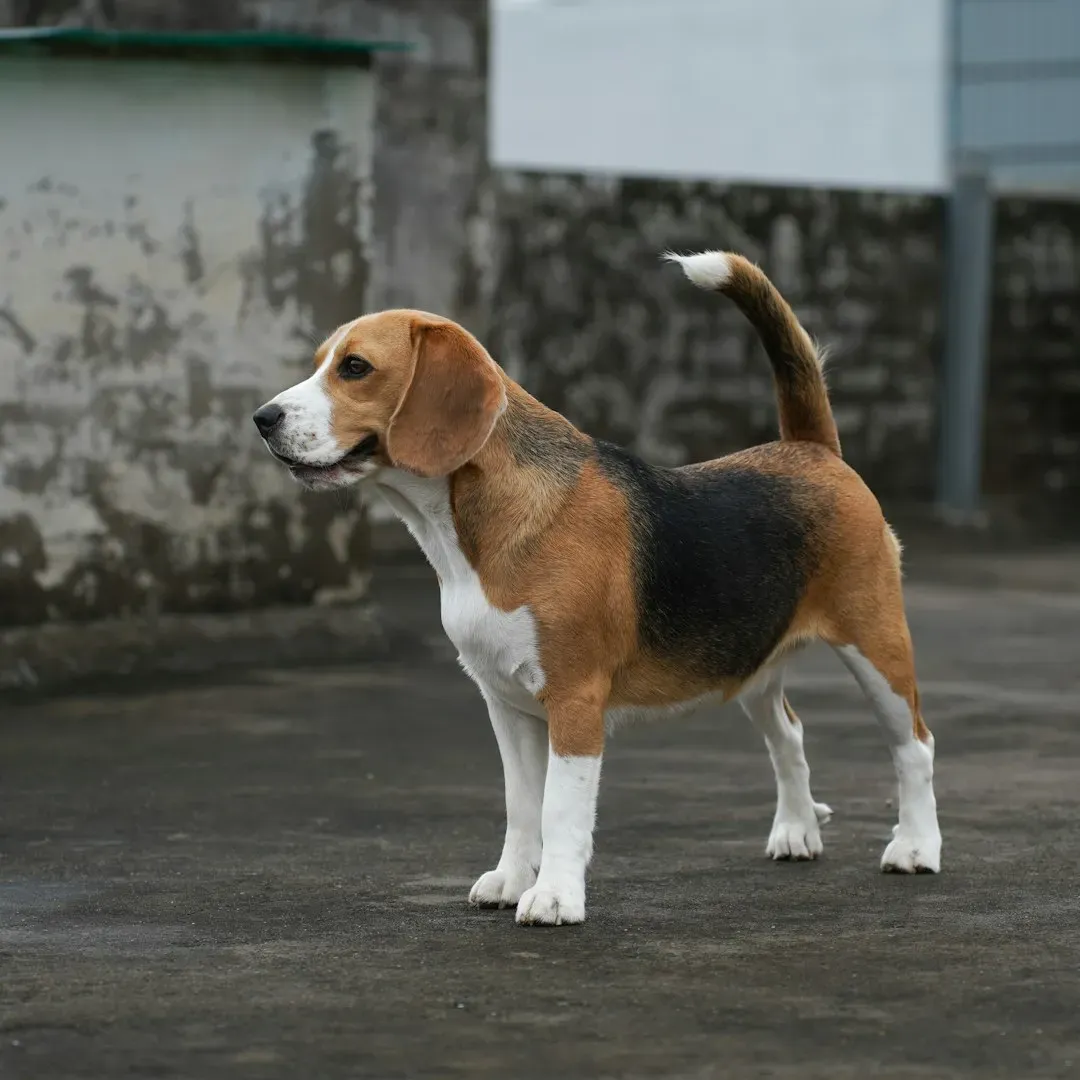
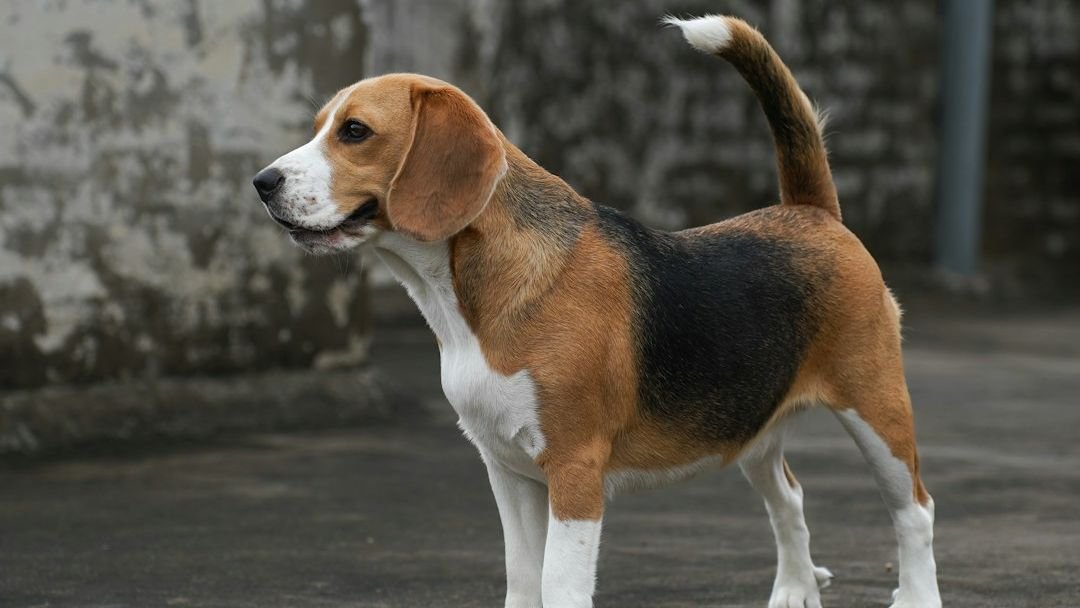
Beagles are hounds with a strong instinct to vocalize, especially when they pick up a scent, and their howls, barks, and bayings are powerful tools used to communicate with their pack and hunters. That distinctive “bay” sound is deeper and longer than a typical bark, almost musical in quality. Once you hear it, you’ll never forget it.
These adorable hounds were originally bred for hunting, and their vocal abilities helped hunters track them through dense brush. Today, pet Beagles still have that strong urge to announce everything they find interesting. A squirrel in the yard? Bay. The mailman approaching? Bay. Dinner’s five minutes late? You better believe there’ll be some serious baying happening.
At home, Beagles tend to be just as expressive, often vocalizing to alert their owners of strangers or simply to demand attention. They’re social dogs who love being part of the action, and their voices help them stay involved. If you’re considering a Beagle, just know that peace and quiet might become a distant memory.
6. Australian Shepherd: The Chatty Herder
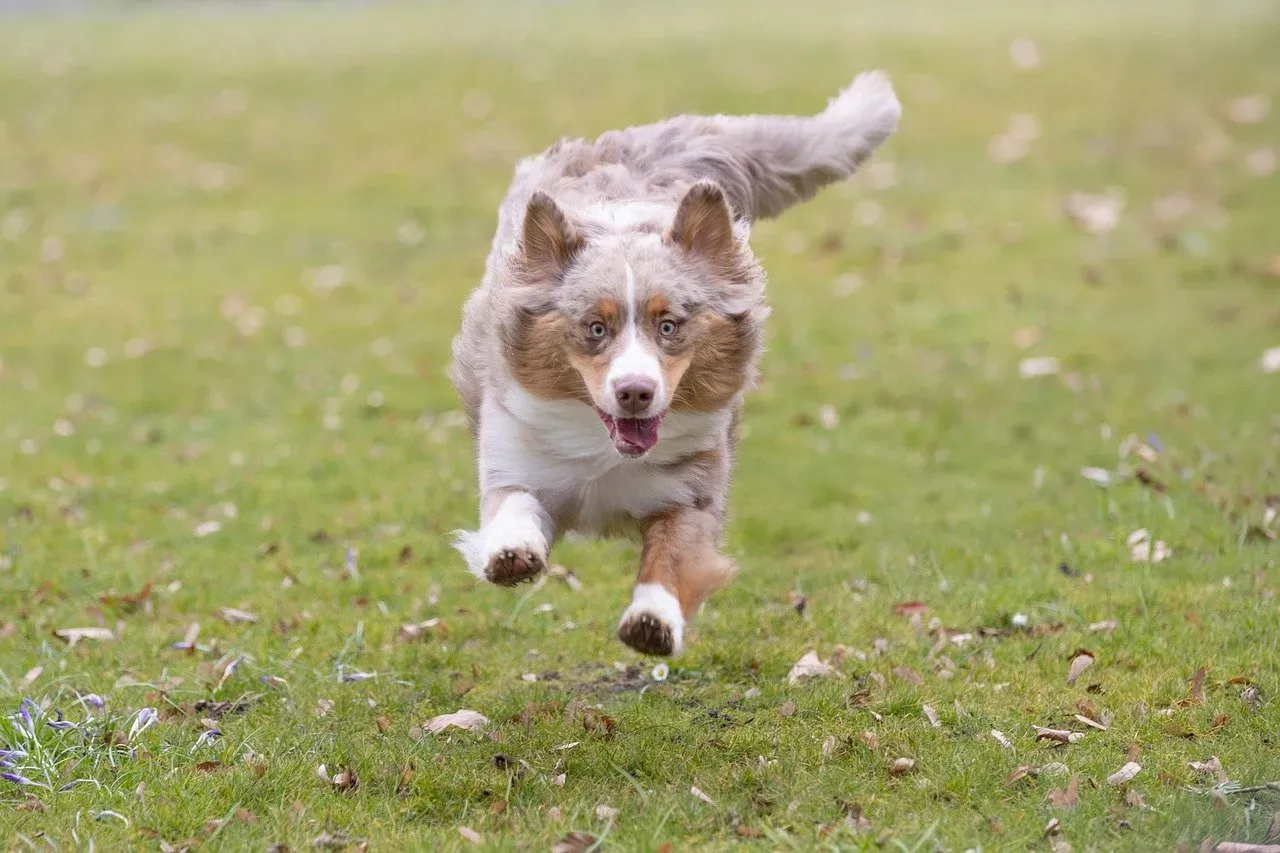
Australian Shepherds are as chatty as they are intelligent, and these hardworking dogs love to communicate with their owners, whether it’s through barks, whines, or a series of playful yips. As herding dogs, they were bred to work closely with humans and use their voices to help manage livestock. That instinct hasn’t gone anywhere.
Aussies are incredibly expressive and seem to have an opinion about everything. They often use their voice to express excitement and frustration or join the household chatter. If you’re having a conversation with family members, don’t be surprised if your Australian Shepherd chimes in with their own commentary.
These dogs thrive on interaction and mental stimulation. When they’re bored or understimulated, they’ll definitely let you know – loudly. Their talkative nature reflects their desire to stay involved in everything you’re doing, making them wonderful companions for active families who appreciate a dog with plenty to say.
7. Chihuahua: The Tiny Dog with the Big Voice
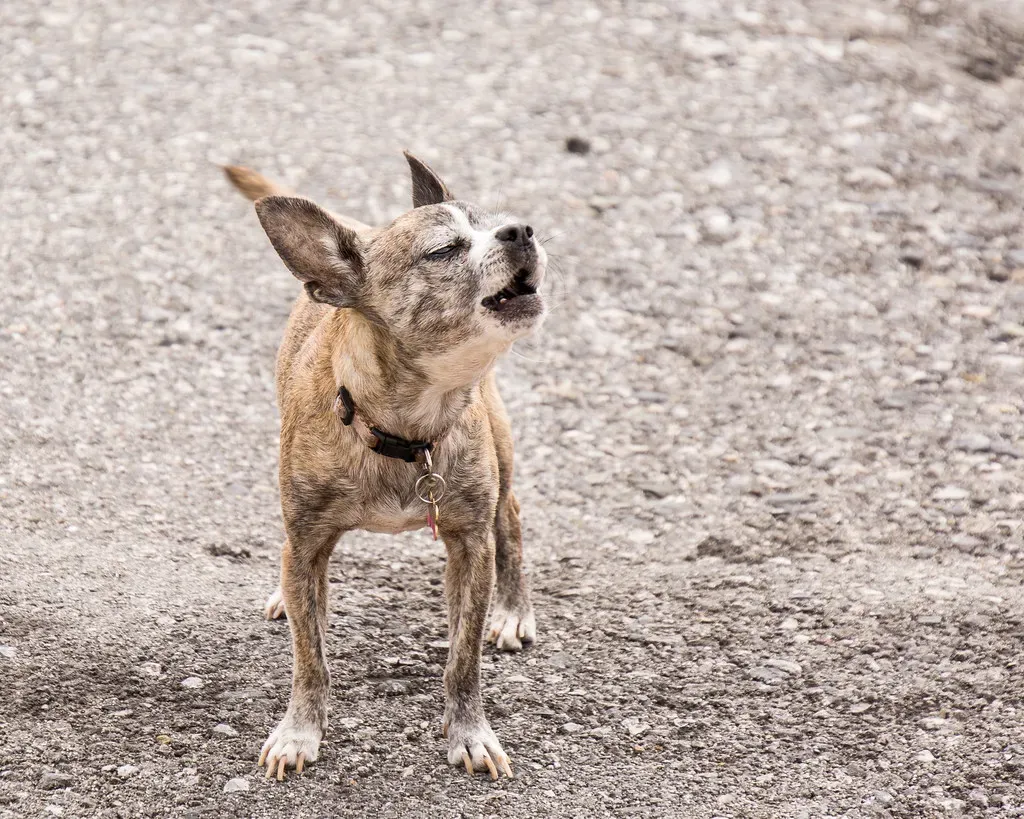
Chihuahuas might be small in size, but their voices are anything but tiny, and these spirited dogs love to express their emotions through high-pitched barks, whines, and even growls. Anyone who’s spent time around a Chihuahua knows they have zero awareness of their actual size. They carry themselves like they’re mastiffs, not pocket-sized pups.
These little dogs are naturally protective and alert, using their voices as a primary way to communicate. They are known for being protective and alert, often using their vocalizations to ensure their humans know everything around them. A leaf blowing past the window? That’s definitely something worth announcing at full volume.
Despite their reputation for being “yappy,” Chihuahuas are actually trying to communicate specific things. They’ll bark when they’re excited, anxious, protective, or want attention. Once you learn to interpret their different sounds, you’ll realize there’s a lot going on in those tiny heads.
8. Pomeranian: The Fluffy Little Chatterbox
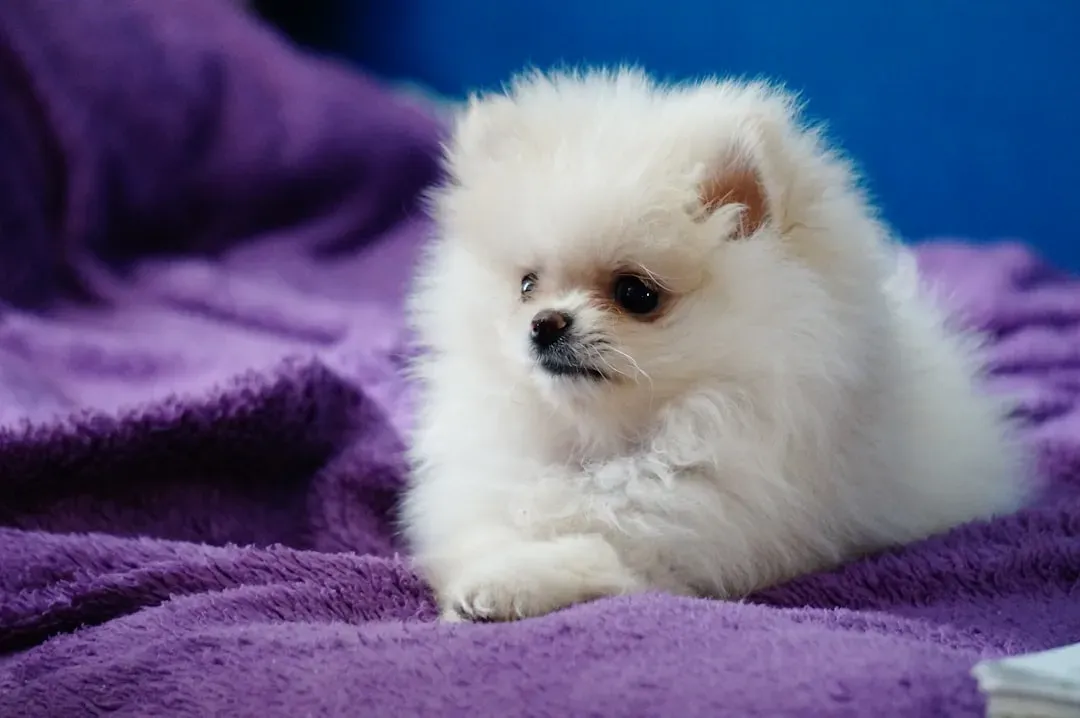
Pomeranians, with their fluffy coats and animated personalities, are not just adorable – they are also quite vocal, and these tiny powerhouses use their voices frequently, whether it’s to alert their owners to visitors or simply to demand attention. Their high-pitched bark can be surprisingly loud for such a small package.
These little dogs are descended from larger spitz-type dogs, and they’ve retained that bold, confident personality. Pomeranians love being the center of attention and aren’t afraid to speak up when they feel they’re being ignored. They’ll bark at the doorbell, at passing dogs, at birds outside – basically at anything they find noteworthy.
They are also skilled at mimicking tones, which sometimes makes their “speech” sound surprisingly human-like. Some Pomeranian owners swear their dogs can have entire conversations with them, complete with different tones and inflections that seem almost purposeful. It’s adorable and entertaining, though it can also be challenging if you live in an apartment with thin walls.
9. German Shepherd: The Authoritative Communicator
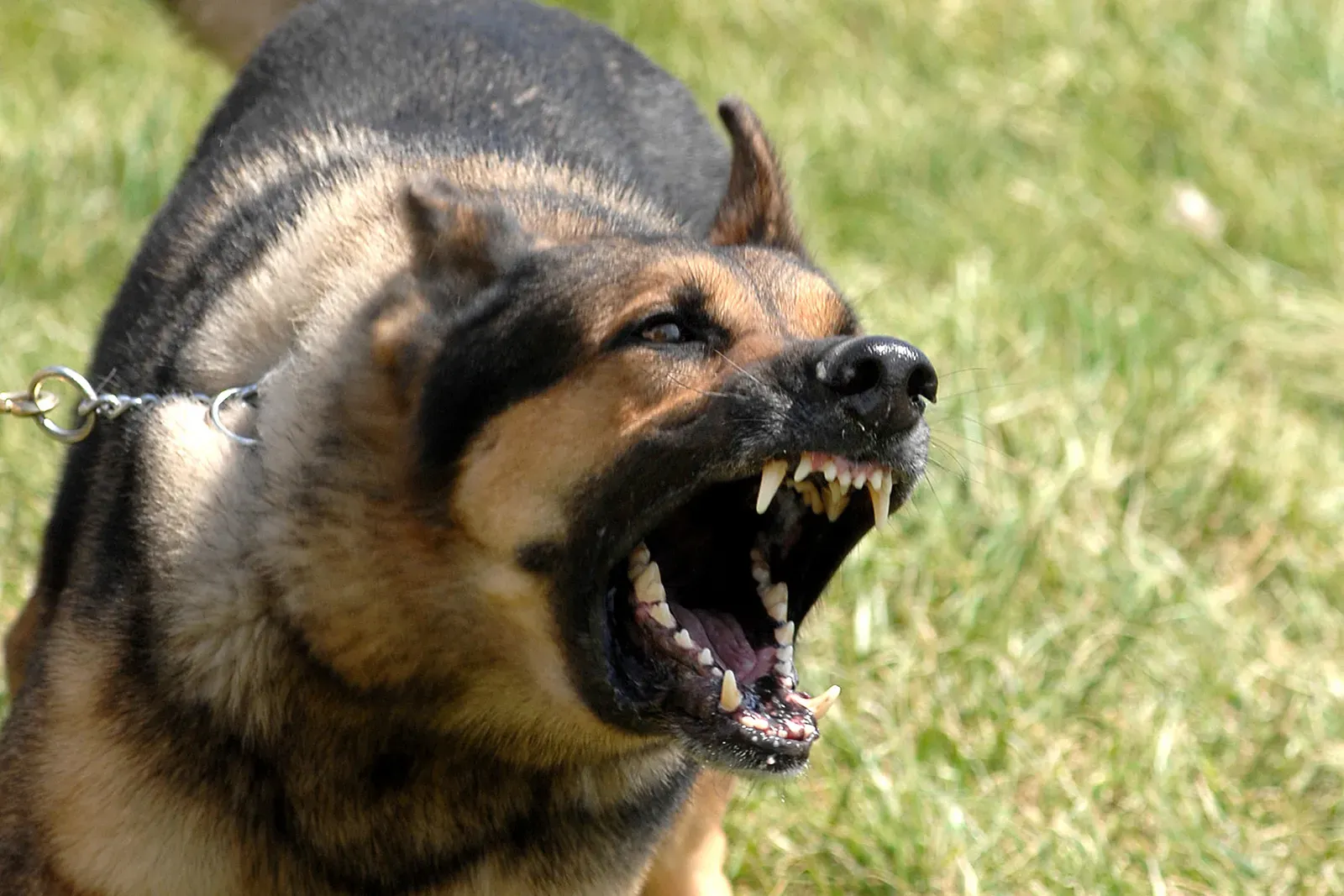
German Shepherds are known for their intelligence, loyalty, and vocal abilities, and as a breed that has traditionally been used for guarding and police work, their barking is often deep and authoritative. These dogs don’t just make noise for the sake of it – they’re genuinely trying to communicate important information.
German Shepherds use their voices in multiple ways. They’ll bark to alert you to something unusual, whine when they want attention or are anxious, and even make grumbling sounds when they’re content or trying to “talk” back to you. Their intelligence means they quickly learn which vocalizations get the best responses from their humans.
What makes German Shepherds particularly interesting is how purposeful their communication is. They’re not random barkers. When a German Shepherd speaks up, they usually have a specific reason, whether it’s alerting you to a stranger approaching or letting you know they need to go outside. Learning to understand your German Shepherd’s different sounds strengthens your bond and helps you respond to their needs more effectively.
Conclusion
These nine breeds prove that dogs have so much more to say than just a simple bark. From the Husky’s melodic howls to the Basenji’s distinctive yodel, each breed has developed its own unique way of communicating with the humans they love. Their vocalizations aren’t random noise – they’re genuine attempts to connect with us, express their emotions, and share their experiences.
If you’re considering bringing one of these chatty breeds into your home, be prepared for a lot of conversation. These dogs will keep you entertained, occasionally drive you a bit crazy, and definitely ensure that your home is never too quiet. The key is learning to understand what your dog is trying to tell you and responding with patience, training, and plenty of love.
Have you ever lived with one of these vocal breeds? What’s the most hilarious or surprising sound your dog has ever made? Sometimes the best conversations are the ones that don’t require any words at all.


