
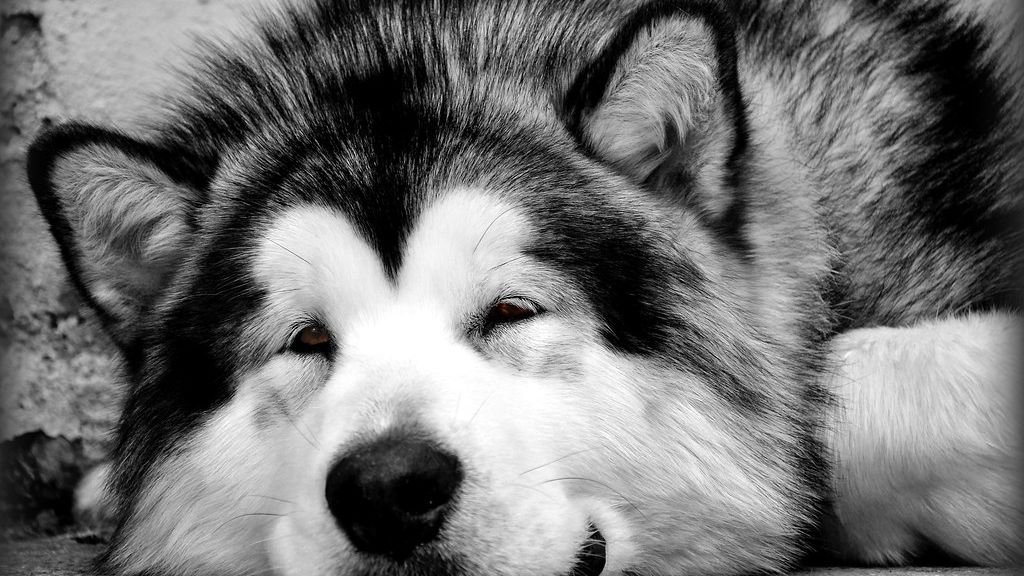
Picture this: a fresh blanket of snow covering your yard, the air sharp and clean, and your dog absolutely losing their mind with joy, bounding through drifts and rolling around like the world just became a giant playground. Not every dog does this, of course. Some breeds take one look at the cold and dart back inside to find the nearest blanket. However, certain dogs were genuinely born for this moment.
These winter-loving breeds aren’t just tolerating the cold. They’re thriving in it, engineered by centuries of survival in some of the planet’s most unforgiving climates. If you’re a snow lover, a cold-weather hiker, or someone who simply wants a furry companion who won’t sulk at the first frost, you’re in exactly the right place. Let’s dive in.
1. Siberian Husky: The Ultimate Snow Machine
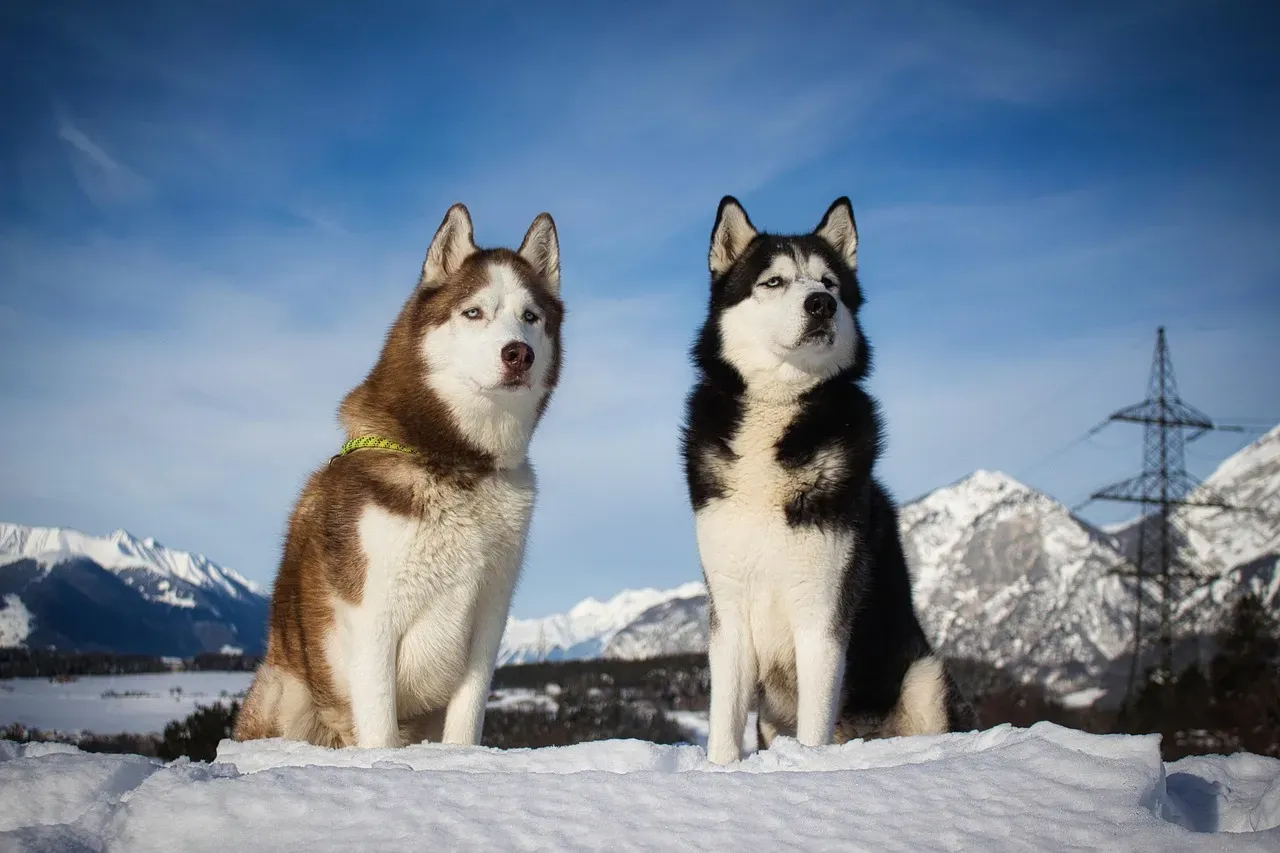
If there’s one breed that was literally shaped by winter, it’s the Siberian Husky. Siberian Huskies are what most people think of when they say snow dog breeds. Once bred by the Chukchi people in Siberia to pull sleds across frozen desolation, these dogs don’t just withstand cold – they prefer it. Honestly, watching a Husky in fresh snow feels like watching someone open a birthday present. Pure, uncontainable joy.
The Siberian Husky is shaped by winter itself, built with a dense double coat, snow-gripping paws, and an energy level that thrives when temperatures drop. Their almond blue eyes reduce glare from bright snow, and their famously expressive tails wrap around their faces for natural insulation during rest. Fair warning though, these dogs need serious daily activity, or they’ll find their own entertainment, and you probably won’t like their choices.
In the Iditarod race, Huskies average 100 miles per day in sub-zero temps. Think about that the next time you feel like skipping your morning walk. If your Husky seems restless or destructive in winter, that’s a clear behavior cue that they need more outdoor time, not less.
2. Alaskan Malamute: The Powerhouse of the Frozen North
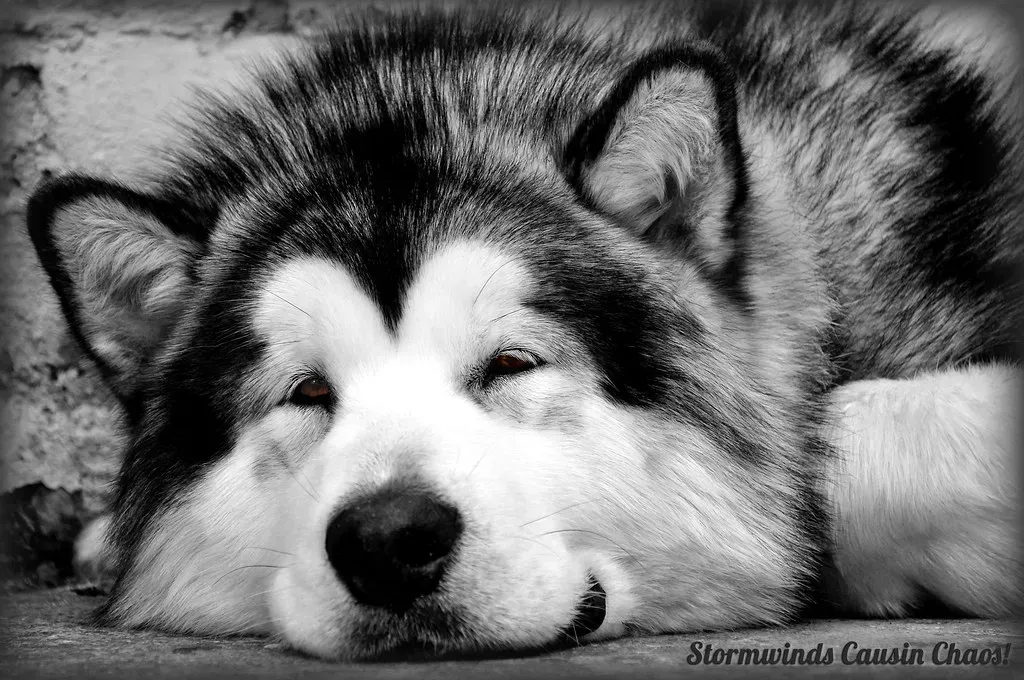
The Alaskan Malamute embodies raw winter strength, carrying a powerful frame supported by a thick, coarse topcoat and an insulating underlayer. Their muscular build and broad paws spread weight across powdery terrain, making them naturally capable of hauling heavy loads through snow. Think of them as the weightlifter of the dog world, built for power where the Husky is built for speed.
A descendant of arctic wolves, the Alaskan Malamute can tolerate temperatures as low as -20 degrees Fahrenheit. Their thick and waterproof double coat makes them suitable for the frozen Arctic where, in the past, they were part of expeditions to help settlers carry heavy freight sleds. One important health note: always check their paws after long snow sessions for ice buildup between the toes.
Malamutes are famously talkative – they howl, grunt, and make a whole range of amusing sounds to communicate. It’s one of their quirks and part of what makes them such expressive pets. Life with a Malamute is genuinely never quiet, especially in winter.
3. Bernese Mountain Dog: The Gentle Giant of the Alps
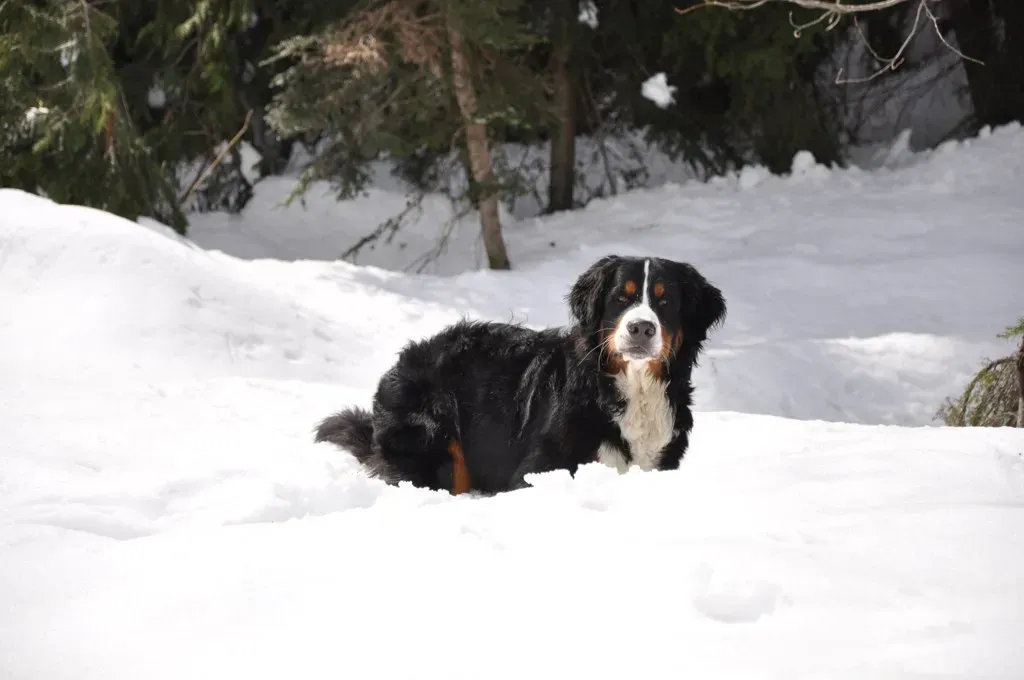
The Bernese Mountain Dog stands firm in winter thanks to its long, weather-resistant coat and deep chest that supports powerful oxygen flow in cold air. Their stocky build and steady gait allow them to move confidently across snowy hillsides without losing balance or warmth. Developed in the Swiss Alps, these dogs once helped farmers transport goods and guard rural homesteads. Their strength, patience, and calmness evolved from working on steep slopes and cold pastures year-round.
Berners are friendly, affectionate dogs who are great with children and become deeply attached to their pet parents. Their ideal home is one with plenty of outdoor space to roam and explore. I think there’s something deeply comforting about a Berner trotting beside you on a snowy trail, their tricolor coat dusted with snowflakes. They’re truly a sight to behold.
Here’s a practical care tip: thorough brushing is essential to prevent moisture trapping in the coat, and gentle paw inspection after snow play keeps them comfortable and healthy.
4. Samoyed: The Smiling Cloud of Siberia
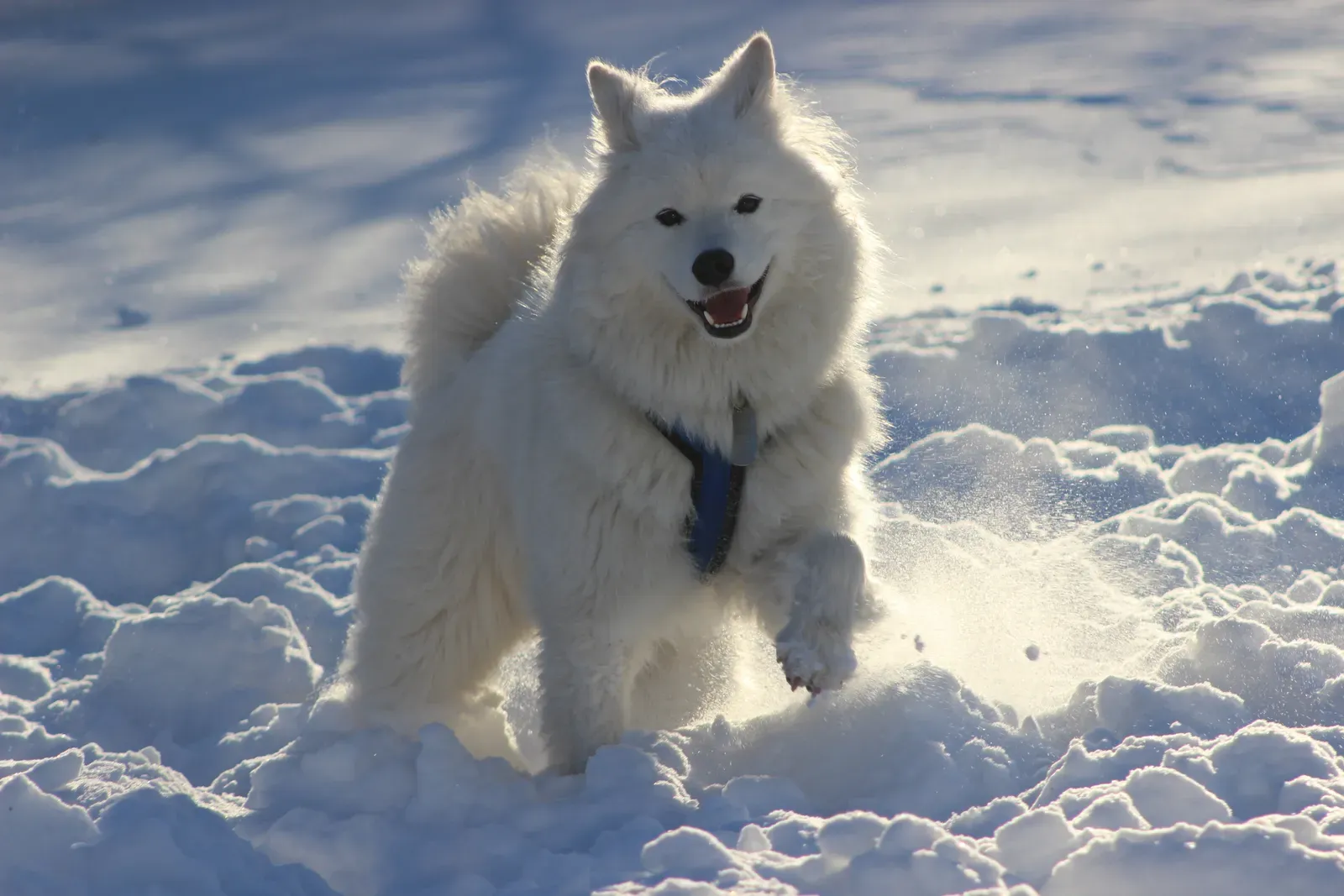
With its signature fluffy white coat, the Samoyed is one of the most iconic winter-loving breeds. Originally from Siberia, Samoyeds were bred to herd reindeer and pull sleds in freezing temperatures. Their thick, weather-resistant fur keeps them warm while giving them a regal, cloud-like appearance. Let’s be real, there’s nothing quite as magical as a Samoyed bounding through a white snowy field and practically disappearing into it.
These dogs for cold weather have some of the fluffiest coats around, and they come with what people call the “Sammy smile” – they literally look like they’re smiling all the time. Like Huskies, they’re from Siberia, where they herded reindeer and pulled sleds. Their fluffy double coat has a soft underlayer that can measure nearly two inches thick and keeps body heat trapped close to the skin.
While they love the snow and being outside, Samoyeds are also happy to cuddle indoors. Historically, their warm coat kept both themselves and their humans warm through cold winter nights. They’re the kind of dog that warms your home in more ways than one.
5. Saint Bernard: The Legendary Alpine Rescuer
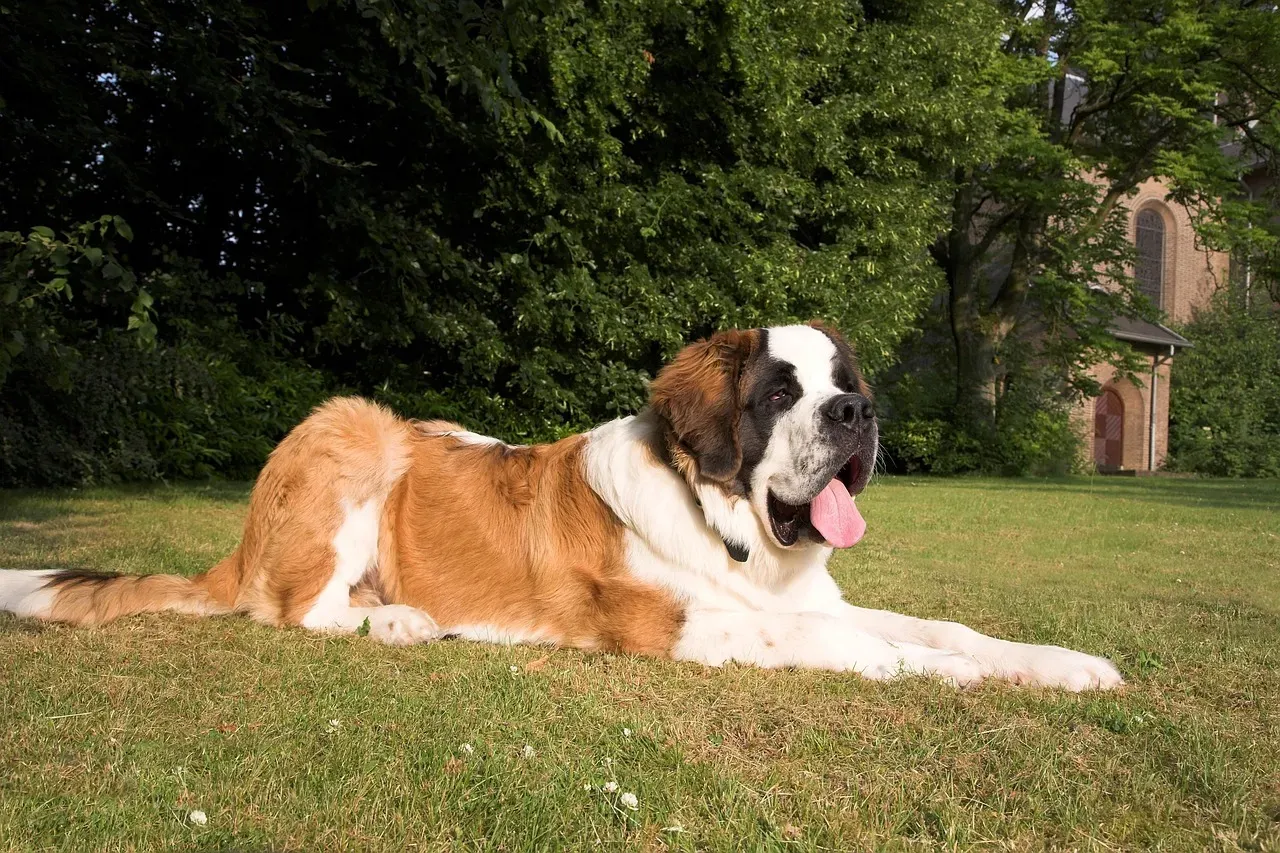
The Saint Bernard originated as a monastery dog in the mountains of Switzerland, serving as a companion and protector to monks. Their keen sense of smell and remarkable strength made them legendary snow search and rescue dogs, saving travelers stranded in the treacherous St. Bernard Pass between Italy and Switzerland. These aren’t just winter dogs, they’re winter heroes with a centuries-long track record to prove it.
Saint Bernards have thick ears, a dense undercoat, and a heavy frame that keeps them protected in harsh temperatures. Their size and strength make them excellent winter companions, capable of braving extreme conditions with ease. Despite their imposing appearance, they are patient, gentle, and friendly with humans. They form strong bonds with families and are calm, loyal, and comforting.
One amusing truth you should know going in: they drool. A lot. If a little slobber is something you can live with, then a Saint Bernard will repay you with an ocean of warmth and loyalty.
6. Great Pyrenees: The Majestic Mountain Guardian
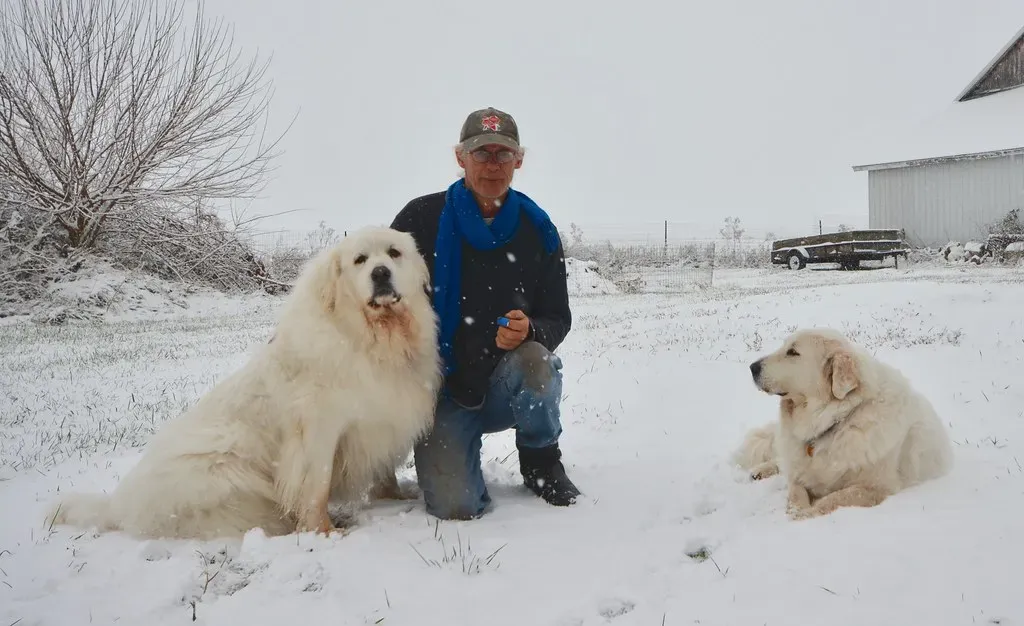
Also known as the Pyrenean Mountain Dog, the Great Pyrenees spent centuries guarding sheep in the Pyrenees Mountains between France and Spain. Bred to defend the flock against wolves and bears, they needed size, strength, and stamina to withstand cold nights outdoors. Their impressive build, often exceeding 100 pounds, earned them the French nickname “Le Grand Chien des Montagnes,” or “the big dog of the mountains.”
The Great Pyrenees is a majestic snow-loving dog breed. With a thick double coat, these cold-weather dogs stay warm and cozy while romping through snow-covered landscapes, making them perfect companions for winter adventures. Picture a large, white, majestic dog standing at the edge of a snowy field like it owns the entire mountain. That’s your Pyrenees on any given winter afternoon.
The Great Pyrenees is known for its calm elegance and gentle nature. They have a dense, thick double coat that protects them from the cold. They tend to love winter and you can often find them lying, rolling around, or romping in the snow. Calm, unhurried, and utterly at home in the cold.
7. Akita: The Noble Snow Country Dog
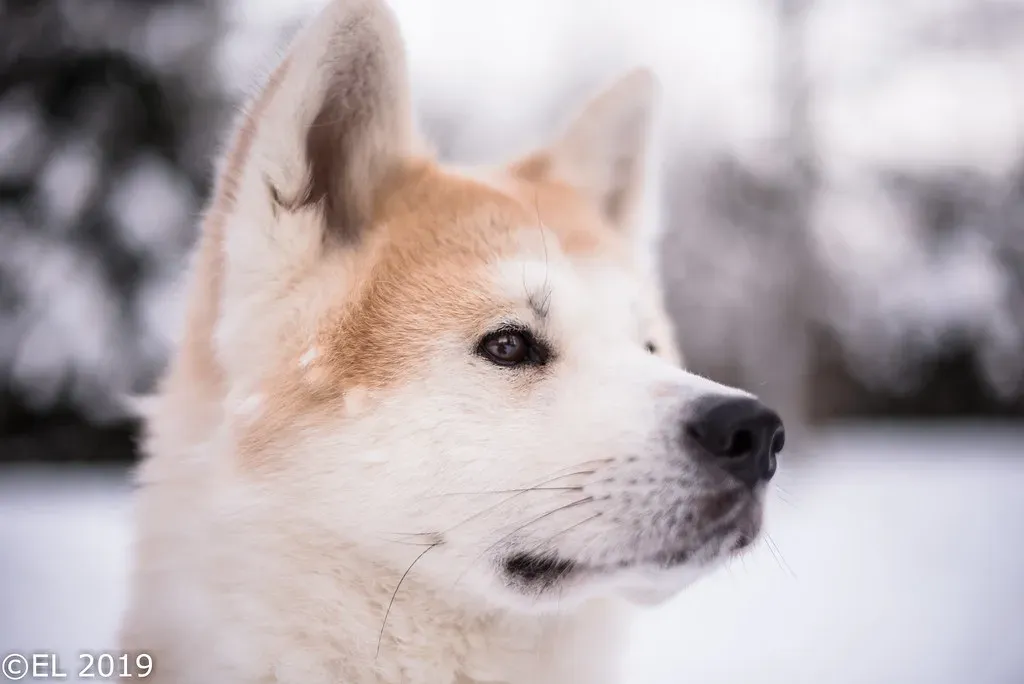
Originally known as the “snow country dog,” Akita dogs were used to hunt wild boar, elk, and small bear. Made famous by the heartwarming story of Hachikō, the Akita dog is celebrated in Japan for its unwavering loyalty. The Akita isn’t just a cold-weather dog; it’s practically a cultural symbol of devotion and resilience.
The Akita Inu is a heavy-boned, strong, and muscular breed with a thick triple coat which protects them from the elements. The combination of a straight coarse topcoat, a soft top undercoat, and a thick and woolly undercoat keeps them insulated from cold and makes them virtually waterproof. In addition to their warm protective coat, they also have webbed toes that help to distribute their weight, allowing them to walk on snow with ease.
Akitas especially enjoy enrichment activities that challenge both their mind and body. Taking your Akita on a winter hike to explore new scents or engaging them in advanced obedience training will keep them sharp, happy, and content all season long.
8. Newfoundland: The Gentle Giant from Canada’s Icy Waters
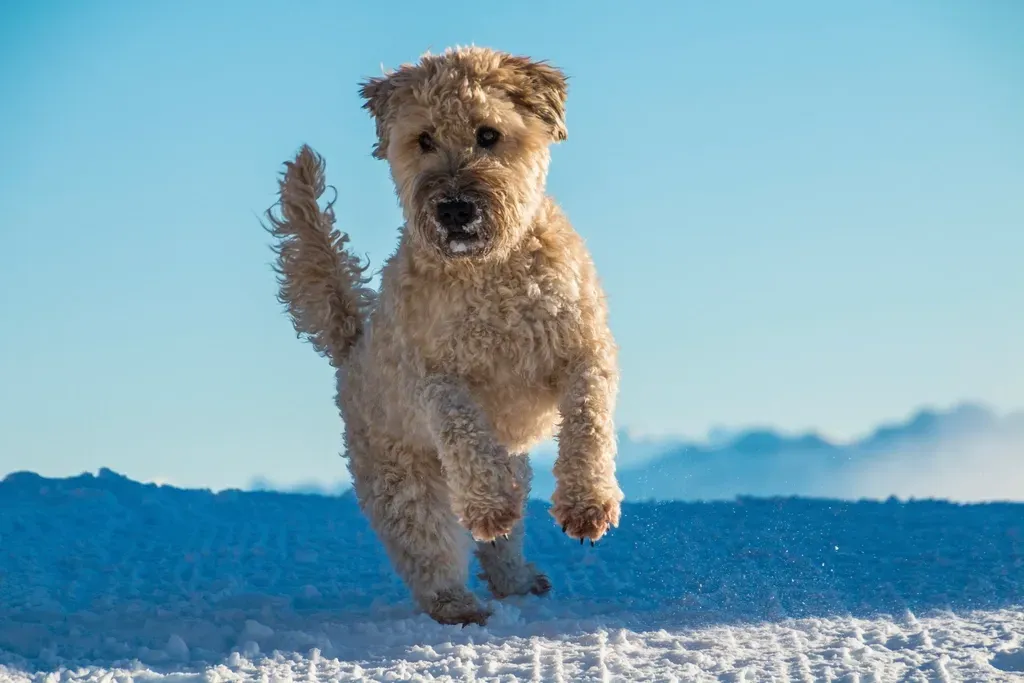
Newfoundlands’ dense, water-resistant coats are perfectly suited for icy environments. Originally bred to assist fishermen in the cold waters of Newfoundland, Canada, these dogs are strong swimmers and natural rescuers. Newfoundlands love to play in the snow and are excellent companions for families who enjoy outdoor winter activities. Their sweet, calm demeanor ensures they’re just as enjoyable indoors as they are in the snow.
The Newfoundland has a heavy coat that protected it from the icy waters it was originally bred to work in, making it ideal for colder weather. These Canadian dogs are still used in water rescues today, but don’t be fooled by their swimming skills – a double coat and a strong body make them ideal for mountains, too. They’re basically a full-service winter companion.
One health sign to watch for in Newfoundlands: given their massive size, monitor their joints during cold, high-activity days. Gentle movement and proper nutrition go a long way in keeping these gentle giants comfortable and thriving through winter.
9. Norwegian Elkhound: The Spirited Scandinavian Adventurer
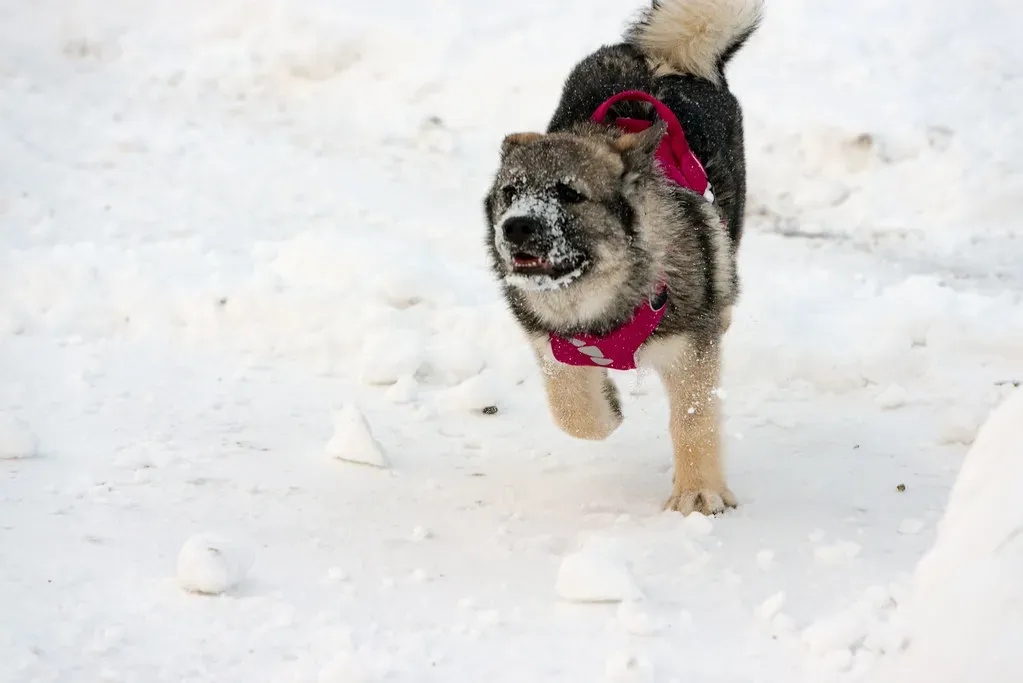
The Norwegian Elkhound is a spirited and resilient breed with a natural affinity for cold weather. Bred to hunt elk and withstand Norway’s icy winters, these dogs have a thick double coat and a hearty build. Elkhounds are energetic and adventurous, making them ideal companions for winter hikes or snowy play sessions. Their loyalty and intelligence ensure they’ll stick by your side through every frosty adventure.
This medium-sized dog breed originated in the region that is now Norway. They were bred in a cold climate where they were used for hunting. They have a smooth outer coat, but their wooly undercoat is what insulates them against the cold. The Norwegian Elkhound is a high-energy dog breed that is always ready for adventure, especially in the snow!
Here’s the thing about the Norwegian Elkhound that surprises most first-time owners: despite being a medium-sized dog, their energy output rivals that of much larger breeds. Plan for vigorous daily exercise in winter and you’ll have a devoted, joyful companion who greets every snowfall like an old friend.
Conclusion: Find Your Perfect Winter Companion
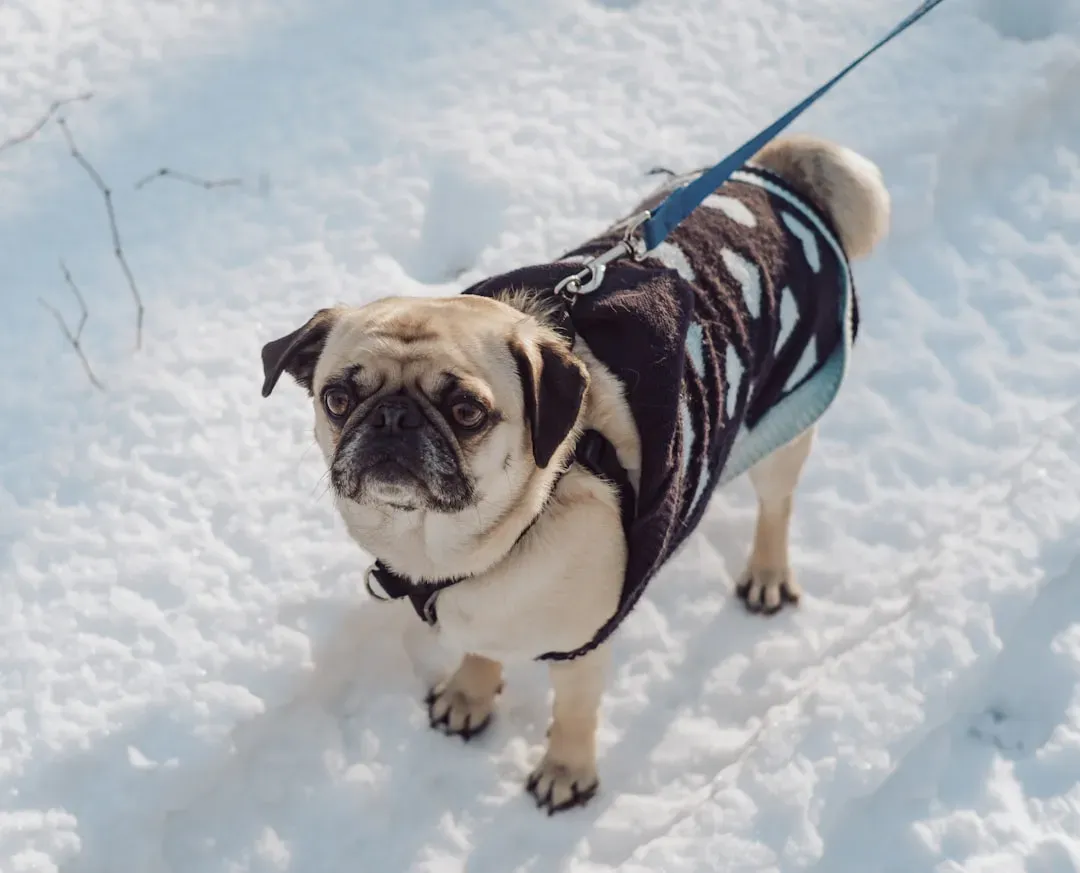
Winter doesn’t have to mean couch hibernation for you or your dog. Cold-weather dog breeds have thick double coats to help them thrive in winter, and many of these dogs’ ancestors hail from the Arctic or other frigid regions, though today they can be found throughout the world. Each breed on this list brings something unique, whether it’s the Husky’s electric energy, the Saint Bernard’s gentle heroism, or the Samoyed’s infectious smile.
That said, always remember that even the frostiest of breeds has limits. Pet parents should always be mindful of the temperature and never leave their dog outside when it’s too cold. Doing so can expose even the fluffiest snow dog to frostbite or hypothermia. These breeds also tend to be sensitive to heat, so extra precautions need to be taken when temperatures rise.
The bond you build with your dog through shared winter adventures is something truly special. There’s a kind of magic that happens when you’re both knee-deep in snow, breath clouding in the cold air, tails wagging (well, yours metaphorically). Choosing a breed that genuinely loves the season you love most? That’s not just smart dog ownership. That’s finding your perfect match. Which of these winter warriors stole your heart? Tell us in the comments!


