
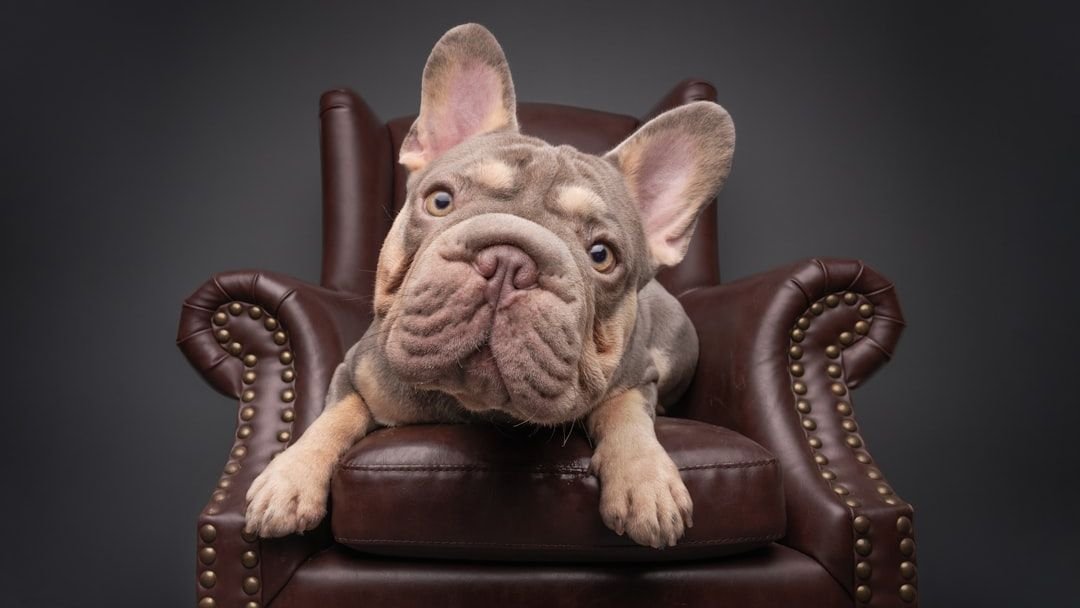
Not every dog is a couch surfer, and not every dog is a tireless workaholic. The truth is, the gap between those two realities is enormous – and if you get it wrong, both you and your dog will feel it. Some dogs were built with an almost supernatural drive to move, think, problem-solve, and accomplish something by the end of the day. Others were literally bred to sit on royal laps and warm cold feet in drafty castles.
Understanding which camp your dog falls into isn’t just about satisfying curiosity. It’s about your dog’s mental health, your sanity, your furniture, and ultimately, your bond. So let’s dive in and meet the dogs who clock in every morning – and the ones who’ve already claimed the best spot on the sofa.
1. Border Collie – The Overachiever Who Will Reorganize Your Life
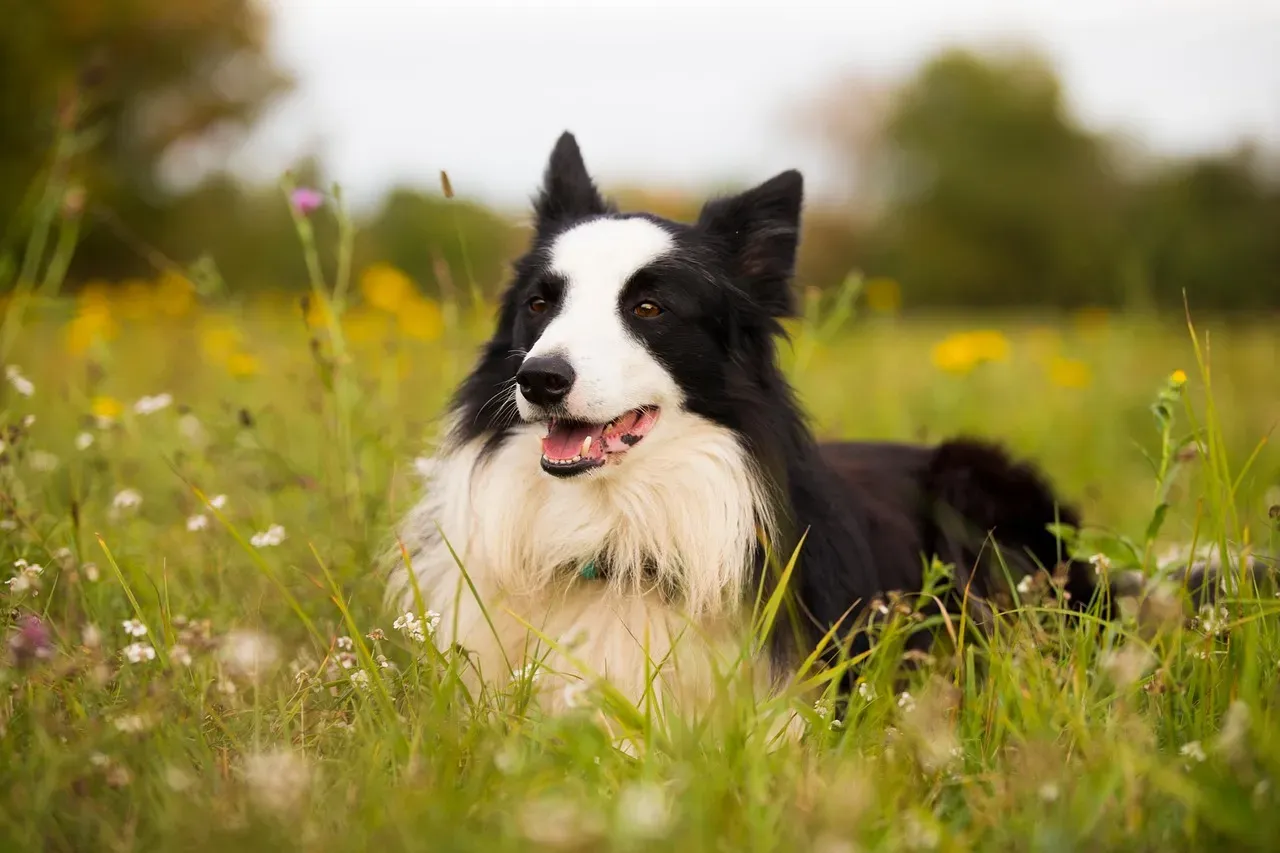
Honestly, if Border Collies could talk, they’d probably ask you to schedule a meeting about your daily productivity. The Border Collie is arguably the most intelligent dog breed out there, bred specifically for herding livestock with intense focus and control. They don’t just appreciate a job. They need one like a plant needs sunlight.
Without proper stimulation, their mental gears keep turning and they’ll invent their own jobs – like herding your children or color-coding your socks. The behavior cue to watch for? Obsessive staring, excessive circling of people or objects, and destructive chewing. These aren’t “bad dog” moments. They’re a cry for purpose. Agility courses, frisbee competitions, advanced trick training, and scent work are ideal outlets.
2. Belgian Malinois – The Dog That Never Clocks Out
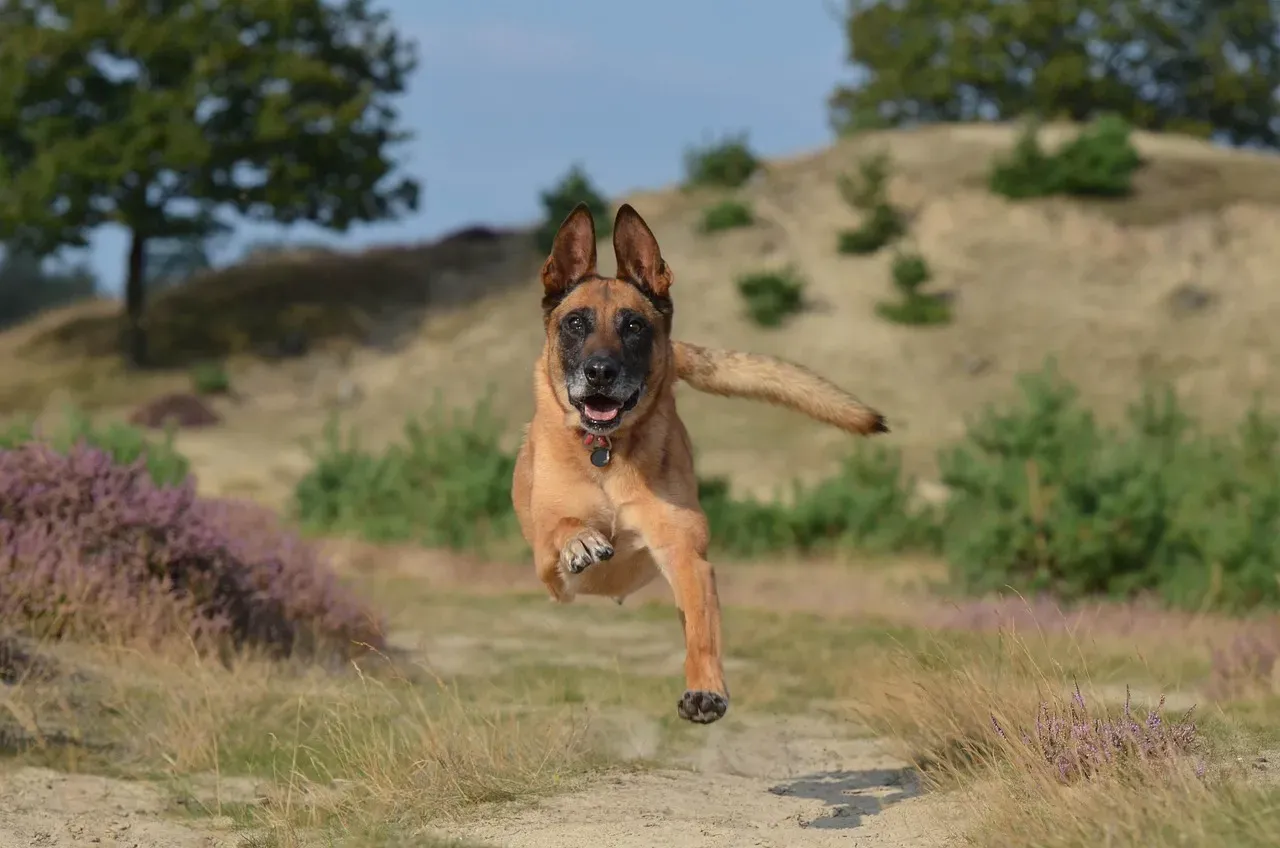
If the military had a dog special forces unit, the Belgian Malinois would be the captain. Often mistaken for the German Shepherd, this high-energy working dog is widely used in police, military, and protection work because of its speed, intelligence, and loyalty. Let’s be real – this is not a starter dog.
They need a job not just to be happy, but to stay sane. Malinois dogs excel in training drills, obstacle courses, and real-world applications such as detection or protection work. If you can’t match their energy with structured daily tasks, expect anxiety, destructive behavior, and a dog that essentially tries to manage your household on their terms. This is one breed where under-stimulation can have real health and behavioral consequences.
3. German Shepherd – The Loyal Officer Who Needs a Beat to Walk
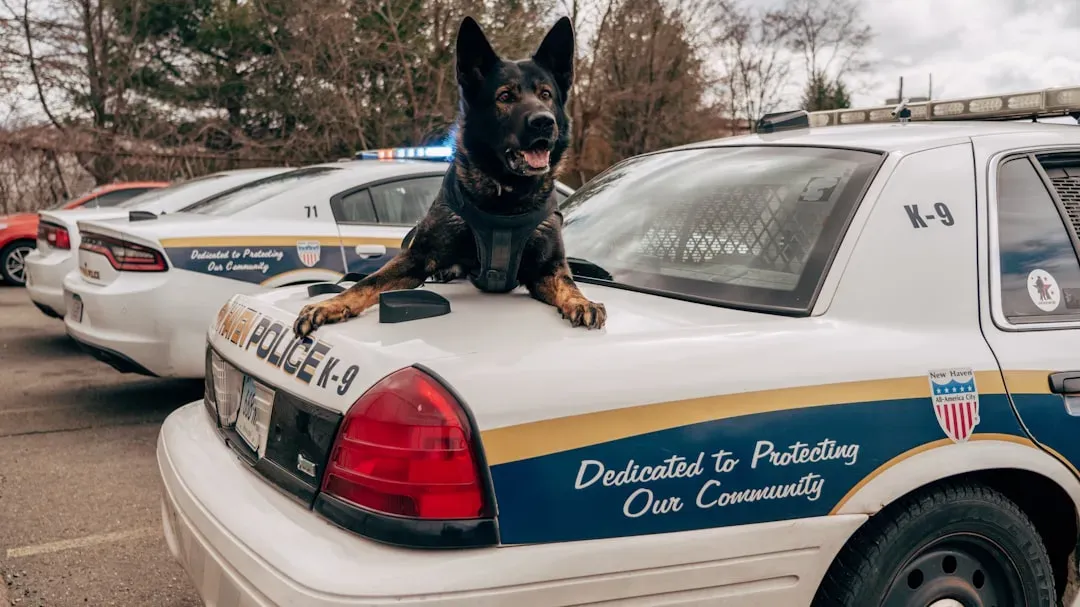
German Shepherd Dogs were the first guide dogs in the 1920s and continue to be a popular choice for training service dogs. From police dog work to military missions to task-specific training, these pups thrive on having a purpose. Boredom is their kryptonite, so keeping them mentally and physically engaged is key.
The German Shepherd blends brains, brawn, and heart. Without purpose, they may patrol your windows and overthink every sound. Jobs like scent detection, tracking, or therapy visits channel their protective nature into helpful routines. Think of a German Shepherd without a job like a police officer with nothing to do – all that alertness and intelligence, nowhere to go. Structured obedience sessions, nose work, and regular challenges keep this breed joyful and calm.
4. Australian Shepherd – The Energetic Herder Who’ll Round Up Your Kids
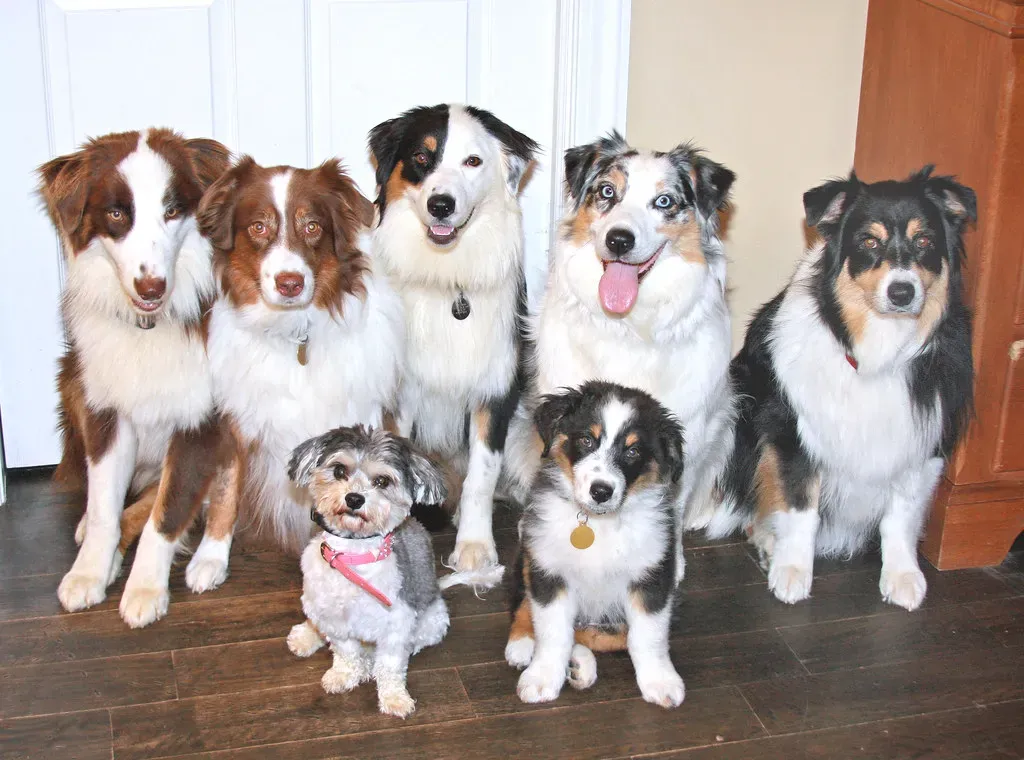
Australian Shepherds are bundles of energy and enthusiasm, always eager to be included in any activity. Originally bred to herd livestock, they love tasks that involve chasing, gathering, or guiding. Aussies excel in dog sports like frisbee, rally, and even dock diving. They are, in a word, extraordinary.
Australian Shepherds are vibrant workaholics who thrive when given herding tasks or agility challenges. Originally bred to herd livestock in rugged terrain, Aussies still feel most at home when there’s a goal to chase. Sitting still for long stretches just isn’t in their DNA. They’d rather master a new trick or herd anything that moves – including toddlers – than spend too long snuggling on the couch. If you notice your Aussie obsessively chasing shadows or nipping at heels, that’s the herding instinct begging for an outlet.
5. Siberian Husky – The Endurance Athlete Who Will Escape Your Yard
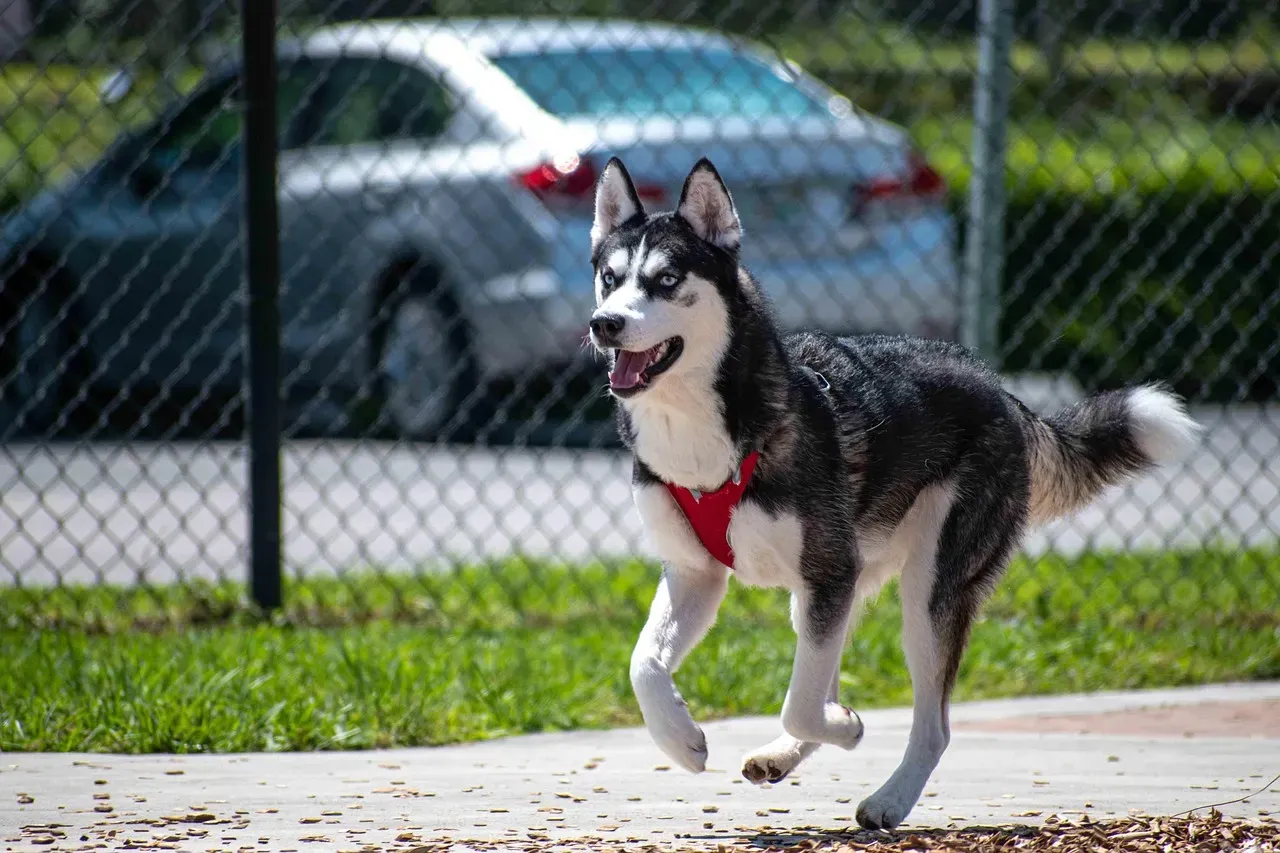
Siberian Huskies are famous for their stamina and sled-pulling skills. Bred in harsh Arctic conditions, they can travel long distances with minimal fatigue. These iconic sled dogs are independent and energetic, often needing plenty of daily exercise to stay balanced. Huskies do best in homes that can match their active nature.
Their playful nature comes with a side of adventure. A Husky with too much energy and not enough exercise can quickly become a four-legged Houdini, testing fences, locks, and your patience. I think this one surprises people the most. They see that beautiful fluffy dog and imagine cozy winters indoors. The reality? Huskies need daily vigorous exercise, mental games, and ideally a running partner who can keep up. A bored Husky will remodel your home.
6. Australian Cattle Dog – The Toughest Worker in the Yard
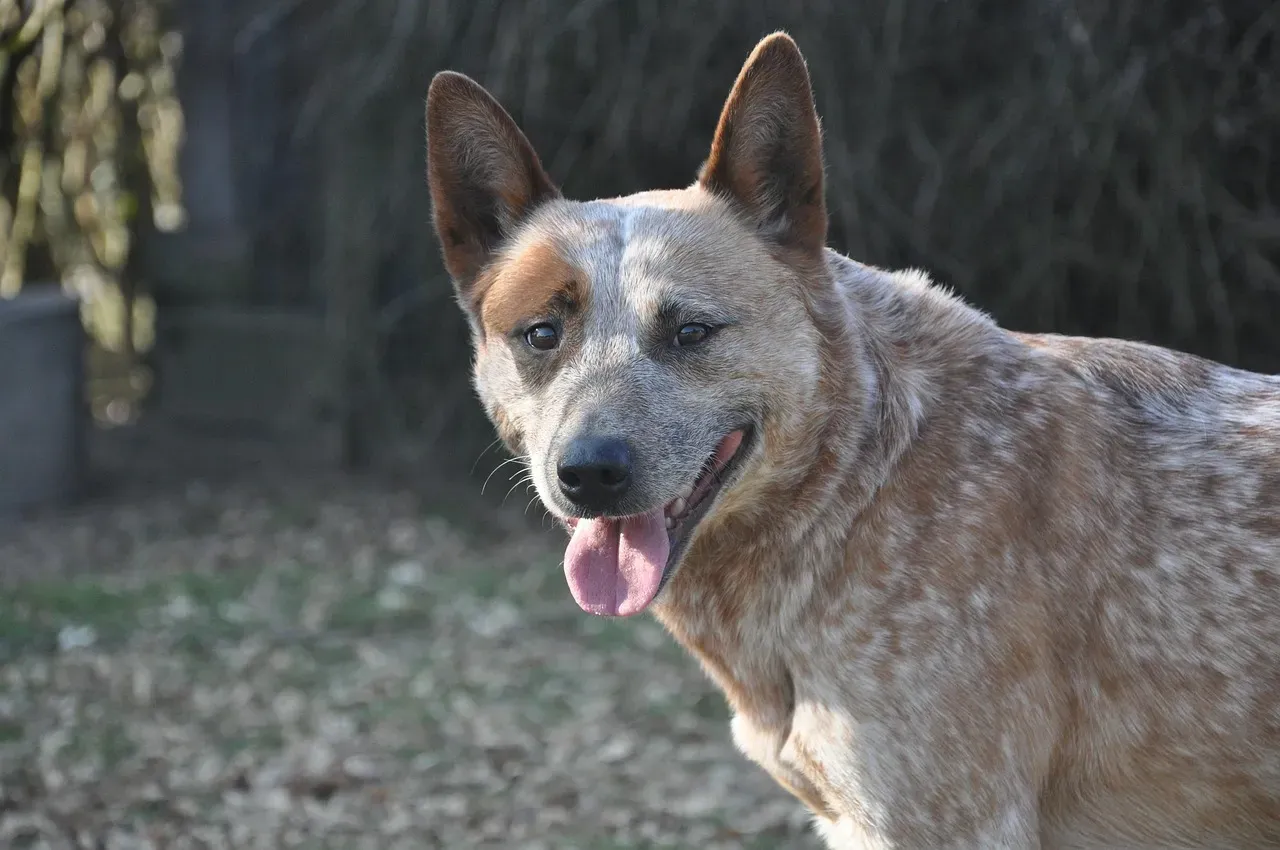
Stubborn, whip-smart, and tough as nails, the Australian Cattle Dog is a herding powerhouse bred to wrangle cattle across rough terrain. These dogs don’t tire easily, mentally or physically, and they’re happiest when they’re busy, preferably bossing around something larger than themselves.
Originally bred to herd cattle across rough Australian landscapes, the Australian Cattle Dog is all about efficiency, focus, and grit. They are independent thinkers who prefer active jobs over passive cuddles any day. Left idle, they can quickly turn mischievous or destructive, so it’s best to keep these dogs challenged, whether with herding drills, obstacle courses, or complex fetch games that involve multiple steps. These are not companion dogs for low-energy households. They are brilliant little machines that need a purpose every single day.
7. Rottweiler – The Calm Protector With a Work Ethic Carved in History
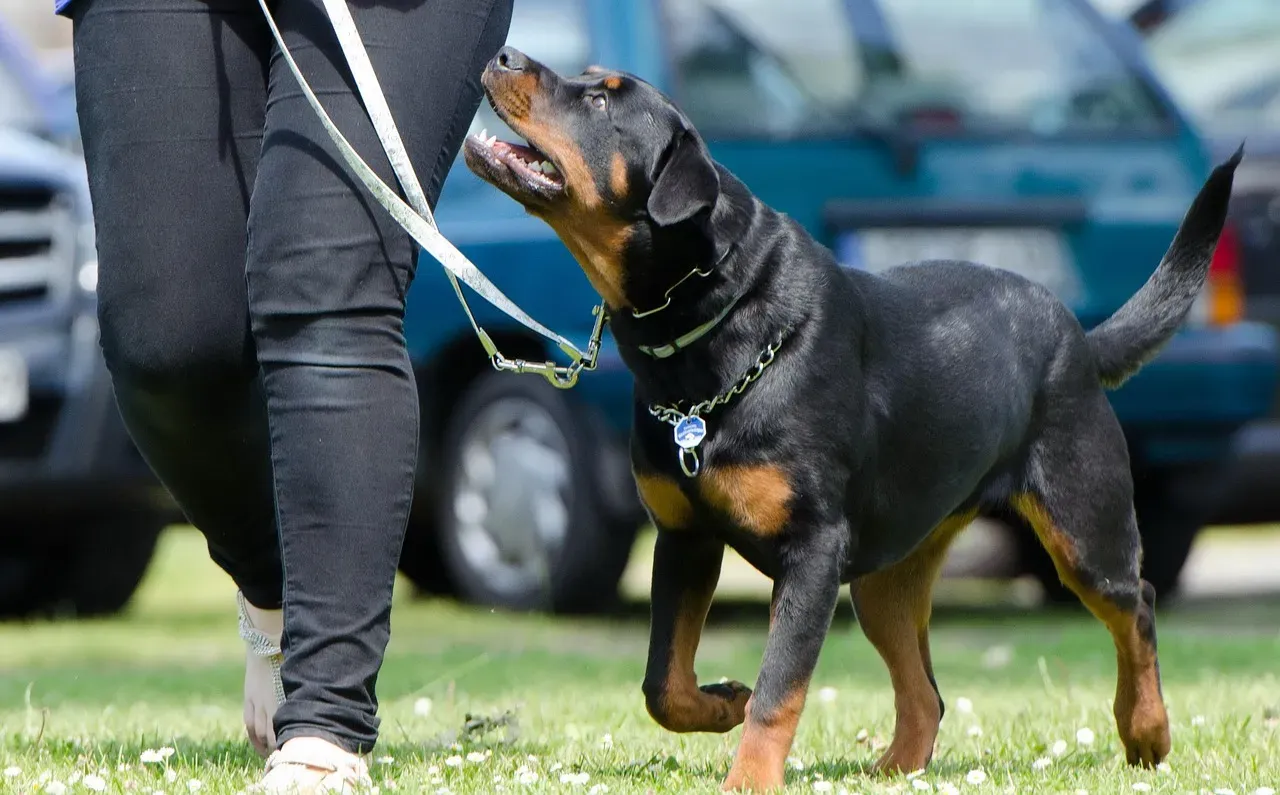
Rottweilers trace their history back to ancient Rome. As the Romans traveled through Europe, these dogs helped drive cattle and protect goods, eventually settling in the town of Rottweil, Germany. Their strength, endurance, and natural protective instincts have made them popular working dogs for law enforcement and personal protection. That heritage is deeply wired into them.
Rottweilers excel in obedience, police work, and any task that challenges both their brains and bodies. Keep their minds active, their muscles moving, and they’ll repay you with unwavering loyalty and a personality that’s far warmer than their movie persona suggests. Without consistent training and a sense of responsibility, a Rottweiler can become anxious and over-protective. The fix is simple but firm: structure, daily exercise, obedience work, and plenty of bonding time.
8. Labrador Retriever – The Happy Worker With a Fetch Addiction

Labs may be known for their goofiness, but when it comes to work, they bring their A-game. Originally bred to retrieve waterfowl, Labs excel in roles like service dogs, detection dogs, and therapy dogs. Their intelligence, willingness to please, and happy-go-lucky work ethic make them exceptional workers. Whether fetching, helping, or guiding, Labs put their heart into every job.
Labs are happiest when they have a job to do. Games that involve retrieving, such as fetch or hide-and-seek with toys, keep them both physically and mentally active. They also excel in service work and therapy roles. Without enough stimulation, Labs are notorious for chewing shoes, stealing food, and generally engineering household chaos. Give them a purpose – even just carrying the grocery bag – and watch them beam with pride.
9. Poodle – The Brainy Beauty Who Needs More Than Looks
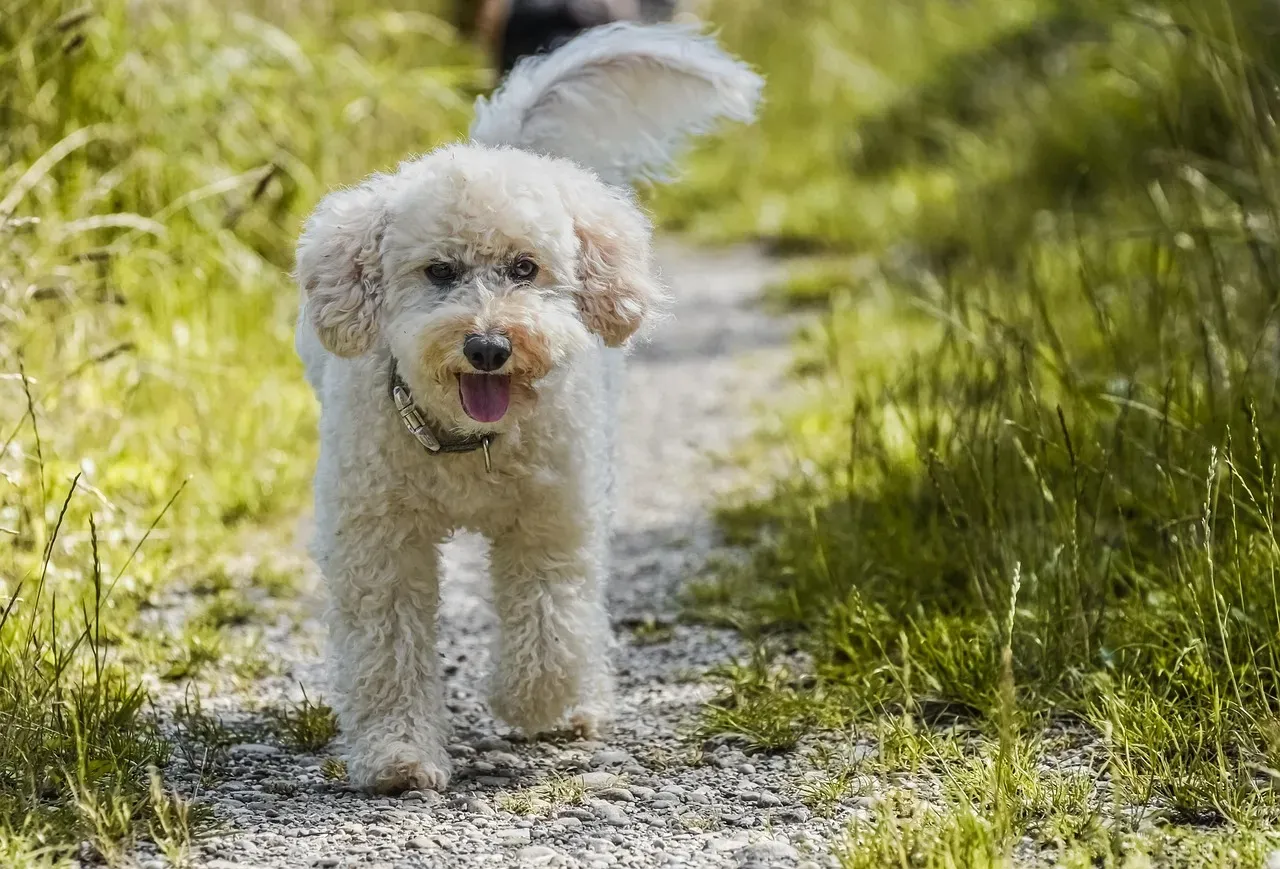
Poodles are much more than their glamorous coats suggest – they’re among the smartest dog breeds on the planet. Originally bred as water retrievers, Poodles love any job that tests their intelligence or agility. They thrive in trick training, agility competitions, and even scent work. These dogs also enjoy retrieving games and puzzle toys.
The more you challenge a Poodle’s mind, the happier they’ll be. Without mental stimulation, they might become mischievous or develop bad habits just to stay entertained. Here’s the thing a lot of people don’t realize: that carefully groomed exterior hides a dog with the work drive of a border collie and the brain of a chess grandmaster. Trick training, scent sports, and even therapy dog certification are all brilliant fits for this underestimated breed.
10. Basset Hound – The Soulful Couch Expert
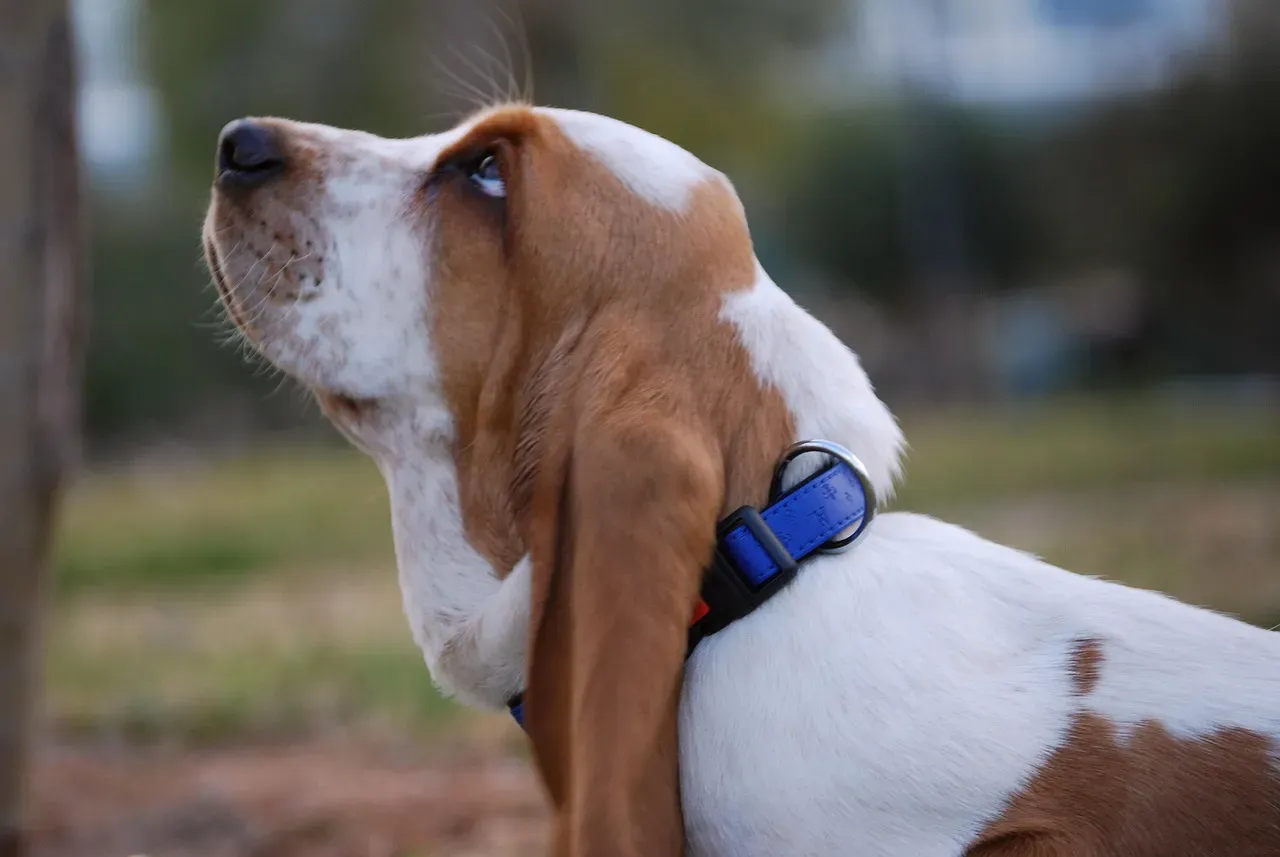
With their droopy ears and stubby legs, Basset Hounds just look like couch potatoes – and they truly are. These affectionate dogs love lounging around but are also surprisingly playful during short bursts of activity. Think of them as the dog equivalent of a retired professor: wise, unhurried, and deeply comfortable with a nap schedule.
When there’s no prey in sight, Basset Hounds prefer to lounge. They can be healthy and content with just 20 to 30 minutes of walking per day. That said, don’t skip those walks entirely. Be aware that they still need plenty of exercise, especially since these pups can struggle with obesity. Keep them moving gently, love them deeply, and they’ll reward you with endless sweet-natured companionship.
11. Cavalier King Charles Spaniel – Born to Be Adored
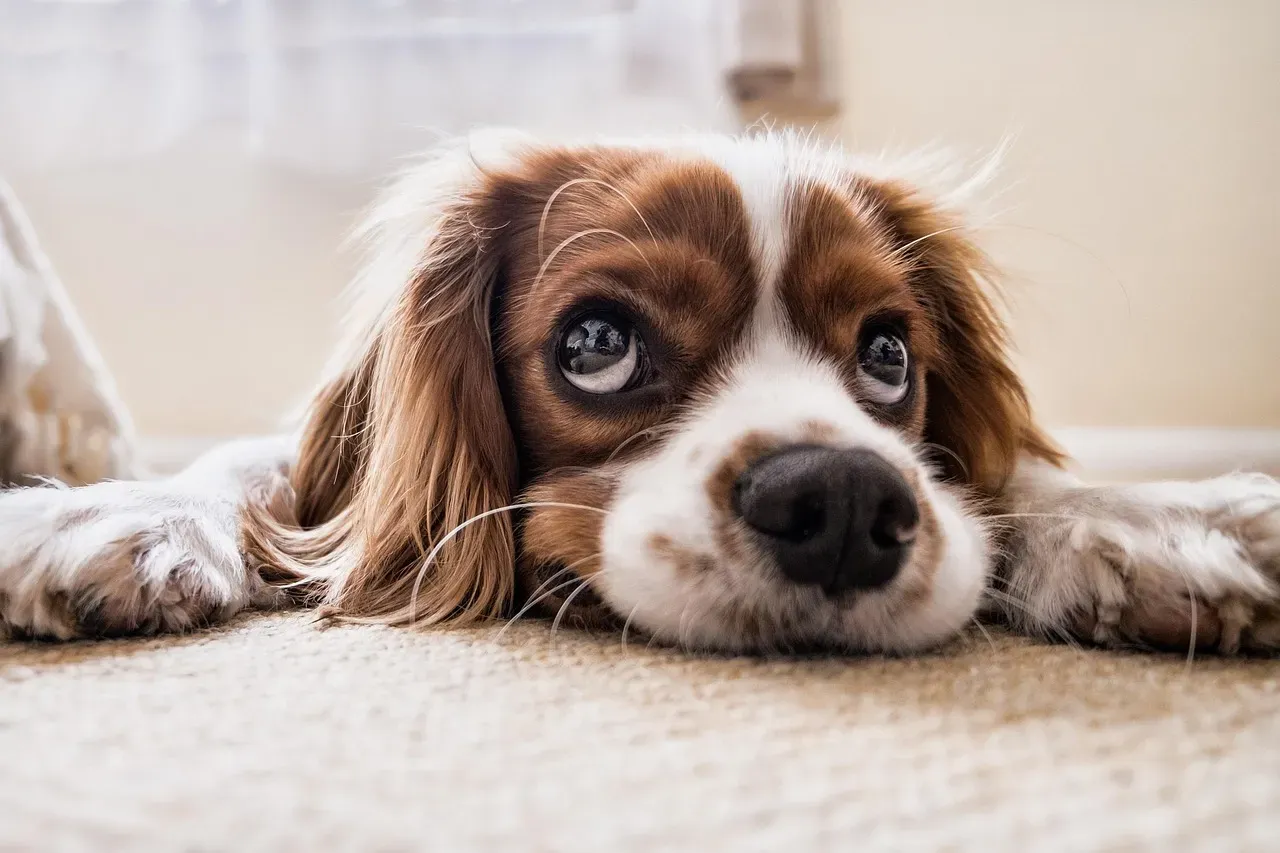
The Cavalier King Charles Spaniel is the descendant of a small toy spaniel depicted in many 16th century paintings of Northern Europe. This dog was originally bred to warm the laps of royalty in drafty castles. So yes, doing nothing was literally their first job. They’re very good at it.
The breed is adaptable in their need for exercise, happy with either sleeping on the couch or taking long walks. That flexibility makes them ideal for a wide range of households. The Cavalier King Charles Spaniel is an affectionate, devoted, gentle lap dog that loves company. They are playful and energetic, but are also very happy cuddling up on the sofa. Being so placid, they are often used as therapy dogs and are good with children of all ages. Still, keep an eye on their heart health – Cavaliers are prone to mitral valve disease as they age, so regular vet check-ups are non-negotiable.
12. French Bulldog – The Apartment-Sized Couch King
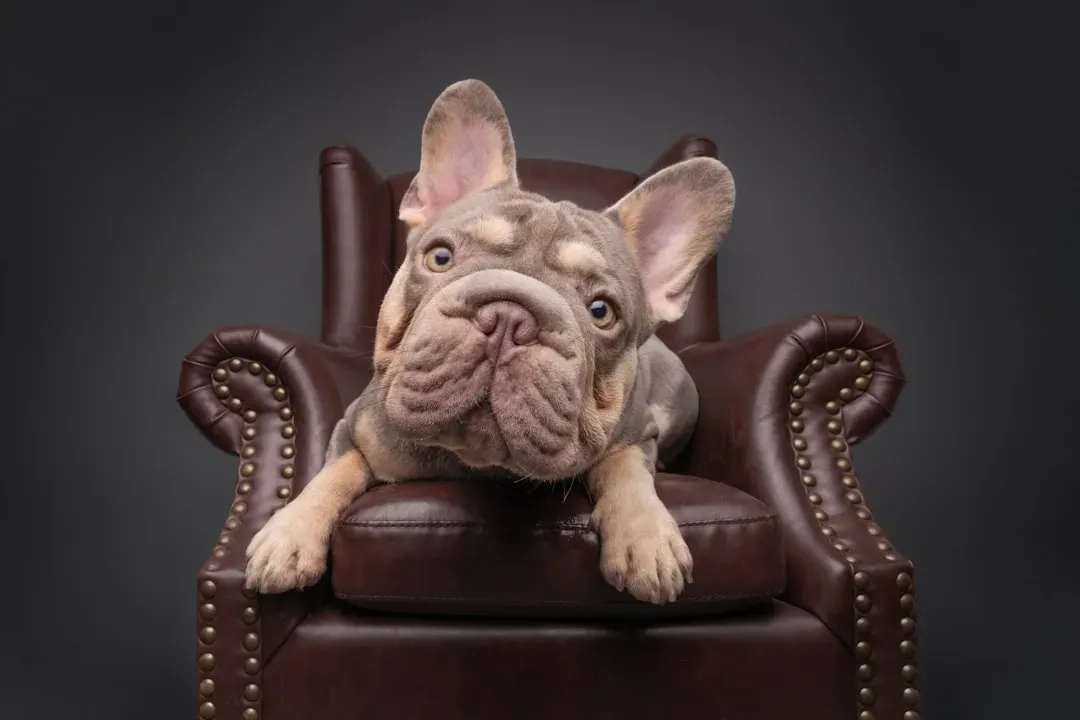
The French Bulldog has skyrocketed in popularity, and for good reason. These compact dogs are the definition of low-energy, requiring only about 15-20 minutes of daily exercise. Their muscular build and bat-like ears give them a distinctive, endearing appearance. Frenchies are excellent apartment dogs due to their quiet nature and minimal exercise needs. They’re playful and affectionate without being hyperactive, content to follow you around the house and nap on the couch.
What Frenchies lack in athletic drive they more than make up for in personality. Many would describe the French Bulldog as having a funny, silly, and loving personality. This breed is affectionate and just wants to be close to their family. They are not known for aggression or for being overly rambunctious. One important note: because of their flat faces, Frenchies can struggle with breathing in heat or during intense activity. Always monitor them in warm weather and never push their exercise limits.
13. Greyhound – The Fastest Couch Potato Alive
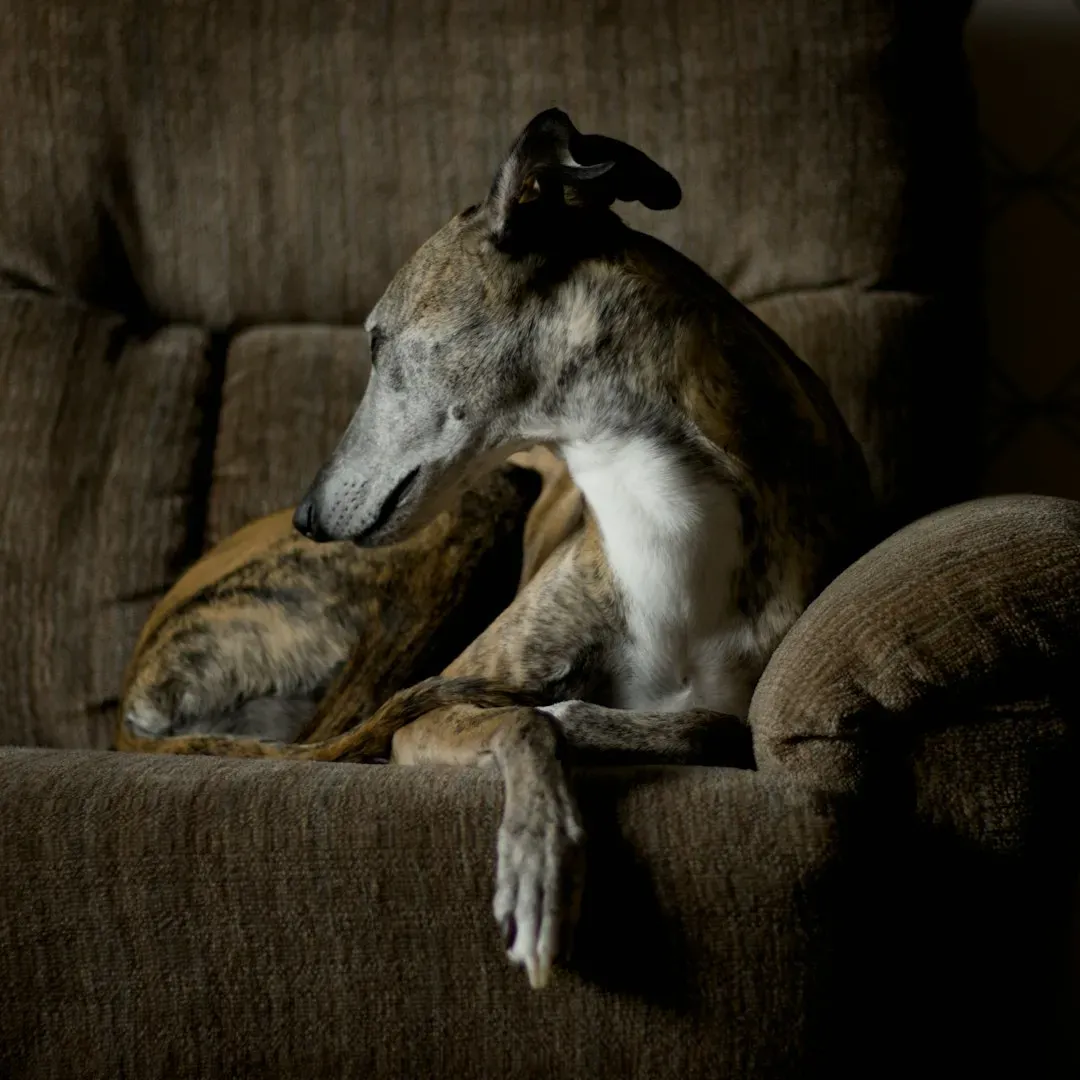
This one surprises almost everyone. A Greyhound. On this list. Bred for speed, the Greyhound might seem like a surprise as a low-energy dog breed, but the reality is that these large dogs are quite lazy at home and are often referred to as couch potatoes. It’s almost poetic, really. The fastest land dog on the planet spending most of its day napping.
Surprisingly, Greyhounds are actually one of the laziest dog breeds at home. After short bursts of speed, they are more than happy to curl up on the couch for hours. Their low-energy personalities outside of sprinting make them perfect for apartment living. Regular walks are still necessary, but they don’t require a lot of physical exertion. Adopting a retired racing Greyhound is one of the most rewarding things a dog lover can do – these gentle souls just want a soft bed and someone to lean against.
14. Shih Tzu – The Ancient Lap Dog Who Never Punched a Clock
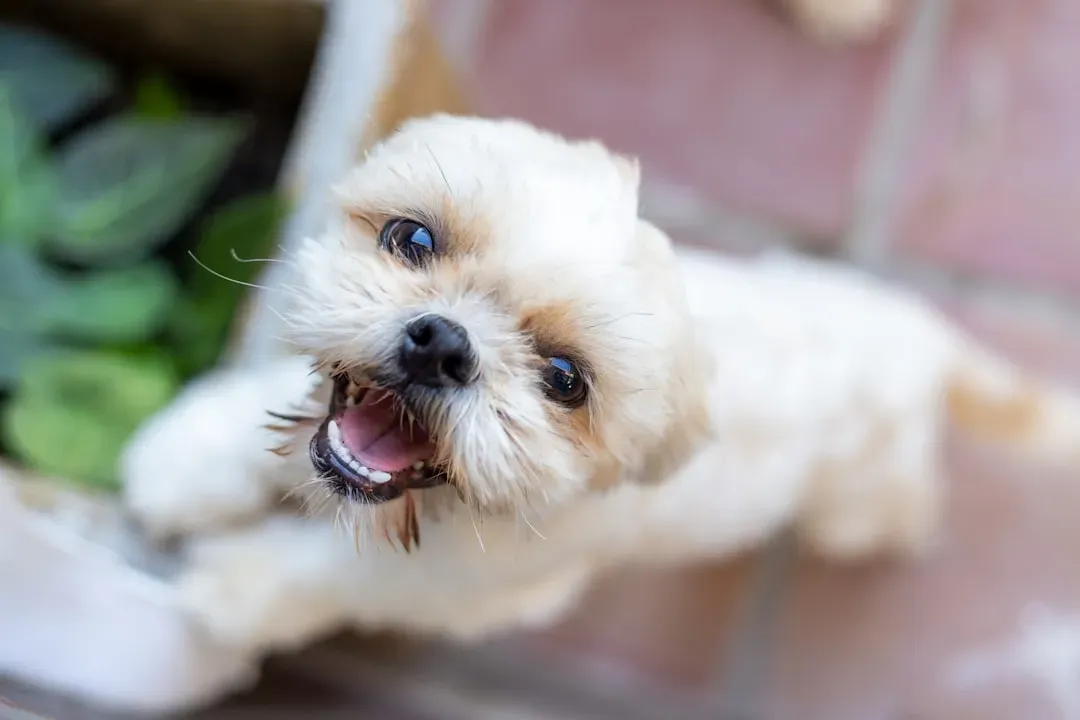
The Shih Tzu is a classic lap dog, bred for royalty and companionship. These small breeds are playful but don’t require high levels of exercise. They’ve been doing this for over a thousand years, and they are remarkably good at it. There’s a deep, ancient pride in a Shih Tzu’s leisurely stroll through the living room.
Shih Tzus are calm, affectionate dogs that fit perfectly in a relaxed household. Their long hair requires grooming, but when it comes to exercise, they’re perfectly happy with short walks or light playtime indoors. They’re happy with short walks or indoor playtime, perfect for those who prefer relaxing activities. Shih Tzus form strong bonds with their owners, providing plenty of cuddles and companionship. Just stay on top of that coat – without regular grooming, those silky locks will mat before you know it.
A Final Thought: Know Your Dog, Know Yourself
Here’s the honest truth: the biggest mistake dog owners make isn’t choosing the wrong breed. It’s ignoring what a breed was built to do. Imagine a world where your dog wakes up every day excited, tail wagging, eyes bright, ready to take on important work. For some breeds, this isn’t just a dream – having a job is their true calling. Denying that is denying who they are.
On the flip side, forcing a Greyhound through marathon training sessions or expecting a Shih Tzu to herd sheep is equally unfair. Every single dog on this list – worker or cuddler – deserves to be matched with a home that honors their nature. These dogs aren’t just trained. They live for their purpose. That’s why choosing a working breed means committing to giving them an outlet for their skills every single day.
Whether you’re the active adventurer or the weekend couch enthusiast, there’s a dog out there that perfectly mirrors your life. The question is just which one. So take a good honest look in the mirror: what kind of dog parent are you, really – and does your current pup agree with your answer?


