Having a dog after 60 can bring a world of emotional perks—like easing loneliness, lifting your mood, and giving your days more structure and joy. These loyal companions offer unconditional love and can even help reduce anxiety and depression. Daily walks and playtime keep you active and connected, which is vital for mental health. But it’s not all tail wags—dogs also bring challenges like vet visits, grooming, and the energy some breeds demand. Understanding both the rewards and the responsibilities helps you prepare for a more fulfilling, balanced bond. It’s all about choosing the right dog to match your lifestyle and energy.
Unconditional Companionship That Never Judges

One of the most powerful gifts a dog brings is their unwavering companionship. After 60, many people find their social circle shrinking, whether due to retirement, children moving far away, or simply changing life circumstances. Dogs don’t care about age or wrinkles. They greet you with the same excitement every morning, and their loyalty doesn’t waver if you’re slow to get out of bed. This kind of companionship can ease feelings of loneliness and add a deep sense of connection that can be hard to find elsewhere. Whether you’re taking a walk or simply watching TV, the presence of a dog can make any activity feel less lonely.
A Daily Dose of Purpose and Routine
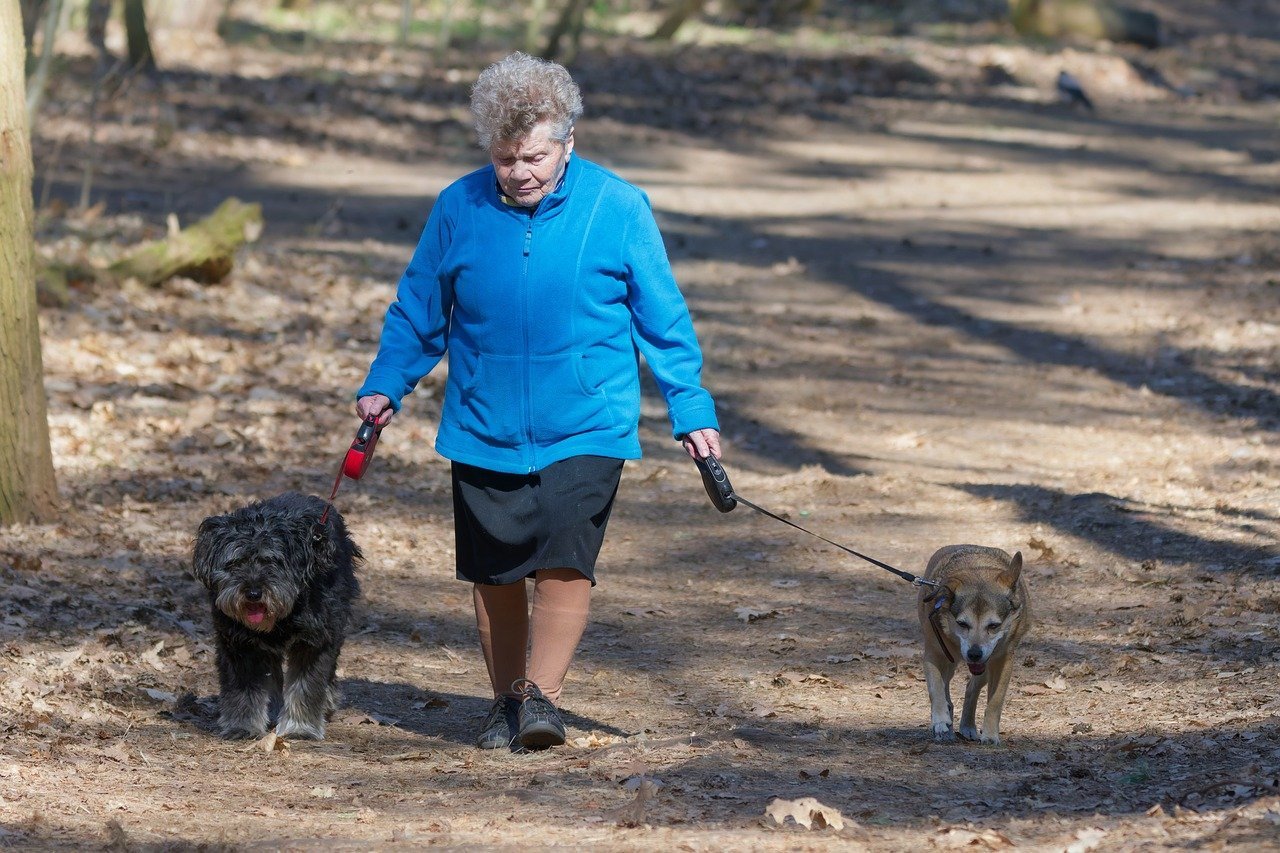
Retirement and aging can sometimes make days blend together, causing a lack of structure. Dogs, with their regular feeding and walking schedules, bring a comforting sense of routine. This daily purpose can be a lifeline for people after 60, providing them with tasks to look forward to. Getting up to walk your dog or making sure they’re fed on time can make each day feel important. It’s a simple, yet profound, way to stay engaged with life and avoid the drift that can come with unstructured days.
Boosted Mood and Emotional Wellbeing

The joy a dog brings is undeniable. Their silly antics, loving cuddles, and constant enthusiasm can melt away stress and sadness. Studies have shown that spending time with dogs increases levels of oxytocin—the so-called “love hormone”—which helps people feel happier and less anxious. For those over 60, who may be dealing with grief, loss, or simply the blues, a dog’s unwavering positivity can act as a natural mood booster. There’s nothing quite like coming home to a wagging tail to make you feel loved and wanted.
Encouragement to Stay Physically Active

Let’s face it: staying active gets harder as we age. Yet, dogs need walks, playtime, and outdoor adventures. Having a dog means you have a built-in reason to get outside and move, even if it’s just a slow stroll around the block. This gentle push to stay active can have huge emotional benefits, from reducing feelings of lethargy to boosting self-esteem. Plus, fresh air and a little sunshine can work wonders for your mental health, and a dog is the perfect exercise buddy—never judging, always eager.
Opportunities for Social Interaction

Dogs are incredible icebreakers. Even for those who are shy or introverted, walking a dog often leads to conversations with neighbors or fellow dog walkers. This can be especially valuable for people over 60, who might feel isolated. Whether it’s a friendly chat at the park or joining a local dog club, having a dog opens up new social opportunities. These small interactions can add up, helping to rebuild a sense of community and belonging.
Comfort During Difficult Times

Life after 60 can bring its share of challenges, from health struggles to the loss of loved ones. During these hard moments, a dog provides a unique kind of comfort. They’re always there to listen—no advice, no judgment, just presence. Stroking their fur or having them curl up beside you can ease emotional pain in a way that words sometimes can’t. For many, a dog becomes a silent therapist, offering support simply by being there.
Sense of Security at Home

Even the smallest, fluffiest dog can make their owner feel safer at home. For people living alone after 60, having a dog can reduce anxiety about safety. Whether it’s their bark alerting you to someone at the door or just the sense that you’re not alone, dogs help people feel protected. This added security brings peace of mind, which is closely tied to emotional wellbeing.
Inspiration to Keep Learning and Growing

Caring for a dog isn’t just about feeding and walking—it’s a chance to keep learning. From researching the best diets to training new tricks, dogs inspire their owners to stay curious and engaged. For someone over 60, this keeps the mind active and encourages continual growth. Tackling new challenges together, like agility classes or learning how to groom at home, can be as rewarding for the owner as it is for the dog.
Feeling Needed and Loved Every Single Day

There’s a powerful sense of fulfillment that comes from being needed. After 60, some people worry about fading into the background. Dogs erase that fear entirely. They rely on you for everything, from meals to cuddles, and they show their appreciation with every wag and lick. This feeling of being loved and essential can bring immense emotional satisfaction, turning ordinary days into something truly special.
Physical Limitations and Mobility Issues

As wonderful as dogs are, caring for them can pose real challenges—especially for those with mobility issues. Dogs need exercise, and some breeds require a lot. Walking a strong or energetic dog could be difficult, even risky. Tasks like bending down to fill water bowls, cleaning up accidents, or managing stairs can be overwhelming for people with arthritis or limited movement. It’s important to honestly assess your physical abilities before bringing a dog into your life, or consider breeds and sizes that match your needs.
Financial Commitment and Unexpected Expenses
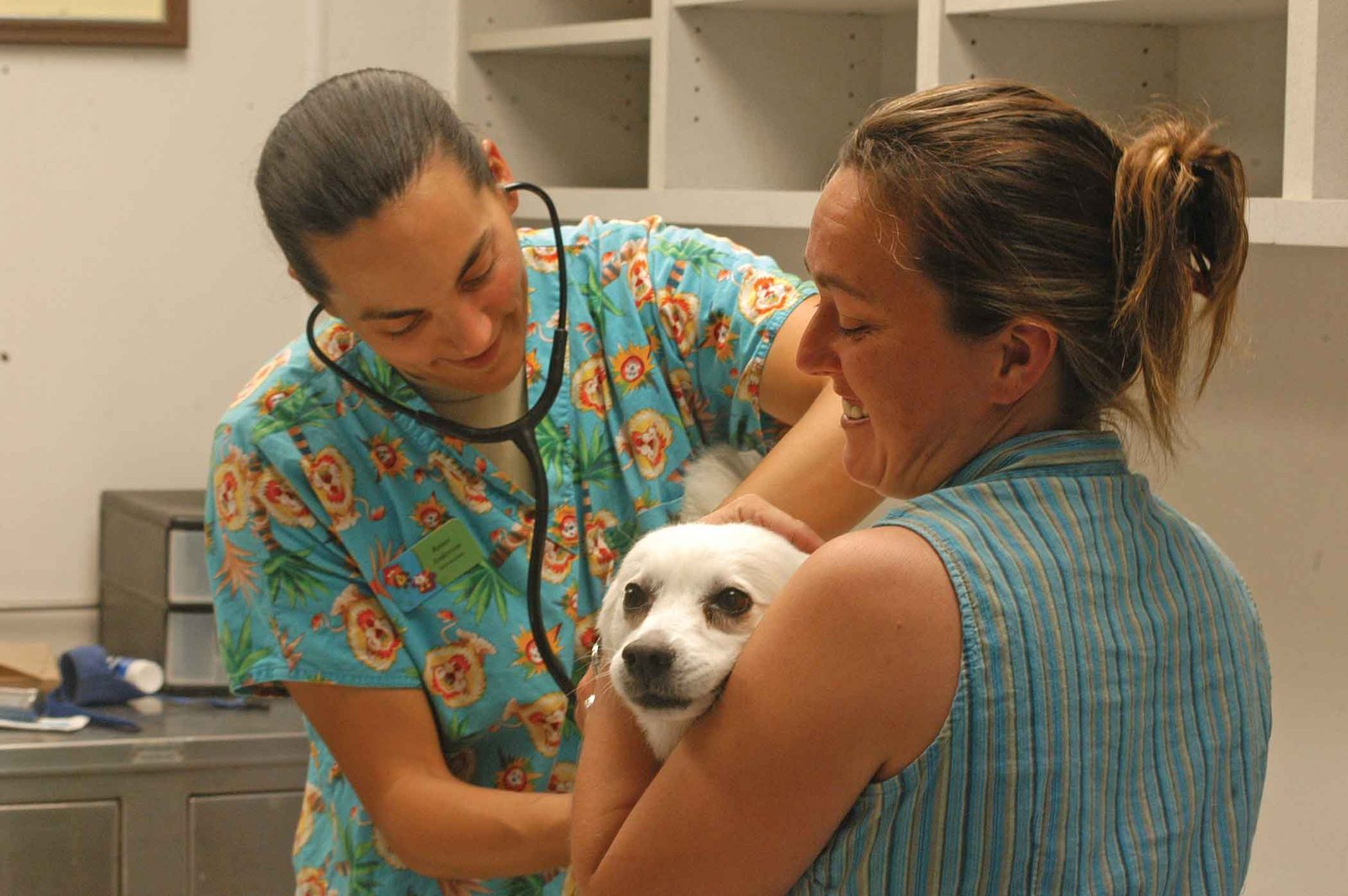
Caring for a dog isn’t just about love—it’s also about money. After 60, many people are on fixed incomes, making the financial side of pet ownership a real concern. Dogs need food, regular vet checkups, grooming, and sometimes emergency medical care. Costs can add up quickly, especially if your dog develops health issues. Planning for these expenses is crucial, and it’s wise to have a financial cushion for unexpected veterinary bills.
Travel and Lifestyle Restrictions
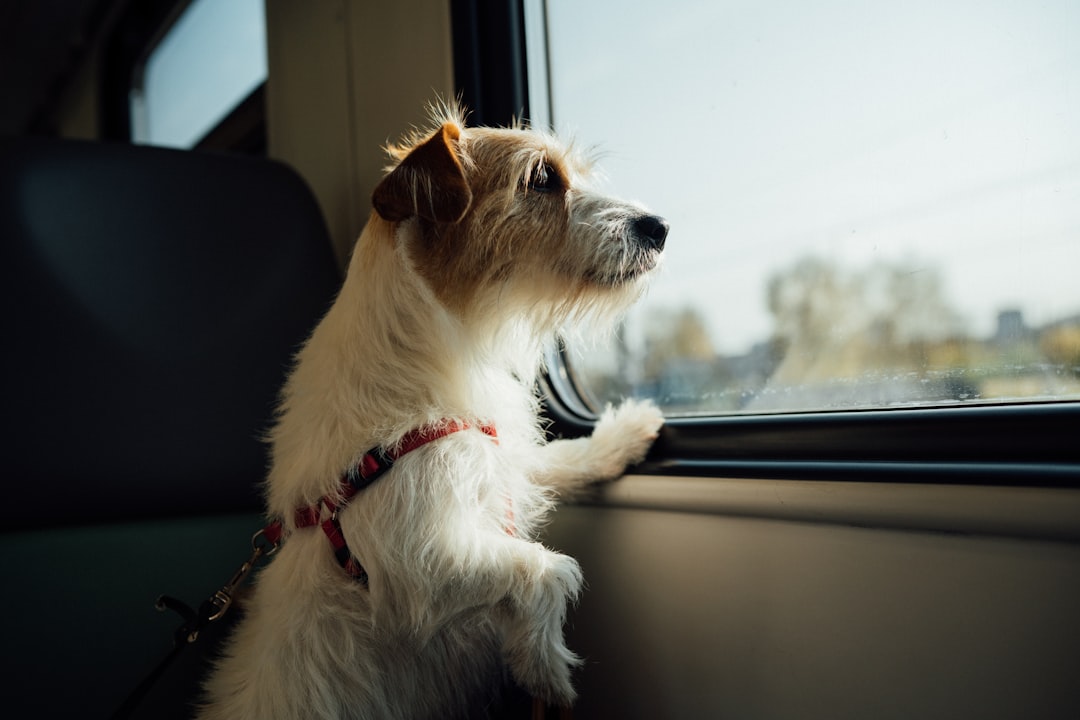
Dogs are wonderful companions, but they don’t always fit neatly into travel plans. For those who love to visit grandchildren, travel for leisure, or split time between homes, having a dog can complicate things. Arranging for pet sitters, finding dog-friendly accommodations, or dealing with separation anxiety can be stressful. It’s important to think about how often you travel and whether you’re willing to adjust your plans around your furry friend’s needs.
Grief Over Losing a Pet

One of the hardest parts of loving a dog is the knowledge that their lives are much shorter than ours. For people over 60, the prospect of losing a beloved companion can be daunting. The grief can be intense and deeply felt, sometimes even more so as we age. While the love and memories are worth it, it’s a challenge that every dog owner must face at some point. Preparing emotionally for this reality is important, and having a support system in place can help.
Managing Health Emergencies—For You and Your Dog
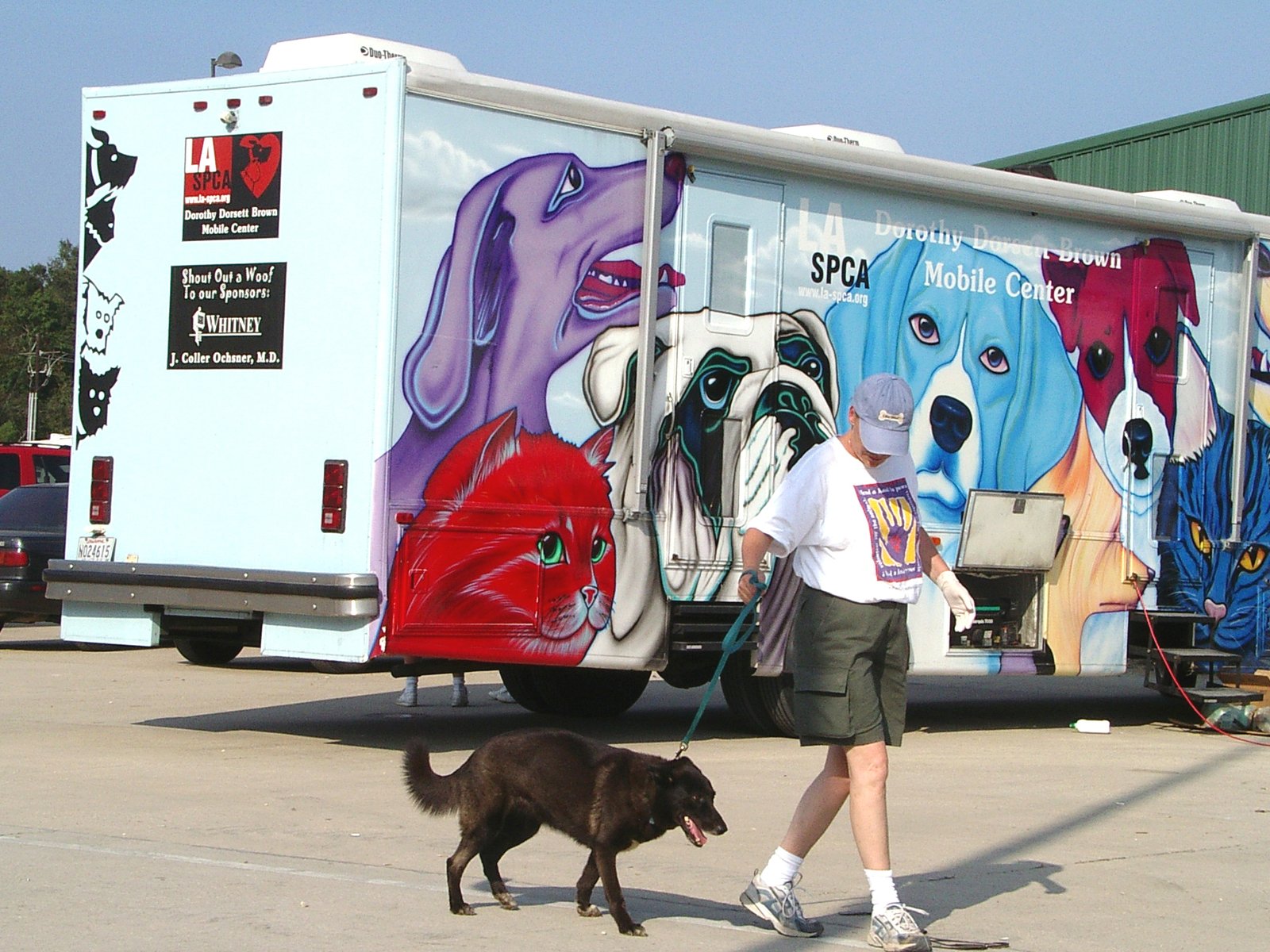
Health emergencies can go both ways. If you experience a medical emergency, you need to know your dog will be cared for. Conversely, if your dog becomes ill or injured, it can be emotionally and physically taxing to care for them—especially if you have your own health concerns. Having a plan in place, such as a nearby friend or family member who can step in, is vital for peace of mind.
Time and Energy Demands

Dogs require daily care, attention, and playtime. Some days, you might not have the energy to keep up, especially if you’re facing fatigue or ongoing health issues. Unlike a houseplant, dogs can’t be put on pause. This constant need for interaction and supervision can be draining, and it’s important to be realistic about your stamina and commitment before adopting.
Grooming, Cleaning, and Home Maintenance

Dogs can be messy, shedding fur, tracking in mud, or having the occasional accident indoors. Keeping your home clean and your pet well-groomed takes ongoing effort. For some, especially those with reduced strength or dexterity, regular grooming or cleaning can become a burden. Choosing a low-maintenance breed or enlisting help can make this challenge more manageable, but it’s something to consider seriously.
Potential Allergies and Health Risks
Even if you’ve never had allergies before, they can develop later in life. Dogs carry dander and can trigger allergic reactions, asthma, or other sensitivities. Certain health conditions may also be complicated by pet ownership. It’s smart to spend time around dogs before committing, and consult with your doctor if you have any health concerns that could be affected by bringing a dog into your home.
Adjusting to Change and the Unknown

Bringing a dog into your life after 60 means embracing change. Routines will shift, your home will feel different, and you’ll be learning on the go. For some, this change is invigorating, for others, it’s stressful. Dogs thrive on predictability, but they also bring surprises—from health issues to behavior quirks. Being flexible and open to new experiences is key to making the most of this journey together.
Sharing life with a dog after 60 can be one of the most rewarding choices you make. Their companionship offers comfort, routine, and a special kind of emotional support that’s hard to match. While there are a few bumps along the way—like vet bills or managing energy levels—being prepared makes all the difference. In the end, the love, laughter, and loyalty they bring far outweigh the challenges. It’s a heartwarming partnership that can truly enrich your golden years.