
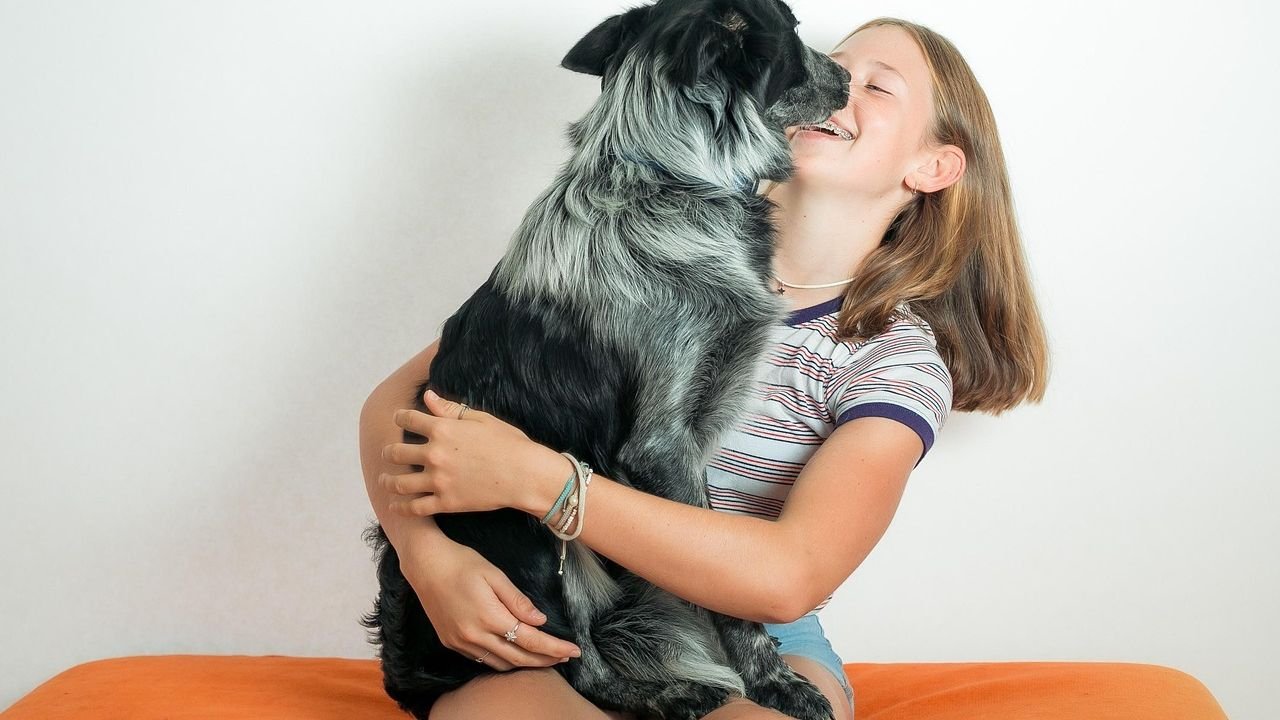
Your dog isn’t just a pet living in the moment. Behind those soulful eyes is a rich emotional history, quietly shaping how they respond to the world around them every single day. It turns out the “three-second memory” myth could not be further from the truth.
Dogs remember more than we give them credit for. The experiences they collect from puppyhood to old age leave emotional imprints that influence behavior, trust, fear, and even the way they love. If you’ve ever wondered why your rescue dog flinches at a certain sound, or why your pup runs to the door in pure joy at the sound of your car, science has a fascinating answer. Let’s dive in.
The First Bond They Ever Knew
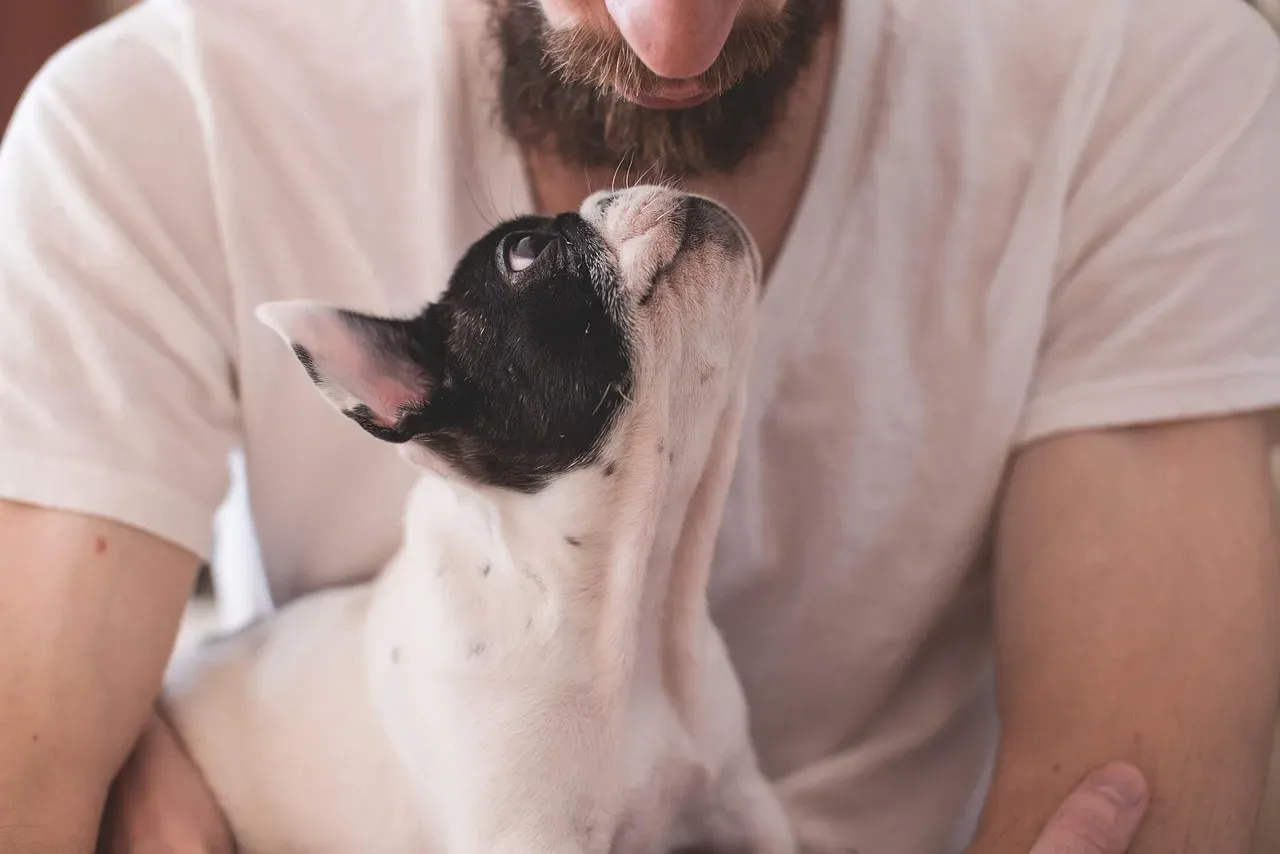
There’s something heartbreakingly beautiful about a puppy’s first attachment. The bond formed with their mother and littermates during those early weeks isn’t just warmth and milk. It’s the emotional blueprint for how they’ll relate to the world forever.
Through comparable mammalian mechanisms to those described in humans, it is plausible that adverse early experiences in dogs can have long-term negative impacts on health, behavior, and resilience. In other words, what happens in puppyhood doesn’t stay in puppyhood.
Genetic and environmental factors or early negative experiences in a pup’s life may contribute to the development of separation anxiety. So if you’re adopting a new dog, knowing their early history can be a genuine game-changer in understanding their emotional needs.
The Memory of Feeling Safe – Or Unsafe
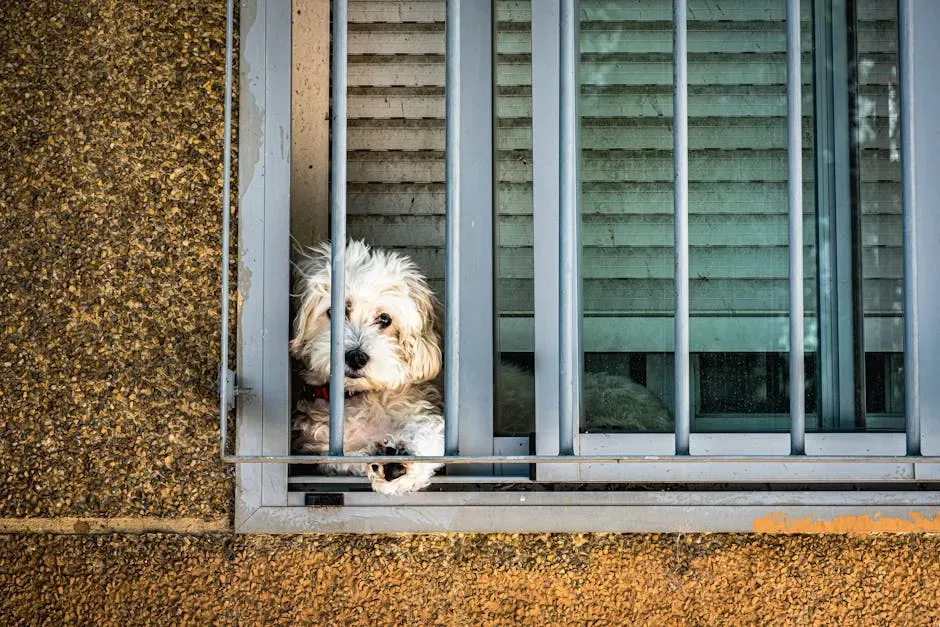
Here’s the thing about dogs and safety: they carry the feeling of it everywhere. A dog raised in a calm, loving home will associate people with warmth as a baseline default. Dogs remember experiences based on emotions, smells, sounds, and routines. A dog that was loved and well cared for will associate people with warmth and safety.
On the other side of that coin, fear leaves an equally powerful mark. Dogs have excellent episodic memory, allowing them to recall specific traumatic events. Fear memories are encoded very strongly in a dog’s amygdala and hippocampus.
Think of it like this: emotional safety is the soil that either nourishes or stunts a dog’s entire personality. Positive reinforcement during training can create strong, lasting memories. Unfortunately, negative experiences can have the same lasting effect, which is why gentle, reward-based training methods are essential.
The Scent of Someone They Loved

If you’ve ever watched a dog press their nose into an old blanket or sit frozen at a doorway where a familiar person once stood, you’ve witnessed one of the most powerful memory systems in the natural world. Dogs live in a world of scent the way people live in a world of color. Odors carry identity, history, and direction. That’s why many dogs recognize a person long before seeing them and why the glove you wore last week still means something today.
With nearly 300 million olfactory receptors, dogs rely on scent to remember familiar people, places, and experiences. This is why your pup recognizes you despite physical changes or absences. Their scent memory captures subtle nuances, allowing them to detect shifts in their environment and recall interactions tied to those scents.
Honestly, it’s one of the most emotionally moving aspects of being a dog owner. You could be gone for years, come home with a new haircut and different clothes, and your dog would still know you instantly. There are countless stories of dogs recognizing their owners after long separations, supported by studies showing that familiar scents can be remembered indefinitely.
Traumatic Experiences That Change Everything
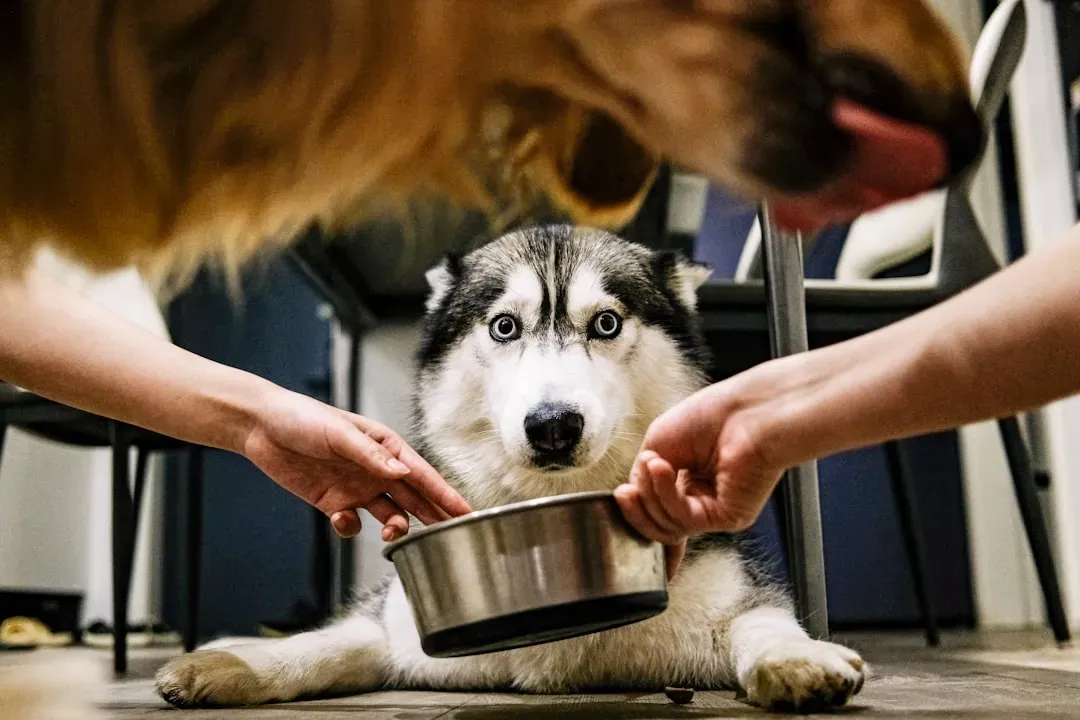
Some dogs carry wounds you can’t see. A rescue dog who freezes at the sound of a raised voice, or cowers when someone reaches overhead, isn’t being difficult. They’re remembering something awful.
Single-event learning happens when dogs learn from a singular, often distressing, event. A dog that has experienced a past traumatic event will rapidly form a strong and lasting negative association between the scary event and the real sense of danger or fear felt at the time. This can have a profound impact on behavior for life, leading to a fearful, anxious, or even aggressive response every time exposed to a similar situation.
The good news? Recovery is possible. Counterconditioning alters a pet’s emotional response to a stimulus from a negative one to a positive one. For instance, if your dog is afraid of people with hats, start by giving your dog a treat when they see a person in a hat. As your dog’s confidence builds, have people wearing hats give the treat. Over time, your dog’s response will change from fear to joy. Patience truly is the most powerful tool in the box.
The Joy of Rituals and Routines
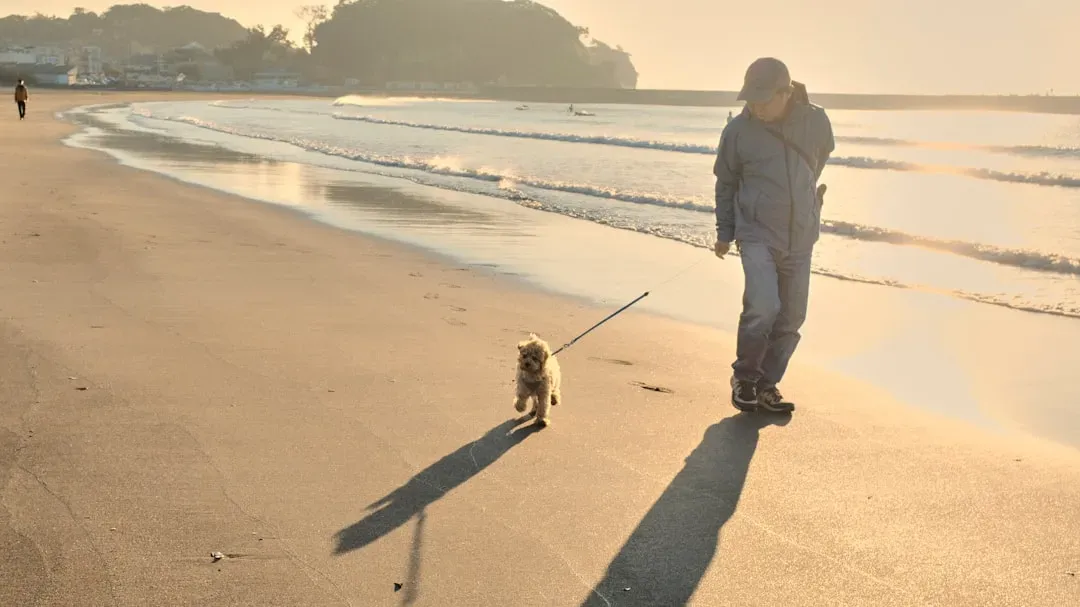
Your dog doesn’t just tolerate your morning routine. They deeply remember it. The jingle of your keys, the specific way you pour coffee, the time of day you put on your shoes – these rituals are emotionally charged cues that dogs store and treasure.
Excitement and fear both etch memories deeper. A thrilling game in the yard or the sound of the can opener primes the brain to remember the steps that led to it. Likewise, a startling event can mark a place or noise as important to avoid.
Through a mix of associations, emotions, and repetition, dogs carry with them lasting impressions that shape their behavior and their bond with us. So that tail-spinning joy when you pull out the leash? That’s a memory speaking – a happy one.
The Deep Imprint of Separation and Loss

Dogs grieve. It might look different from human grief, but the emotional memory of losing someone they love is very real. There is no conclusive evidence showing exactly why dogs develop separation anxiety. However, because far more dogs who have been adopted from shelters have this behavior problem than those kept by a single family since puppyhood, it is believed that loss of an important person or group of people in a dog’s life can lead to separation anxiety.
Watch for these behavioral cues if your dog has experienced a significant loss or transition: restless pacing, loss of appetite, searching behavior, and excessive attachment. Being abandoned, surrendered to a shelter, or given to a new guardian or family can trigger the development of separation anxiety.
The most compassionate thing you can offer is consistency. Predictable routines and patient, calm interactions send a quiet but powerful message: you’re not going anywhere.
The Memory of Play and Pure Delight
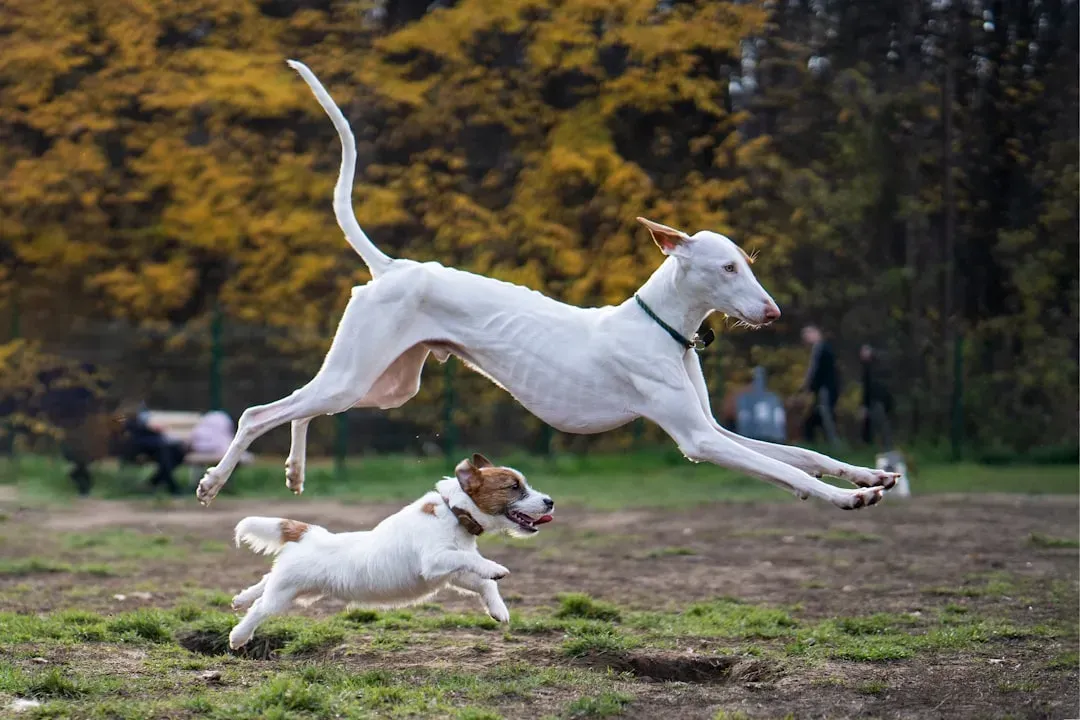
Let’s be real – not all emotional memories are hard ones. Some of the most enduring memories a dog carries are lit up with joy, play, and the specific people who made them feel alive. The confirmed emotions experienced by dogs include joy, fear, anger, disgust, and something akin to affection or attachment.
The emotional bond between a dog and their human significantly enhances memory retention. Dogs can remember owners for years, sometimes after five or more years of separation. They associate scents and voices with comfort and love, strengthening their ability to remember people.
A dog who had a beloved playmate – human or animal – will carry that emotional print long after they’ve parted ways. It’s the reason dogs sometimes mourn other pets who have passed. Their joy memories run that deep.
Training Memories That Last a Lifetime
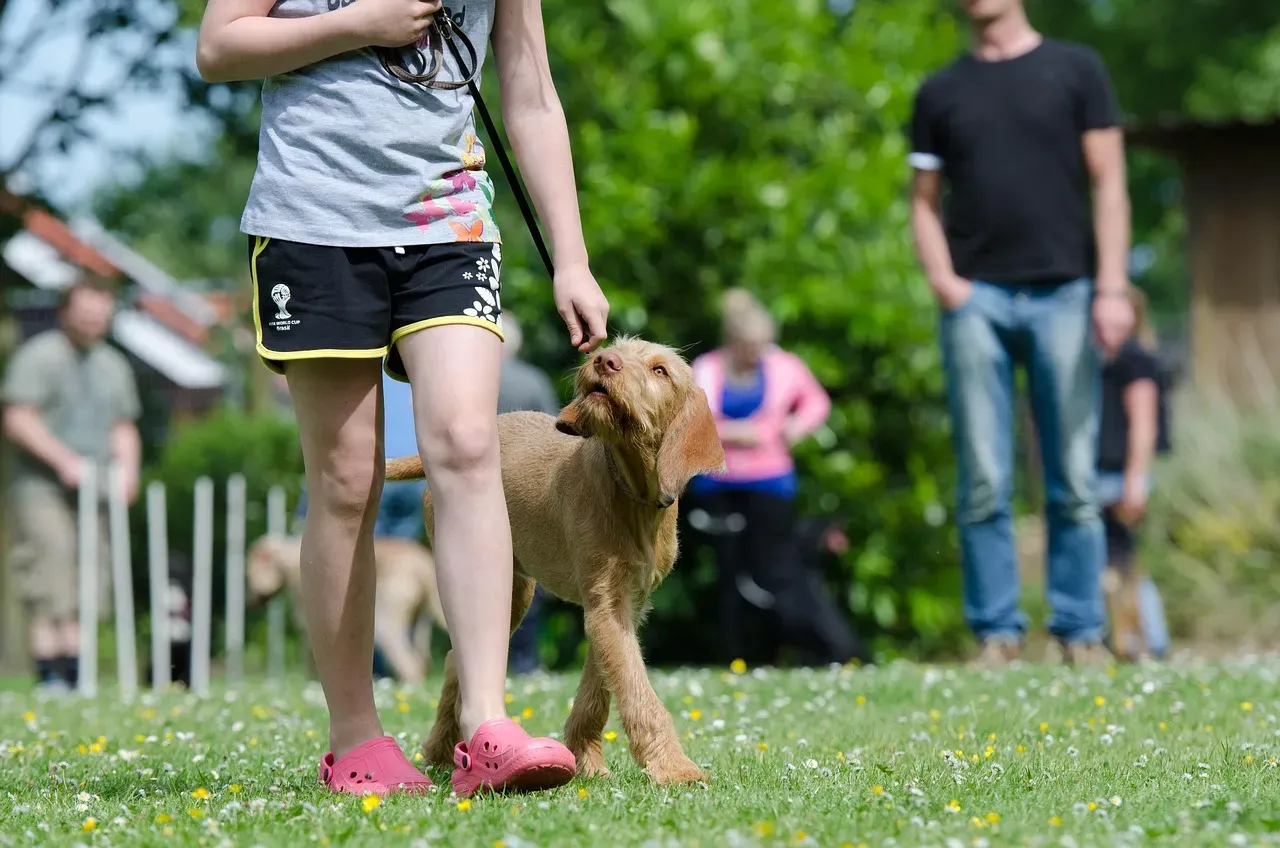
Here’s something that genuinely amazes me. Skills and commands taught to a dog in their early months can stay intact for over a decade, even without regular practice. Even in an aging dog, earlier memories seem to be intact. Despite not being practiced, memories of concepts taught when a dog is young may last for over a decade.
A study from Stockholm University found that dogs’ short-term memory averages only about 27 seconds for certain tasks, but their long-term associative memory can span months or years. Dogs trained to respond to commands can retain them for years, even without regular practice.
This is why training done with kindness and reward creates something almost permanent. Dogs that live in loving homes with attentive owners who positively engage and care for them will be primed for memory success. Fun games and reward-based training strengthen the neural pathways dogs use to process and recall information. Every kind session you invest is a memory that lasts.
The Emotional Memory of Being Truly Loved
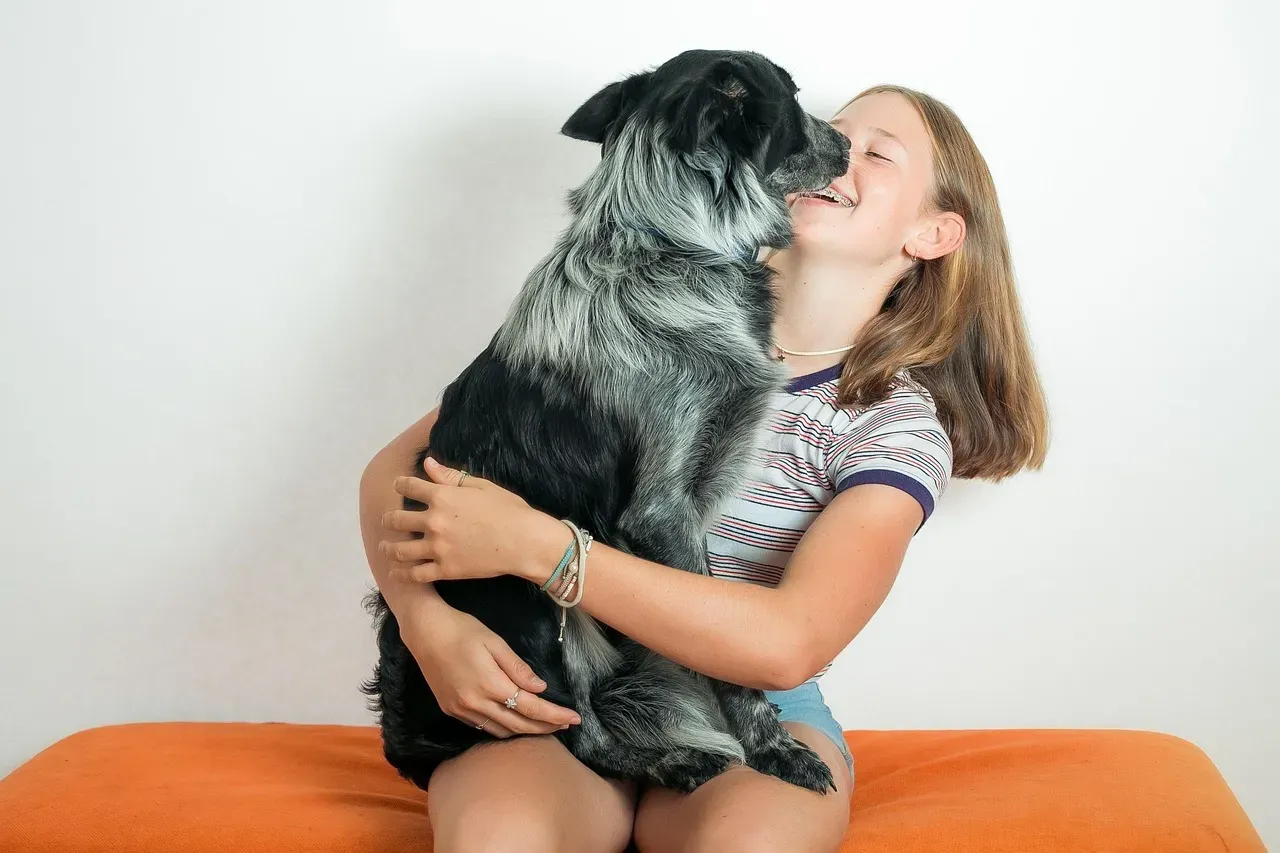
Perhaps the most powerful memory a dog can carry is simply this: the felt experience of being safe, seen, and genuinely loved. Dogs are particularly adept at remembering emotional experiences. This is because their amygdala – the part of the brain that processes emotions – is highly active.
Dogs, in their day-to-day lives, are not only passive in their own emotional experience but are also active subjects for expressing their emotions in a communicative way and, further, for recognizing the emotions and emotional expressions of others. They feel. They register. They remember who made them feel good.
Dogs may not remember every detail of their lives the way humans do, but their memories are far from fleeting. Through a mix of associations, emotions, and repetition, they carry with them lasting impressions that shape their behavior and their bond with us. Every act of kindness you offer your dog today becomes a thread woven into the fabric of who they are forever.
Conclusion: You Are Part of Their Story
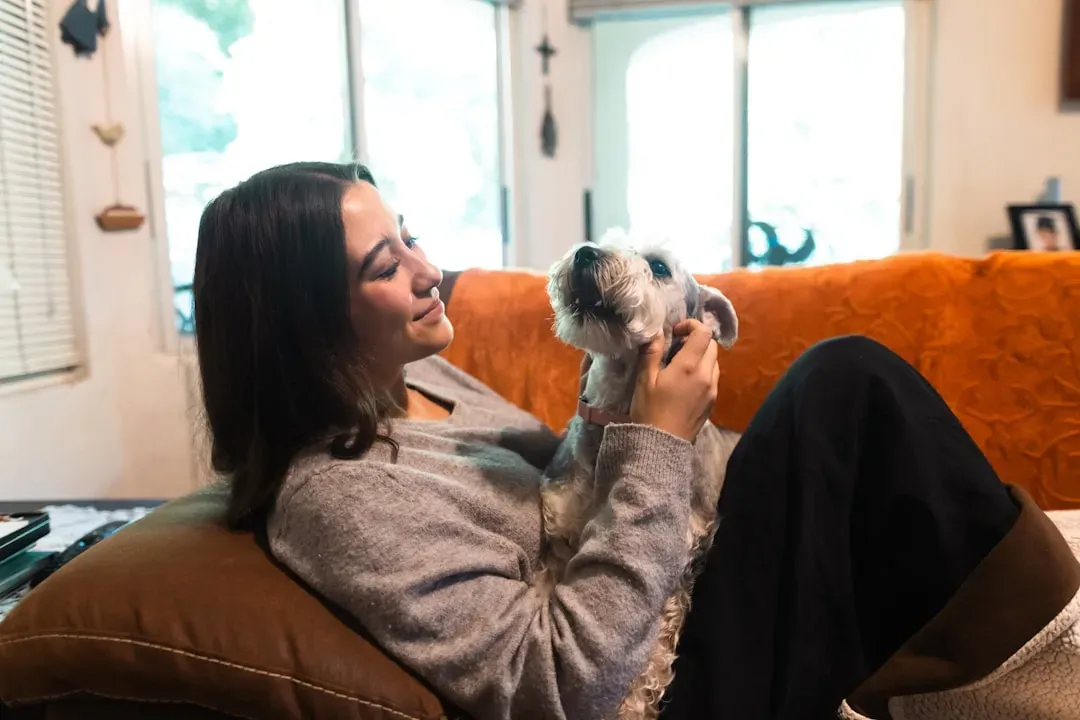
Your dog isn’t a blank slate that resets each morning. They are a living collection of emotional memories – moments of joy and fear, of love and loss, of safety and uncertainty. Every interaction you have with them contributes to that collection.
Understanding this changes everything. It means the patience you show on a hard day matters. The calm voice you use during a thunderstorm matters. The gentle hand you extend to a fearful rescue matters more than you know.
Dogs don’t have the luxury of telling us their stories in words. But their behavior, their body language, and the way they lean into us or pull away – that is their story, written in emotion and memory. Just like people, dogs can experience fearful events that can have a traumatic impact on them. They’re sentient beings, using the power of their senses and consciousness to observe and interpret the world around them.
So love them with that in mind. Because to your dog, you aren’t just a person. You’re one of the most important memories they will ever carry. What kind of memory do you want to be?


